The DIY Question
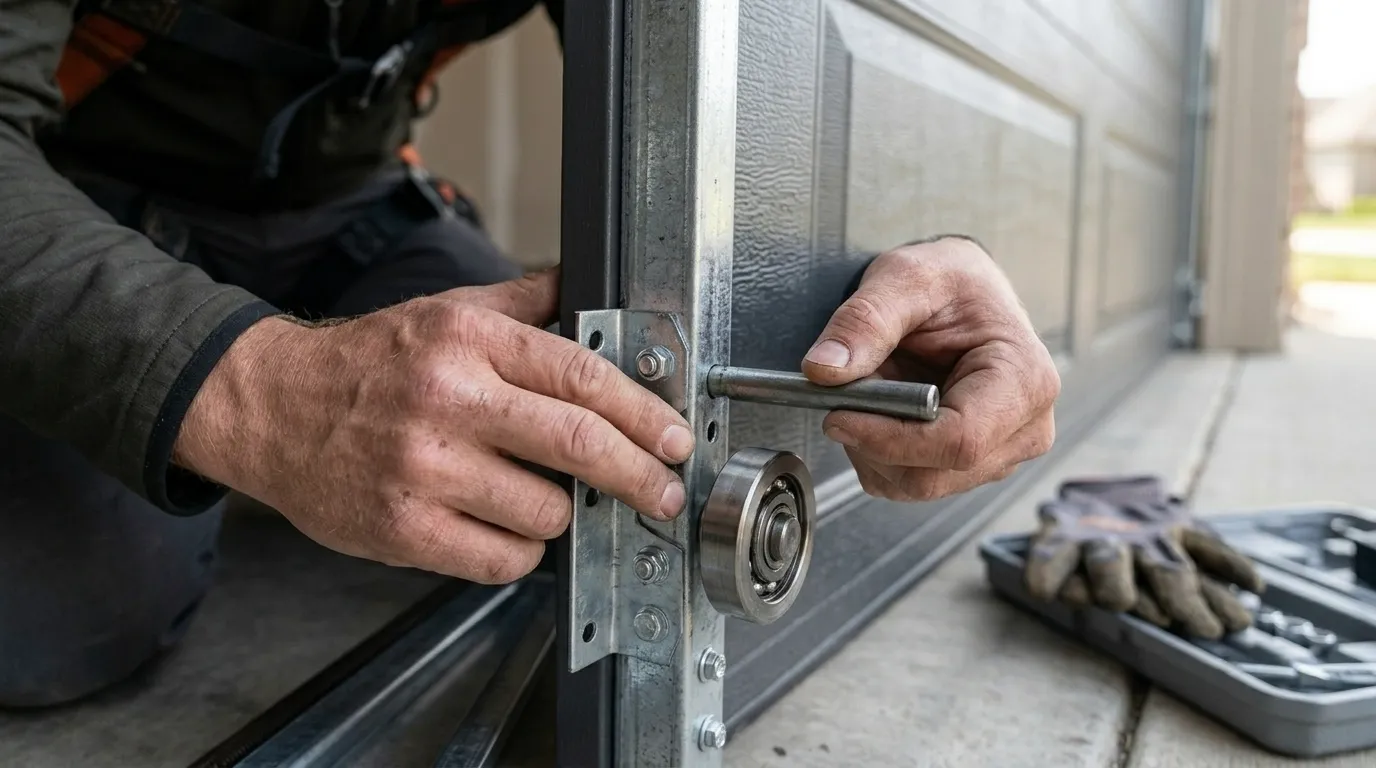
A door that's popped one roller and is still mostly seated can sometimes be walked back onto the track by hand, if the door is light, the spring tension is intact, and you're comfortable working with the door propped open. That's the edge case, not the rule.
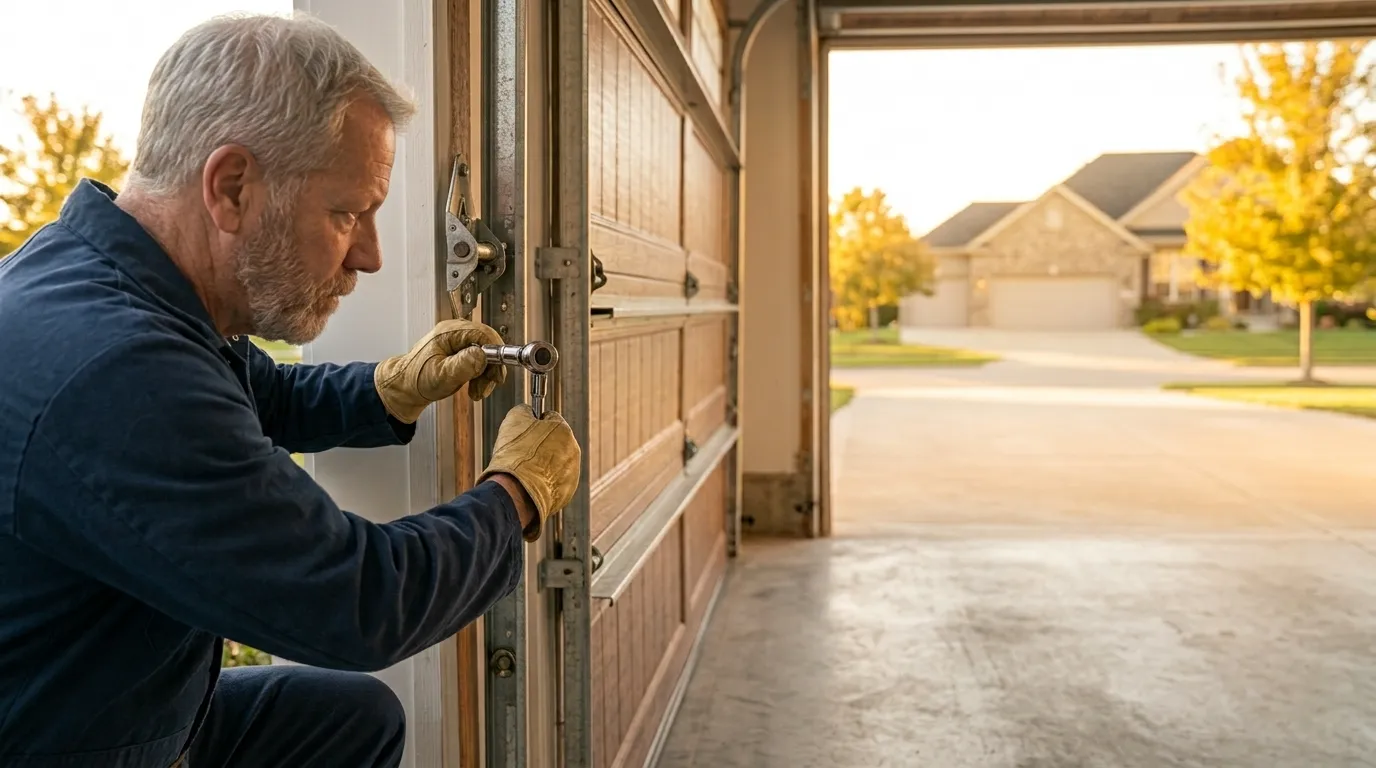
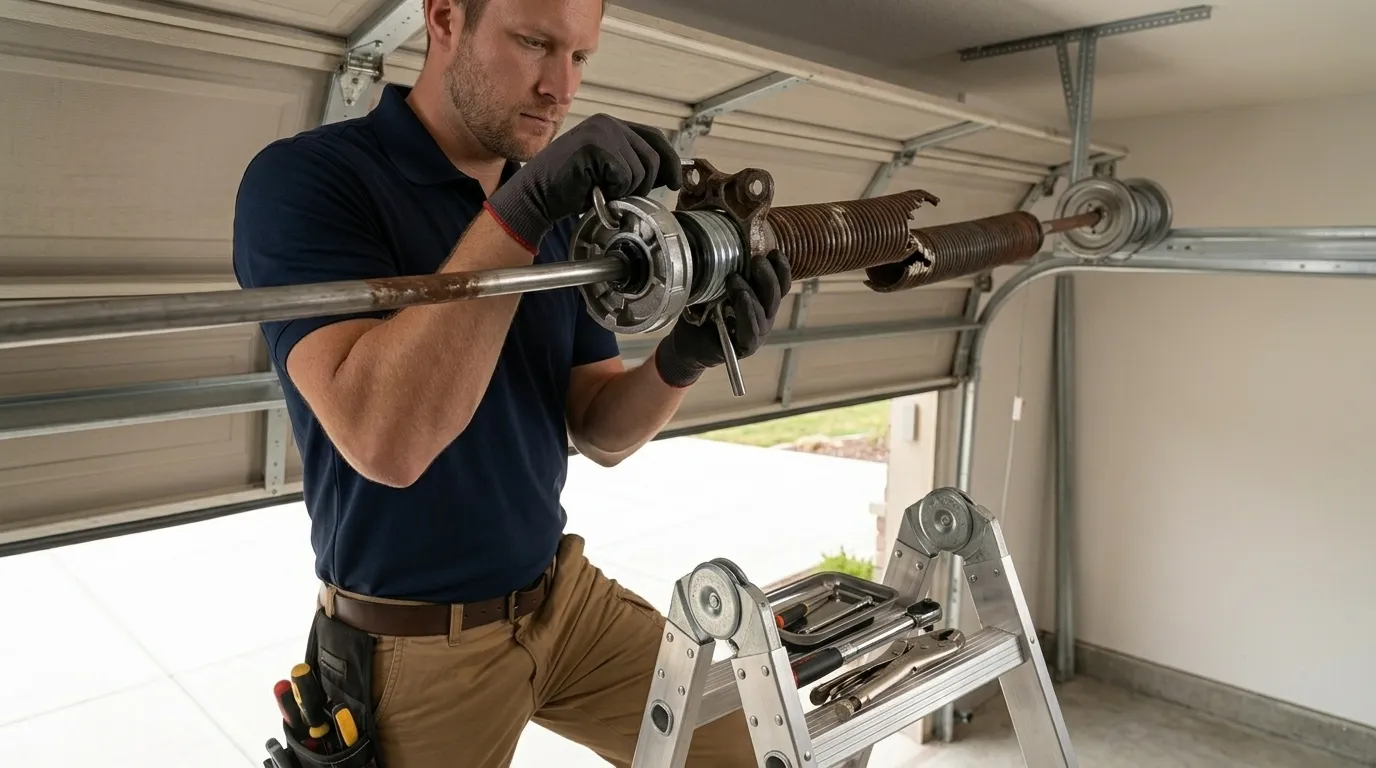
Most off-track calls we see in this area are past that point - a bent track rail, a bracket pulled loose from the jamb, or a cable that's frayed enough to let go without warning. Torsion springs on these older setups hold real force, and a bracket that lets go while someone's hand is near the track has put people in the hospital. If the door is a two-car door, if a spring is involved, or if you can see the track has actually bent rather than just come loose, that's a call, not a weekend project.
One honest limitation: we don't do warranty work on tracks that have been re-bent back into shape rather than replaced. A track that's taken enough impact to force it off its brackets is usually compromised even after it looks straight again, and we'd rather tell you that up front than sell you a fix that won't hold.
Where This Job Goes Sideways
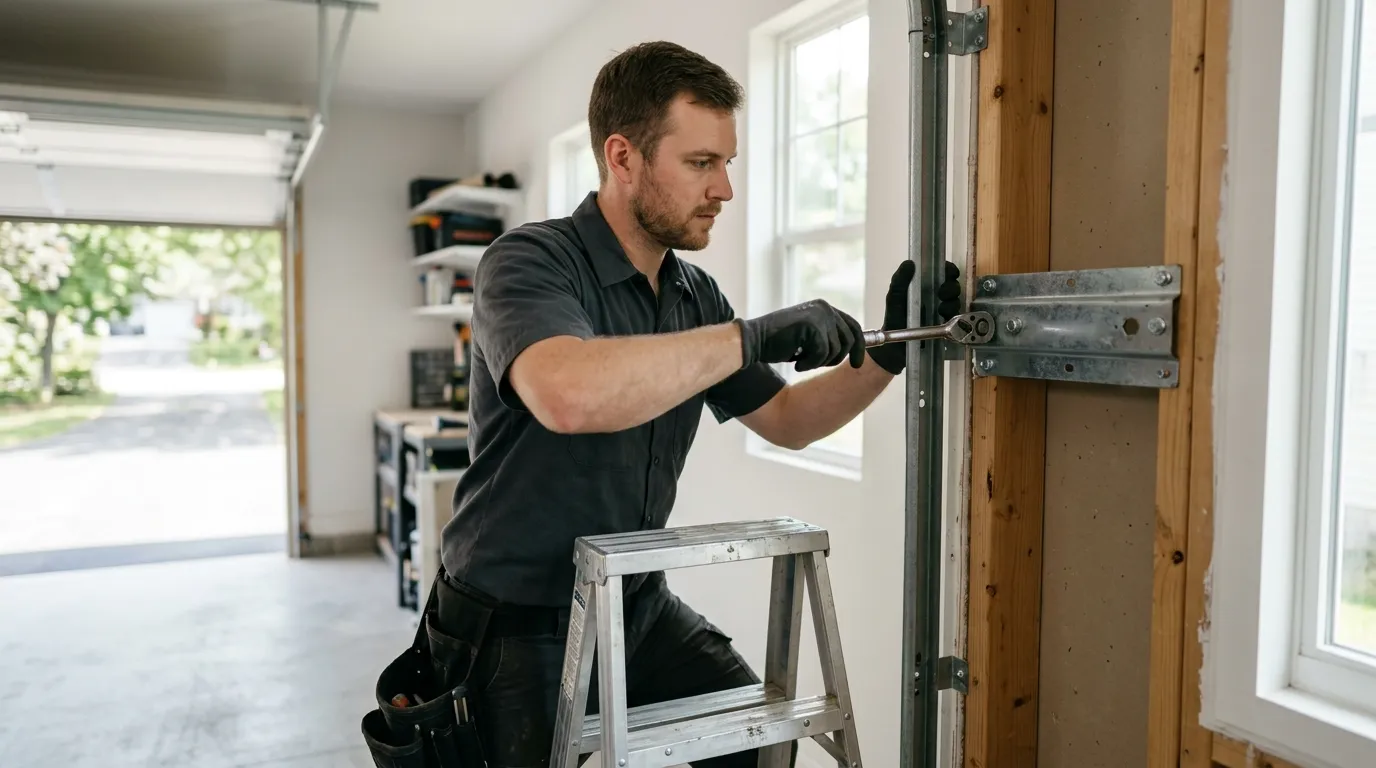
The failure that turns a simple roller-out-of-track job into a bigger one is almost always the bracket, not the track itself. On houses from the 1950s era common here, the vertical track bracket was often lag-bolted into jamb framing that's shrunk and dried out over the decades. When the door pulls hard against a stuck roller, that bracket can rip partway loose without anyone noticing - until the next cold snap, when the wood contracts further and the whole bracket lets go.
Cold matters here specifically. This area sits in a severe cold climate band, and steel track contracts in low temperatures just enough to close the gap tolerance the rollers need. A door that ran fine in October can start binding and popping rollers in January on the exact same hardware, no damage required. That's why a lot of off-track calls cluster in the coldest stretch of winter rather than spreading evenly across the year.
We also see this go wrong when a homeowner reseats the roller themselves without checking the opposite side track for the matching bend - a door with one straight rail and one slightly bowed rail will pop the same roller again within weeks.
The Cost of This Job
We don't quote a flat price here because off-track jobs split into two very different categories: a roller reseat with sound track and brackets, versus a bent-track or torn-bracket repair that needs new hardware and possibly jamb work. Those two jobs cost different amounts, and quoting one number for both would be a guess dressed up as a fact.
What we can tell you is what drives the cost either way: whether the track itself needs replacing versus just realigning, how many rollers are worn versus just displaced, and whether the bracket has pulled loose from the framing. A cable involved in the same failure adds to it, since cable isn't something to patch. We'll give you the actual number after we've seen the door and the track, not before.
Booking a Visit
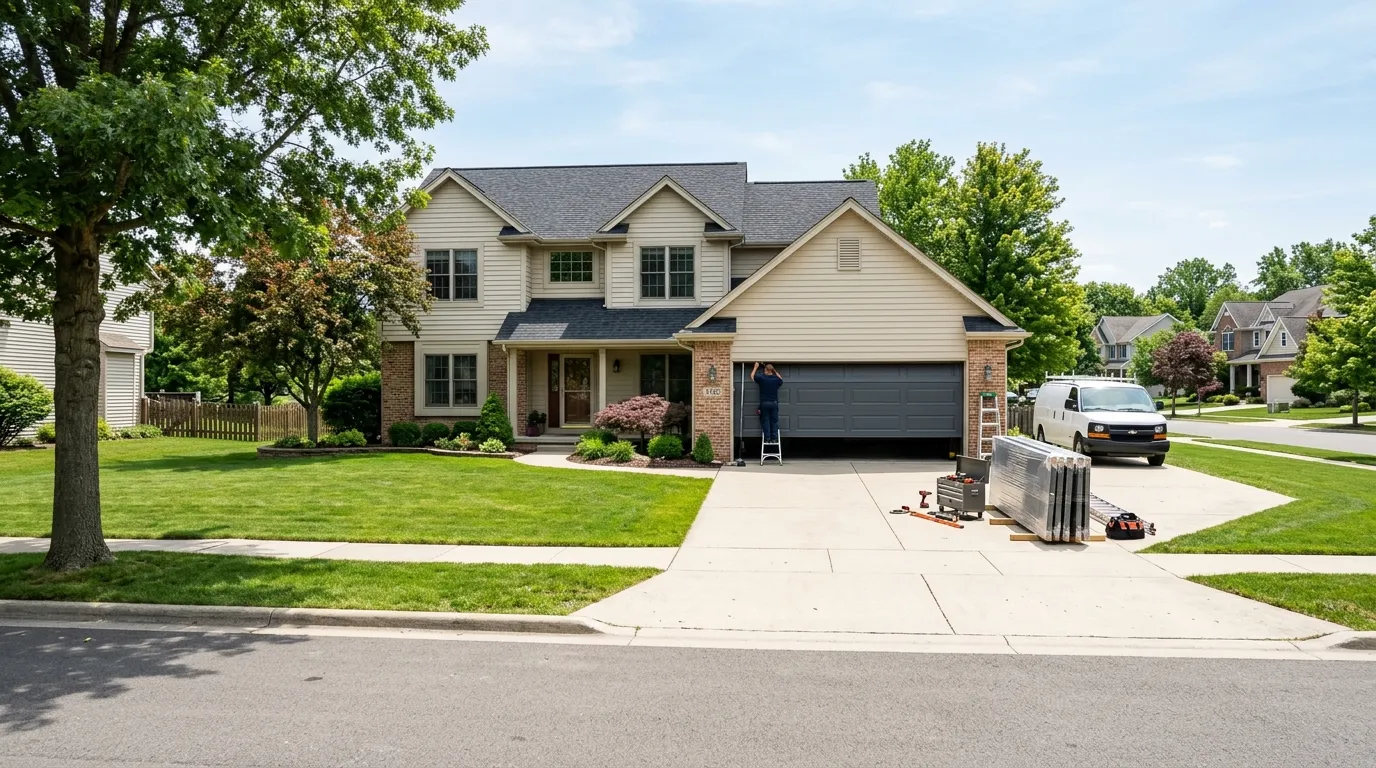
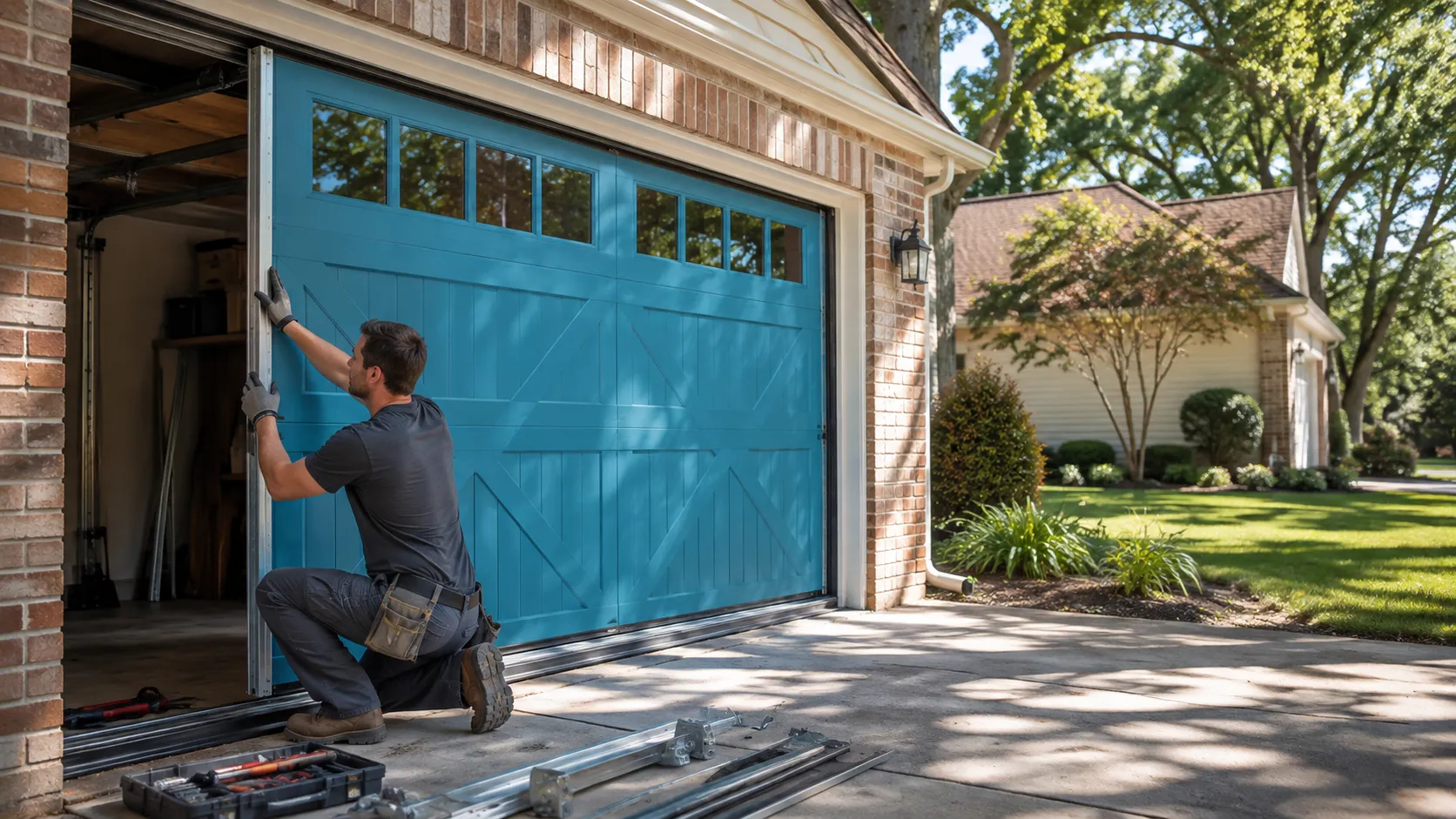
We travel out to Castle Shannon from Pittsburgh, about 6 miles, to handle these calls. If your door is currently off both tracks or you can see a bent rail or a loose bracket, don't force it open or closed again before we get there - that's usually how a one-side repair turns into a two-side one.
For the rest of what we do for doors in this town beyond off-track repair, see our Castle Shannon page. For the fuller rundown on off-track repair as a service across the wider Pittsburgh area, that's covered on our main off-track repair page.