What the Repair Takes
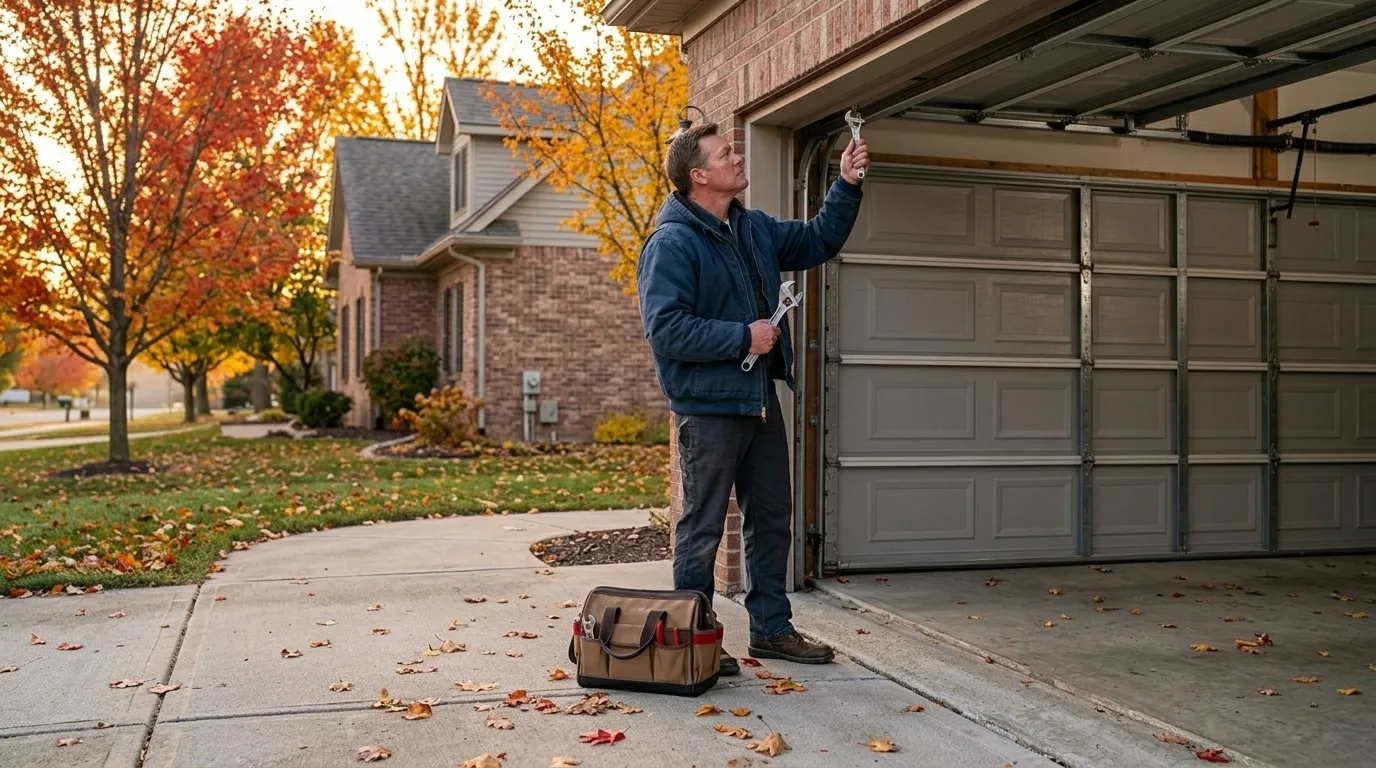
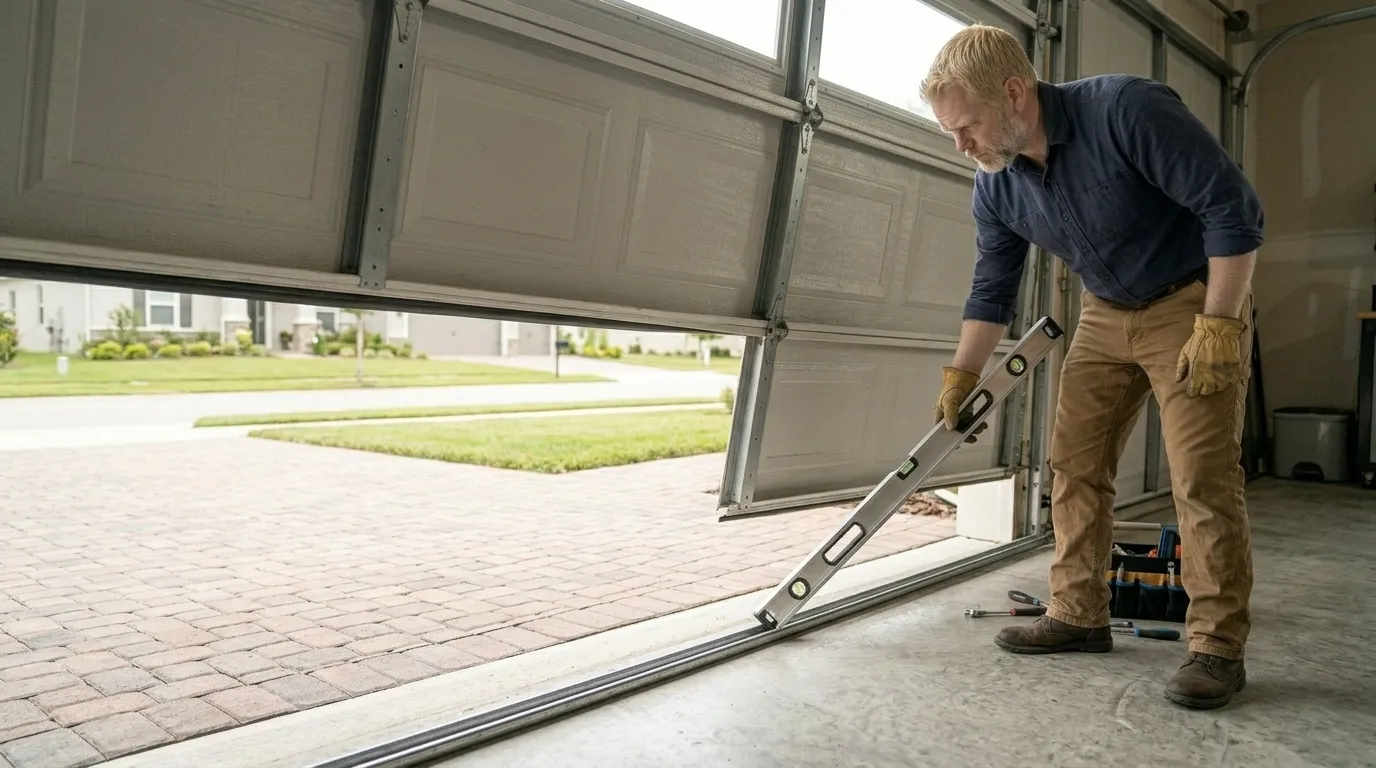
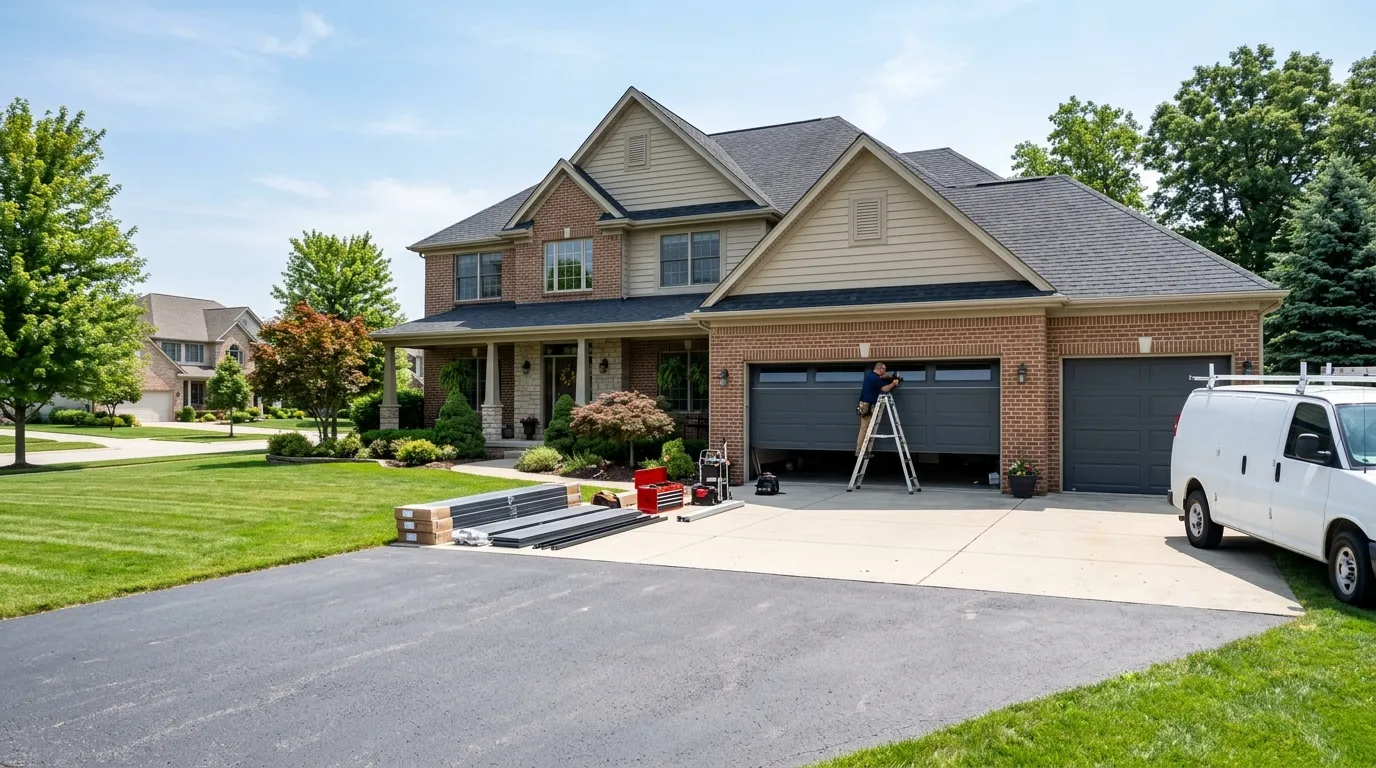
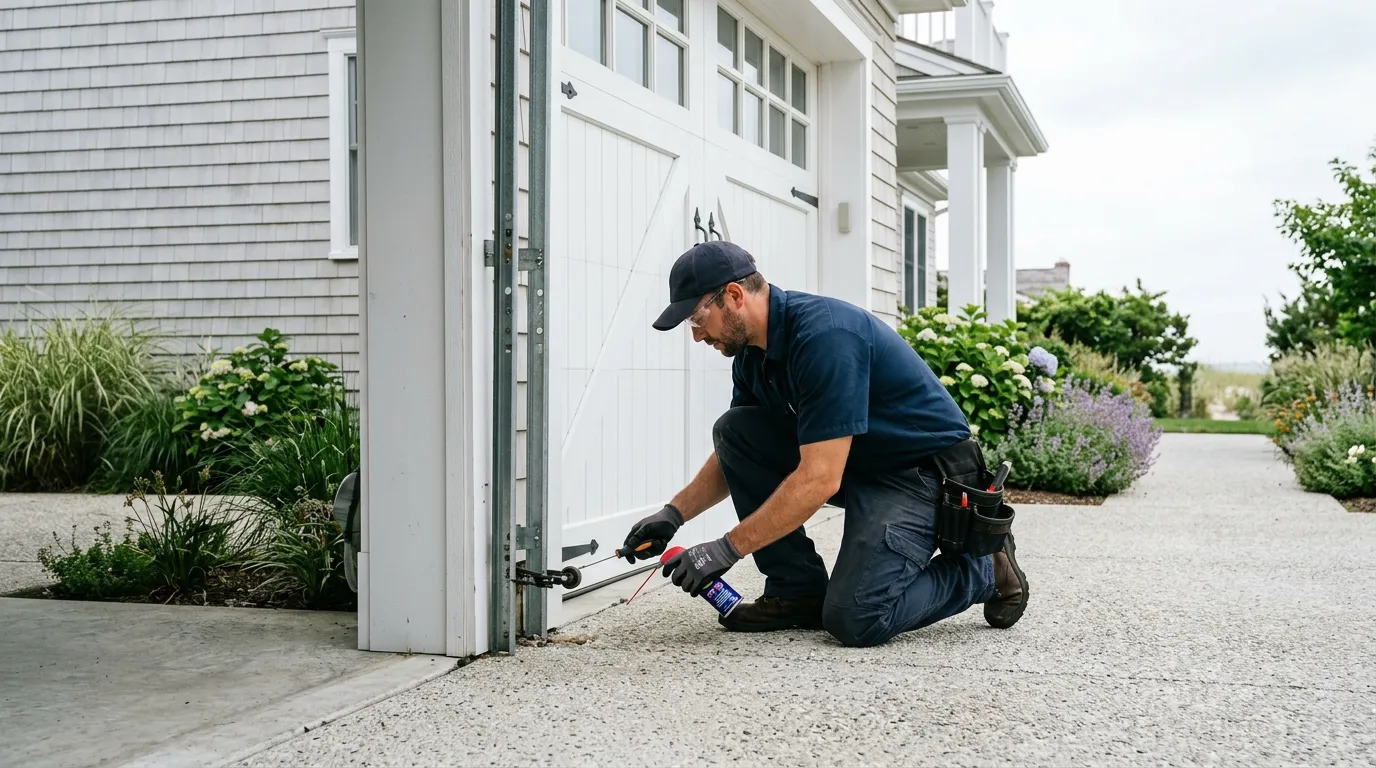
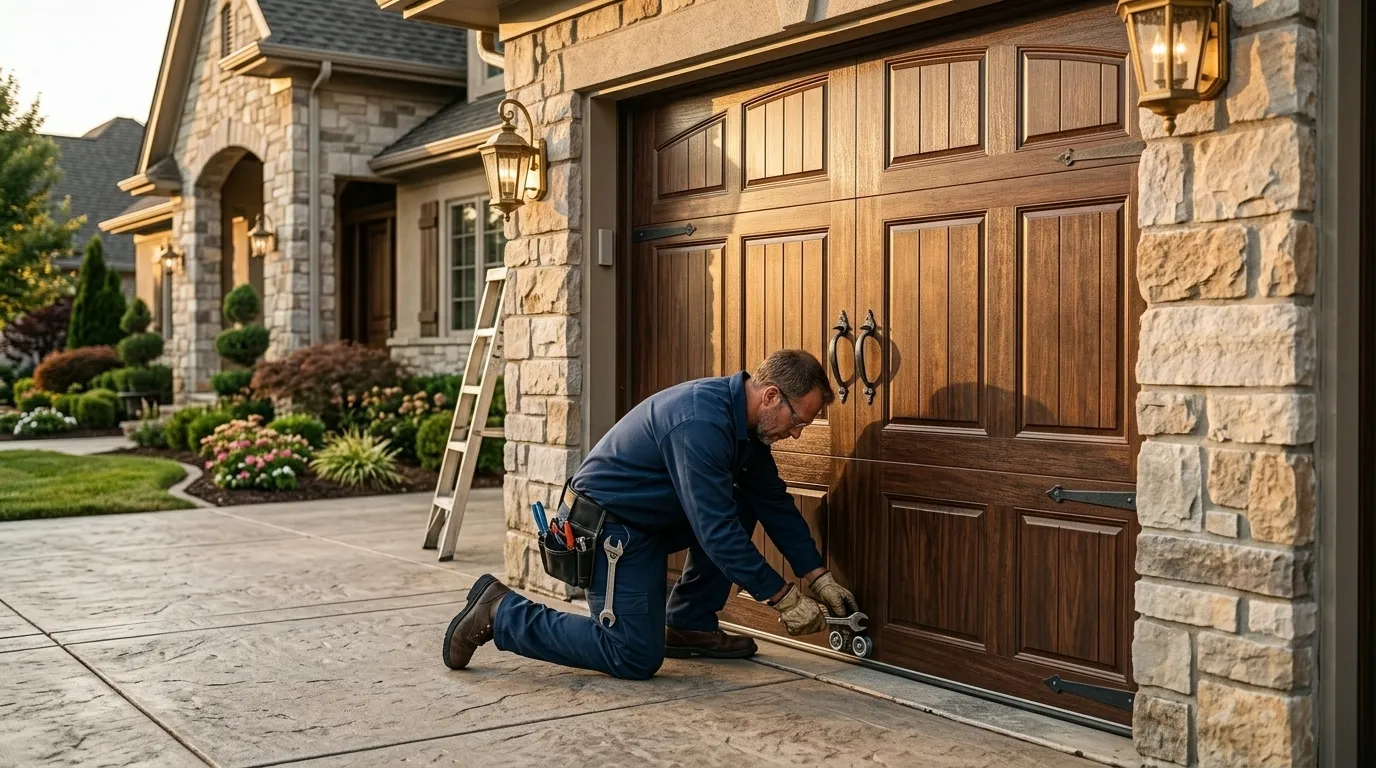
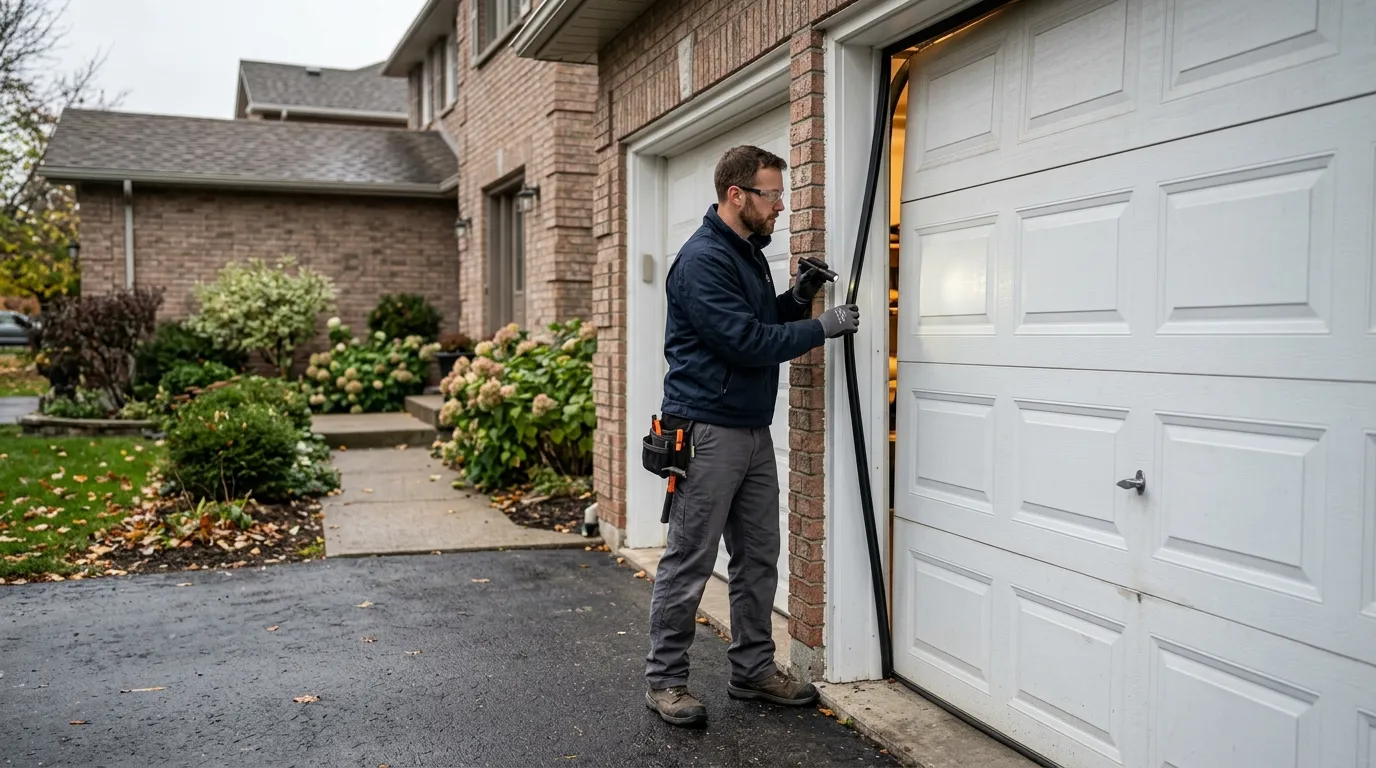
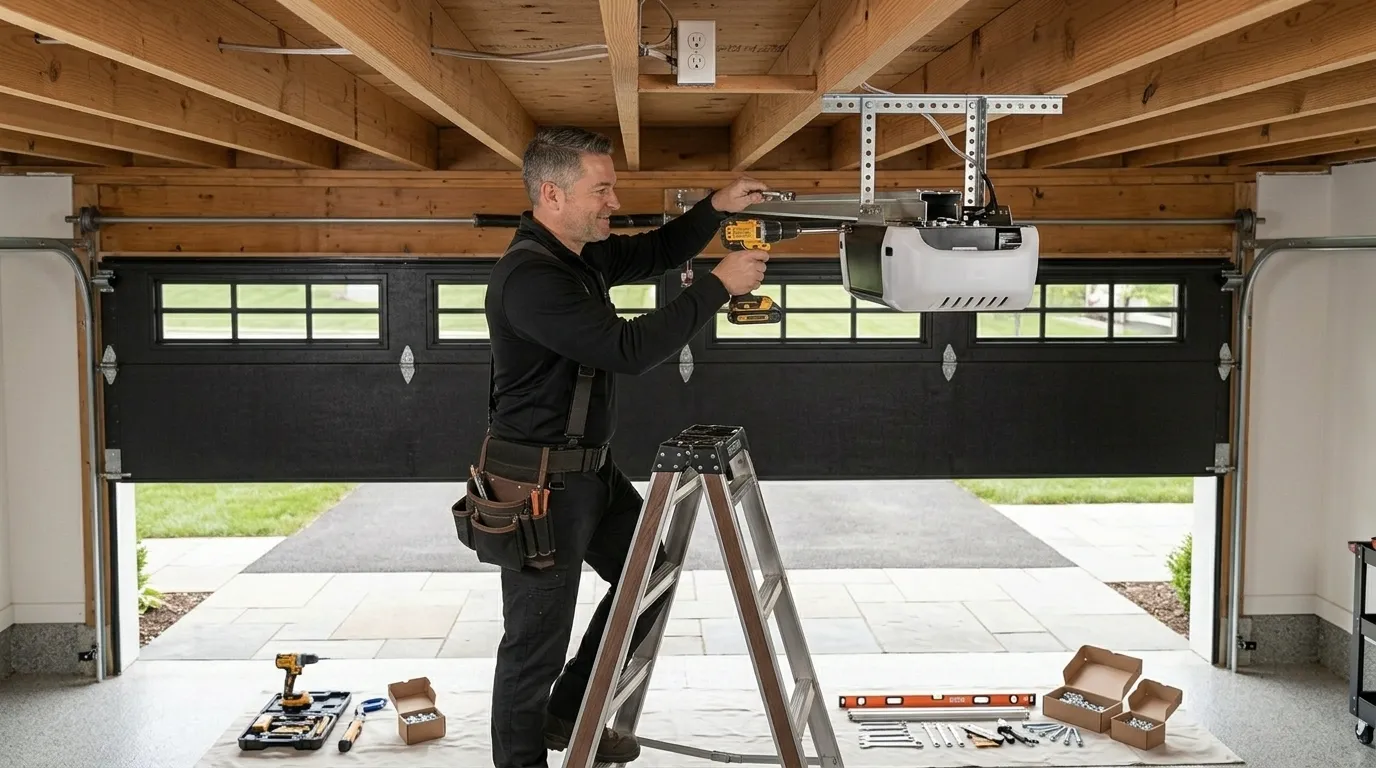
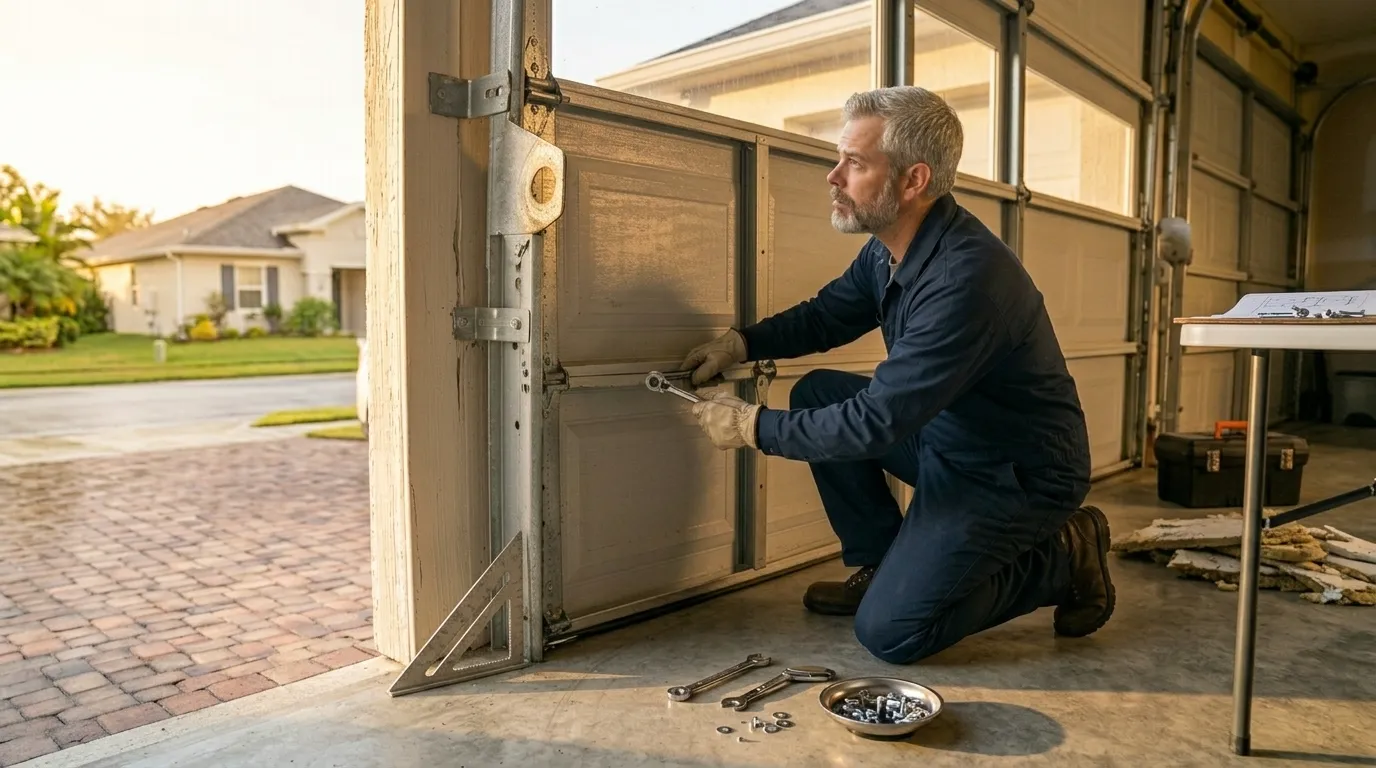
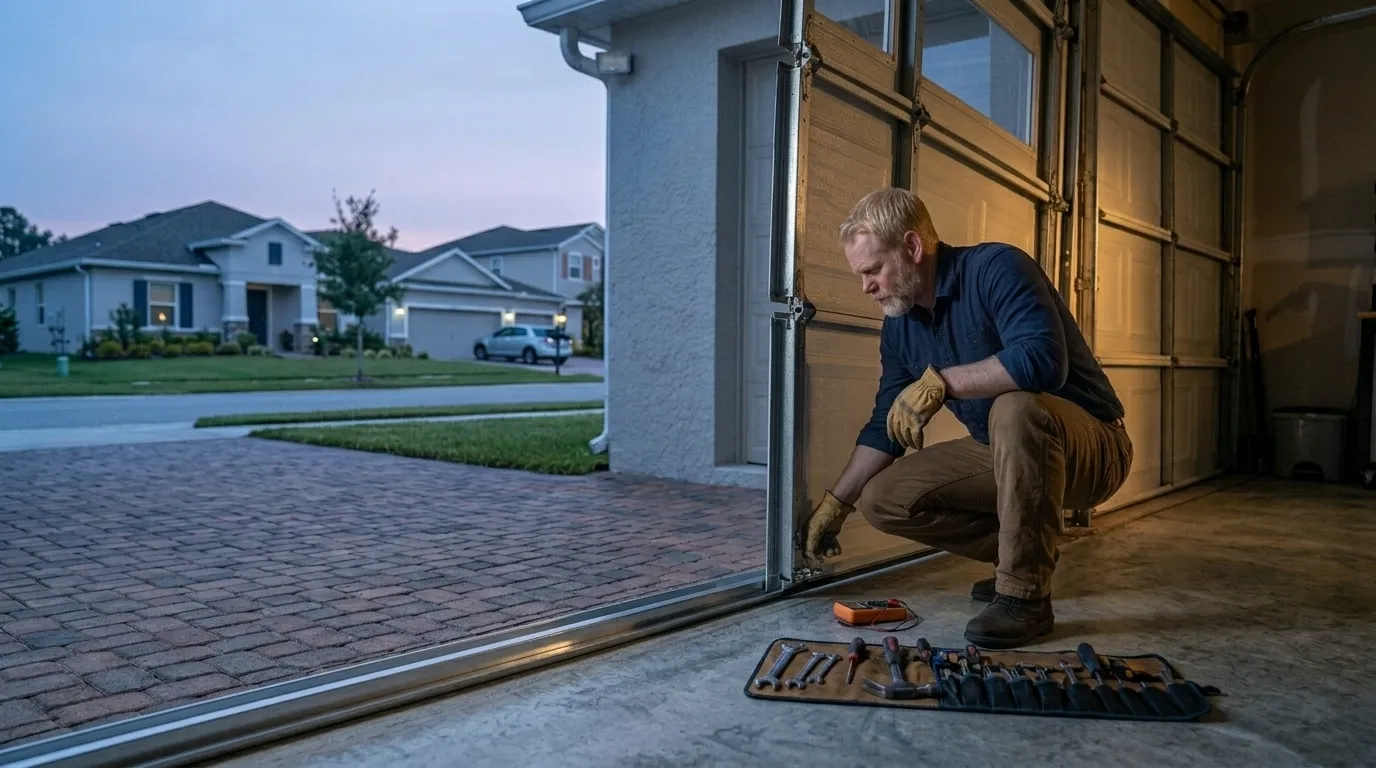
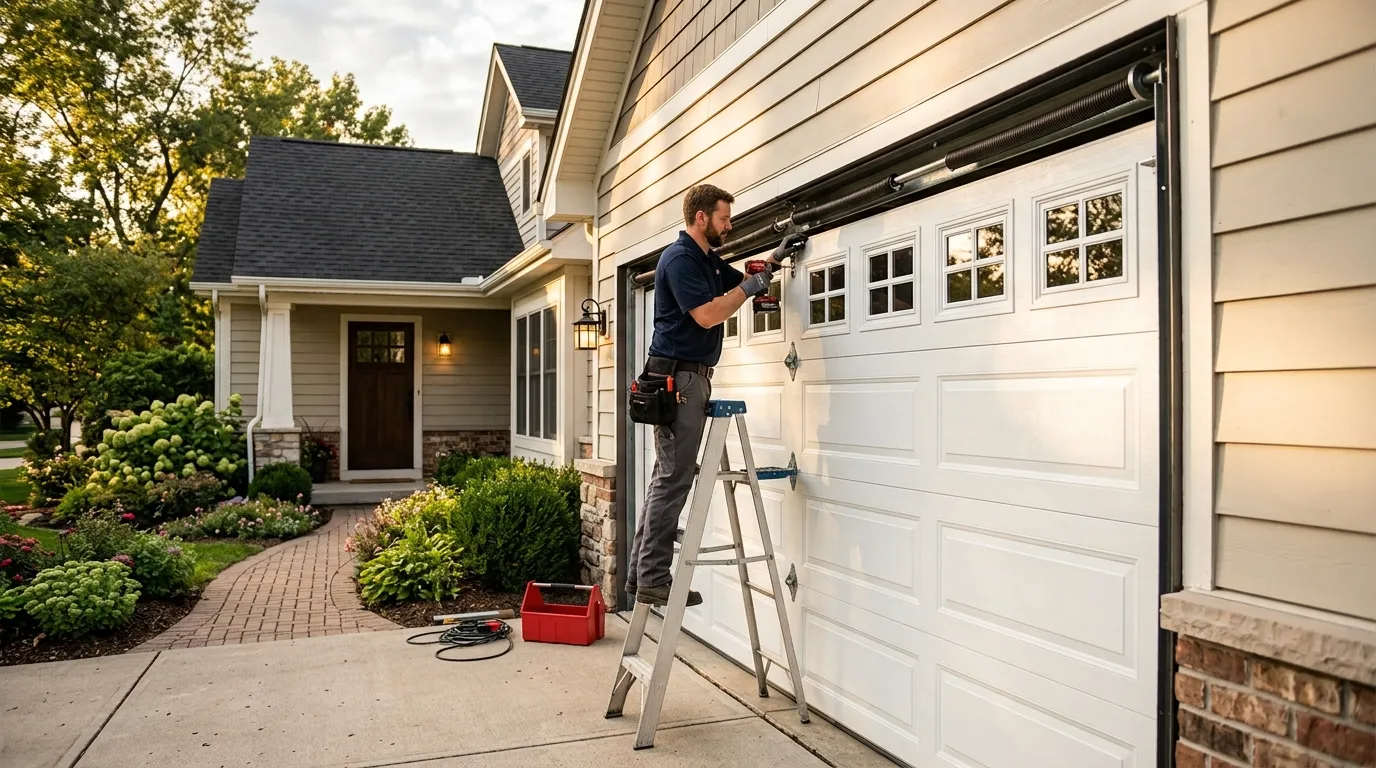
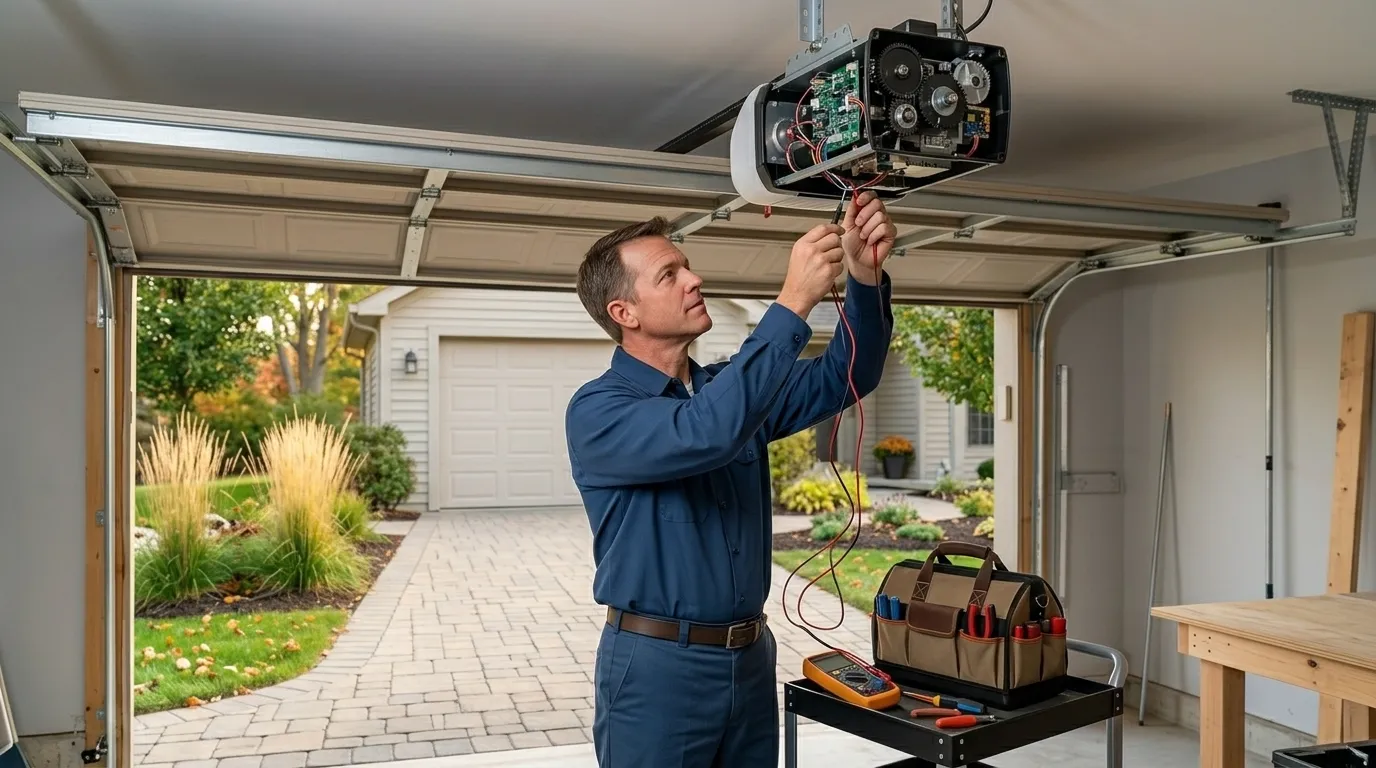
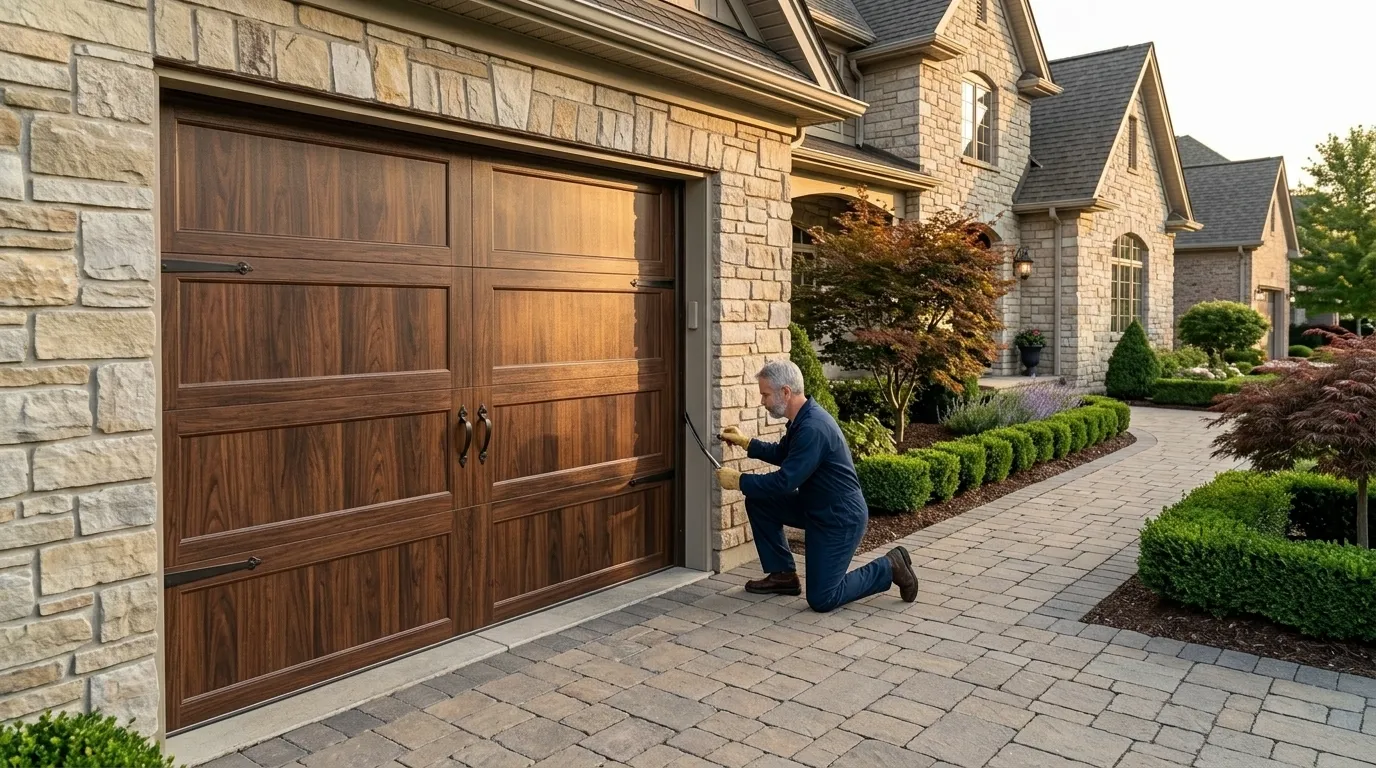
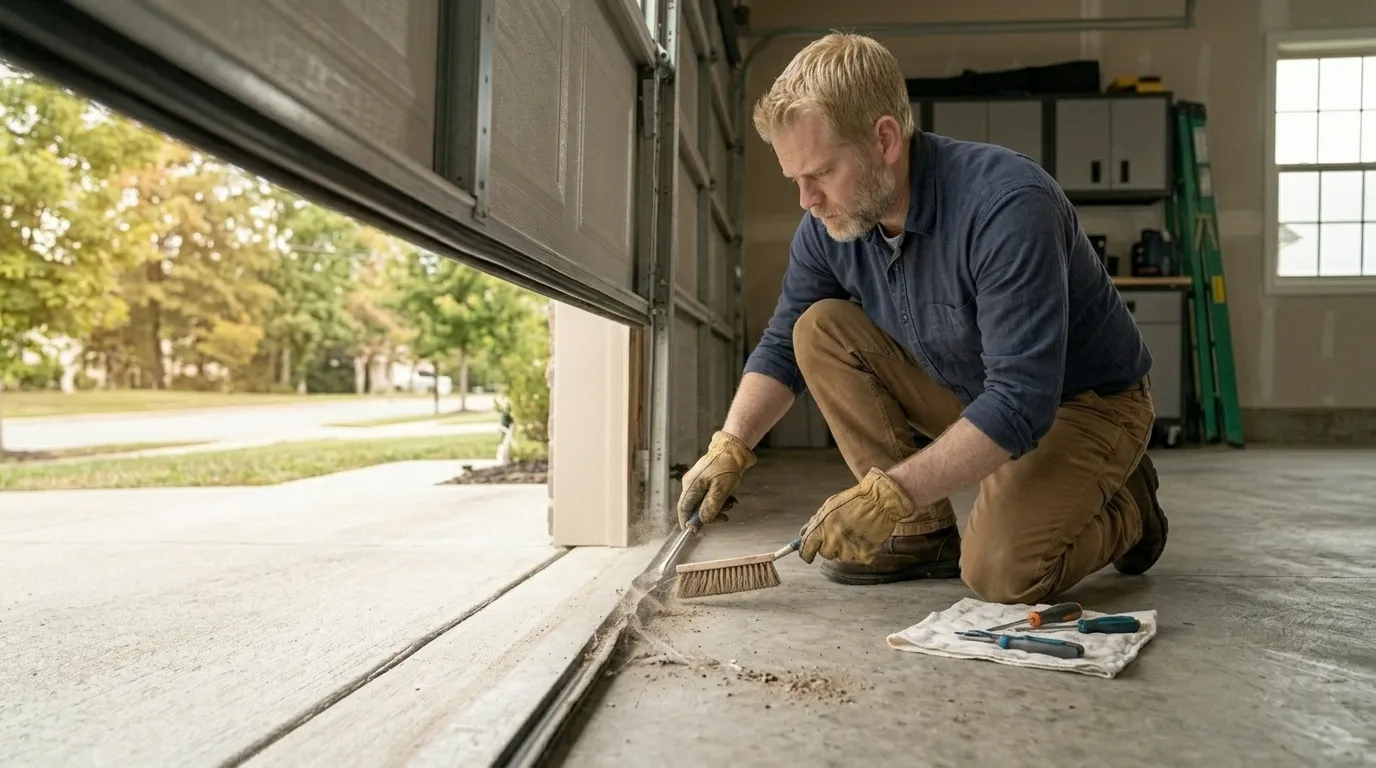
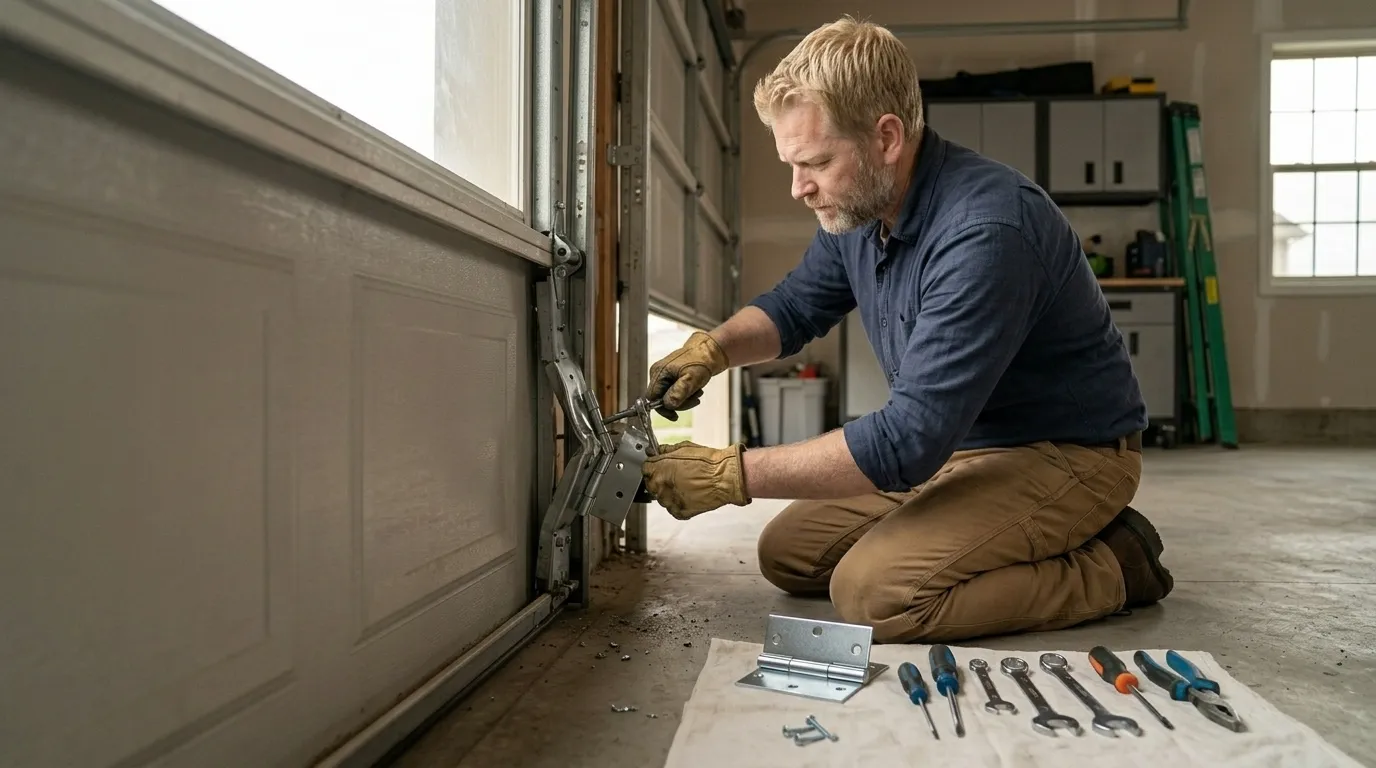
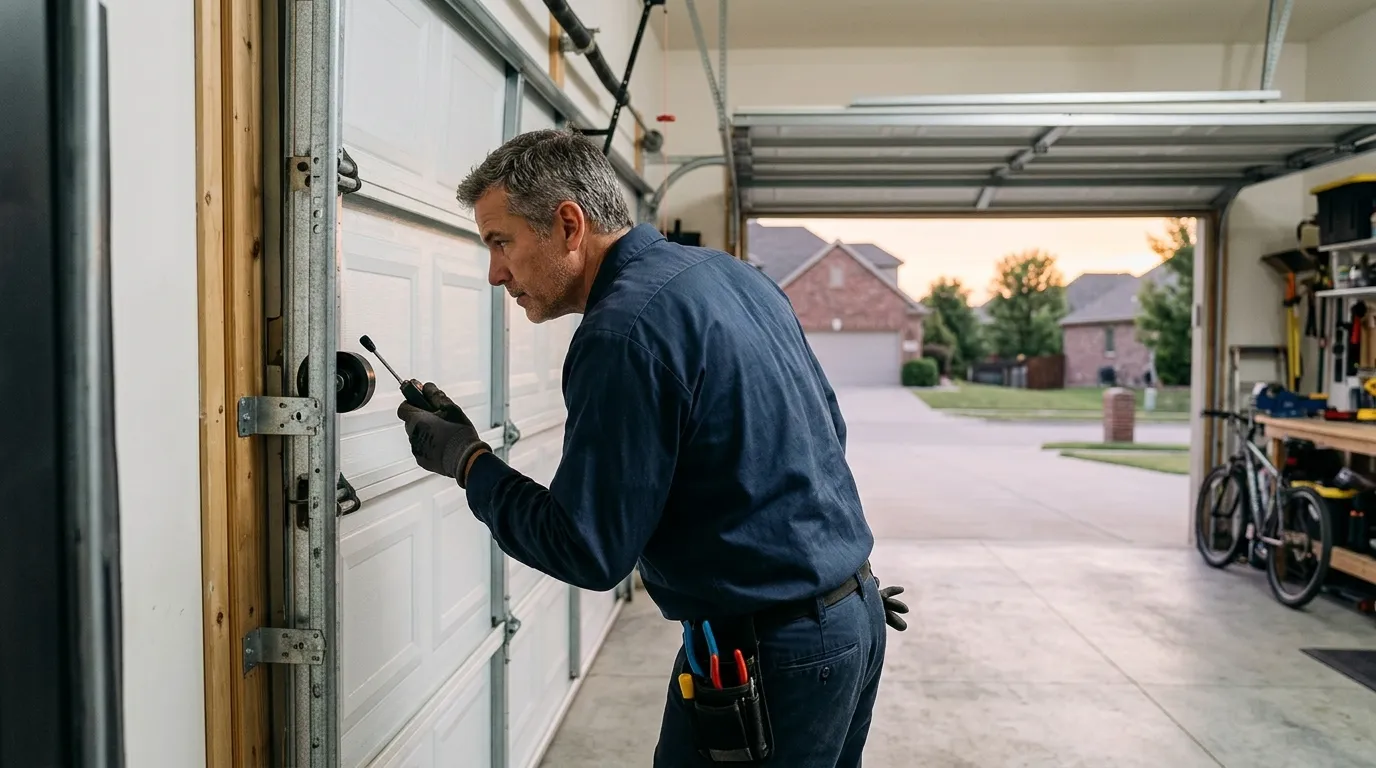
An opener call starts the same way every time: we run the door manually first, off the opener, to see whether the door itself moves freely on its rollers and tracks. If it doesn't, no amount of opener work fixes the real problem, and we say so before touching the unit. Once the door is confirmed free, we check the logic board, the travel limits, the safety sensor alignment at the base of the tracks, and the drive mechanism itself - chain, belt, or screw, depending on what's installed. Cold-weather households get an added step: we check the gear grease and motor draw, since that's the part that fails first in an unheated garage through a Pittsburgh winter. Some repairs are a fifteen-minute sensor realignment. Others mean the logic board or motor is done and replacement is the honest answer, especially on a unit already a decade or more old. We don't push a new opener on a board that just needs a sensor cleaned, and we don't keep patching a motor that's cooked. One limitation worth stating plainly: if the opener brand is old enough that the manufacturer no longer makes replacement boards, we tell you that up front rather than order a part that isn't coming.
What You Are Seeing
The door reverses right before it touches the floor, or won't close at all and just backs up partway. The opener runs but the door doesn't move, meaning the drive is disengaged or the gear inside has stripped. The light blinks a set number of times and won't stop - that's the unit trying to tell you which limit or sensor it's tripping on. You hear the motor working harder than it used to, a grinding note that wasn't there last summer. The remote works from across the driveway but not from the car, which usually points at a sensor or antenna problem, not the remote's battery. In a lot of the houses we get called to across this service area, these symptoms show up worse from November through March, easing off some by spring - a pattern that tracks straight back to how a cold garage treats an aging drive mechanism, not a coincidence of timing.