What the Repair Takes
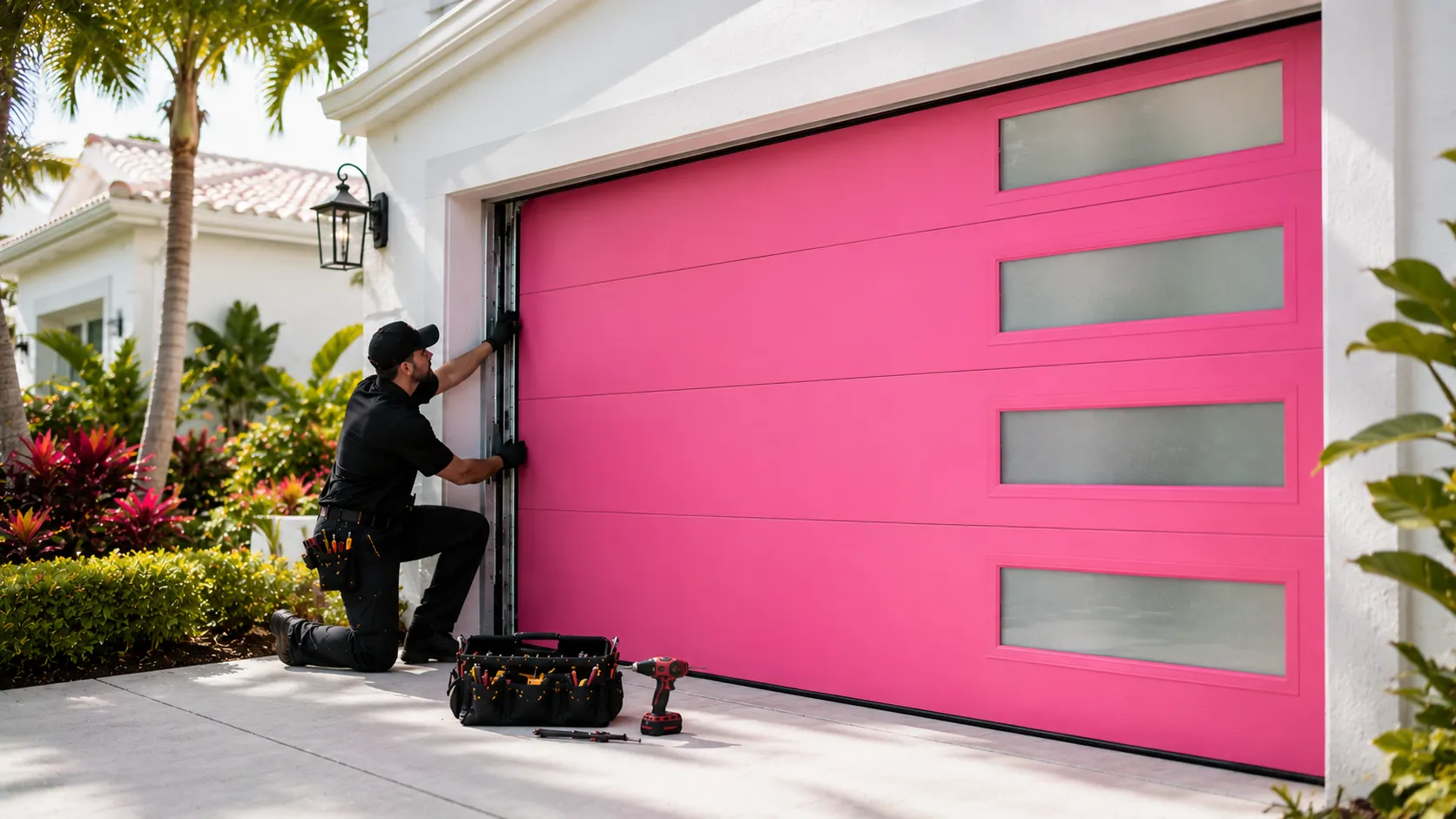
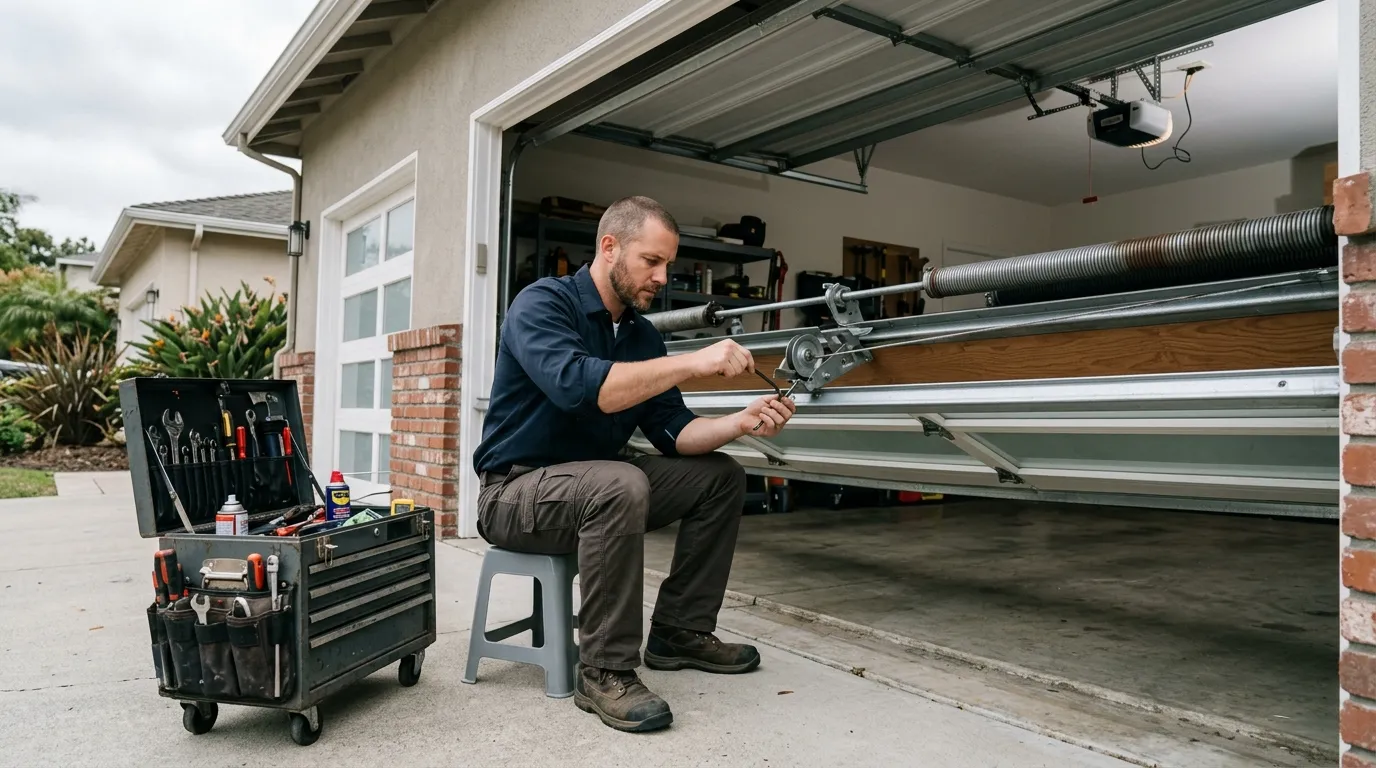
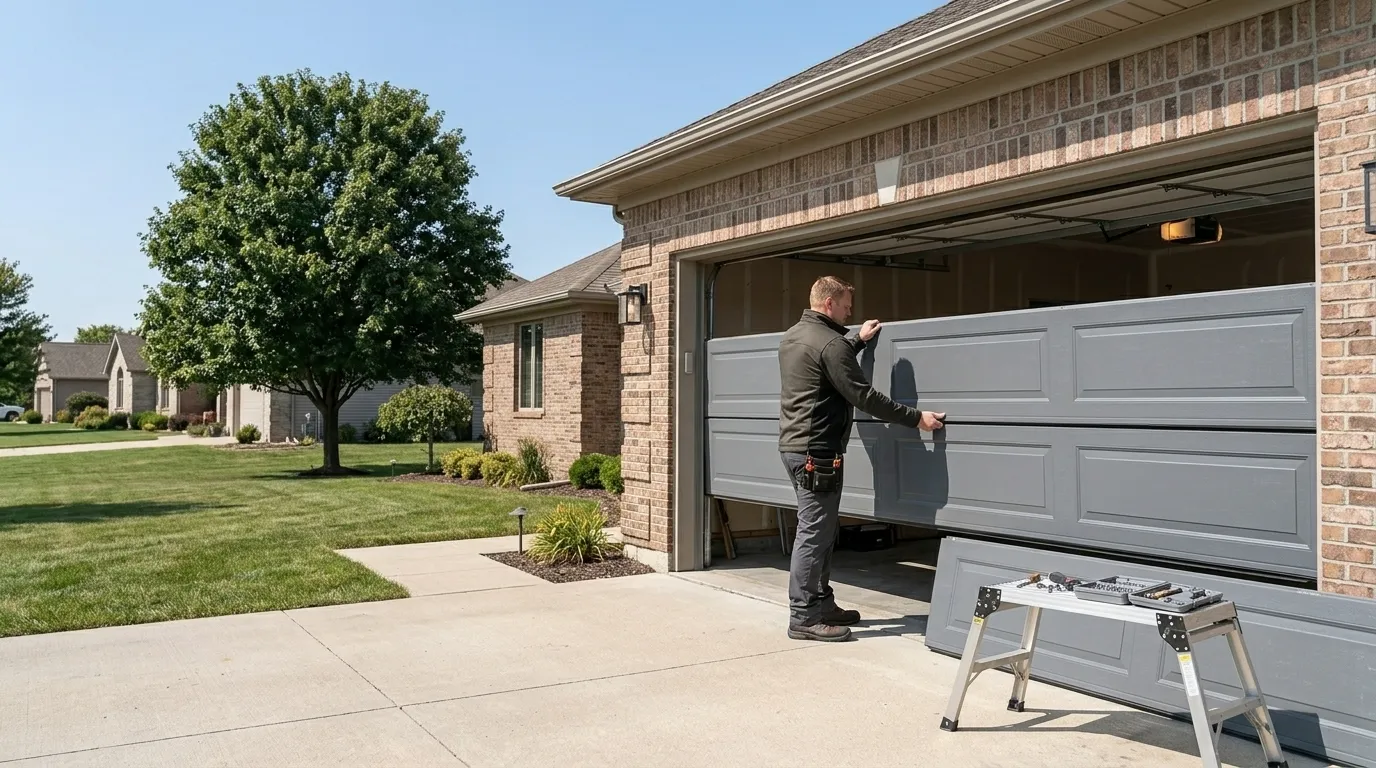
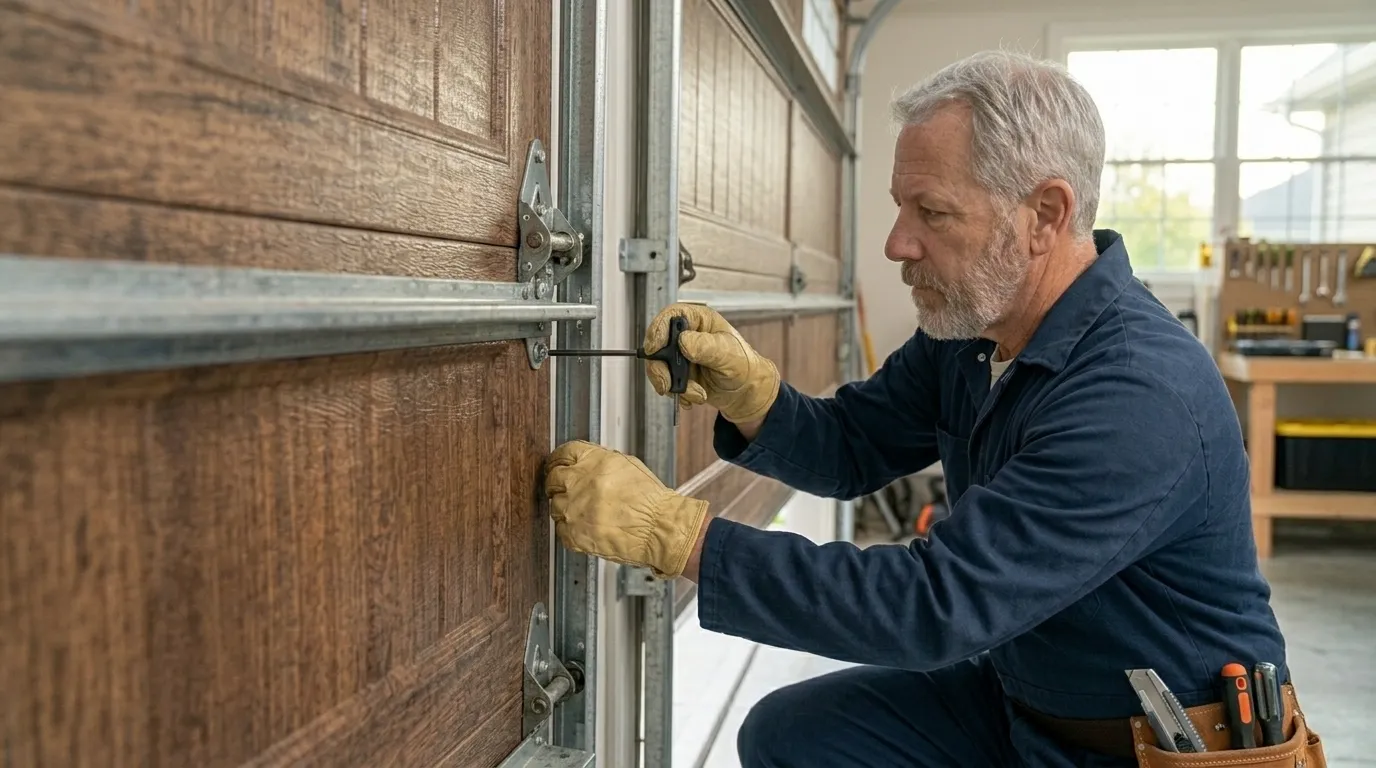
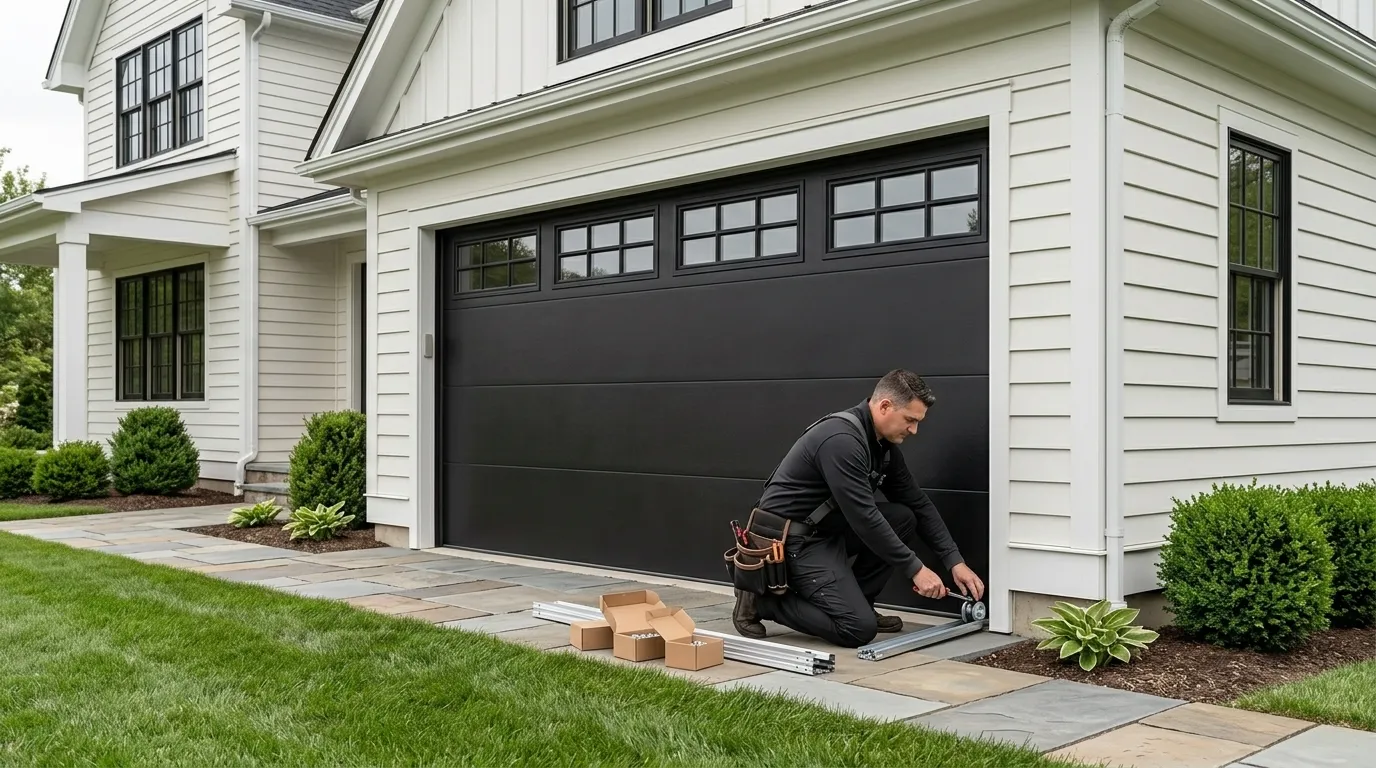
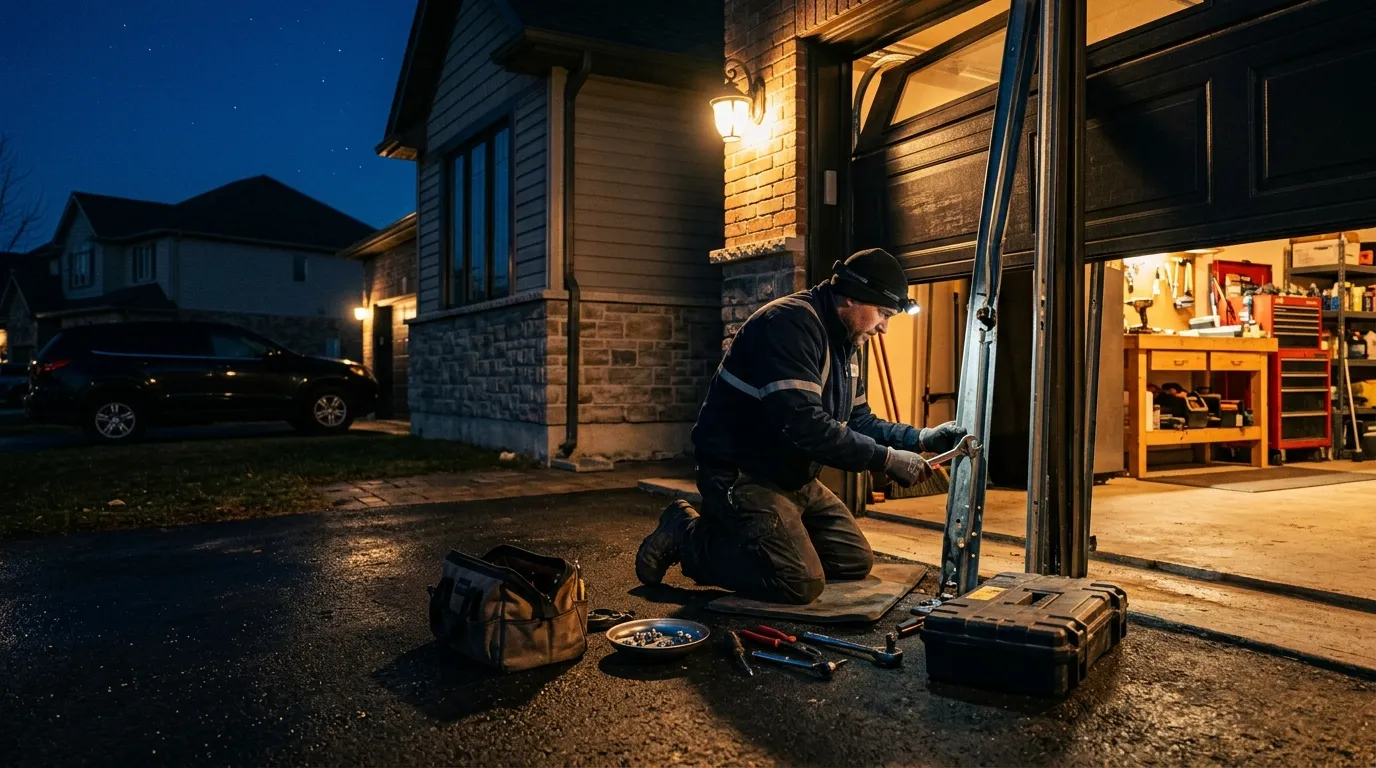
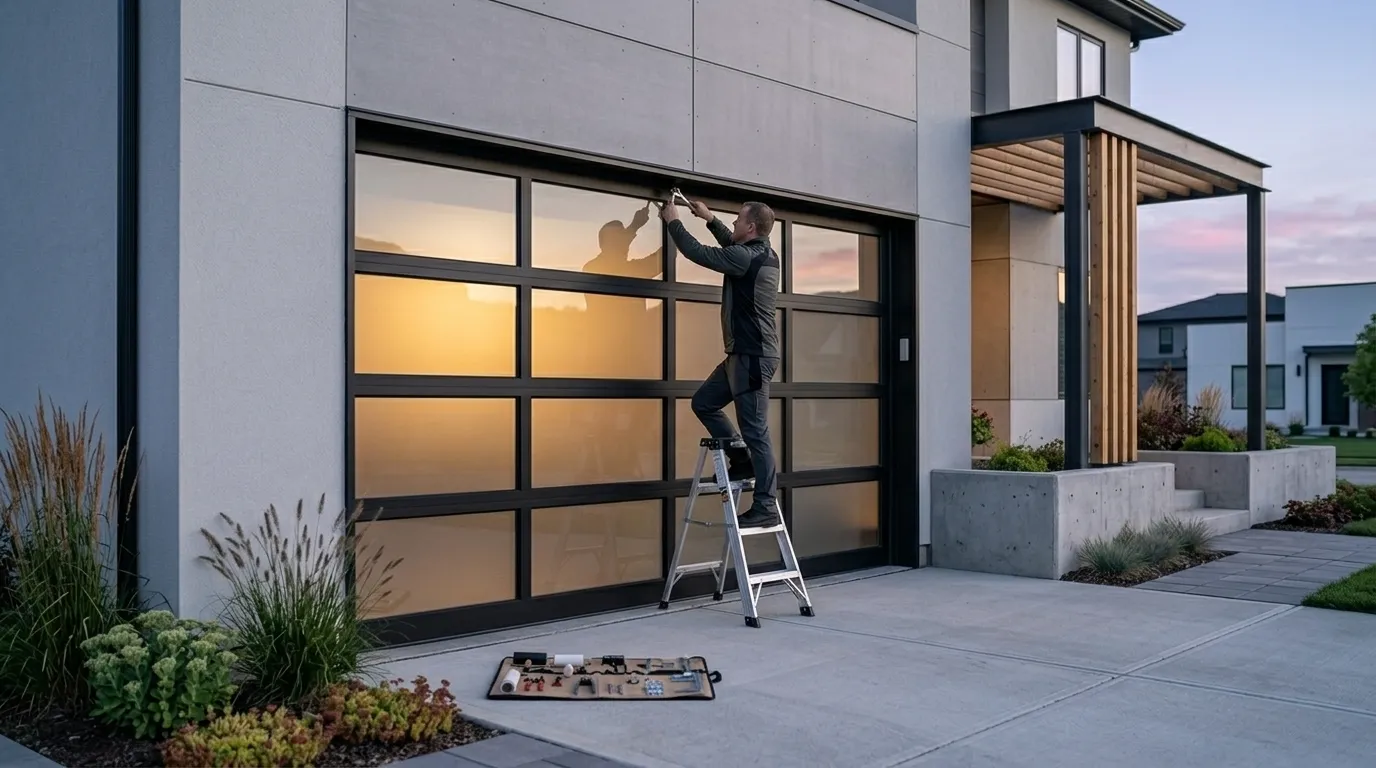
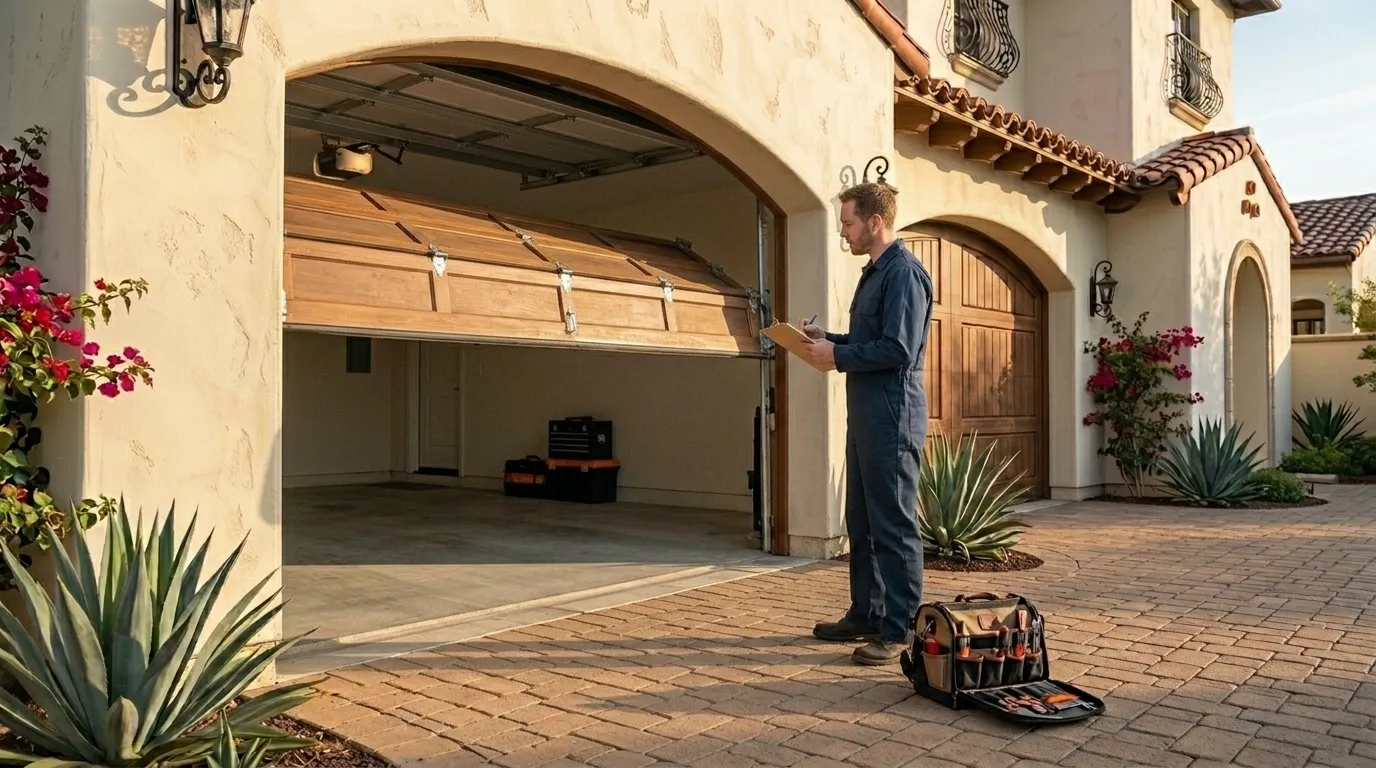
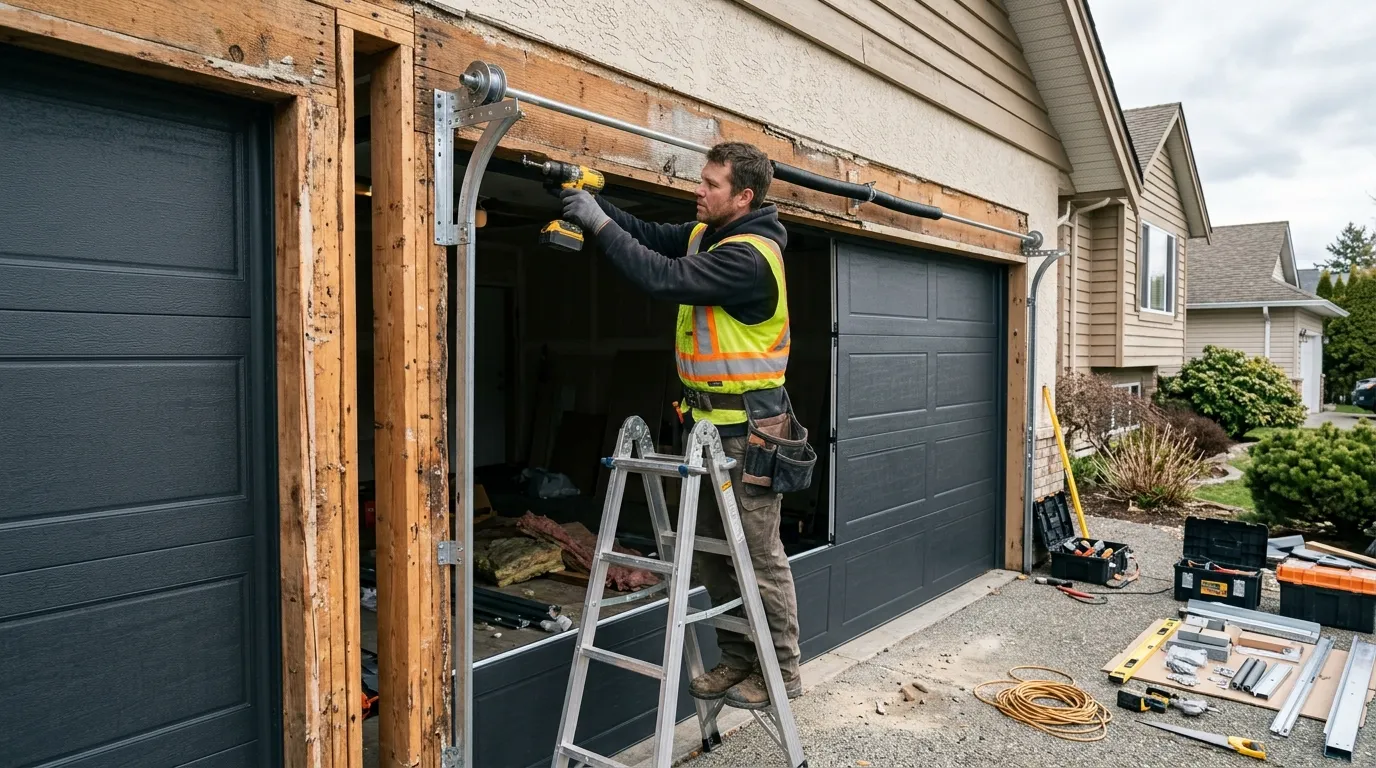
First step is figuring out whether the fault is the spring, the track, or the opener, because on a heavier commercial door those three failures look almost identical from the office floor - the door just won't move, or it moves partway and stops. We check torsion spring wind and wire gauge against the door weight, since commercial doors often run two springs instead of one and an undersized replacement will fail again within a season.
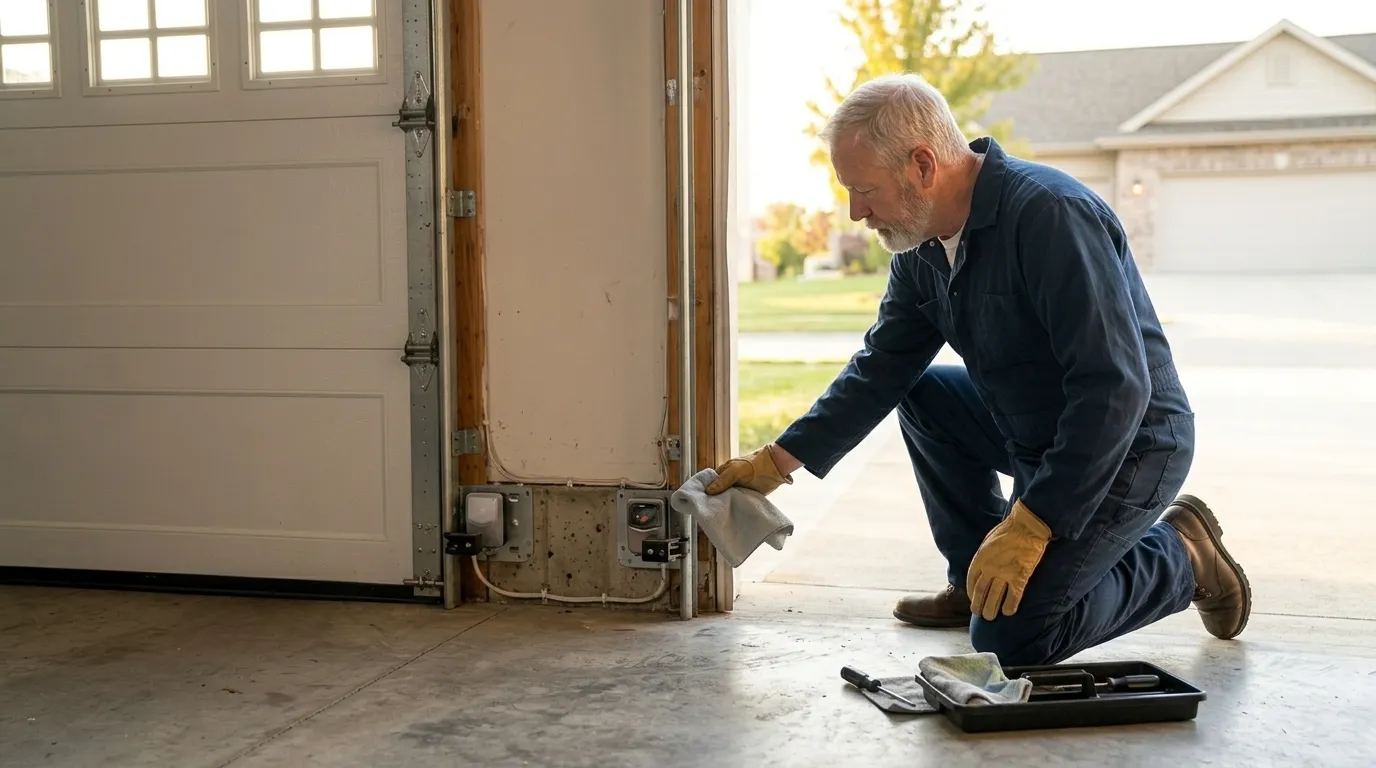
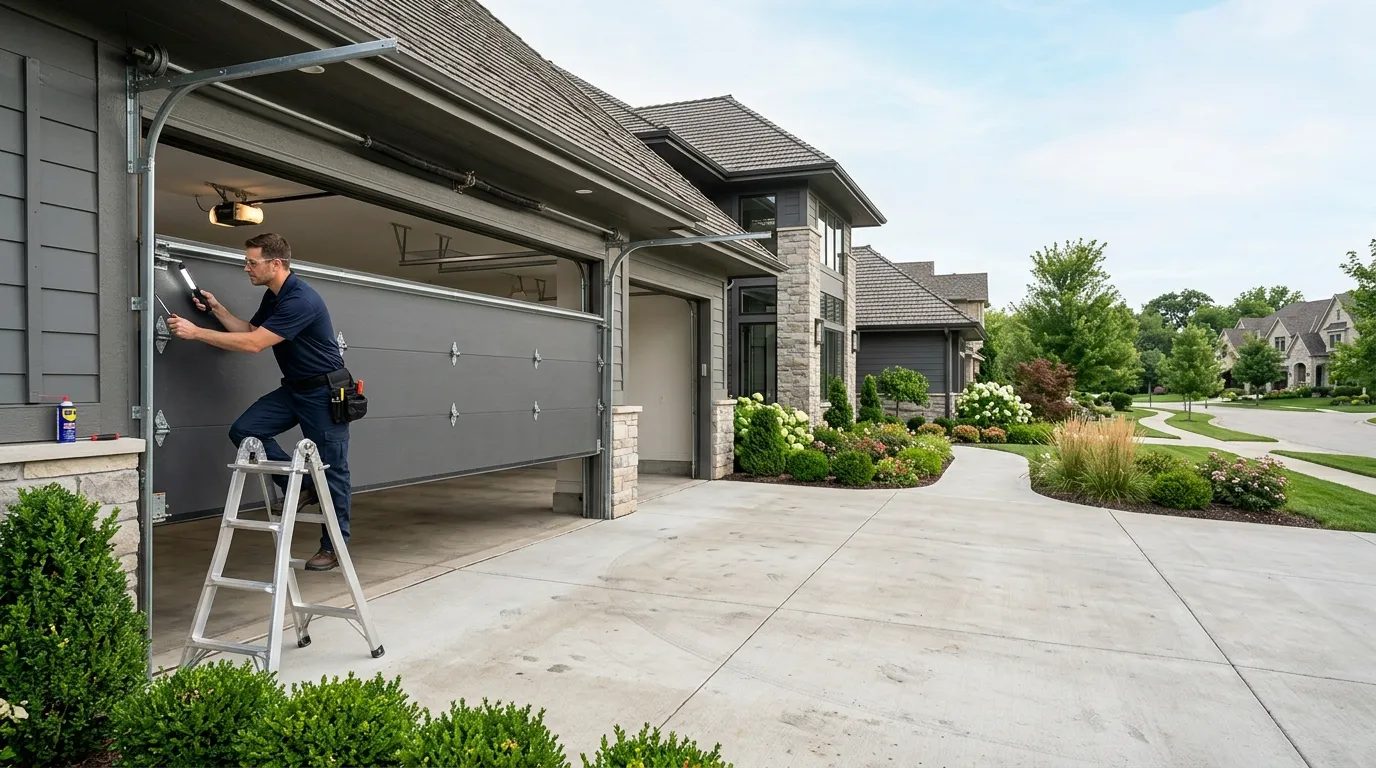
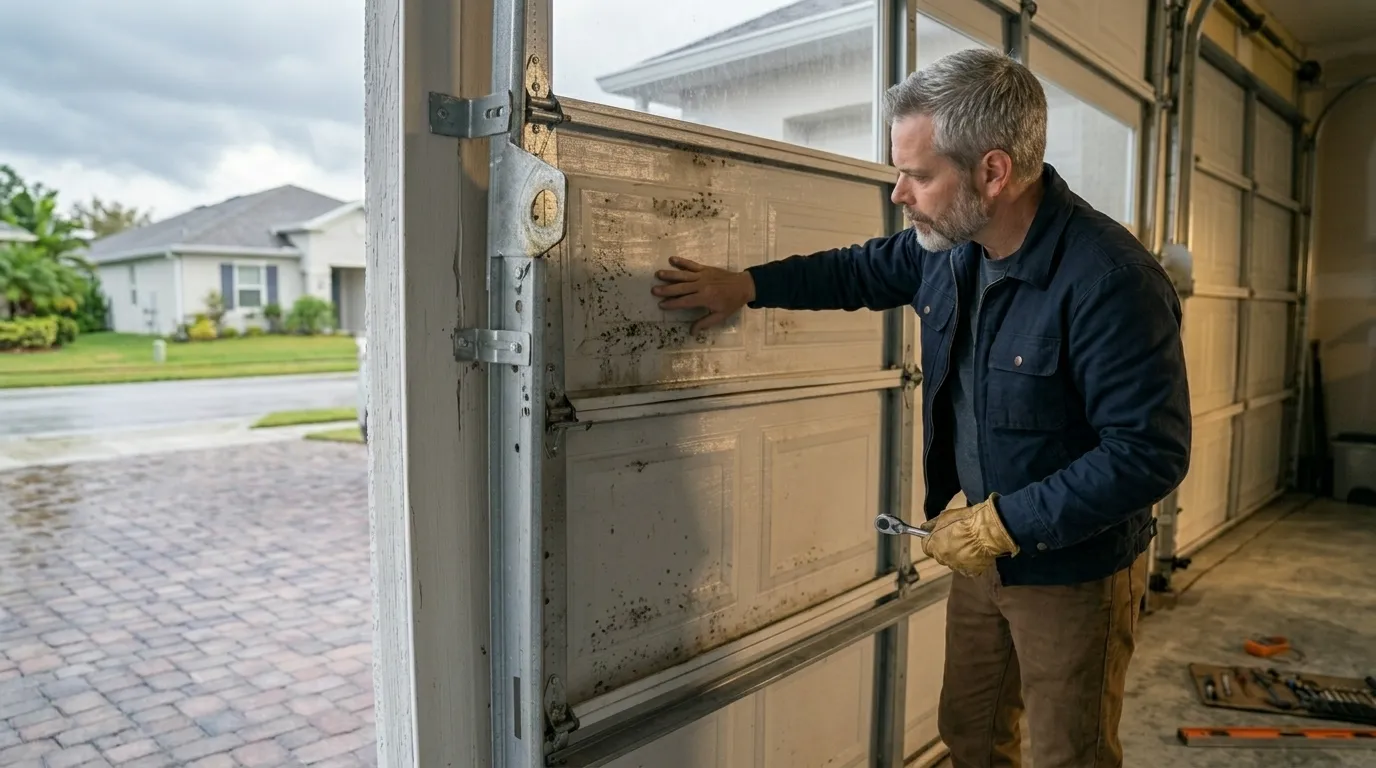
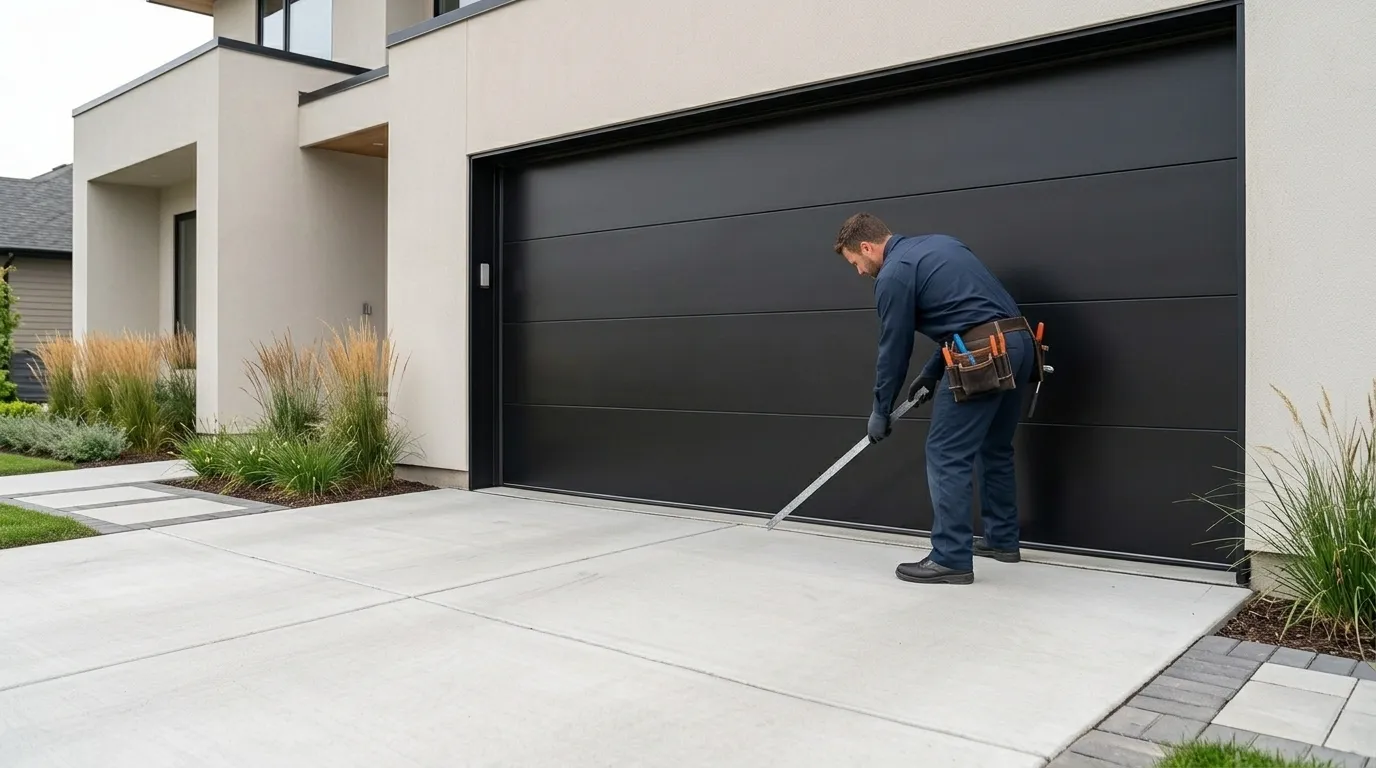
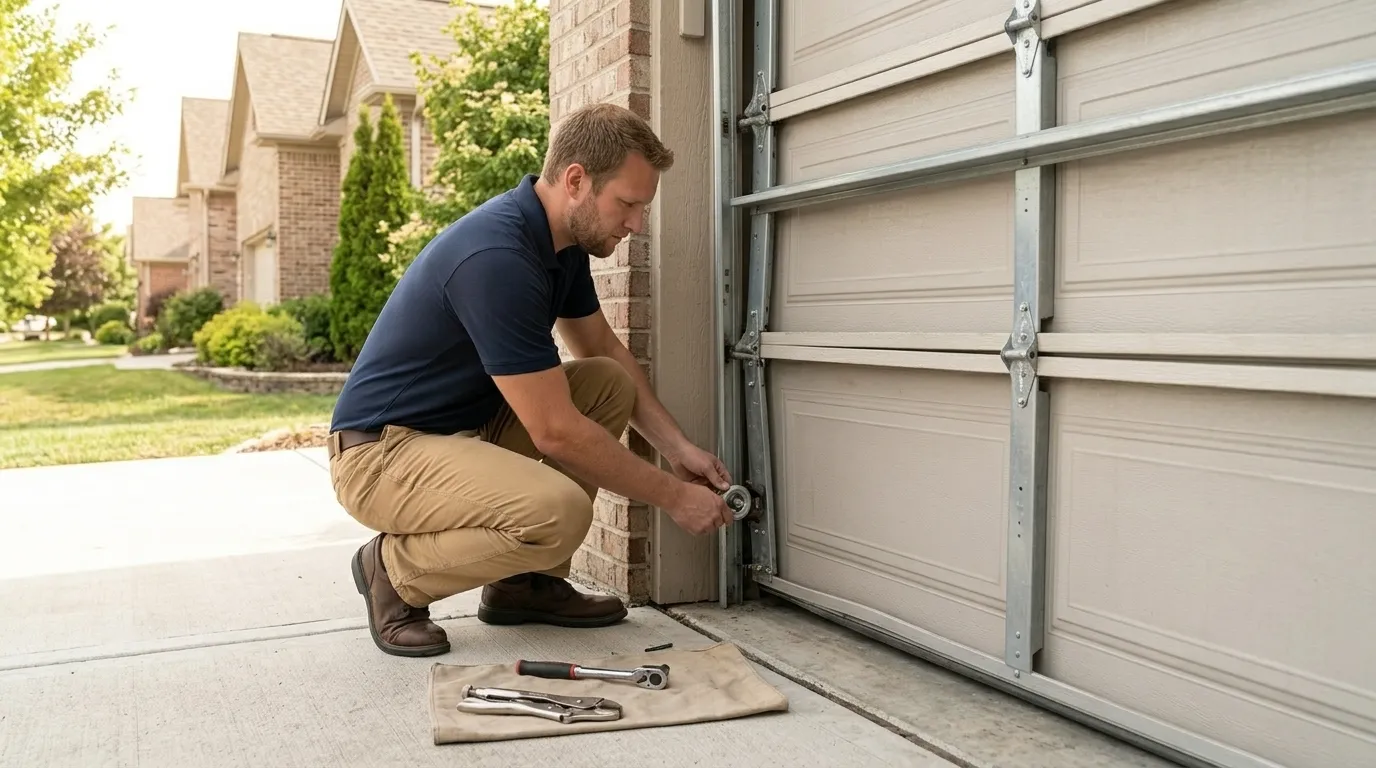
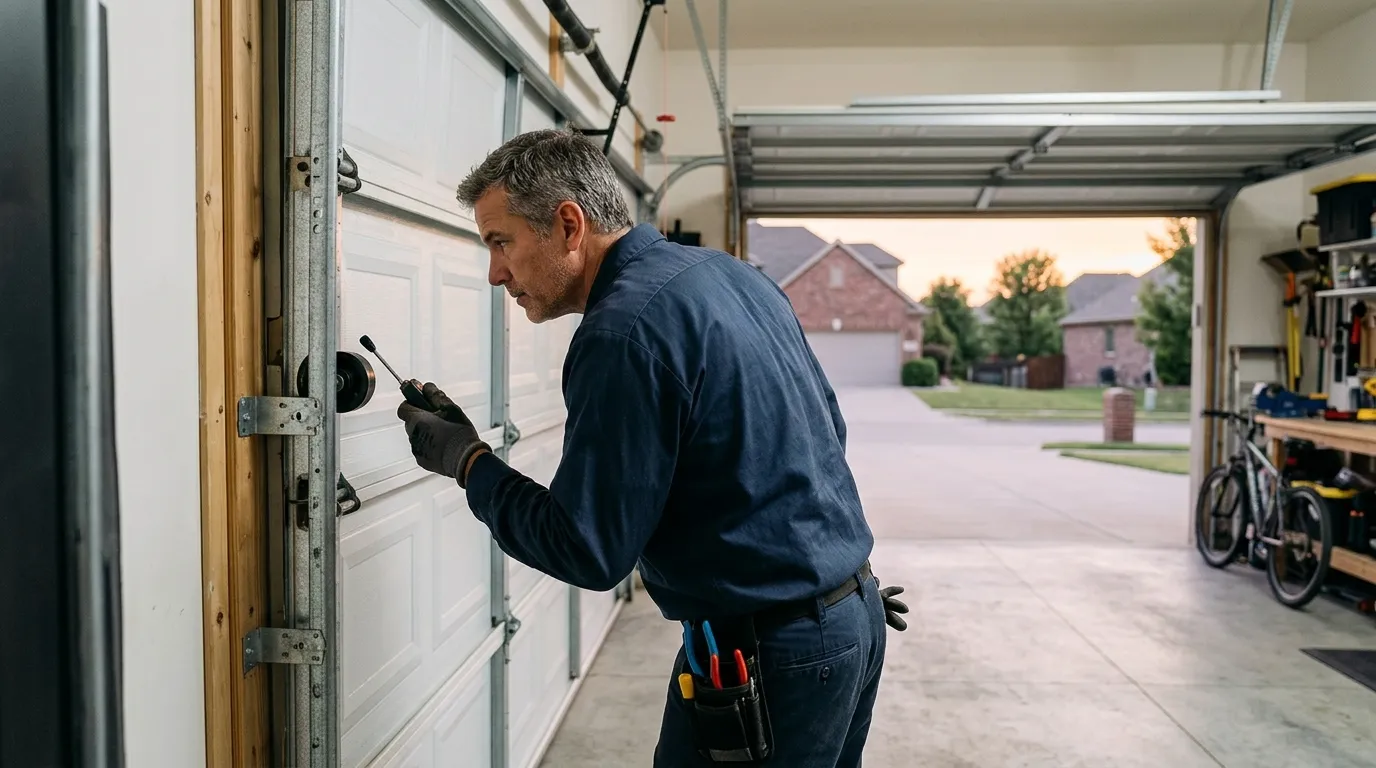
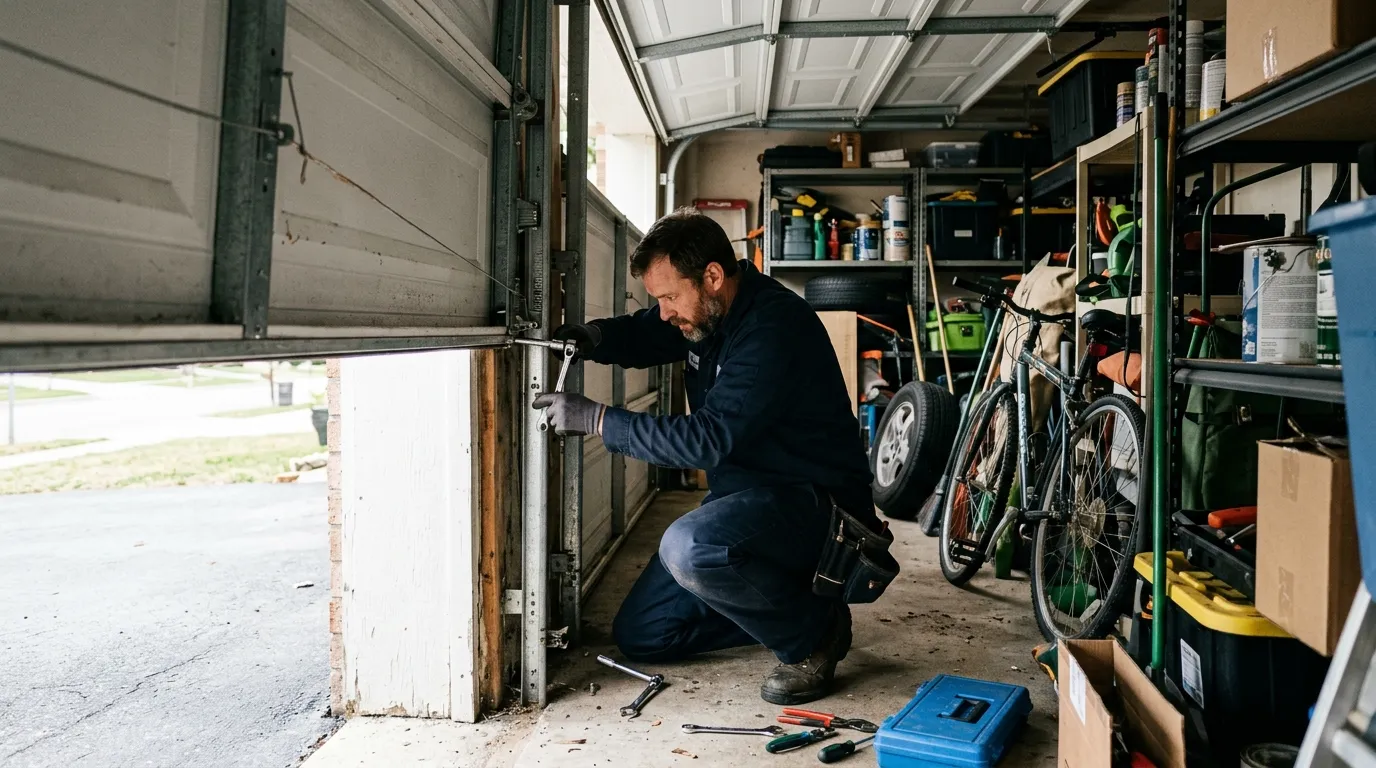
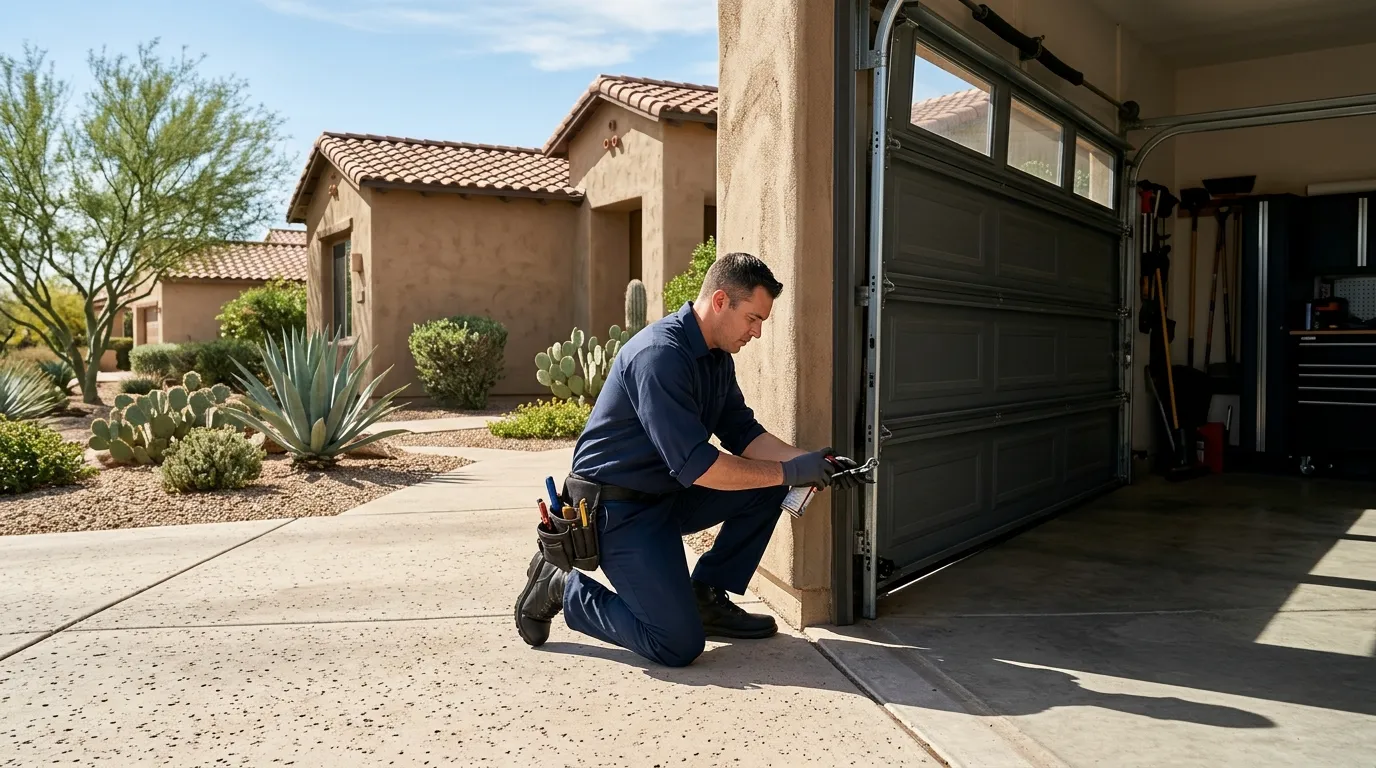
Track alignment gets checked next, especially where the jamb has shifted with an older building settling over decades. Worn rollers and frayed cables get swapped before they let a door drop under load. We also add or replace weatherstripping at the bottom seal and between panels, which slows how fast condensation forms and refreezes overnight - a cheap fix that buys real time before the next spring failure.
Here's the honest limit: some of these older openings use track and hinge hardware that nobody manufactures anymore. When that's the case, we're fabricating or sourcing a custom piece rather than pulling a standard part off the truck, and that adds days to the job, not hours. We tell you that up front rather than promise a same-day fix we can't deliver.
What You Are Seeing
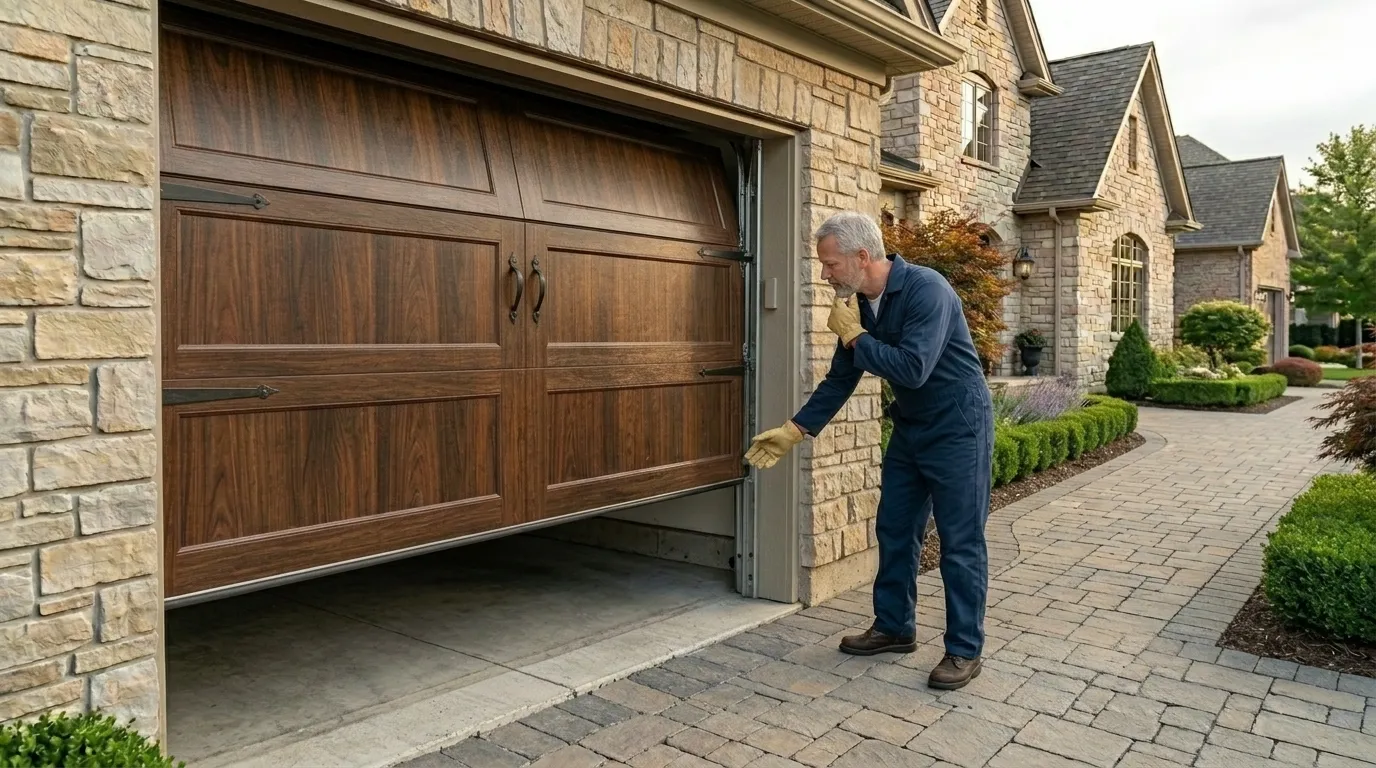
The most common call is a door that stops a foot or two off the ground on a cold morning and won't go further, or grinds metal-on-metal at the header before the opener gives up and reverses. That grinding is usually a spring that's lost tension trying to fight ice on the track rather than lift the door cleanly.
Another pattern: one side of a wide commercial door drops faster than the other, which points to a roller seized on that side rather than a spring problem at all - the cable on the free-running side is doing all the work and will fray if it runs that way for more than a week or two.
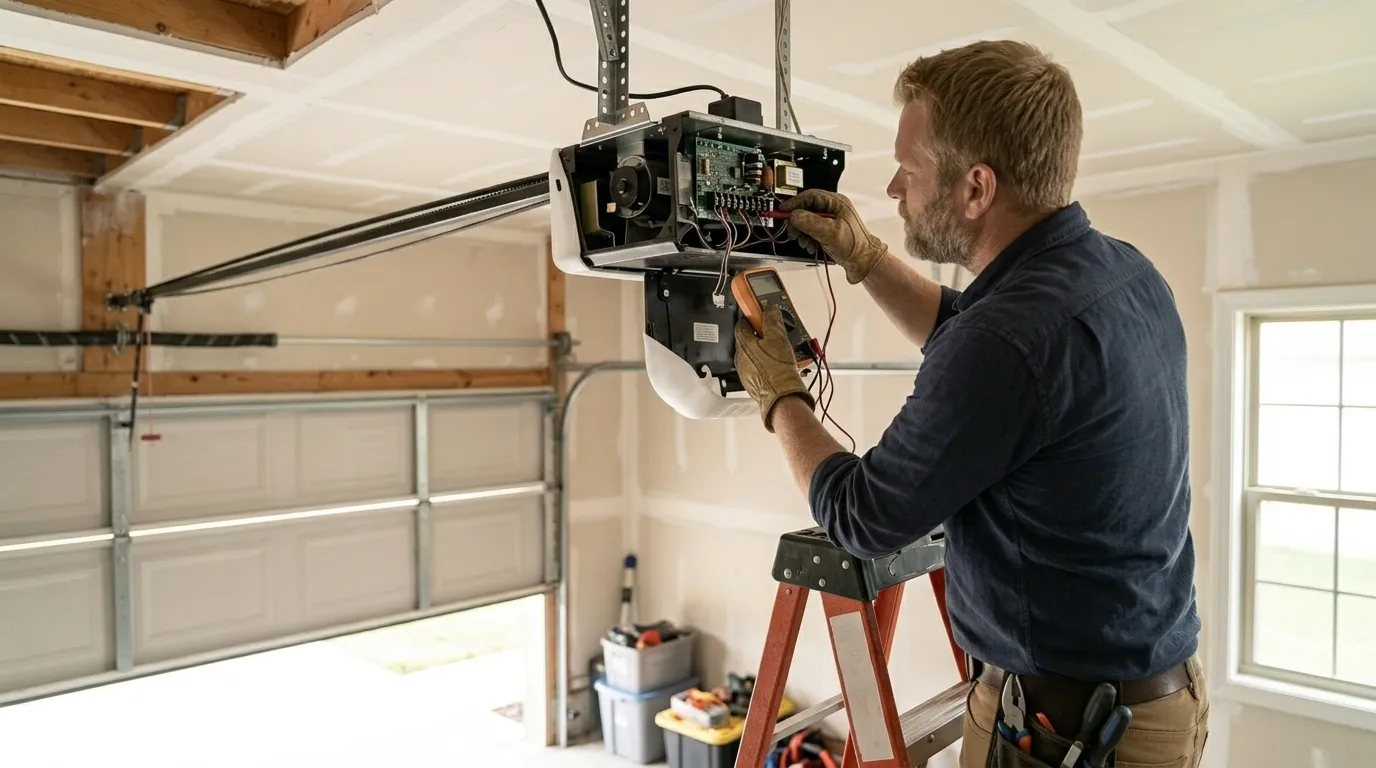
Some owners notice the door reversing itself just before it touches the floor, which on a commercial opener is usually the close-force limit tripping because the track has bound up slightly from cold contraction. It's not a safety sensor fault, though it looks like one, and treating it as one wastes a service call.