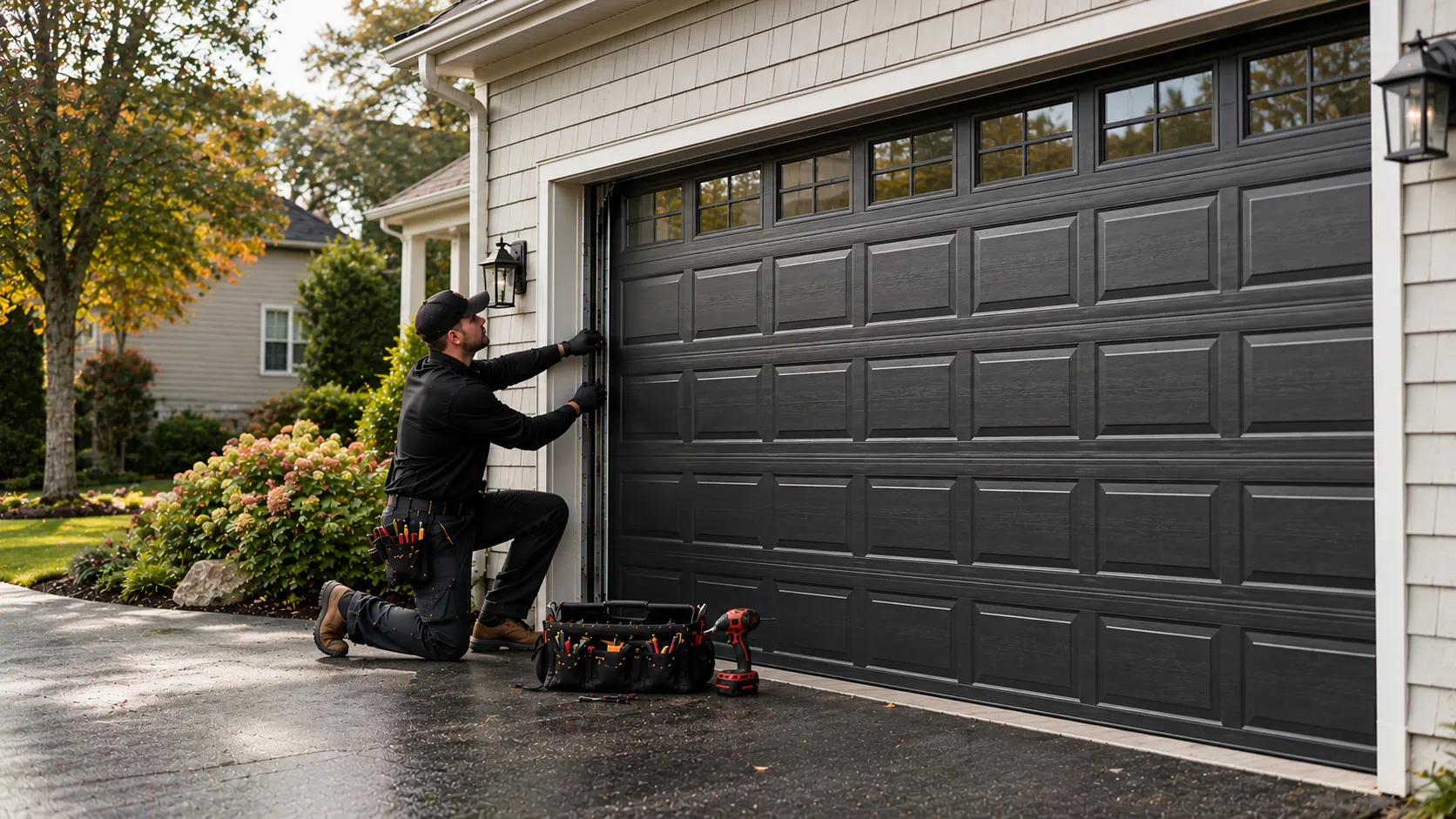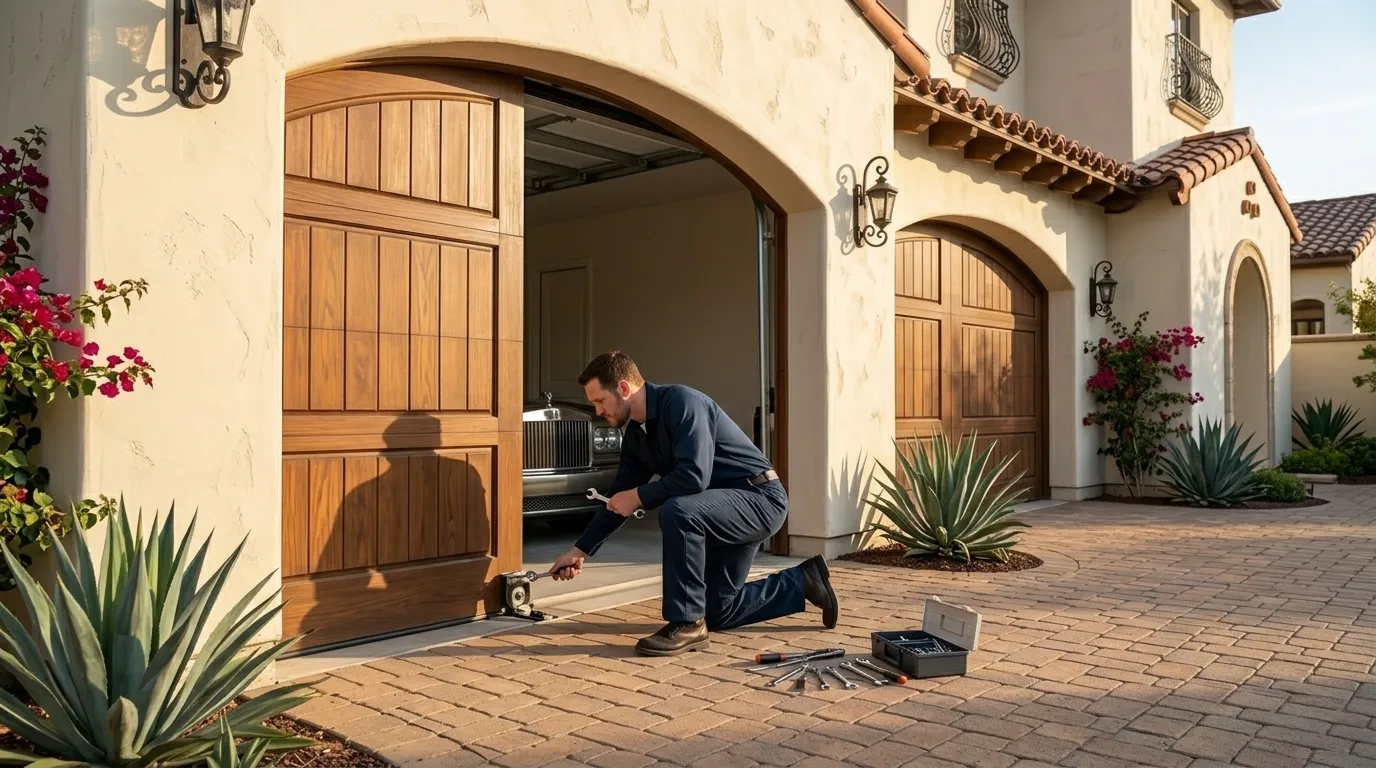
The DIY Question
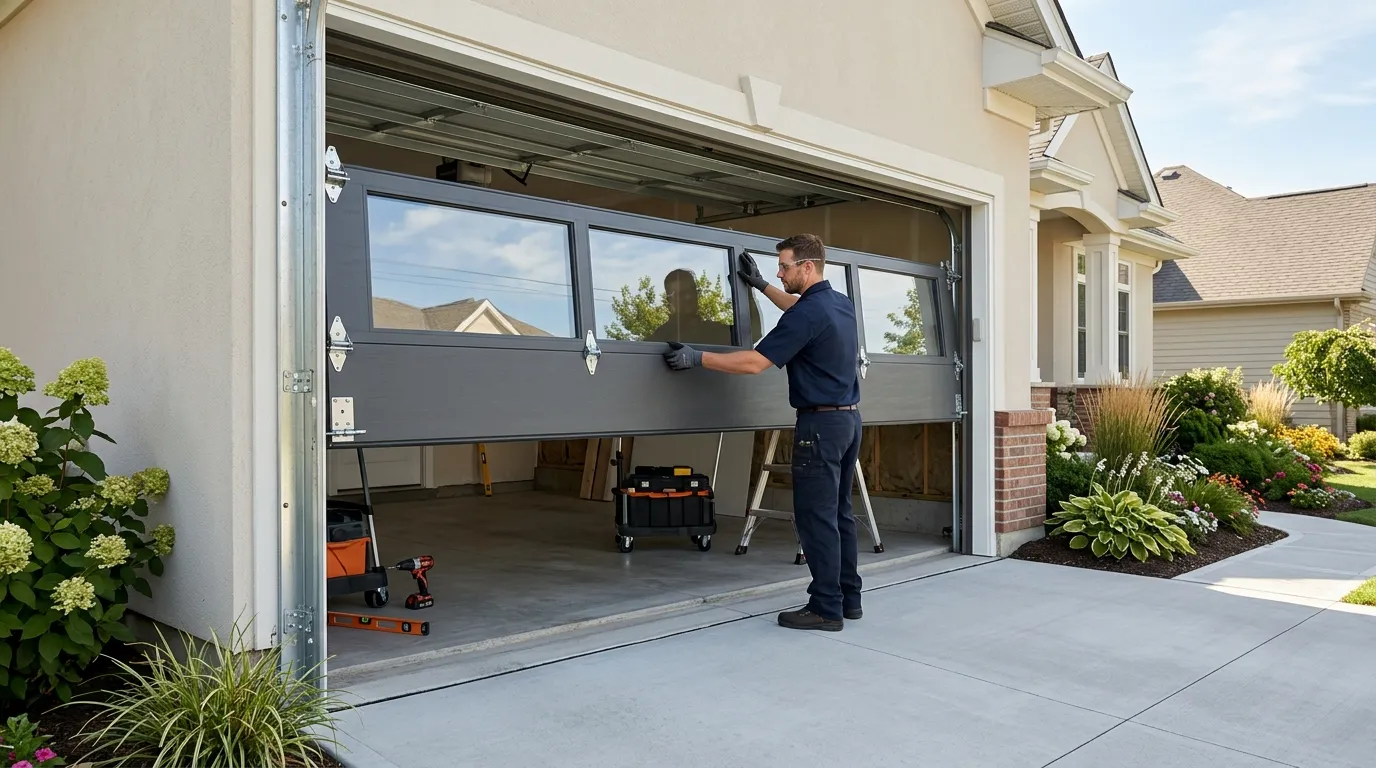
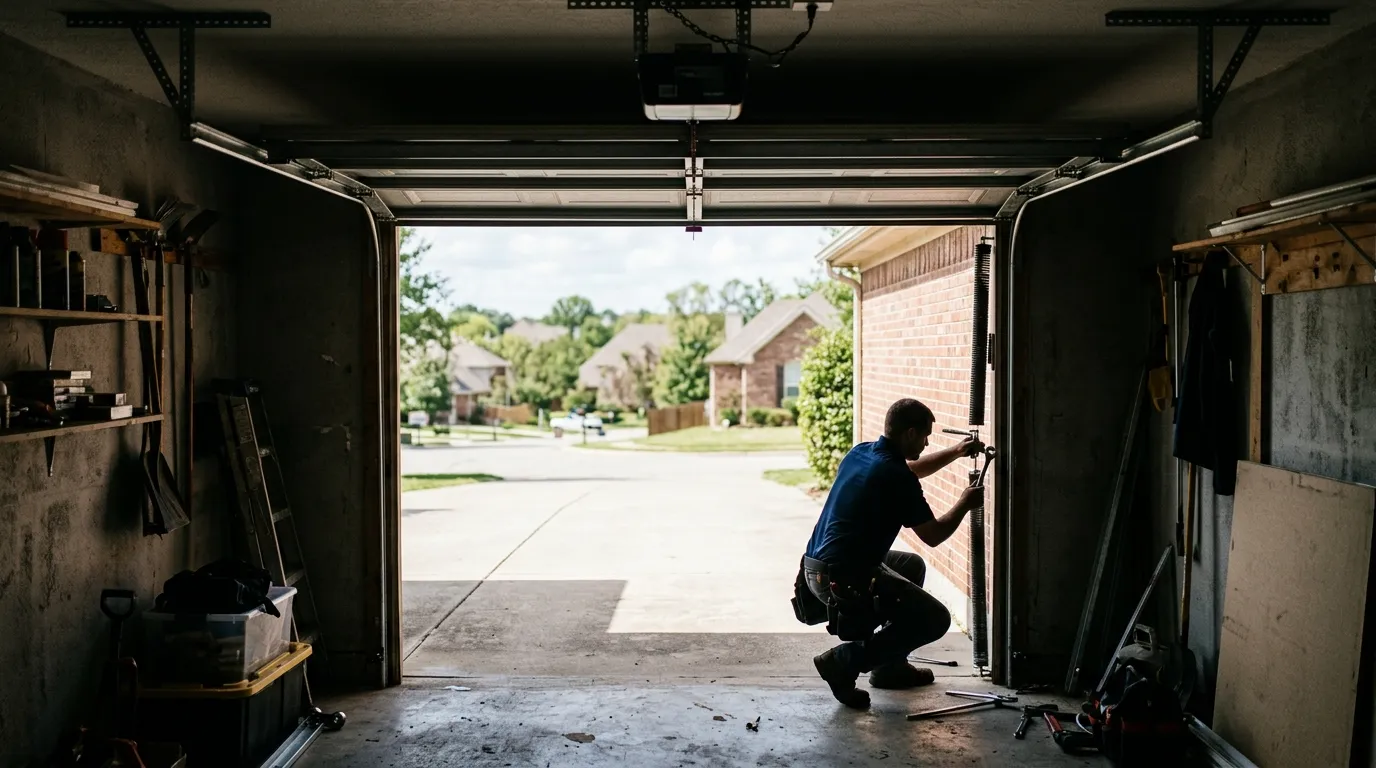
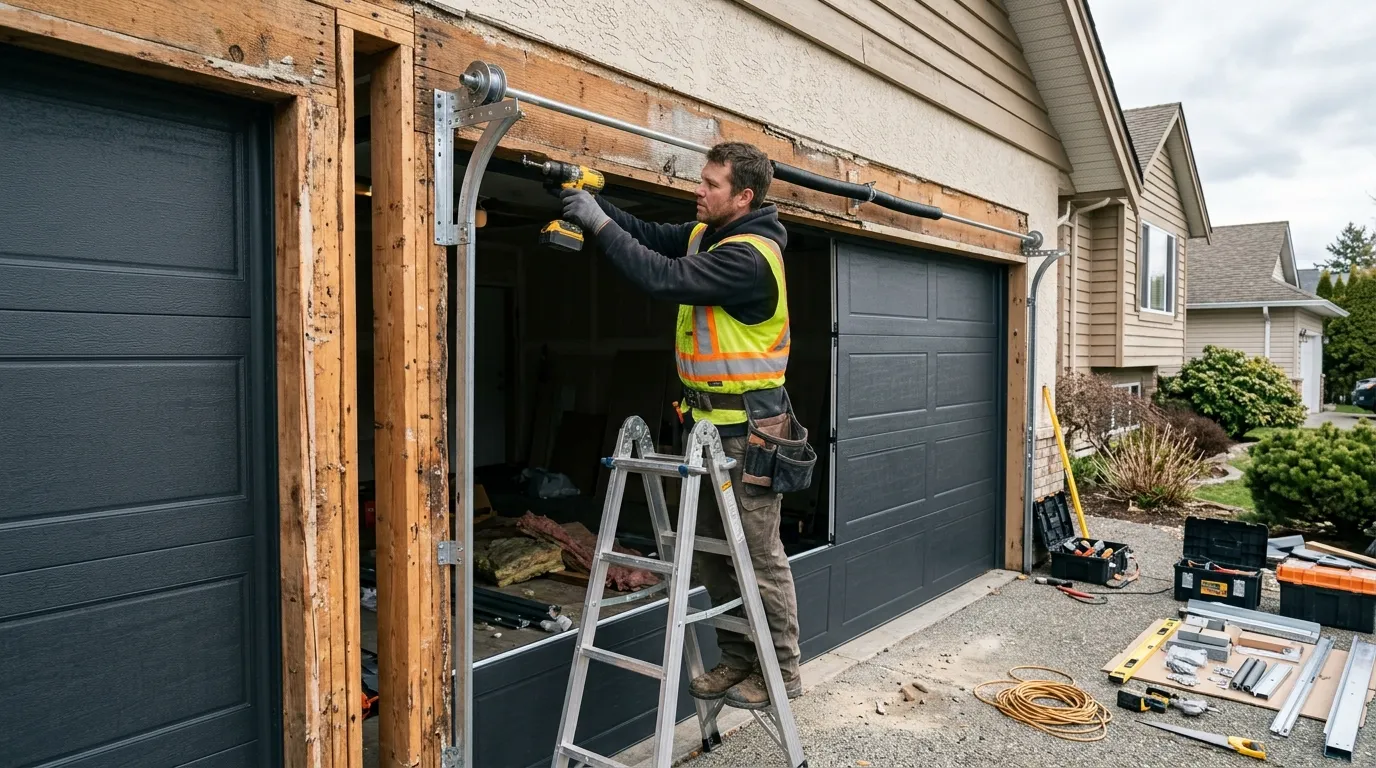
A commercial door that won't close is a liability the moment you notice it, not something to leave for the weekend. If it's a broken cable or a spring that's let go, do not put a ladder near it - a wound torsion spring or a loaded extension spring under tension can take a hand off, and on a commercial door the springs are bigger and hold more load than anything on a house.
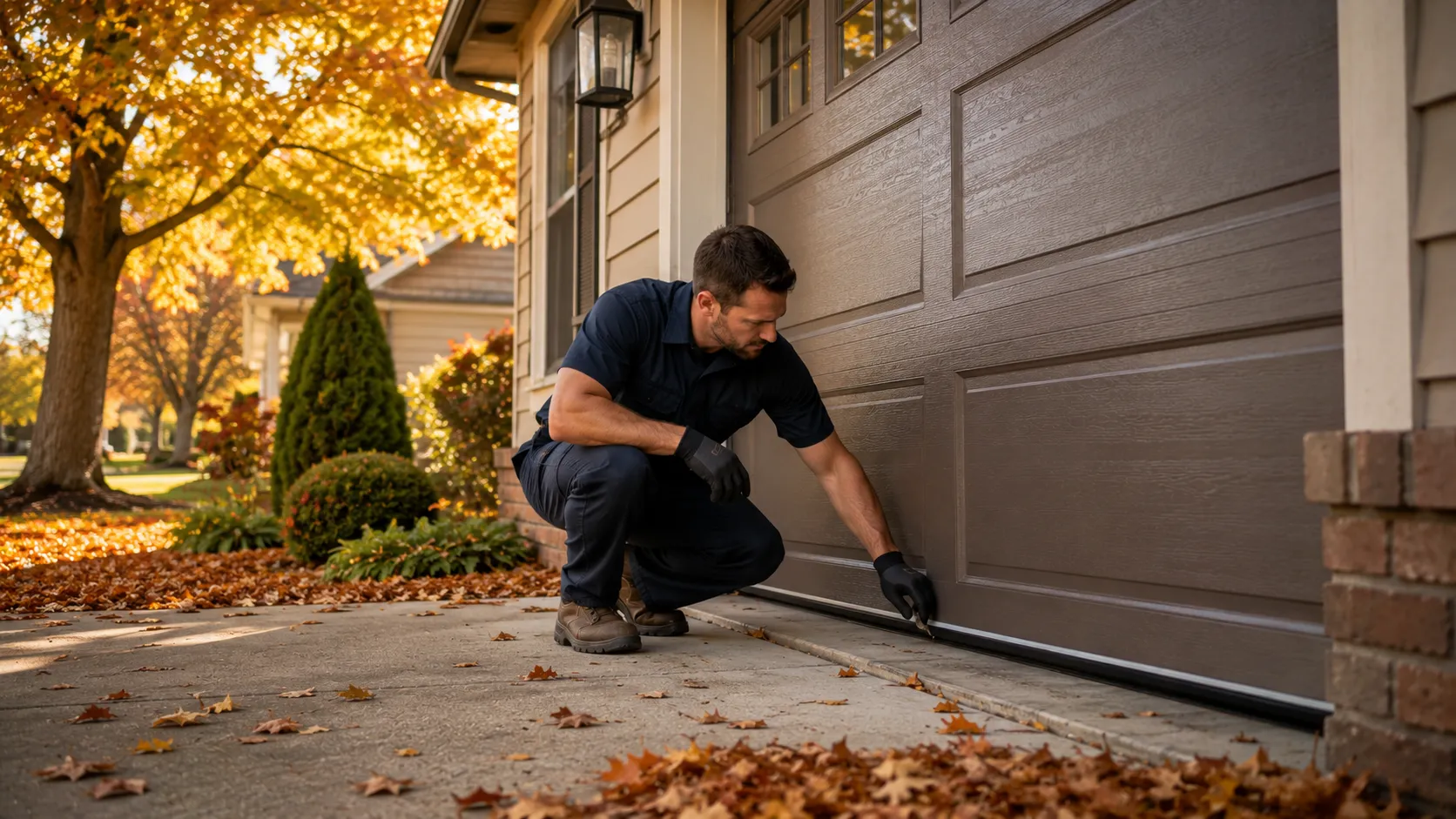
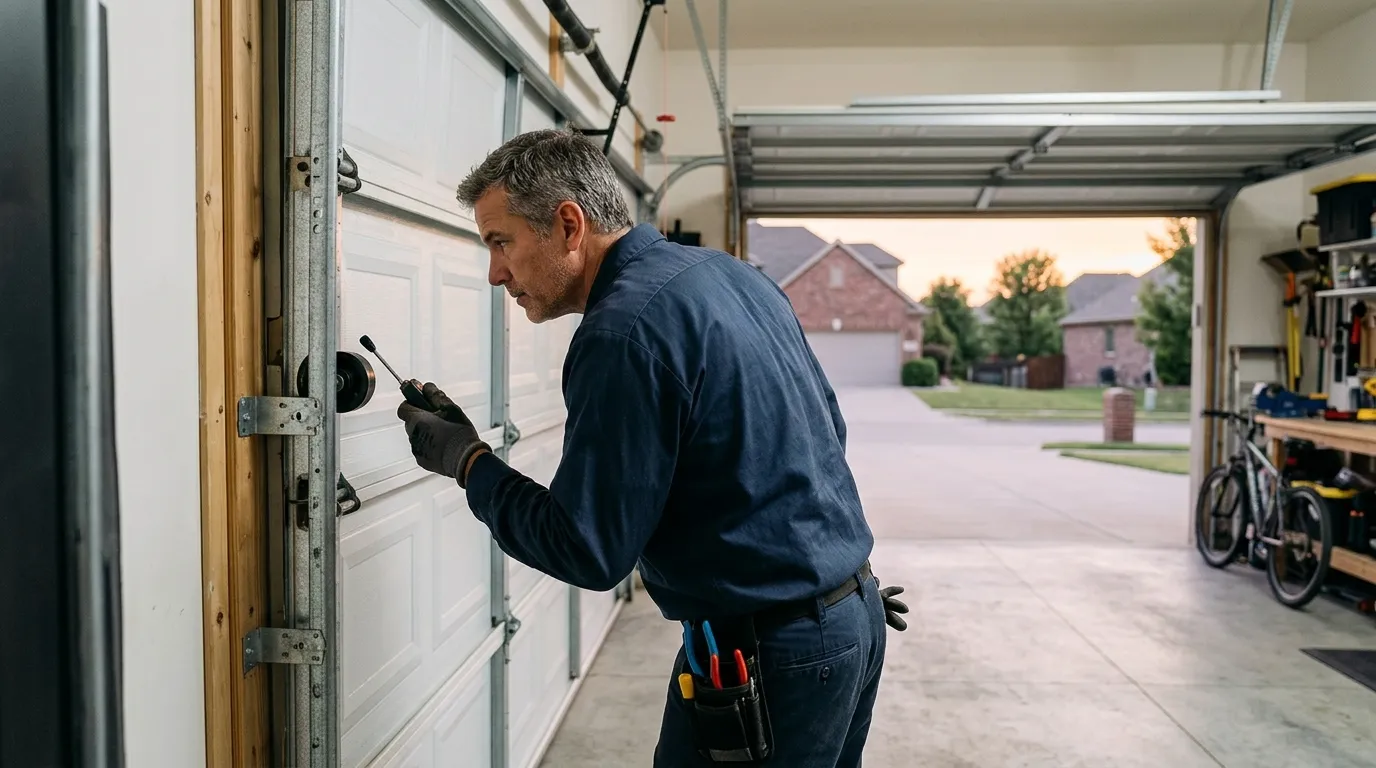
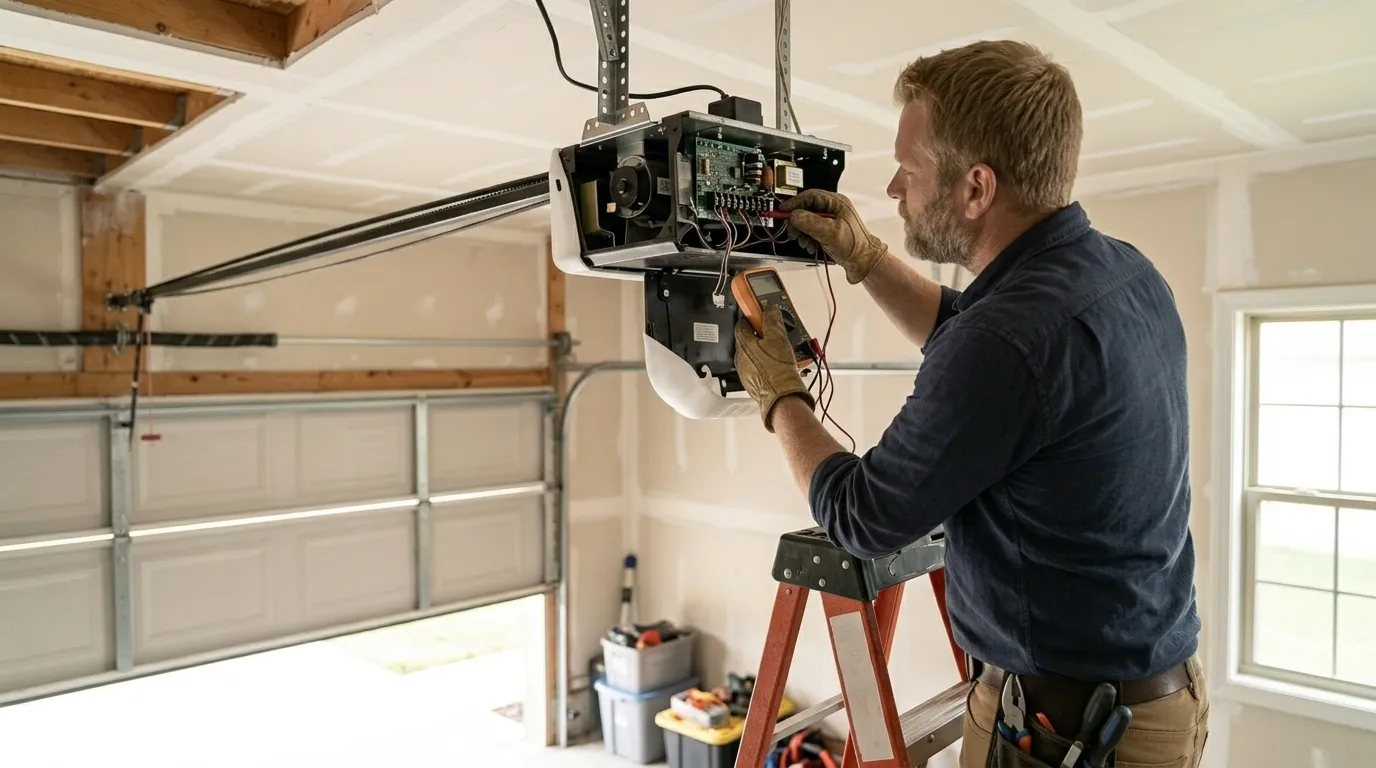
What you can check yourself: the photo-eye sensors near the floor track, for dirt or misalignment, and whether the track itself is visibly bent or pulled from the wall. Those two things account for a fair share of calls that turn out to be a five-minute fix once someone's looking at it directly.
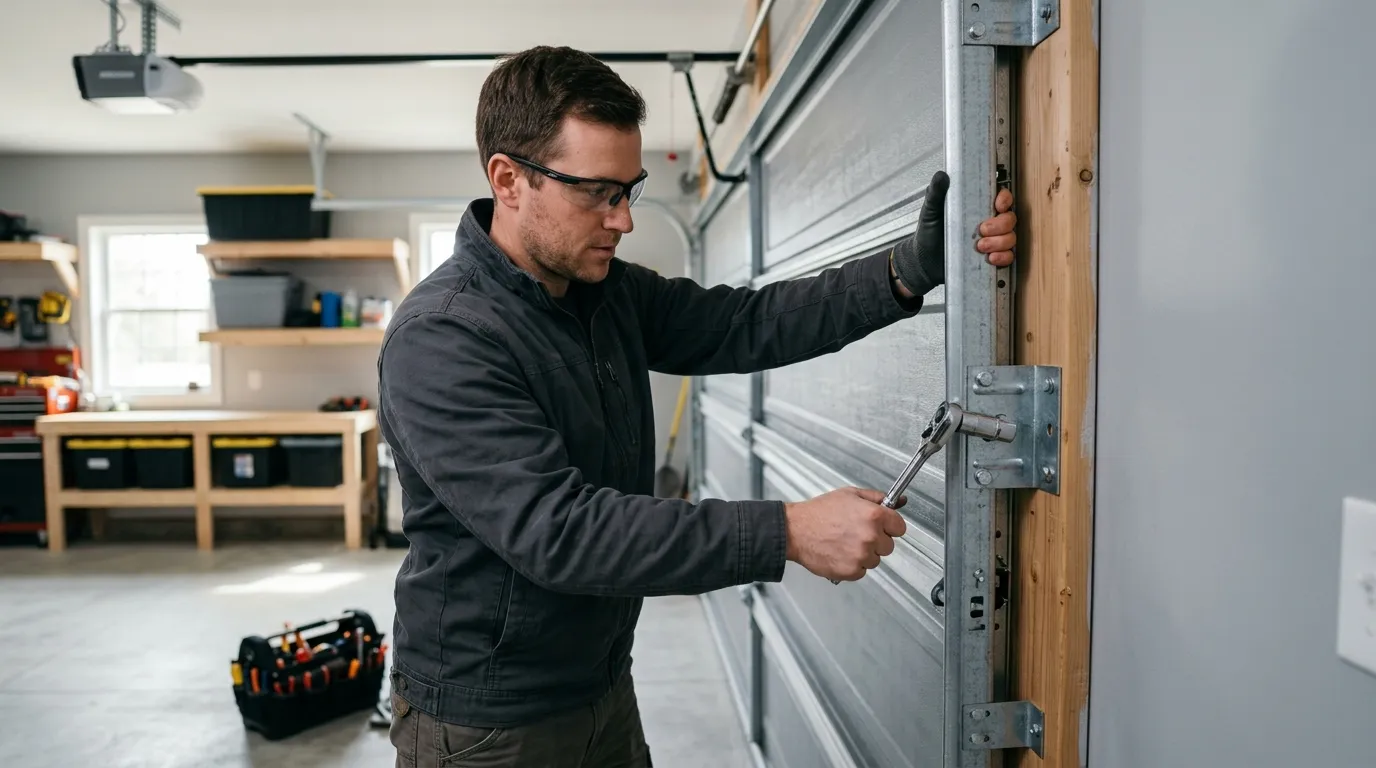
What you shouldn't touch: anything involving the spring assembly, the cable drums, or the header bracket on an older extension-spring door - which, given Crafton's 1938 median build year, is common here. On buildings this old, the mounting itself may have fatigued along with the parts, and pulling on the wrong bracket can bring more than the door down. If the door won't move at all, or moves unevenly on one side, that's a call, not a DIY afternoon.
How Long It Takes
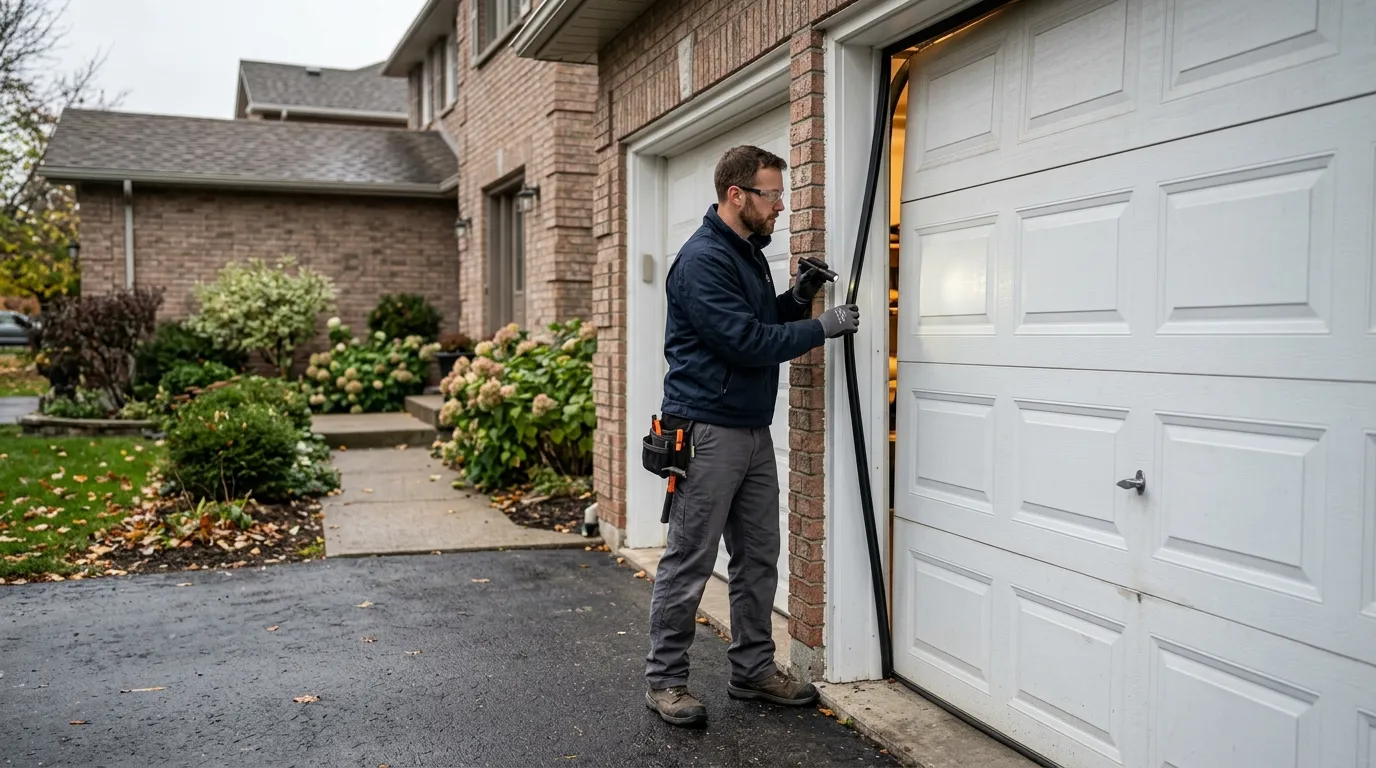
Most single commercial door repairs - a spring replacement, a cable, a roller set - run the length of a normal service call once the truck is on site, whether that's a standard steel door or the older extension-spring type more common on Crafton's older commercial buildings. Track realignment on a door that's been dragging takes longer, because the track has to be checked at multiple points, not just reset at the bottom.
What adds time here specifically is parts. Crafton's building stock trending toward the late 1930s means some jobs turn up hardware sizes or spring configurations that aren't the current commercial standard. When that happens, the visit itself doesn't take longer, but getting the exact match might mean a return trip rather than a same-visit fix. We tell you on site if that's the case, before you're billed for time we didn't need.
We travel to Crafton from Pittsburgh, five miles in, so the door-to-diagnosis time is built into scheduling rather than into the repair itself. Cold-weather calls - and this area sits in a severe cold climate band - sometimes run a little longer too, since stiff seals and cold-thickened lubricant on an older door need to be worked through before you can tell what's actually broken versus just sluggish.
The Cost of This Job
We don't quote commercial repair pricing sight unseen, because the range between a roller swap and a full spring-and-cable job on an older extension-spring door is too wide to be honest about over the phone. What we can tell you is what drives the number on a Crafton job specifically: hardware age.
A standard torsion-spring commercial door built to current code prices out differently than a door on the older extension-spring setup common in buildings from Crafton's 1938-median stock, because the parts themselves are less common and sometimes need to be sourced rather than pulled off the shelf. That's not us padding a quote - it's the actual cost of the part.
One honest limitation: if a door's track and hardware are both original to a building from that era and both compromised, replacement often costs less over time than repeated patch repairs on hardware that's fifteen years past its expected service life. We'll say so plainly rather than keep billing small fixes on a door that needs to come out.