The DIY Question
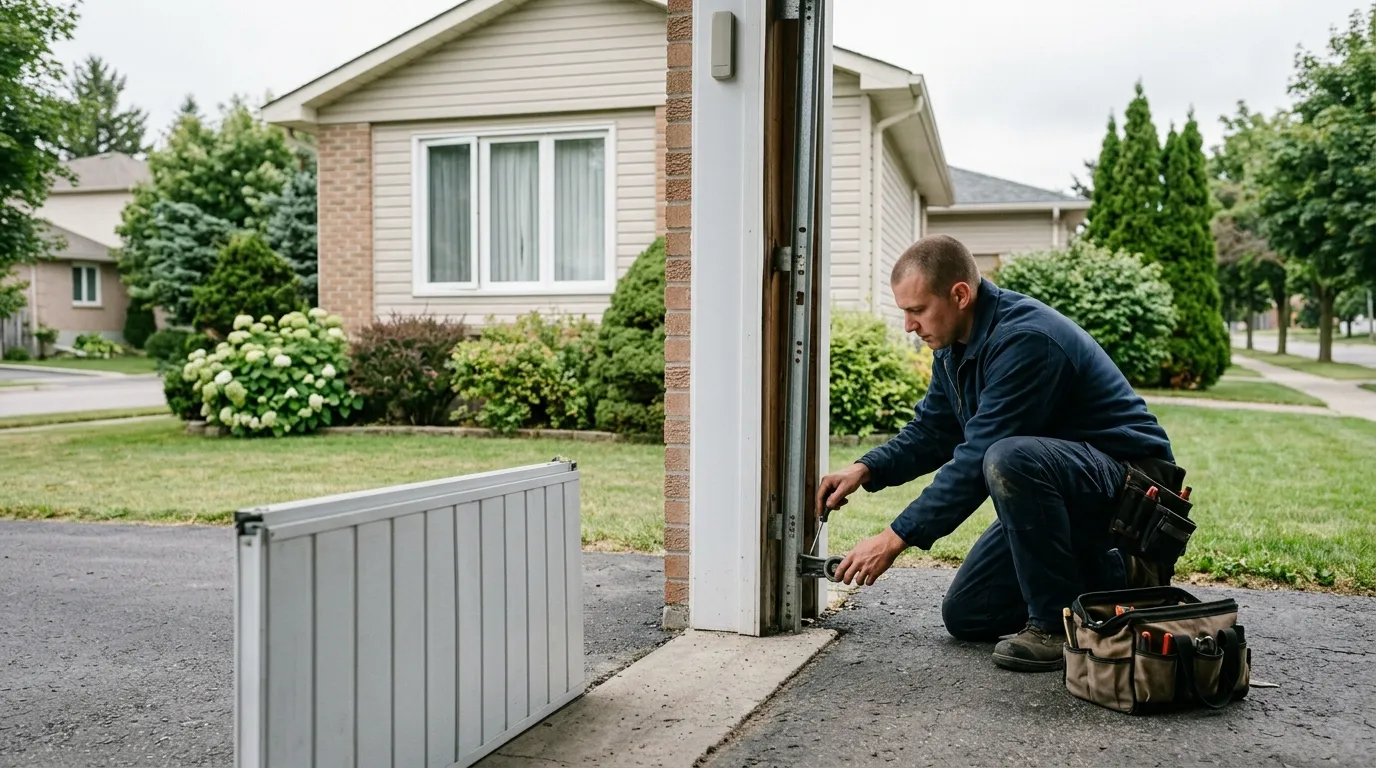
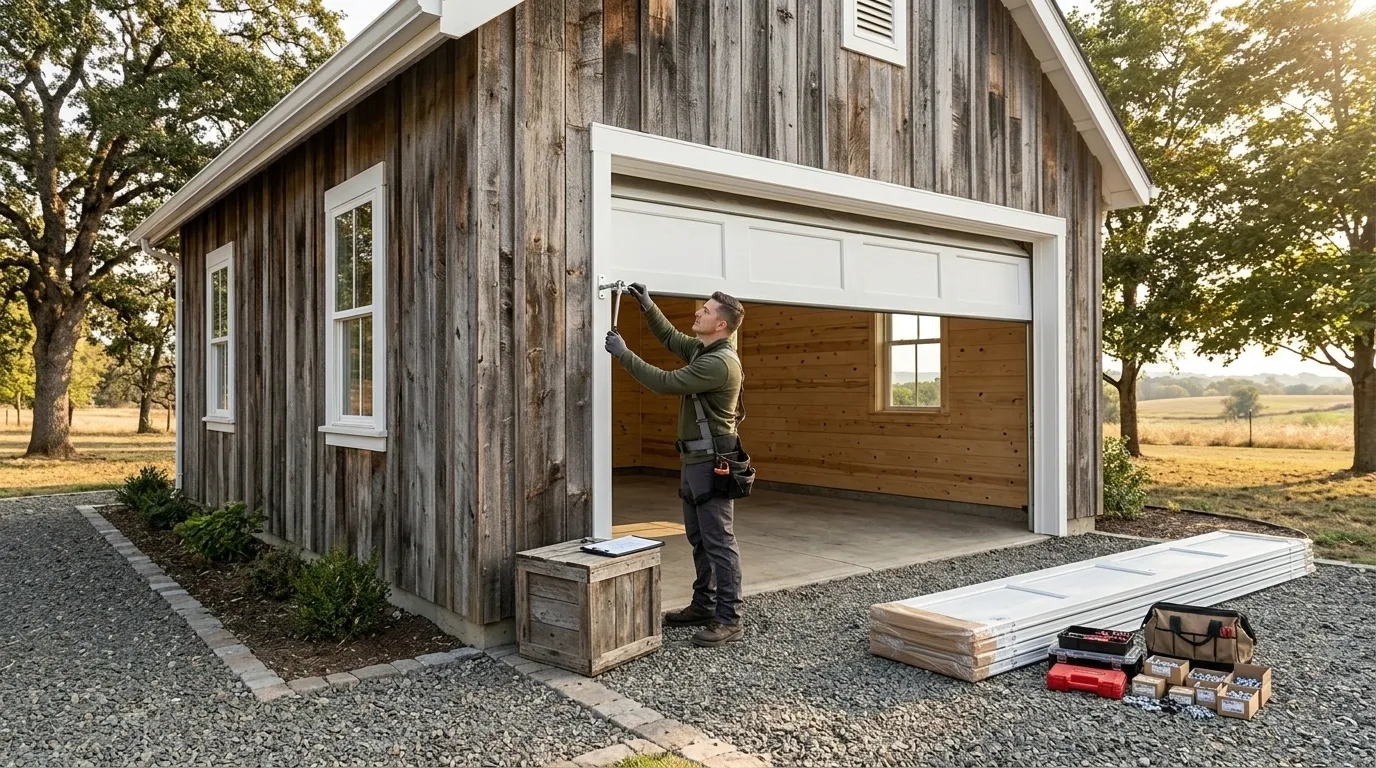
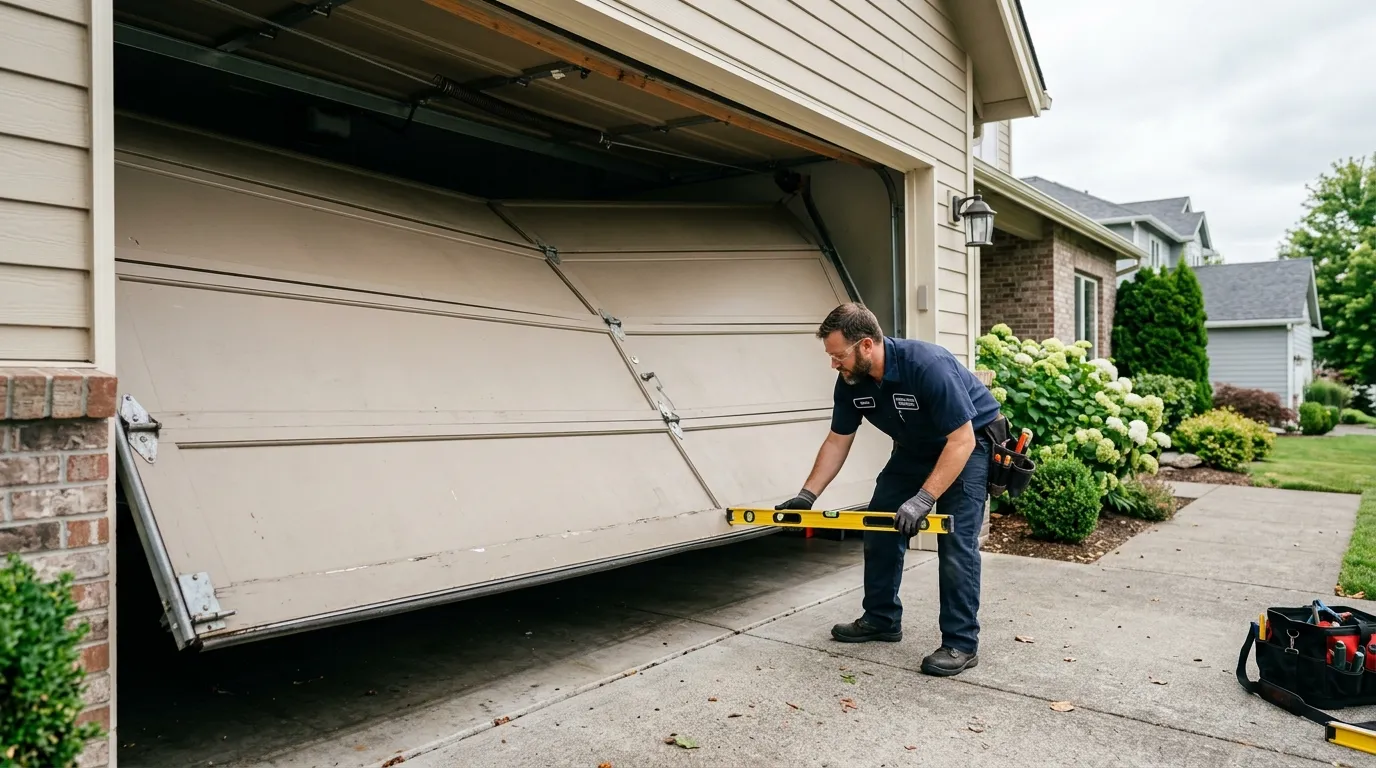
Lubricating hinges and rollers, checking the auto-reverse safety feature, and clearing track debris are all fair for a homeowner to do. Torsion springs are not. A spring holding tension on a door this old, with hardware that's never been inspected, can let go with enough force to break a hand or worse, and there's no way to eyeball whether a 1938-vintage bracket is still rated for what it's holding. If you're hearing a grinding sound on the track, or the door feels heavier on one side than the other when you lift it by hand with the opener disconnected, that's a call, not a project. The honest limit here: we don't do cosmetic panel touch-ups on doors this old if the panel itself is original steel that's rusted through underneath the paint. At that point you're not maintaining a door, you're delaying a replacement, and we'll tell you that instead of billing you for it twice.
How Long It Takes
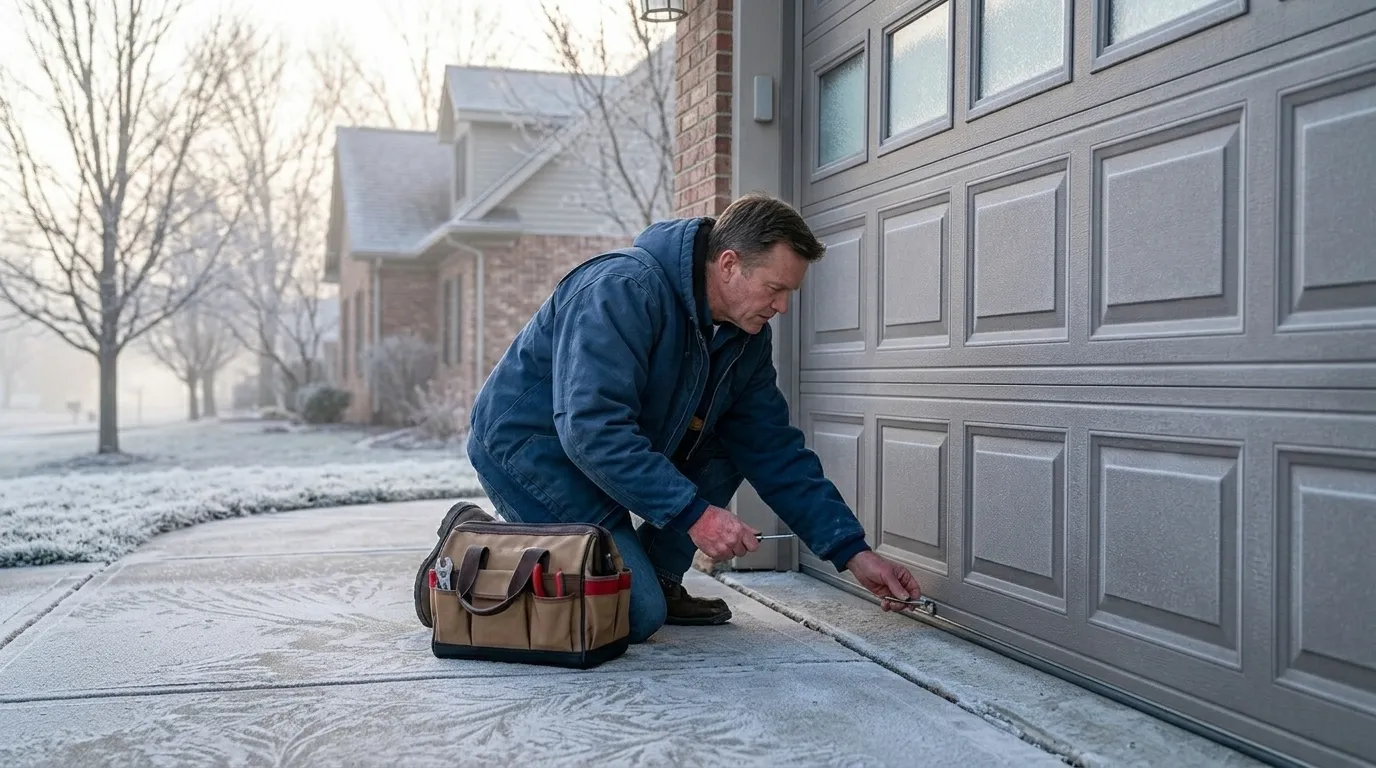
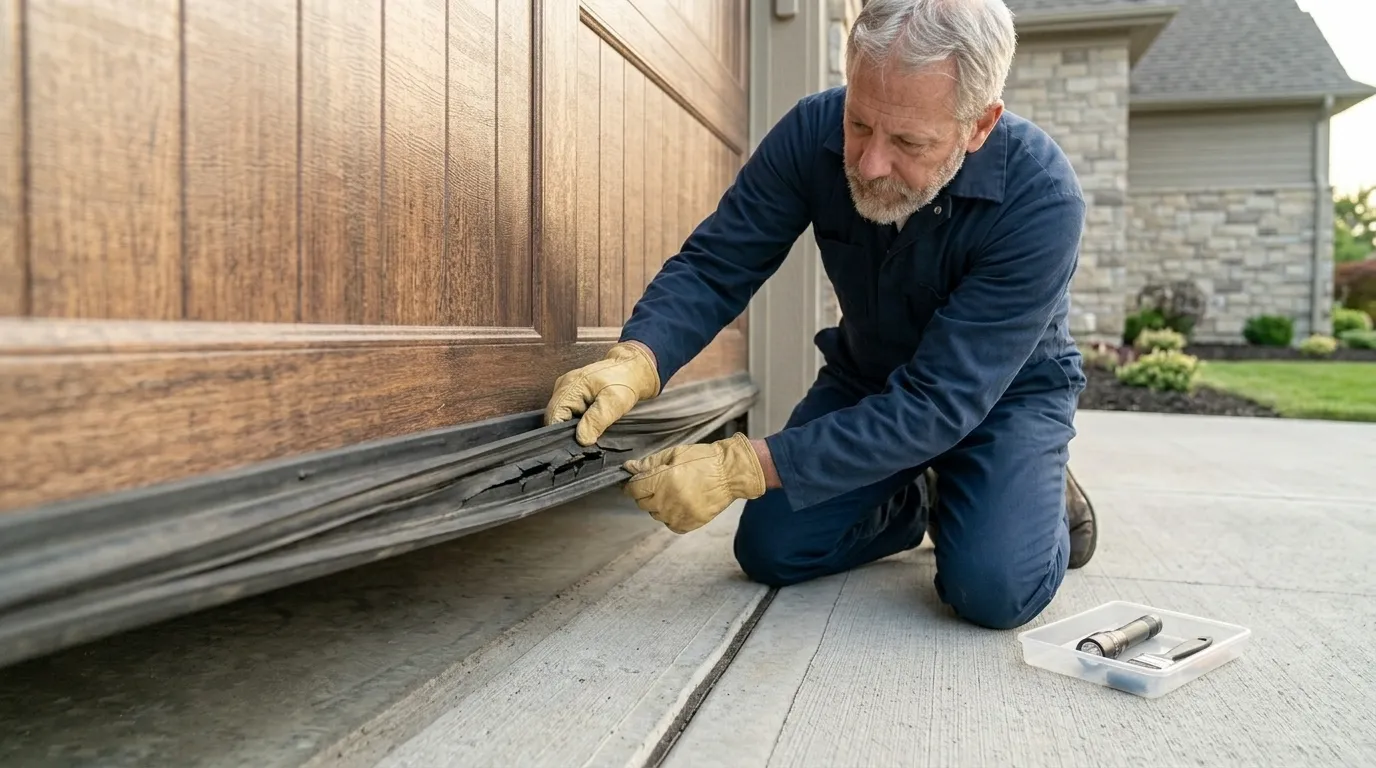
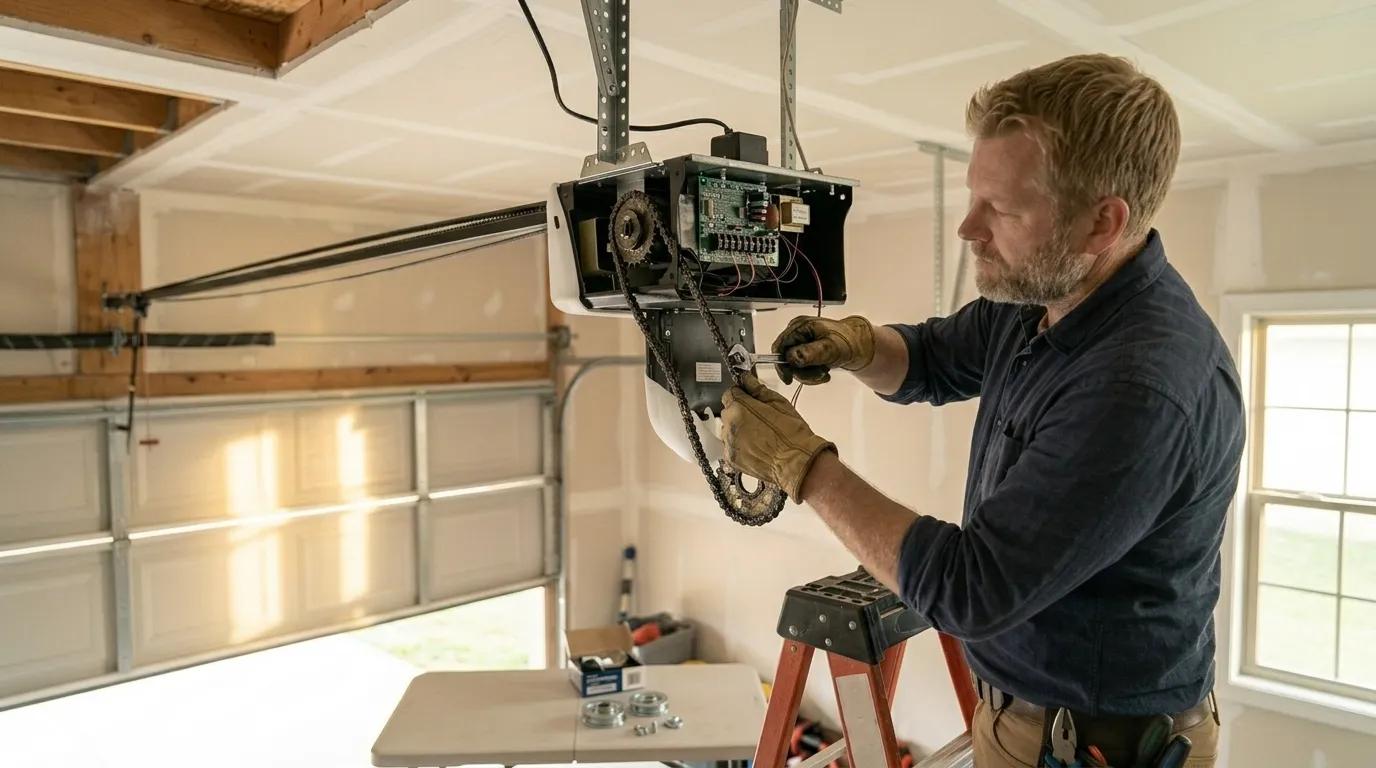
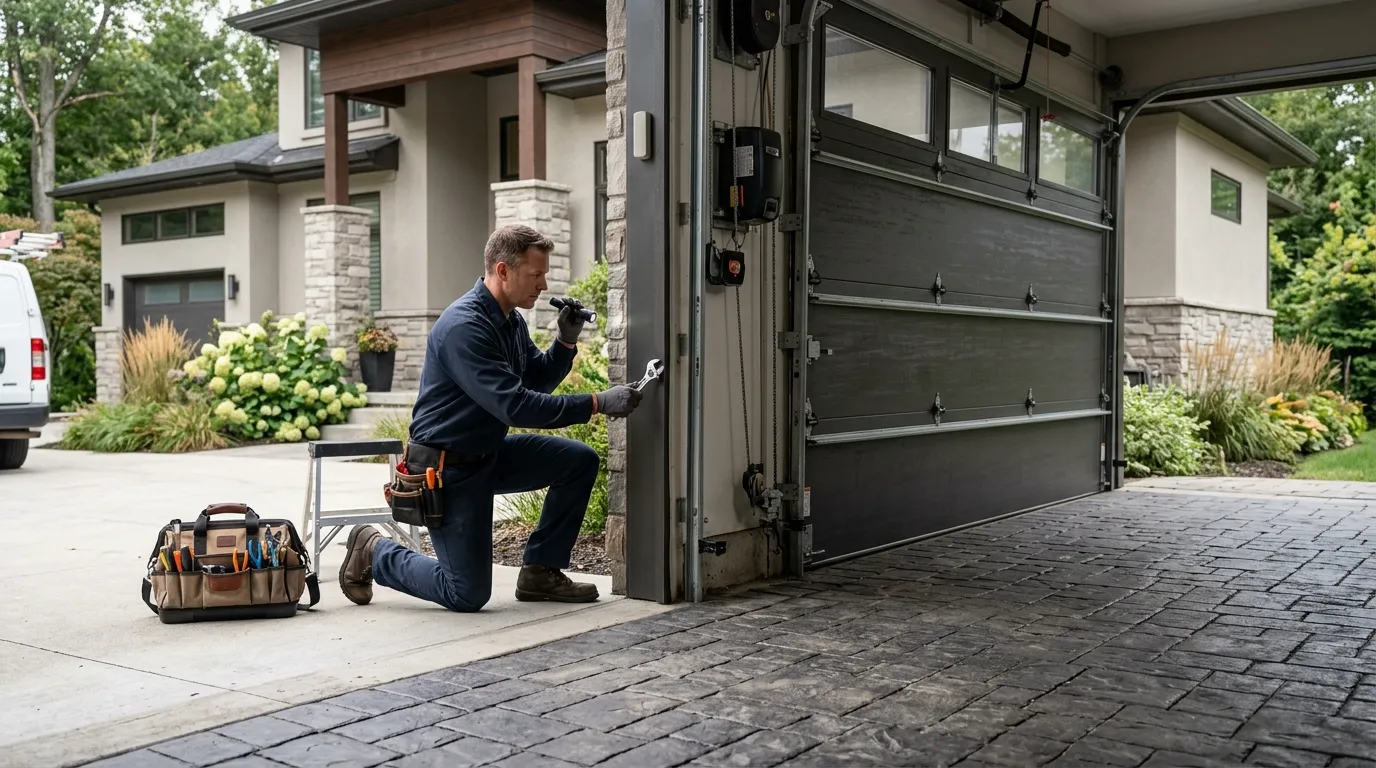
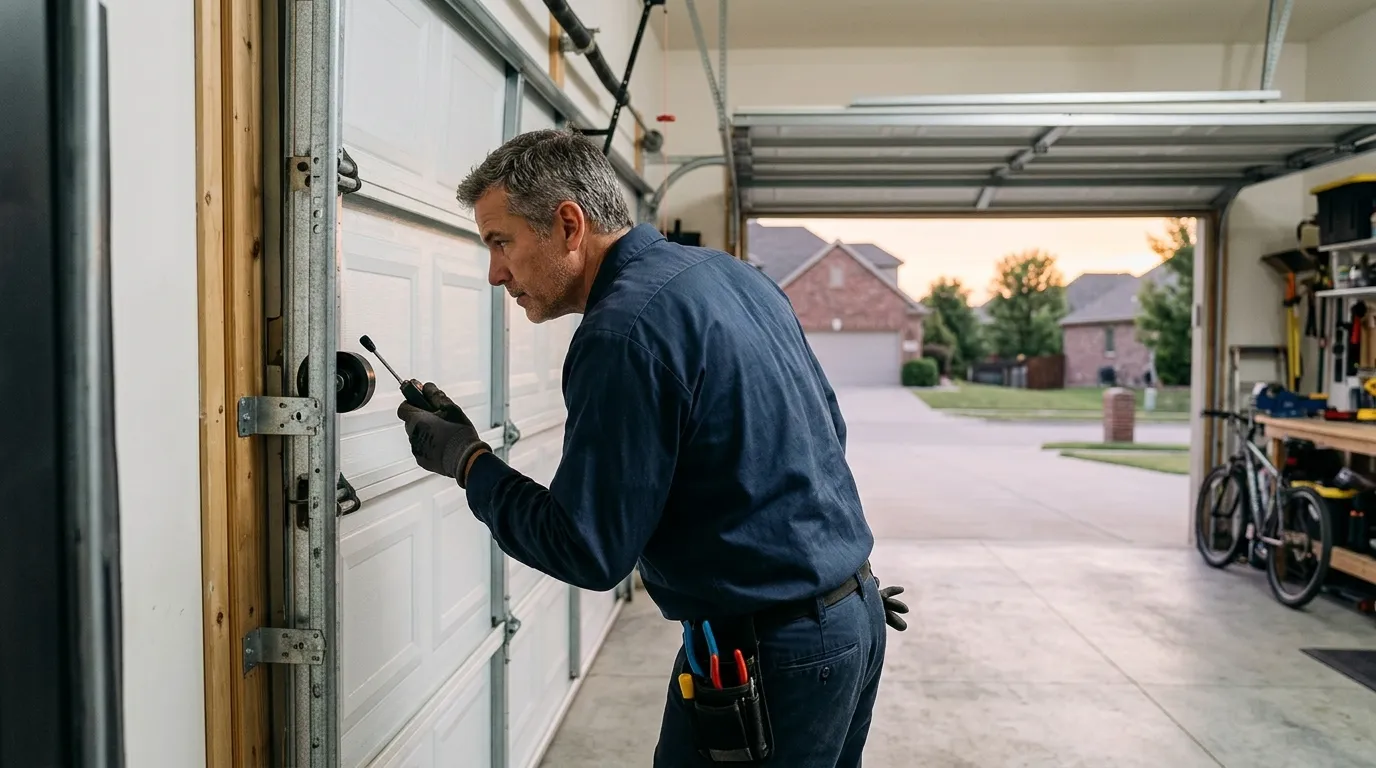
A standard maintenance visit runs long enough to check spring tension, lubricate every moving part, tighten hardware, test the opener's force settings and safety reversal, and inspect the track for wear. On a house with original 1938-era hardware, expect the inspection part to take longer than it would on a newer door, because there's more to look at and often more corrosion to work around on fasteners that have never been backed out before. We're traveling in from Pittsburgh, about five miles out, so scheduling factors into the day, but the actual work at the door isn't rushed because the house is old. If we find something during the visit, we'll tell you before we touch it, not after.
The Cost of This Job
We don't publish a flat number here because what a maintenance visit turns into depends on what the hardware looks like once we're inspecting it, and on a house from 1938 that's more variable than on newer construction. Median household income in the service area runs around $72,020, and across the roughly 3,090 households in Crafton, most garage doors are carrying hardware that's decades past its original install with no record of anyone having serviced it. That's the real cost driver, not the town. A door that's been maintained on a regular schedule costs less to keep running than one that gets a call only after something breaks, because by the time something breaks on hardware this old, it's rarely just the one part.