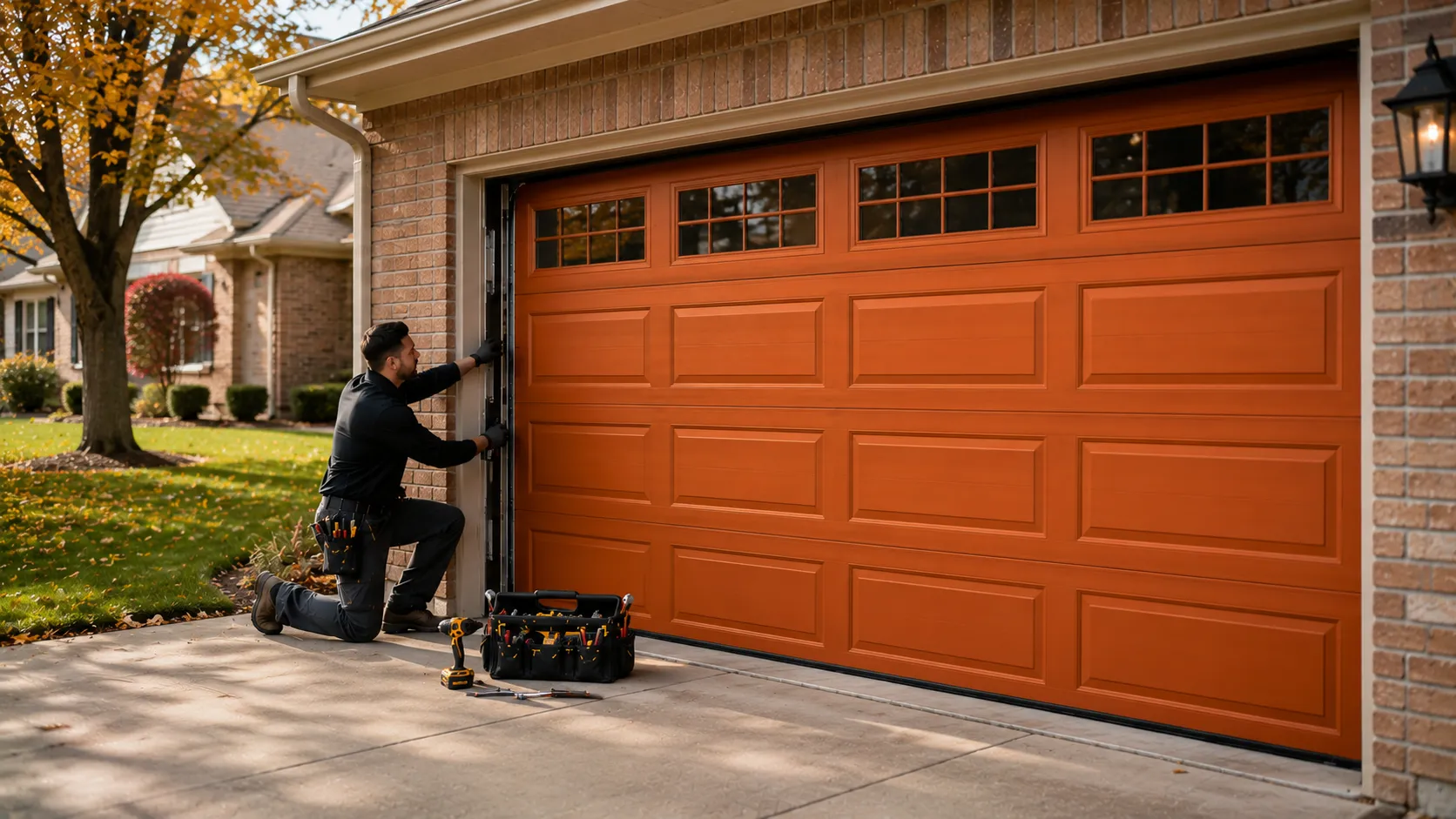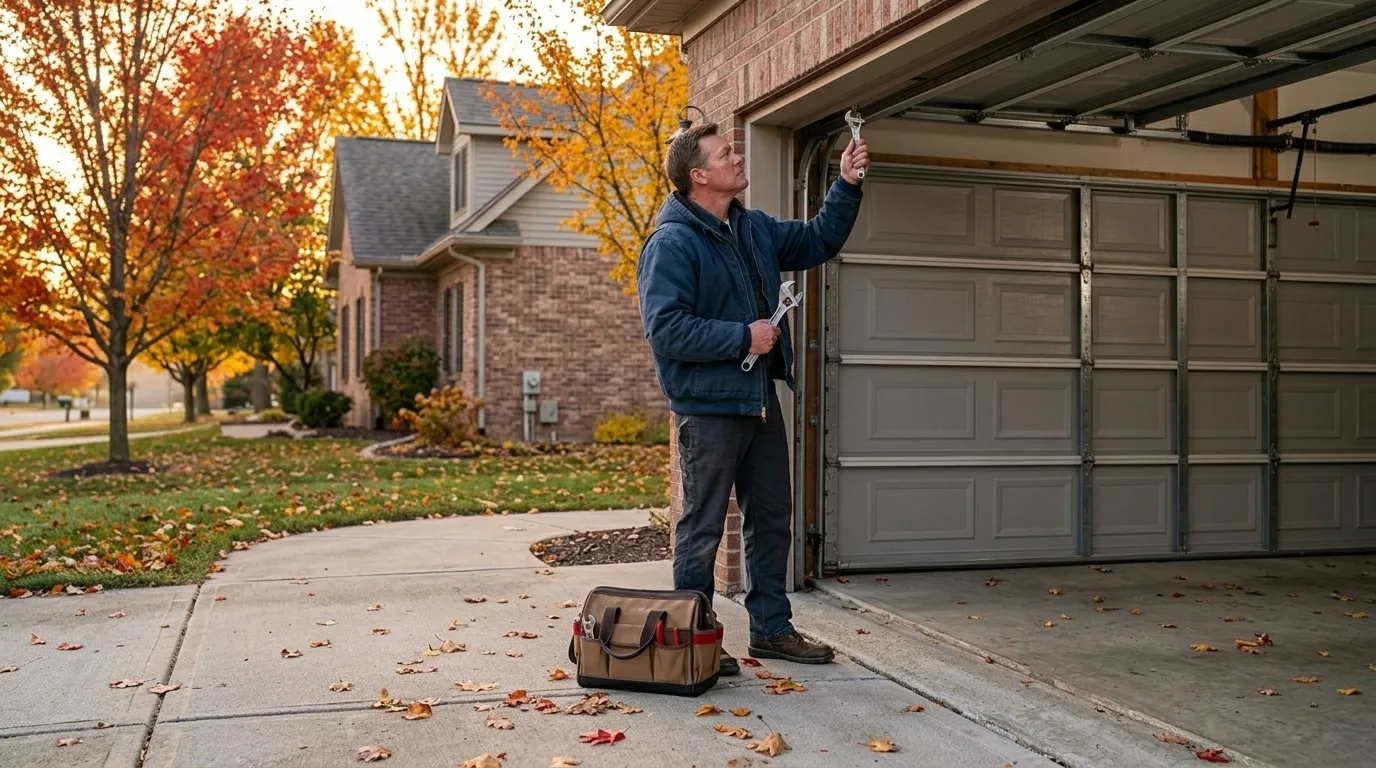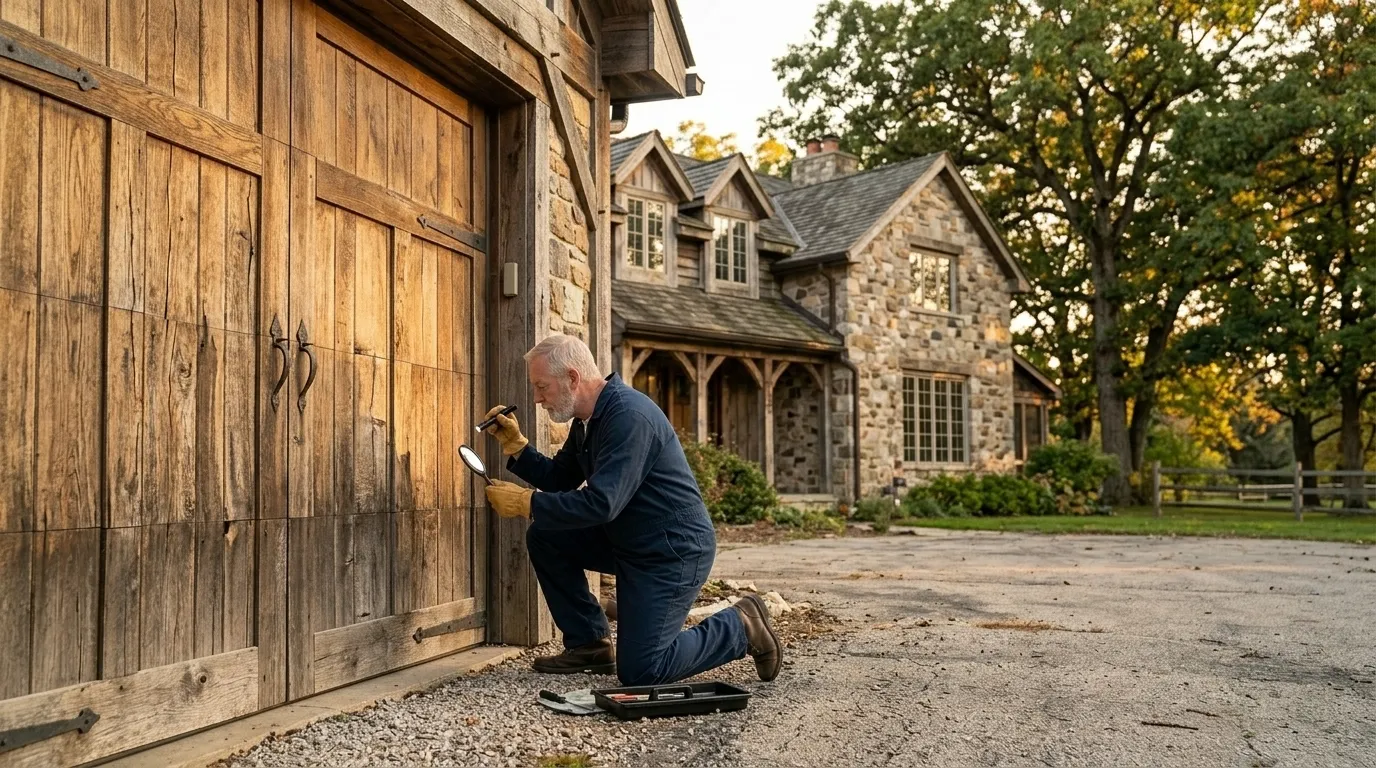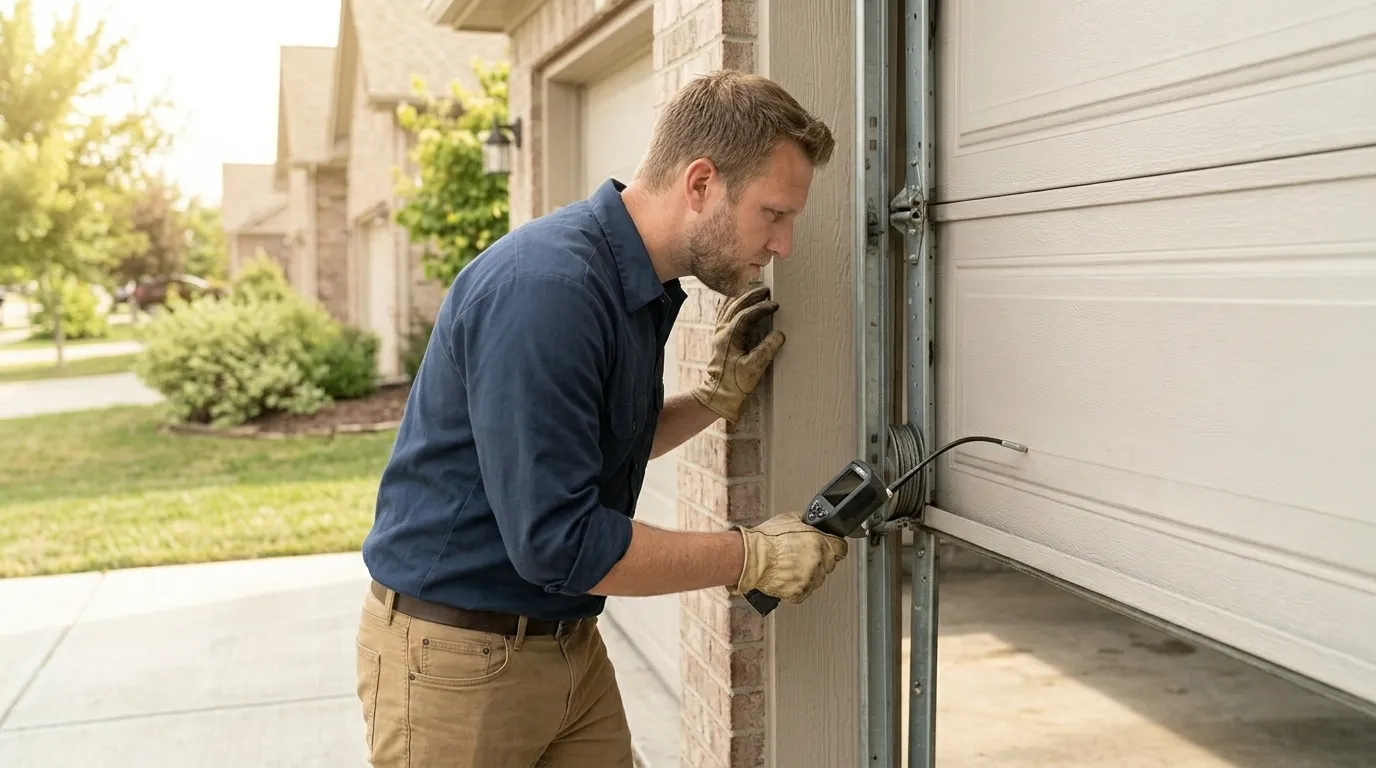
Why This Fails Locally
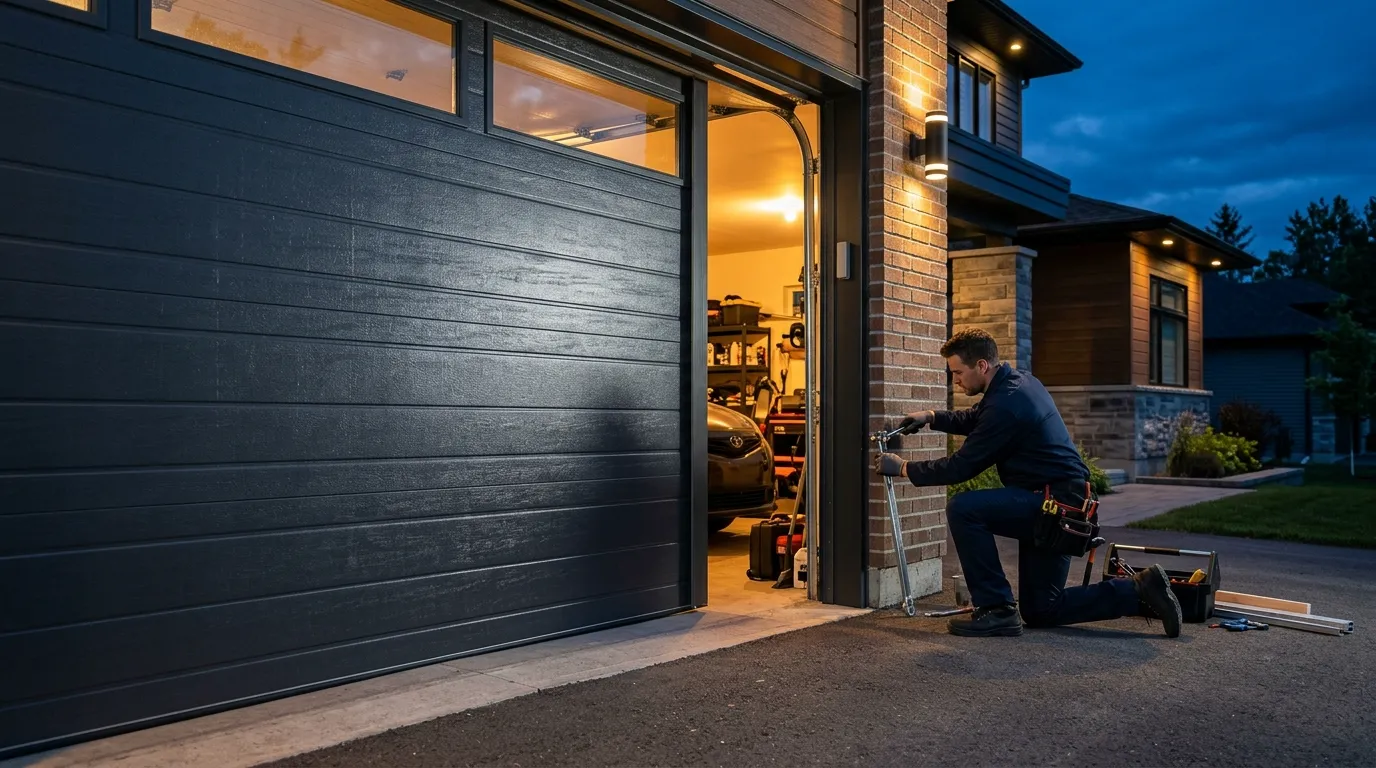
Homes in this part of the region were built between 1938 and 2014, but the median here lands around 1958, which puts a lot of Whitehall garages on wiring and framing from an era before openers were standard equipment. Many of these garages got their opener added later, often on a bracket or header that wasn't sized for a heavier modern unit. That mismatch is the root of a lot of the failures we see: a motor straining against resistance it was never meant to handle, brackets working loose over decades of freeze-thaw cycles, and safety sensors mounted at odd heights because the original opening wasn't built with them in mind. The region sits in a severe cold climate band, and that cold matters for openers too - grease inside the drive gear thickens, chain tension changes as temperatures swing, and logic boards in unheated garages take more thermal stress than most manufacturers account for. None of that is unique to any one house, but it's common across the age of housing stock this suburb has, and it's why an opener that worked fine in October can jam by January.
What You Are Seeing
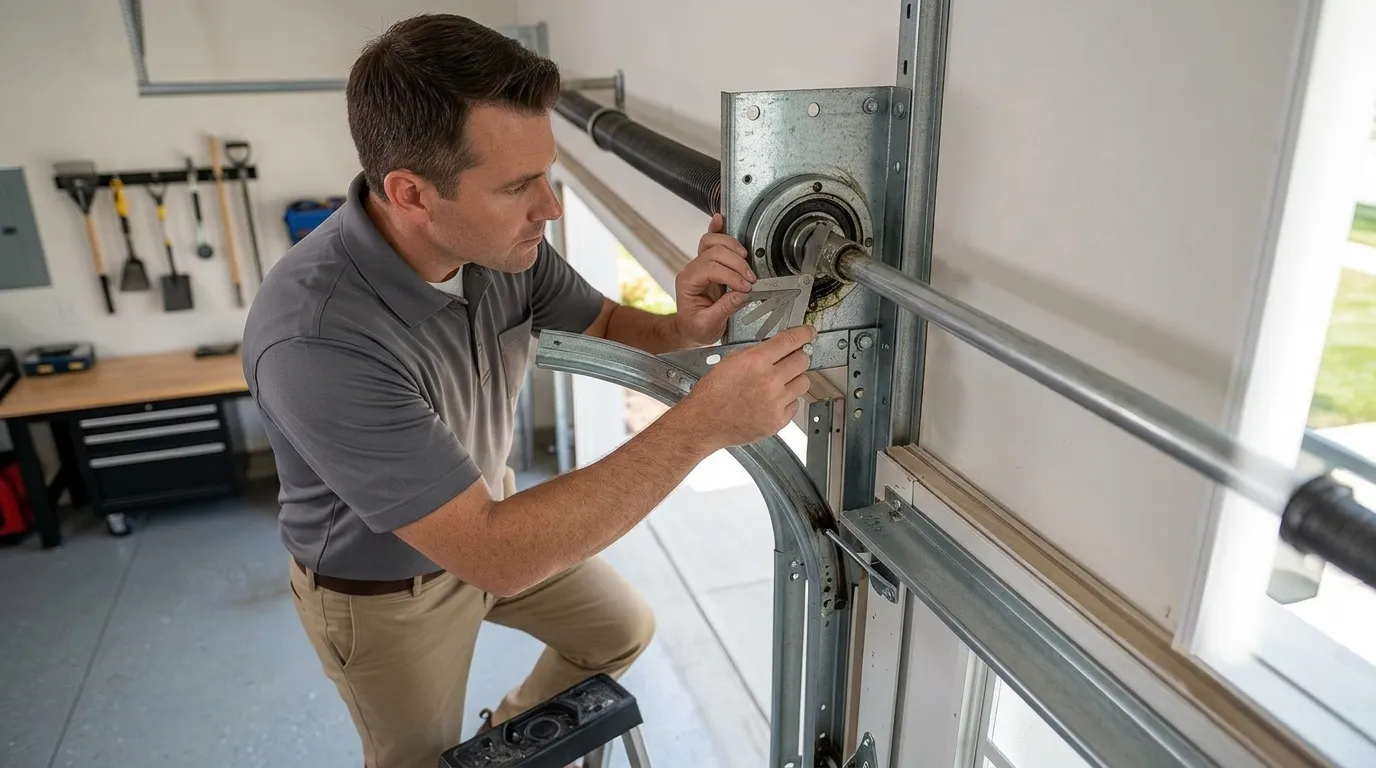
The most common call is an opener that runs the motor but the door doesn't move, which usually points to a stripped drive gear or a snapped chain link - both wear items on older chain-drive units common in houses this age. Close behind that: an opener that reverses immediately after touching the floor, which is almost always a safety sensor out of alignment or a limit switch that's drifted with age. If your remote works intermittently but the wall button doesn't, or the reverse, that's typically a logic board losing its grip, not the remote itself. In colder months we also see openers that hum but won't engage until the garage warms up - grease gone thick in a cold, uninsulated garage is a frequent culprit given the climate here. Less common but real: openers original to a 1960s or 70s installation with no modern safety reversal at all, which by current standards is a hazard worth addressing regardless of whether anything else is wrong.
How Long It Takes
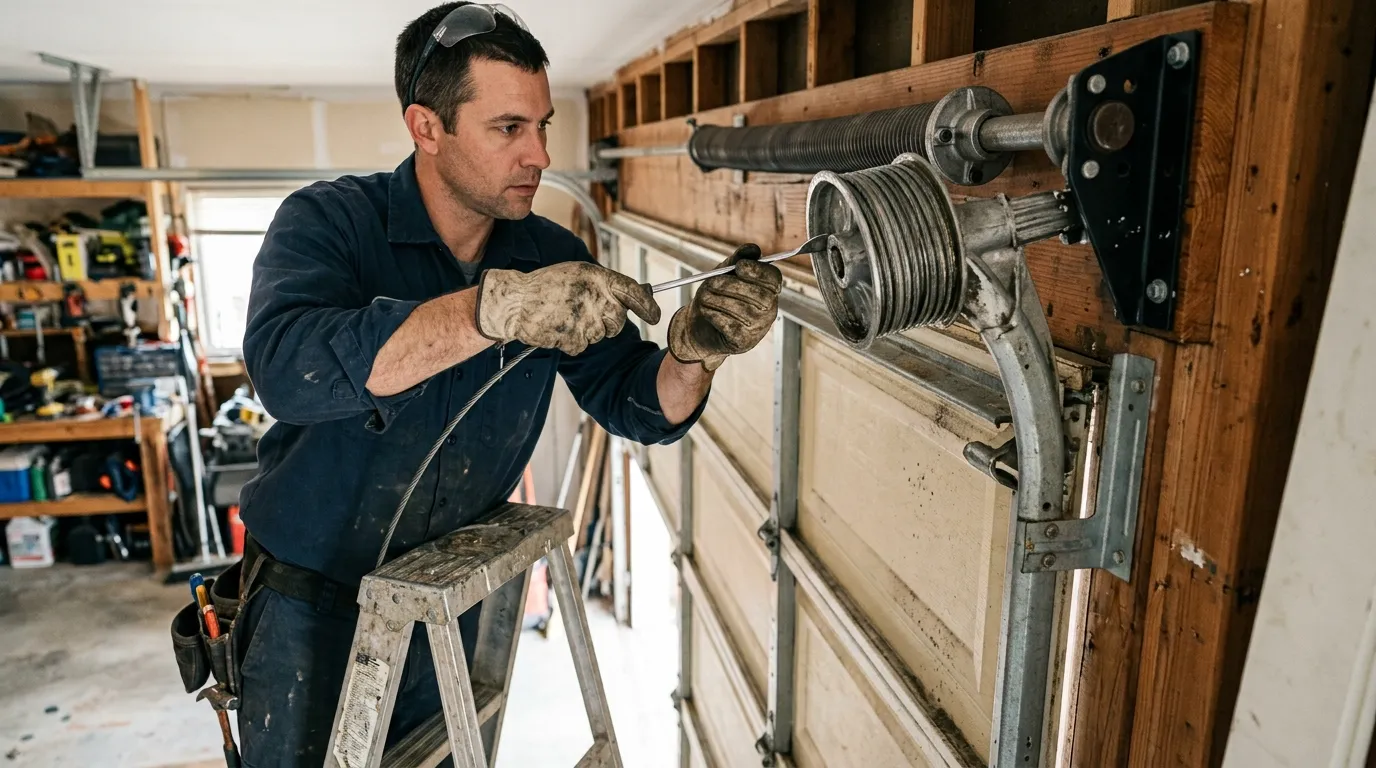
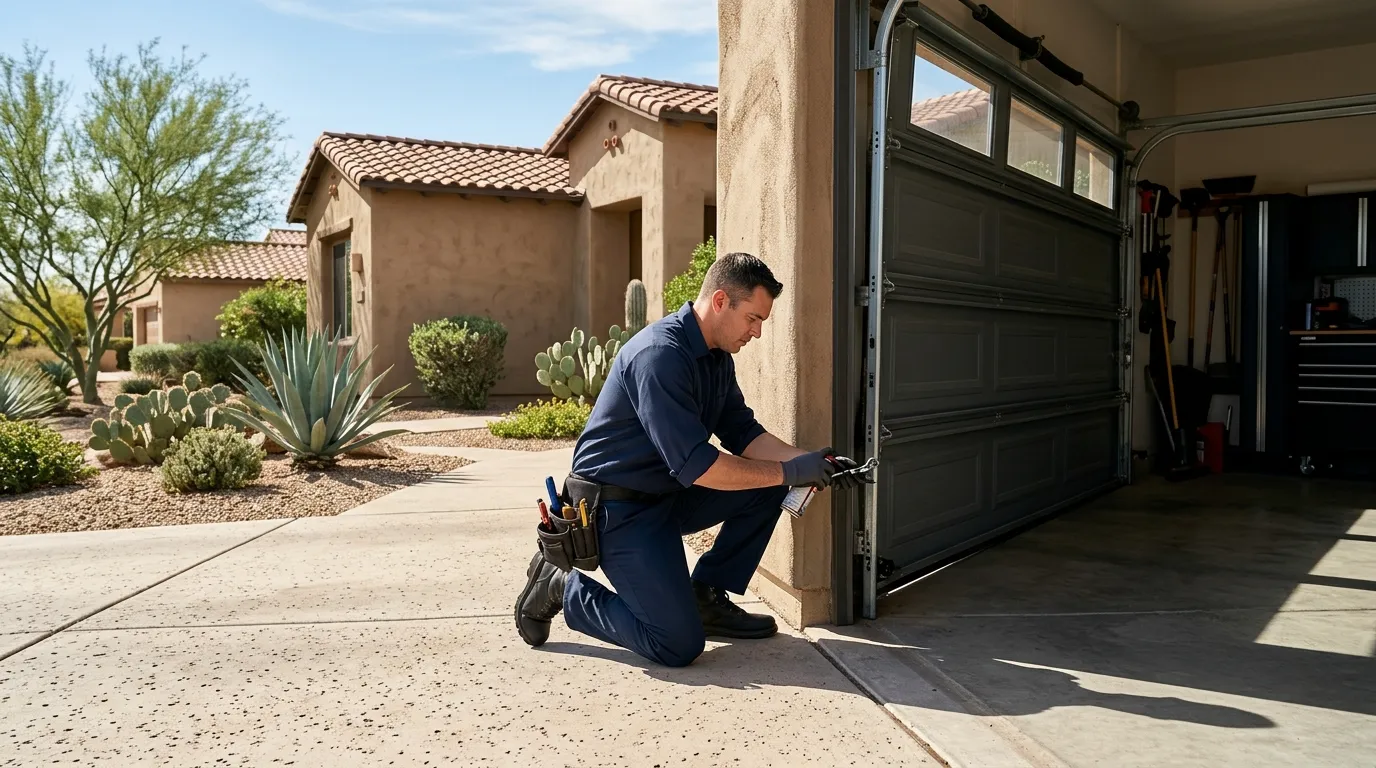
A sensor realignment or a clean-and-lubricate job usually wraps inside the same visit, often under an hour once we're on site. Gear or chain replacement takes longer because we're disassembling the drive housing, but it's still a same-visit repair in most cases. A logic board replacement can be quick if we're carrying the matching board on the truck, or it can mean a return trip if your unit takes a part we need to source first - which happens more often on openers original to older Whitehall installations than on newer ones. We'll tell you at diagnosis which category your job falls into rather than guessing an ETA before we've looked.
Booking a Visit
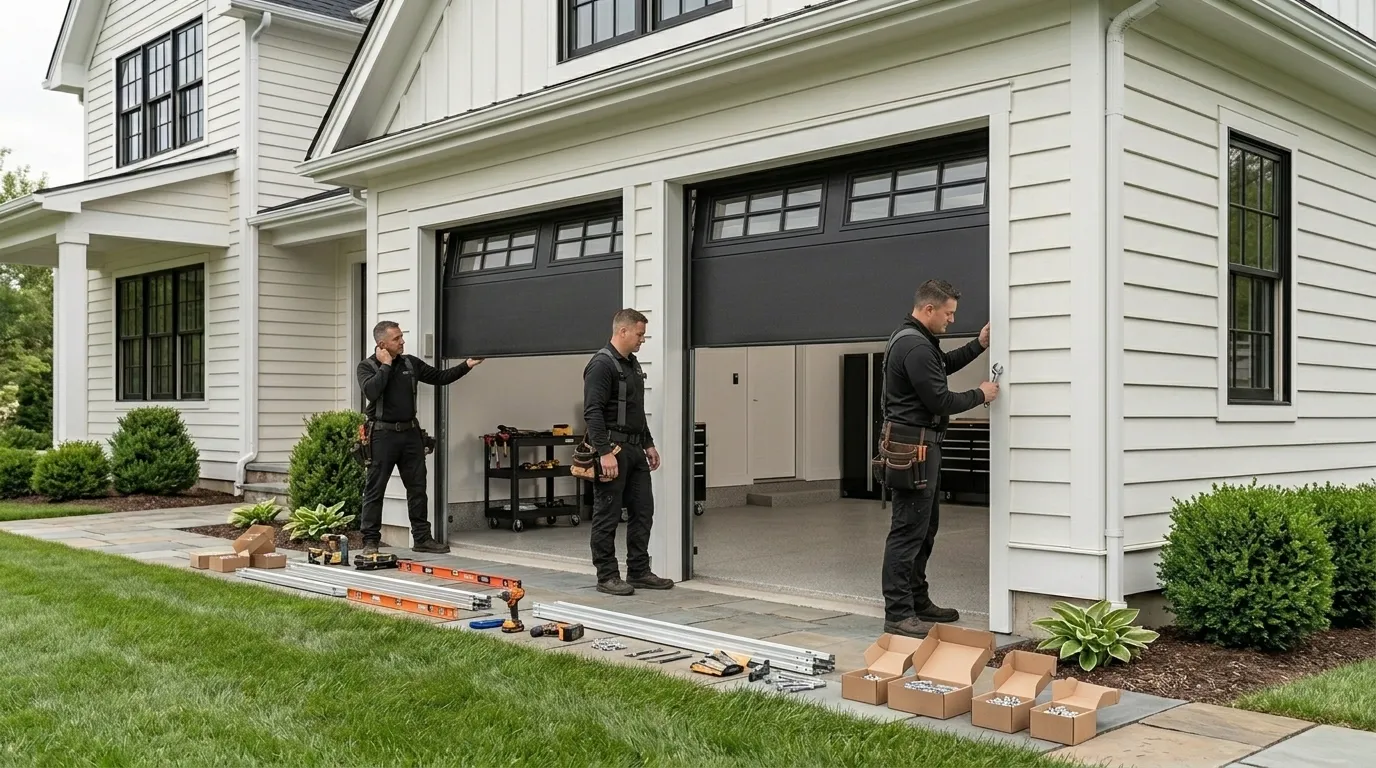
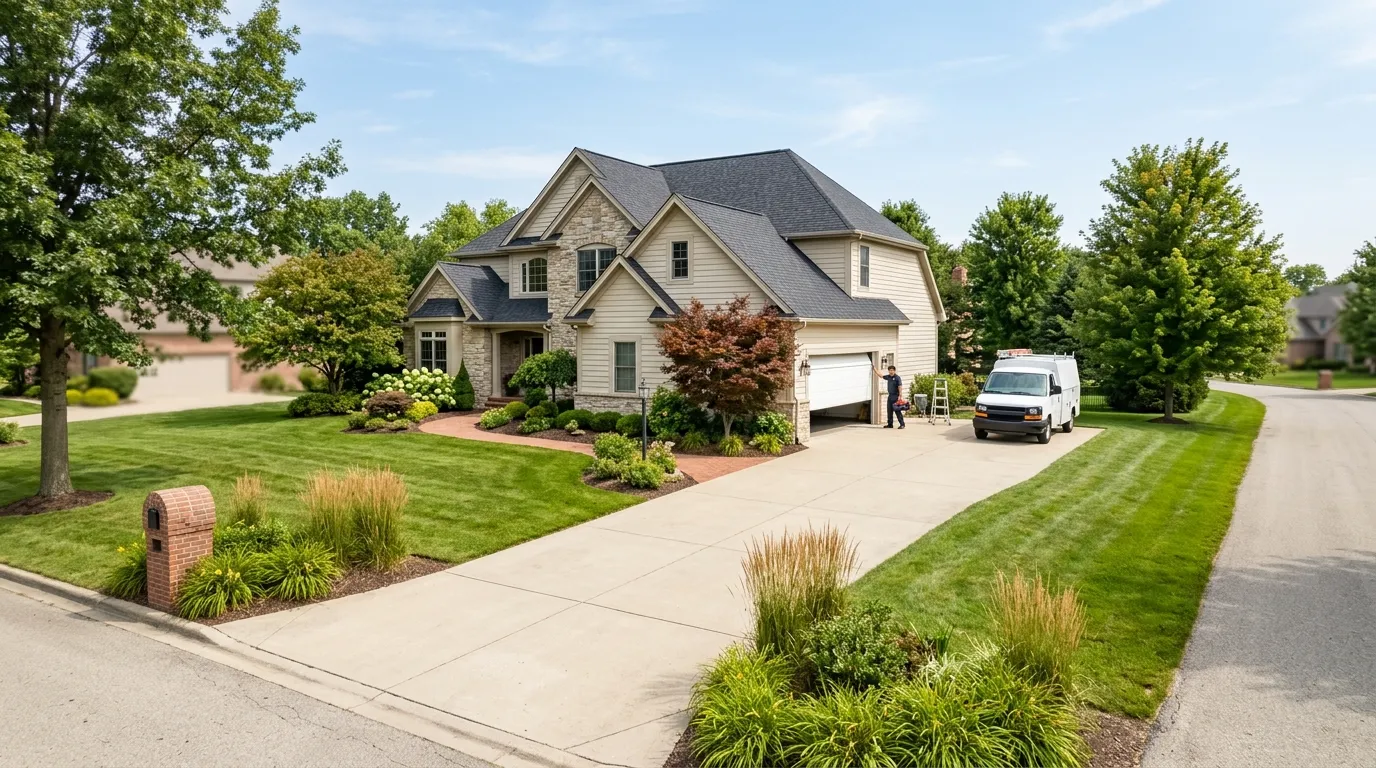
We travel to Whitehall from Pittsburgh, about six miles each way, so we schedule the visit with that drive in mind rather than treating it as a walk-up call. Tell us what the opener is doing - motor running with no door movement, reversing before it closes, or dead silent - and we'll bring the parts most likely to match a house of this age. For the door itself, not just the opener, see our Whitehall garage doors page. If you're outside Whitehall and want the broader service area, that's covered on our opener repair page for Pittsburgh.