Why This Fails Locally
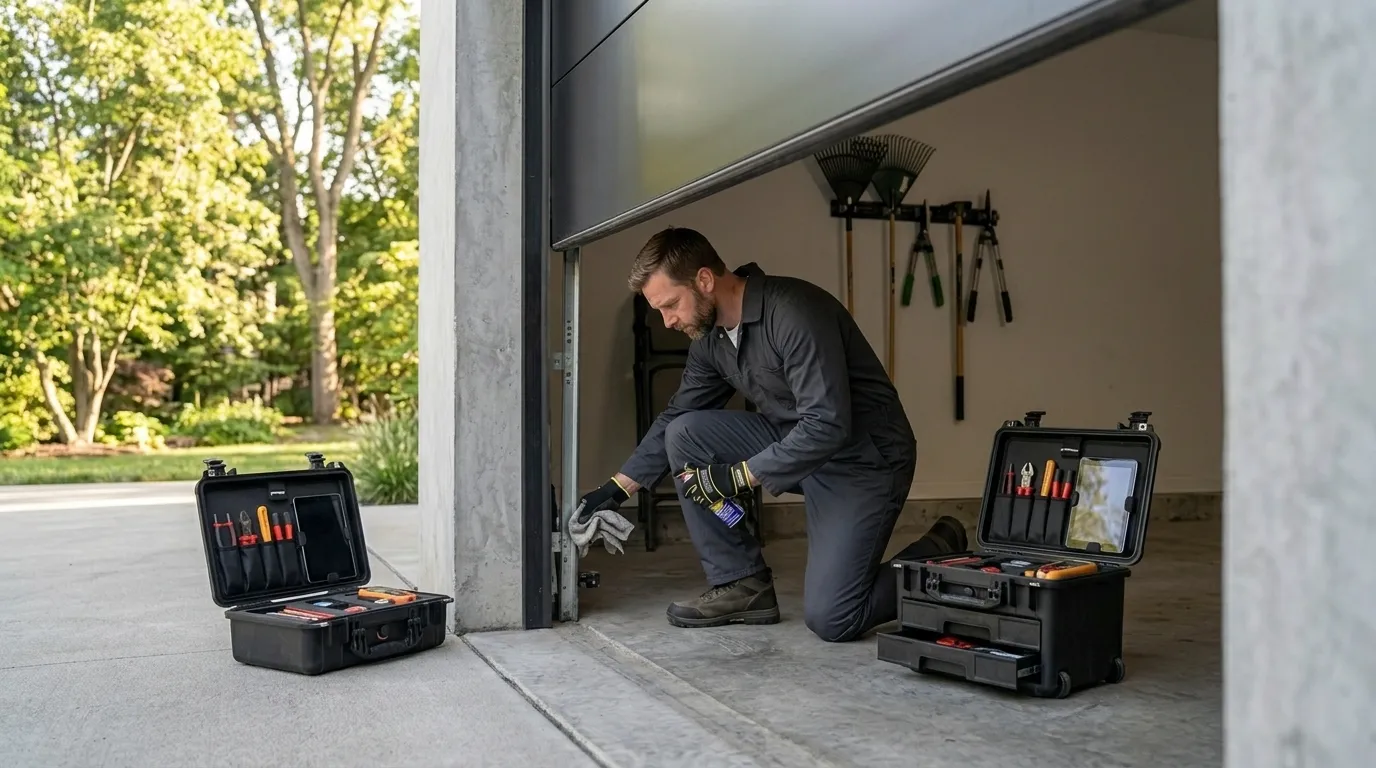
The median year built in Whitehall is 1958, and that number matters more than it sounds like it should. Doors from that era were mostly built with steel rollers on steel track, no nylon, no sealed bearings, and track gauges that don't always match what's stocked on a truck today. Add in the region's cold, severe winter band, and steel rollers in unheated garages contract and expand every season, working themselves loose in the stem over years. That's a slow failure, not a sudden one. By the time you hear the grinding, the roller has usually already chewed a groove into the track edge, which means the fix isn't just the roller anymore. This is where a generic replacement kit falls short: it puts a new part into an old channel that's already out of true, and you're back to square one in a season or two.
What You Are Seeing
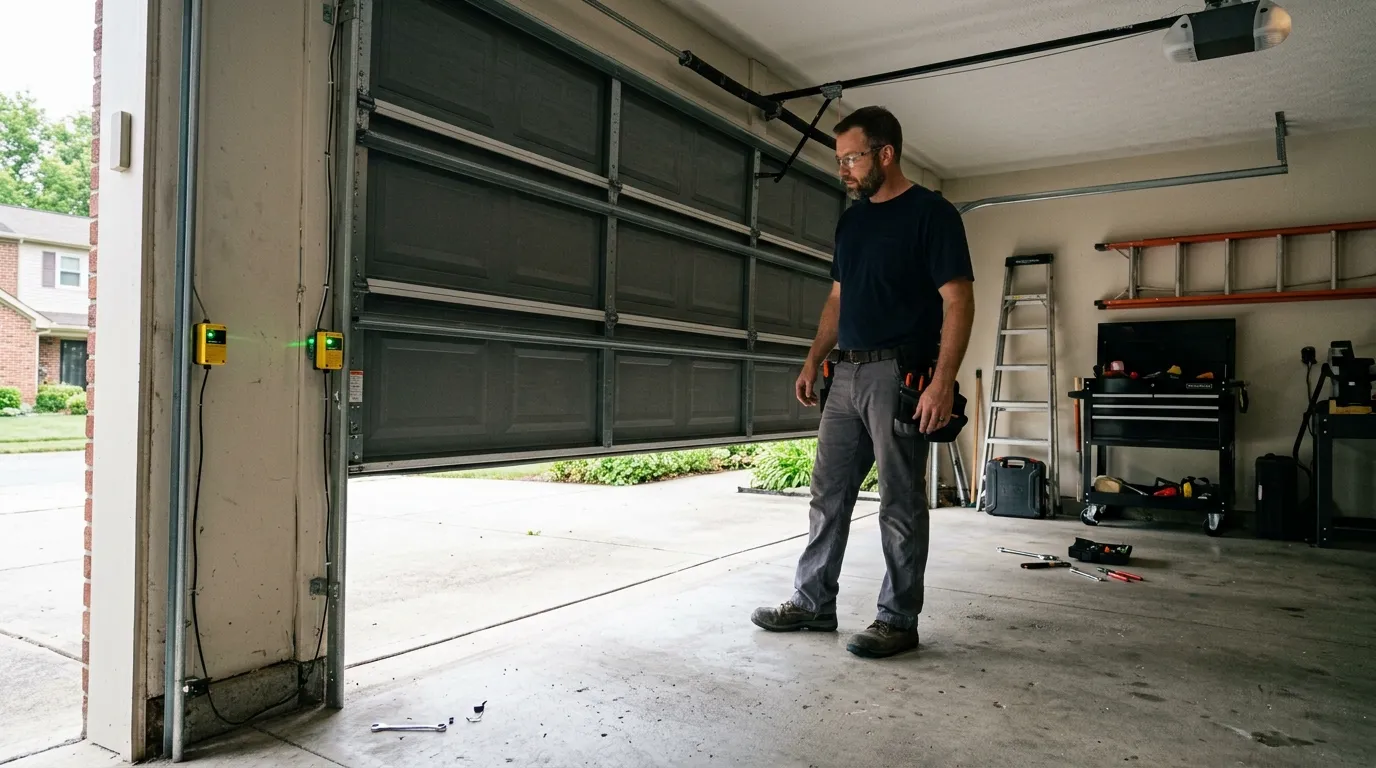
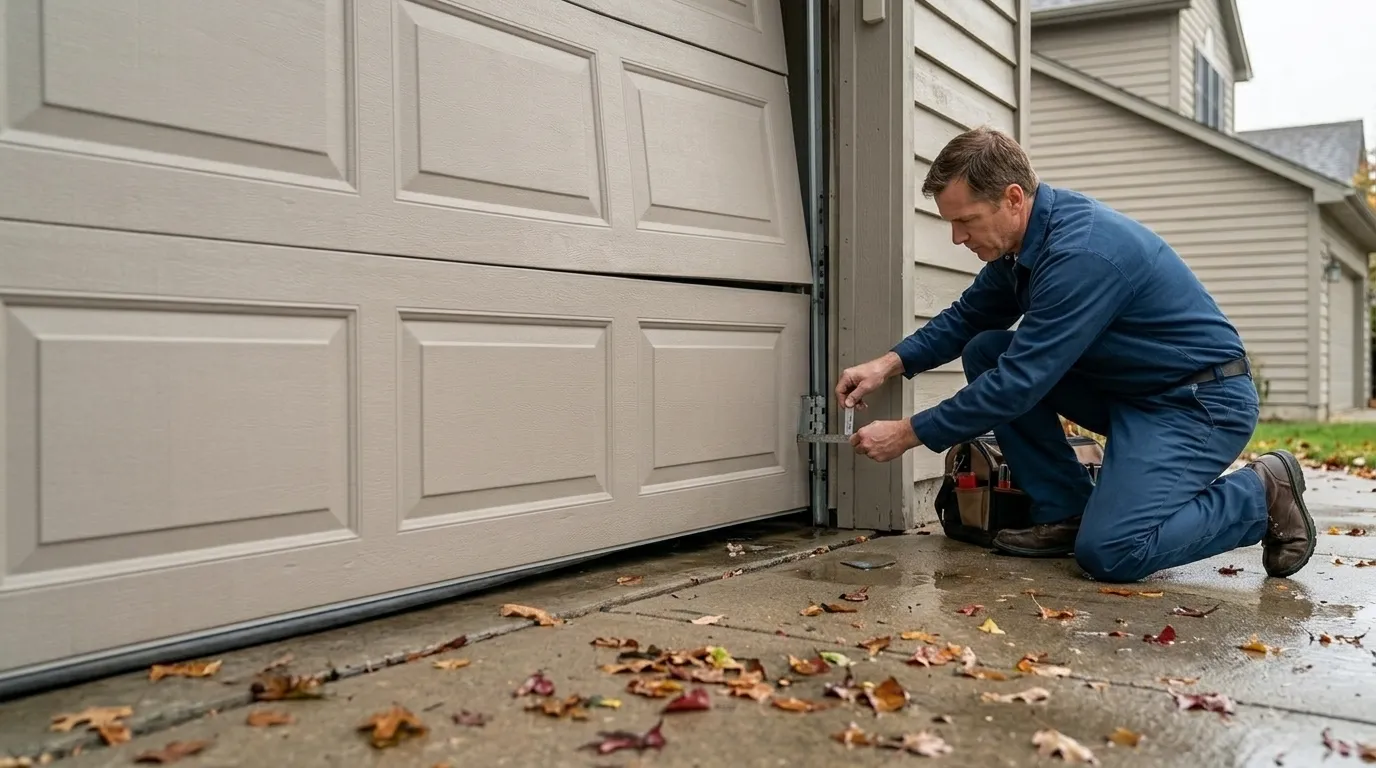
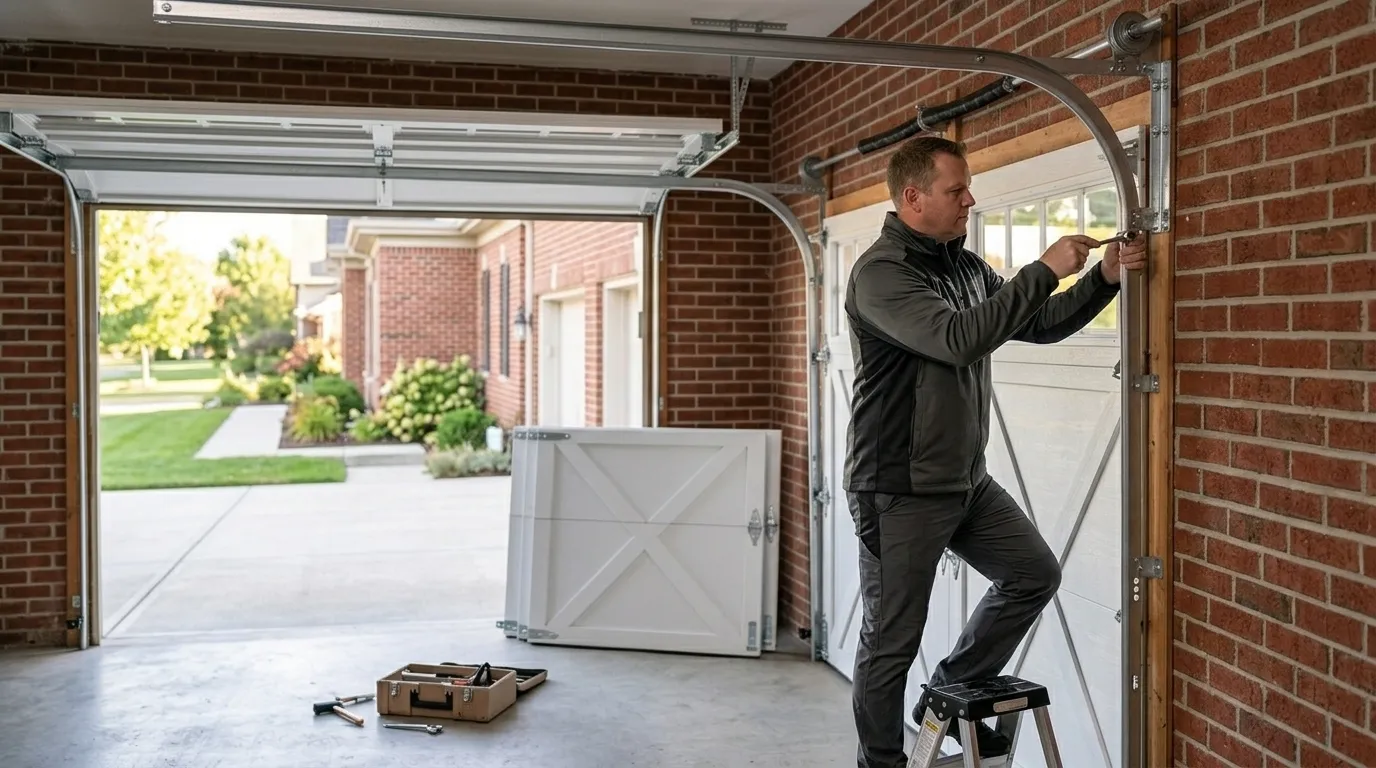
The signs are pretty consistent across doors this old. A grinding or popping sound as the door travels, usually worse at the same spot in the track every time. The door catching or jumping slightly rather than moving smooth. Sometimes a roller has actually come out of the track and you can see it hanging loose or missing from its bracket. On steel rollers specifically, you might notice rust streaking down the track where the bearing seal gave out years ago and moisture has been getting in ever since. If only one or two rollers are bad, the door usually still runs, just rough. If it's most of the rollers on one side, the door will pull noticeably crooked, and that's usually when people finally call, because the door looks like it's about to jump the track entirely.
How Long It Takes
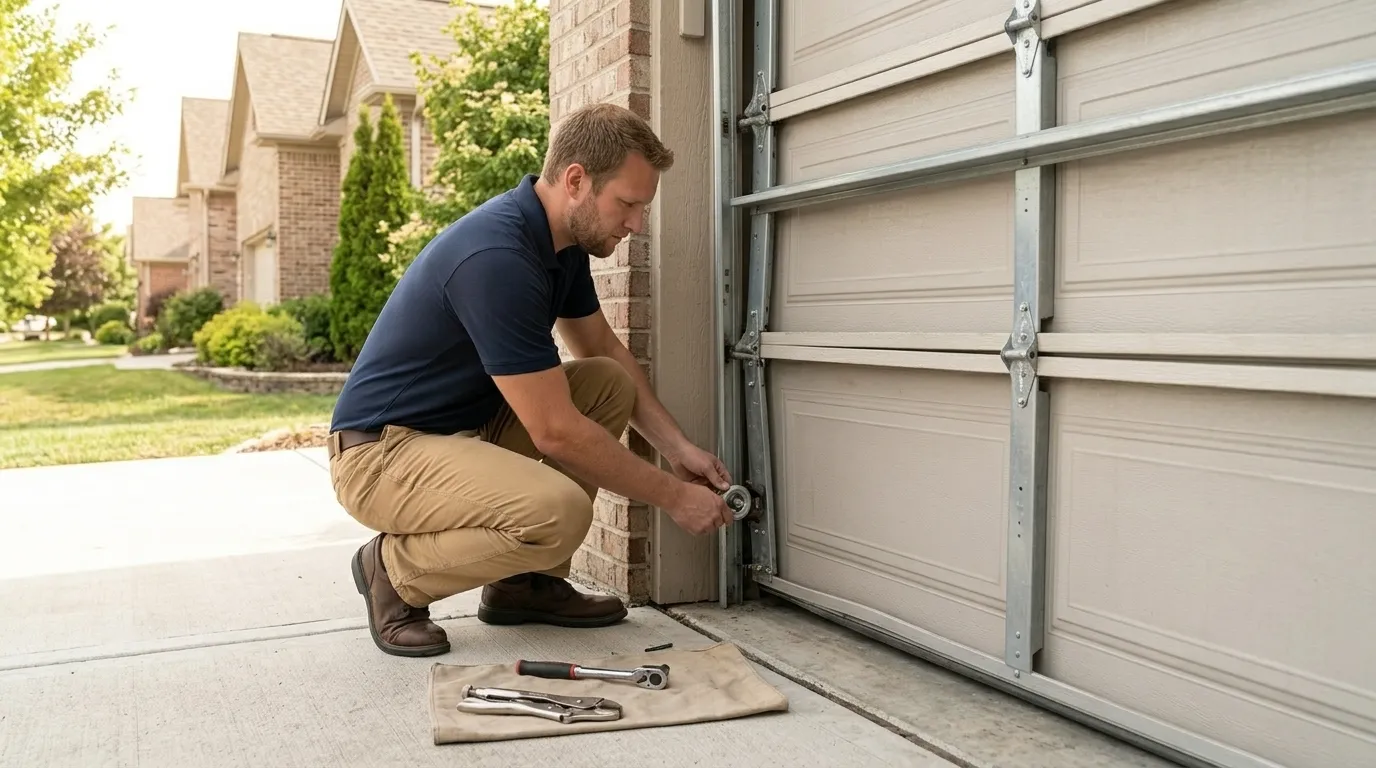
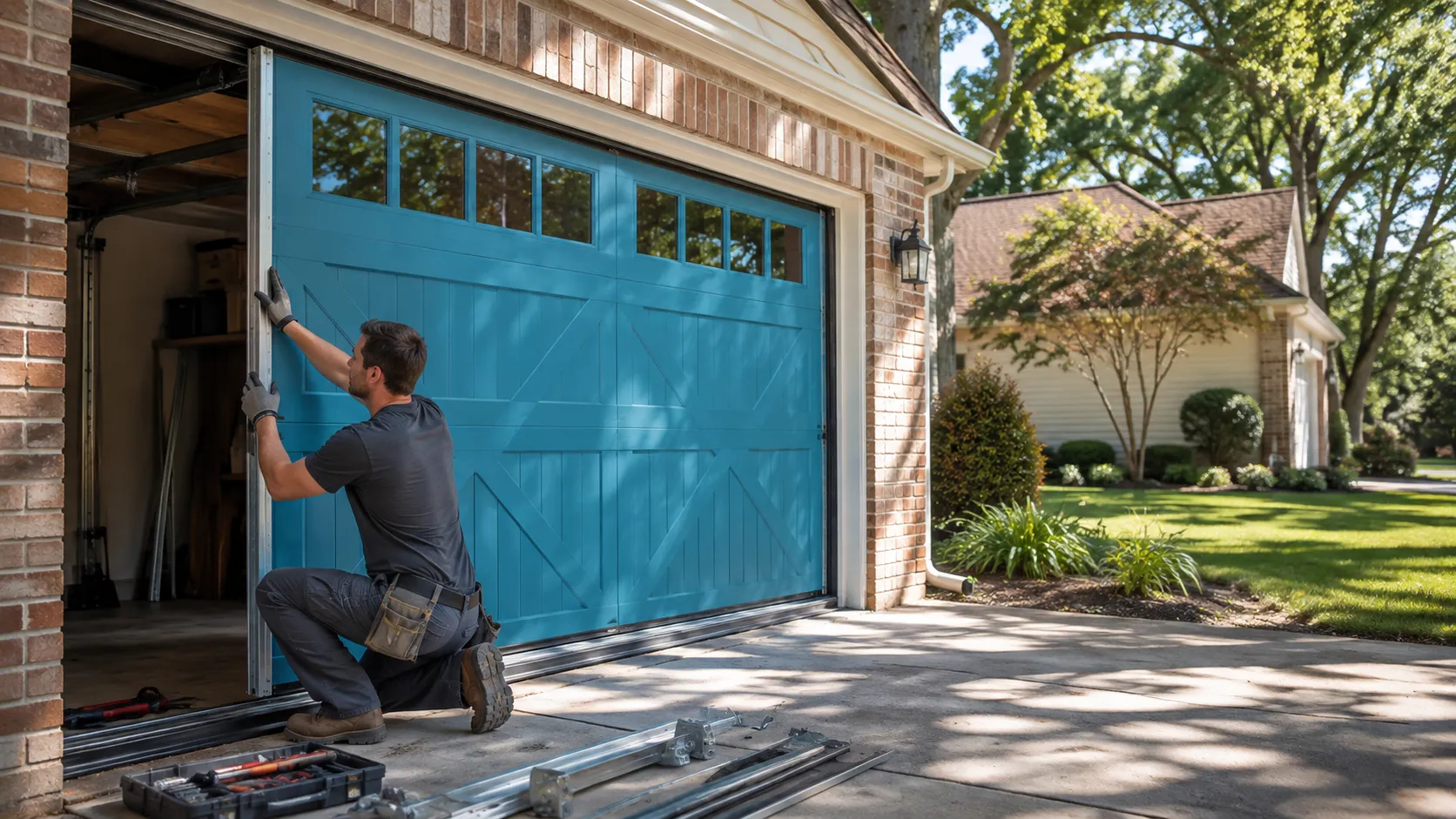
A straightforward roller job, all rollers on a single door with track in decent shape, is a same-visit repair. It doesn't require ordering a part that has to sit on a shelf somewhere first. Where it stretches out is the track work. If a section needs to be replaced rather than straightened, that's still usually handled on site, but it adds time to the visit. The one thing that can genuinely delay a job is a nonstandard track gauge on an older door, which sometimes means a callback once the right part is sourced. That's not common, but on doors from the 1950s housing stock that's typical of this area, it happens more here than it would on a newer build.
Booking a Visit
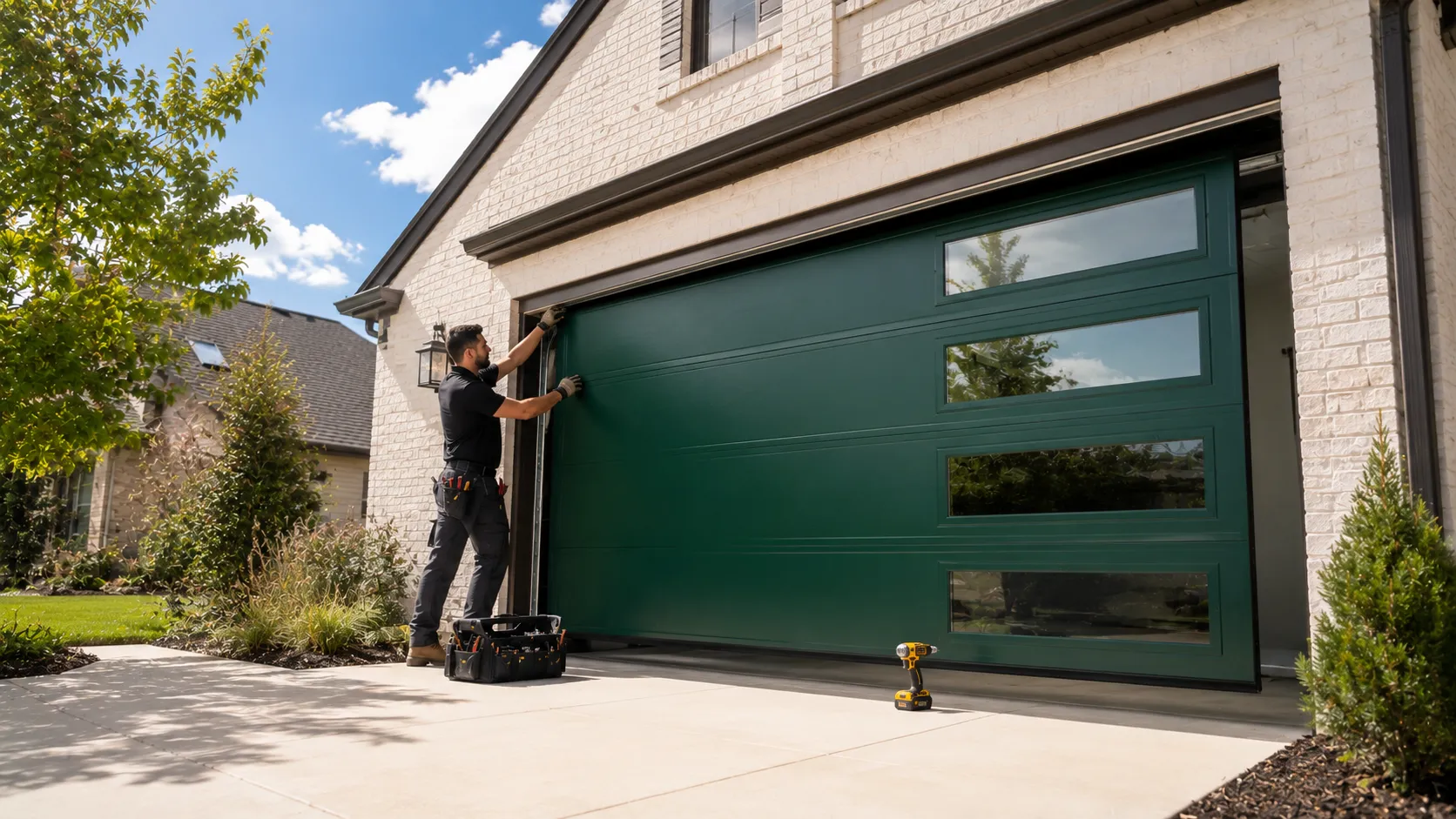
We work Whitehall from our Pittsburgh base, about 6 miles out, so there's no separate local crew or depot here, just a truck that comes to you. If you're hearing grinding, seeing a roller hanging loose, or watching the door pull crooked on its way up, that's worth a call before it turns into a track replacement. You can see the full range of what we handle in Whitehall on our Whitehall garage doors page, or read more on roller replacement generally on our Pittsburgh roller replacement page.