Stocked Parts
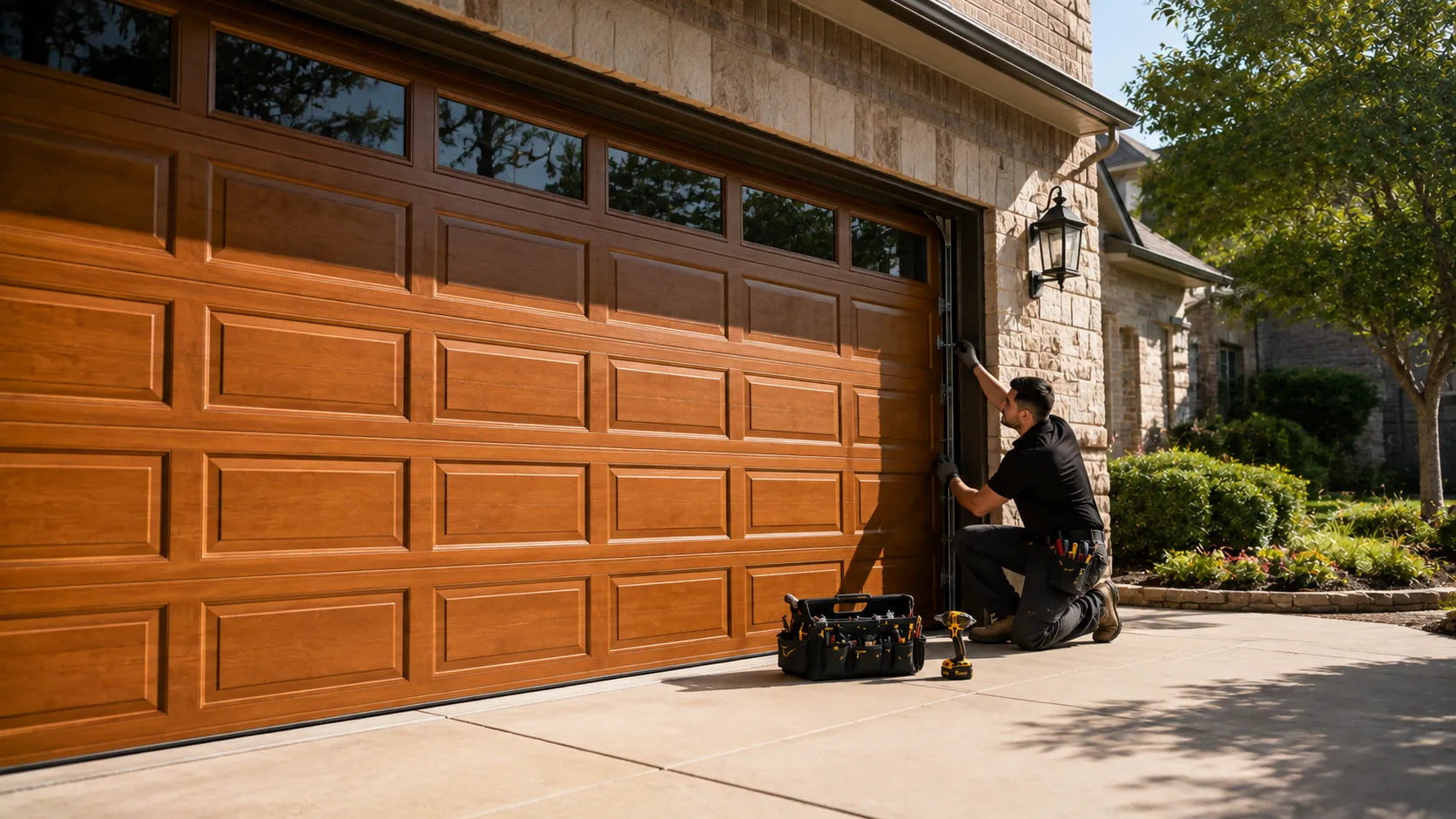
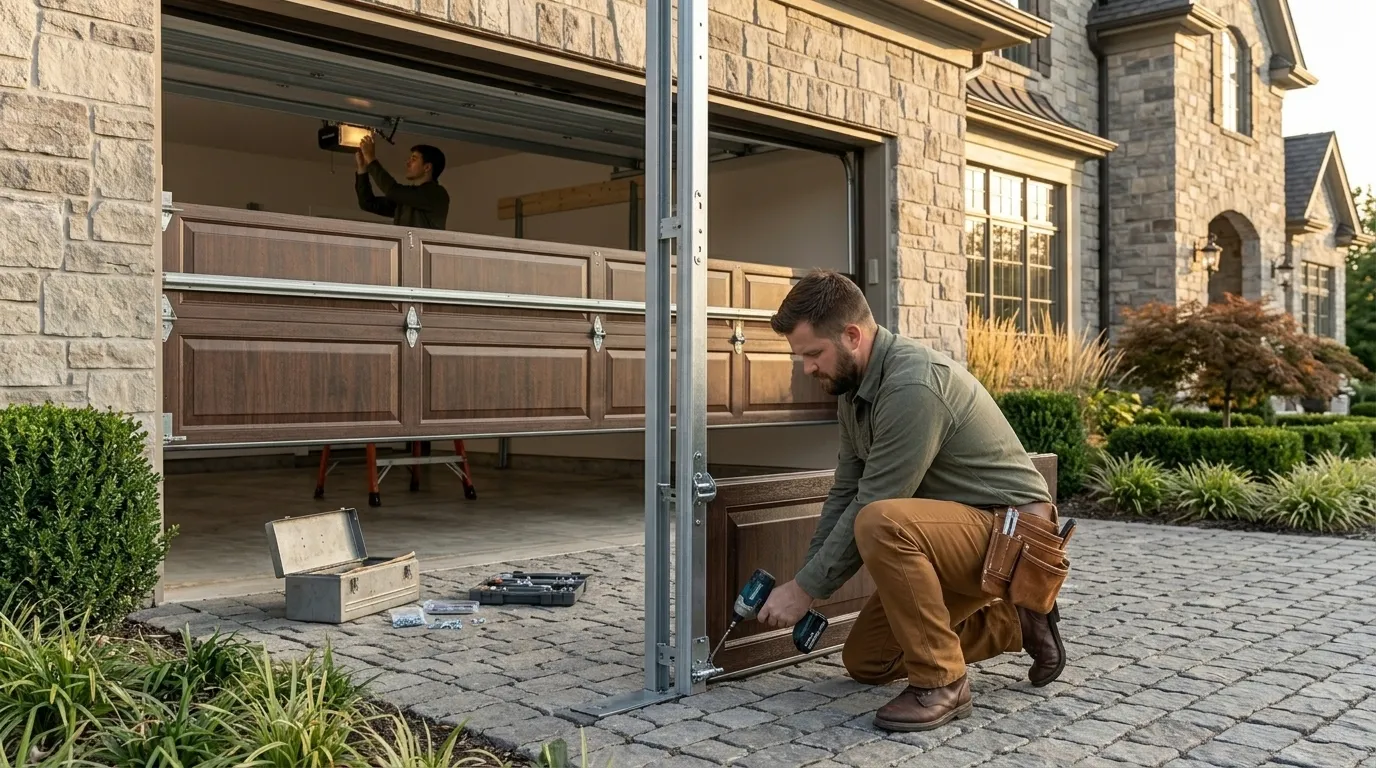
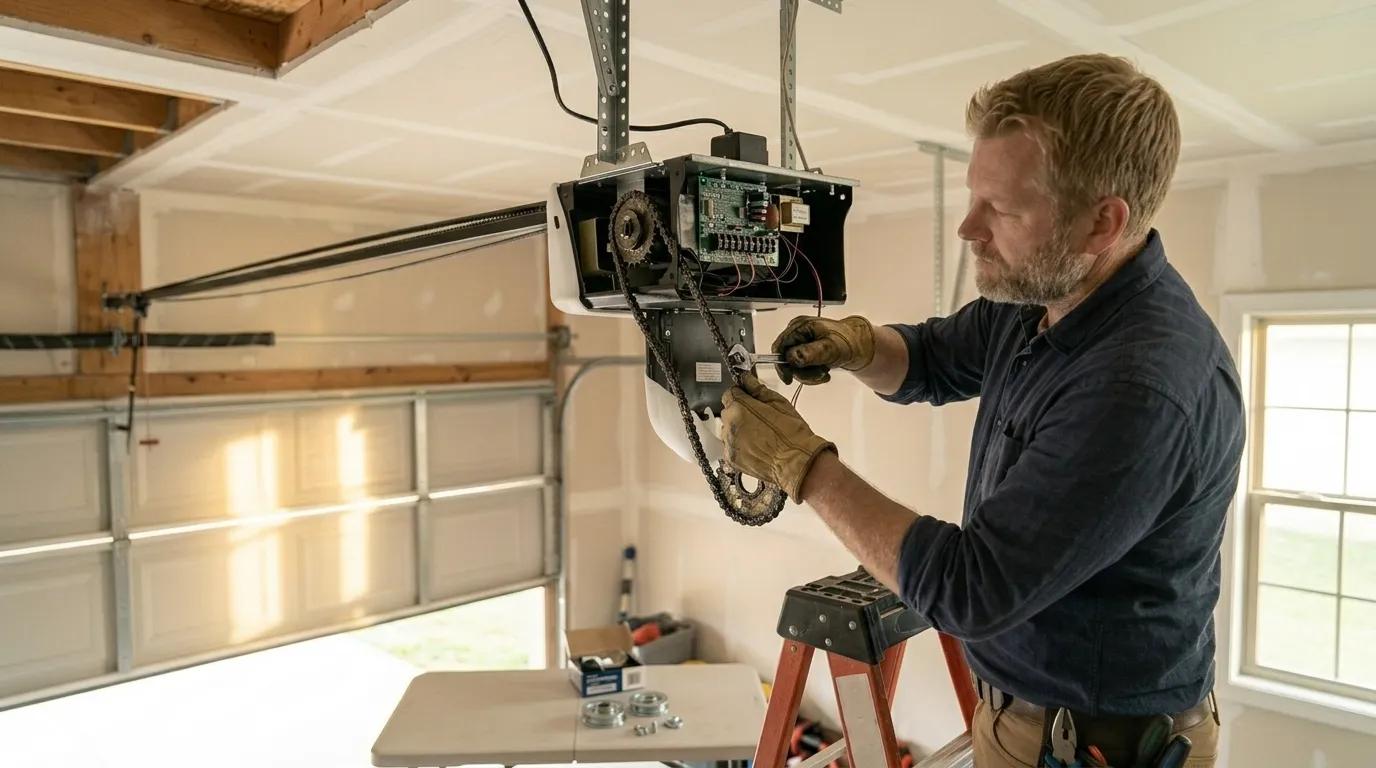
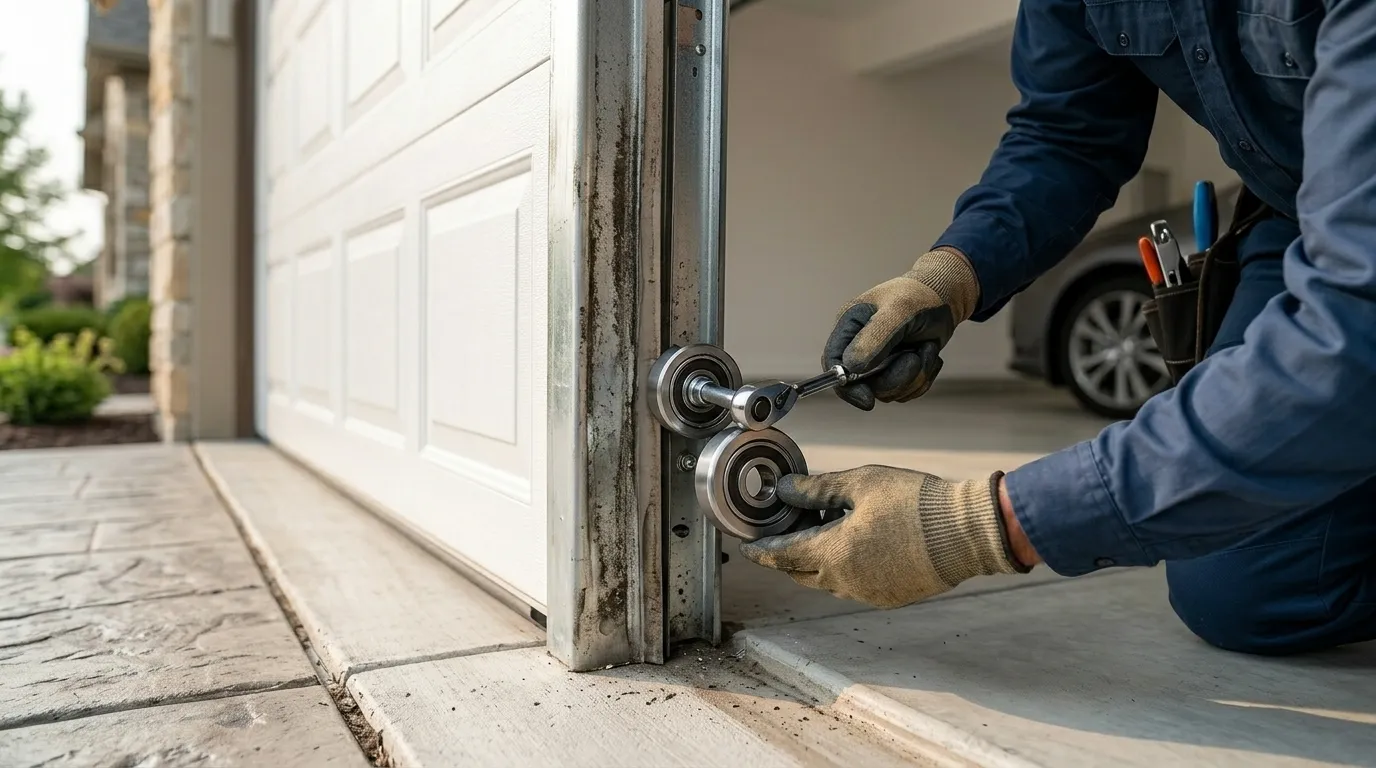
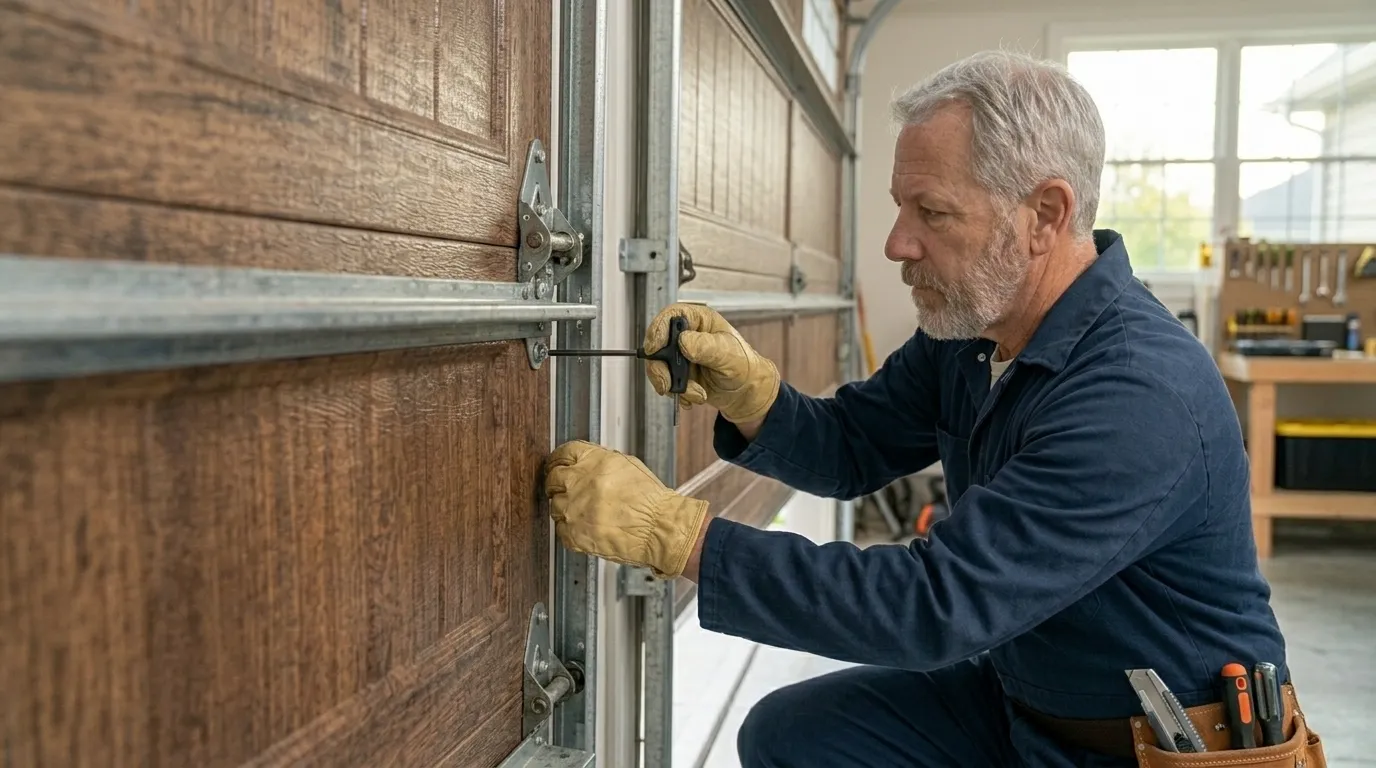
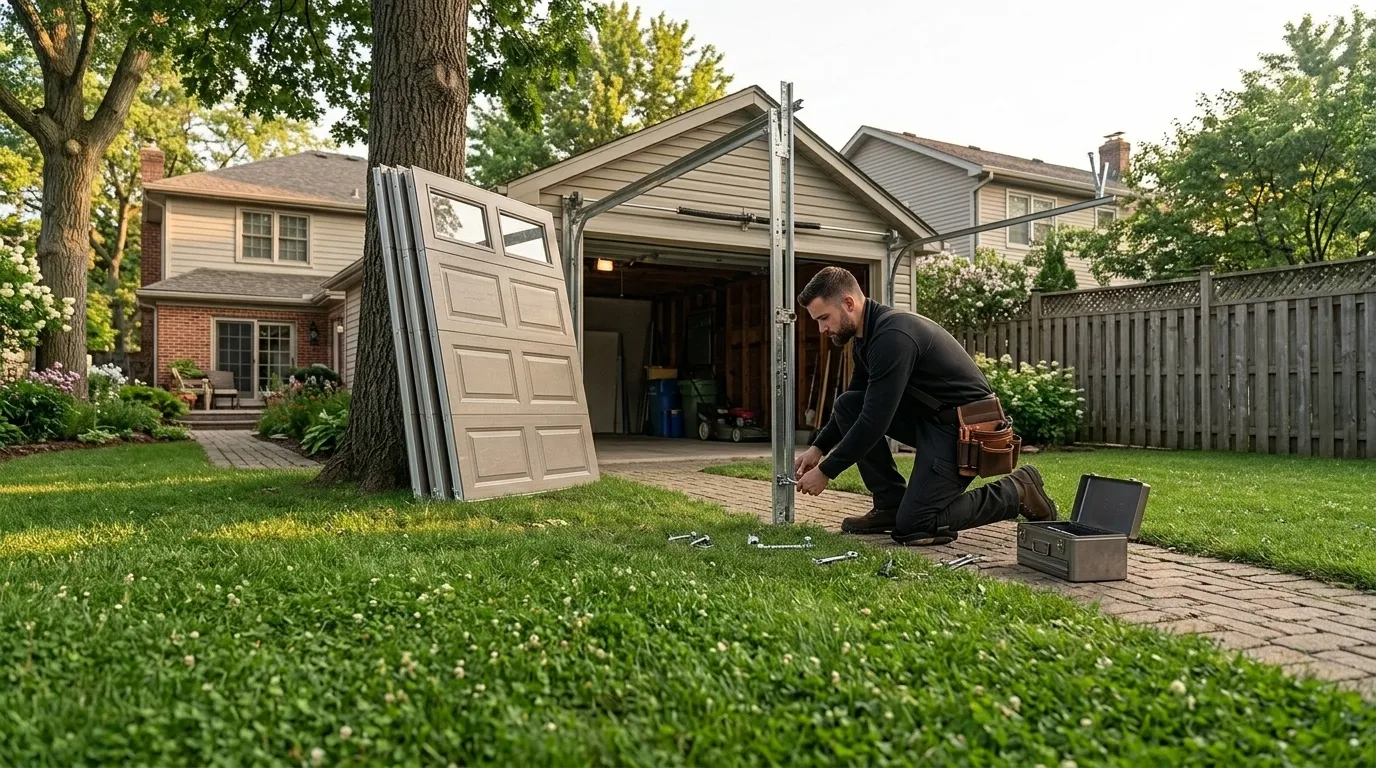
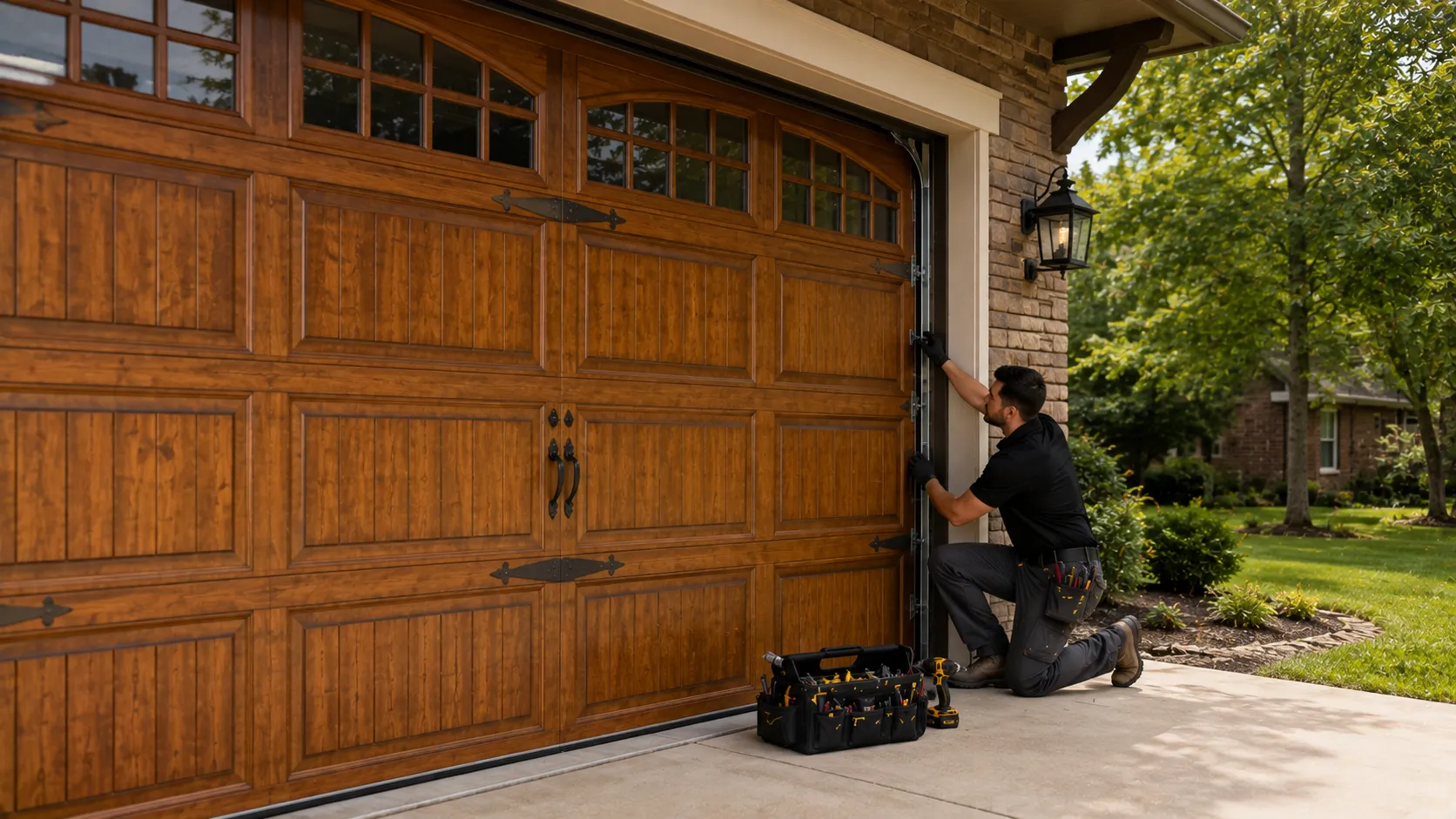
For a housing stock this old, the parts that matter aren't exotic - they're the ordinary ones that wear out first: rollers, hinges, cables, and both torsion and extension springs sized to fit older track widths. Extension springs show up more often in Bellevue than in newer-built parts of the service area, simply because so many garages here predate torsion becoming the default.
What we don't carry on the truck is anything custom-milled for a specific door brand from the 1930s or 40s - if a panel or track section needs an exact match to original equipment, that can mean a short wait on order rather than a same-visit fix. We'll tell you straight if that's the situation rather than jury-rig something that won't hold. Most of what fails on a door this age, though, is standard hardware that gets swapped out the same day.
Booking a Visit
This crew works out of Pittsburgh and drives to Bellevue for every call - there's no branch office in the borough, so a visit here gets scheduled as a trip out, about six miles each way. That's not a walk-in service model; it's a truck coming to you with the parts loaded for what the job needs.
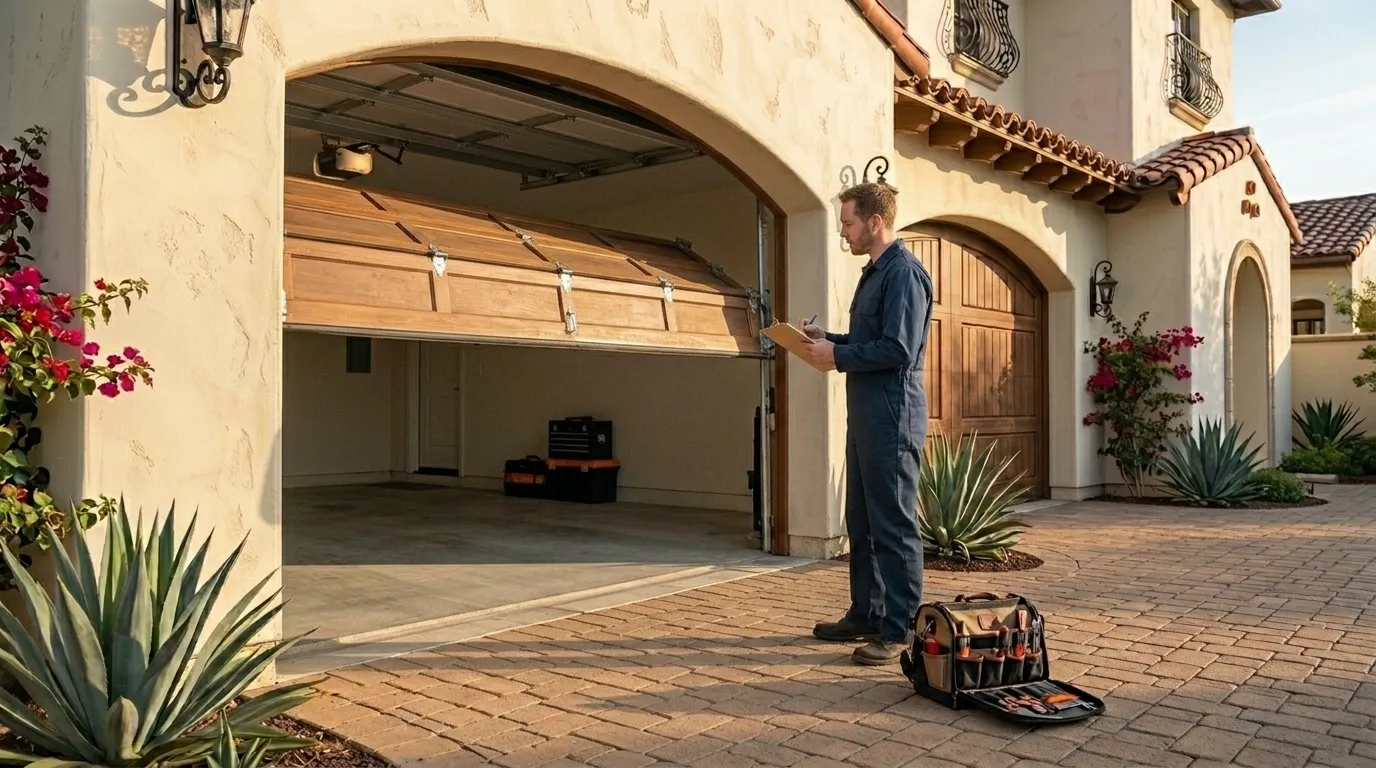
When you book, tell us the door's approximate age if you know it, or just that it's an older Bellevue house - that alone changes what we bring. A door on original 1938-era hardware needs different stock than one that's already been retrofitted with a torsion conversion at some point.
What You Are Seeing
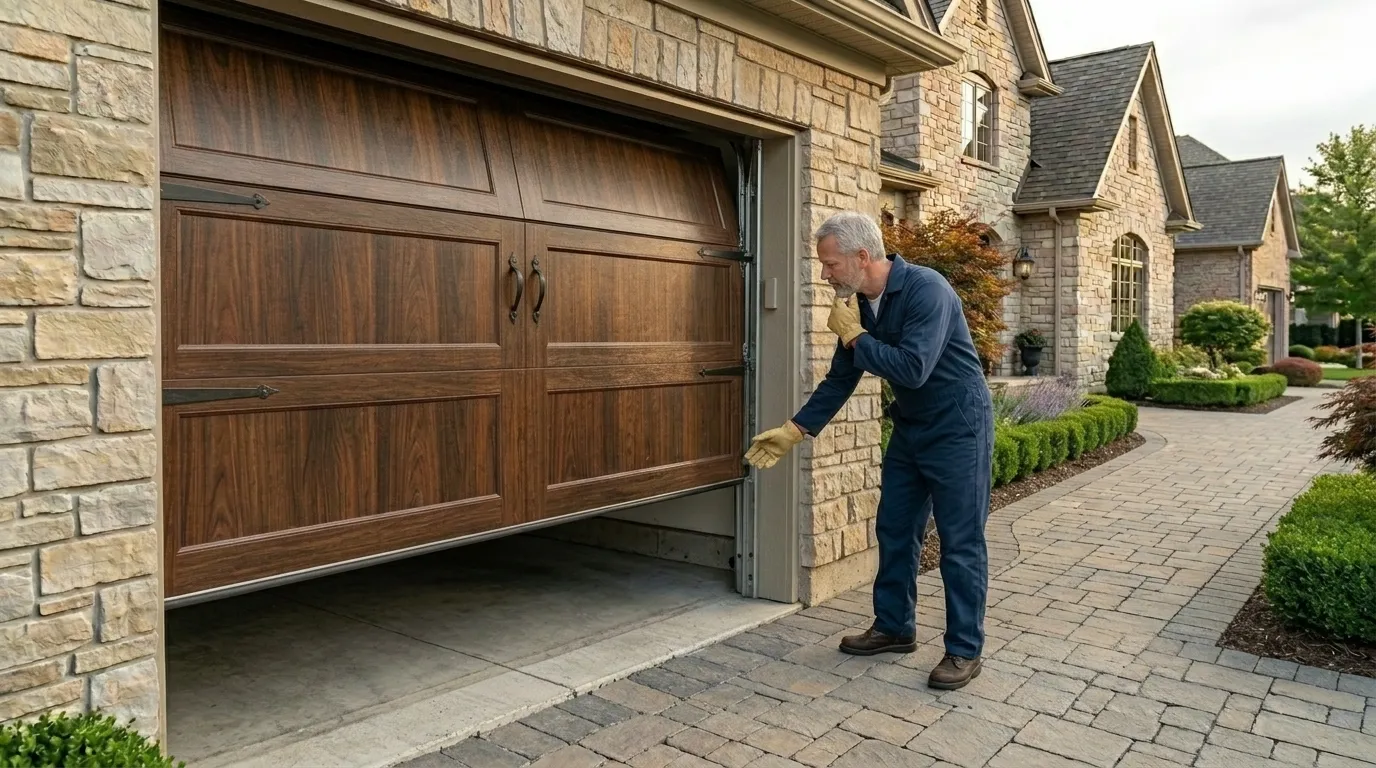
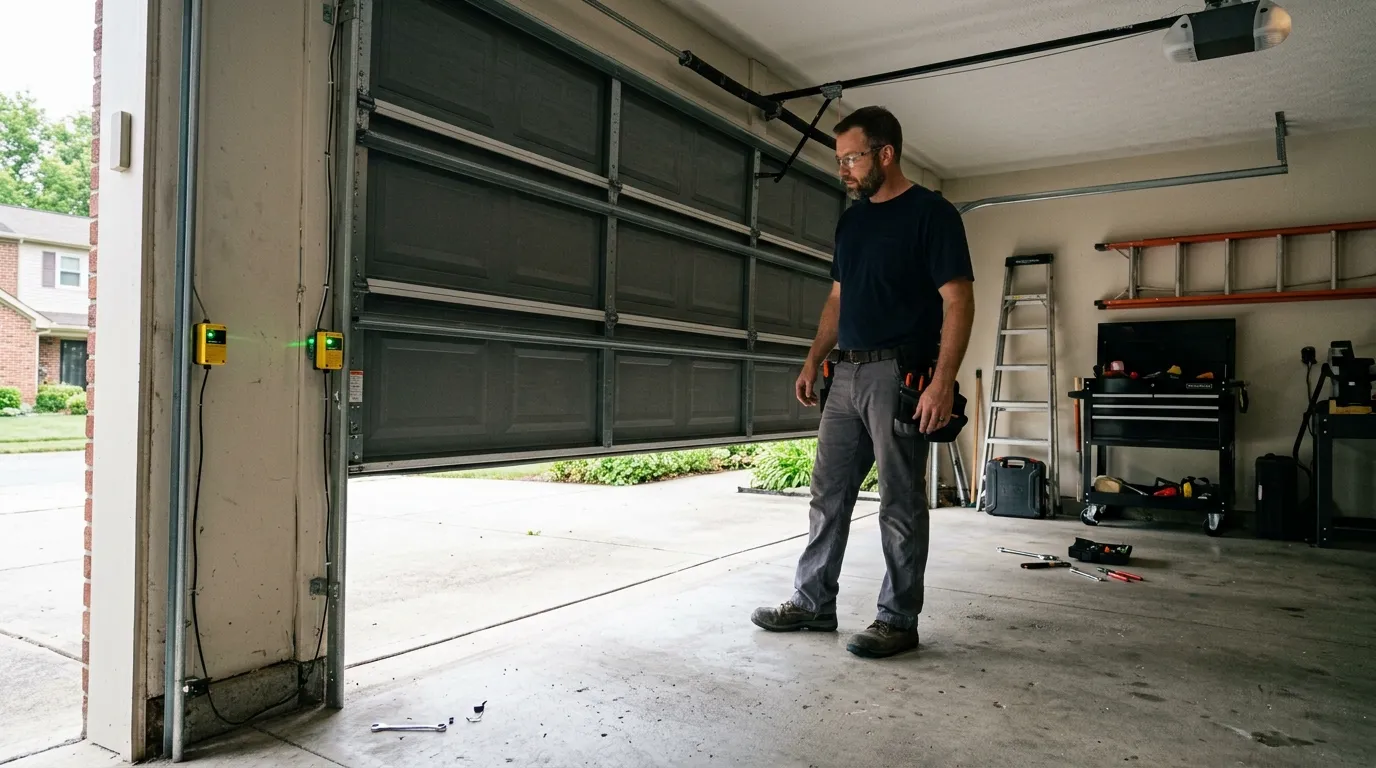
On a Bellevue door this old, the signs to watch for are specific: a door that shudders partway through its travel, a spring coil with visible gaps or rust bloom where the metal's fatigued, or a track that's pulled slightly out of parallel from decades of settling in an older frame. Extension springs without safety cables are common enough on doors this age that we check for them by default, since a snapped one without containment can whip.
The region sits in a cold, severe climate band, so winter is when thickened grease and stiffened cable make an already-worn part fail - and on a door built to 1938 tolerances, that failure point often arrives sooner than it would on newer stock. If your door's noticeably heavier to lift by hand in January than in July, that's usually the spring telling you it's near the end, not the cold acting alone.