Stocked Parts
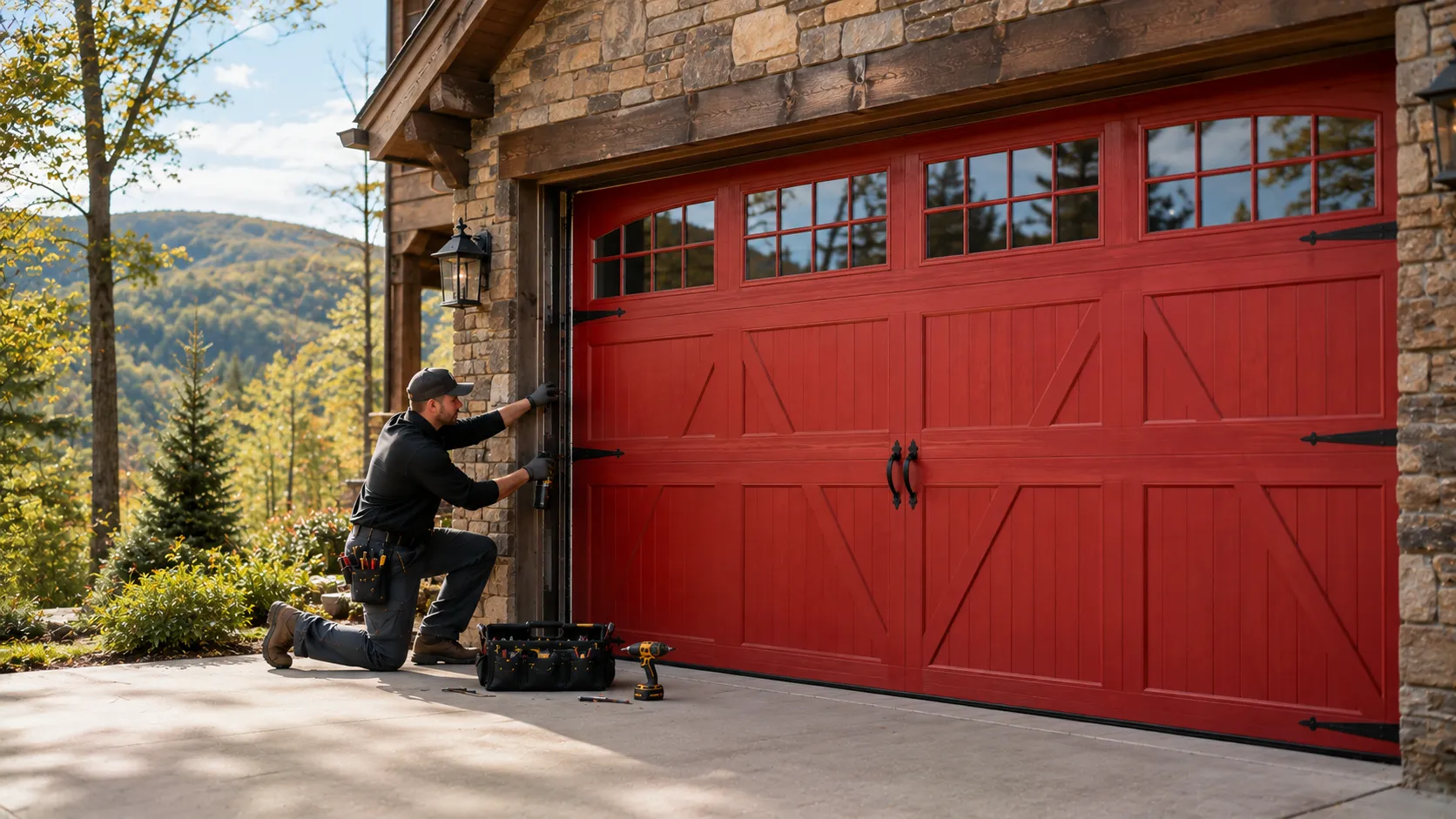
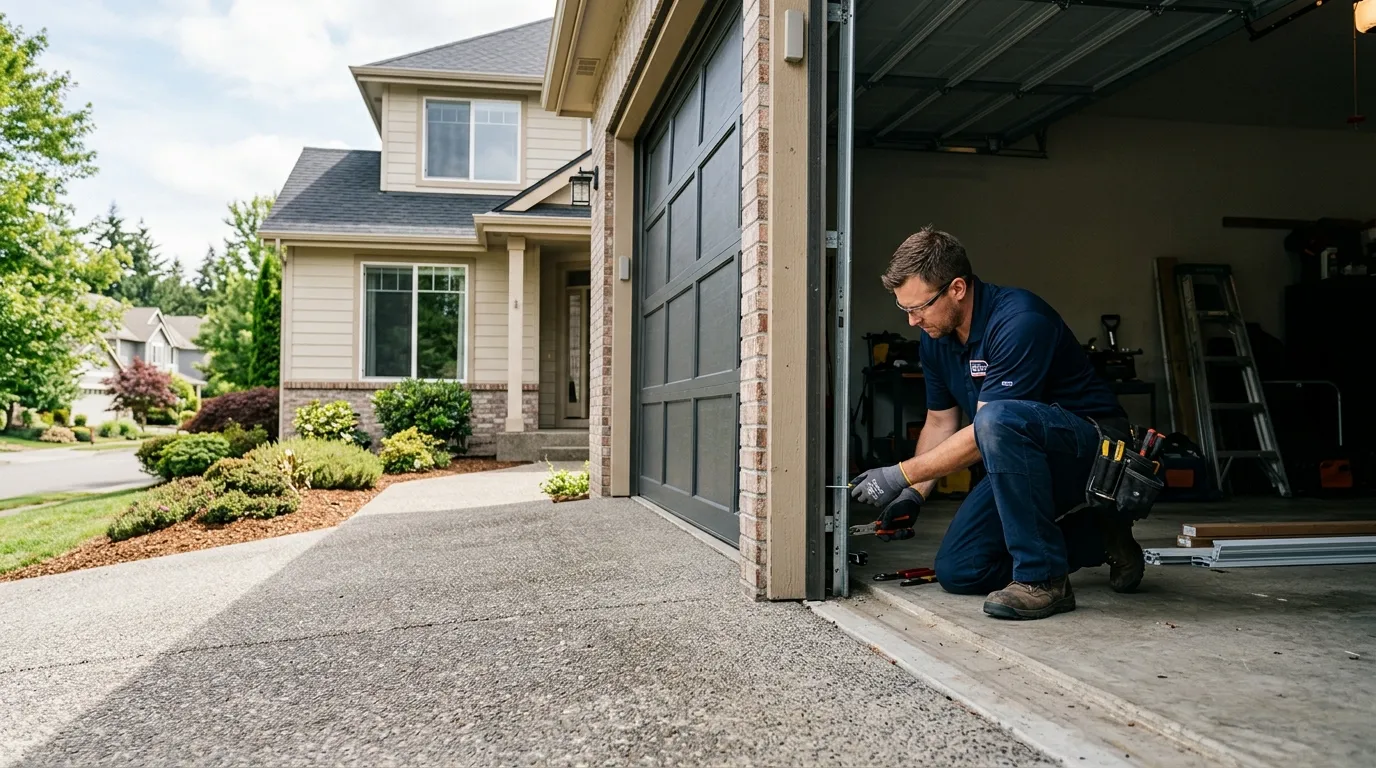
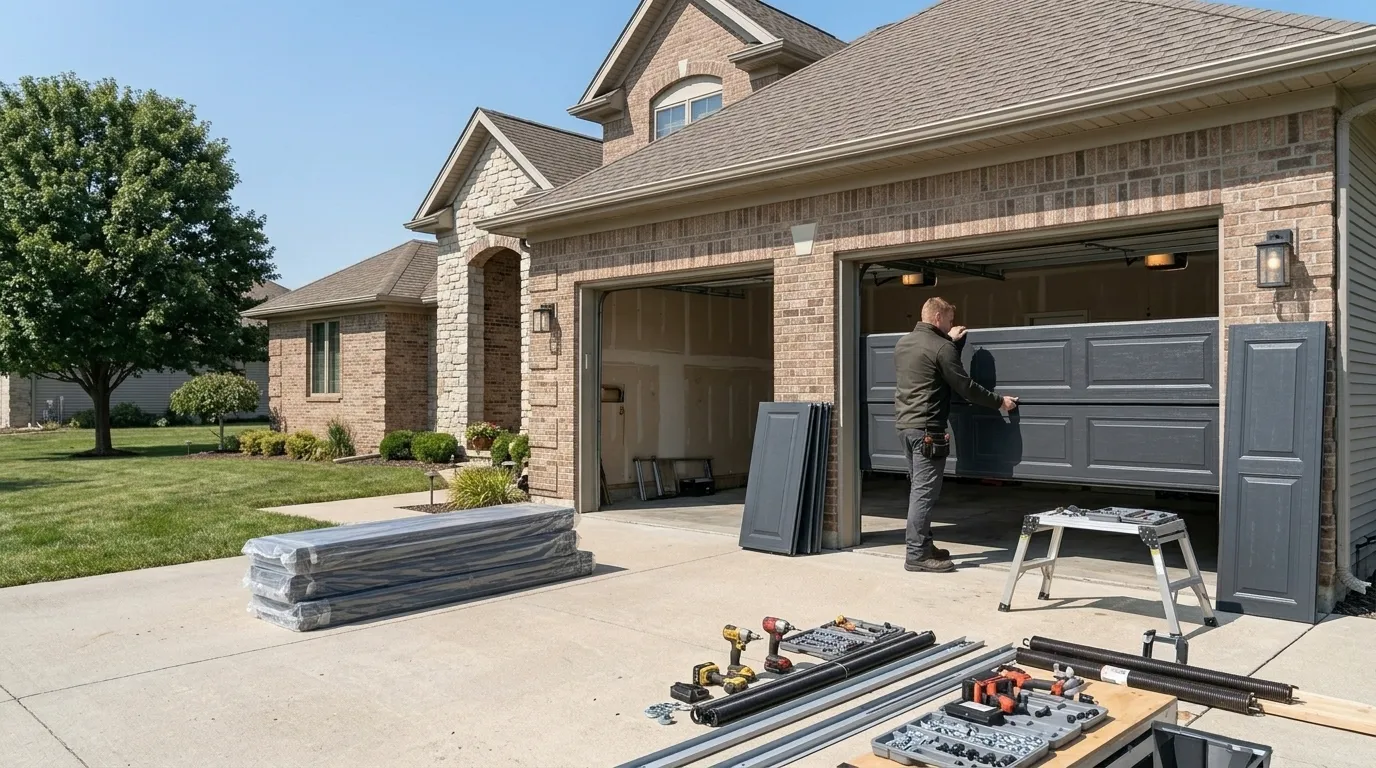
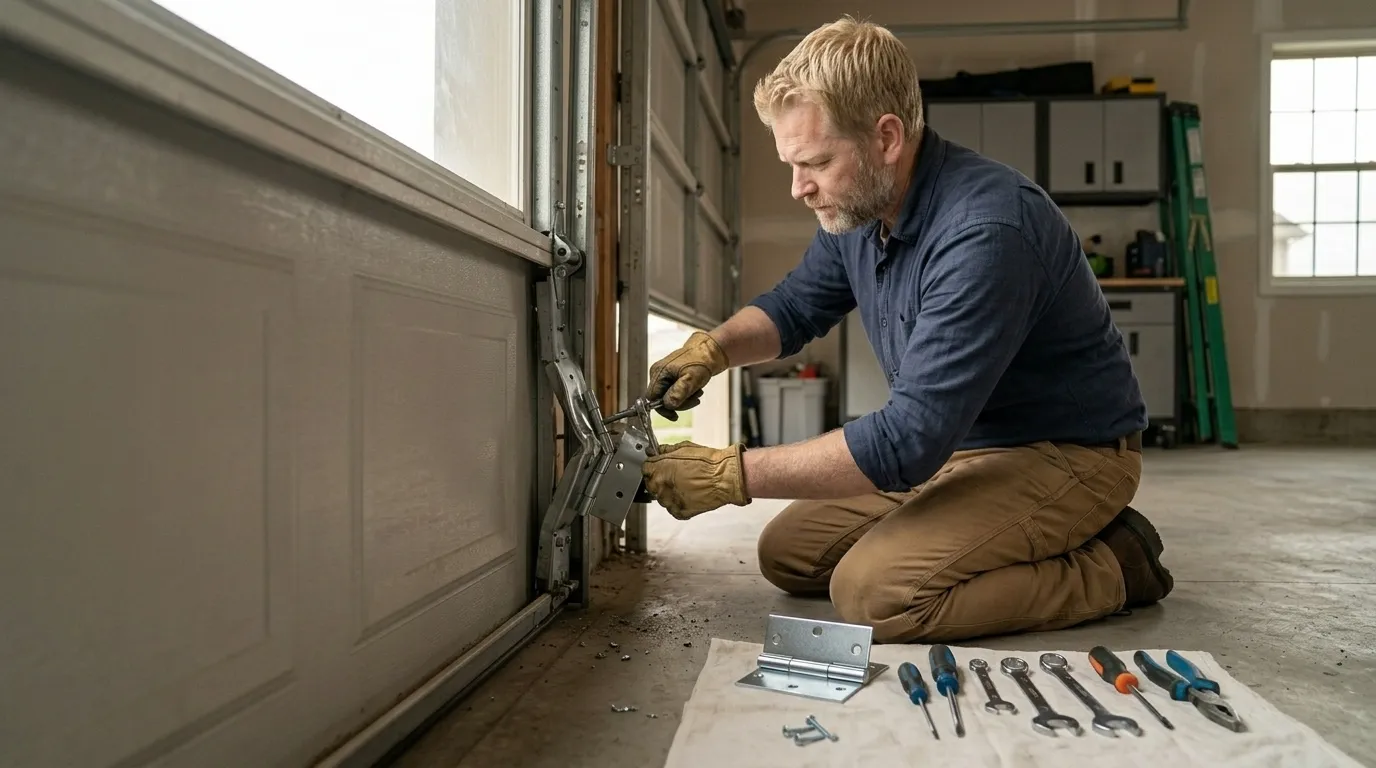
We carry the parts that cover most off-track calls: replacement roller brackets, track sections in common widths, new rollers (nylon and steel), end bearings, and the lag screws and carriage bolts that hold brackets to jamb framing. For doors from the older end of Bellevue's build years, track gauge and hole spacing sometimes don't match anything currently manufactured - that's the honest limit here. When we hit a bracket pattern or track profile that's been out of production for decades, we either adapt a modern part with new drill points or special-order the closest match, which can add a few days to the job. We don't keep every obsolete part on the truck, and we won't pretend a universal bracket fits every 1938-era jamb without checking first. What we can say is that most off-track jobs in this area come down to bent track, sheared roller brackets, or a snapped cable that let the door drop unevenly - all parts we carry stock for and can usually finish in one visit.
Booking a Visit
We don't have a branch in Bellevue - the truck comes from Pittsburgh, about 6 miles out. That's a short run, and it means we can look at a full range of jobs across the towns we cover without keeping a separate crew parked in every one. If your door's off track, the visit starts with pulling the door manually (never with the opener still engaged) and checking where the rollers left the rail before anything gets ordered. For the general service across the area, see our off-track repair page; for what else we handle in this town, our Bellevue page covers the rest. We ask that you not run the opener again once you notice the door leaning or the track visibly bent - that's the fastest way to turn a bracket job into a full track replacement.
What You Are Seeing
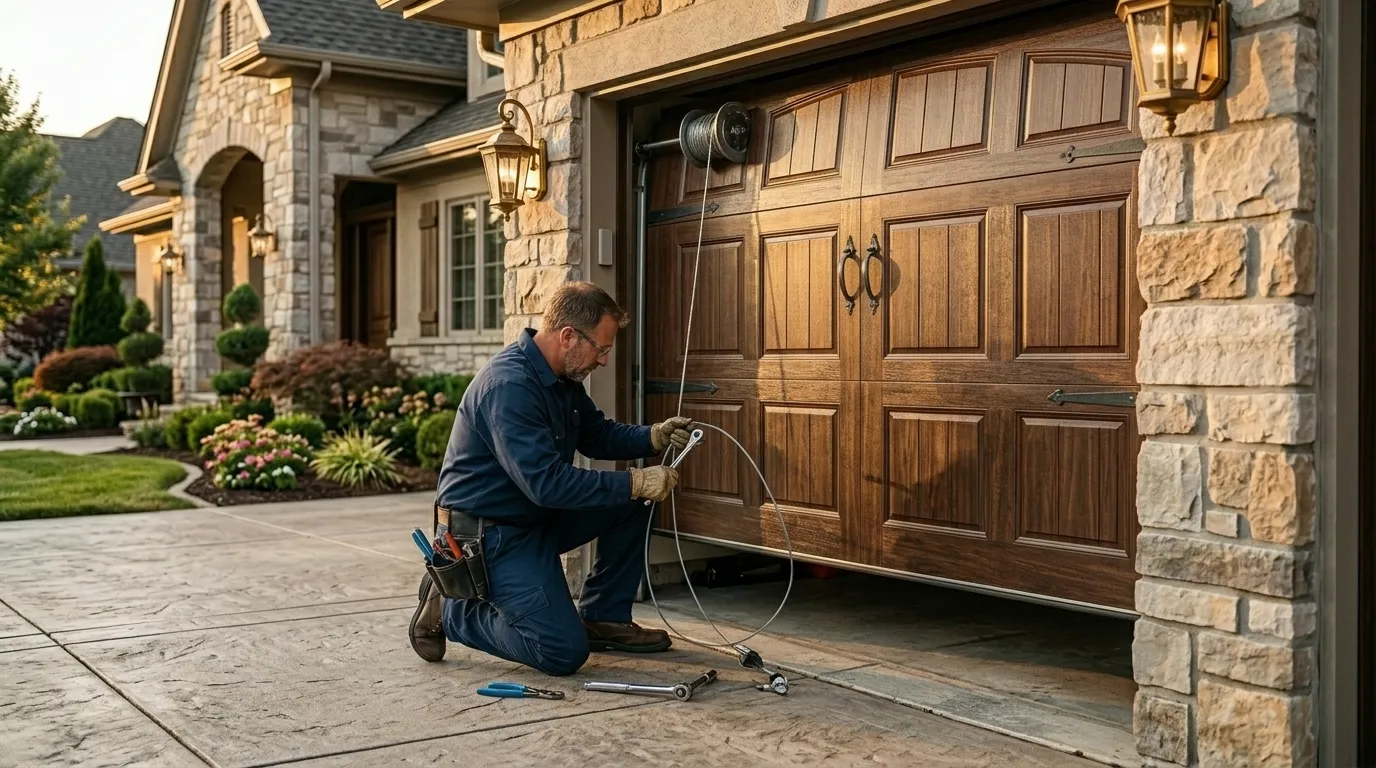
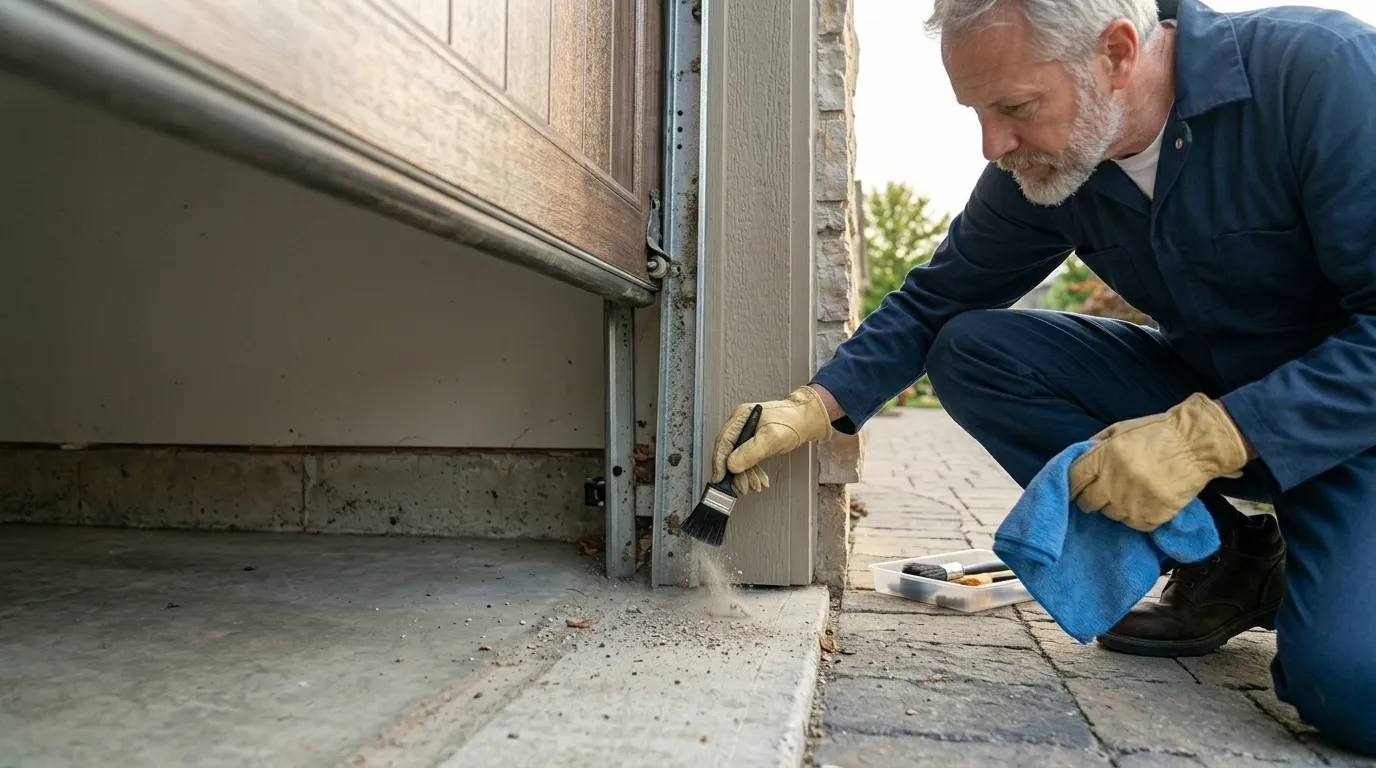
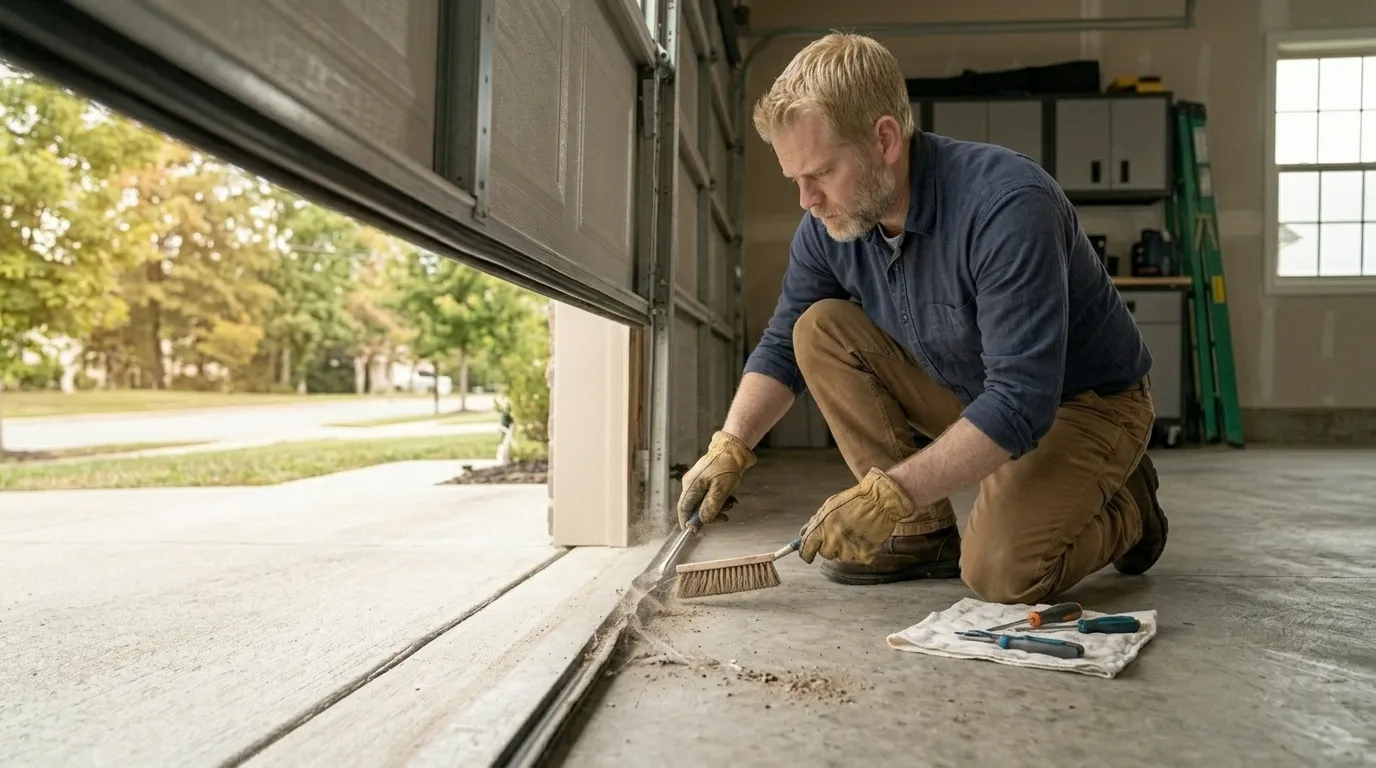
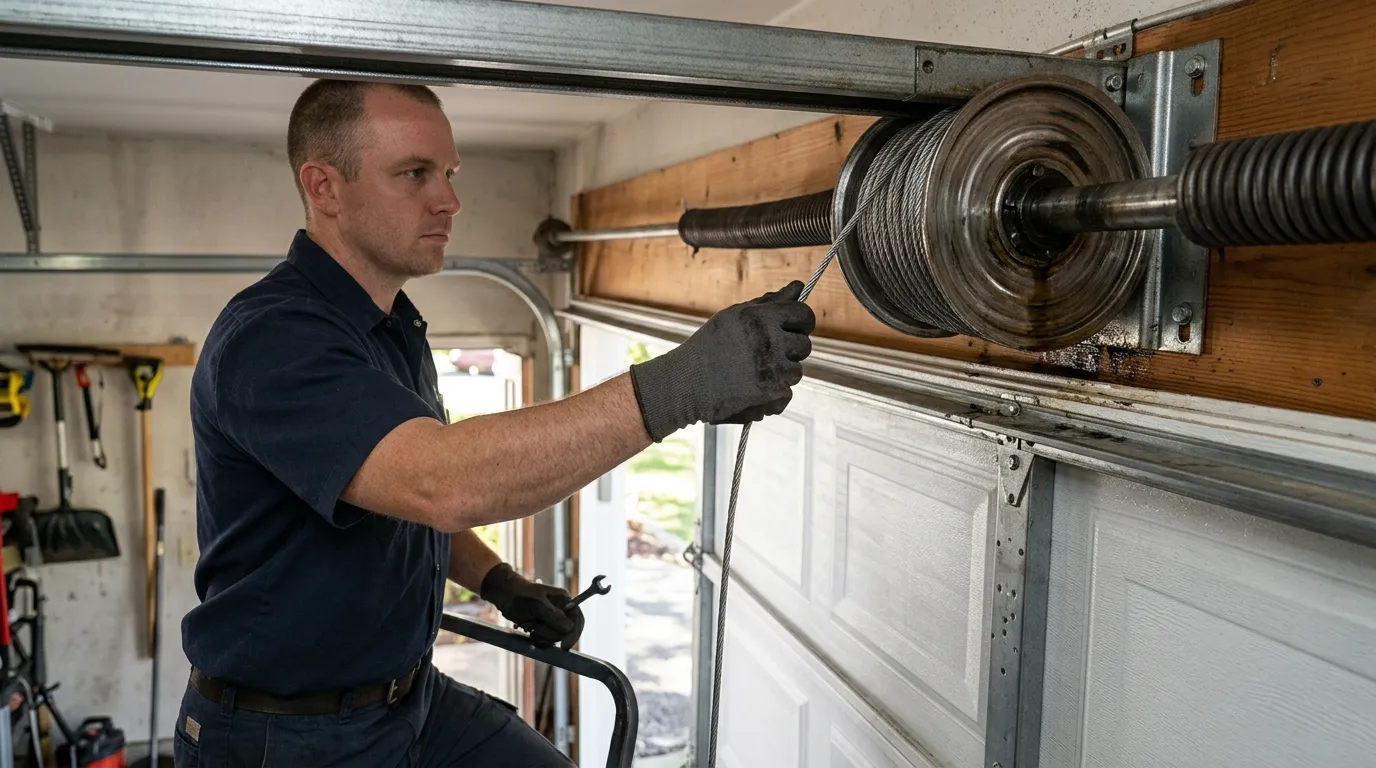
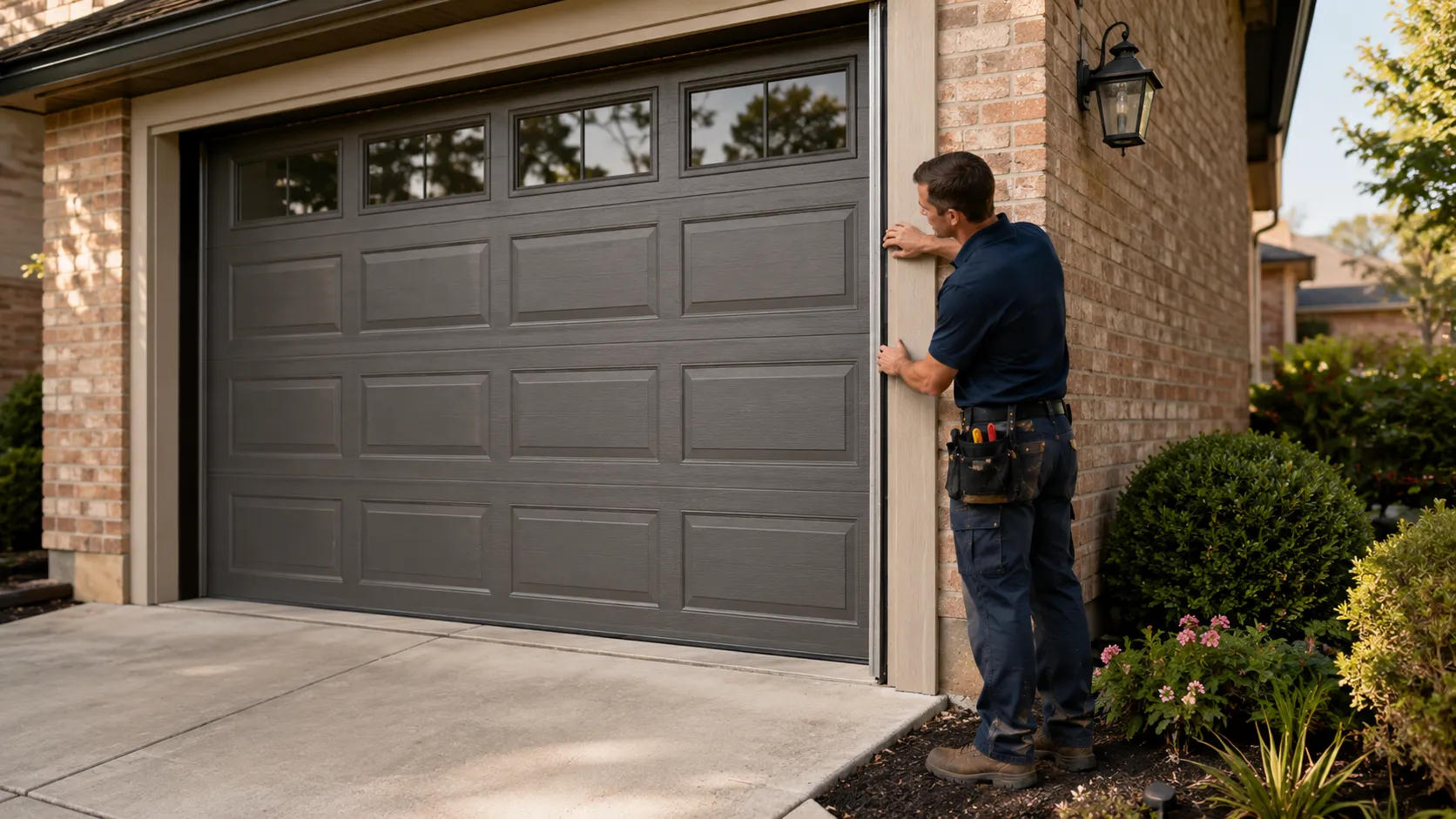
An off-track door usually shows itself before it fully jumps the rail. Look for a gap between the bottom panel and the weatherstrip that's wider on one side than the other, a door that runs at a visible angle instead of level, or a roller sitting outside the track instead of inside it. You might hear a grinding or popping sound right as the door starts to move - that's usually a roller catching on a bent section rather than riding smooth. On older track like a lot of what's still on Bellevue garages from the 1938 era, the bend is often at a joint where two track sections bolt together, since that's the weakest point after decades of vibration. If the door has already come off one side and is hanging at an angle, stop using the opener. A door hanging on one track and one cable can drop the rest of the way without warning, and that's a heavier fall than the springs are set to control once the second side lets go.