What the Repair Takes
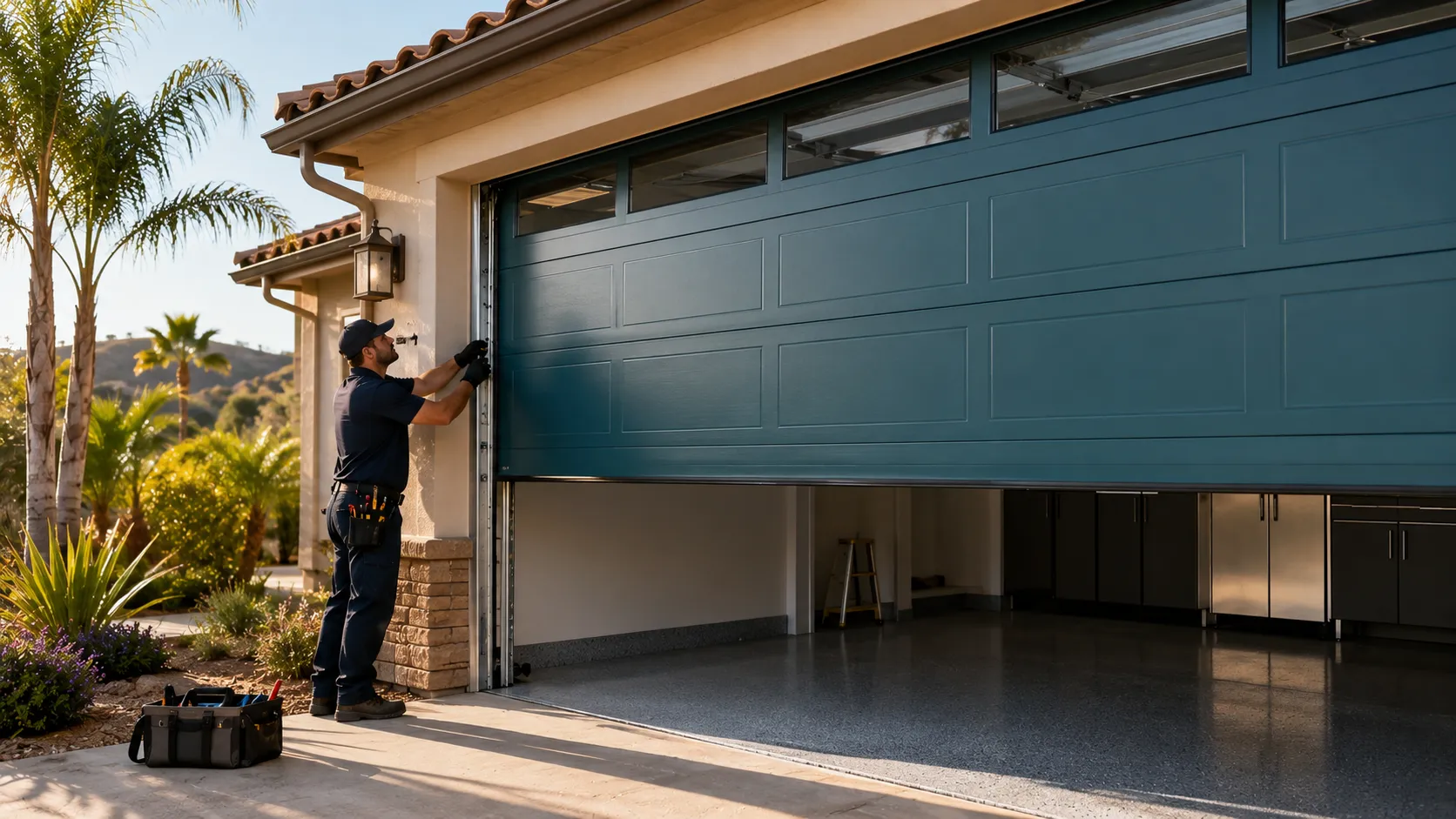
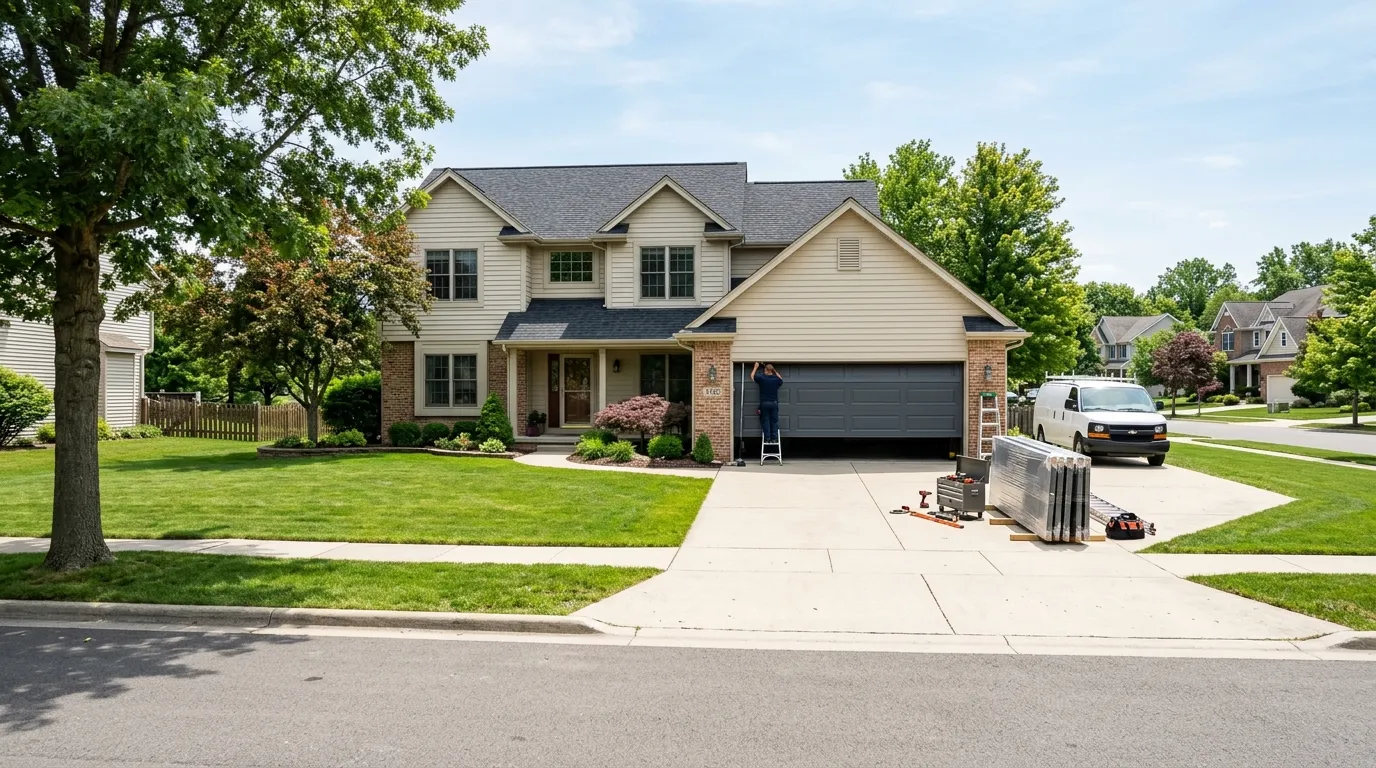
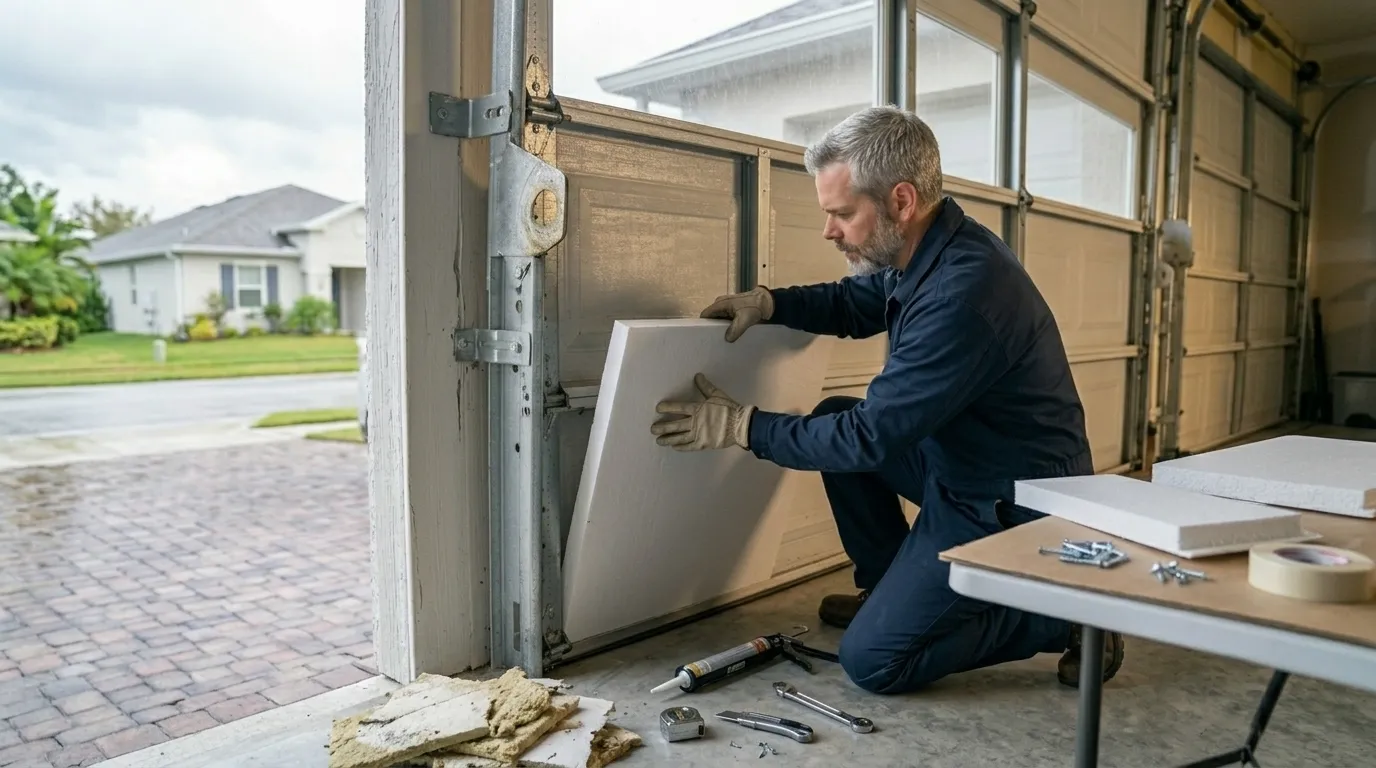
For a new install on a home from this era, the job starts with the opening itself, not the door. We check jamb square, header height, and whether the existing track spacing will take a standard torsion setup or needs an adjustment for a narrower bay - common in housing built before wider two-car openings became standard. Because the regional climate band here is cold and severe, insulation value matters more than it would in a milder market: a non-insulated slab door in this weather band means a garage that never gets above outdoor temperature, which affects anything stored or parked in it.
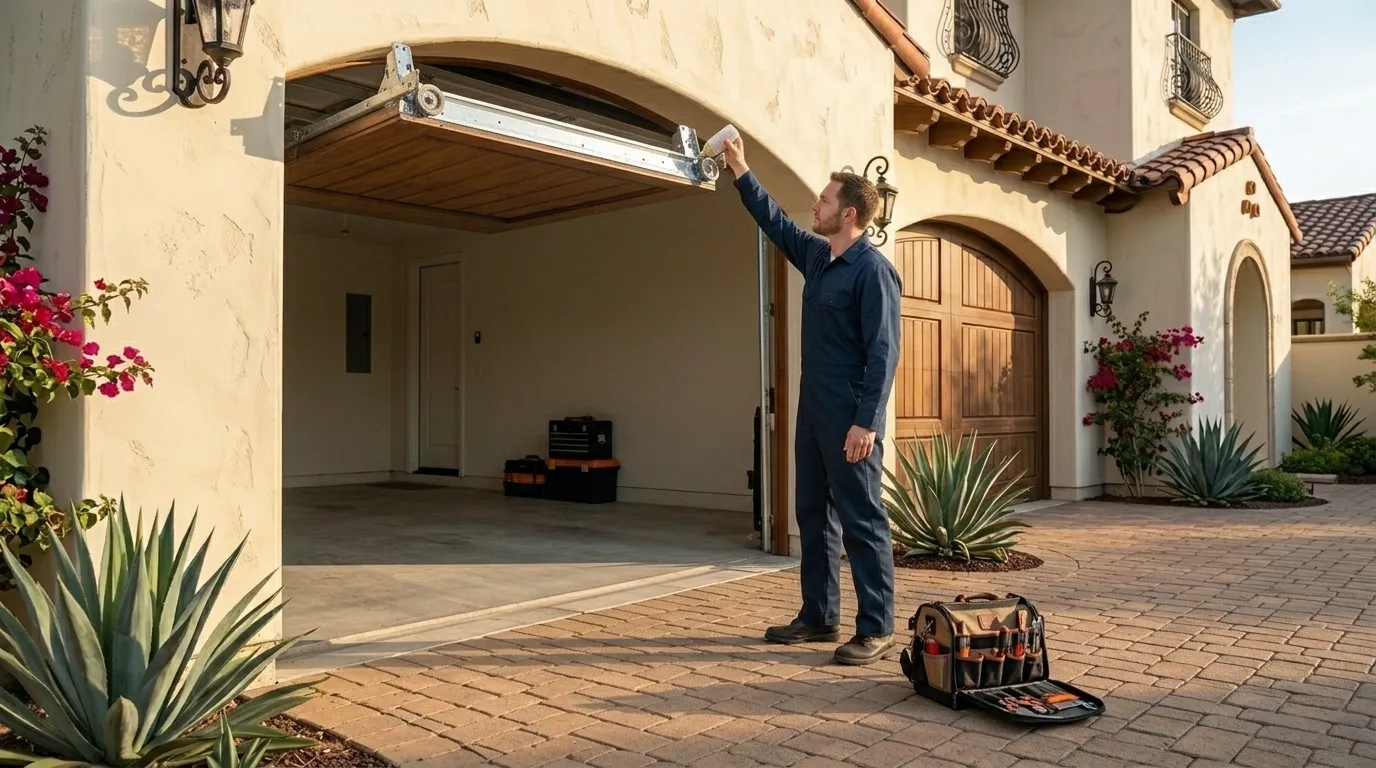
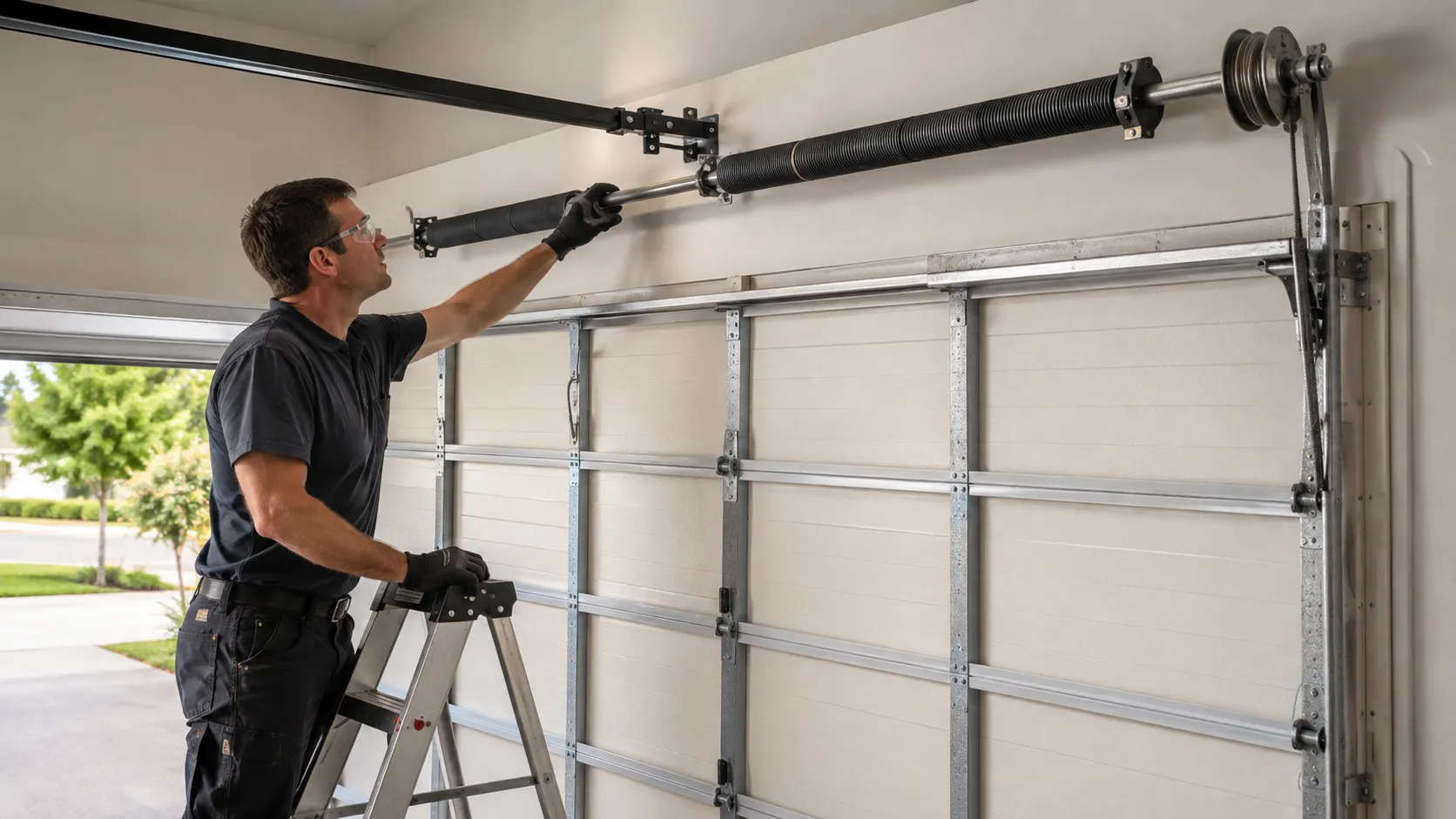
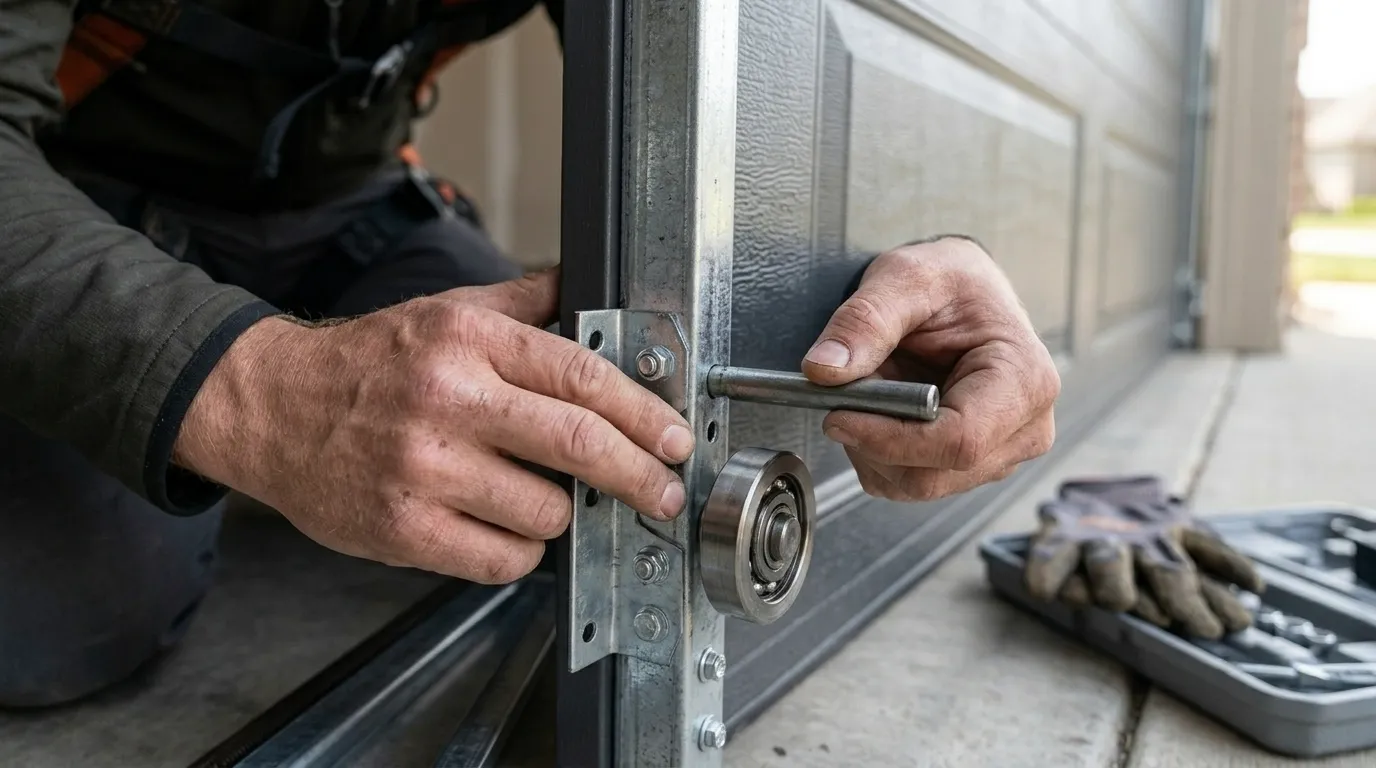
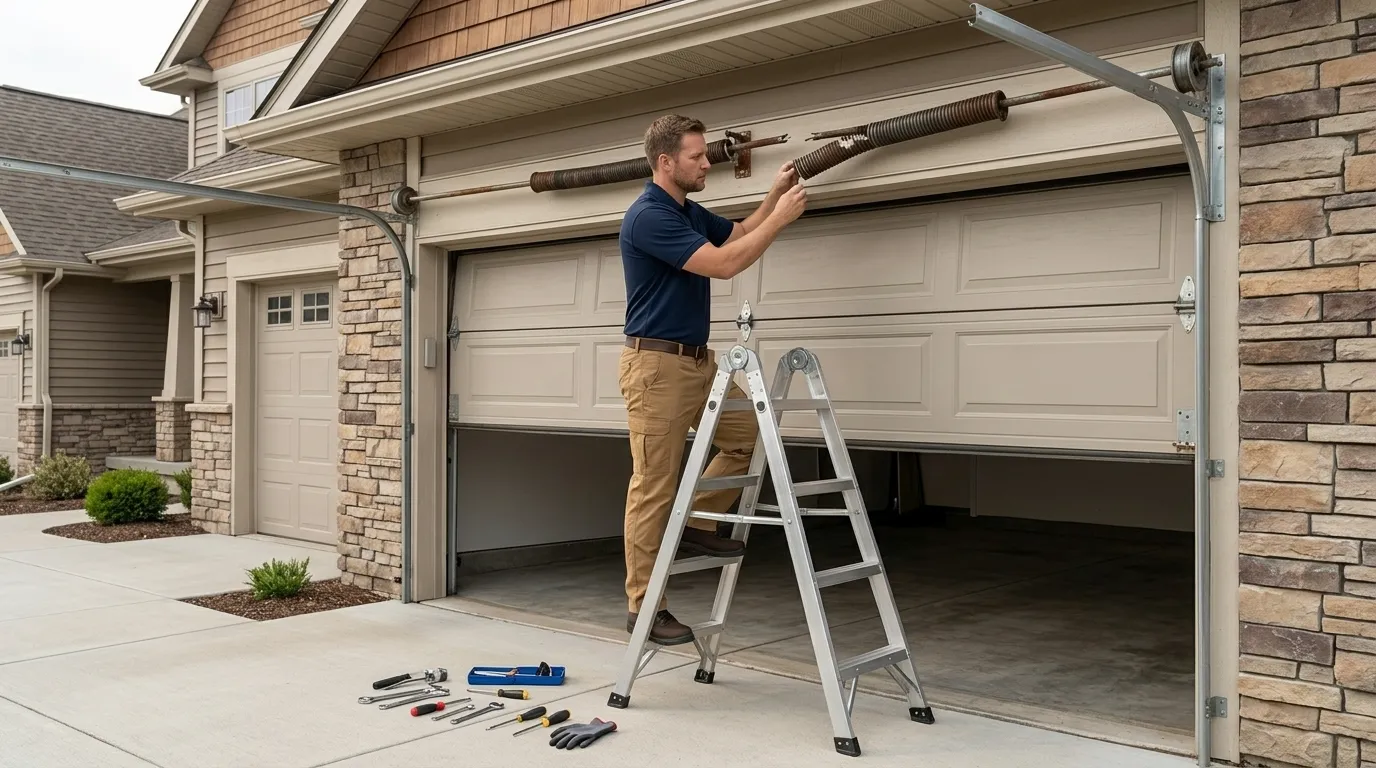
The hardware swap is usually bigger than people expect on a house this old. Original spring systems on homes from the early 1950s were sized for a lighter, uninsulated door. Hang a heavier insulated panel on old brackets and the springs are wrong from day one - that's a comeback call waiting to happen. So the install includes new torsion springs sized to the new door's actual weight, not a reuse of what's already on the wall.
We don't install off-brand doors that don't carry parts support in this region - if we can't back a door with real parts availability, we won't sell it to you regardless of price.
Where This Job Goes Sideways
The most common mistake on a house like this is ordering a door by width and height alone and assuming the track and spring package will match. On original 1951-era framing, headroom above the opening is often tighter than modern minimums, which means a standard extension spring system can hit the ceiling joist before it's fully installed. We've had to special-order low-headroom track hardware for exactly this reason on homes from this build window.
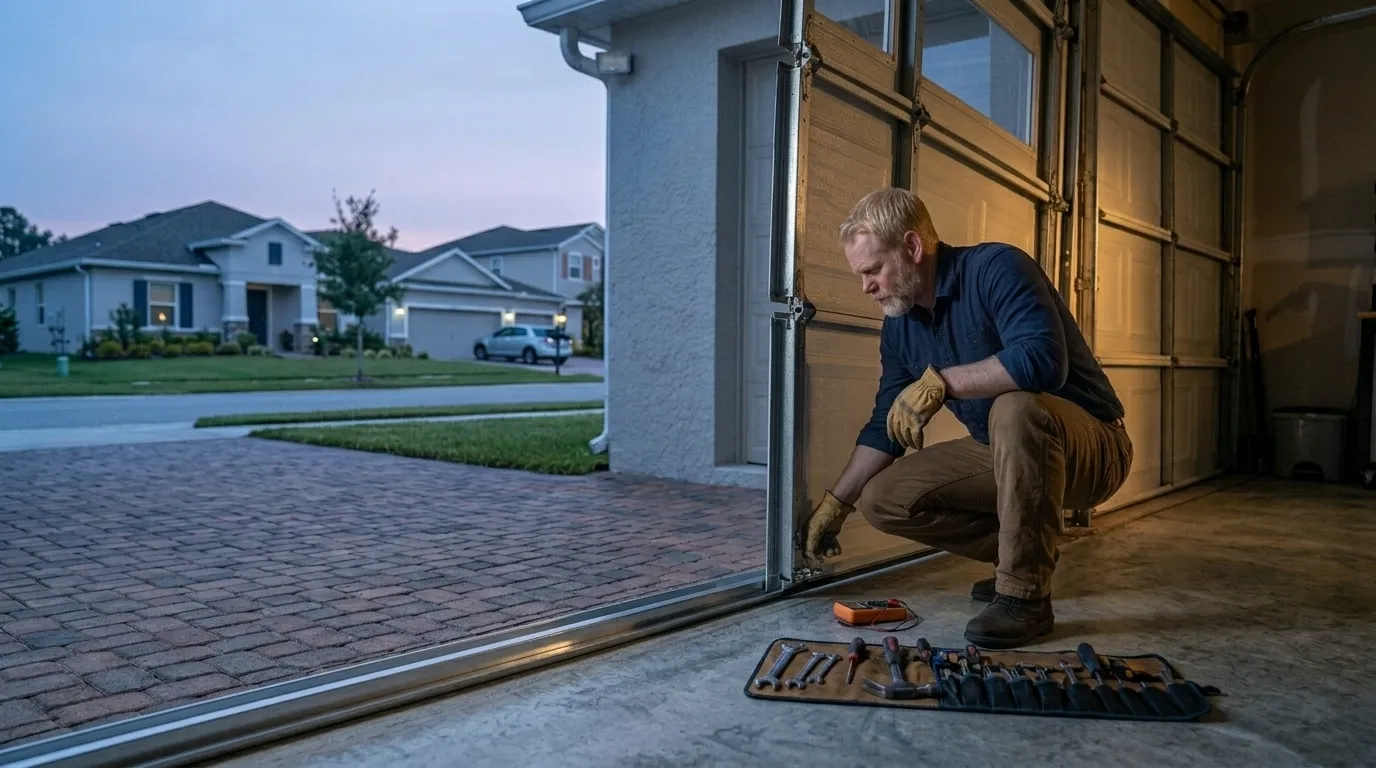
Another place it goes wrong: electrical. Openers need a dedicated outlet, and houses from this era weren't wired with one in the garage as a matter of course. If there's no outlet there, that's an added step, and it's one we flag before the door goes in, not after.
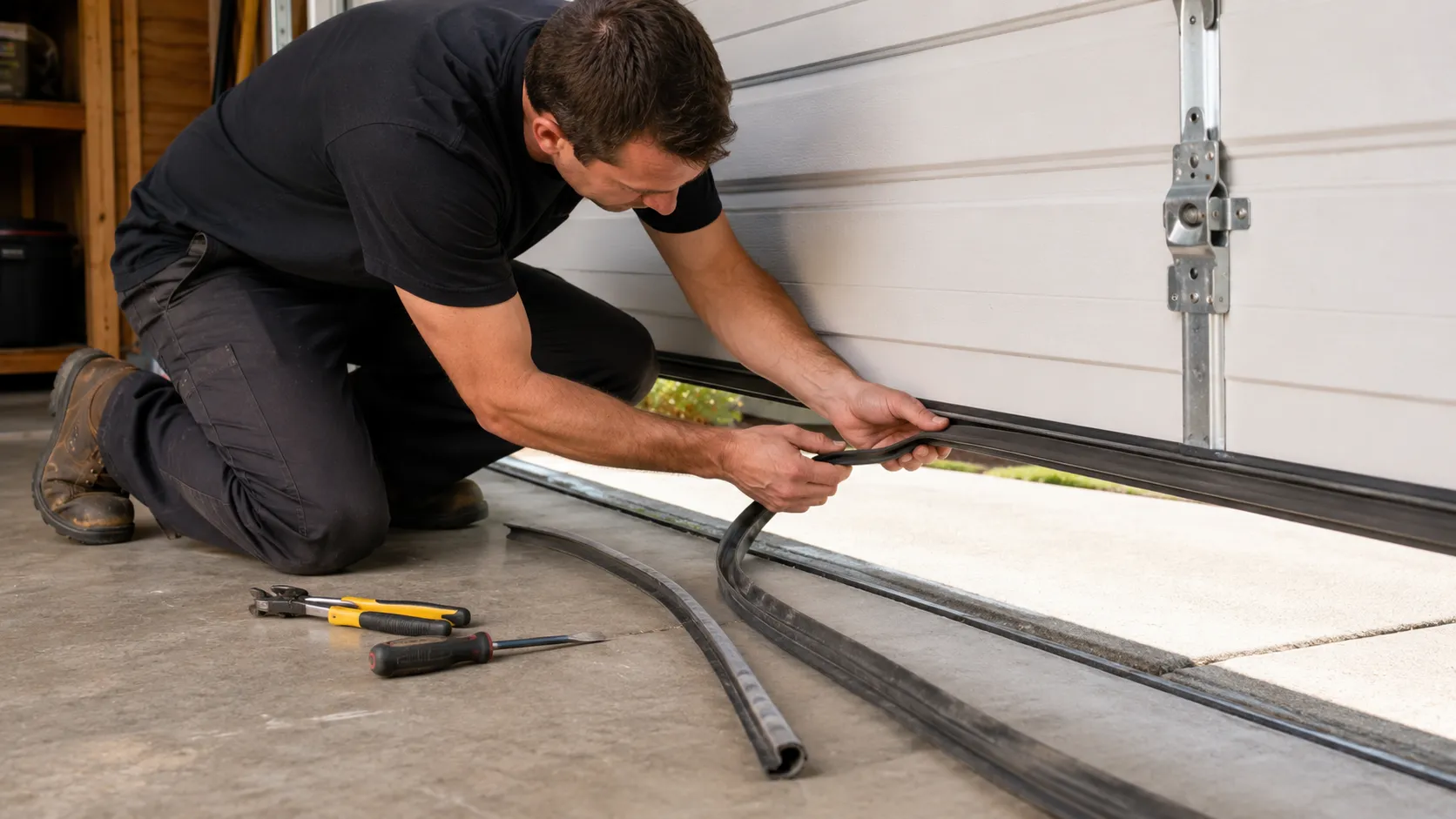
The climate factor causes its own problem if it's ignored - an insulated door installed without weatherstripping rated for the cold-severe band here will still let in enough draft to defeat the point of buying an insulated door in the first place. That's money spent for a smaller benefit than the homeowner expected.
The DIY Question
New door installation is not a good DIY project on a home this old, and we say that plainly rather than to sell a service. Torsion springs under load are dangerous to set without the right bars and experience, and on a house built around 1951 you're also dealing with framing tolerances that a big-box install crew working off a standard template won't catch until the door's already hung wrong.
Where a homeowner can save money reasonably is on the decision of what to buy, not how to install it - picking an insulated door rated for a cold climate over a bare slab, for instance, is a choice you can make on your own before we ever show up. The install itself, on original openings like these, is where the mistakes get expensive fast.
Our honest limitation: we don't stock every low-headroom or narrow-bay hardware kit on the truck, so a nonstandard opening may mean a second visit rather than a same-day finish.