Serving Pittsburgh, PA & nearby
(412) 674-9419
Pittsburgh, PA

Opener Repair for Brentwood's 1951-Era Garage Doors

Brentwood's housing dates to 1951, older than much of the surrounding area. We repair openers built for that era's narrower headers and cold-stiffened gearing, traveling in from Pittsburgh, 5 miles out.

Opener Repair for Brentwood's 1951-Era Garage Doors
Pittsburgh, PA
8 services
7 service areas
Diagnosis first, then the fix

Why This Fails Locally

Brentwood's housing stock centers on 1951, a touch older than the median across the wider service area (1955). That half-decade matters more than it sounds. Openers weren't standard equipment when these houses went up - most got bolted on as retrofits sometime between the 1960s and 1980s, onto framing and headers that were never built with a motor mount in mind. What you're often looking at isn't a failed opener so much as an opener straining against a door and track combination it was never really matched to: a lighter or heavier door than the unit was sized for, a header with less clearance than a modern install would leave, or a rail bracket someone shimmed decades ago and never revisited. When the opener finally quits, the question isn't just what part broke - it's what it was bolted to in the first place, and whether that mounting is still sound enough to bolt a replacement to.

We also work this area's cold, which isn't gentle on aging gear sets. Grease that was fine in 1975 turns to paste at 20 degrees, and a motor already working against a mismatched door will grind harder for it. That combination - old mounting, old lubrication, real winter - is a specific failure pattern, not a generic "opener issue."

What the Repair Takes

Before touching the opener, we check the header and track it's mounted to, because on housing this old that mount has usually never been redone. If the bracket is loose, cracked, or was never rated for the door's actual weight, the opener is the second problem, not the first. From there it's the usual suspects: a stripped gear (plastic gears in older chain-drive units are the most common failure we see on houses from this build era), a worn drive belt or chain, a failing capacitor on the motor, or a logic board that's given out after years of temperature swings in an unheated garage.

We carry common opener parts on the truck, but we won't pretend every part fits every unit. Some older chain-drive openers use gear kits and sprockets that manufacturers have discontinued, and on those we're honest about it: sometimes a running repair buys you a few more years, and sometimes the unit is old enough that sourcing the exact part costs more in time than replacing the opener outright. We'll tell you which one you're looking at before we start, not after.

Where This Job Goes Sideways

The mismatch problem shows up most often on doors that were swapped out at some point without anyone rechecking the opener behind them. A heavier insulated door on an opener sized for the original 1950s-era panel will burn out a motor years before it should, and it'll do it quietly - no bang, just a slow decline in lift strength until the unit won't clear the header anymore. We see this a fair amount here because a fair share of the original doors have been replaced over seventy-plus years while the opener kept getting reused.

At roughly $60,000 median household income for this area, we also see more repair-first decisions than in some of the wealthier suburbs nearby, which is reasonable - but it means a bad repair estimate costs more relative to the household budget, not less. We try to be straight about when a $150 part fix is real and when it's a stopgap on a unit that's going to fail again in eight months.

How Long It Takes

Most opener repairs here run under two hours once we're on site - that covers gear replacement, belt or chain tension and alignment, sensor and safety-reversal checks, and a logic board swap if that's the failure. Add time if the header or bracket needs reinforcing before the opener goes back up, which on houses from this era isn't rare. We come from Pittsburgh, about 5 miles out, so factor that into scheduling rather than treating it as a same-hour drop-in.

The DIY Question

Swapping a remote battery or reprogramming a keypad is fine to do yourself. Anything involving the motor housing, the gear assembly, or the mounting bracket on a header this old is a different matter - a bracket that's been slowly working loose for decades can let go under load, and that's a door coming down, not a inconvenience. If your opener predates the safety sensors at the bottom of the track, that's also not a DIY upgrade job; it needs doing right. We'll say plainly when a job is a twenty-minute fix and when it isn't, and we'd rather lose a small job to your own toolbox than have you improvise on a mount we haven't inspected.

How it works

From “it’s stuck” to “it’s fixed”

01
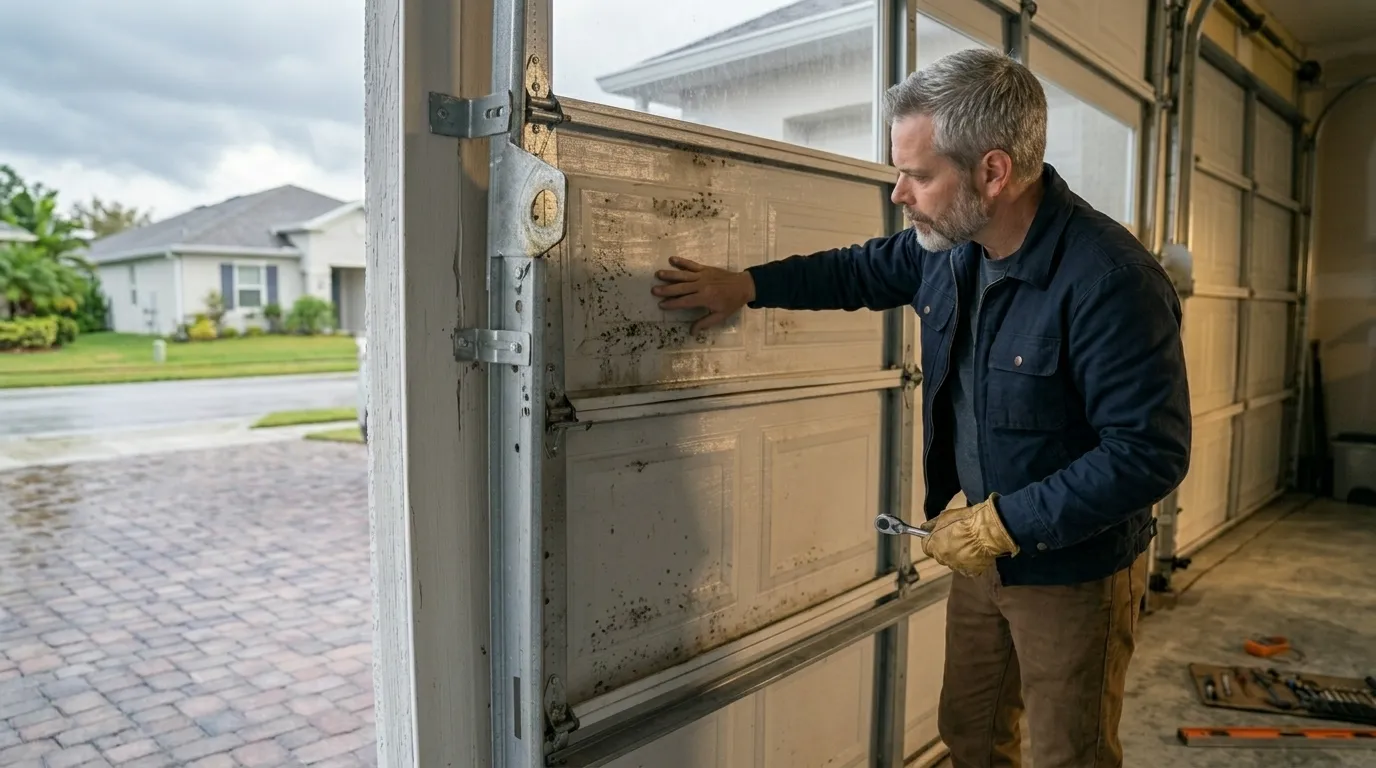
Tell us what’s wrong - Pittsburgh garage door service

Tell us what’s wrong

Describe the symptom - won’t open, loud bang, opener runs but the door won’t move.

02
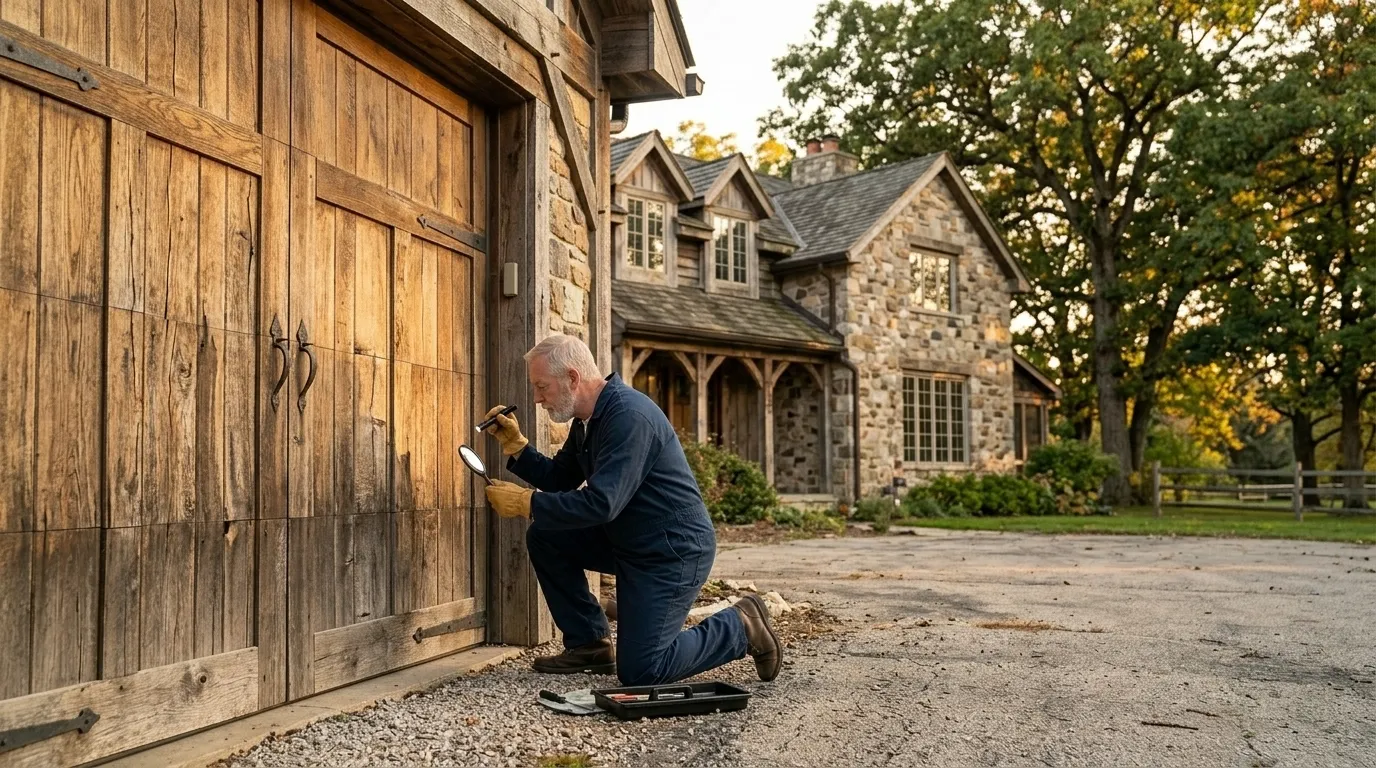
On-site diagnosis - Pittsburgh garage door service

On-site diagnosis

A technician tests the door under power and by hand and finds what actually failed.

03
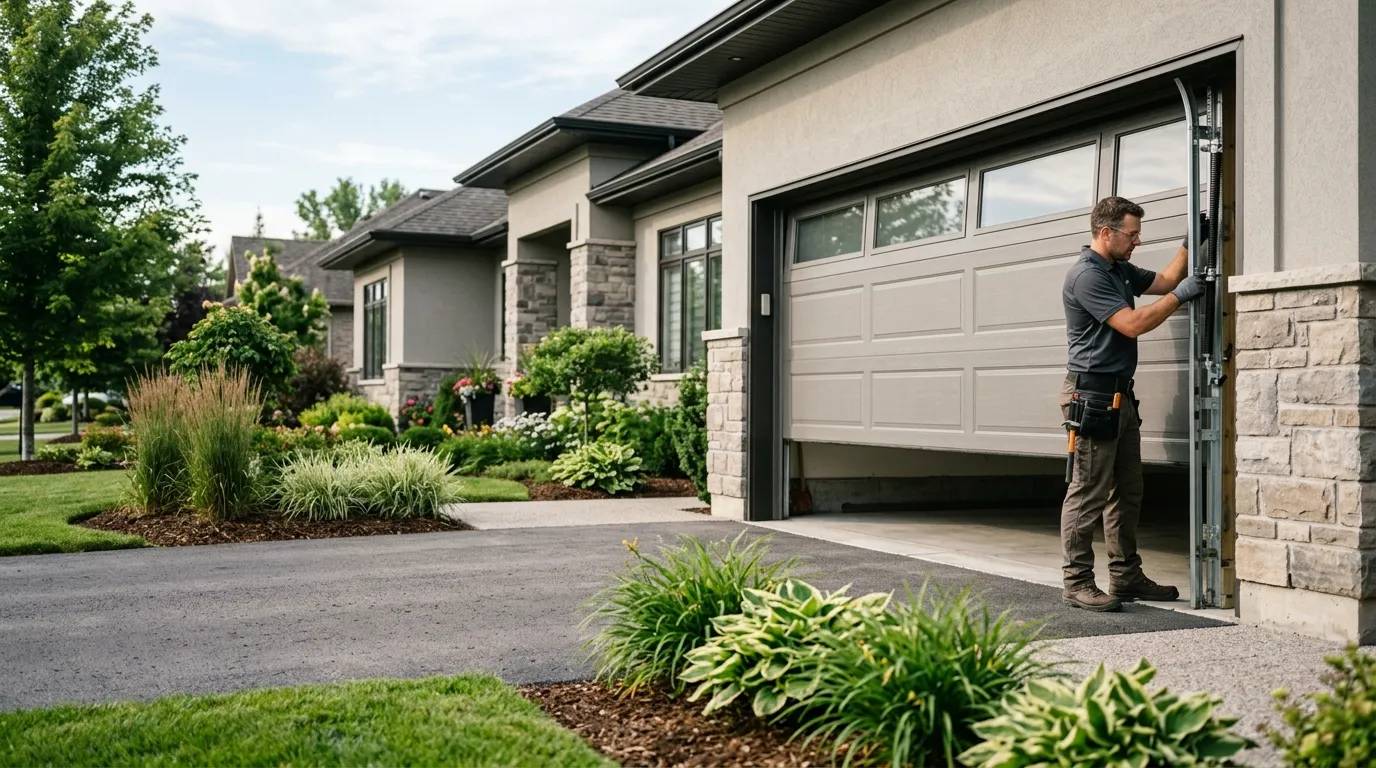
Clear, up-front plan - Pittsburgh garage door service

Clear, up-front plan

You get the fix that’s needed and what drives the cost - before any work starts.

04
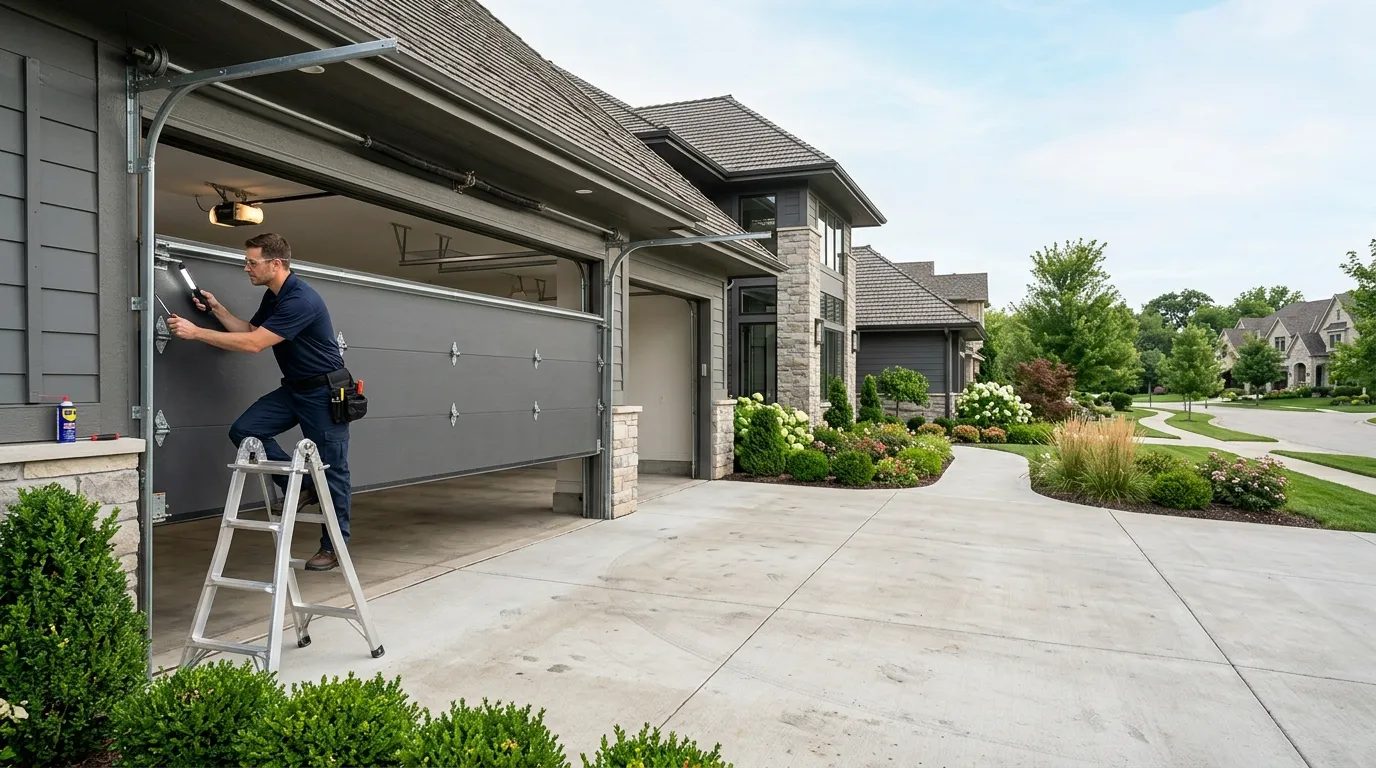
Repaired & tested - Pittsburgh garage door service

Repaired & tested

The repair is done, the door is set true and tested, and the work area left clean.

Serving Pittsburgh, PA - tell us what your door’s doing and we’ll take it from there.

How we work

What to expect

Diagnosis firstEvery visit starts by finding what actually failed - not a pre-written parts list.
The right part for the doorSprings and openers matched to the door’s weight and age, so the fix holds up.
Straight answersWhen a repair makes more sense than a replacement - or the reverse - you hear it plainly.
Clean, careful workTension released safely, hardware set true, the door tested under power before we leave.
304,391Residents in Pittsburgh
8Garage door services
7Neighborhoods & suburbs
PAServing Pittsburgh, PA
Questions

Frequently asked

Straight answers about garage door repair in Pittsburgh. Still unsure? Ask us directly.

Why does my opener in Brentwood keep grinding in winter but work fine in summer?

Cold-thickened grease on an aging gear set is the usual cause. This area's winters are severe enough that lubricant meant for a 1970s or 80s opener stiffens up, forcing the motor to work harder to turn the gears. Combined with decades of wear, that extra load is often what finally strips a plastic gear that had been marginal for years.

Is my opener original to my house if it was built in 1951?

Almost certainly not. Openers weren't standard equipment on houses from that build year - most in this area were added later, often decades after the house went up, onto header framing that predates the motor mount. That's worth checking, since an old mount can be the real point of failure even when the opener itself looks fine.

Should I repair or replace an opener this old?

Depends what's failed. A worn belt, chain, or capacitor is usually worth fixing. A stripped gear on a unit whose parts are discontinued, or a motor that's been overworked by a mismatched door, often isn't. We'll tell you which situation you're in before doing the work, not after.

Ready to get your garage door sorted?

Tell us what it’s doing and where you are in Pittsburgh - we’ll take it from there.

Request a QuoteCall