Where This Job Goes Sideways
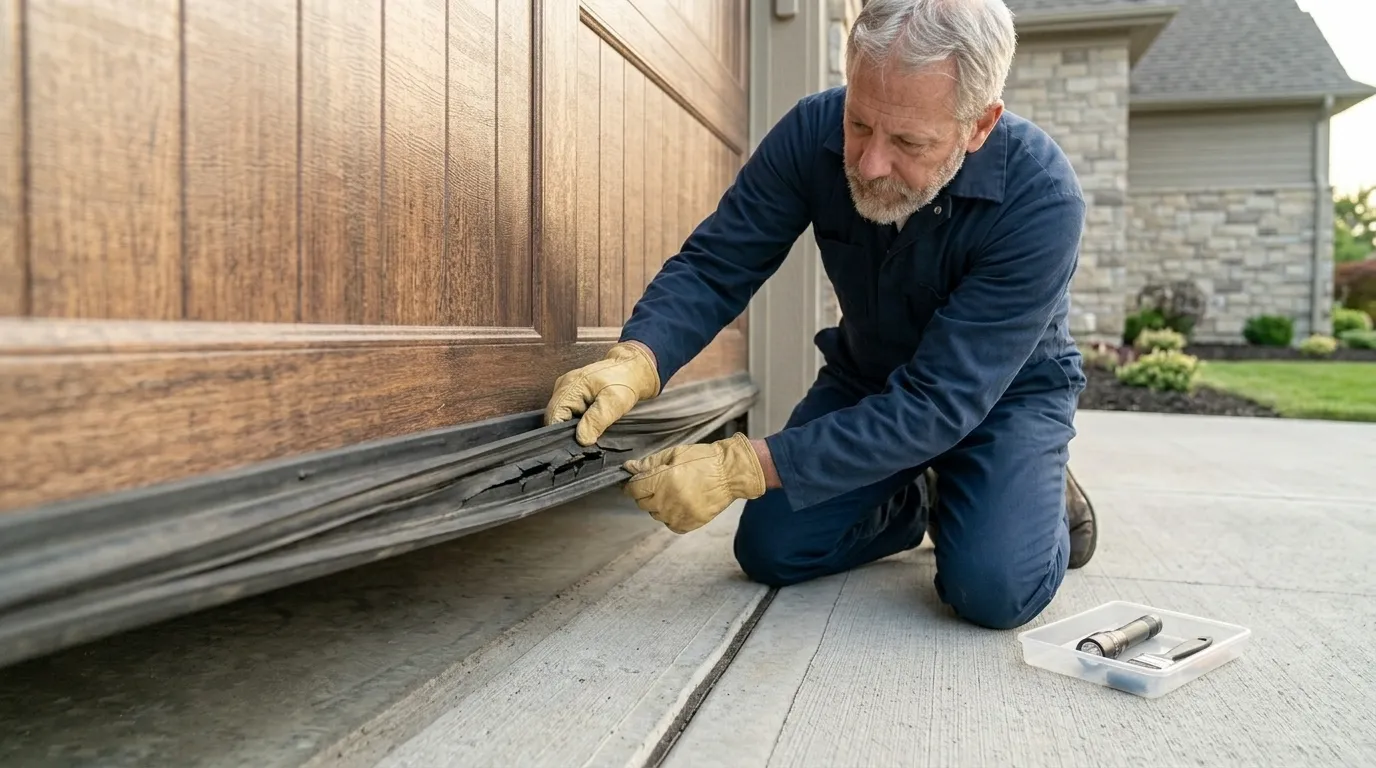
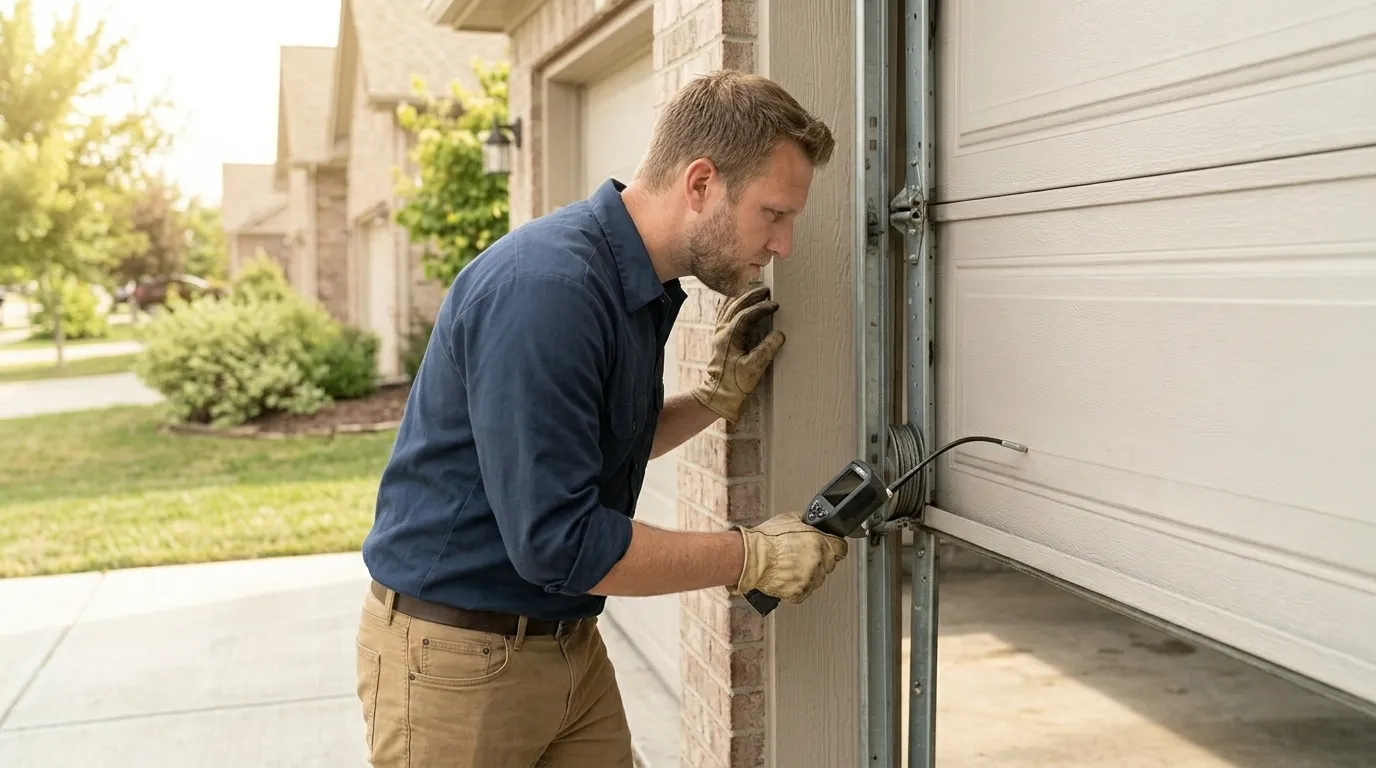
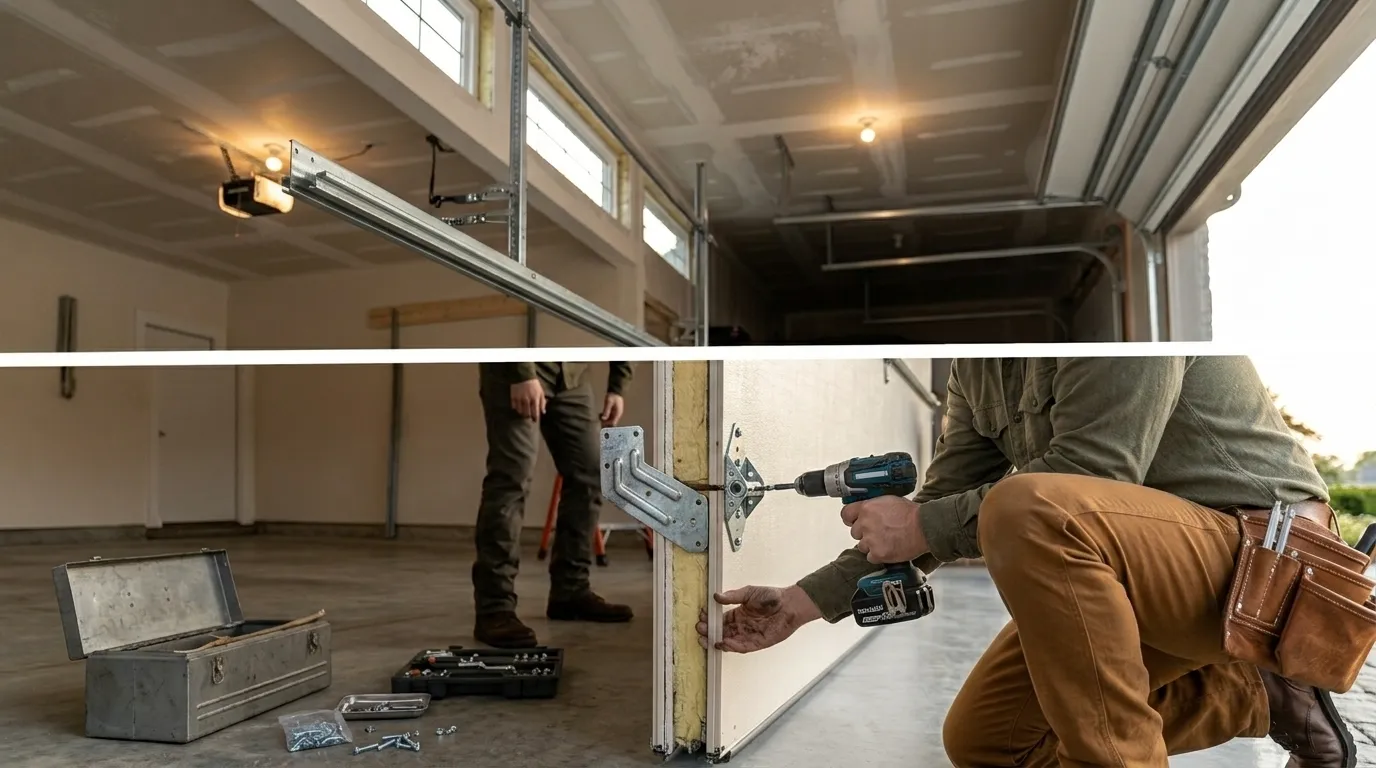
A pre-1960 door on original hardware doesn't fail the way a ten-year-old door does. The spring winds down slower, the cable frays instead of snapping clean, and by the time you notice, the opener's been straining against a spring that lost half its lift months ago.
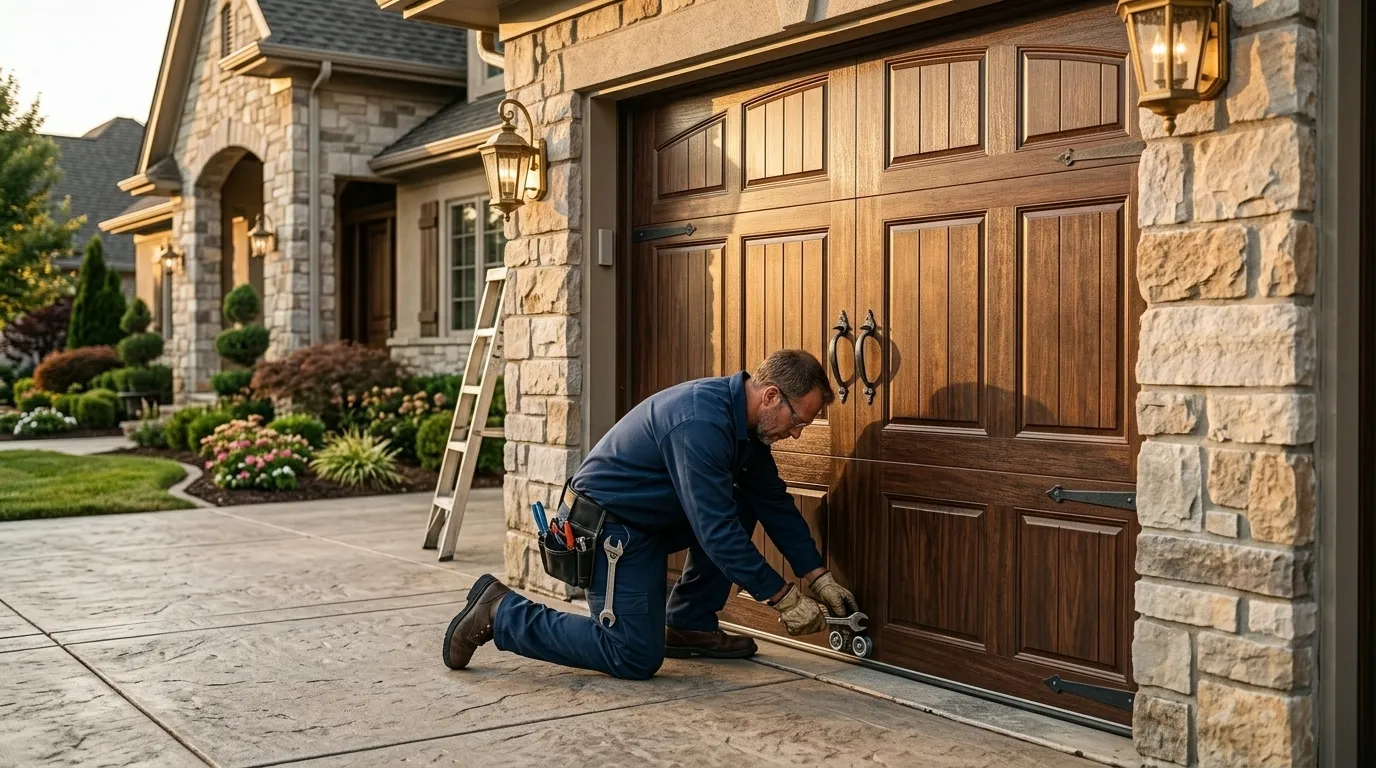
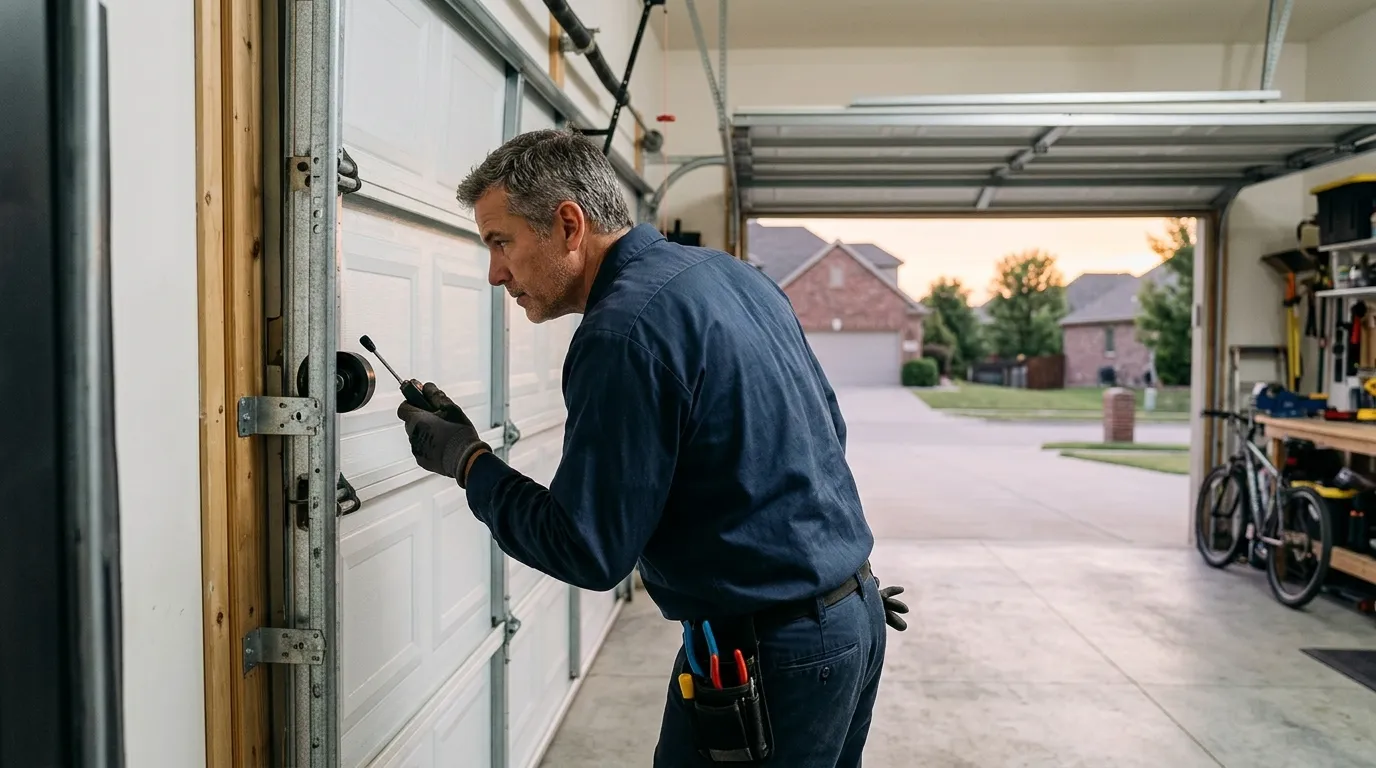
Carnegie sits in a cold, severe climate band, and that cold is hard on steel that's already sixty-plus years old. Cold makes lubricant stiffen and metal contract, so a spring that's marginal in October can seize or snap in January. On a door built in the early 1950s, that spring is original hardware more often than not - nobody's replaced it because it never gave an obvious sign of wear until it stopped lifting the door at all.
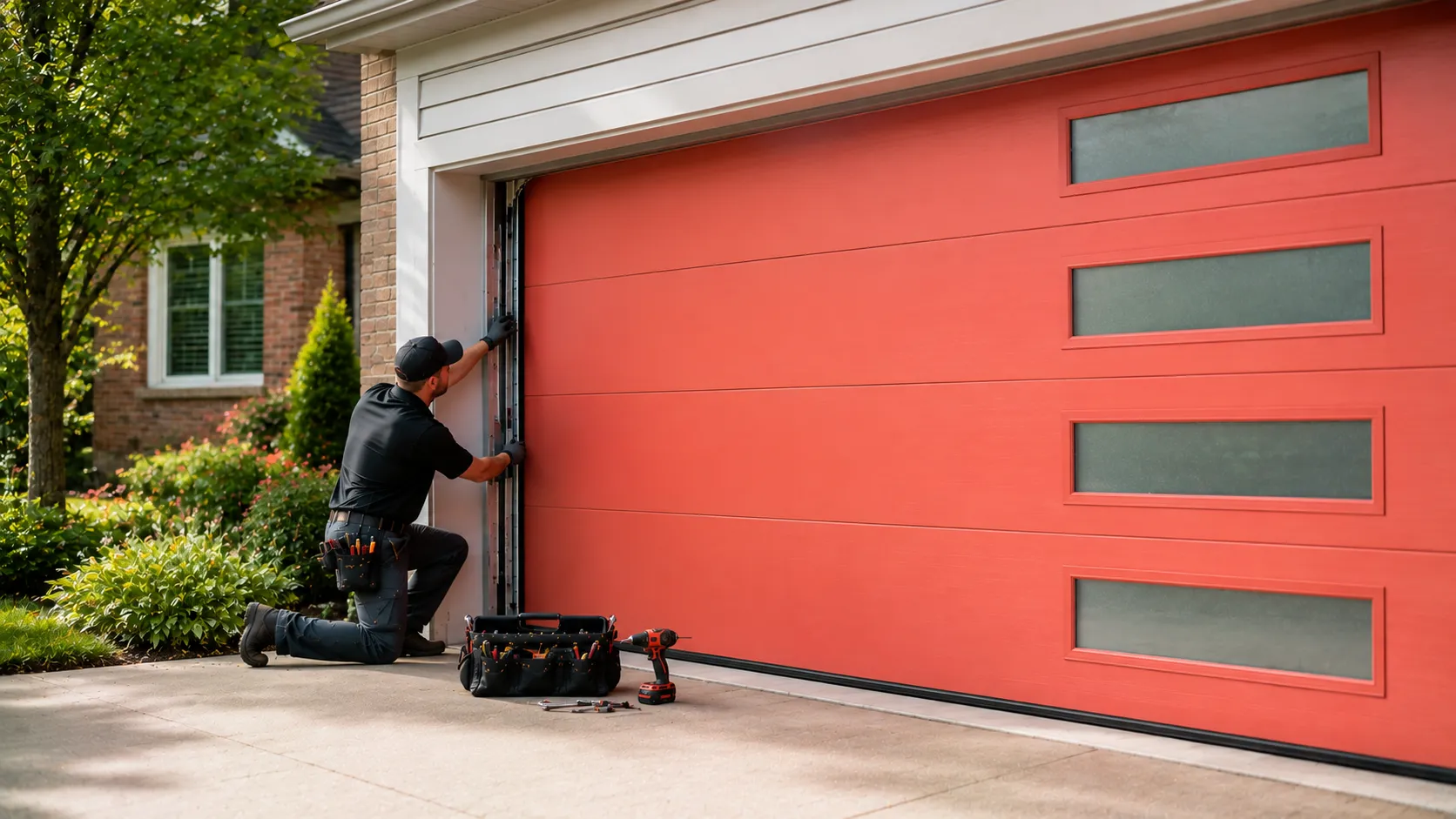
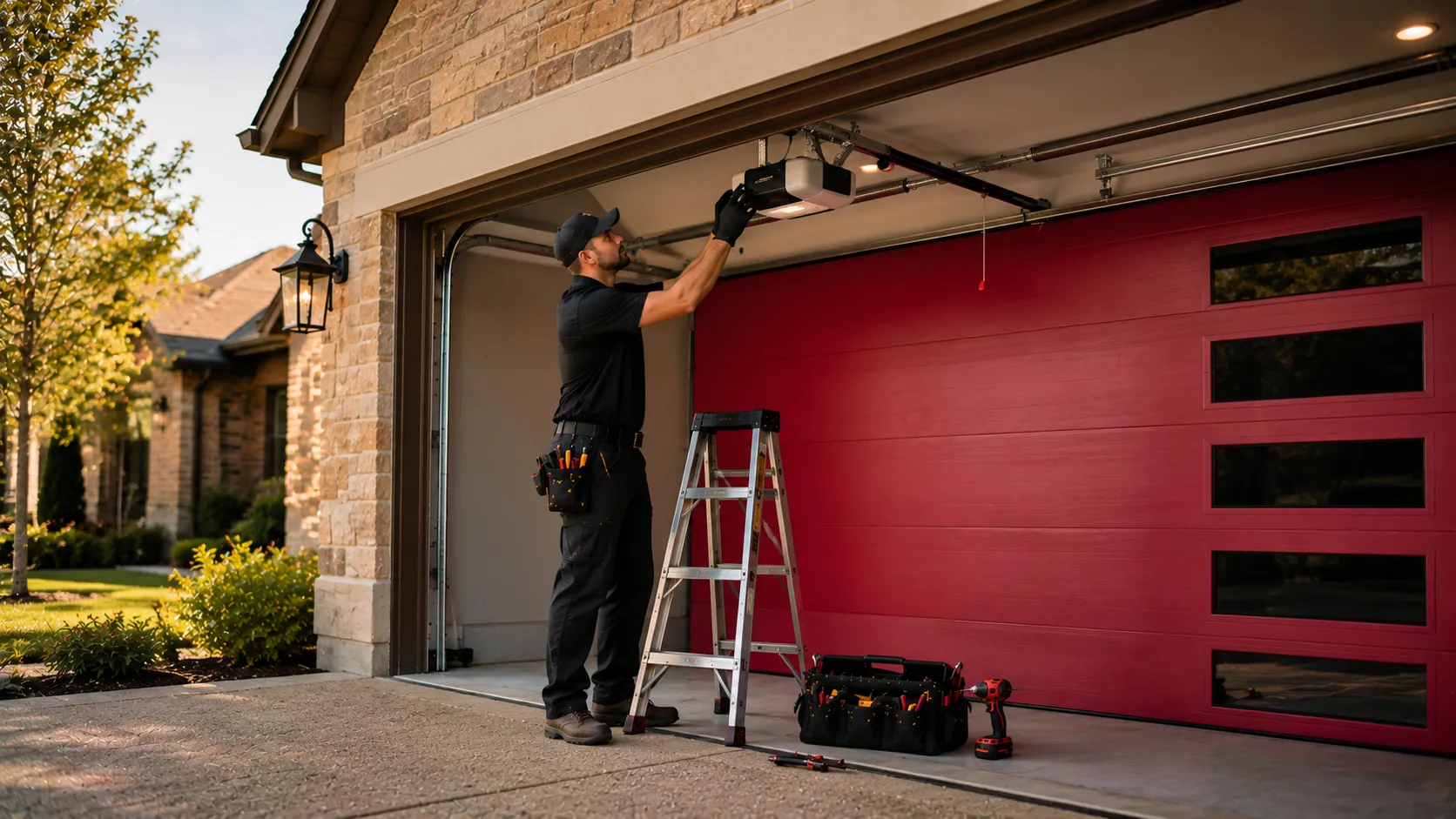
The other place this goes sideways: openers wired into original framing that was never built for the weight of today's insulated replacement doors. Swap in a heavier door without checking the header and track alignment, and you've traded one problem for a slower one. We check that before we quote a straight swap.
The Cost of This Job
Carnegie's median household income runs $62,327, noticeably under the $72,020 median across the wider service area we cover from Pittsburgh. That gap shows up in the calls we get - more requests to repair a spring or cable rather than replace the whole door outright, and that's often the right call on a door that's structurally sound.
We can't post a flat price here, because the job changes with what's actually wrong - a broken torsion spring on a standard door costs a fraction of a full replacement, and a stripped opener gear is cheaper still. What we can tell you is that older hardware sometimes costs more to source than newer parts, since the sizes aren't what big-box stores stock.
One honest limitation: if your door is old enough that a single spring size is discontinued, we may need to order it rather than pull it off the truck same-day. That's not common, but on a house from the early 1950s, it happens more than it does on a newer build.