Garage Door Maintenance for Carnegie's Older Housing Stock
Carnegie's housing runs older than the rest of the service area, and the doors show it. Maintenance built around 1952-era hardware, six miles out from Pittsburgh.
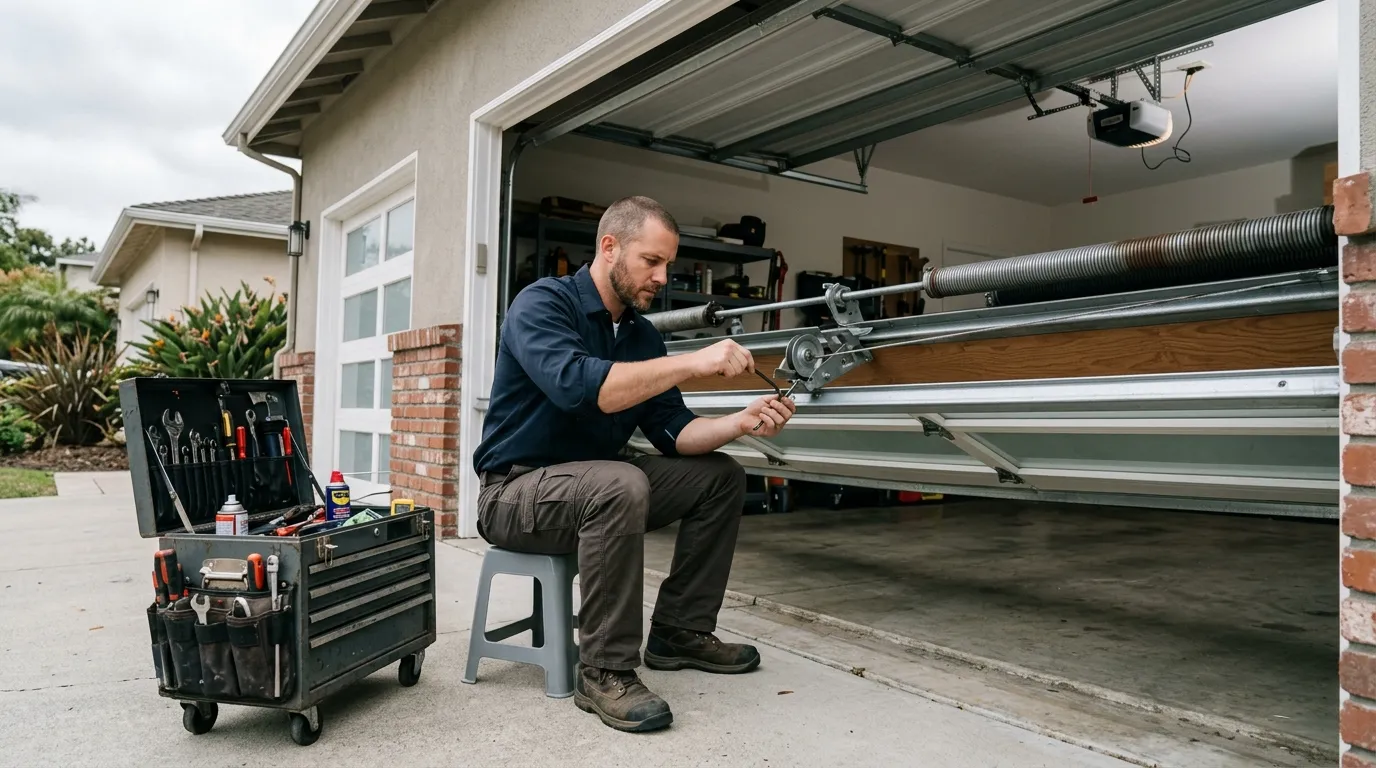
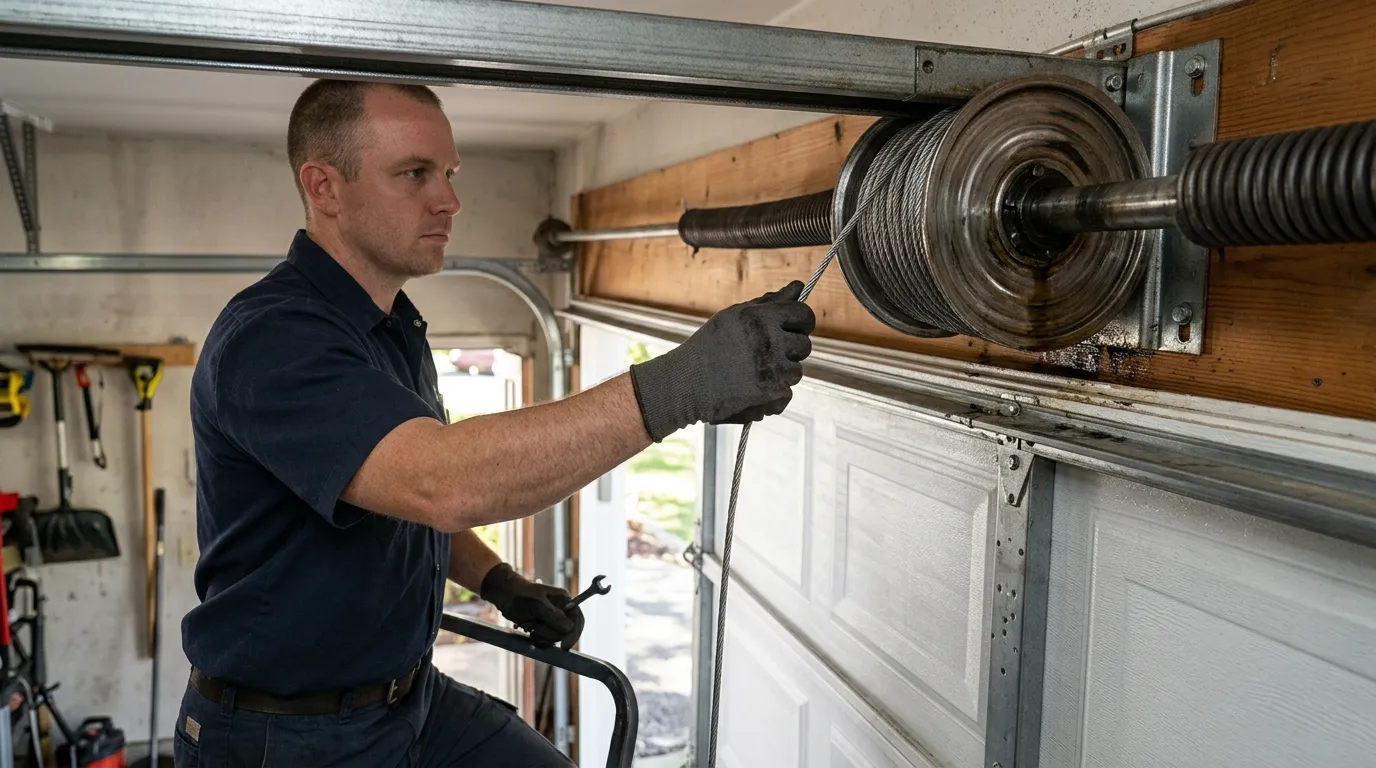
Carnegie's median home was built around 1952, a few years ahead of the 1955 median across the wider service area we cover from Pittsburgh. That gap matters more than it sounds. Houses from this stretch of the early 1950s were built before the two-inch torsion spring became standard, and a lot of them still run older extension-spring setups over the door rather than a torsion bar across the header. The rollers are steel, not nylon, on the ones that haven't been touched. The truck that comes out to Carnegie carries both spring types and both roller types because we don't know which era of hardware is behind a given door until we're standing in front of it.
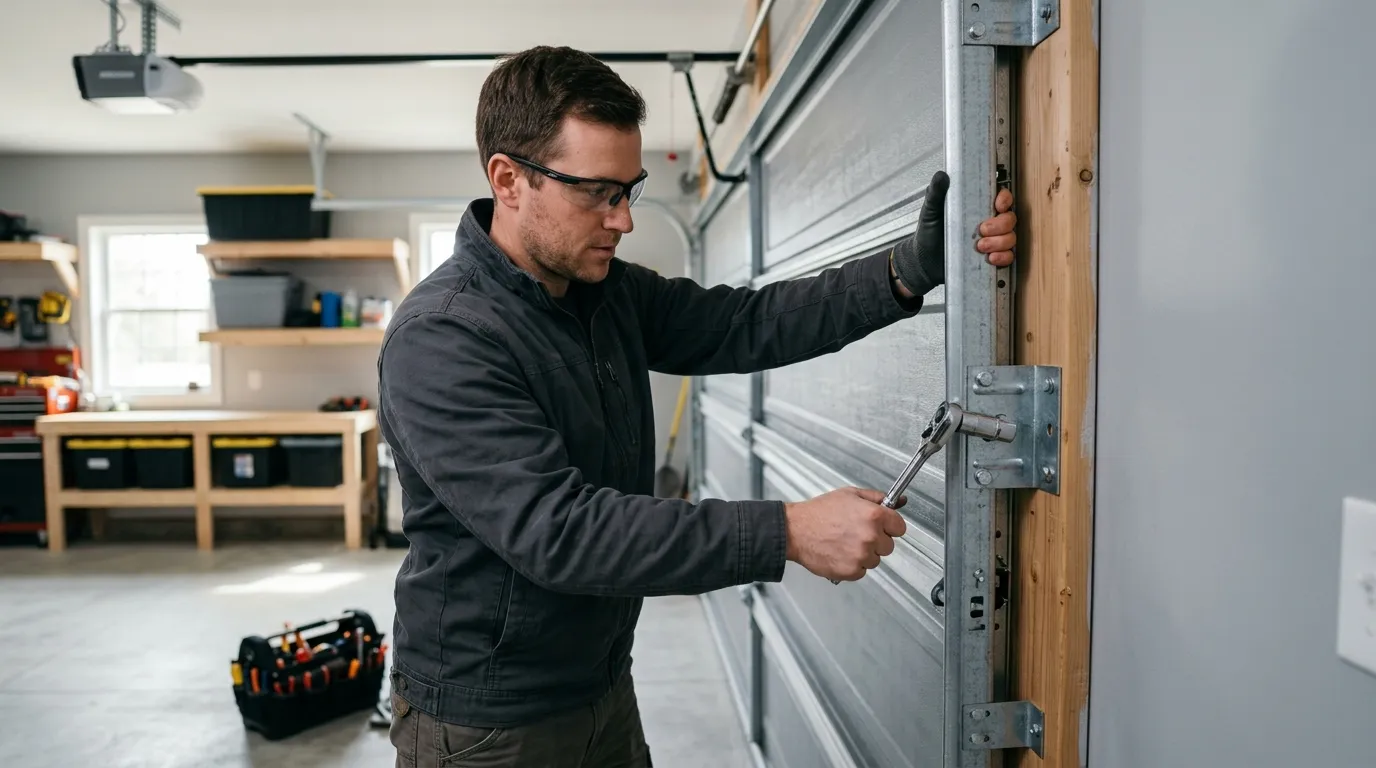
Weatherstripping and bottom seals are the other item we replace more here than in newer construction, because a 70-year-old jamb has usually shifted enough that the seal never fit right to begin with. We stock the standard track brackets too, since the original galvanized brackets on houses this age are usually rusted through by now, not bent - just tired.
What we don't carry on the truck: specialty low-headroom torsion kits for garages converted from something else. Those get ordered once we've seen the opening.
Where This Job Goes Sideways
On a house built in 1952, the maintenance call turns into something bigger the moment we open the panel and find the spring anchor bracket is the original stamped steel, not a replacement. That bracket was never rated for the heavier insulated doors homeowners have swapped in since, and tightening loose hardware on it can crack the wood jamb behind it instead of fixing anything.
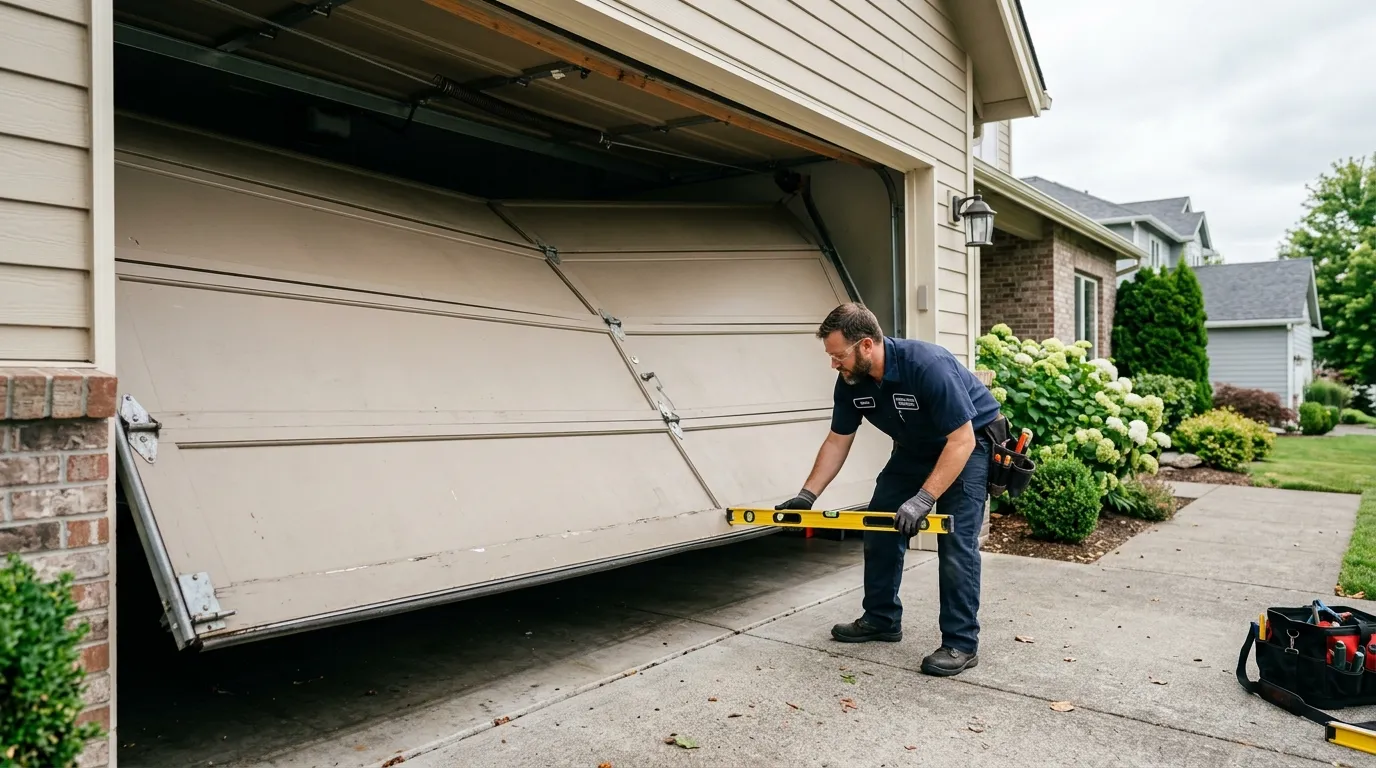
The other place this goes sideways: track alignment. A door installed when the garage itself was framed rarely sits square after seven decades of foundation settling, and a maintenance visit that starts as "the door's noisy" sometimes ends with us telling the homeowner the track needs to be reset before lubrication does any good. We'll say that plainly rather than grease a door that's fighting its own frame.
Winter is the other variable. This region's climate is classed as severe cold, and steel doors here take real cycling between freeze and thaw. Cables and springs that are already fatigued from age don't handle that stress well, and that's usually when a "maintenance" call becomes a same-visit spring swap.
The Cost of This Job
We don't publish a flat number for maintenance in Carnegie because the job depends on what's behind the panel, and on a street of 1950s-era houses that varies more than people expect. A straightforward tune-up - lubrication, hardware check, balance test - costs less than a visit where we're also replacing a rusted spring anchor or resetting a track.
Carnegie's median household income sits at $62,327, below the $72,020 median across the broader area we serve from Pittsburgh. We mention that because it shapes how we quote here: we tell homeowners up front which items are maintenance and which are a repair riding along with it, so nobody's surprised by the invoice. If a part needs replacing rather than adjusting, we say so before we do the work, not after.
Why This Fails Locally
With roughly 4,266 households in Carnegie against 279,154 across the full area we cover out of Pittsburgh, this is a small town with an old housing stock relative to its neighbors, and that combination is exactly why generic maintenance advice doesn't hold up here. A door tuned the way you'd tune a 1990s builder-grade opener isn't the door most of Carnegie has.
Distance plays a smaller role than people assume - we're six miles out from Pittsburgh, which is a short drive, not a reason to skip a season of maintenance. What actually fails locally is skipping the spring and cable inspection because the door still opens fine. On hardware this old, in a climate rated severe cold, "still opens" and "safe to keep opening" are two different questions, and the second one is the one maintenance is supposed to answer.
How it works
From “it’s stuck” to “it’s fixed”
01
Tell us what’s wrong
Describe the symptom - won’t open, loud bang, opener runs but the door won’t move.
02
On-site diagnosis
A technician tests the door under power and by hand and finds what actually failed.
03
Clear, up-front plan
You get the fix that’s needed and what drives the cost - before any work starts.
04
Repaired & tested
The repair is done, the door is set true and tested, and the work area left clean.
Serving Pittsburgh, PA - tell us what your door’s doing and we’ll take it from there.
How often should a garage door in Carnegie get serviced?
Once a year is the baseline we'd recommend for a house from this era, more often if the door sees heavy daily use. Given how much of Carnegie's housing dates to the early 1950s, an annual check catches spring fatigue and rusted hardware before they turn into an emergency call.
Does maintenance fix a noisy old door, or does it need replacing?
Often maintenance is enough - lubrication, tightened hardware, a track reset. But if the spring anchor bracket or the track itself has failed from age, that's a repair, not maintenance, and we'll tell you which one you're looking at before we start.
Do you have a branch in Carnegie?
No. We run the truck out to Carnegie from Pittsburgh, about six miles. There's no local depot, so we schedule the visit rather than showing up on demand.
Ready to get your garage door sorted?
Tell us what it’s doing and where you are in Pittsburgh - we’ll take it from there.