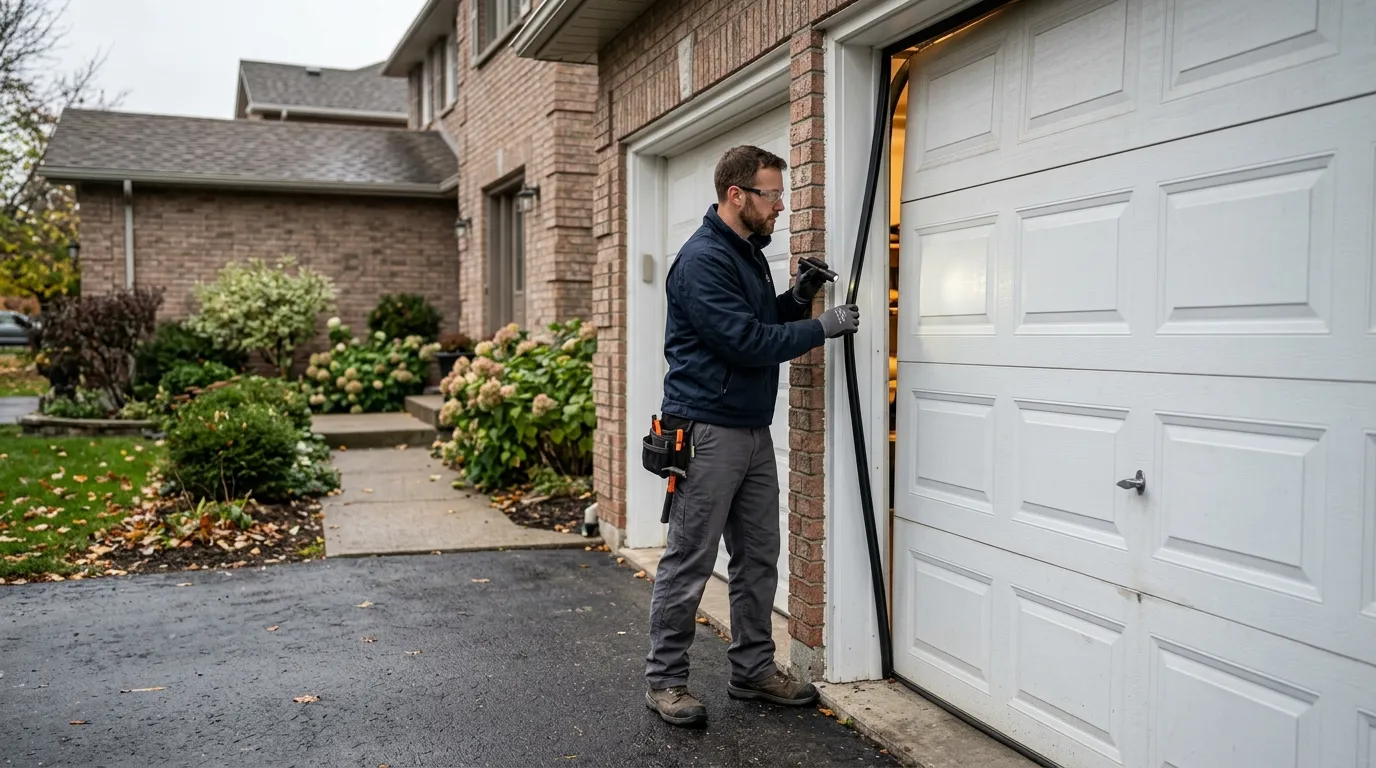
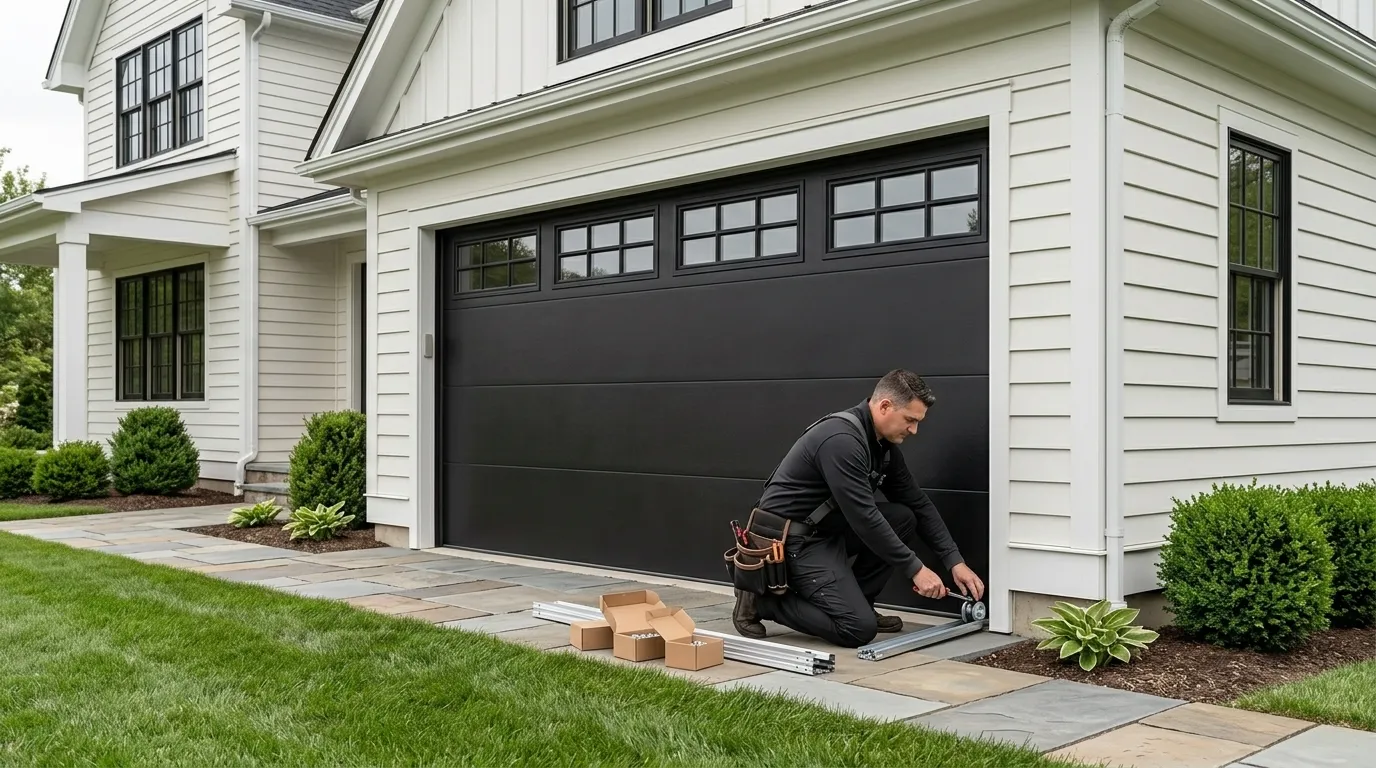
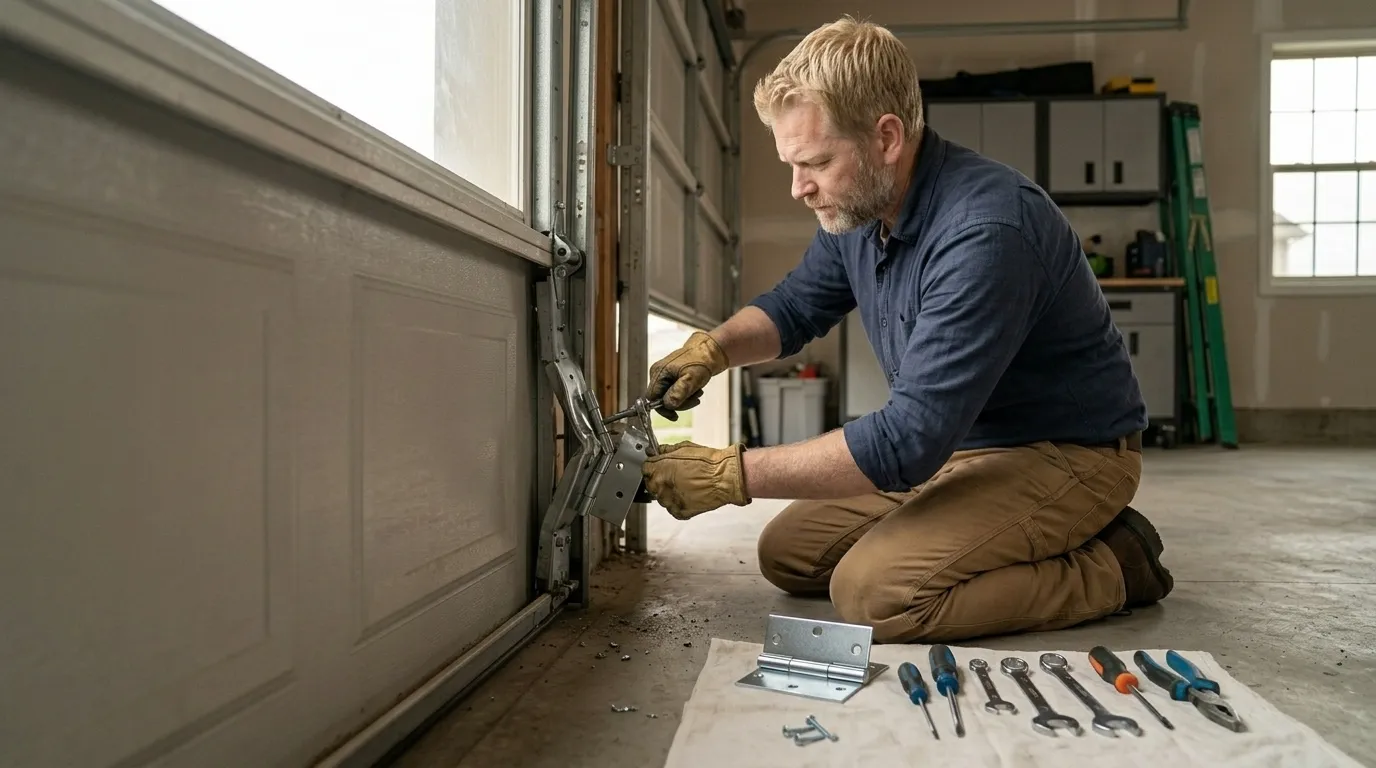
Carnegie homes date to a 1952 median build year, meaning original opener hardware is common. We drive in from Pittsburgh to fix openers built for houses of that era.
Carnegie's median home dates to 1952, and across the wider service area the housing stock runs 1938 to 2014 with a median around 1955. That matters for openers because a house built in the early '50s has usually been through one, maybe two, opener swaps in its life - and whatever's on the wall right now often carries hardware that doesn't match what's on the shelf at a big box store. We carry the parts that actually fail on openers from that era and the generations after it: drive gears, logic boards, sensor eyes for units retrofitted onto original track, and the wall controls that replace the pull-cord switches some of these garages never lost. What we don't stock is anything for openers that predate residential automatic doors entirely - if a Carnegie garage still has a hand-operated door with no opener bracket ever installed, that's a different job, not a repair. Most calls here are for openers added sometime after the house was built rather than original to it, since a 1952 build almost never came with an automatic opener from the factory. The opener itself is rarely original; the track and header bracket it got mounted to often is.
Where This Job Goes Sideways
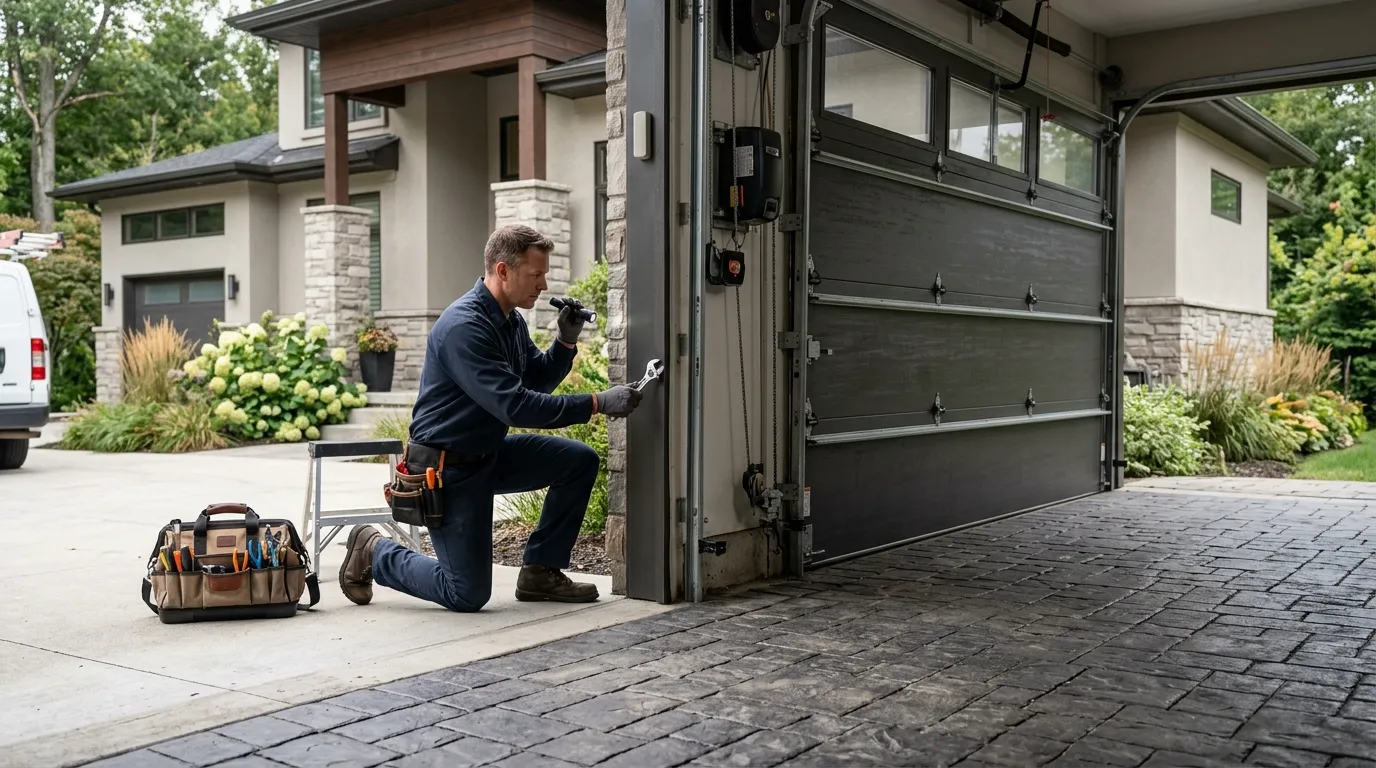
The failure that catches people off guard in Carnegie is a door that seems to have an opener problem when the real issue is what the opener is bolted to. A house built around 1952 has a header and track configuration designed for a manually-lifted door, and when an opener got added later - sometimes decades later - the mounting often used whatever bracket was standard at install time, not what current hardware expects. So a technician shows up for a dead opener and finds the real fault is a stripped mounting point or a bent rail that's been fighting the opener for years. Another wrinkle: with 4,266 households in Carnegie, most on lots and garages sized to mid-century norms, headroom above the door is often tighter than modern openers assume, which limits which replacement unit will actually fit without extra bracketry. We won't force a modern high-lift opener onto a header it doesn't belong on. If the fix isn't clean, we say so before we start, not after.
The Cost of This Job
Carnegie's median household income sits at $62,327, noticeably below the $72,020 median across the broader area we cover from Pittsburgh. That gap shows up in how jobs get decided here more than in what we charge - repair gets chosen over replacement more often when a board swap or gear kit can get another several years out of an opener that's otherwise sound. A logic board or drive gear replacement is a fraction of a new unit, and for an opener that's only 10 or 15 years into its life, that's usually the right call. Where it stops making sense is when the opener itself is original to a mid-1990s or older install and the motor housing or capacitor has gone - at that point parts availability and labor to keep chasing failures on a unit that old tips the math toward replacement. We'll tell you which side of that line your unit is on before quoting anything, and we don't pad a repair estimate to make replacement look better.
Why This Fails Locally
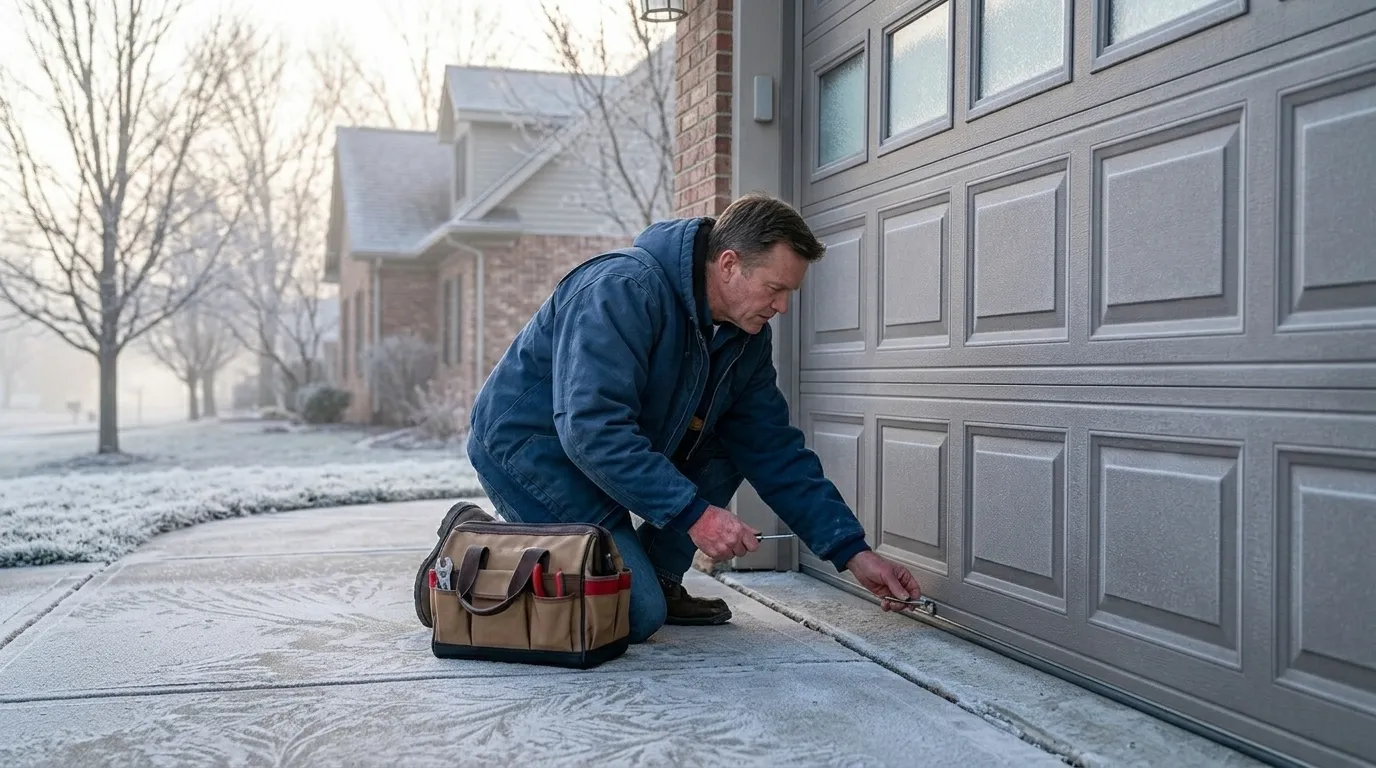
The climate here is classed cold and severe, and that cuts hardest on openers, not just springs and cables. Cold makes lubricant in an aging gear housing stiffen up, which is why a lot of the winter calls in this area are openers that grind, stall partway, or trip the motor's thermal overload on the first cold morning of the season - the unit isn't dead, it's just fighting grease that's the wrong viscosity for the temperature swing. On a house with a 1952-era garage, that problem compounds because the door itself is heavier old-stock lumber or steel than what ships today, so the opener is already working near its rated limit before the cold adds resistance. We service from Pittsburgh, 6 miles out, so we're not sitting on a Carnegie street waiting for a call - but that distance is short enough that a winter opener failure here doesn't sit on a waiting list either. What we can't do is promise a same-day fix if the part needed is a discontinued board for a decades-old motor; those sometimes take longer to source than the drive over.
How it works
From “it’s stuck” to “it’s fixed”
01
Tell us what’s wrong
Describe the symptom - won’t open, loud bang, opener runs but the door won’t move.
02
On-site diagnosis
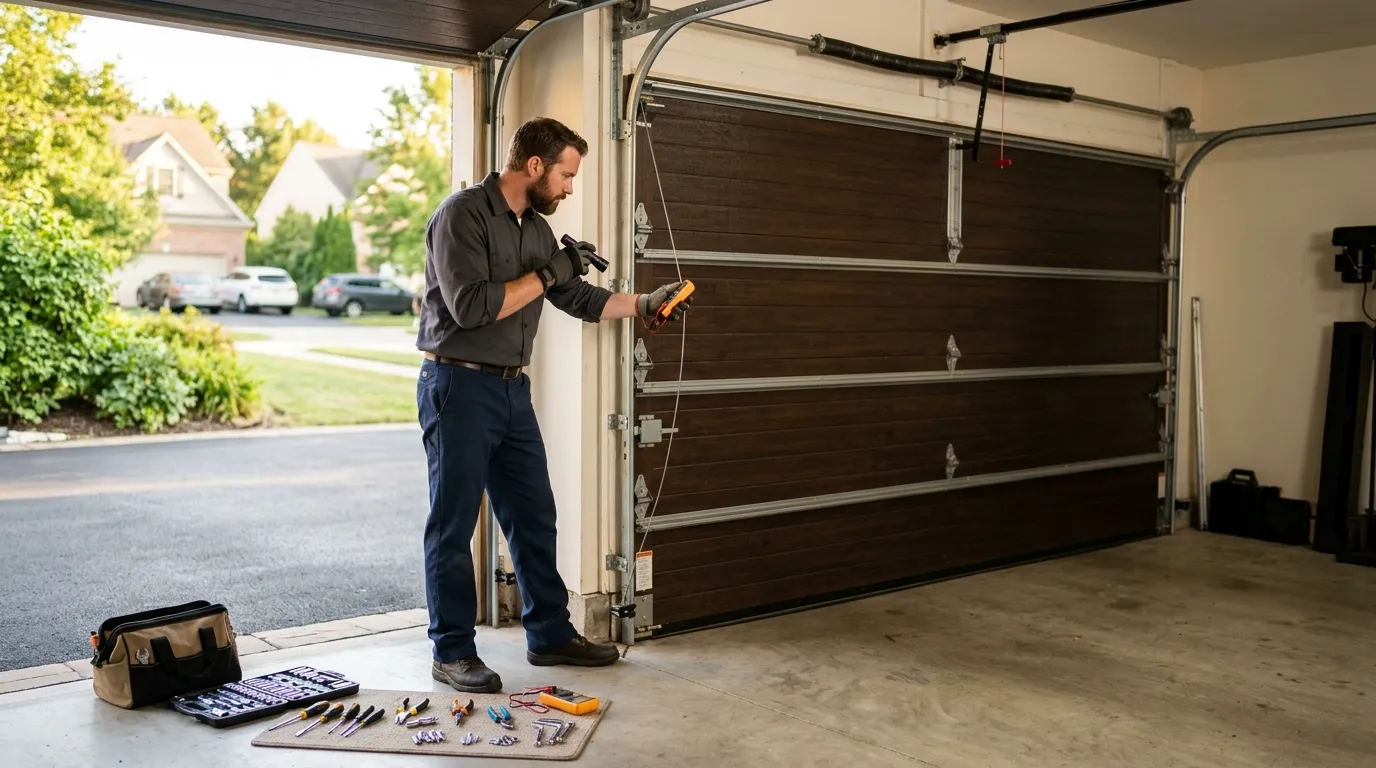
A technician tests the door under power and by hand and finds what actually failed.
03
Clear, up-front plan
You get the fix that’s needed and what drives the cost - before any work starts.
04
Repaired & tested
The repair is done, the door is set true and tested, and the work area left clean.
Serving Pittsburgh, PA - tell us what your door’s doing and we’ll take it from there.
Is my garage door opener in Carnegie likely to be original to the house?
Almost never. Carnegie's median home dates to 1952, and residential automatic openers weren't standard equipment then. Most openers here were added later, sometimes much later, so what you have is probably a retrofit onto original door and track hardware rather than a factory-installed unit.
Why does my opener struggle every winter?
This area sits in a cold, severe climate band, and old gear lubricant thickens in low temperatures, which slows the motor and can trip its overload protection. It's a common cause of "dead" openers in early cold snaps and often doesn't mean the unit has actually failed.
Do you keep a truck stocked near Carnegie?
No. We run out of Pittsburgh, about 6 miles from Carnegie, so we're not based in town. We carry the common opener parts on the truck for this area's housing era, but we don't operate a local depot here.
Should I repair or replace an old opener?
It depends on age and what's failed. A logic board or gear kit on a unit under 15 years old is usually worth fixing. If the motor or capacitor has gone on an opener that's decades old, replacement is usually the better use of money, and we'll tell you which situation you're in.
Ready to get your garage door sorted?
Tell us what it’s doing and where you are in Pittsburgh - we’ll take it from there.