Roller Replacement for Carnegie's 1950s Garage Doors
Carnegie homes mostly went up around 1952, meaning steel rollers on tight-radius track built for a different climate load. Roller replacement done from a Pittsburgh-based crew, 6 miles out.
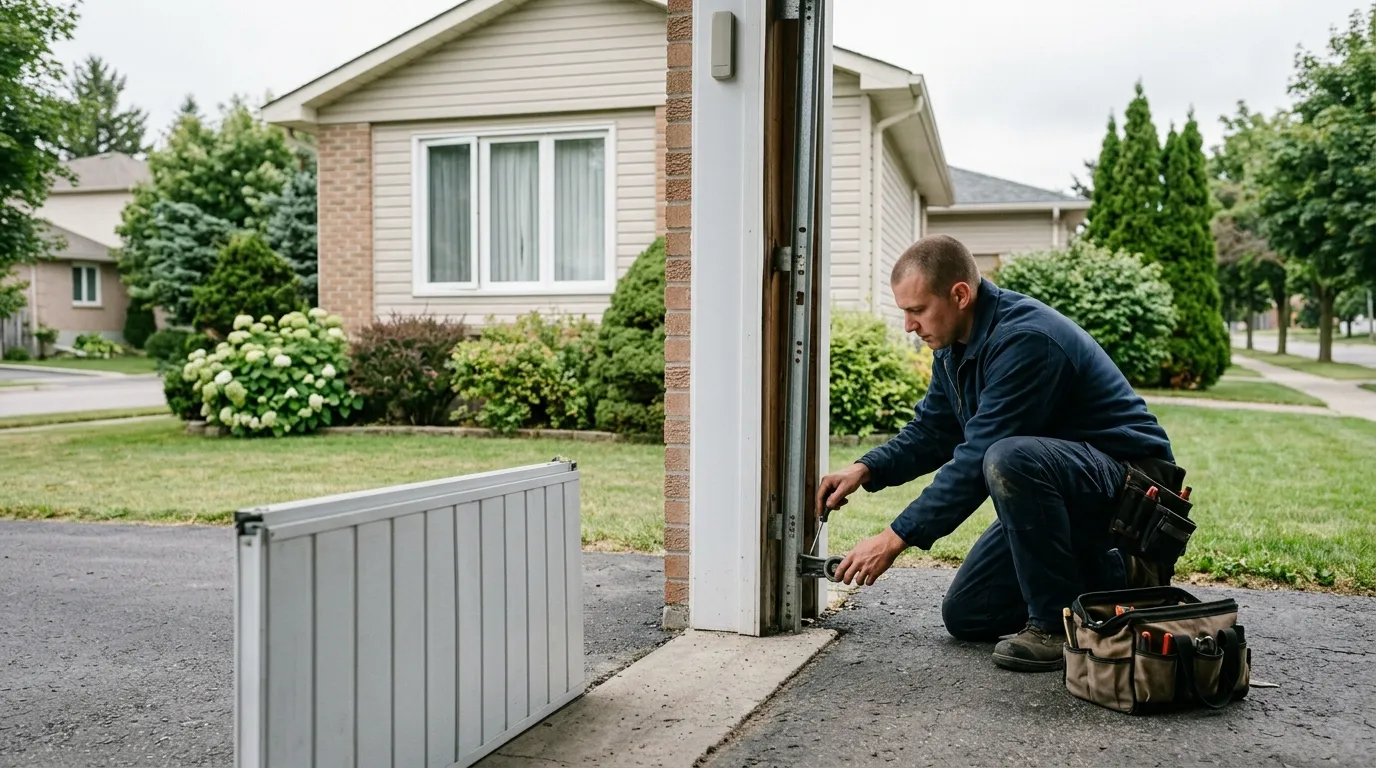
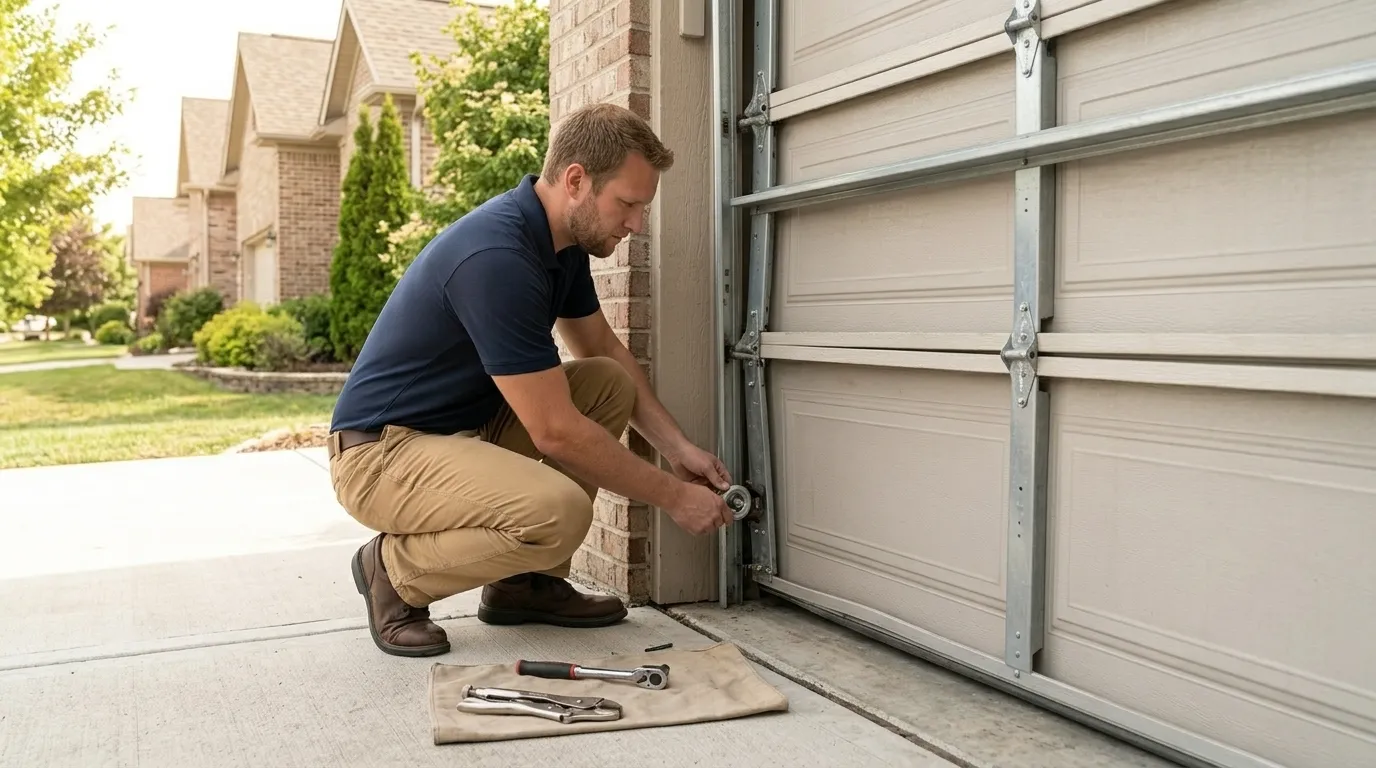
Most garage doors in Carnegie went up around the time the house did, and that median sits at 1952. That means the door itself is usually a single-layer steel panel or an early two-layer job, sized for a one-car or narrow two-car bay, hung on rollers that were never meant to last seventy years without a swap. The original hardware on doors this age is almost always the 2-inch stem, 7-ball steel roller riding in a track radius that's tighter than what gets installed today.
We carry both the 2-inch and 3-inch stem sizes, in steel and in sealed nylon, because a lot of these doors have already had one hardware upgrade somewhere in the last few decades and the stem length doesn't always match what the track calls for. Nylon rollers cost more up front but run quieter and don't develop the flat spot that steel rollers get after years of sitting in one position over a cold winter. If the track itself has been reshaped over the years to fit a roller it wasn't built for, that gets flagged before anything gets swapped, because a new roller in a warped track just fails again in a season.
Where This Job Goes Sideways
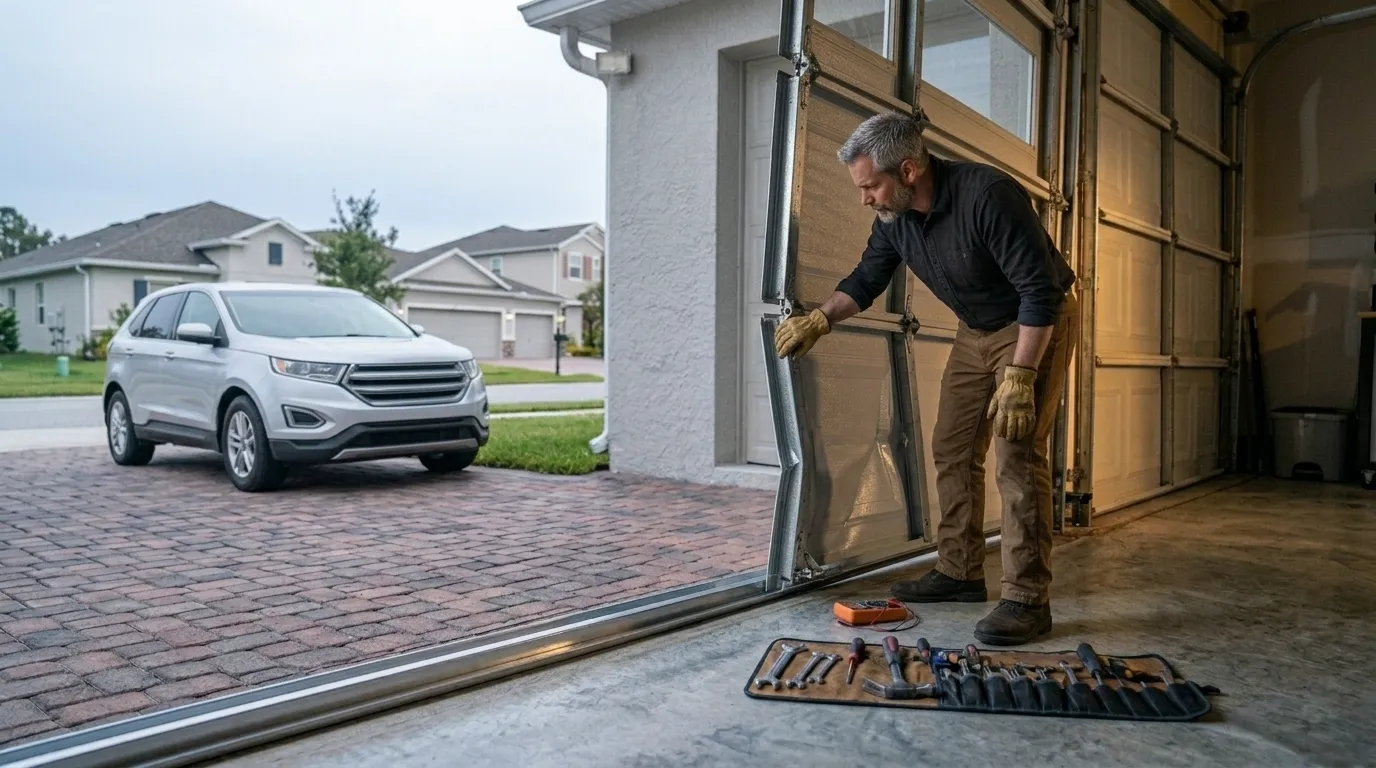
A roller swap is a clean job when the track is straight and the door is still square. On a lot of Carnegie's older housing stock, it isn't. Sixty-plus winters of a steel track bolted to a wood jamb means small shifts add up - a quarter inch here, an eighth there - and by the time a roller finally seizes or a ball bearing cracks, the track has usually taken on a bow that a new roller alone won't ride through smoothly.
The other place this goes sideways is the cold. Steel rollers that have gone stiff from age don't roll so much as grind, and in a hard winter that grinding puts extra strain on the opener and the cable drum trying to force a door that's fighting itself. We've seen jobs quoted as a roller swap turn into a track realignment once the door's off its hinges and the real shape of the track shows itself. That's not an upsell - it's what a door built in the early '50s and never touched since actually needs by now.
The Cost of This Job
Carnegie's median household income runs lower than the wider Pittsburgh-area figure of $72,020 - closer to $62,327 here - and that shapes the call more than people expect. A full 10-roller nylon upgrade costs more than swapping the two or three rollers that actually failed, and on a door this old, spending the difference only makes sense if the track and the rest of the hardware are sound enough to be worth quieting down.
We don't quote a flat number here because FACTS don't give us one, and a real number depends on whether it's 2 rollers or 10, steel or nylon, and whether the track needs shimming while we're in there. What we will say plainly: if the door is original from a 1952-era build and the bottom panel has already rusted through at the corners, putting new rollers on it is money spent on a door that's near the end of its run anyway. That's a replacement conversation, not a roller one.
Why This Fails Locally
Two things stack up against Carnegie's garage doors that don't stack the same way everywhere. First, the housing stock: with a median build year around 1952, a large share of the roughly 4,266 households in town are still running original or near-original track and roller setups, which means more steel-on-steel wear and fewer of the sealed nylon rollers that later doors came with standard. Second, the climate: this is a severe cold band, and steel rollers contract and stiffen in low temperatures in a way nylon doesn't, so the failure shows up hardest on the first genuinely cold morning of the year, not gradually.
We come out from Pittsburgh, about 6 miles in, so this isn't a same-block callout - plan the visit rather than expecting a same-hour fix. But the job itself is straightforward once we're on site: identify whether it's wear, cold-stiffening, or a bent track behind the failed roller, and fix the actual cause instead of just the part that finally gave out.
How it works
From “it’s stuck” to “it’s fixed”
01
Tell us what’s wrong
Describe the symptom - won’t open, loud bang, opener runs but the door won’t move.
02
On-site diagnosis
A technician tests the door under power and by hand and finds what actually failed.
03
Clear, up-front plan
You get the fix that’s needed and what drives the cost - before any work starts.
04
Repaired & tested
The repair is done, the door is set true and tested, and the work area left clean.
Serving Pittsburgh, PA - tell us what your door’s doing and we’ll take it from there.
How old are most garage doors in Carnegie likely to be?
Housing in Carnegie centers on a median build year of about 1952, so a lot of garage doors are either original steel panel doors or an early replacement, still running on the smaller 2-inch stem roller and tighter track radius common to that era.
Do you carry parts for older roller sizes on the truck?
We stock both 2-inch and 3-inch stem rollers in steel and nylon, since Carnegie's older doors often have a mix depending on whether the hardware was ever upgraded. What we can't promise without seeing it is whether the track itself still matches the original spec.
Is roller replacement ever the wrong fix?
Yes. If the door is original from the early 1950s build wave and the bottom panel is rusted through, new rollers just delay a replacement that's coming anyway. We'll tell you straight if that's what we're looking at instead of selling a roller job on a door that's done.
How far out is Carnegie from your crew?
About 6 miles from Pittsburgh. We don't run a branch in Carnegie, so this is a scheduled visit rather than a walk-up call, but it's a routine distance for the crew.
Ready to get your garage door sorted?
Tell us what it’s doing and where you are in Pittsburgh - we’ll take it from there.