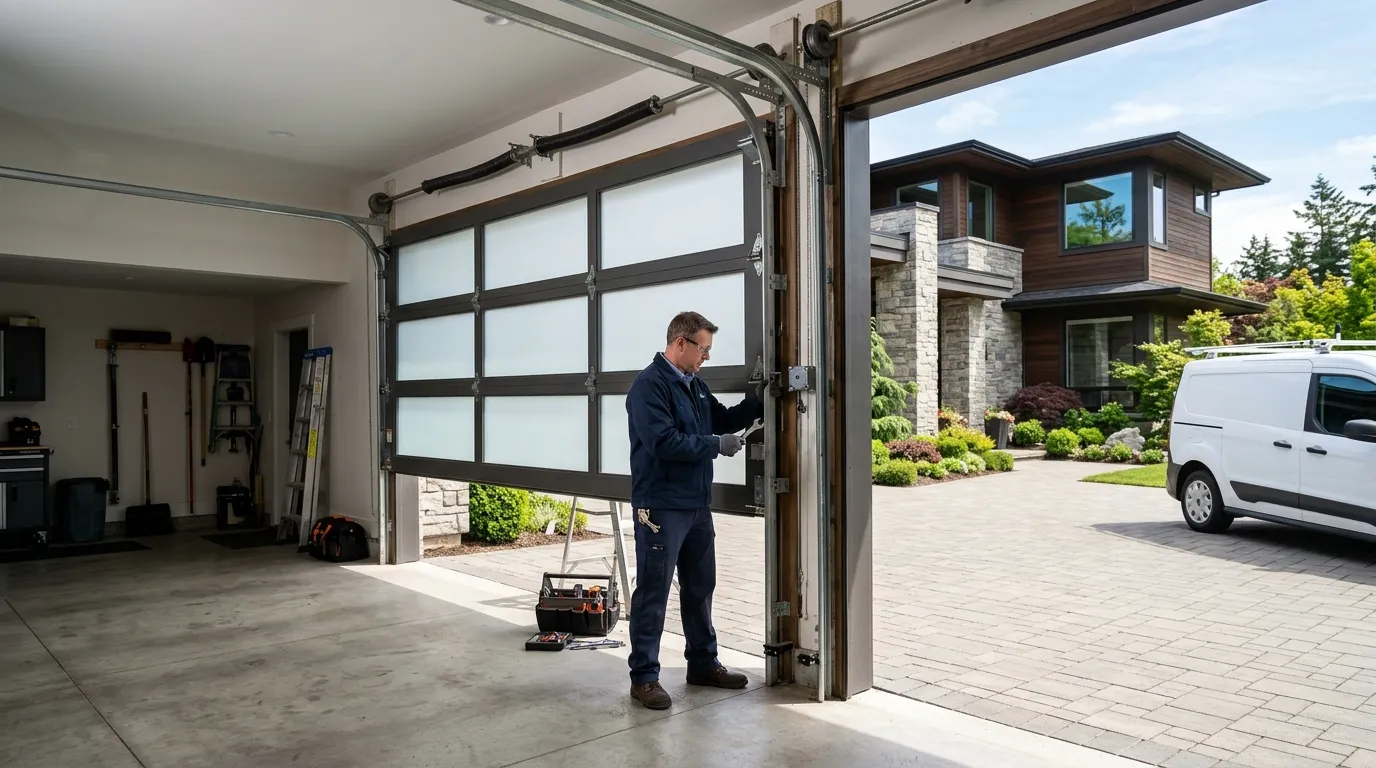
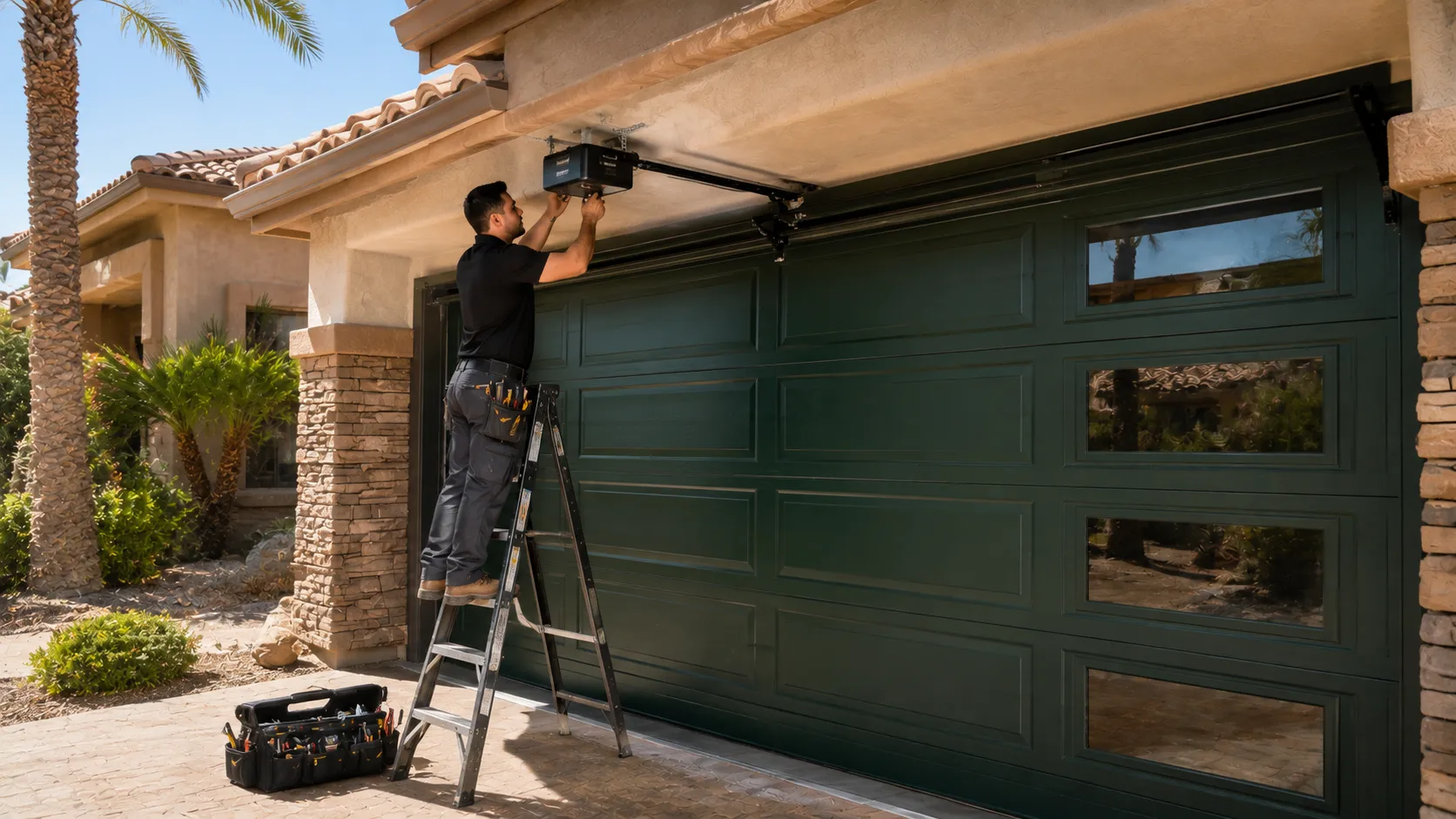
What You Are Seeing
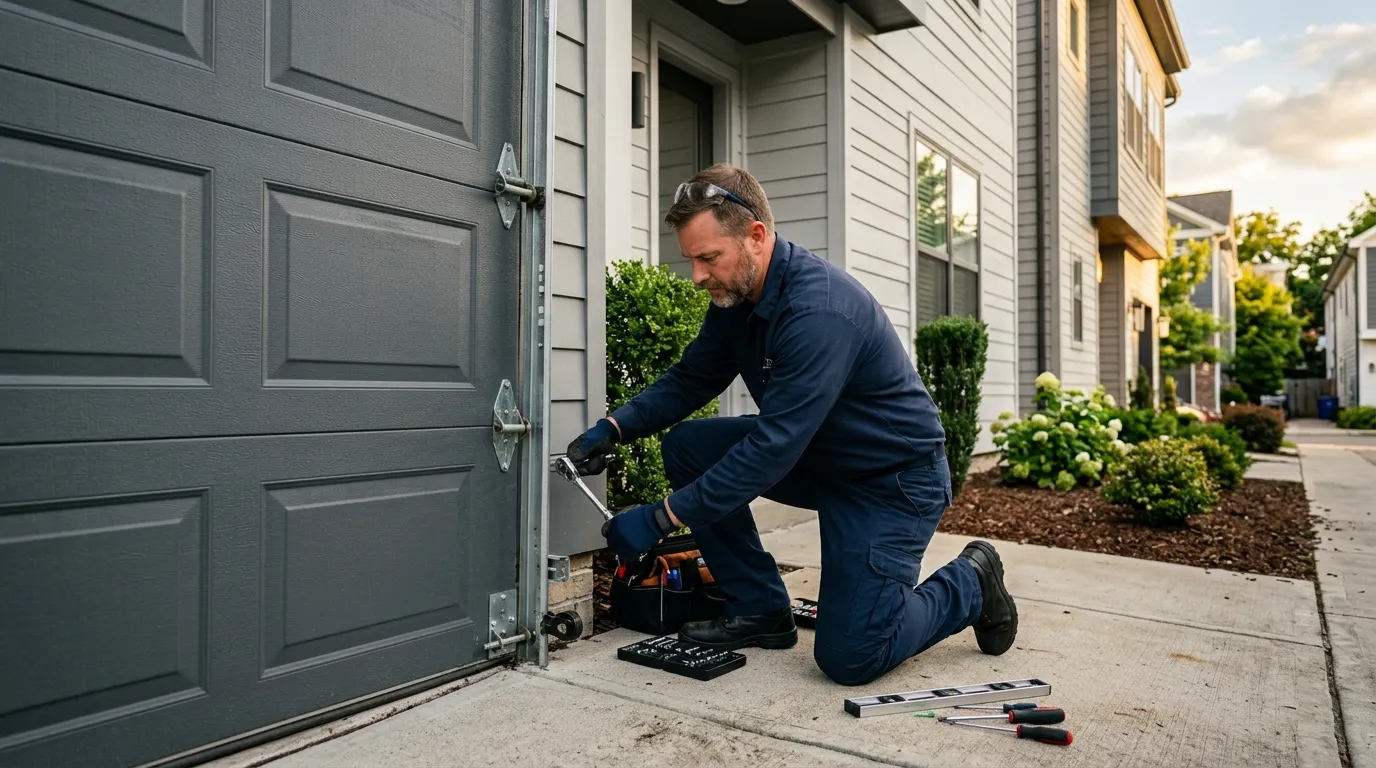
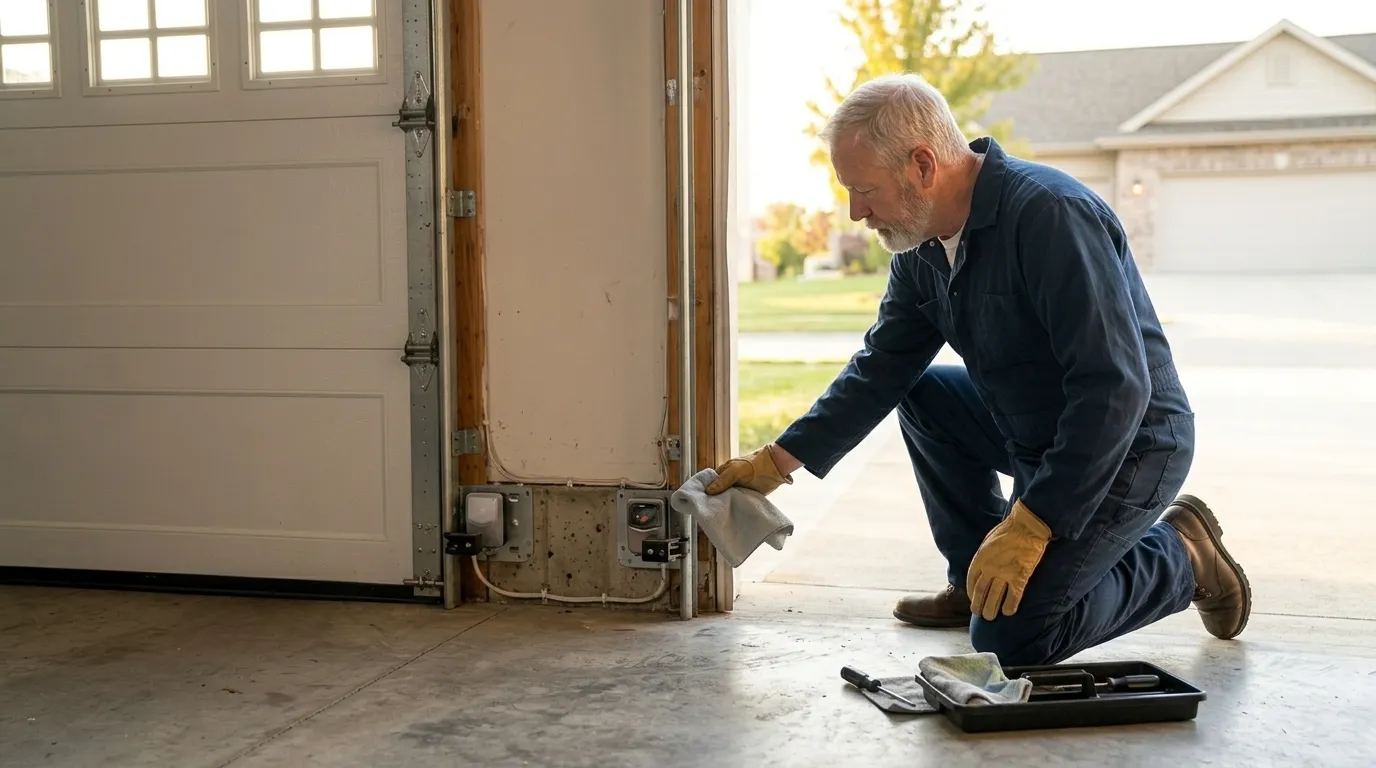
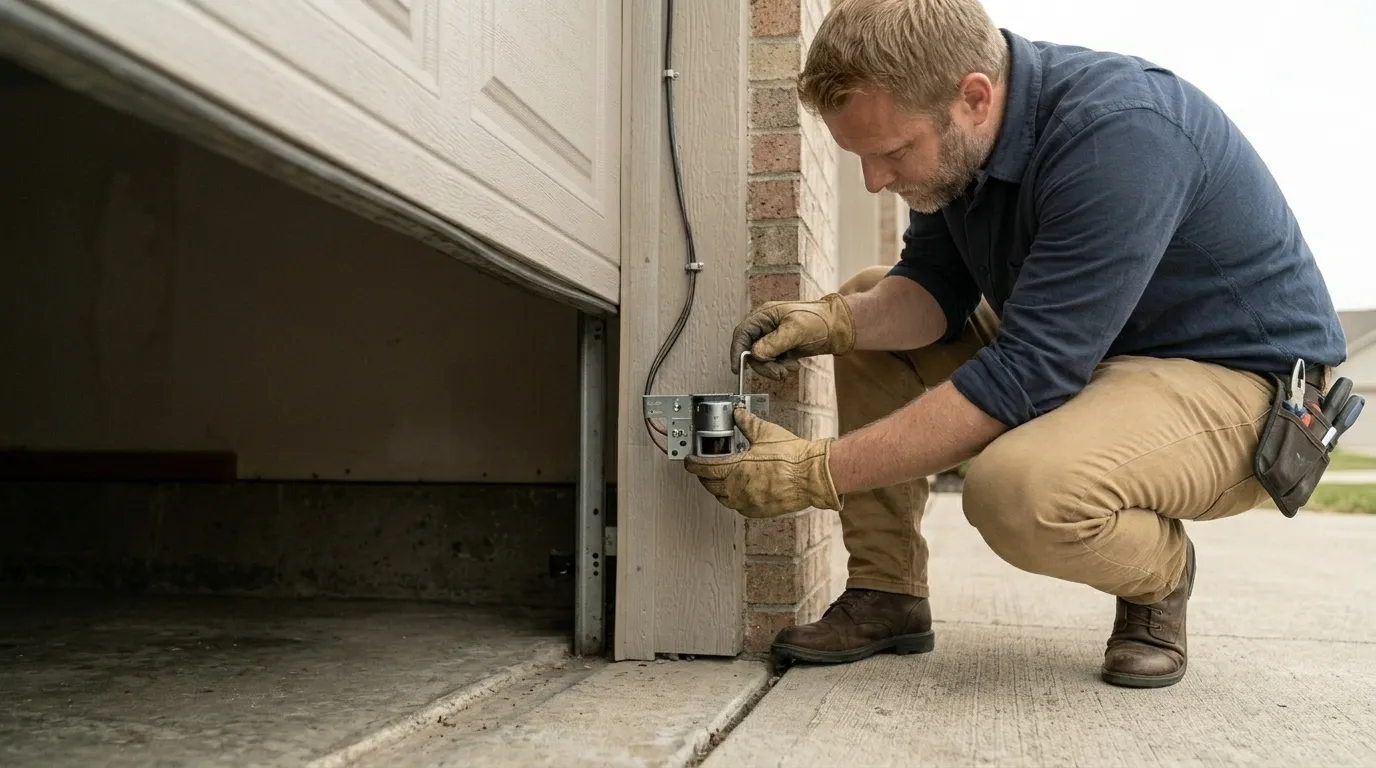
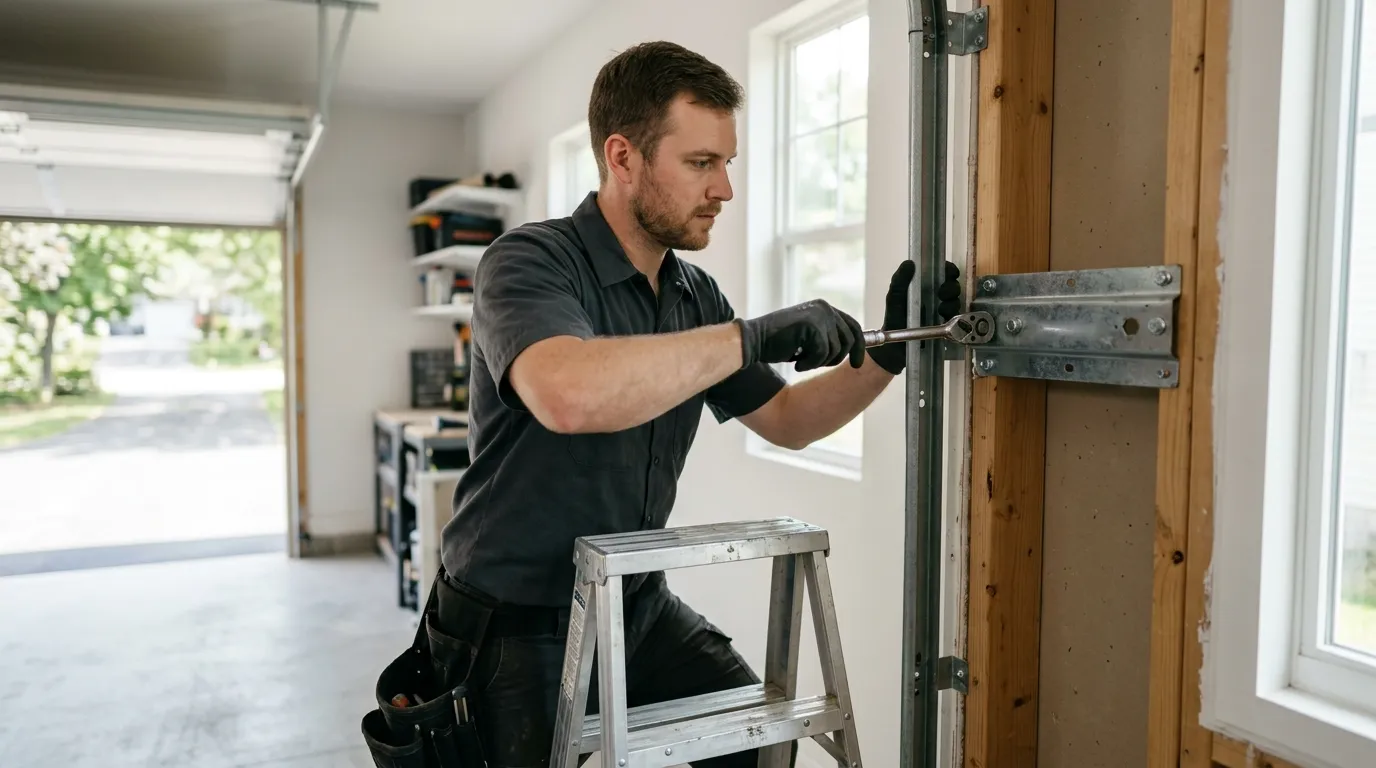
The classic sign is noise that changes as the door moves - a rhythmic grinding or clicking every few inches as each worn roller hits the track. Look at the rollers themselves and you'll often see a flat spot worn into what should be a round wheel, or a wheel that's cracked clean through the nylon face if it was replaced once already. Steel rollers from the original 1962 install show a different failure: instead of cracking, they seize on the axle or wear the bearing surface until the door drags and jerks instead of rolling smooth. Some owners notice the door catching partway up, then freeing itself with a jolt - that's usually a roller that's stopped turning and is now sliding, chewing a flat side into itself with every cycle. Others just notice the door's gotten loud enough to hear from inside the house with the door closed. None of this fixes itself, and none of it is really an emergency on day one - but a roller that's seized and sliding puts extra load on the opener and the track both, so the longer it runs like that, the more it's likely to take down with it.
Why This Fails Locally
This whole service area sits in a climate band the federal data marks as severe cold, and that matters more for a roller than most people expect. Steel rollers and steel track both contract in a hard freeze, tightening tolerances that were already snug when the door was installed back in 1962. Grease that was fine in October turns stiff and gritty by January, and a roller that's already a little worn starts binding instead of turning. Nylon rollers handle the cold better - they don't contract at the same rate as steel, which is part of why they became standard later - but on a door still running its original steel hardware, every winter adds a little more wear on top of what's already there. Across the wider area the housing stock runs mostly pre-1960, so Green Tree's 1962 median is actually on the newer edge of that pattern, but the hardware logic is the same: original steel rollers on original steel track, sixty-plus winters of freeze and thaw working on both. That combination - old hardware, real cold - is the specific reason a roller job here isn't quite the same as a roller job on a house built in 2005.
How Long It Takes
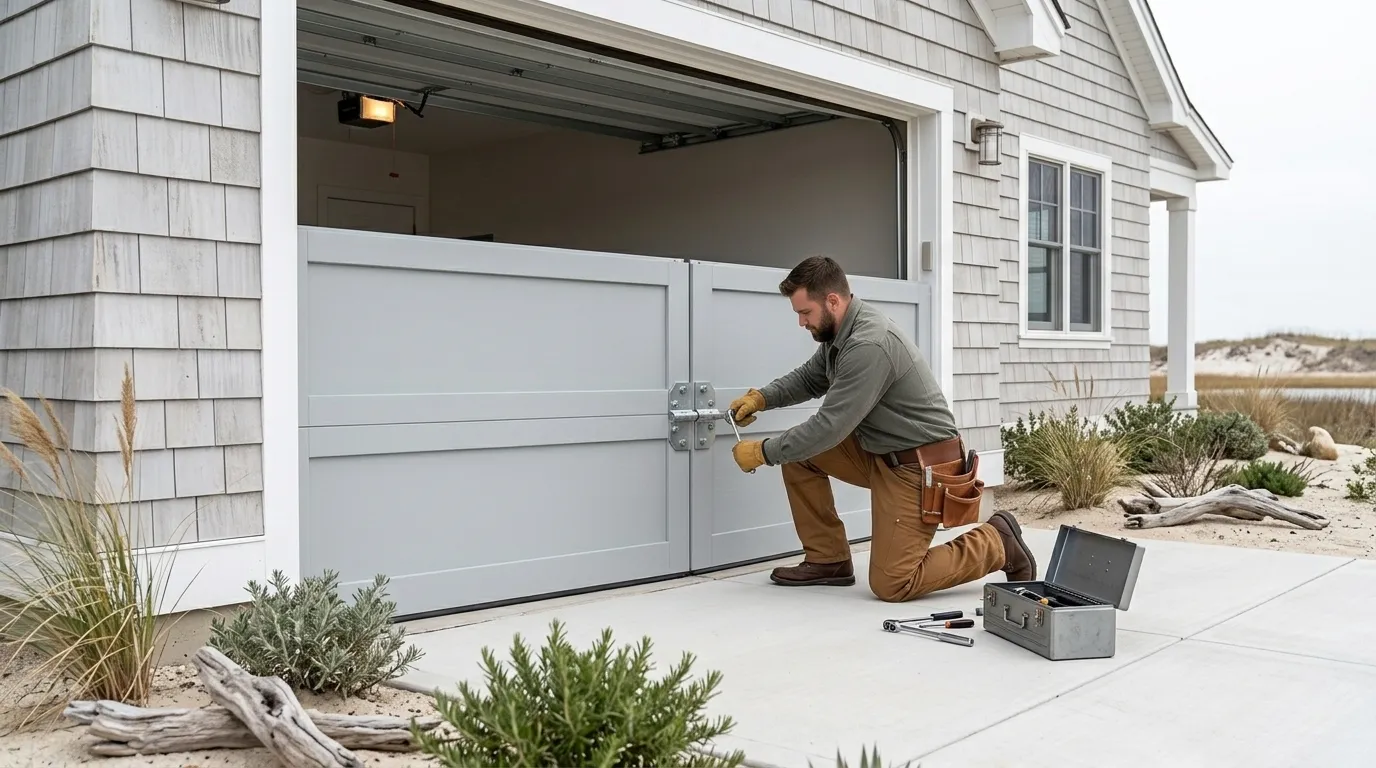
A straightforward roller swap - old rollers out, new sealed-bearing rollers in, door tested and adjusted - is a same-visit job in most cases. It's mechanical work with no curing time and no parts that need to settle in. What stretches it out is everything found once the door's open: a section of track that needs straightening or swapping, a roller that's seized so badly it won't slide free without extra work, or a spring that turns out to be the real reason the door's been fighting. On a house with original 1962 hardware, it's common enough to plan for that possibility rather than assume every call is the fast version. The other variable is simply how many rollers are bad - replacing two worn rollers on one side takes less time than replacing the full set on both tracks, especially if the top rollers near the spring need extra care to access safely.
Stocked Parts
For a house built around 1962, the parts that matter are sealed-bearing rollers sized to match older steel track, along with the track sections and brackets to replace anything that's worn out of round. Nylon rollers are the standard replacement now, and they hold up better through a hard winter than the original steel ones did - that's the upgrade most owners choose once they know their options. For more on what a roller job involves and how it's priced generally, see the roller replacement page for the Pittsburgh service area. For other work on doors in this suburb, there's also the Green Tree garage doors page.