Detached and Attached Garage Doors Don't Age the Same Way Here
Pittsburgh's housing stock runs 1938-2014 with a median build year of 1955, and the cold-severe climate treats detached and attached garages very differently. Here's what that means for your door.
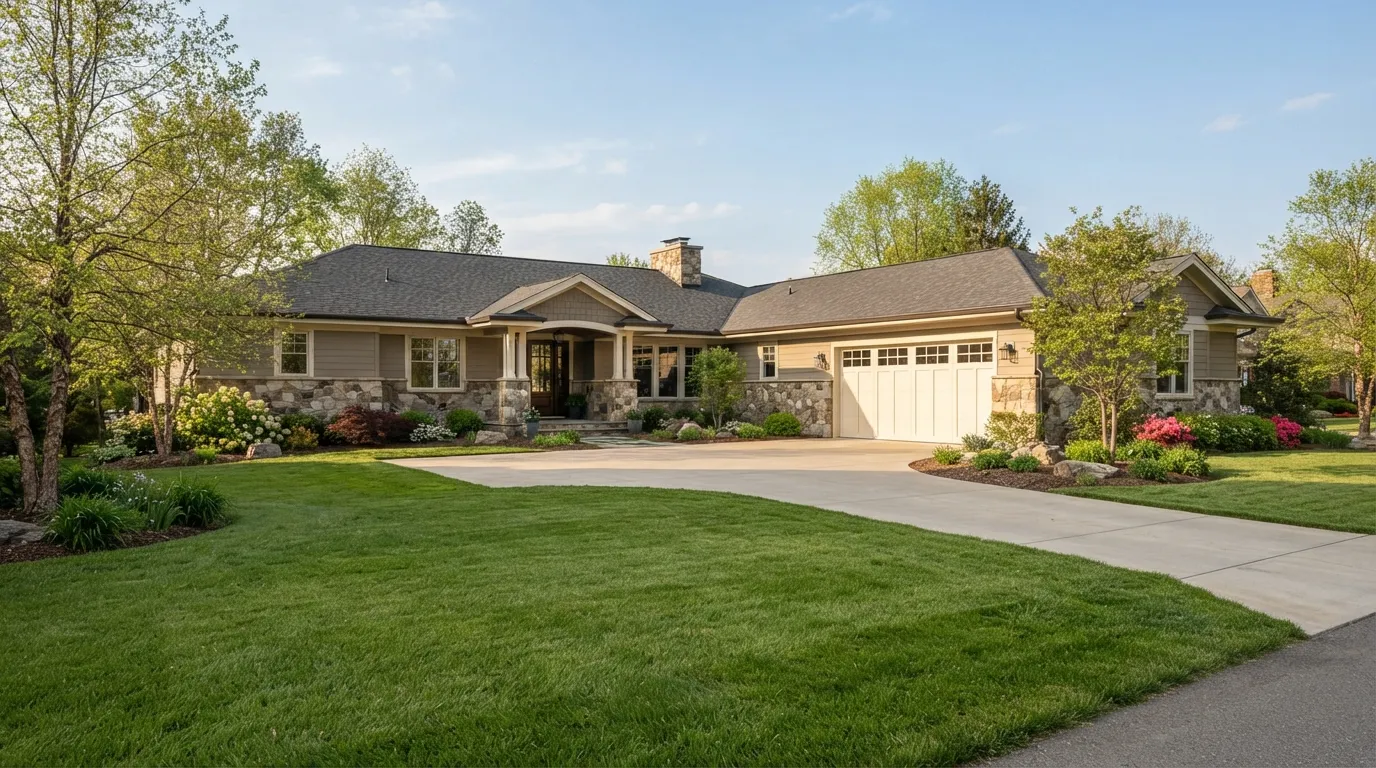
Pittsburgh's housing stock runs from 1938 up through 2014, but the median build year across the area sits at 1955. That number matters more than people think. A garage built onto a 1955 house usually predates any code requirement for a thermal break between the garage and the living space, and it predates modern header and track hardware too. Whether that garage is attached or standalone changes what the cold does to it.
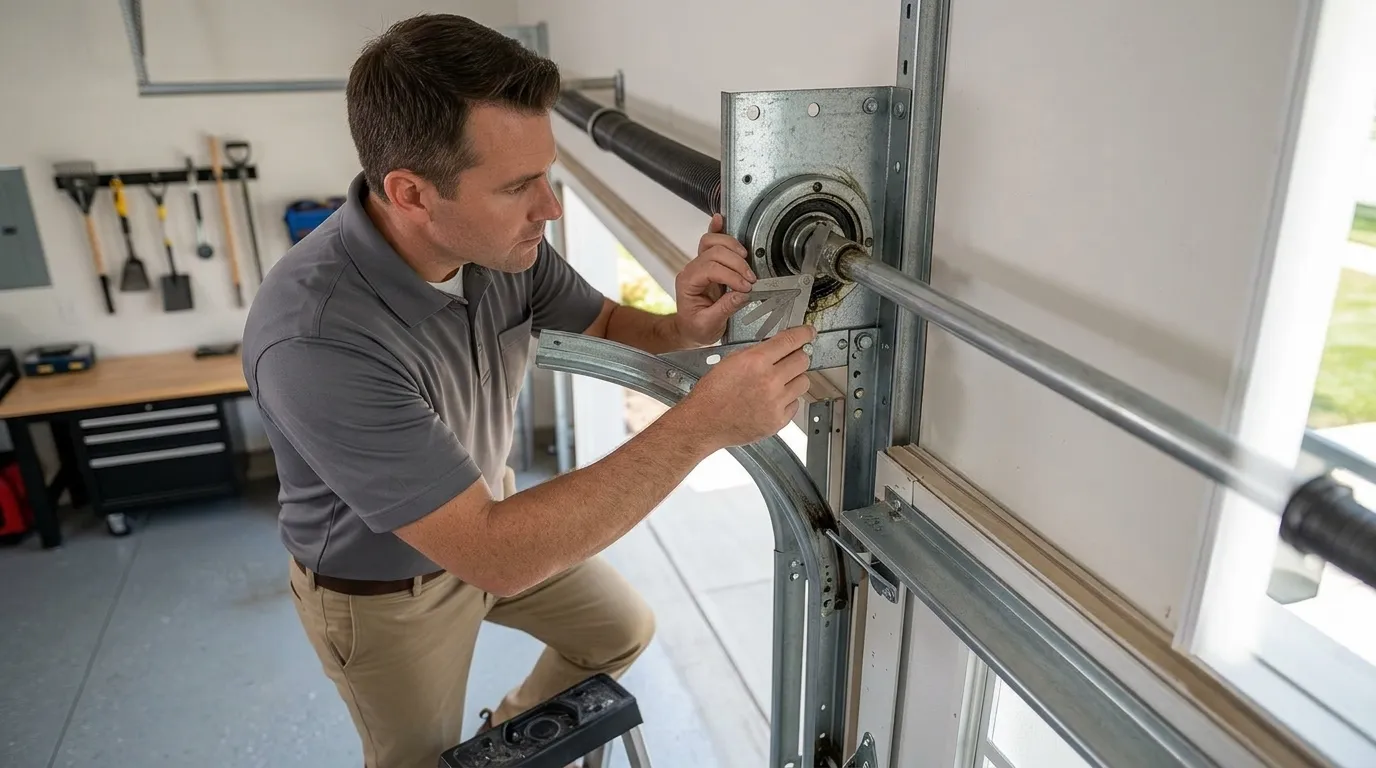
This area sits in a cold-severe climate band. A detached garage has no shared wall with the house, so it swings close to outdoor temperature all winter - the steel in the door, the springs, the roller bearings, all of it contracts and stiffens with nothing to buffer it. An attached garage picks up a little residual warmth through the shared wall and often the ceiling, which is why an attached door on the same street can hold its adjustment through a cold snap while a detached one two doors down starts binding on the track.
We don't have a count of how many garages here are attached versus detached, so we're not going to guess a ratio. What we can tell you is that the difference in exposure is real and it shows up first in the hardware - spring tension, roller wear, weatherstrip compression - not in the door panel itself.
The Cost of This Job
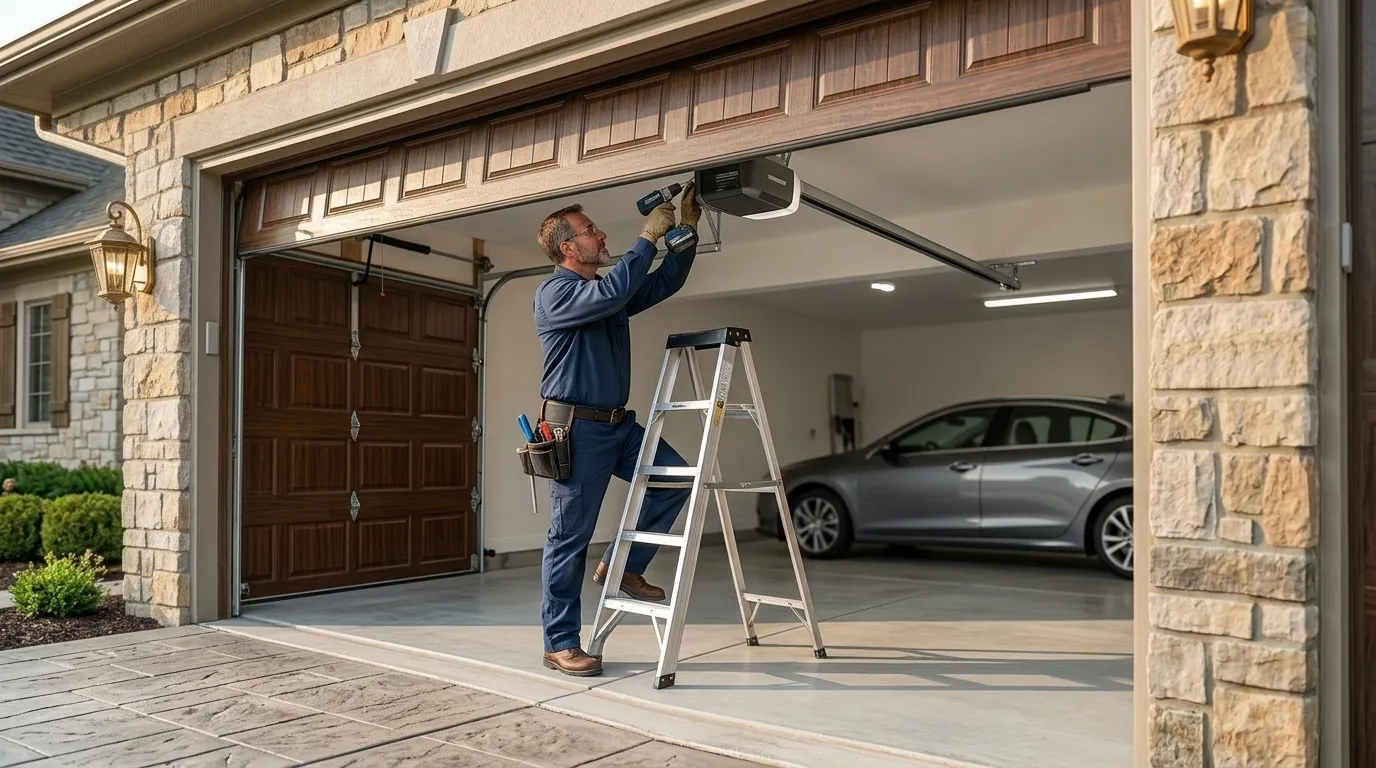
We're not going to quote a number here we can't back up, so instead here's what actually drives the cost difference between the two setups. A detached garage usually means a longer run from the house to the opener's power source, sometimes a separate circuit, and more exposed wall for weatherstripping and insulation to fail on. An attached garage is typically wired off the same panel as the house and shares at least one insulated wall, so labor on an attached job tends to be more contained - less time spent running conduit or troubleshooting a circuit nobody's touched since the house was built in the 1950s.
Age plays into it too. With median construction at 1955, a lot of these doors and openers are not original, but the header framing and track mounting often are. Retrofitting a wider modern door onto old framing takes more time on a detached structure that was framed to different tolerances than the attached garages built later in that 1938-2014 range.
The honest limitation: we can't tell you what your job costs without seeing the opening, the framing, and the current hardware. Anyone quoting a flat number over the phone for a detached garage in a cold-severe climate is guessing.
Doing Nothing For Now
Waiting is a different bet depending on which kind of garage you have. In a detached garage with no heat source at all, a cold-severe winter is hard on a spring that's already fatigued - the steel doesn't flex the way it does in summer, and a spring that's marginal in October can snap in January. Ice buildup on an unheated track is also more common in a structure with no warmth bleeding in from the house.
In an attached garage, the same fatigue happens more slowly because the space stays a few degrees warmer, but there's a different cost to waiting: a door that's dragging or not sealing well is now losing heat into a wall that's next to a bedroom or a kitchen, not just an empty yard. That's not a garage problem anymore, it's a house heating bill problem.
We won't tell you every noisy door is an emergency - plenty of them will run through another season fine. But a door that's icing on the track, or one on a detached structure that's starting to bind, is not one to leave for spring. Cold-severe winters don't wait for convenient timing.
The Problem
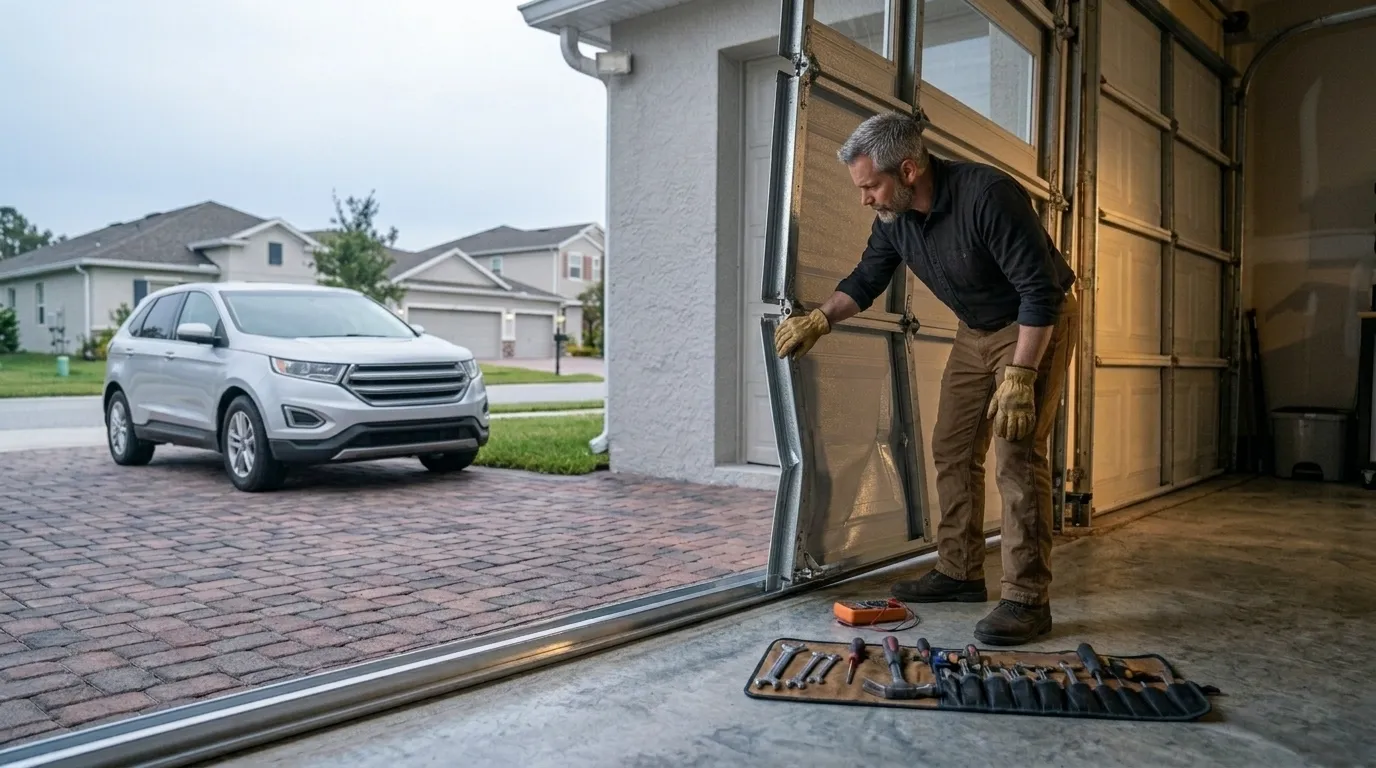
The core issue in this market is a mismatch between hardware age and structure type. Houses here were built anywhere from 1938 to 2014, with most of that stock going up before 1960 - original framing, original headers, sometimes original track mounts even where the door and opener have been swapped out once or twice since. A detached garage from that era was framed as its own small building with its own tolerances, and it doesn't always match what a modern door and opener expect. An attached garage from the same era usually shares at least one wall's worth of structure with the house, which changes how it moves in the cold and how much play the track can tolerate before something binds.
Across the households we could serve - a mix of owner-occupied and rental across a service area holding roughly 279,154 households - the split between attached and detached isn't something we have a hard number for, so we won't invent one. What we do know is that the fix for a detached-garage door problem and an attached-garage door problem in a cold-severe climate is rarely the same fix, even when the symptom looks identical from the driveway.
How it works
From “it’s stuck” to “it’s fixed”
01
Tell us what’s wrong
Describe the symptom - won’t open, loud bang, opener runs but the door won’t move.
02
On-site diagnosis
A technician tests the door under power and by hand and finds what actually failed.
03
Clear, up-front plan
You get the fix that’s needed and what drives the cost - before any work starts.
04
Repaired & tested
The repair is done, the door is set true and tested, and the work area left clean.
Serving Pittsburgh, PA - tell us what your door’s doing and we’ll take it from there.
Does a detached garage need a different door than an attached one?
Not necessarily a different door model, but the hardware setup often differs. A detached garage in a cold-severe climate has no shared wall to buffer temperature swings, so springs and rollers take more stress. We size the hardware for the exposure, not just the opening.
Why does my attached garage door feel warmer to the touch than my neighbor's detached one?
An attached garage usually shares at least one wall with the heated house, so it holds a bit of residual warmth. A detached structure has no heat source at all, which is why the steel and springs run colder and stiffer through a Pittsburgh winter.
My garage is original to a 1950s house - is that a problem?
Housing here has a median build year around 1955, so this is common. The issue usually isn't the door itself but the original header and track mounting, which weren't built to modern tolerances. We check that before recommending a fix.
Can you just quote me a price over the phone?
Not honestly. Attached and detached garages price out differently depending on wiring runs, wall insulation, and original framing, and we won't guess a number without seeing the opening.
Ready to get your garage door sorted?
Tell us what it’s doing and where you are in Pittsburgh - we’ll take it from there.