What the Repair Takes
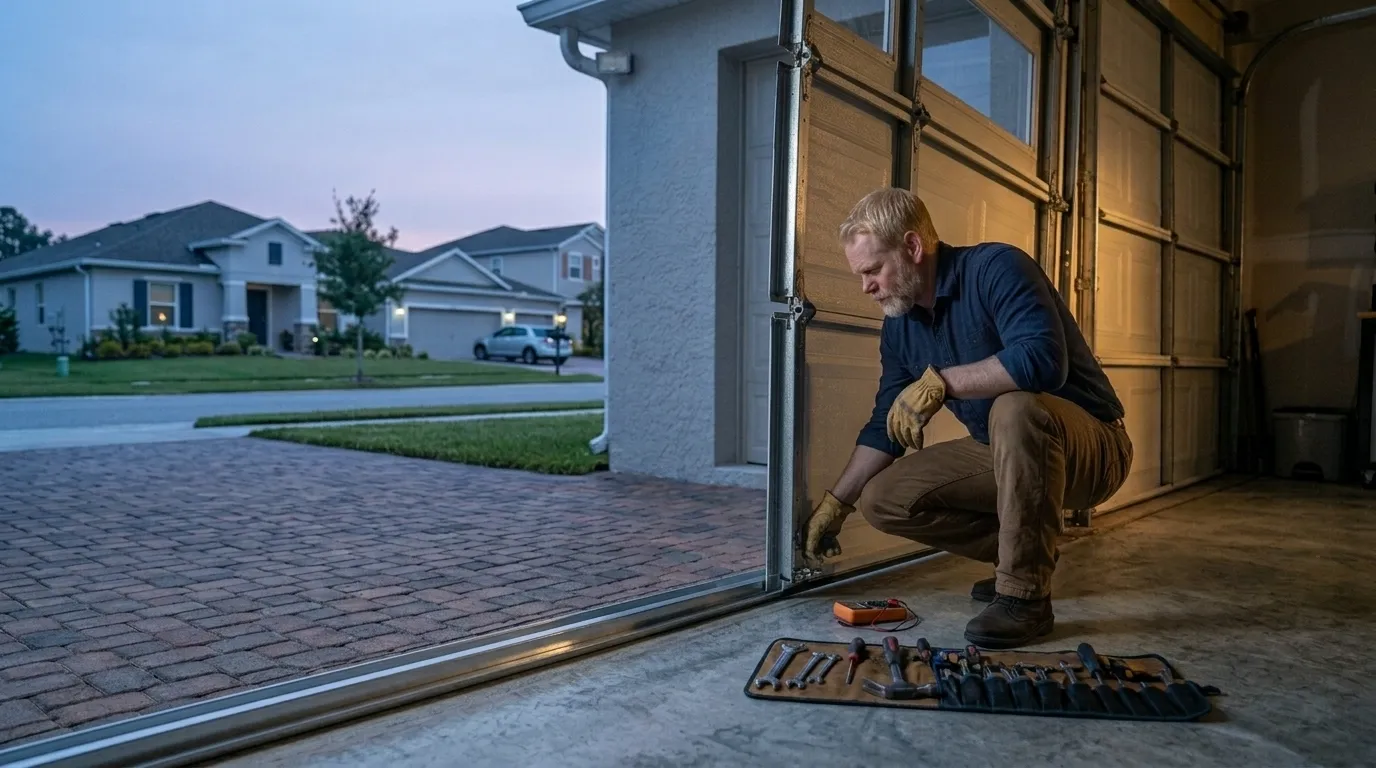
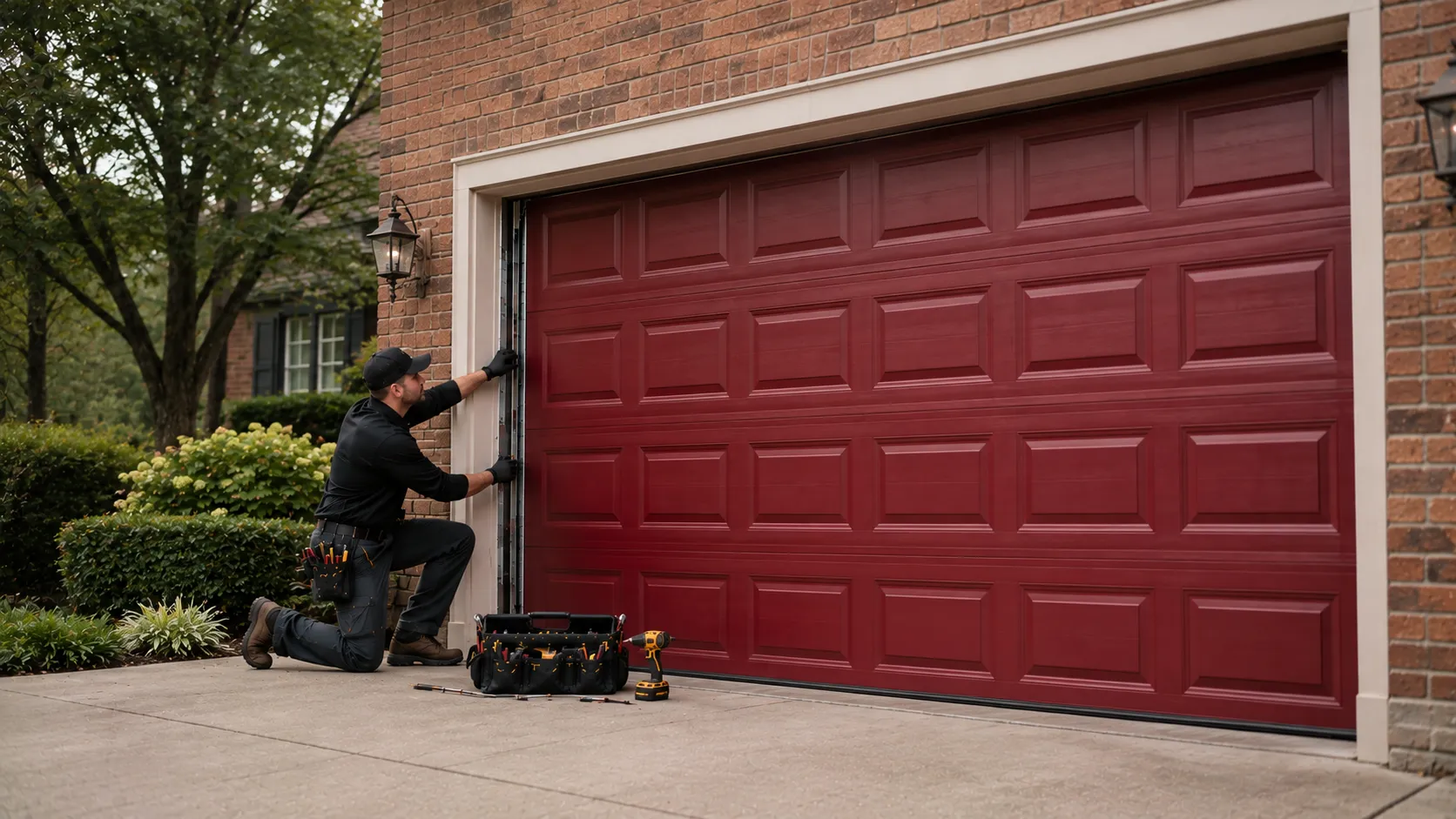
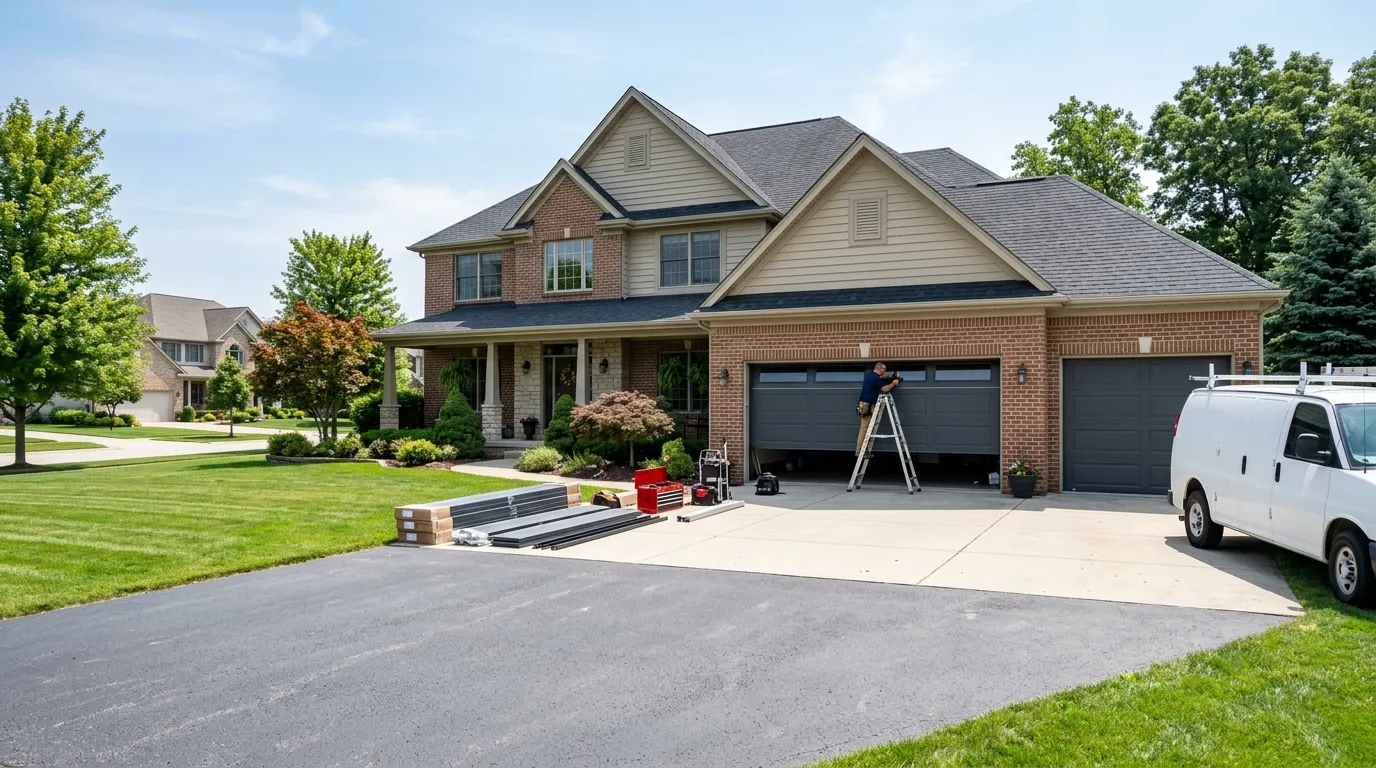
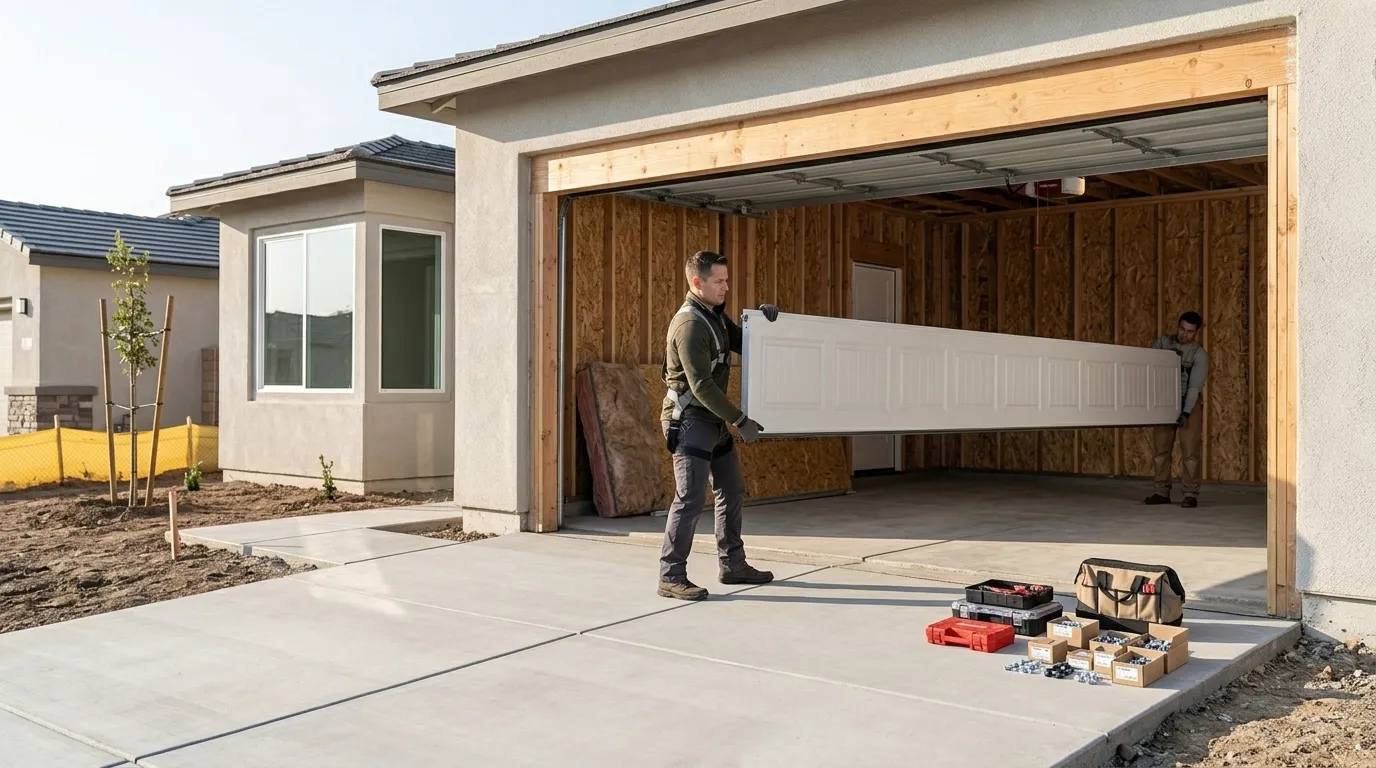
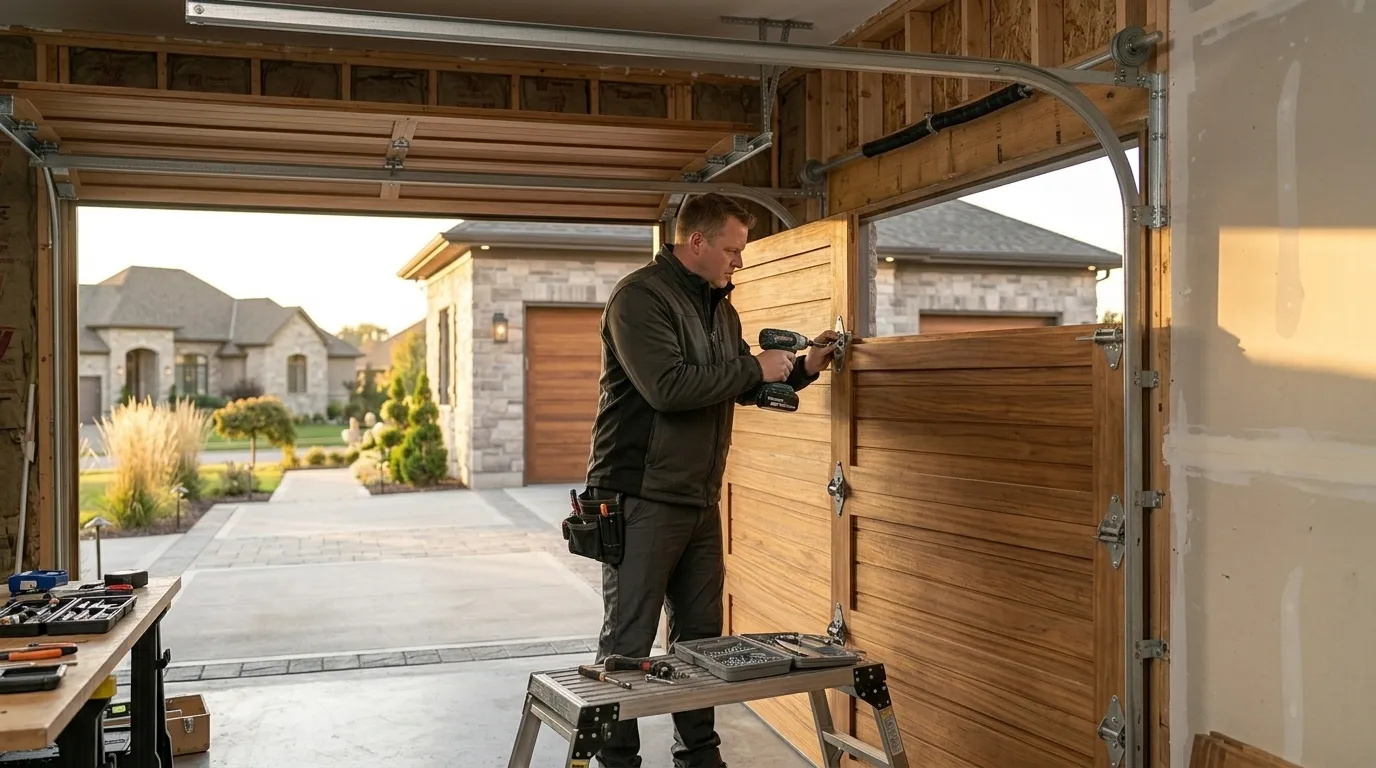
An install job on one of these older Pittsburgh houses usually starts with the opening itself, not the door. We measure the jamb, check square, and look at whether the original framing has shifted enough over the decades that we need to shim or rebuild part of the header before a new door will seat right. On homes from the 1938-1955 range, this step matters more than the door choice itself - a door hung slightly out of square in a cold climate will bind by December no matter how good the panel is.
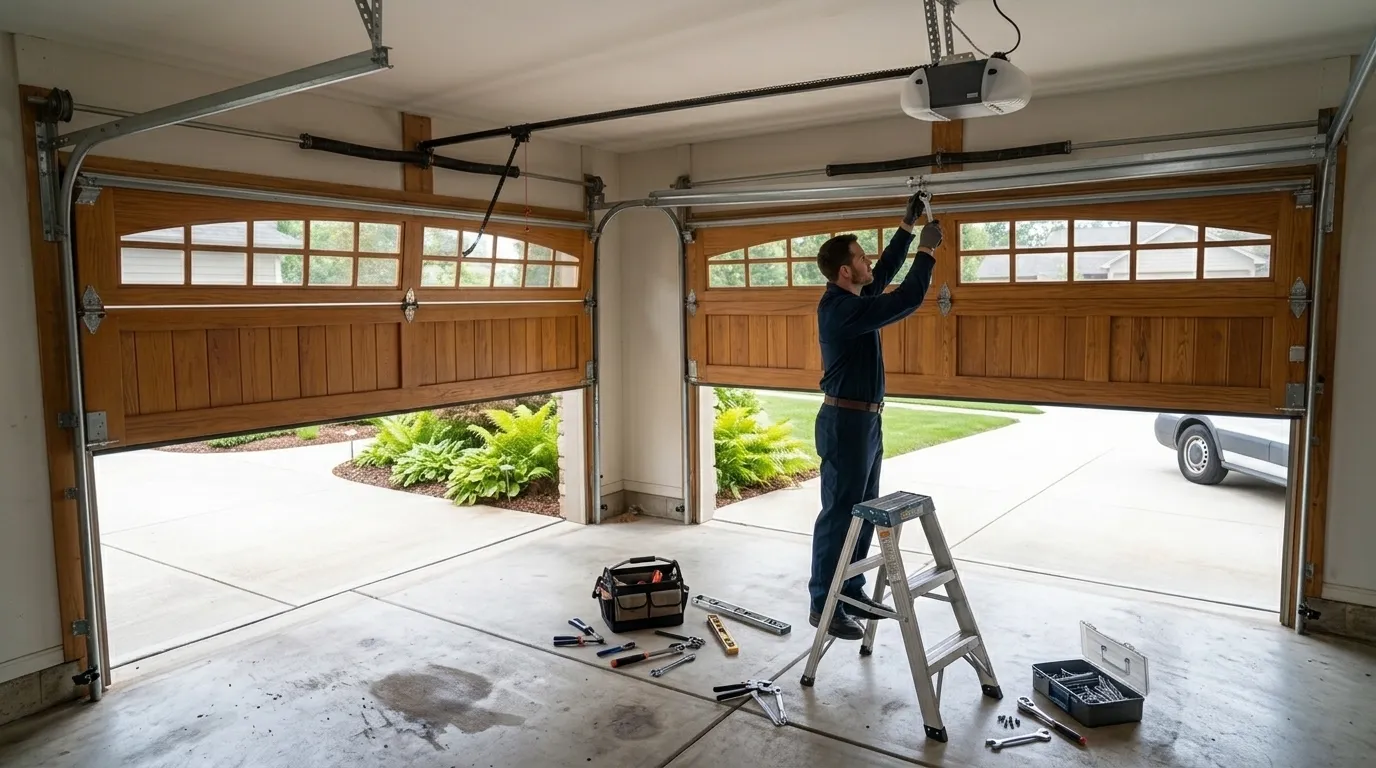
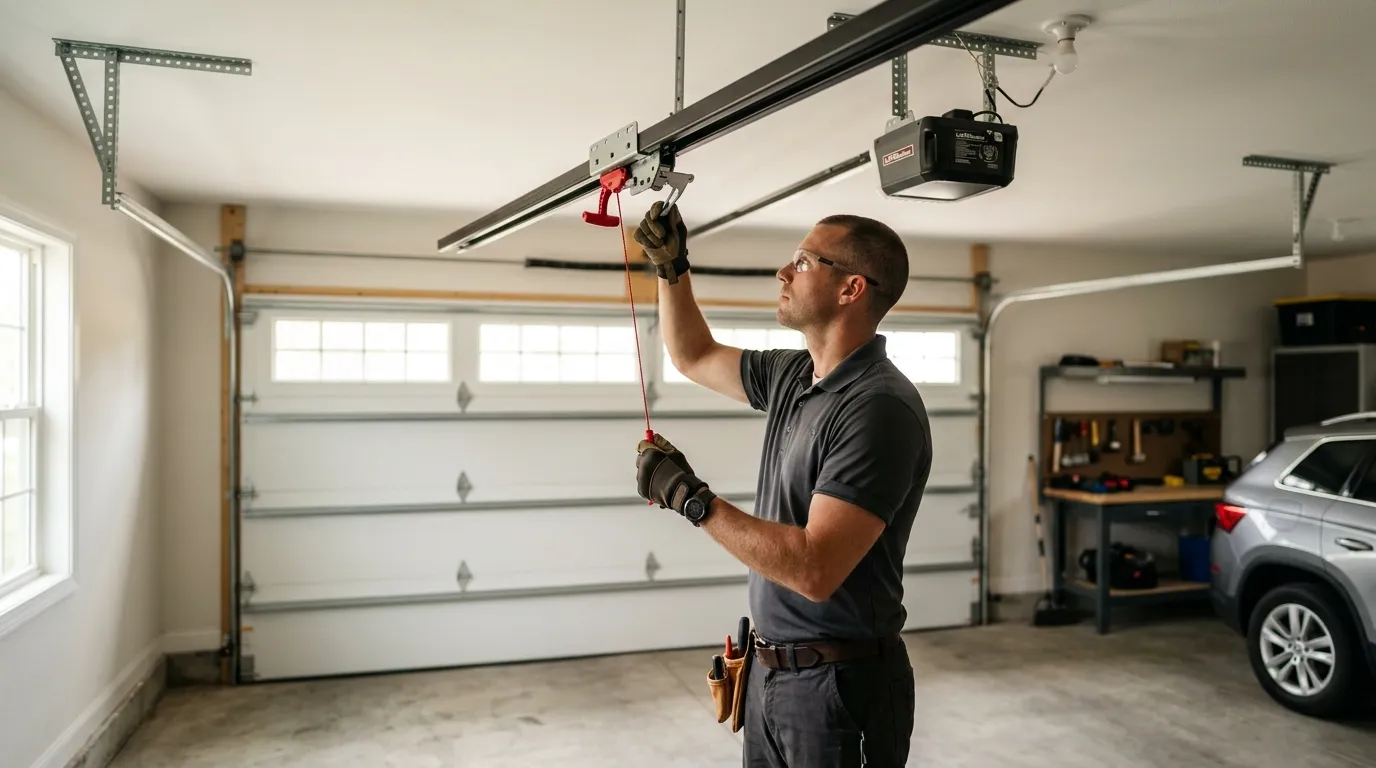
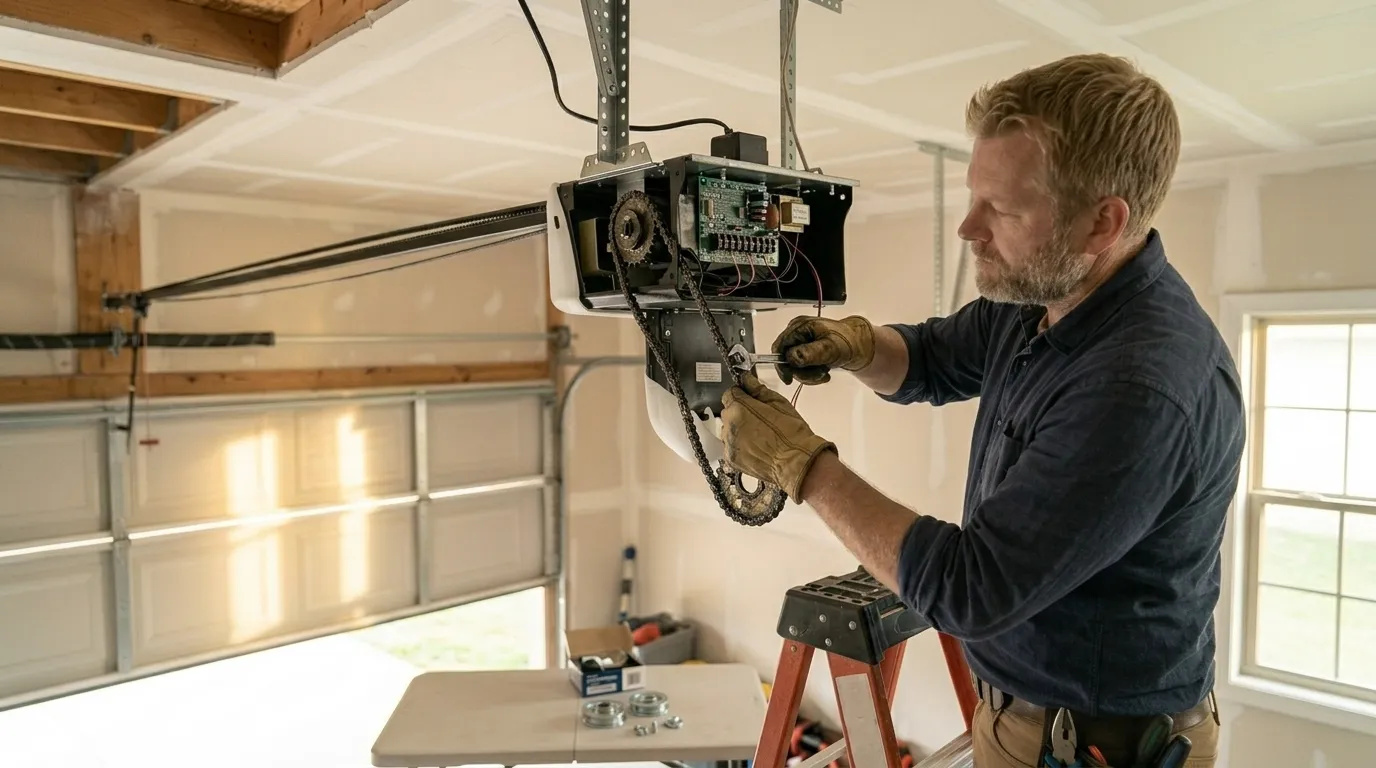
After the opening is squared, we swap the track and rollers to match the new door's weight, since original hardware from that era is rarely rated for a modern insulated section. Springs get sized to the door and the opening, not reused from the old setup - cold-climate torsion springs need to be matched to actual door weight or they'll fail early in winter. We test balance, check the auto-reverse if an opener is going in, and run the door through a full cycle before we call it done.
One limitation worth saying plainly: if the opening itself needs structural framing work beyond a shim and header reinforcement, that's carpentry, not a garage door job, and we'll tell you before we start rather than force a door into a bad opening.
What You Are Seeing
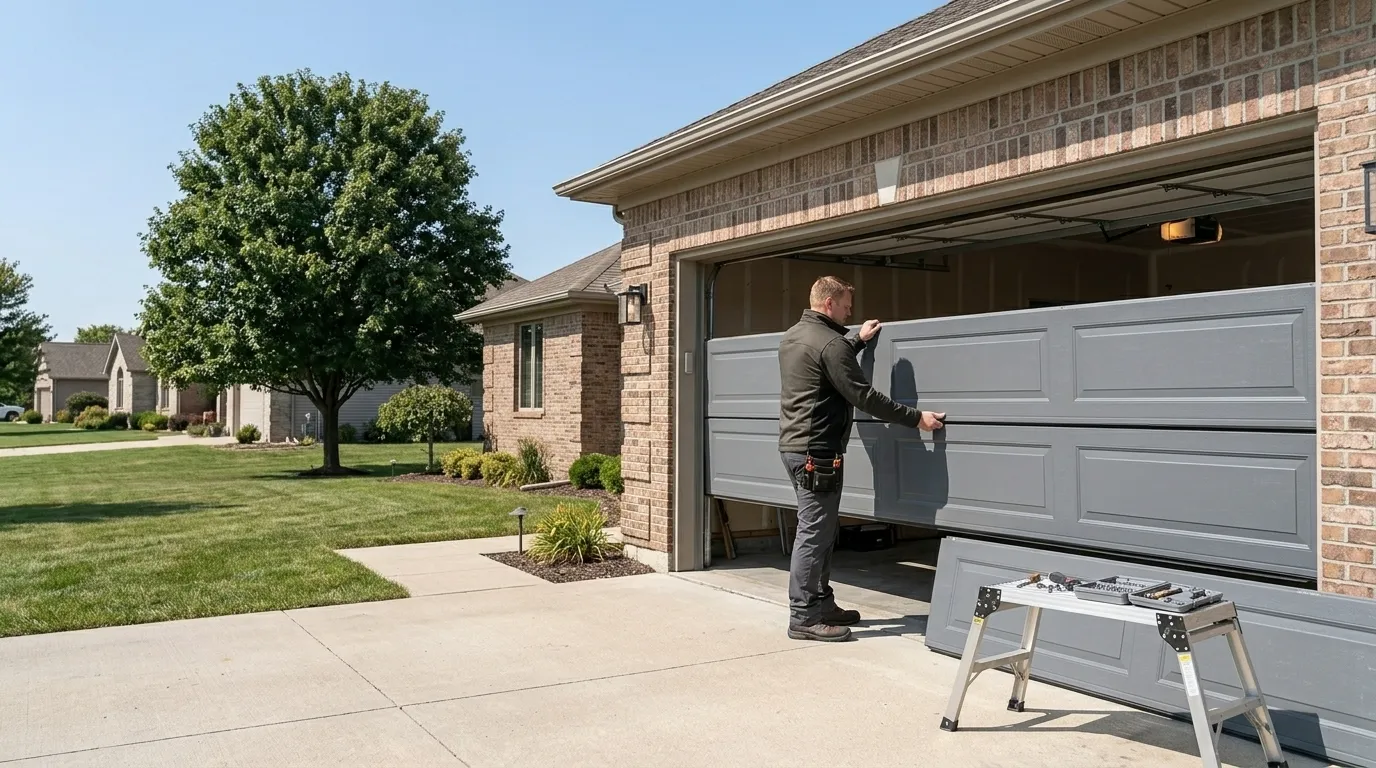
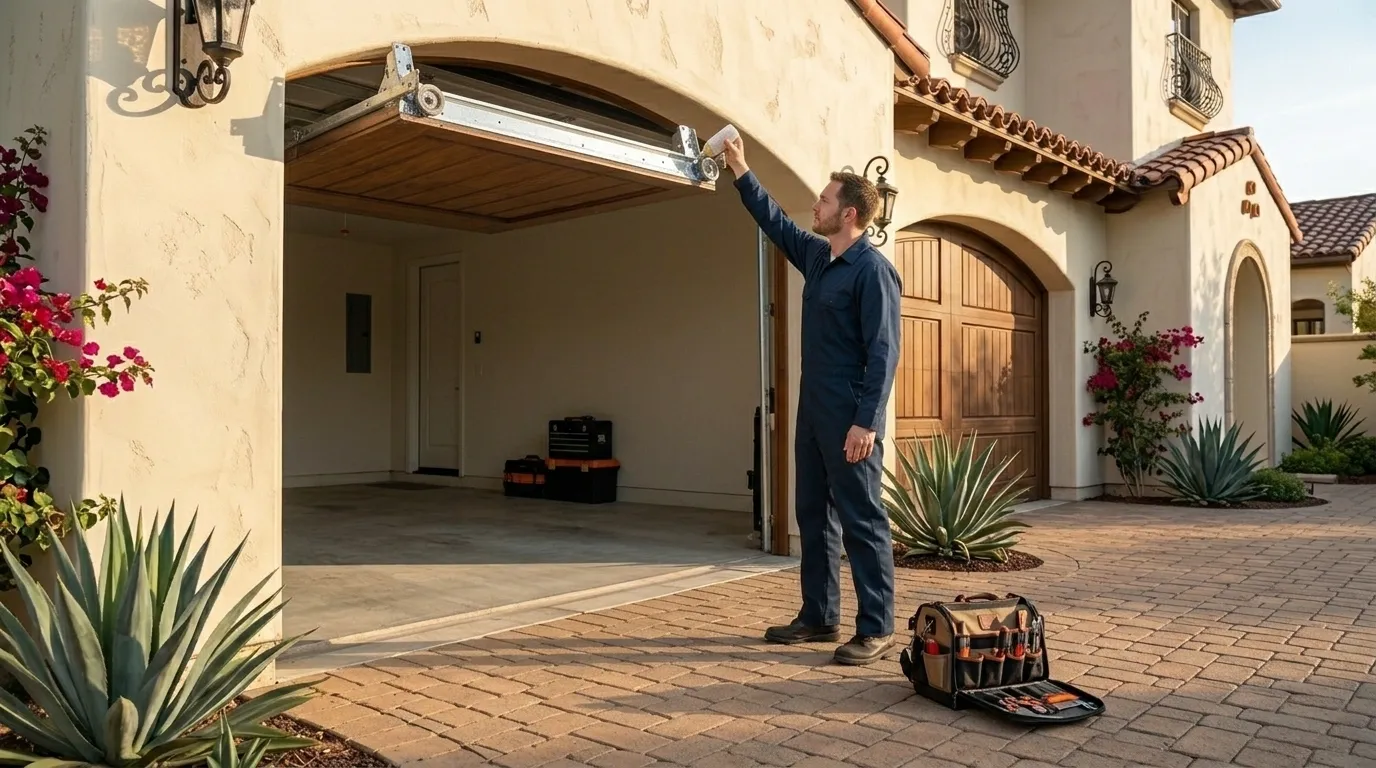
If you're looking at installation instead of repair, you're probably seeing one of a few things common to this area's older stock: a door that's stuck half-open because the track twisted with a settling foundation, a panel that's rusted through at the bottom from decades of Pittsburgh winter salt and slush, or an opener straining against a door that's become too heavy for its original spring setup after past repairs added weight without adjusting tension.
On the hillside neighborhoods - Hazelwood, Beechview, Carrick, Hays - we also see openings where the original single door was on a slope that's shifted slightly over the years, so a new door needs custom track angling rather than a straight off-the-shelf hang. In flatter areas closer to Downtown and the Hill District, it's more often just age: the door is the same one from 1962 and every part on it is original.
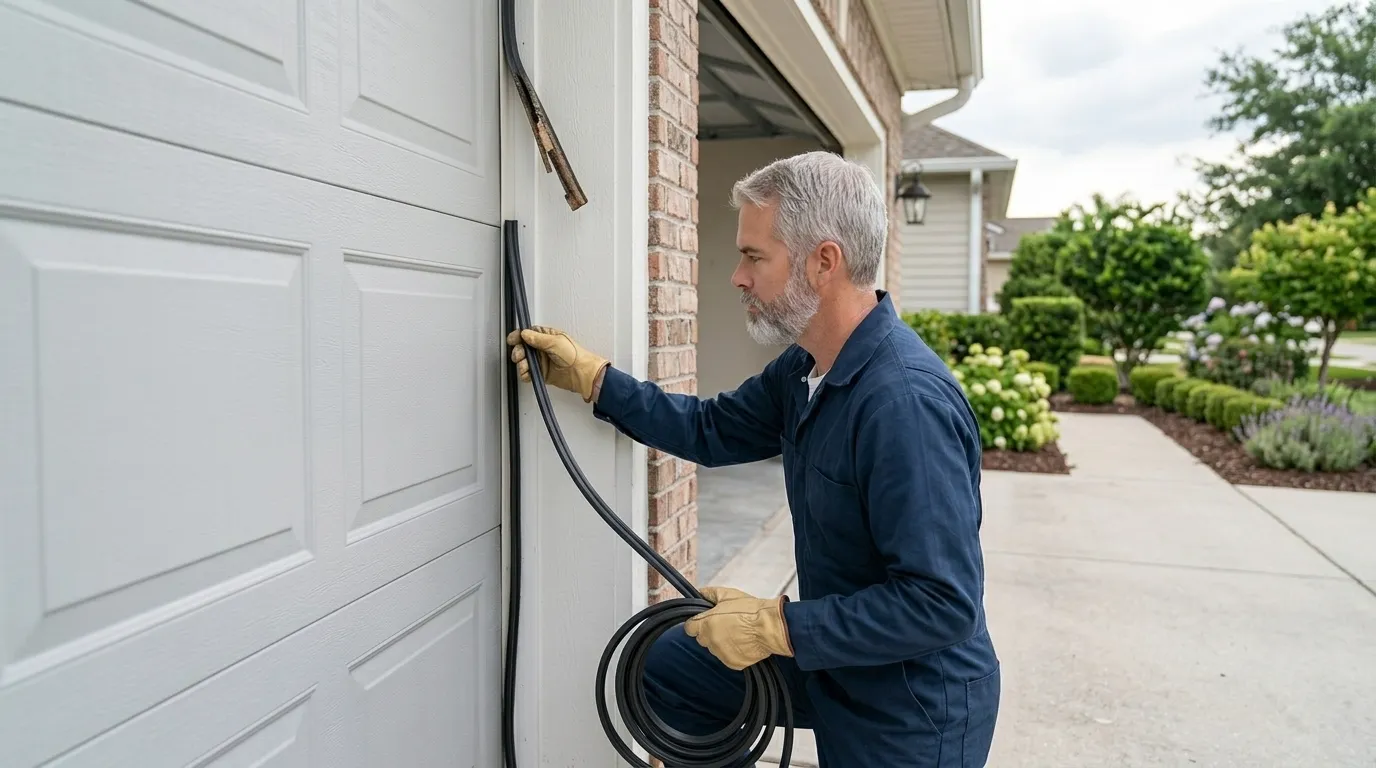
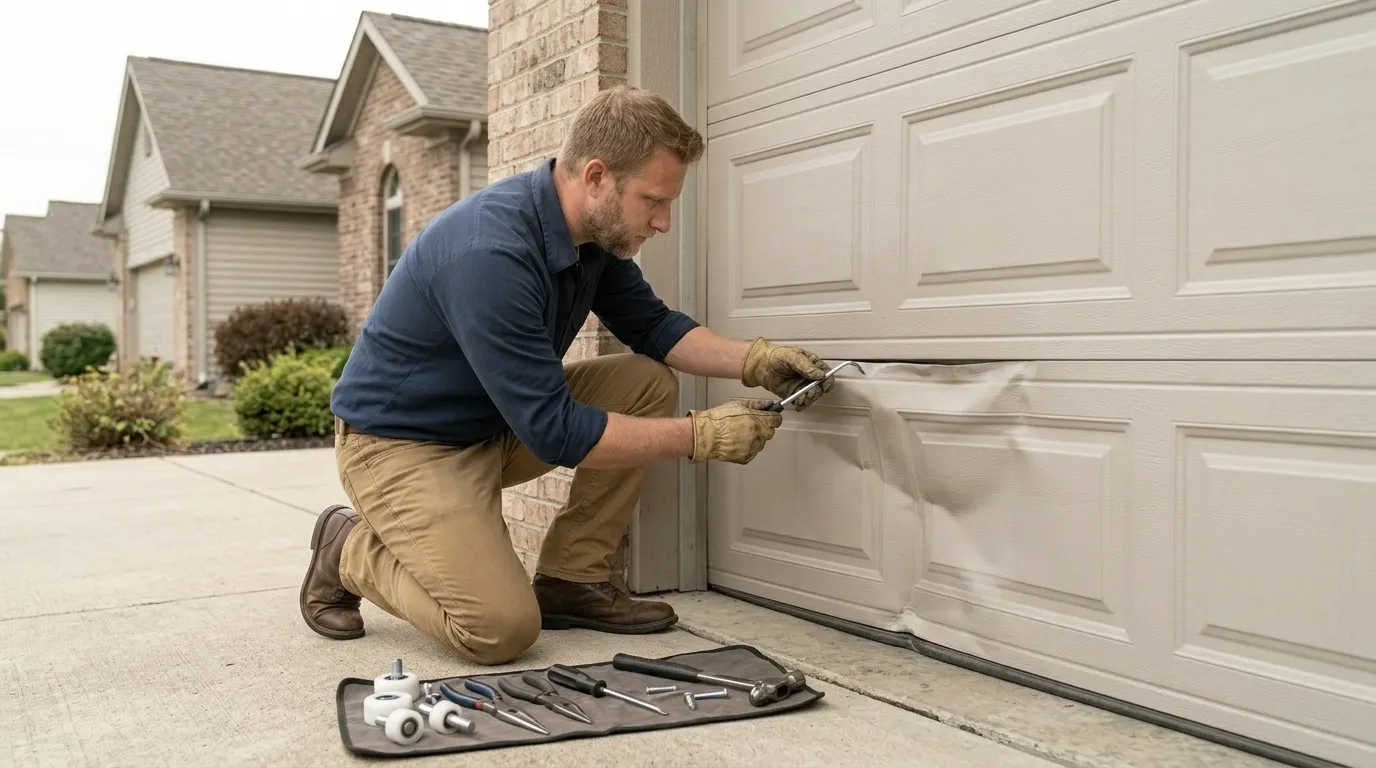
Either way, once you see daylight gaps at the panel seams, a door that won't stay level when it opens, or hardware that's visibly pitted with rust, that's not a spring adjustment or a roller swap. That's a door that's reached the end of what repair can reasonably fix, and installation is the honest answer rather than another patch job.