Why Safety Sensors Keep Drifting in Pittsburgh Garages
Pittsburgh's pre-1960 housing stock and severe cold push safety sensor brackets out of alignment. Here's why it happens here and what the fix actually costs.
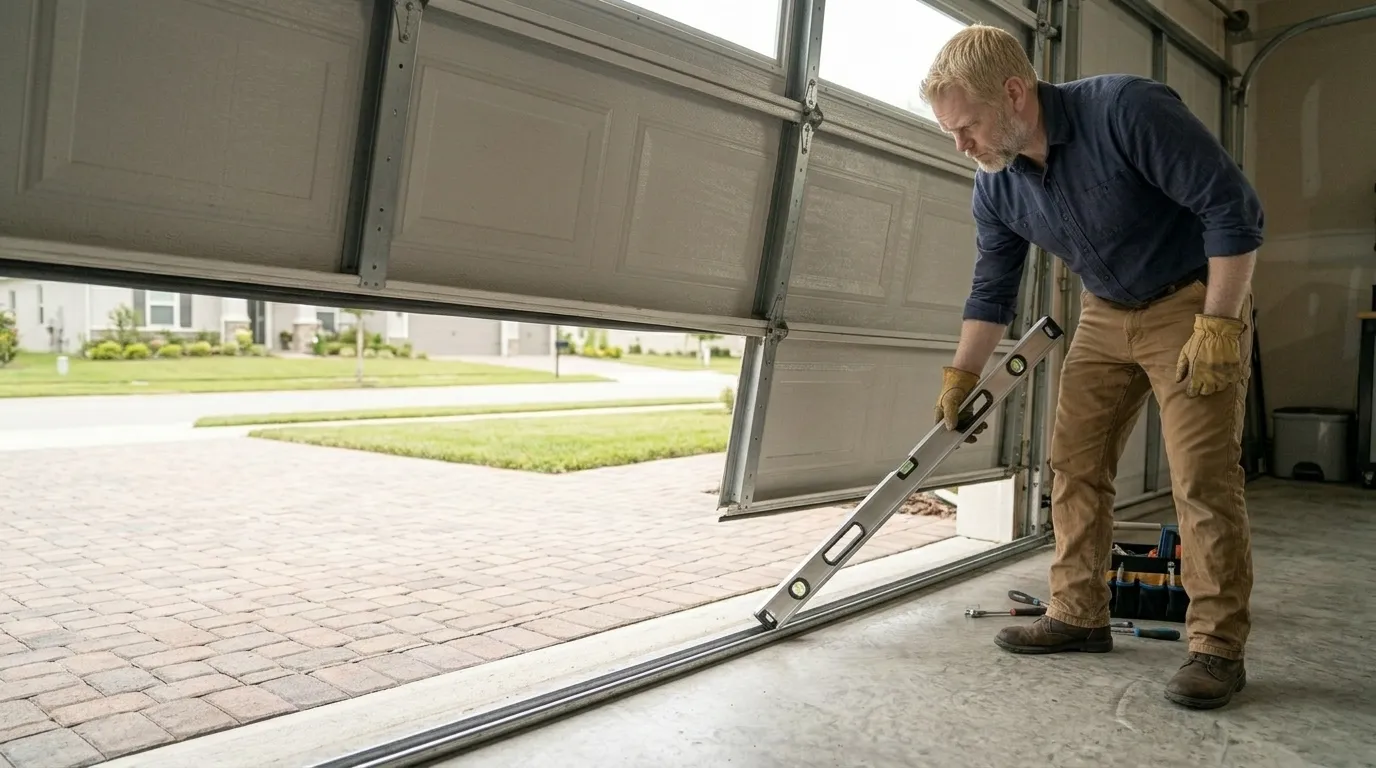
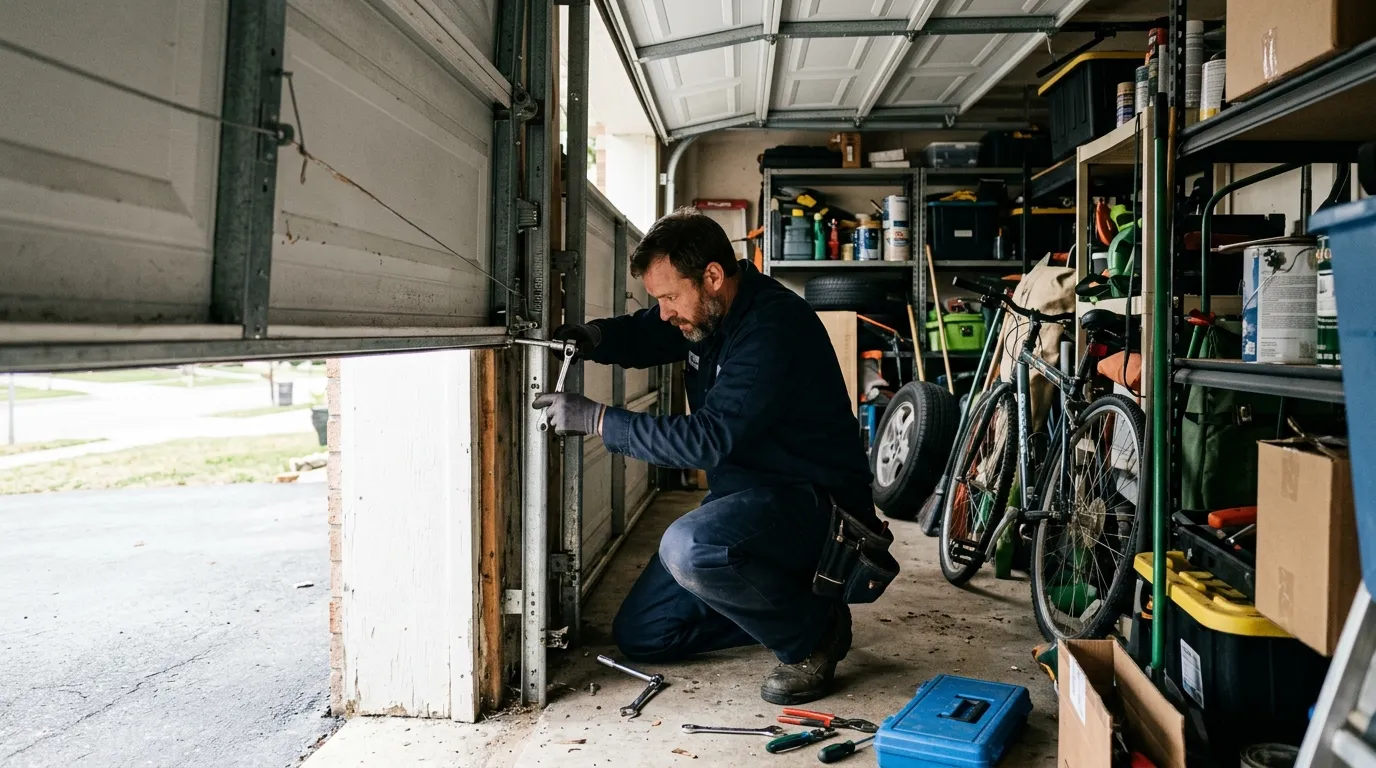
Most of the garages behind this service area were built between 1938 and 1955, with the wider housing stock in our 108 named neighborhoods and towns running 1938 to 2014. That older stock matters for sensor alignment because the photo-eye brackets on a lot of these doors were bolted onto original wood jambs or masonry that has shifted over sixty-plus years of freeze and thaw. Pittsburgh sits in a severe cold climate band, and every winter the ground under a slab foundation heaves a little, then settles back a little differently in spring. That movement is small, but a safety sensor only needs to move a fraction of an inch off its mate to start throwing false reversals or refusing to close at all. On newer framing the studs stay put. On a garage built in the 1940s or 50s, the jamb itself has decades of seasonal racking in it, and the bracket holding your sensor is riding on wood that's no longer square. We see this most on original garages that were never re-framed when the door got replaced - the door is new, the sensor mount is not.
The Cost of This Job
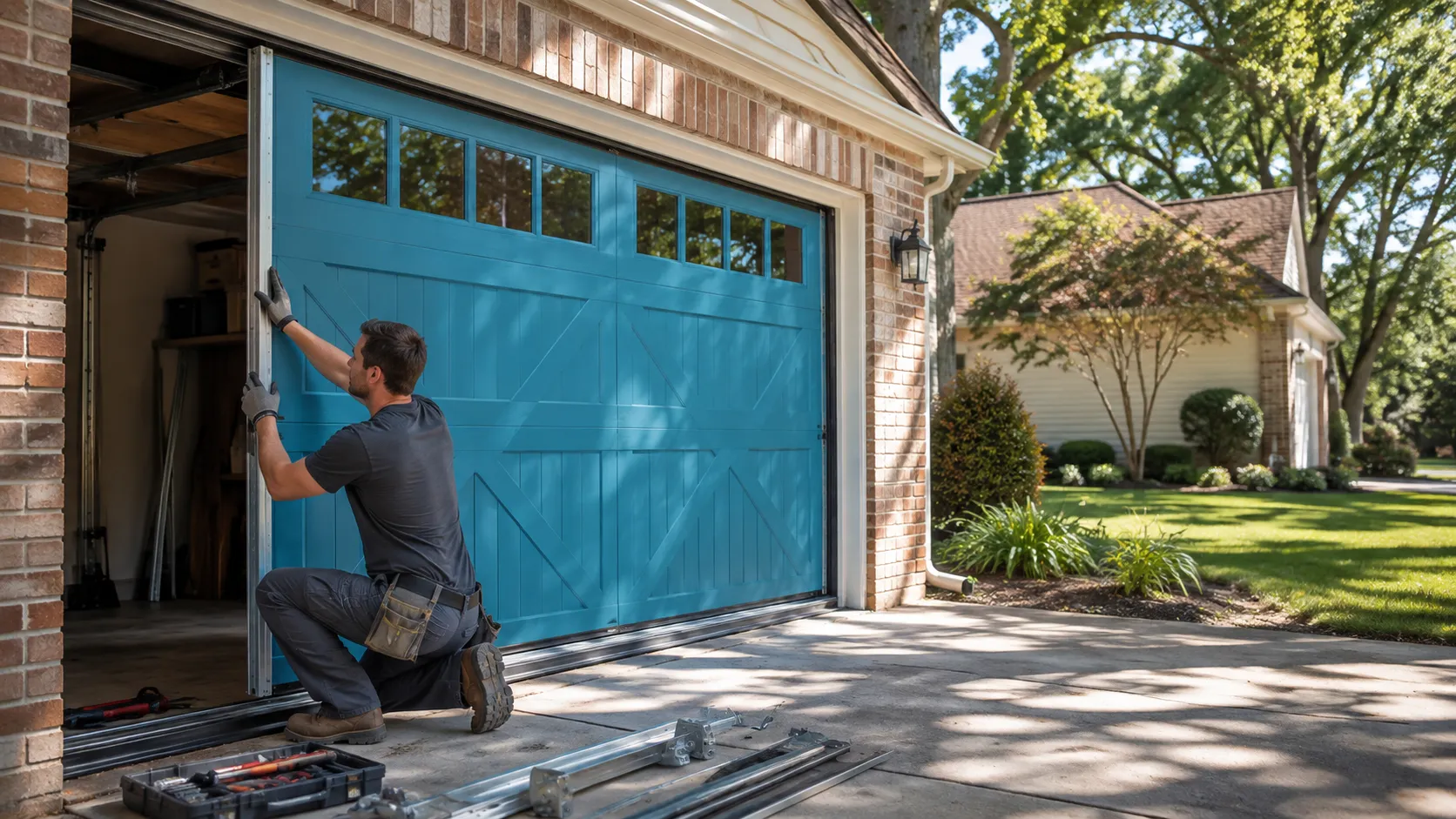
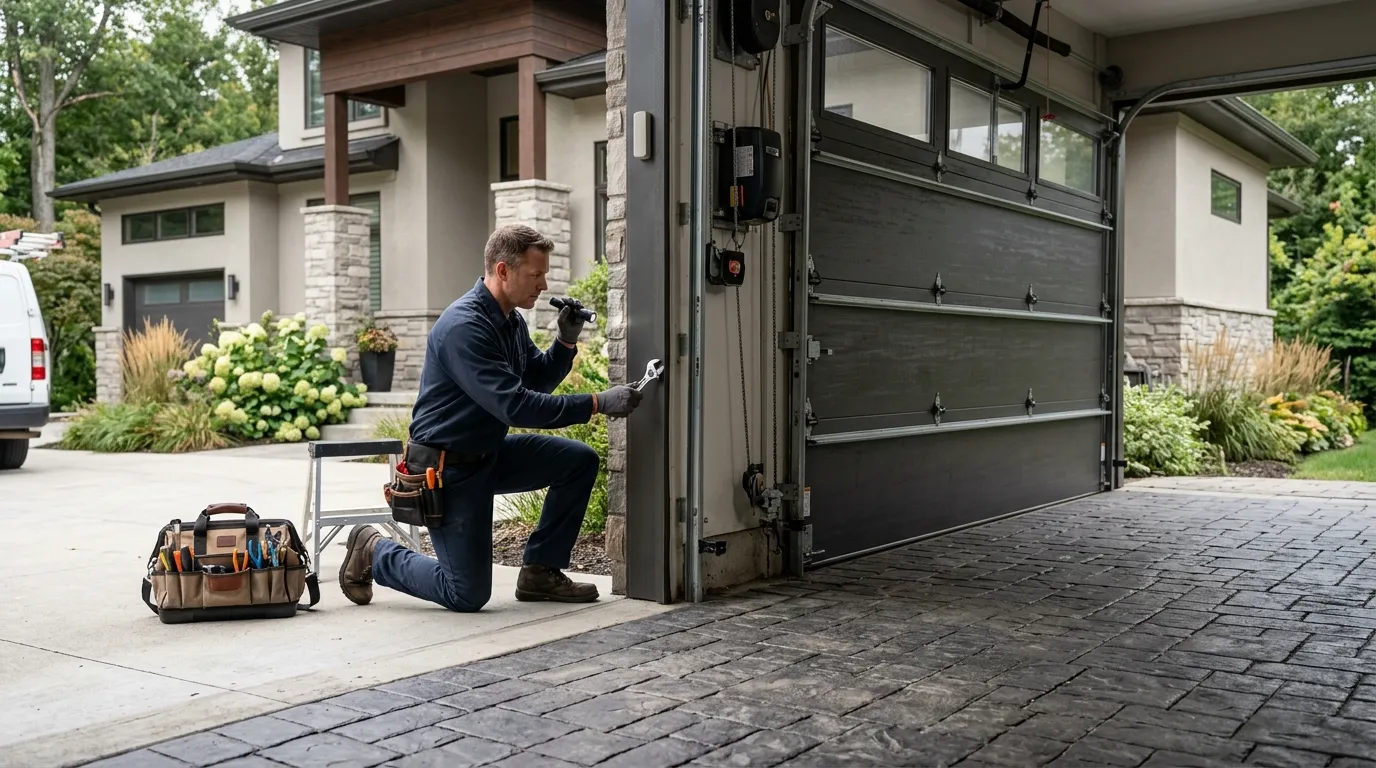
We don't have a set price to quote you here without seeing the door, and that's the honest answer rather than a made-up number. What drives the cost on a sensor call in this area is usually the mounting surface, not the sensor itself. If your garage is one of the pre-1960 builds common across this service area, the tech often has to rebuild or shim the bracket mount before the new eye will hold alignment through a winter, and that's more labor than swapping a $20 part. On a garage built after the 1980s with metal jambs, the same job is usually just a wire and an eye. If your income puts you in the range typical for this area (the median household here runs about $72,000), a sensor realignment or replacement is a small job next to a spring or opener replacement - but a rebuilt bracket on an old wood jamb adds real time to the ticket.
Doing Nothing For Now
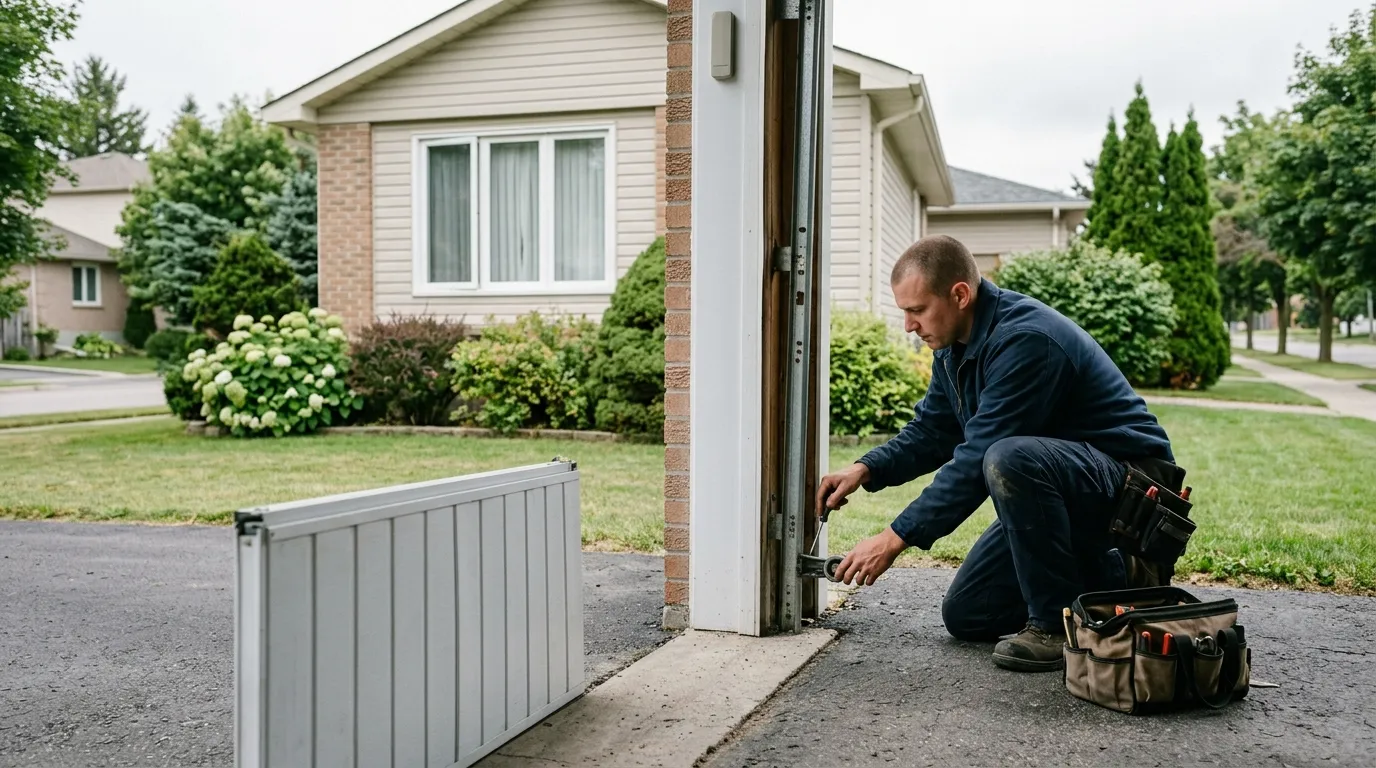
A door that closes fine nine times out of ten and refuses the tenth isn't a door you can ignore, because that failure pattern is exactly what a slightly misaligned sensor looks like before it fails completely. Across a service area with roughly 155,574 owner-occupied houses, a huge share of them sitting on foundations poured decades before current codes, seasonal shift isn't a one-time event - it repeats every winter and spring. Leaving a drifting sensor alone usually means one of two things happens: the door starts refusing to close at dusk when the sun angle hits the eye wrong, or someone disables the safety reversal to make the door work, which is the one thing you don't want to do with a spring-loaded door over a car or a kid's bike. Neither outcome is a garage door emergency, and we're not going to tell you it is. But it's the kind of thing that turns into a Saturday phone call in January instead of a five-minute fix in October.
The Problem
The core issue in this area isn't the sensors themselves, which are simple parts that rarely fail outright. It's that a 1945-era garage in a cold-climate town settles differently than the sensor bracket bolted to it does, and nobody re-checks that alignment until the door stops closing. Add severe winter cold to houses built well before today's foundation and framing codes, and you get brackets that were true in October and off by a quarter inch by February. We can't tell you your specific garage's build year without seeing it, but given that most of the stock in this service area went up between 1938 and 1955, the odds are good that if your door predates a recent replacement, the sensor mount is older than the eye itself. That mismatch, old bracket and newer sensor, is the single most common reason we get called out for a door that 'sometimes' won't close.
How it works
From “it’s stuck” to “it’s fixed”
01
Tell us what’s wrong
Describe the symptom - won’t open, loud bang, opener runs but the door won’t move.
02
On-site diagnosis
A technician tests the door under power and by hand and finds what actually failed.
03
Clear, up-front plan
You get the fix that’s needed and what drives the cost - before any work starts.
04
Repaired & tested
The repair is done, the door is set true and tested, and the work area left clean.
Serving Pittsburgh, PA - tell us what your door’s doing and we’ll take it from there.
Why does my garage door only refuse to close in the evening?
Low winter sun angles hit the sensor eyes directly this time of year, which can wash out a marginal signal that a slightly misaligned bracket was already struggling to hold. It's common on older Pittsburgh garages where the sensor mount has shifted with decades of seasonal freeze-thaw movement in the jamb.
Can I re-align the sensors myself?
Loosening the wing nuts and nudging the eyes level with each other is something most owners can do safely. If your garage is on an older wood jamb typical of this area's pre-1960 stock, though, the bracket itself may be racked, and re-aligning the eye without fixing the mount won't hold through the next freeze.
Is a drifting sensor a sign I need a new door?
Not usually. The sensors and the door panel are separate systems, and a bracket or mount issue on an old jamb doesn't mean the door itself is failing. We'd only bring up replacement if the jamb or track were damaged enough that a repair wouldn't hold.
Ready to get your garage door sorted?
Tell us what it’s doing and where you are in Pittsburgh - we’ll take it from there.