The Cost of This Job
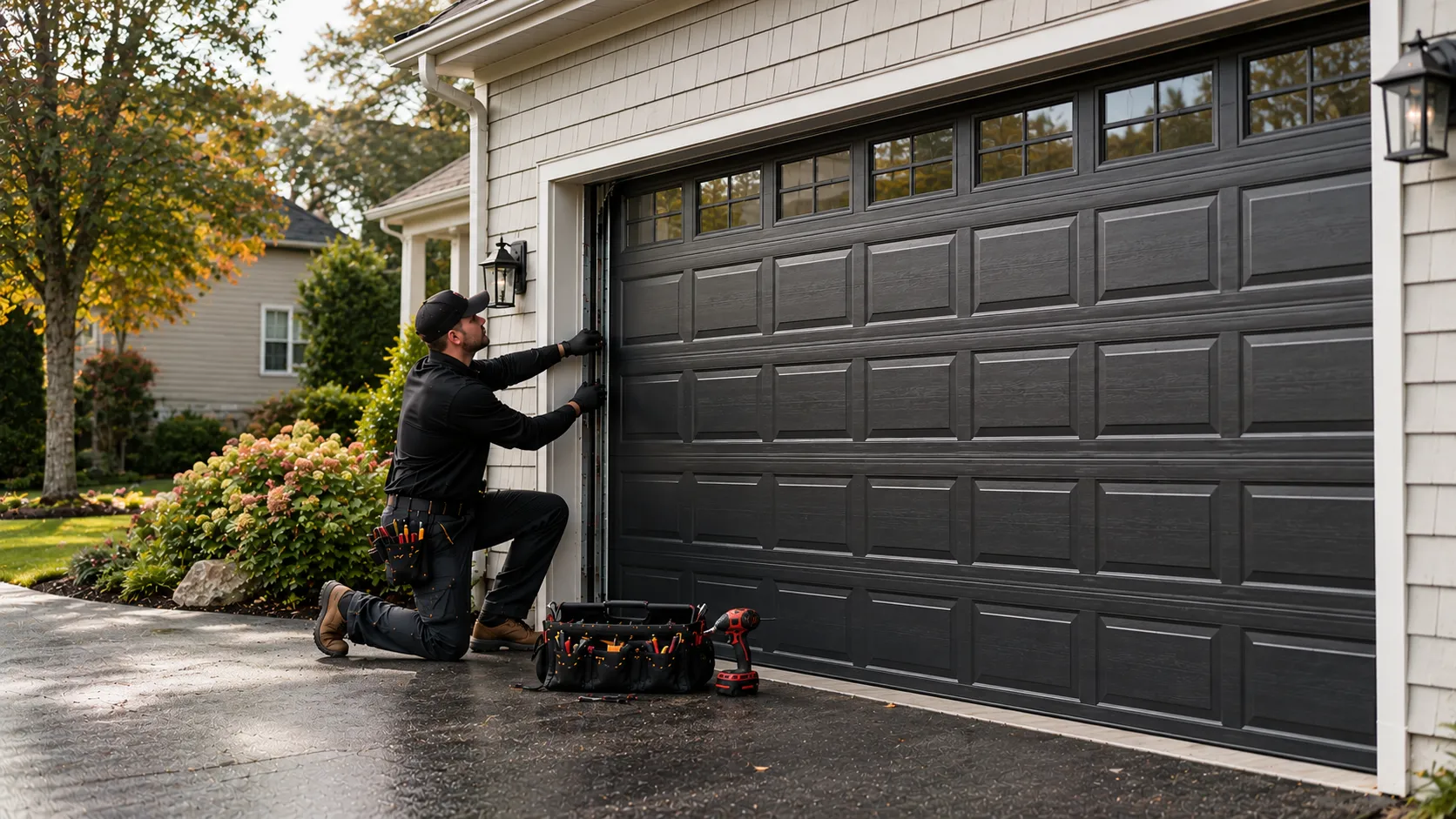
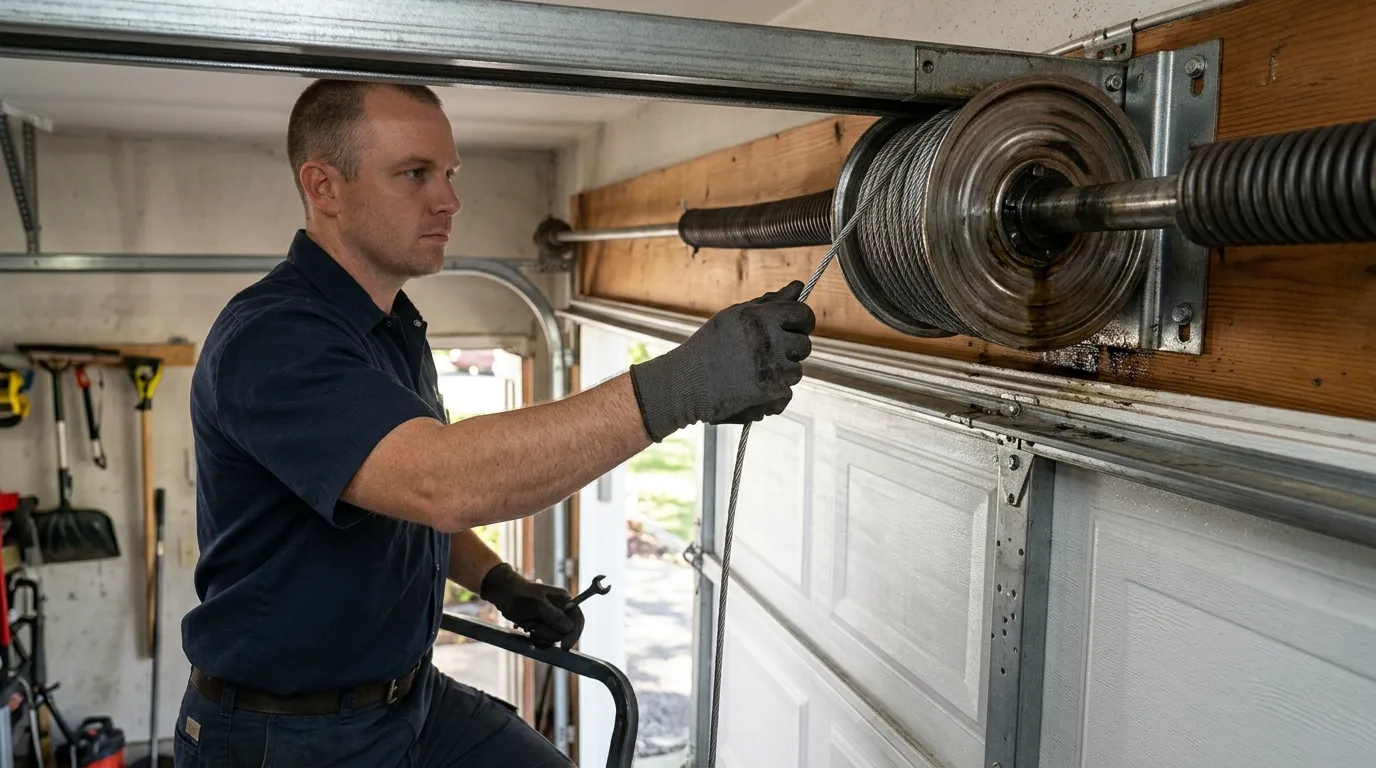
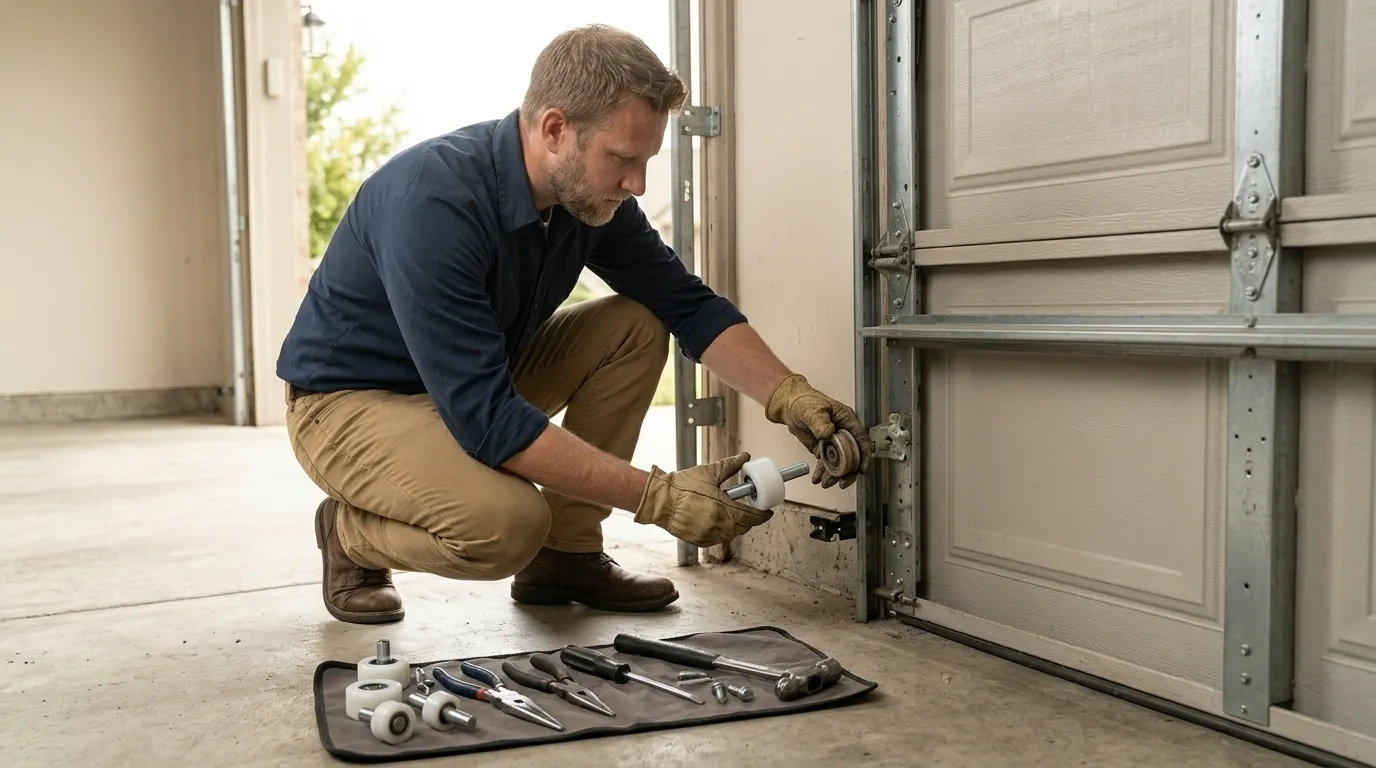
We don't have a flat number to hand you here, because what a door needs depends on what's actually failed - a spring, a cable, a full section, or the opener - and we're not going to invent a price to make this page tidier. What we can tell you is how the age of the house changes the math. On a door original to a 1950s build, torsion hardware is often side-mounted in a way modern parts don't match cleanly, so a repair sometimes means adapting current stock rather than a straight swap. That adds labor, not because we're padding a bill, but because the original setup wasn't built to today's spec. Compare that to a door on a house built in the 2000s, where standard parts fit standard tracks and the job is more predictable. With median household income in this service area at $72,020, most owners are weighing a repair in the low hundreds against a full replacement - and that's a real decision, not a scare tactic. The honest limitation: if the section itself is warped or rusted through, we're not going to sell you a spring replacement to delay a job that needs a new door.
Doing Nothing For Now
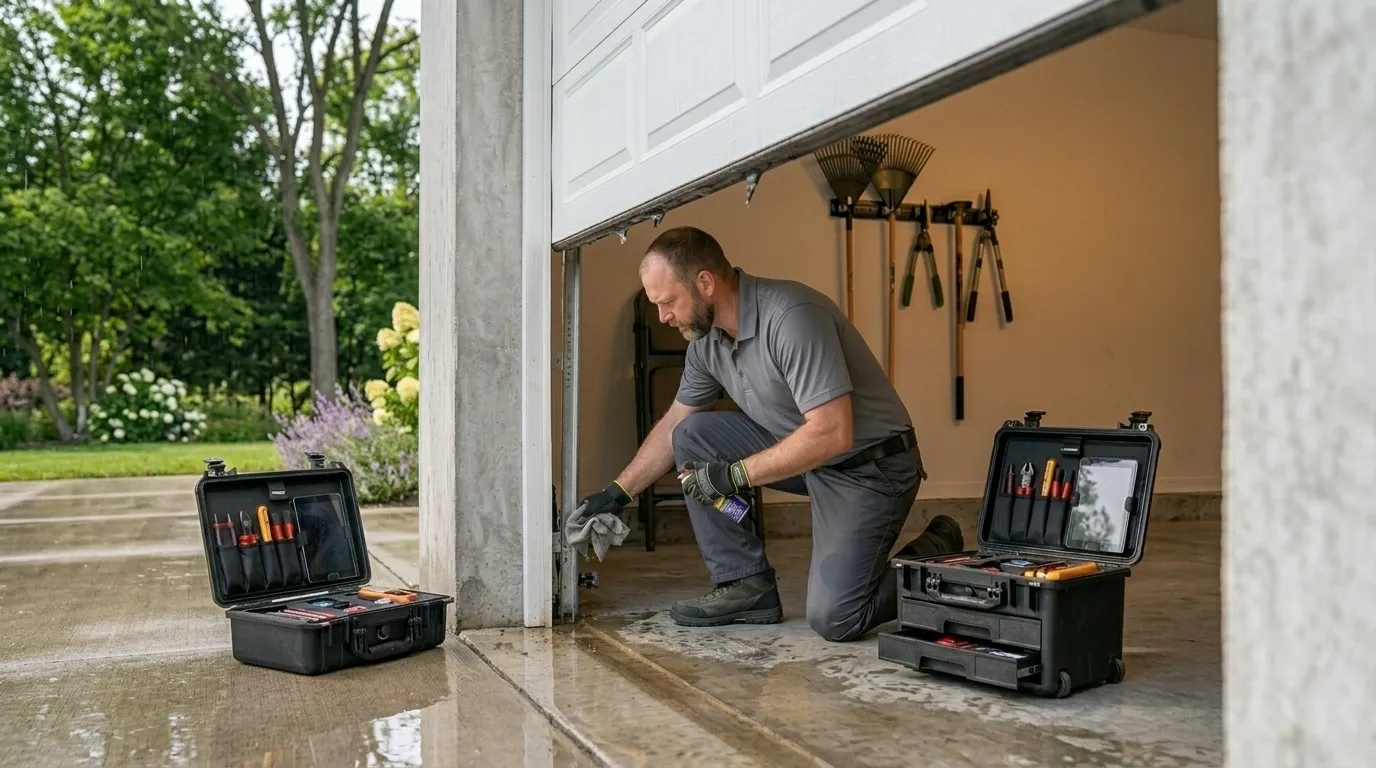
Sometimes the right call is to wait, and we'll say that plainly. A door that's stiff but still tracking straight, with rollers that squeak but haven't seized, can run another season without turning into an emergency - especially on a lighter-use door on a detached garage. What changes that calculus in Pittsburgh is winter. A worn cable or a spring already showing rust doesn't fail gently here; cold steel loses flex, and a marginal part that limped through a mild fall can let go on the first hard freeze, often with the door half open and the opener still trying to force it. That's a different repair than the one you'd have made in October. If your house is part of that pre-1960 stock common across this area, and the hardware hasn't been serviced, waiting through one more cold season is a bet, not a plan. We'd rather tell you that now than after a cable snaps at 6 a.m. with a car trapped inside.