What Is on These Garages
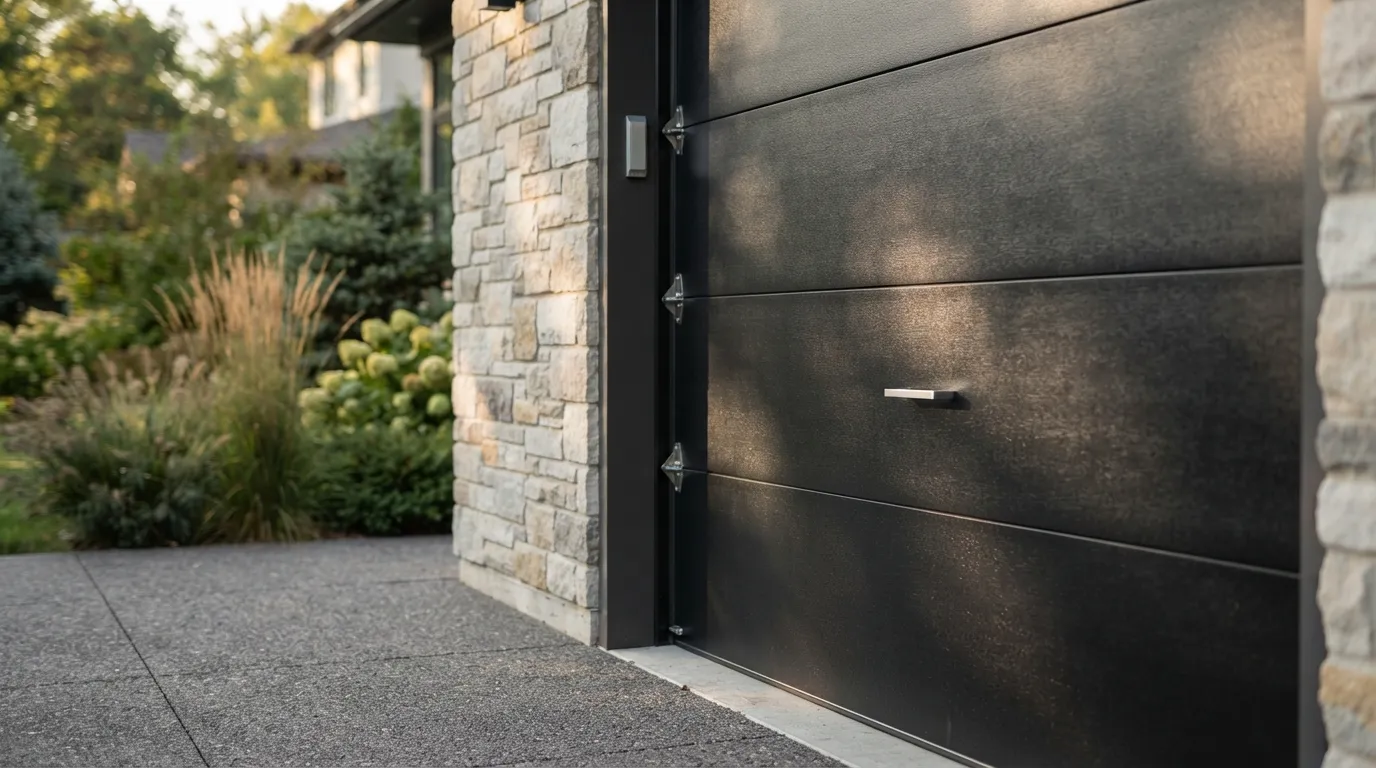
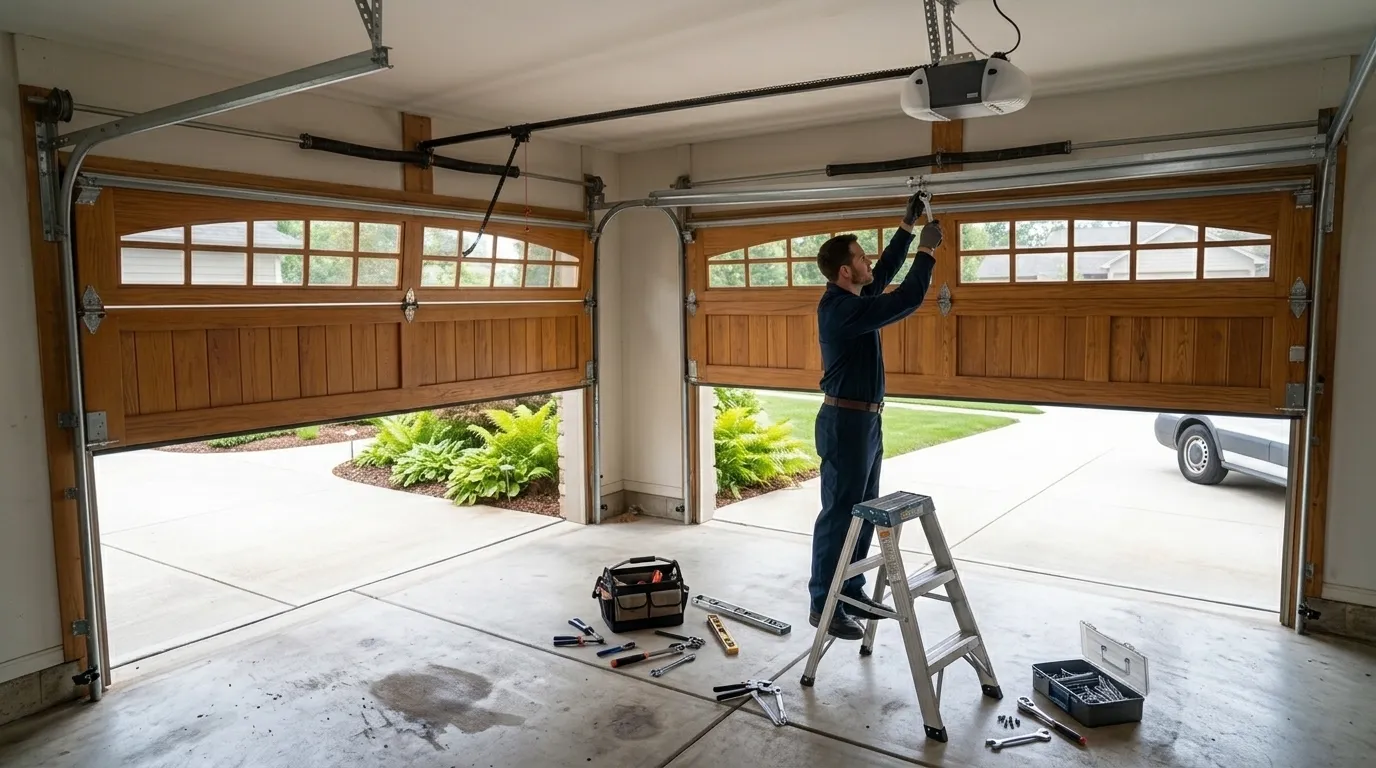
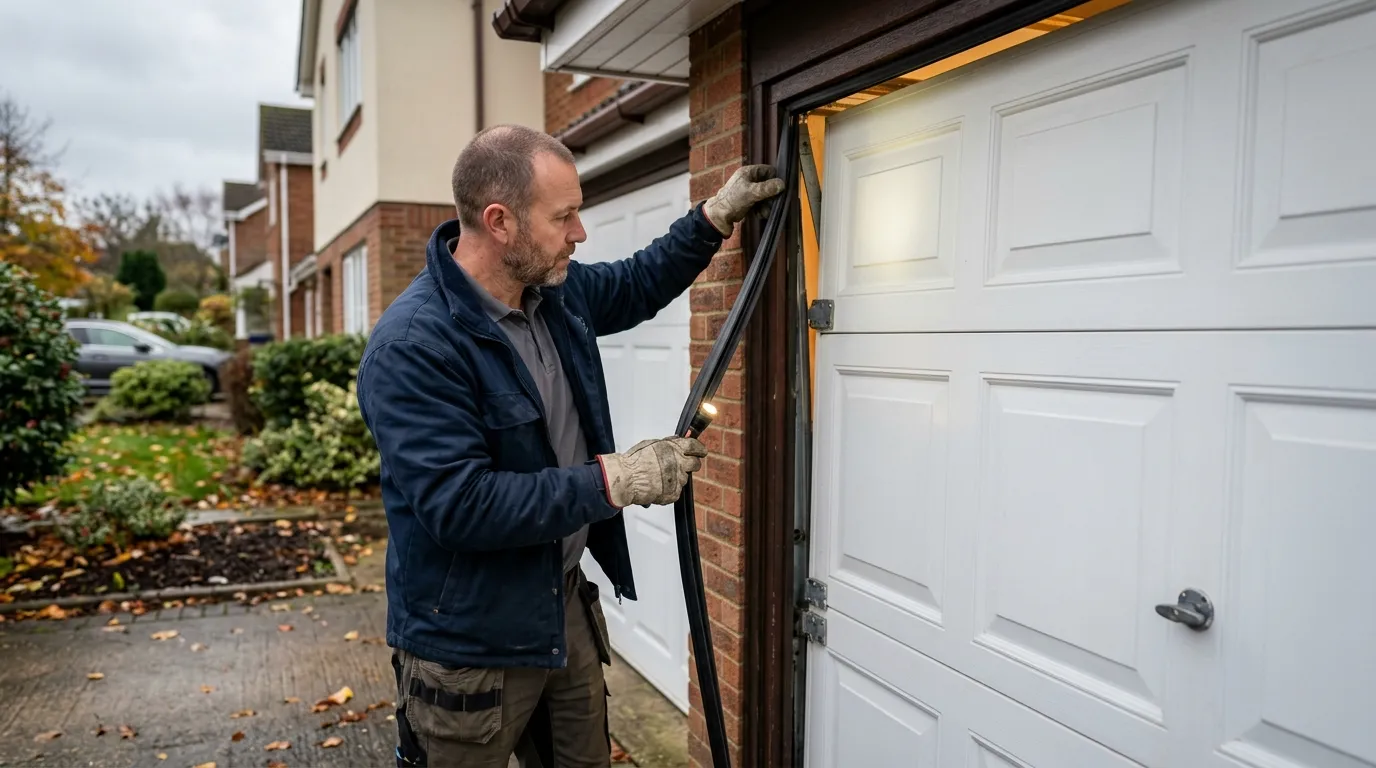
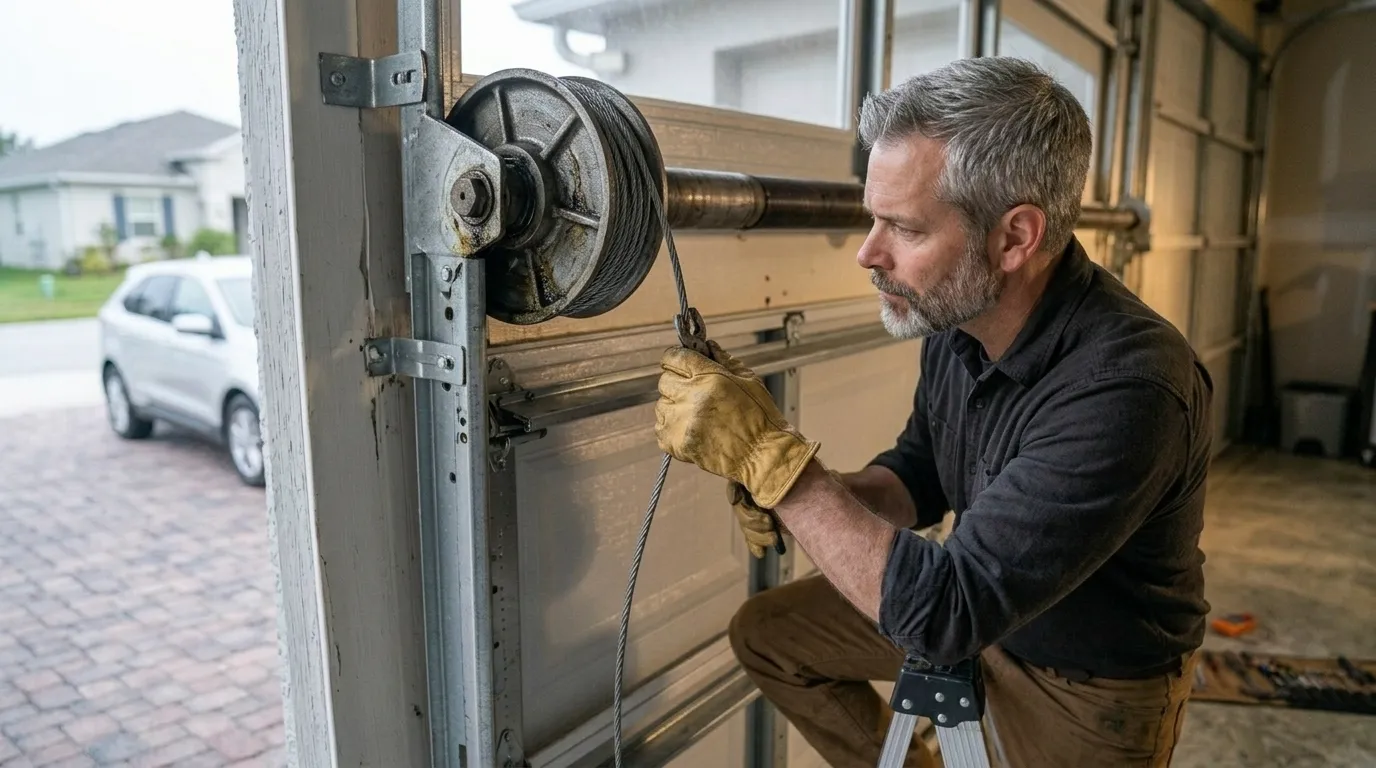
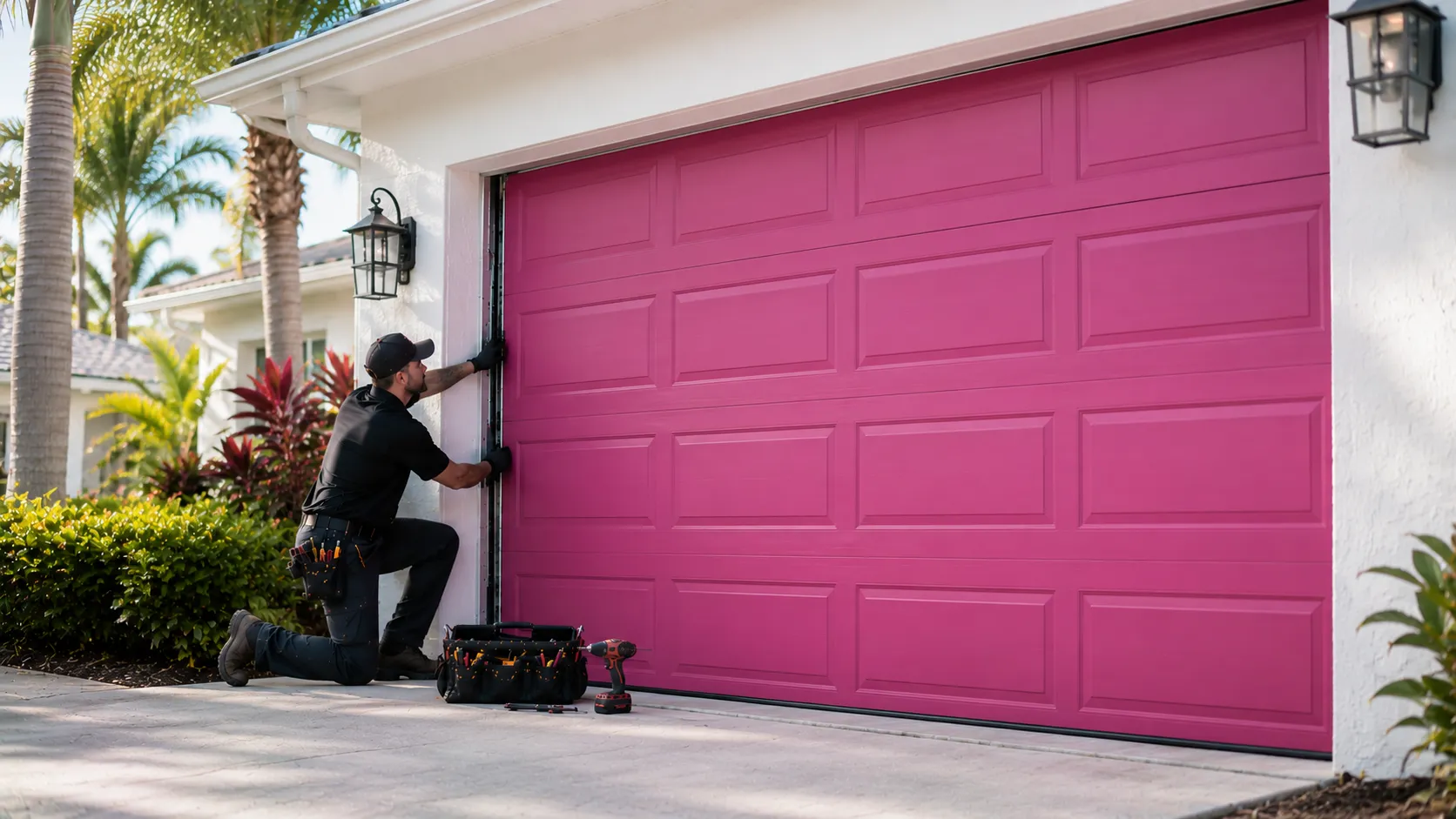
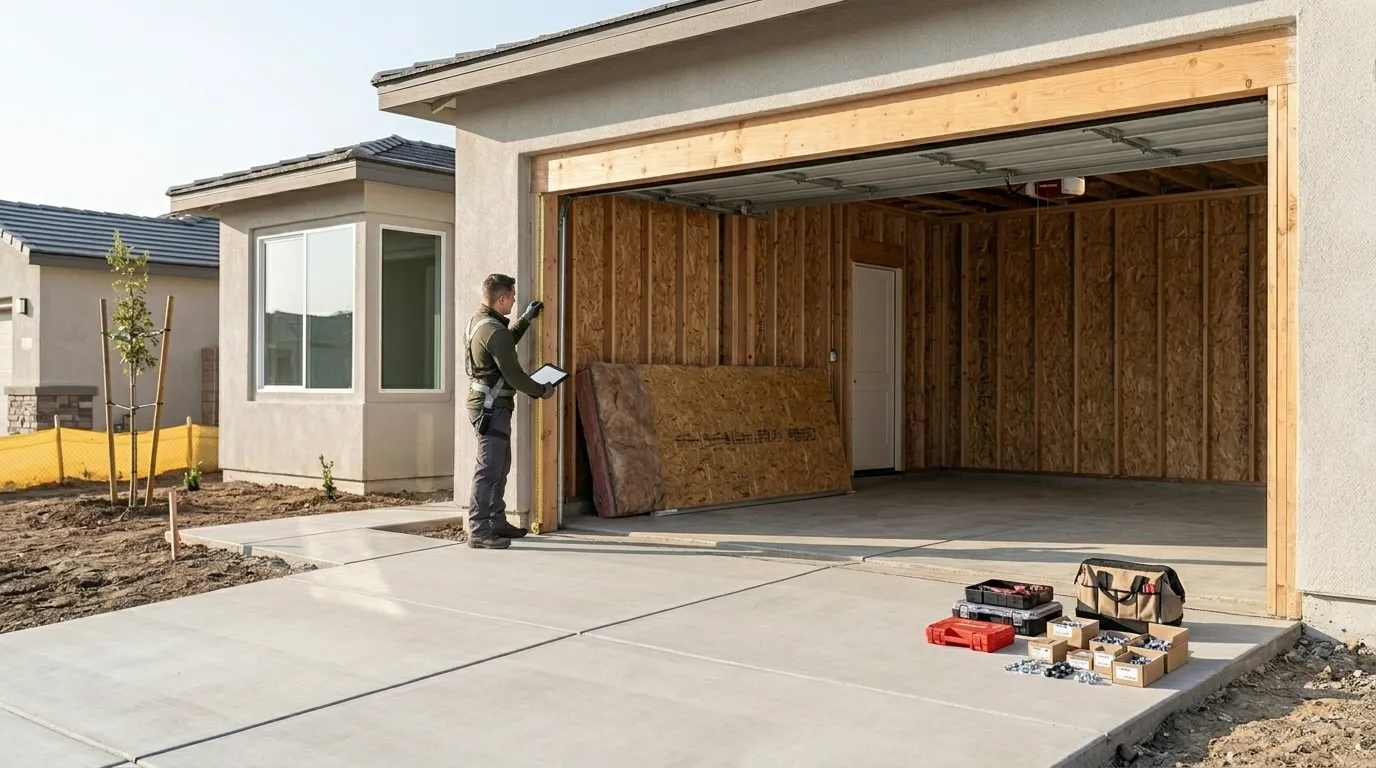
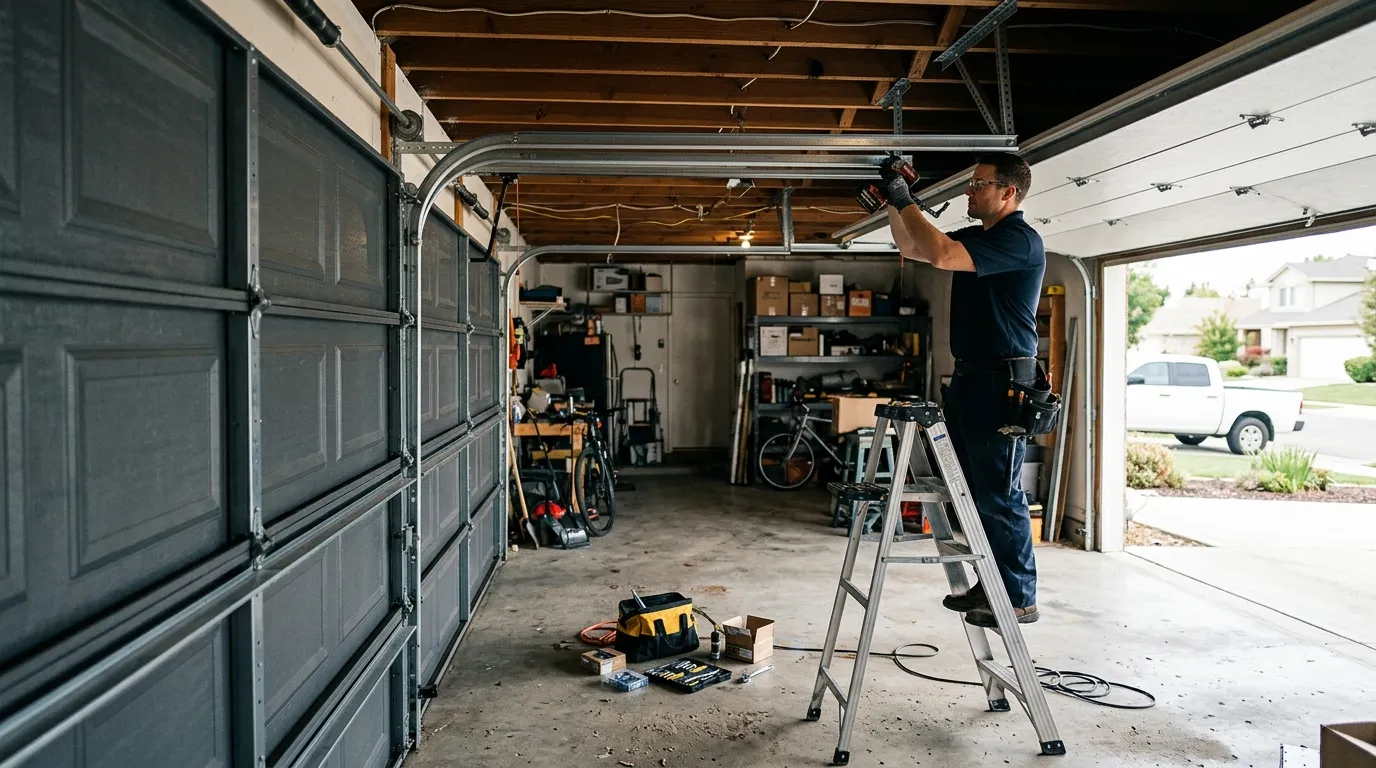
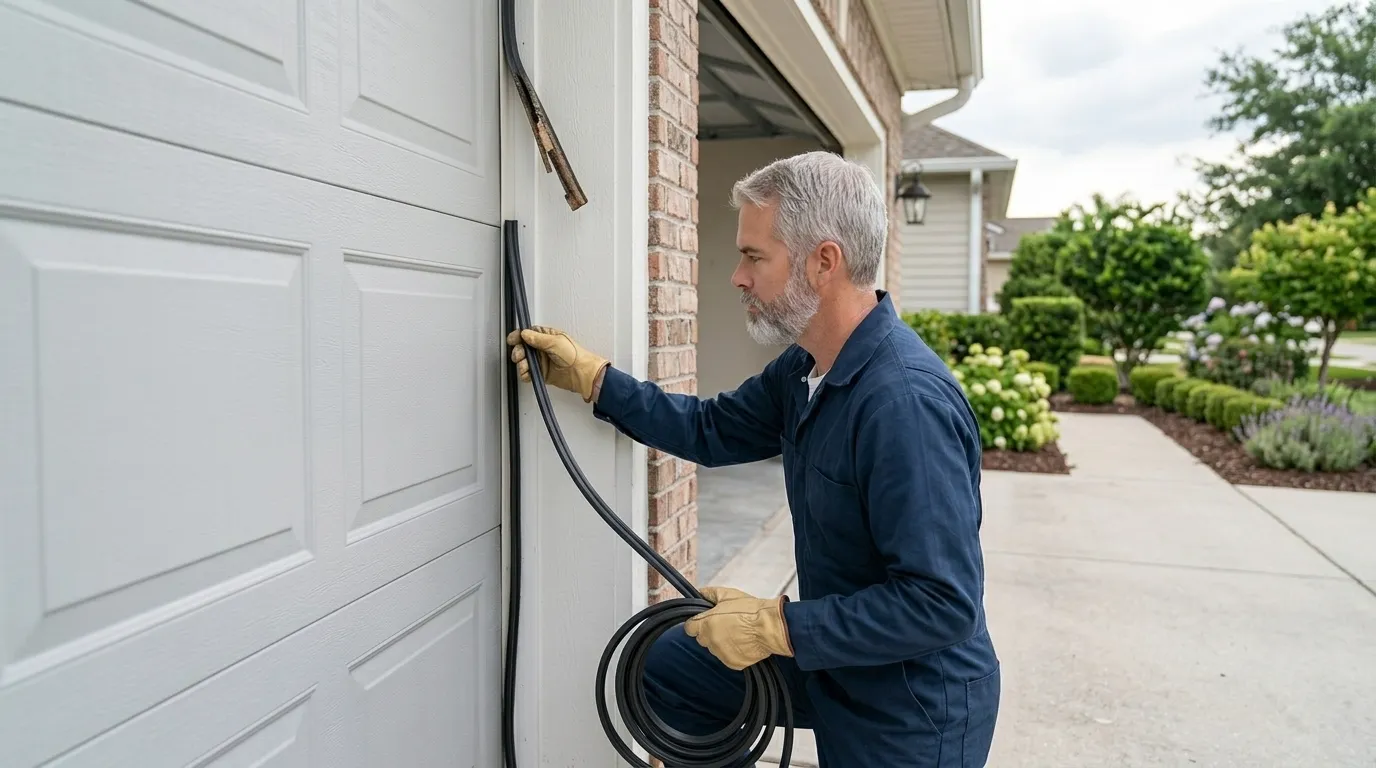
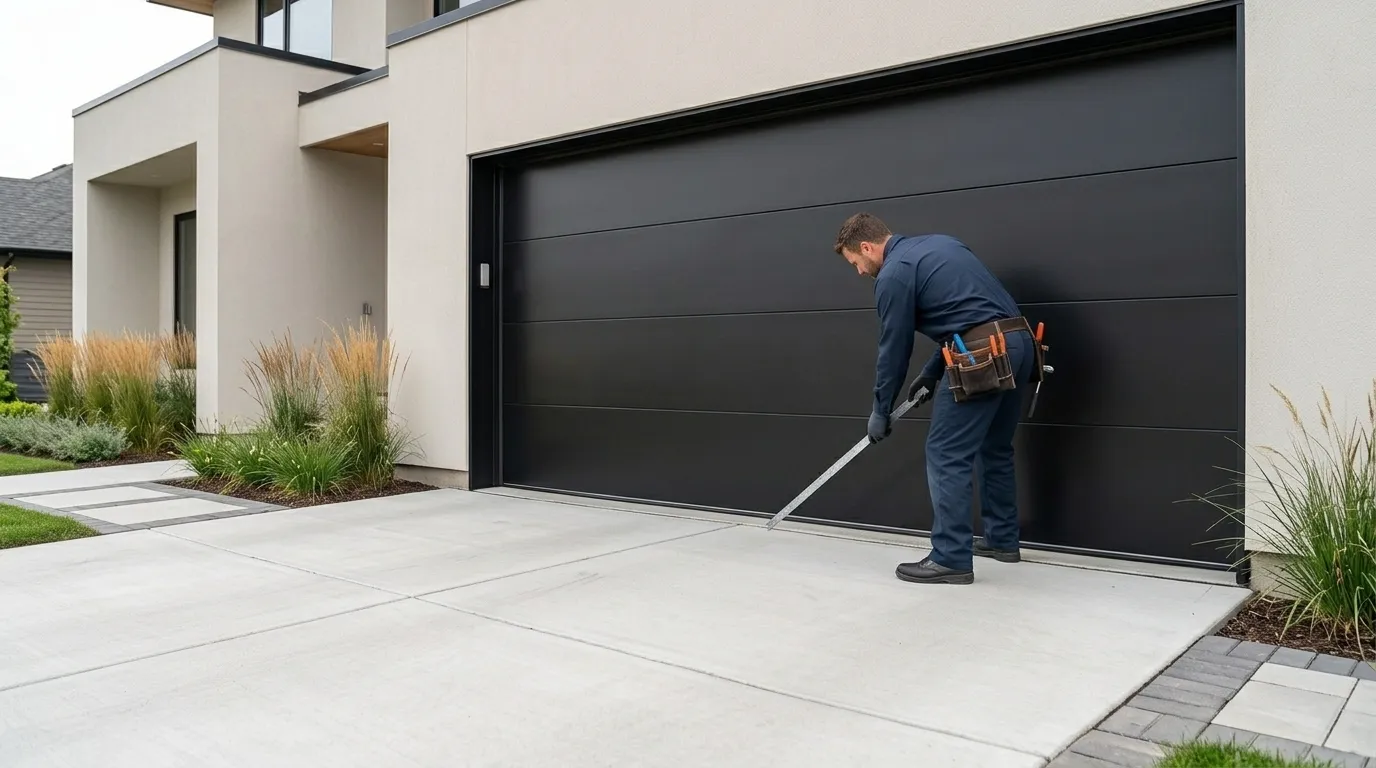
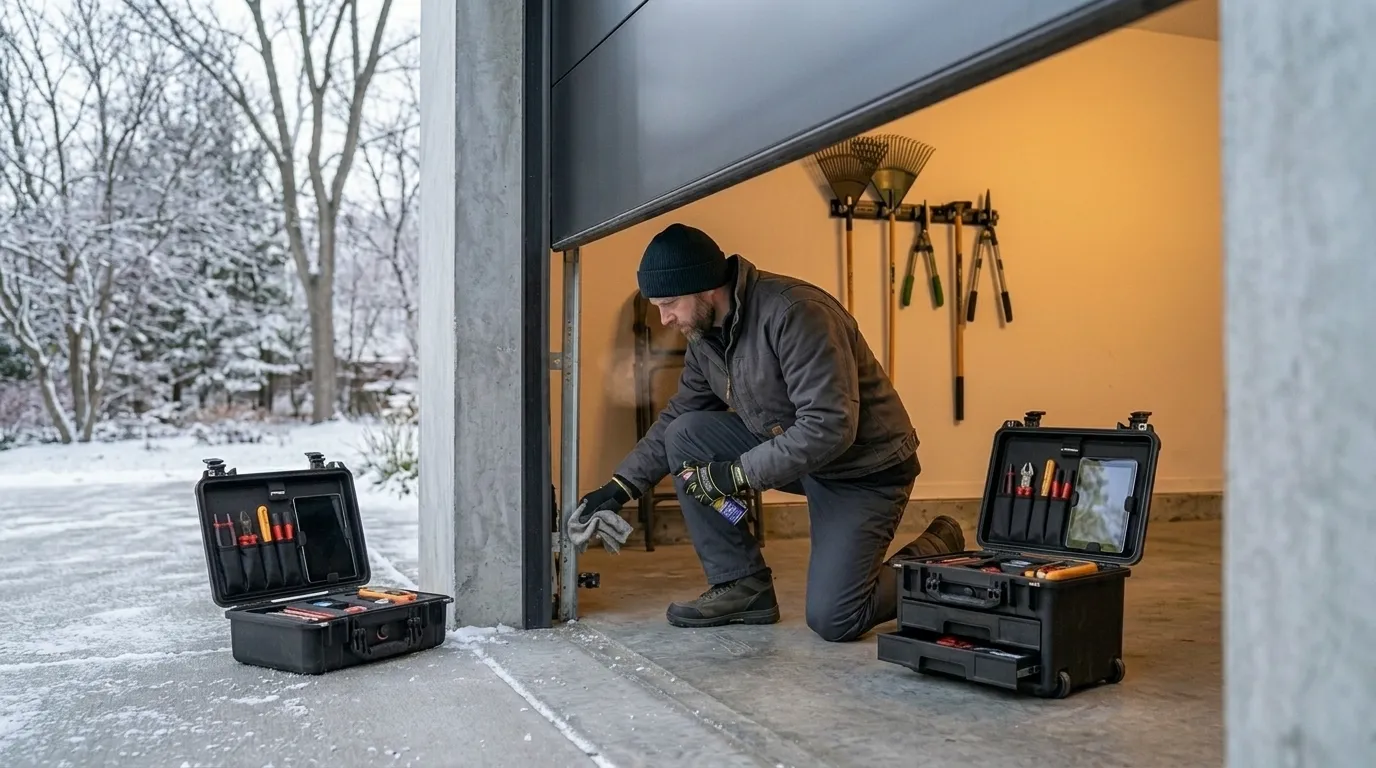
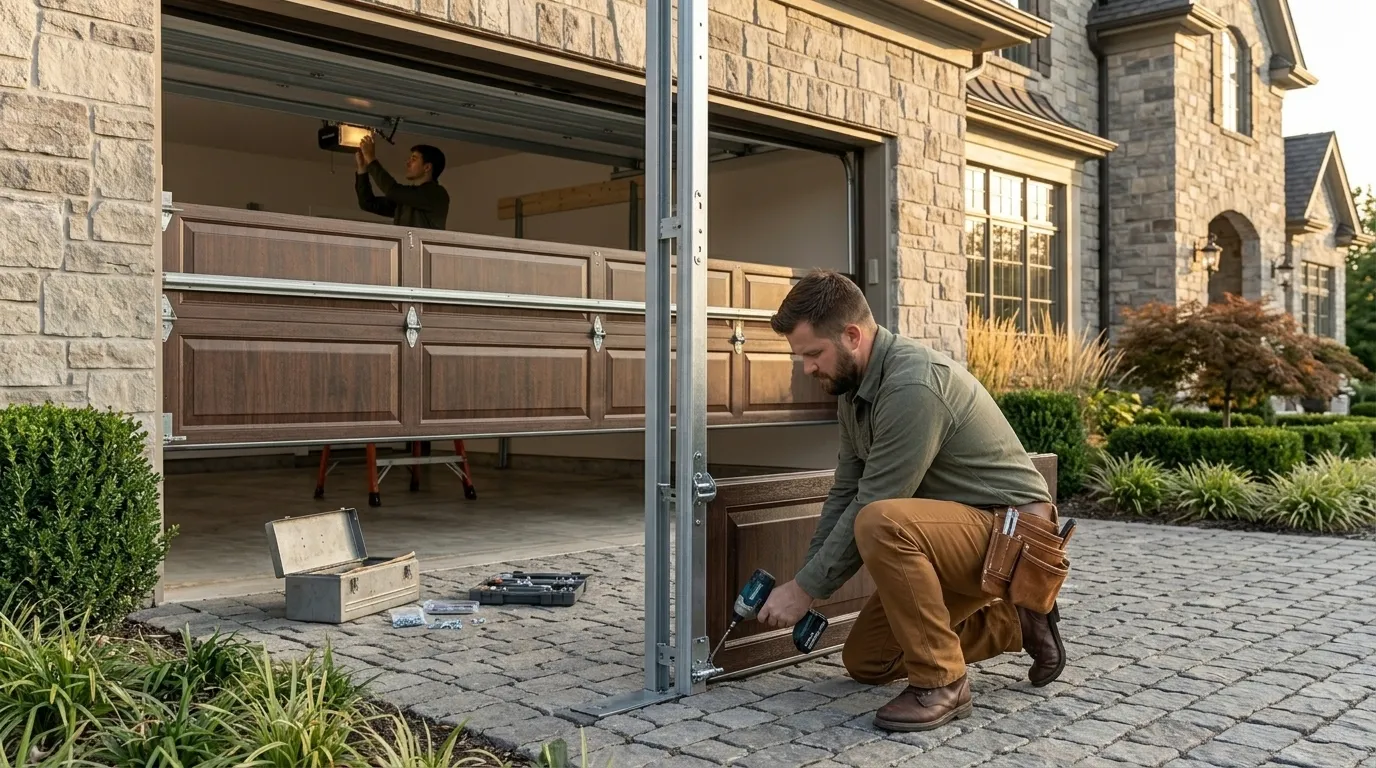
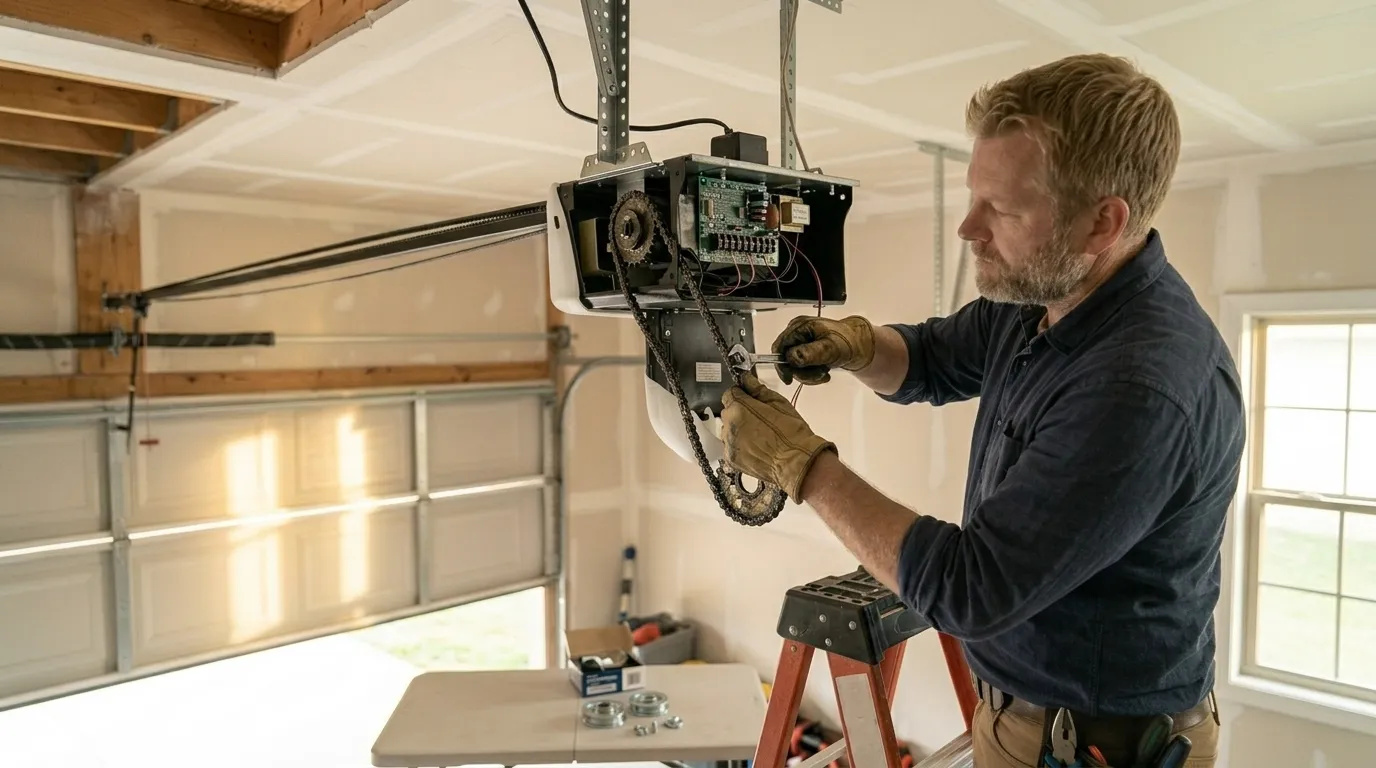
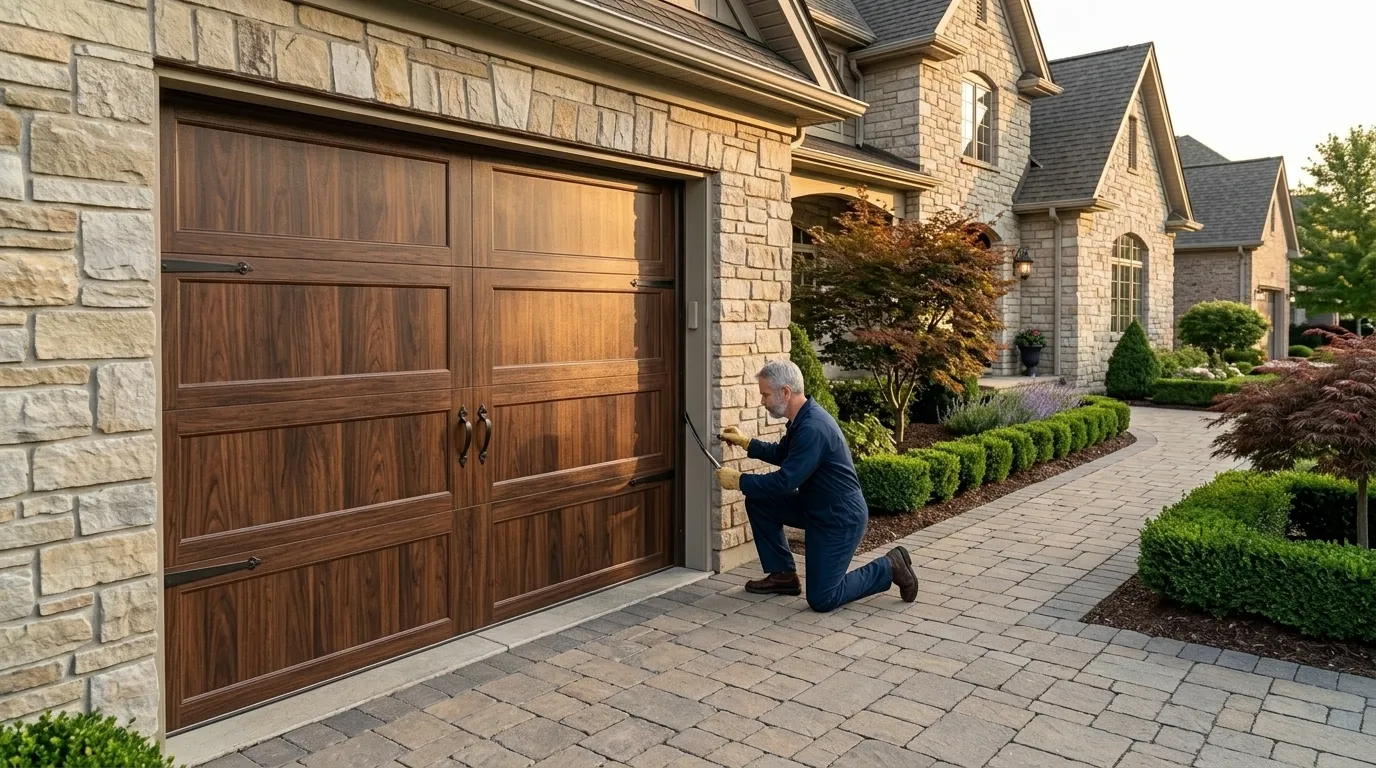
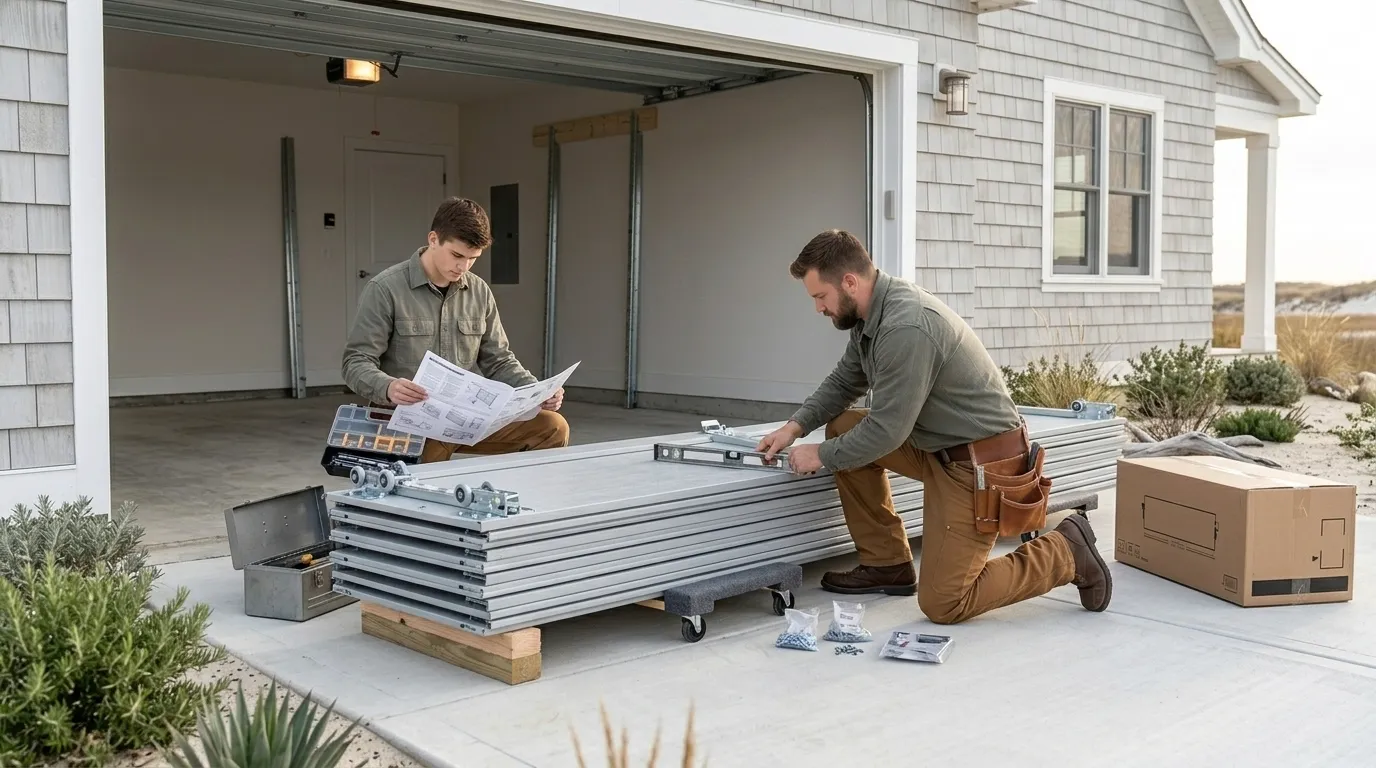
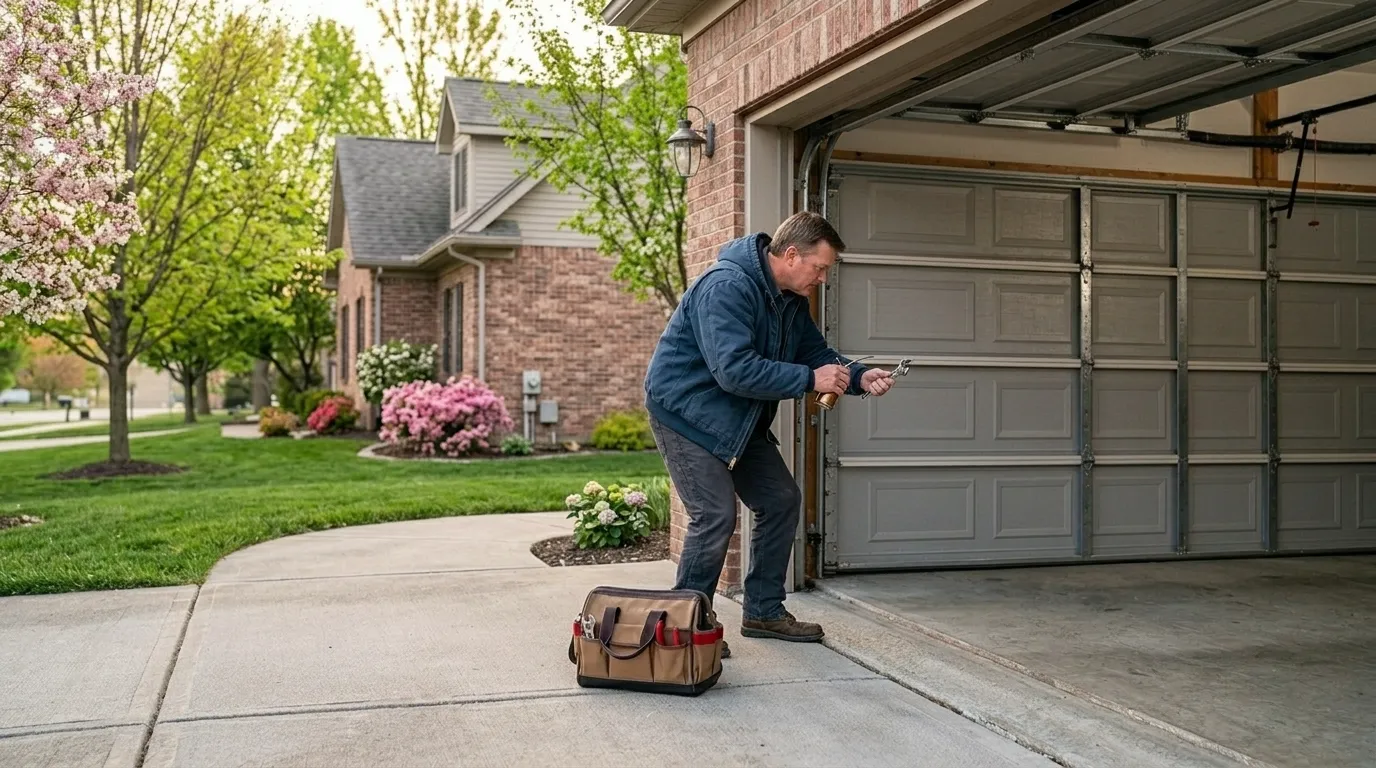
Given a median build year of 1955, most garages in Squirrel Hill North were framed for single-car or narrow two-car openings, and the doors on them reflect that: steel sectional replacements are common now, but you still find original wood doors on side hinges in a handful of homes that never converted. Hardware from that era tends to be undersized by today's spring standards, which matters here because this whole service area sits in a severe cold climate band - steel contracts, lubricant thickens, and a spring that's already fatigued from age fails faster on a hard freeze morning than it would in a mild winter. We size replacement springs for the door and the climate, not just whatever cycle count came stock decades ago. Track alignment is another recurring issue on these older frames, since many were shimmed by hand rather than set with a level, and decades of settling only makes that worse. None of this is unique to one house - it's a pattern across a neighborhood where the building stock is old enough that almost nothing on the garage is factory-original anymore.
Where You Are
Squirrel Hill North sits 3 miles east of the city center, with Squirrel Hill South just south of it and Highland Park a few miles northeast, both part of the same older ring of Pittsburgh neighborhoods where pre-1960 construction is the norm rather than the exception. Across the wider service area there are 279,154 households and 155,574 owner-occupied houses, with a median household income of $72,020 - numbers that put Squirrel Hill North solidly in the range of homeowners who maintain rather than replace at the first sign of trouble, which lines up with what we see on service calls: doors patched and re-patched over the years instead of swapped out. That pattern is common across the 108 named areas we track in this region, but the specific mix of age and density here, this close to the core of the city, means parts sourcing for older hardware is a real consideration, not a footnote.