What Is on These Garages
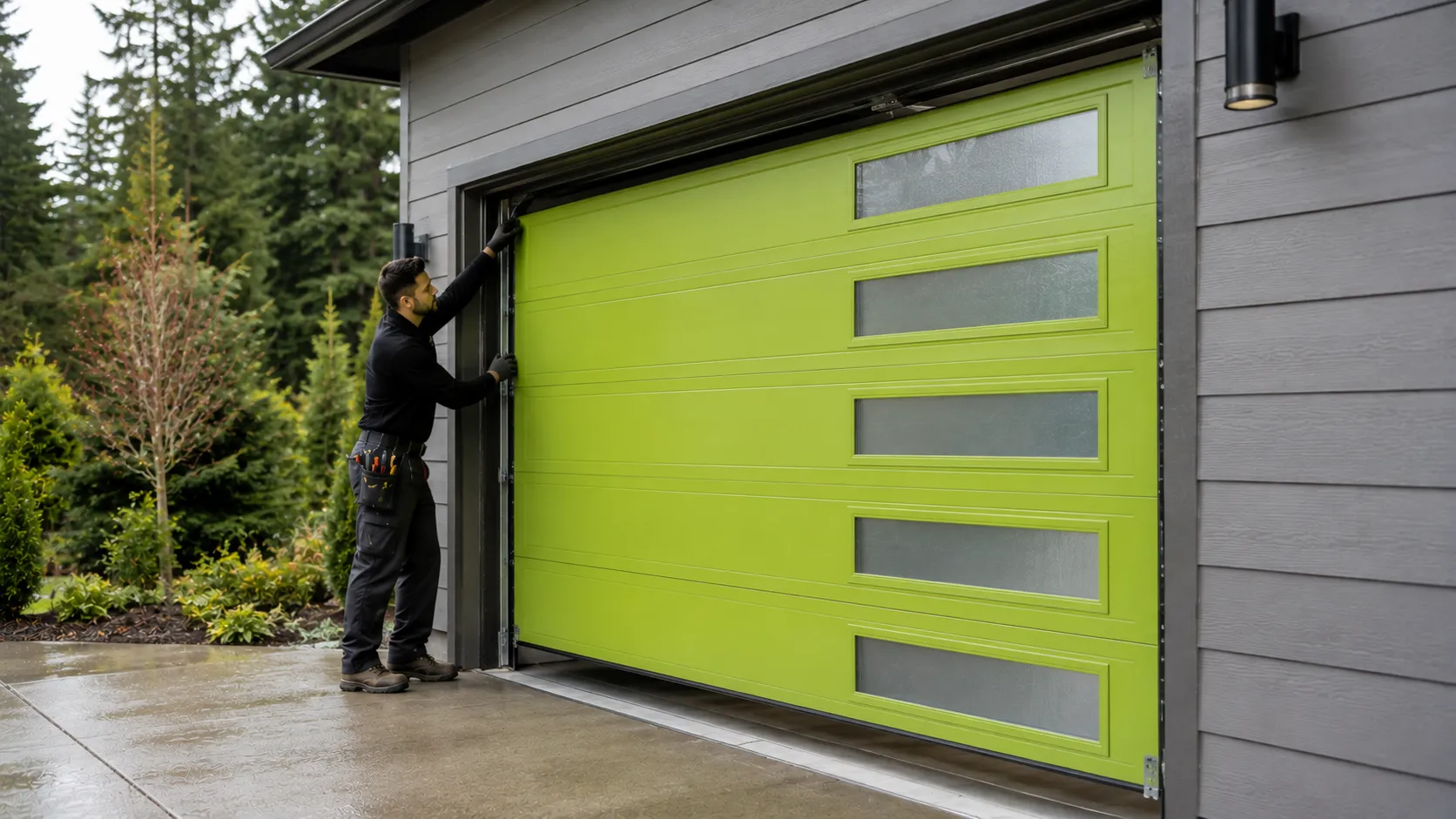
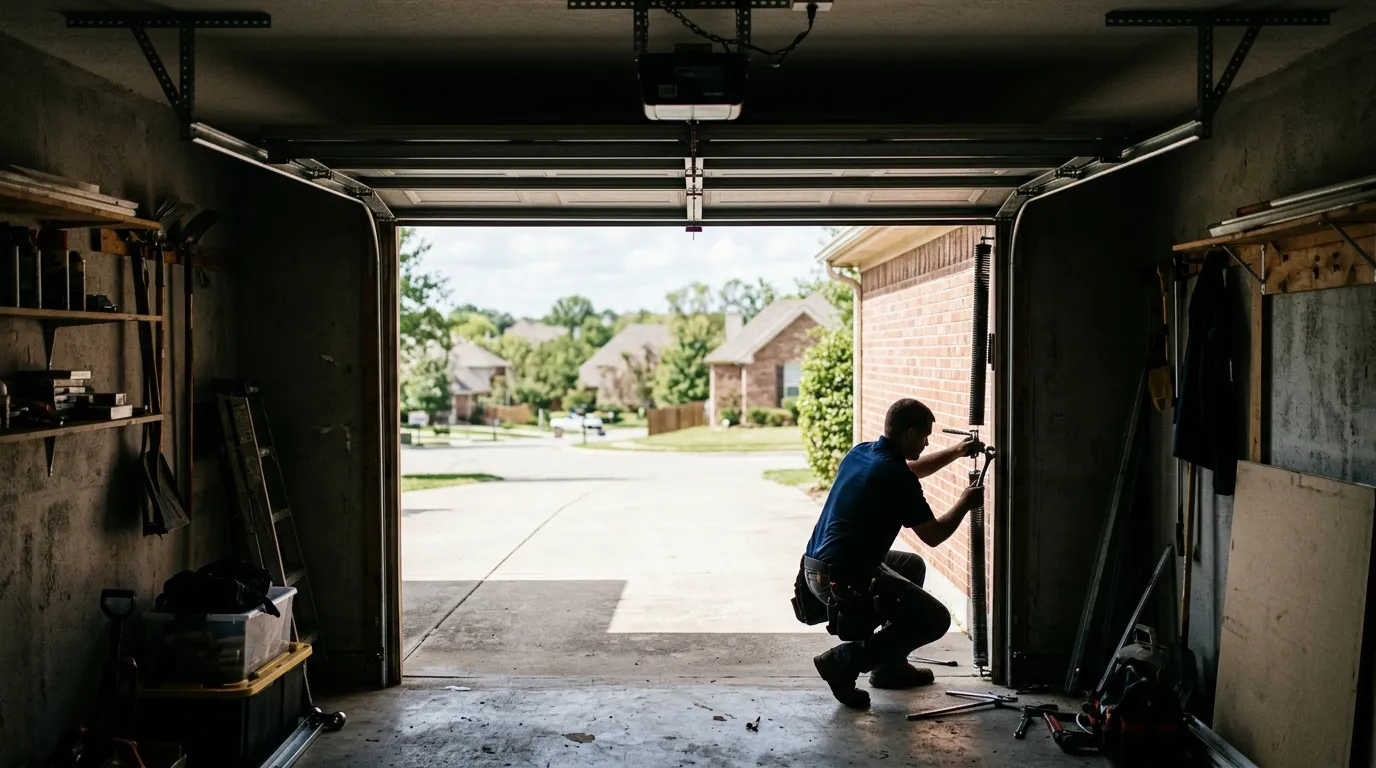
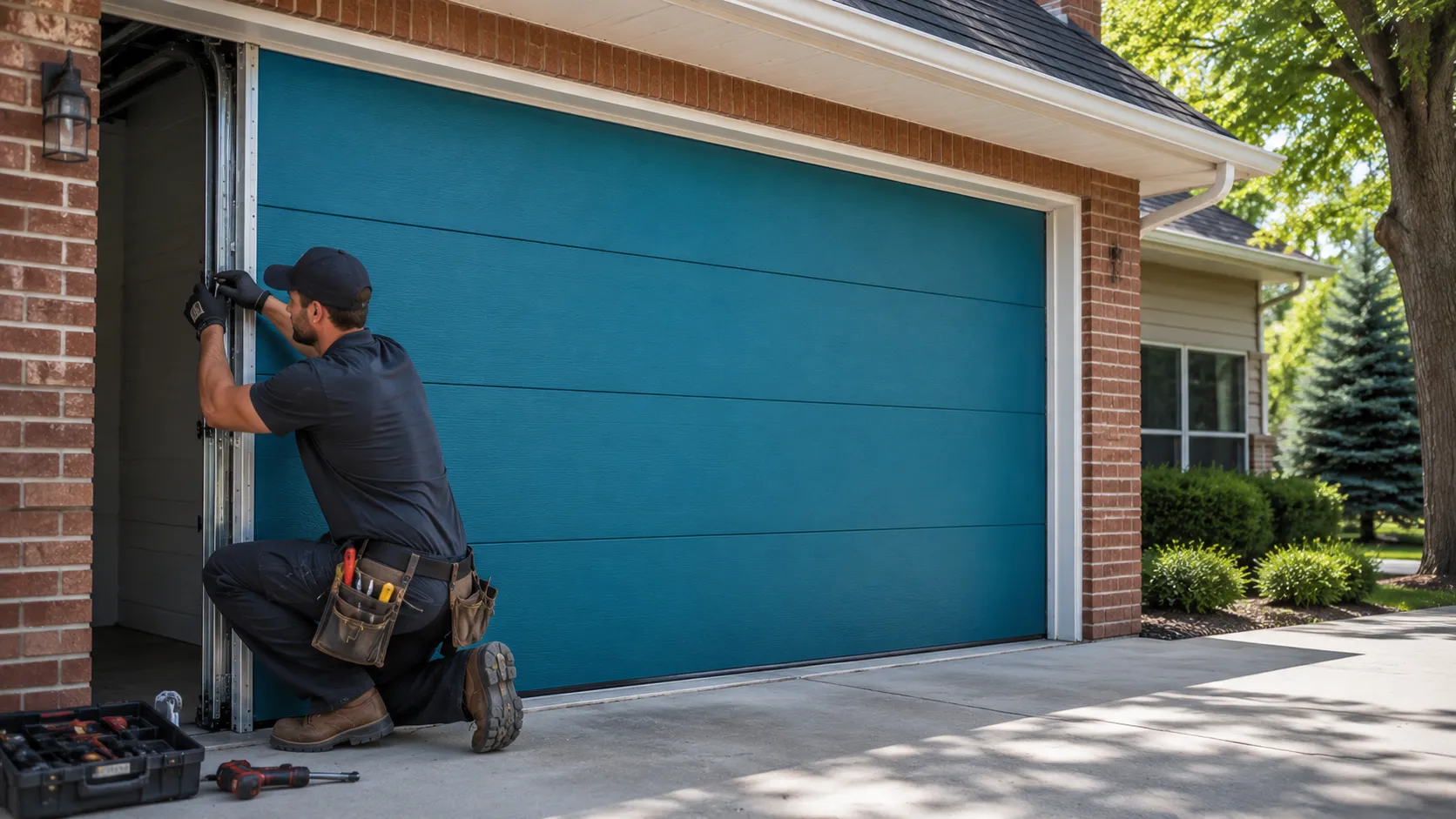
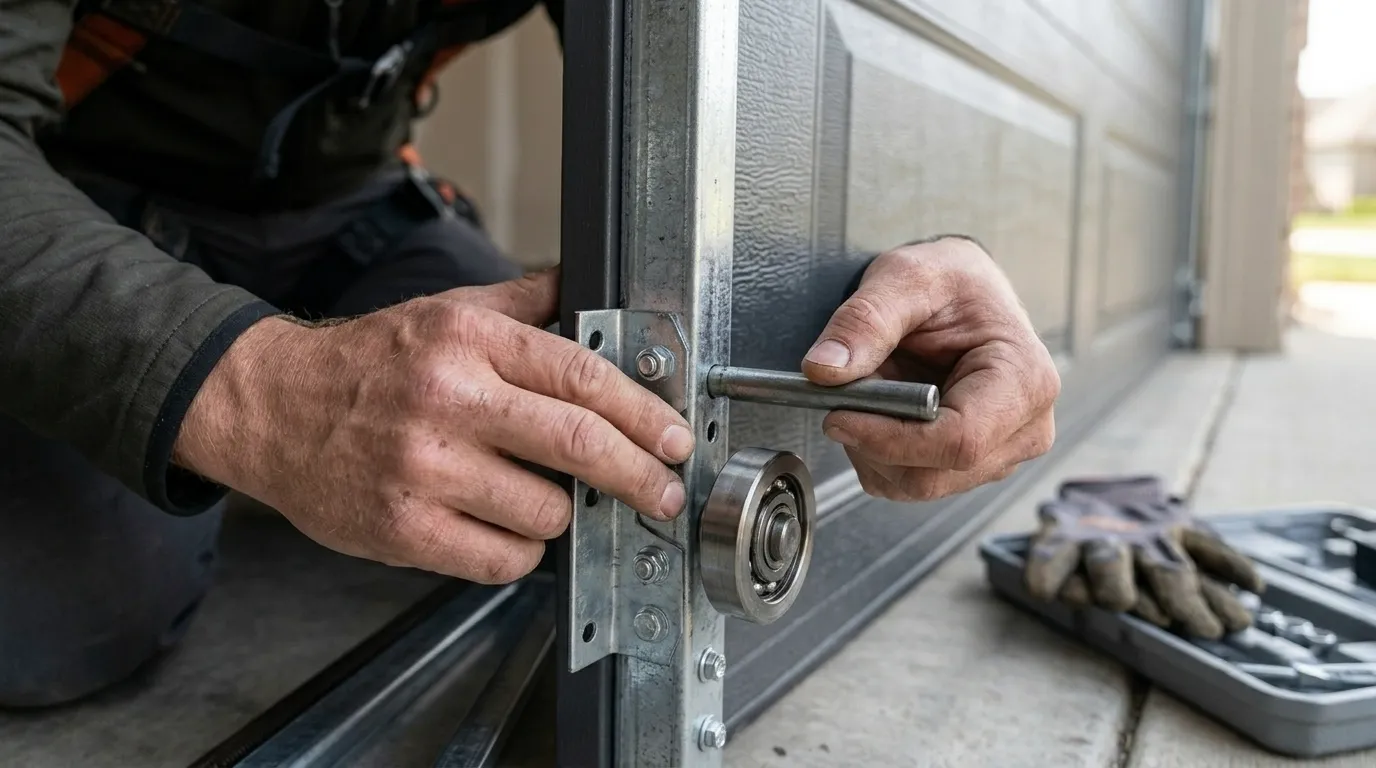
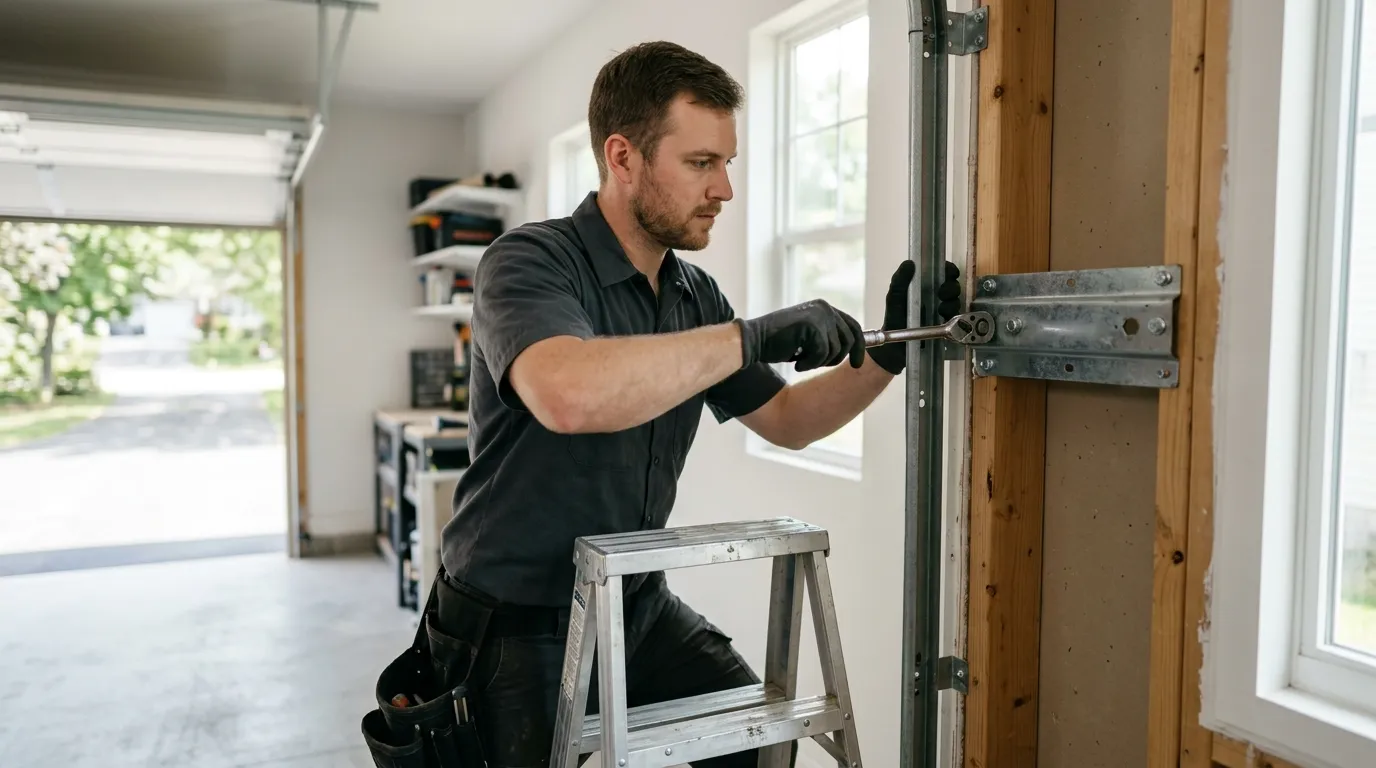
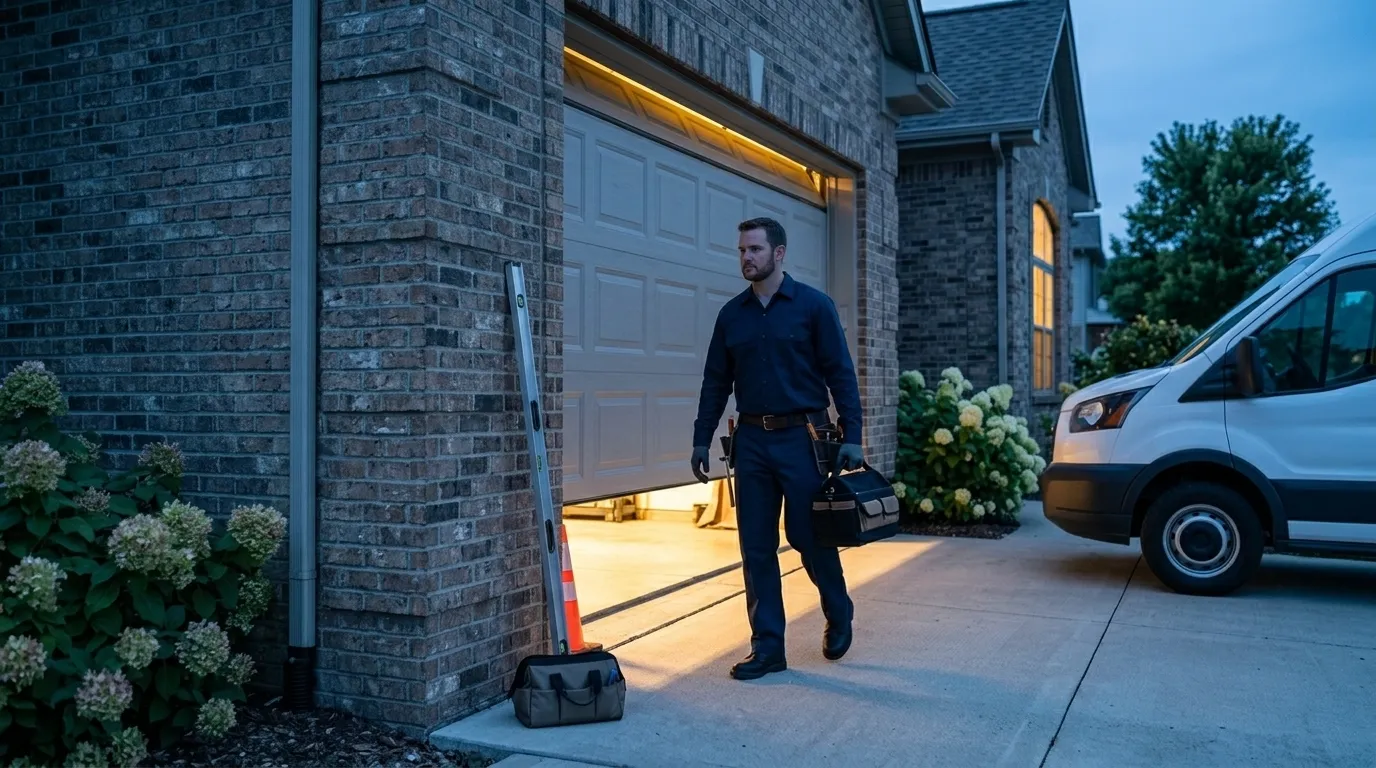
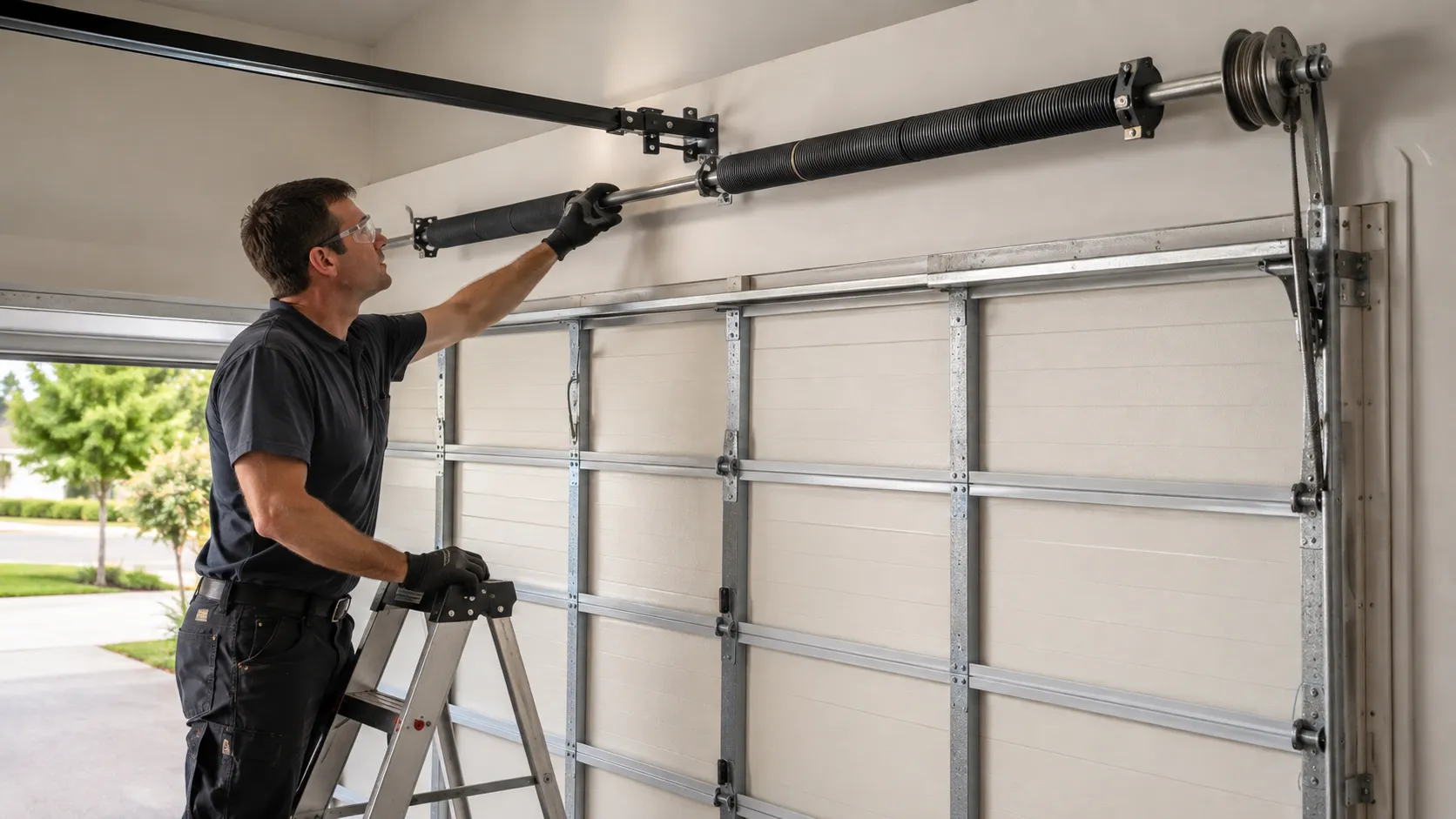
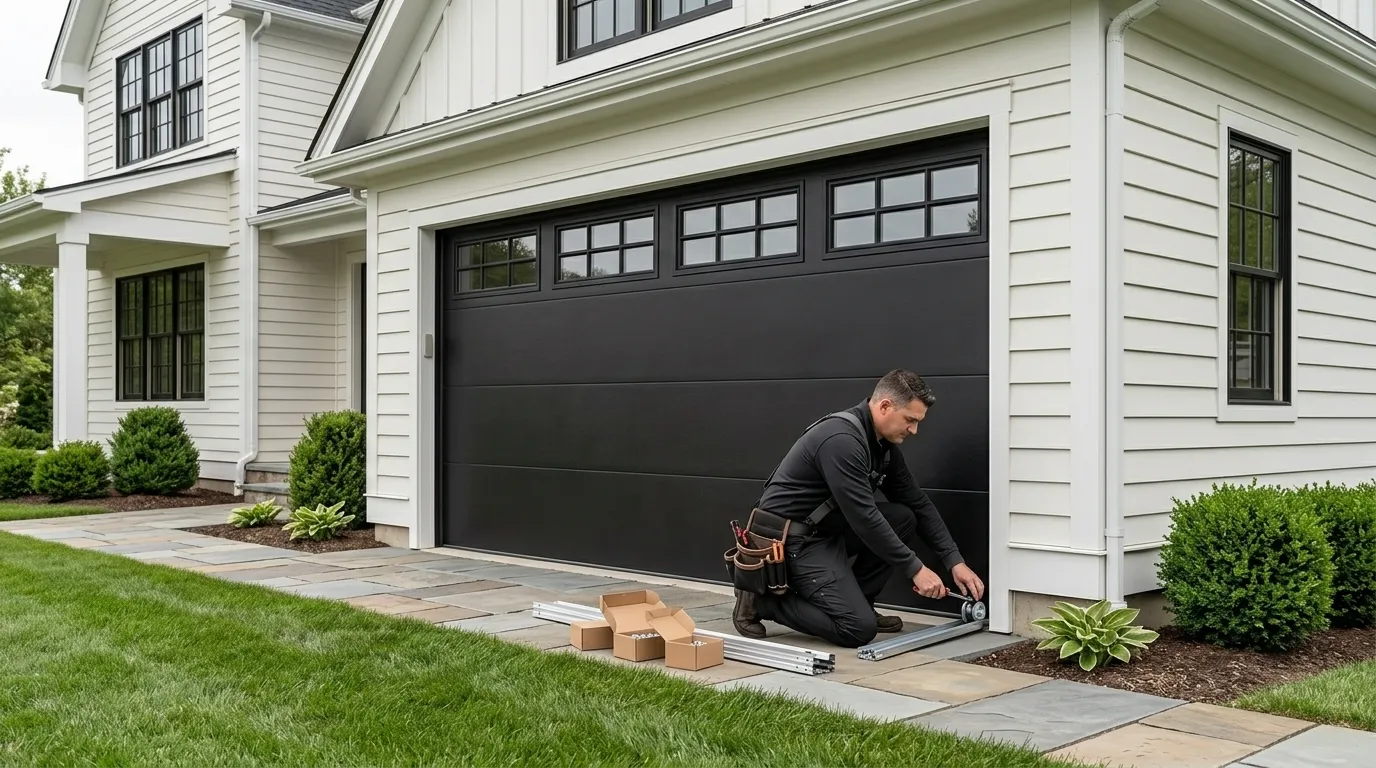
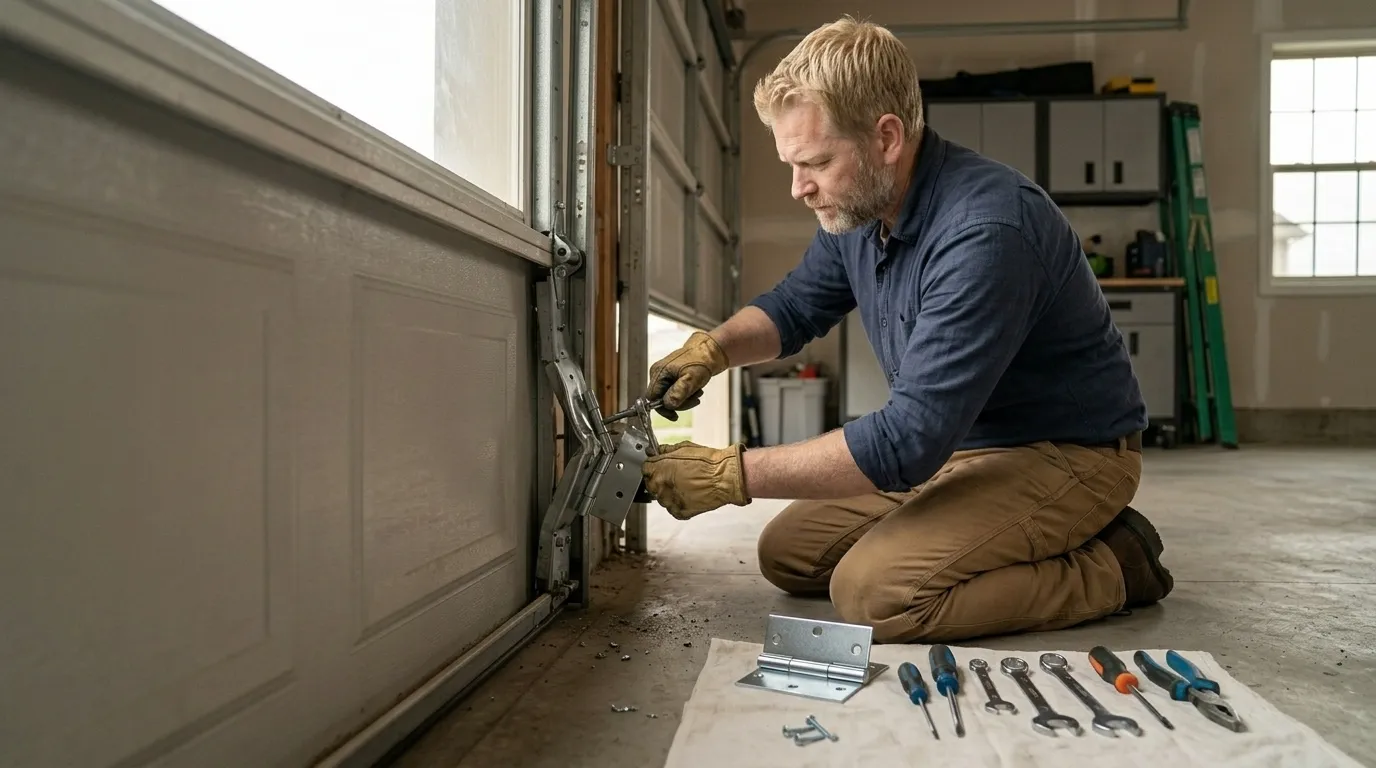
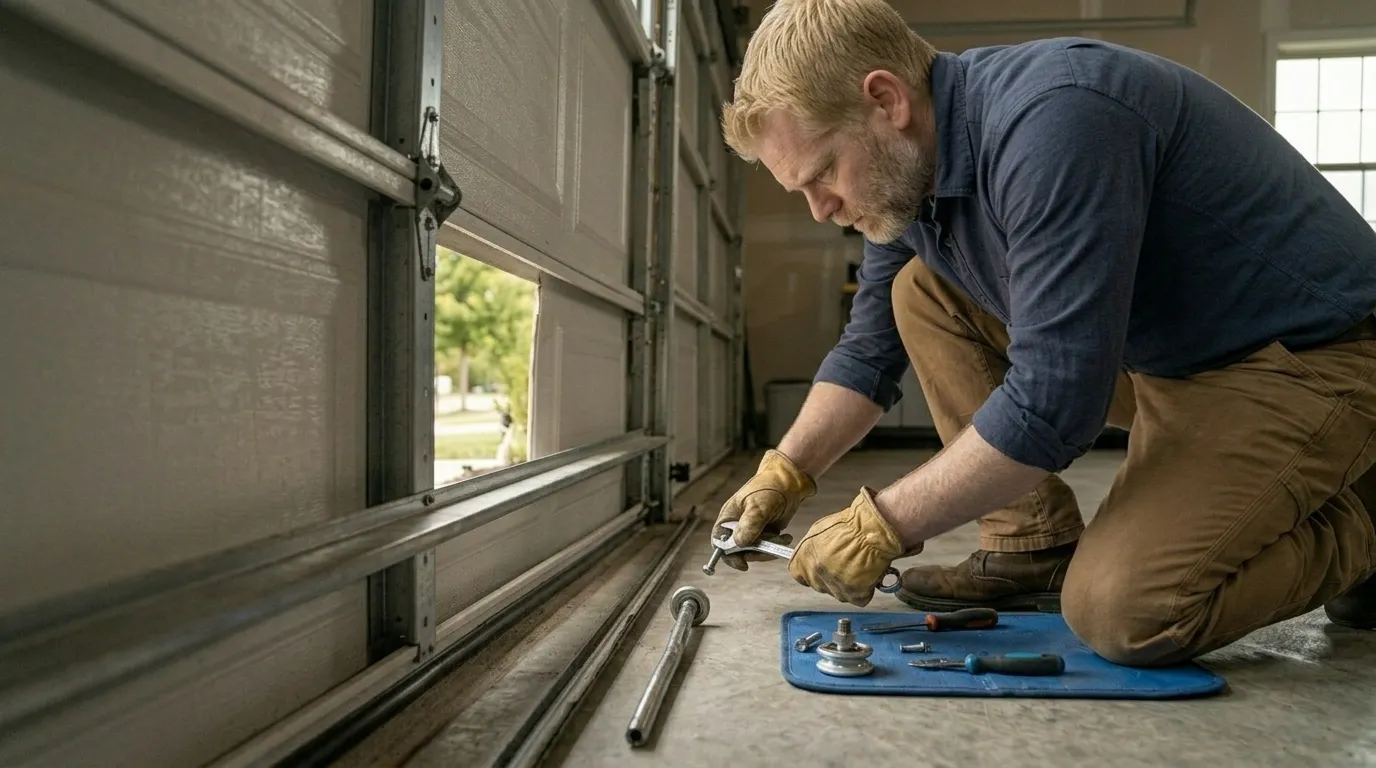
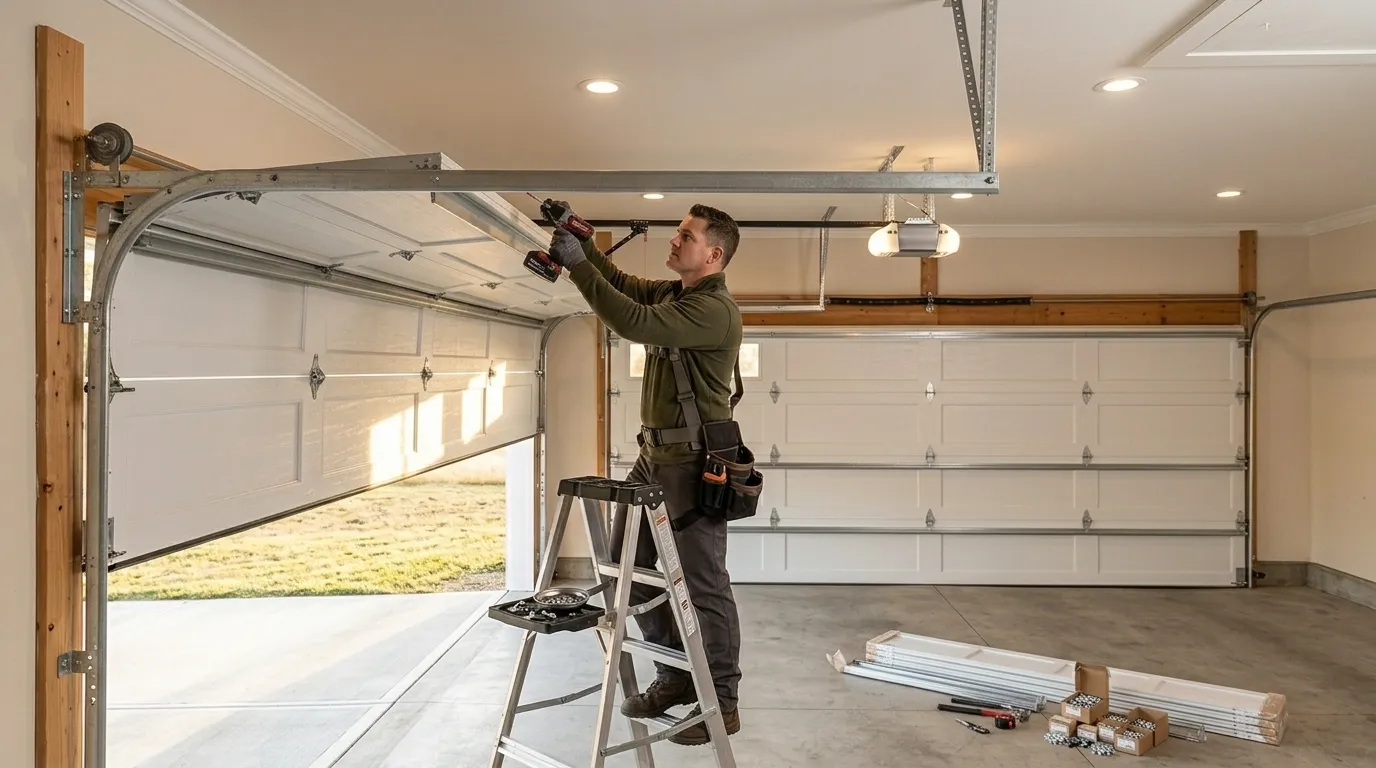
With a median build year around 1955 and a range stretching from 1938 up through newer infill built as late as 2014, Hays is a mix, but the older stock sets the tone. Expect single-piece or early sectional doors on side-mounted torsion hardware in the older sections, and more of the standard extension-spring sectional doors on anything built from the 70s onward. Extension springs on older tracks tend to be undersized for the door weight once insulation or a heavier panel gets added later, which is a common source of the sagging-door calls we get. Openers vary widely - some houses still run older chain-drive units that predate rolling-code remotes, others have been upgraded piecemeal over the years. We don't stock parts for every obsolete opener brand that's shown up in this area, so on very old units the honest answer is sometimes replacement rather than repair, especially if a circuit board is the failure point and not just a sensor or belt.
Where You Are
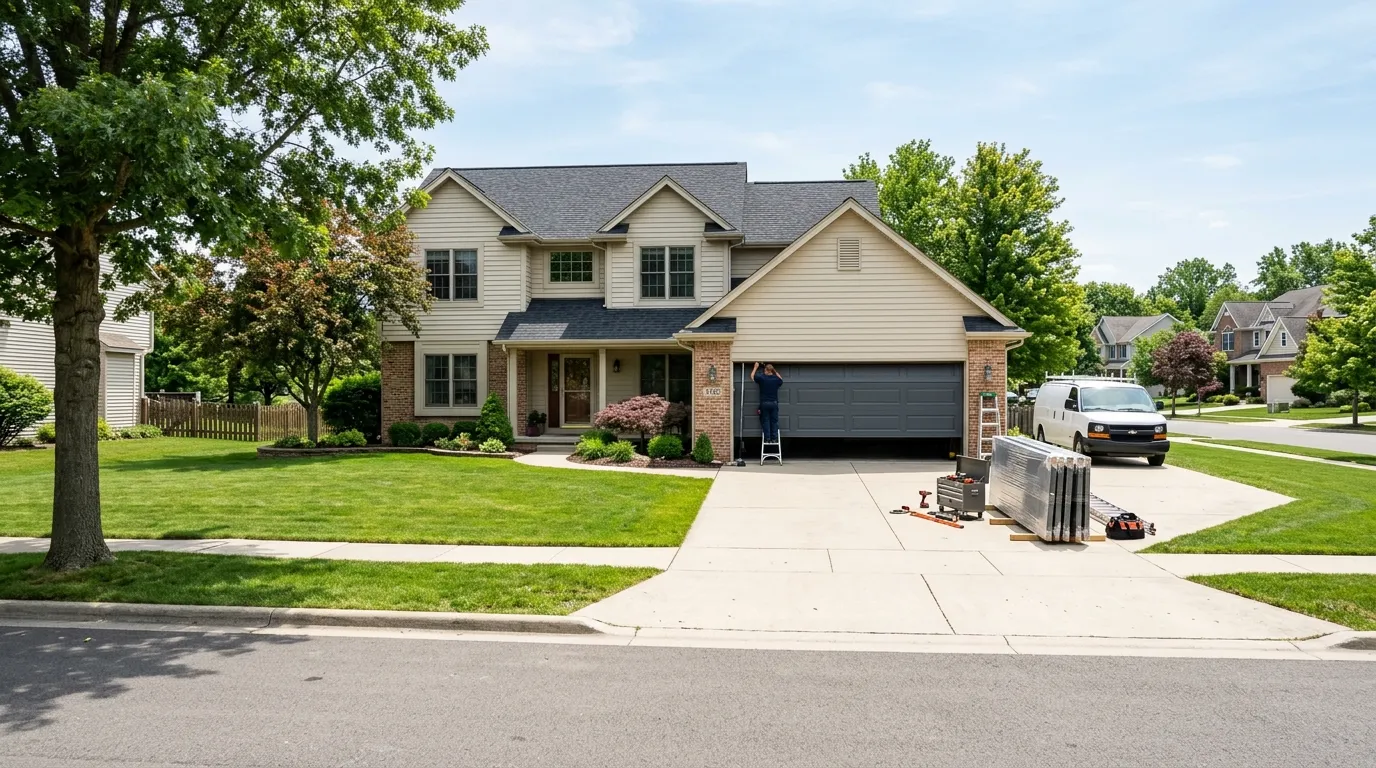
Hays sits roughly three miles south-southeast of the center of Pittsburgh, closer in than Homestead, Baldwin, or West Mifflin, which sit four to seven miles out along similar lines. The winter climate here falls into the severe end of the cold band, which matters more for garage doors than people expect - a torsion spring that's been cycling fine all fall can snap outright on the first hard overnight freeze, and steel panels contract enough in deep cold to pop a misaligned track loose. That's a seasonal pattern we plan service calls around, not a one-off. We work this stretch of the service area alongside neighboring spots like Hazelwood and Squirrel Hill South, but Hays' own housing mix - older stock closer to the river-facing streets, newer builds mixed in - is what actually decides what shows up on a given job.