What Is on These Garages
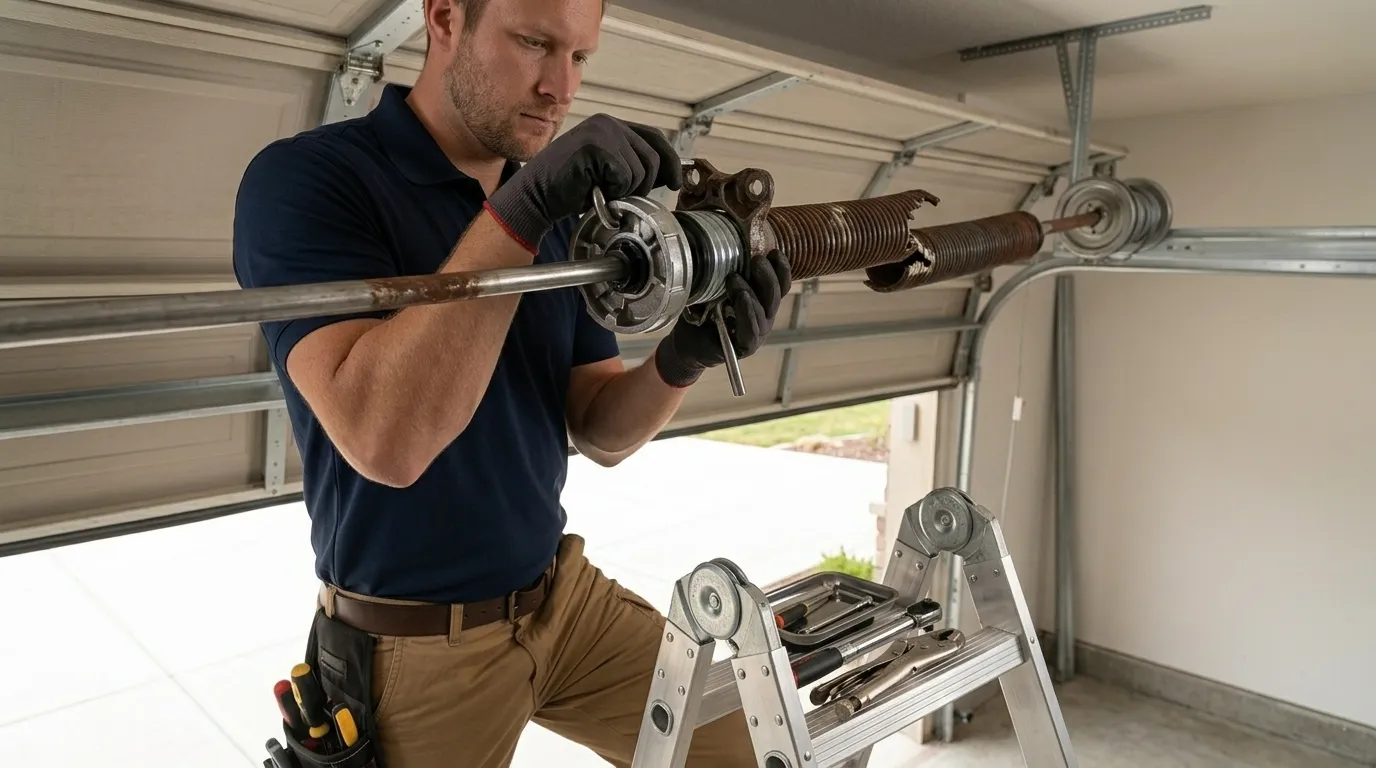
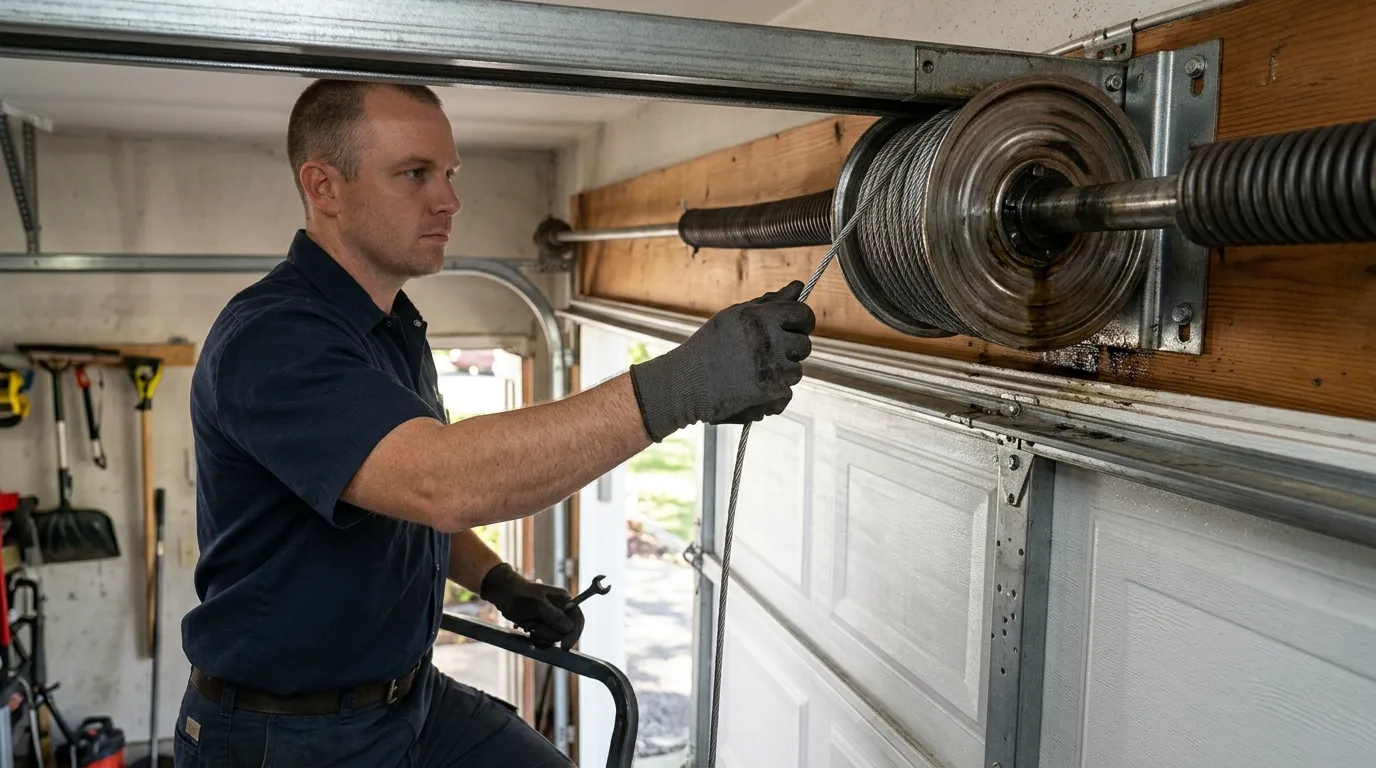
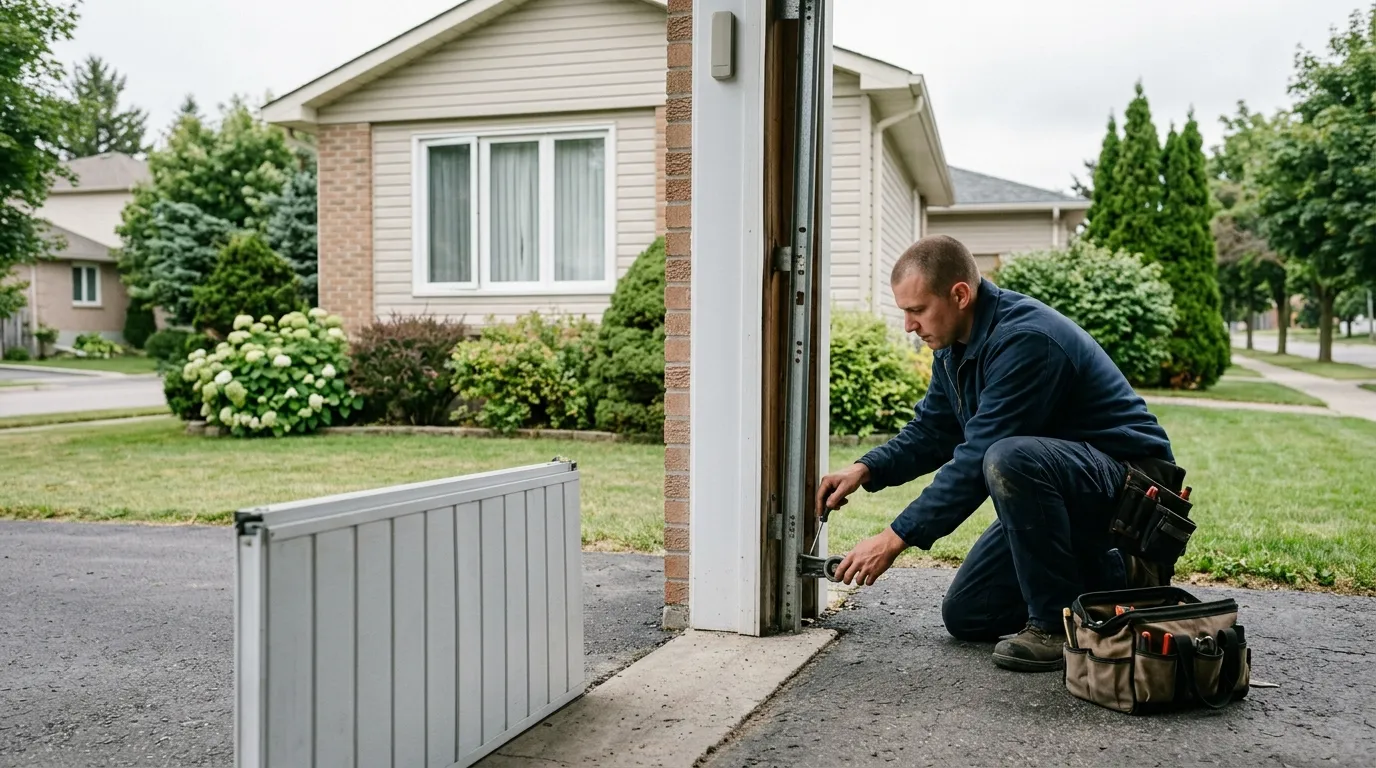
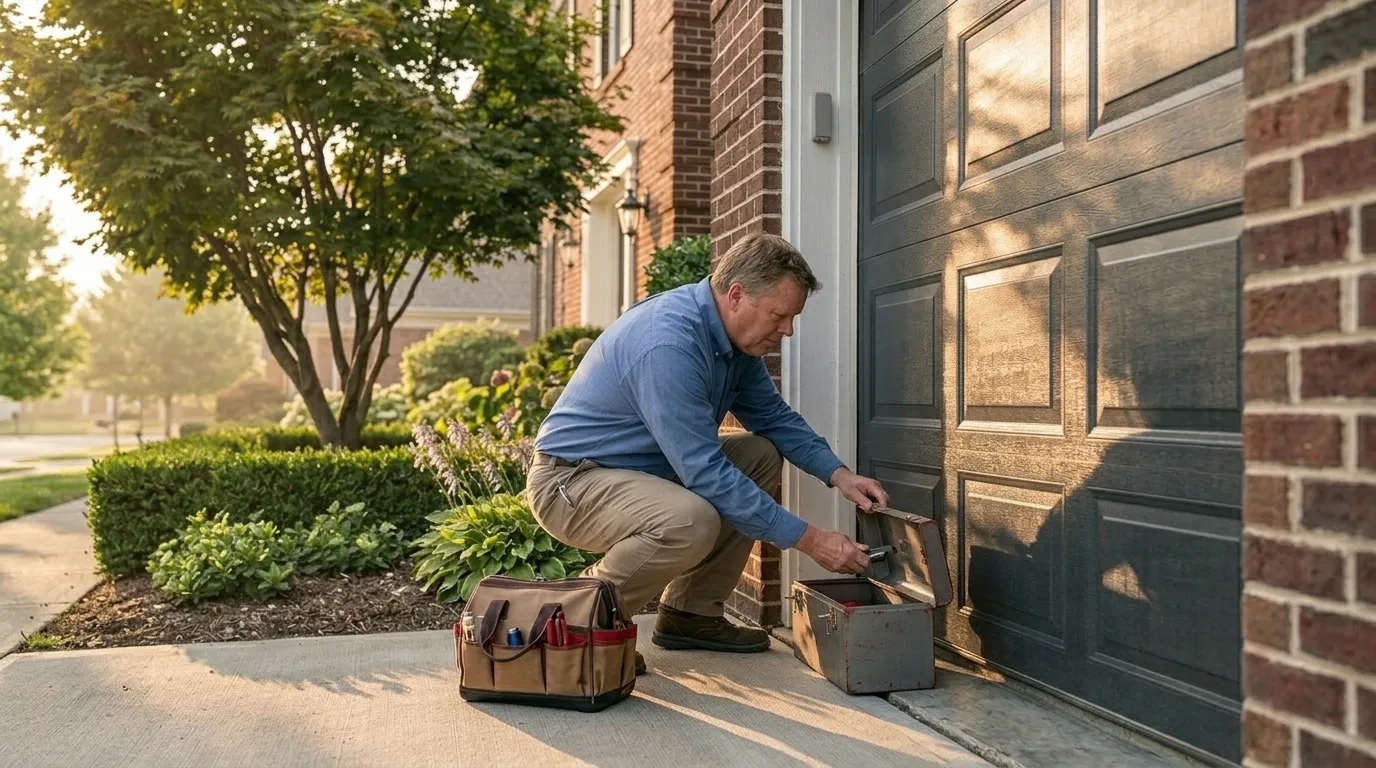
Given the 1938-2014 build range across the wider area, with a median build year of 1955, a lot of Brookline garages are original construction or close to it - older wood-panel doors, torsion springs sized for lighter panels, and openers that, if they've been replaced at all, are probably a generation or two behind what's sold now.
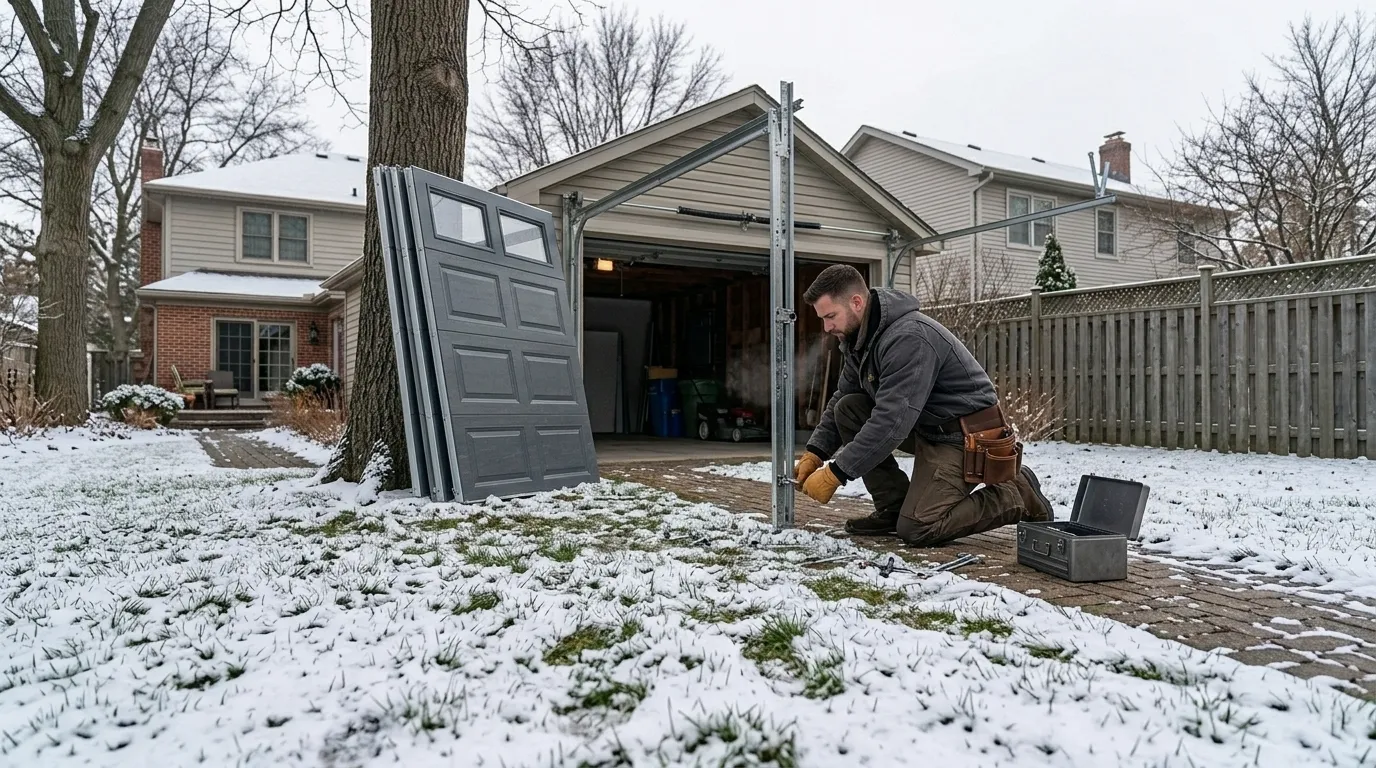
The cold-climate rating for this region matters here too. A severe winter puts more stress on springs and cables than owners expect - cold steel is more brittle, and a spring that's already near the end of its cycle count is more likely to let go on a January morning than in July. If your door feels heavier or noisier once temperatures drop, that's not your imagination, that's the metal.
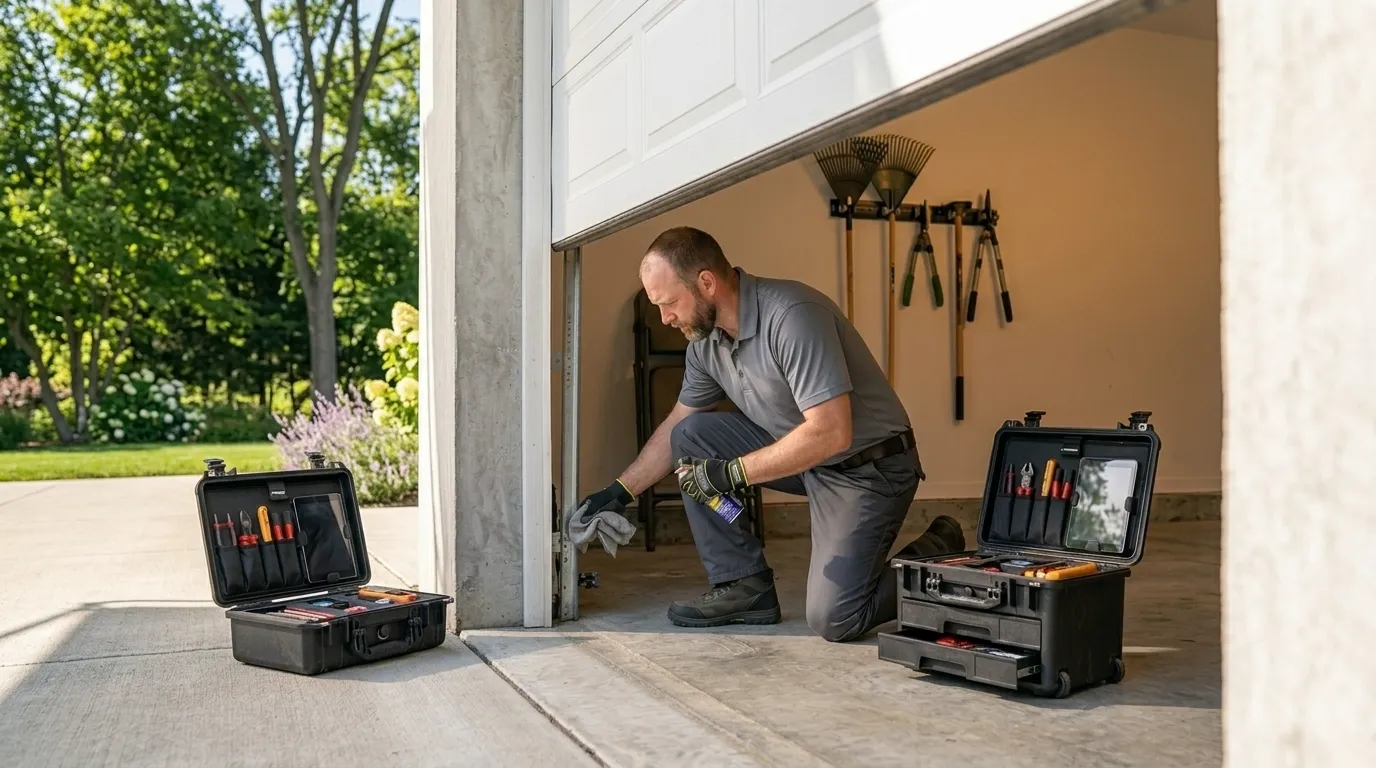
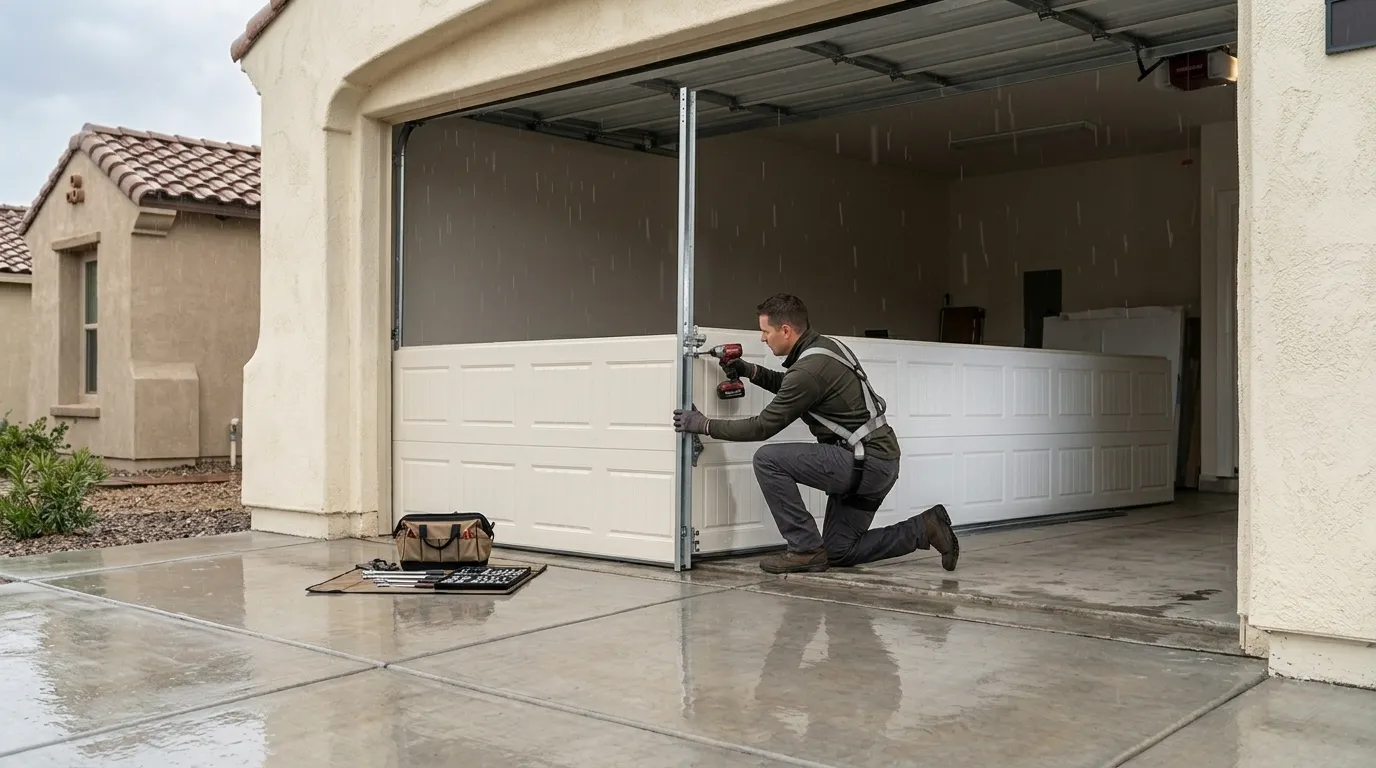
We don't assume every garage on these streets is the same age or the same setup - some have been fully replaced, some haven't been touched since they were built. But if you're calling about a door that's original to the house, expect to hear the words 'they don't make this anymore' at least once during the visit.
Where You Are
Brookline is about 4 miles southwest of downtown Pittsburgh, tucked in among neighborhoods like Beechview and Carrick, which sit closer in at roughly 3 miles SW and SSW. That distance and direction put it solidly within the older, pre-1960-heavy residential band that makes up much of the service area described in the regional housing data - 279,154 households total, most of them in houses that predate modern garage door standards.
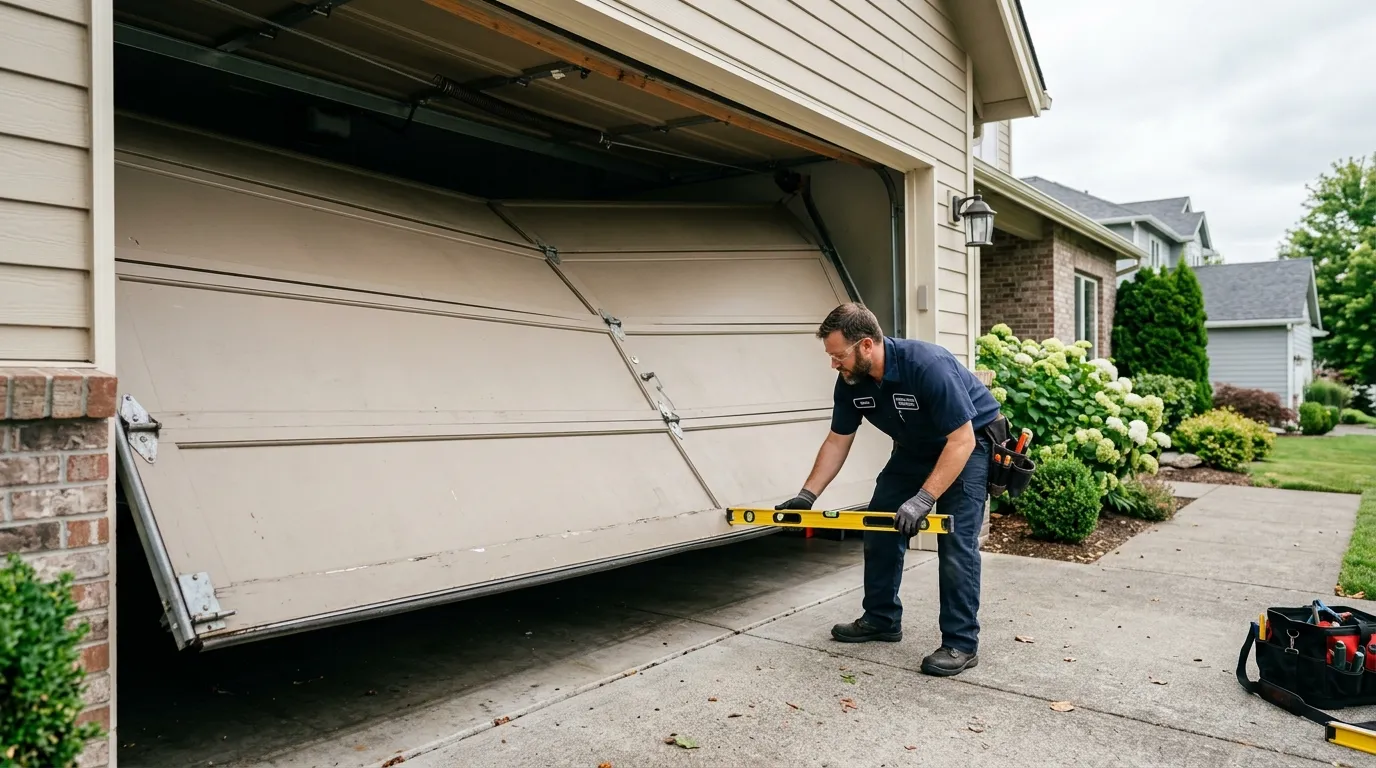
Median household income across the service area runs around $72,020, which is worth mentioning only because it tends to track with what we see on the ground: owners who'd rather fix a spring or a panel than replace a whole door, provided the door is worth saving. Not every door is. If the track is rusted through or the panels are delaminating, we'll tell you that instead of running up a repair bill on something that won't hold.