Weather Seals and Draughts in Pittsburgh Garage Doors
Pittsburgh homes built mostly before 1960 lose heat through old garage door seals fast in this cold-severe climate. Here's what that costs you and when to fix it.
Housing across this service area was built between 1938 and 2014, with a median year of 1955, and most of the 108 named communities we cover - from the Hill District right down to Bridgeville - are still dominated by pre-1960 construction. Doors and door jambs from that era weren't built with the vinyl or rubber bulb seals that came standard later. A lot of what's out there now is a retrofit seal stapled or nailed onto old wood framing that's shrunk and shifted over sixty-plus years.
Pittsburgh sits in a cold-severe climate band, which means the seal on your garage door isn't decorative trim - it's the only thing standing between your garage and outside air for a good chunk of the year. On an older door with a worn bottom astragal or gaps along the side jambs, cold air doesn't trickle in, it pours in, especially with any wind pushing against the door face.
We see the same failure pattern house after house in this area: the seal itself cracks and hardens from age and temperature swings long before the door or opener quits. That's a cheap part solving a problem people assume is bigger than it is.
The Cost of This Job
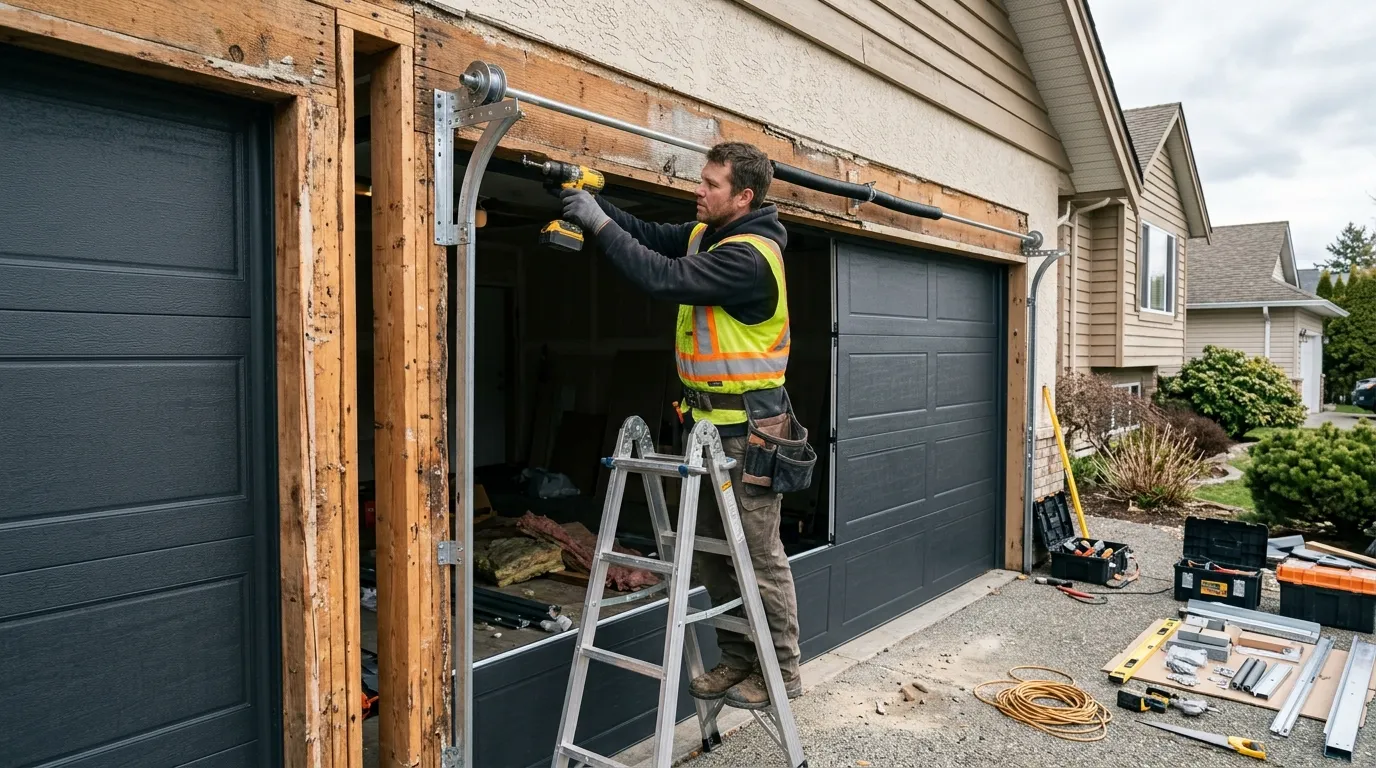
We don't have a set price to quote you here without seeing the door, so I won't make one up. What drives the cost on a seal and draught job is usually the condition of the track and jamb underneath the old seal, not the seal material itself - on a house from the 1950s stock common in this area, we often find the wood framing has warped enough that a straight replacement strip won't seat right without some adjustment to the stop molding first.
The honest limitation here: if your door panel itself is bowed or the bottom section is rusted through, a new seal won't fix the draught - you're looking at panel or door replacement, and no seal kit sold anywhere solves that. We'll tell you straight if that's what we're looking at rather than sell you a seal that won't hold.
For households in this area, where median income runs $72,020, a seal and weatherstrip job is usually the smaller repair option compared to full door replacement, and it's worth doing before winter rather than during it - cold rubber doesn't seat as well as rubber installed at room temperature.
Doing Nothing For Now
A draughty garage door doesn't fail on its own timeline. It sits there leaking air through a cold-severe winter, and the only cost is what you're paying to heat air that's escaping under and around the door. That's real but it's slow, and plenty of owners in the pre-1960 housing common across this area have lived with it for years without a breakdown.
Where it stops being a low-stakes wait is if the seal has hardened enough that it's letting in water along with air. Water plus cold plus an old wood jamb is how you get rot in framing that's already 60-plus years old in a lot of these houses. That's the point where a $20 part problem turns into a carpentry problem.
If the draught is just cold air and no moisture, there's no urgency here - this is a fix-it-when-convenient job, not an emergency call. We'd rather tell you that than have you think every open gap needs same-day attention.
The Problem
The core issue on most of these calls is straightforward: a bottom seal or side seal that's aged out on a door that predates modern weatherstripping standards. With 155,574 owner-occupied houses among 279,154 households across this area, we run into a lot of doors where the seal hasn't been touched since the house was built or last renovated, sometimes decades ago.
On houses close to areas like Squirrel Hill or Beechview, where the older stock sits right alongside newer builds, the fix is nearly the same across both - the door itself doesn't need to be old for the seal to be shot, but it's the pre-1960 majority that we see most often, since original seals from that era were never designed to last this long.
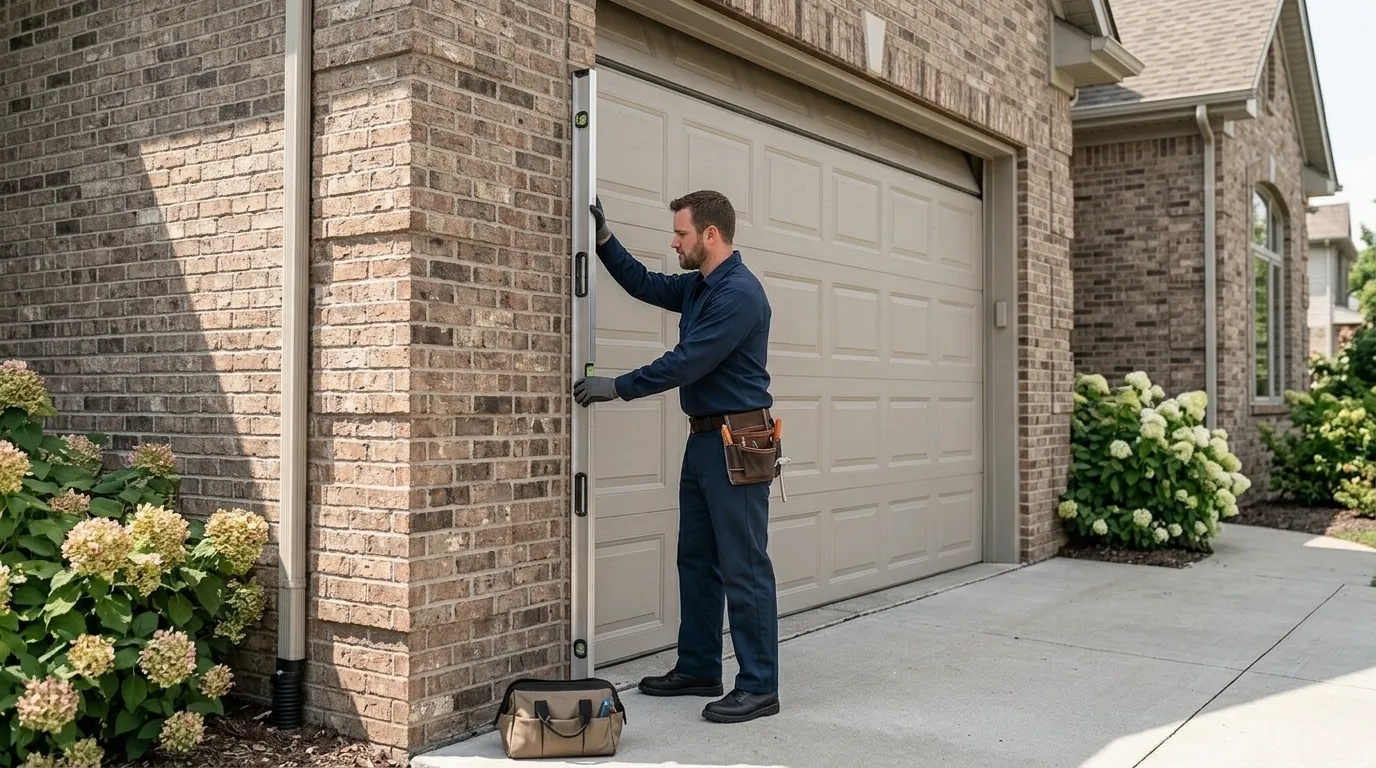
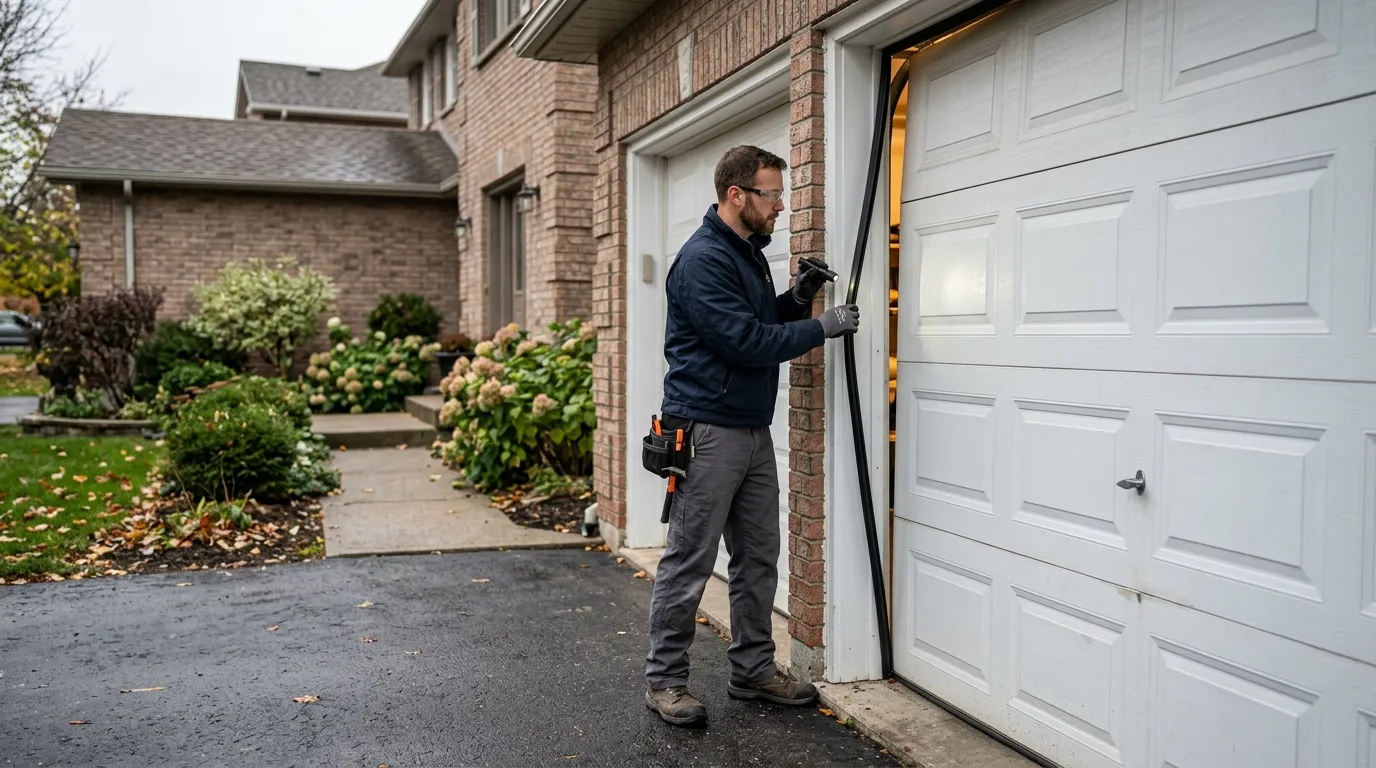
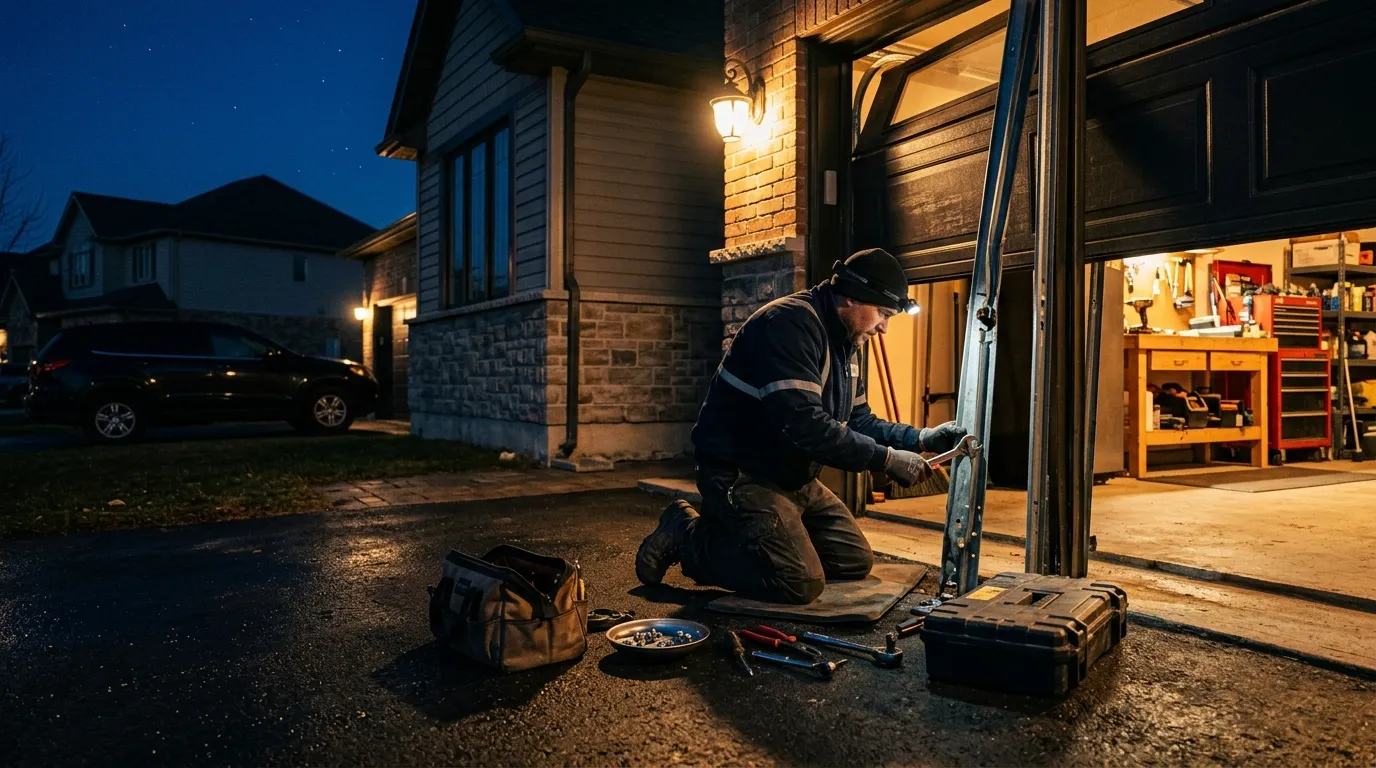
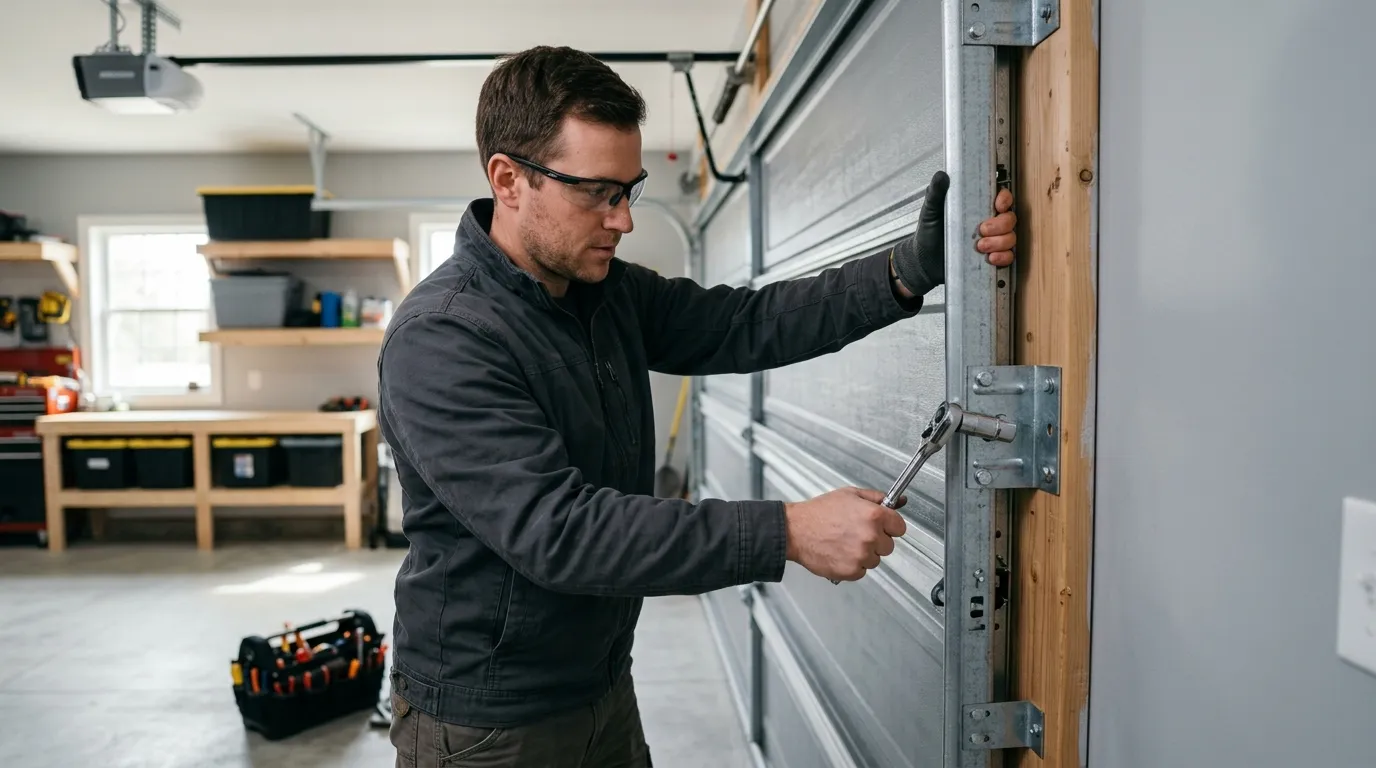
The fix itself is usually simple once we're looking at the actual jamb and track: strip out the old material, check the framing is straight enough to seat a new seal against, and install one rated for the temperature swings this climate band puts it through.
How it works
From “it’s stuck” to “it’s fixed”
01
Tell us what’s wrong
Describe the symptom - won’t open, loud bang, opener runs but the door won’t move.
02
On-site diagnosis
A technician tests the door under power and by hand and finds what actually failed.
03
Clear, up-front plan
You get the fix that’s needed and what drives the cost - before any work starts.
04
Repaired & tested
The repair is done, the door is set true and tested, and the work area left clean.
Serving Pittsburgh, PA - tell us what your door’s doing and we’ll take it from there.
How do I know if my garage door draught is a seal problem or a bigger issue?
If you feel cold air but the floor and jamb are dry, it's almost always the seal. If you see water staining, soft wood, or the door doesn't sit flush against the frame when closed, that's a framing or panel issue a new seal alone won't fix. We'll check both when we come out.
Does the age of my house matter for this repair?
It often does. A lot of houses in this area were built before 1960, and the door jambs from that period weren't framed with modern weatherstrip channels in mind. That can mean extra adjustment to the stop molding before a new seal seats correctly, which changes the scope of the job.
Is this an emergency repair?
Usually not. A draughty seal with no water intrusion is a comfort and heating-cost issue, not a safety issue, so it's fine to schedule it rather than treat it as urgent. If you're seeing moisture or rot at the jamb, that's worth moving up the list.
Ready to get your garage door sorted?
Tell us what it’s doing and where you are in Pittsburgh - we’ll take it from there.