What Is on These Garages
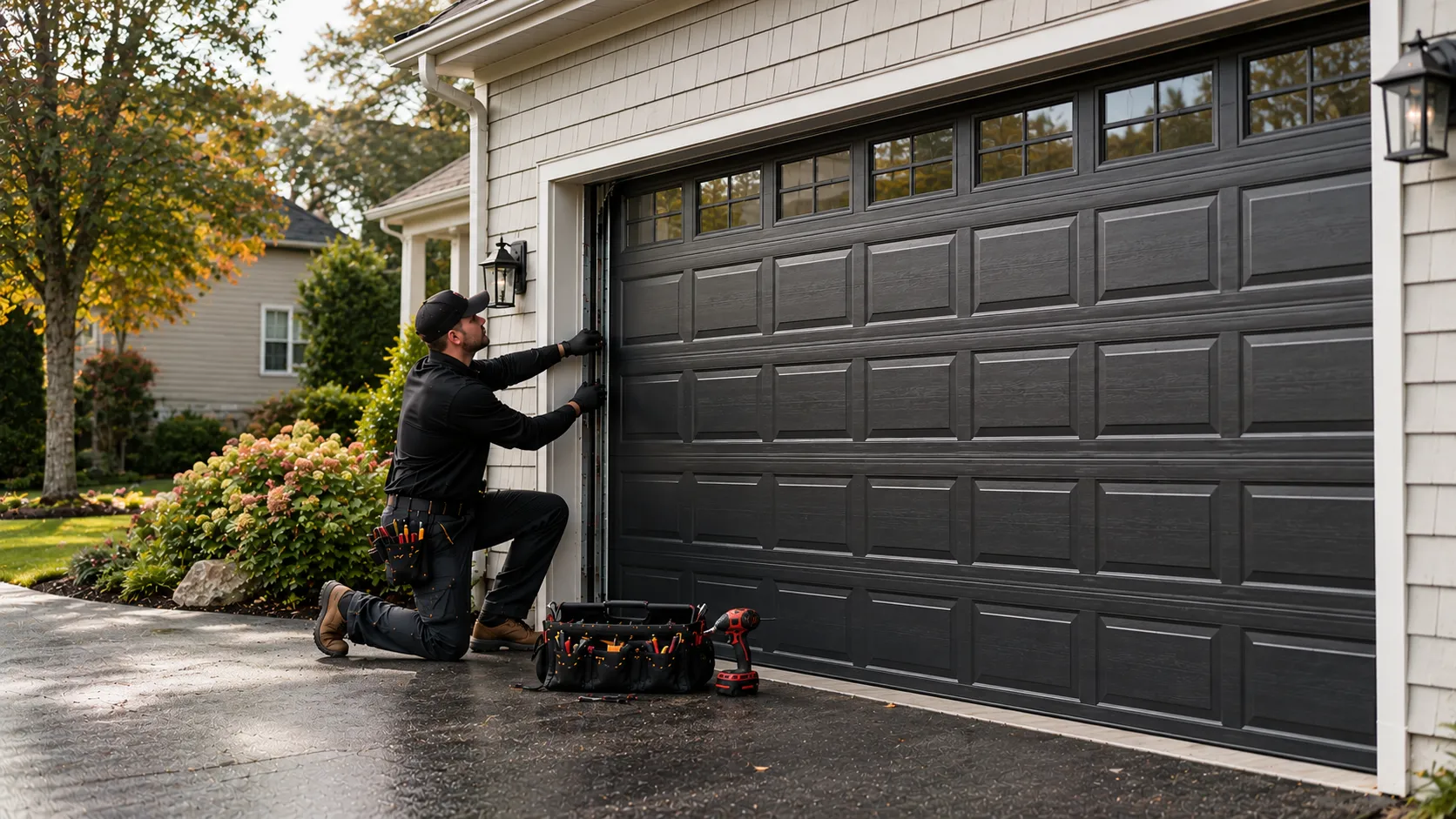
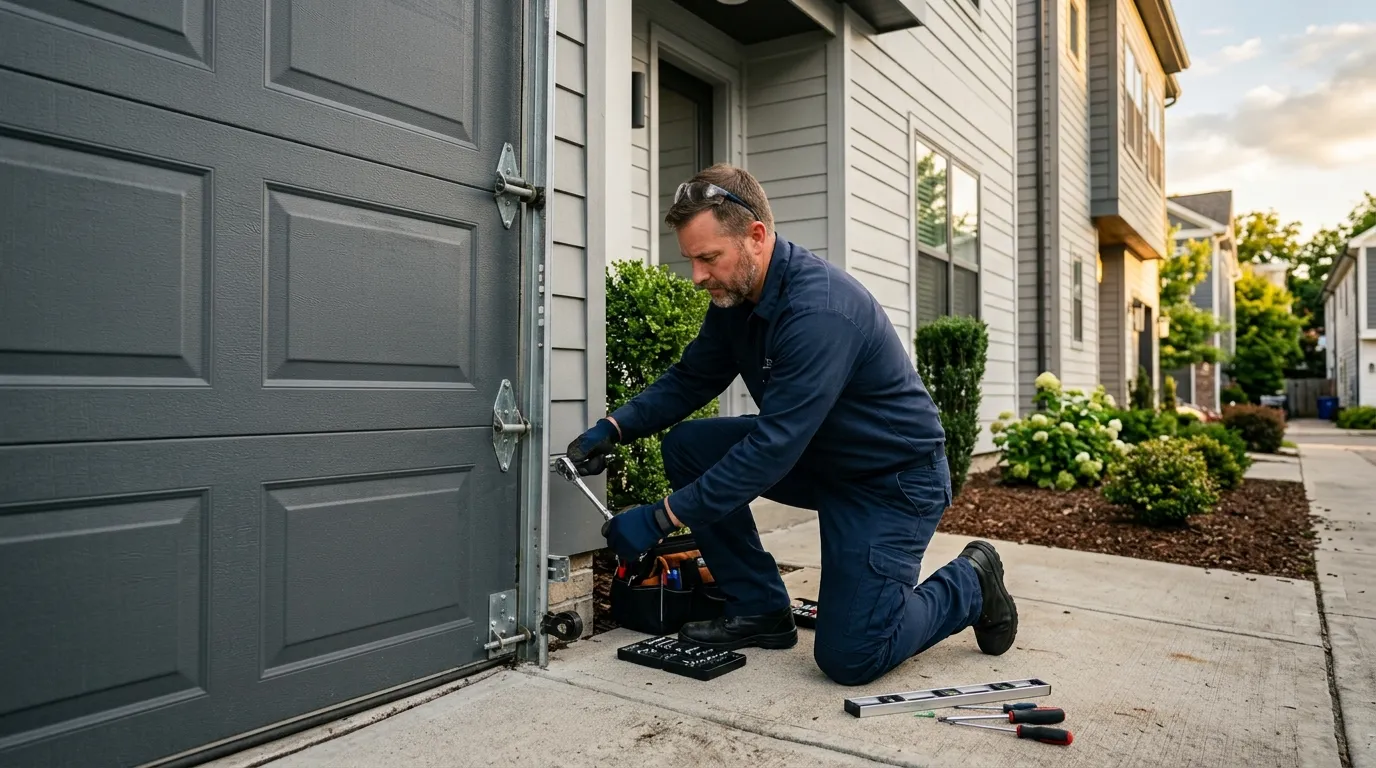
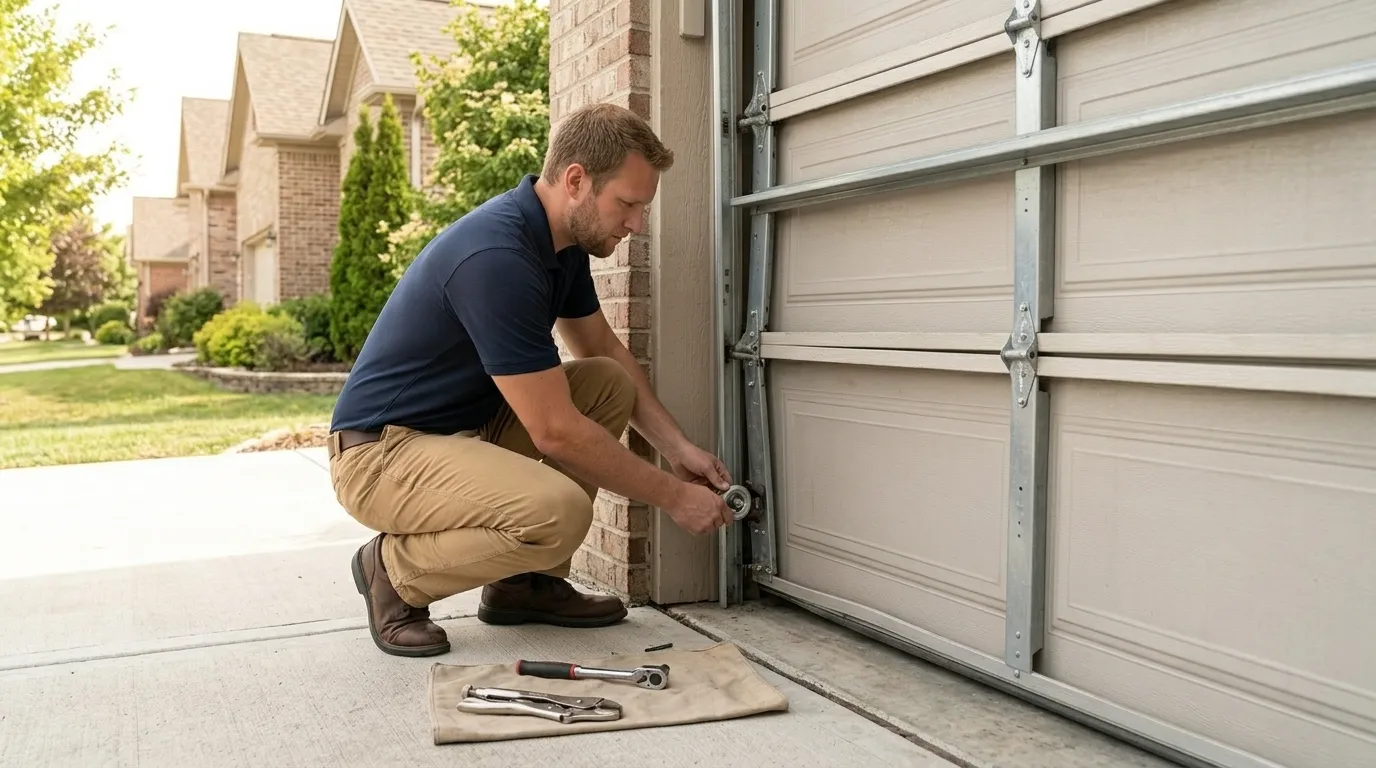
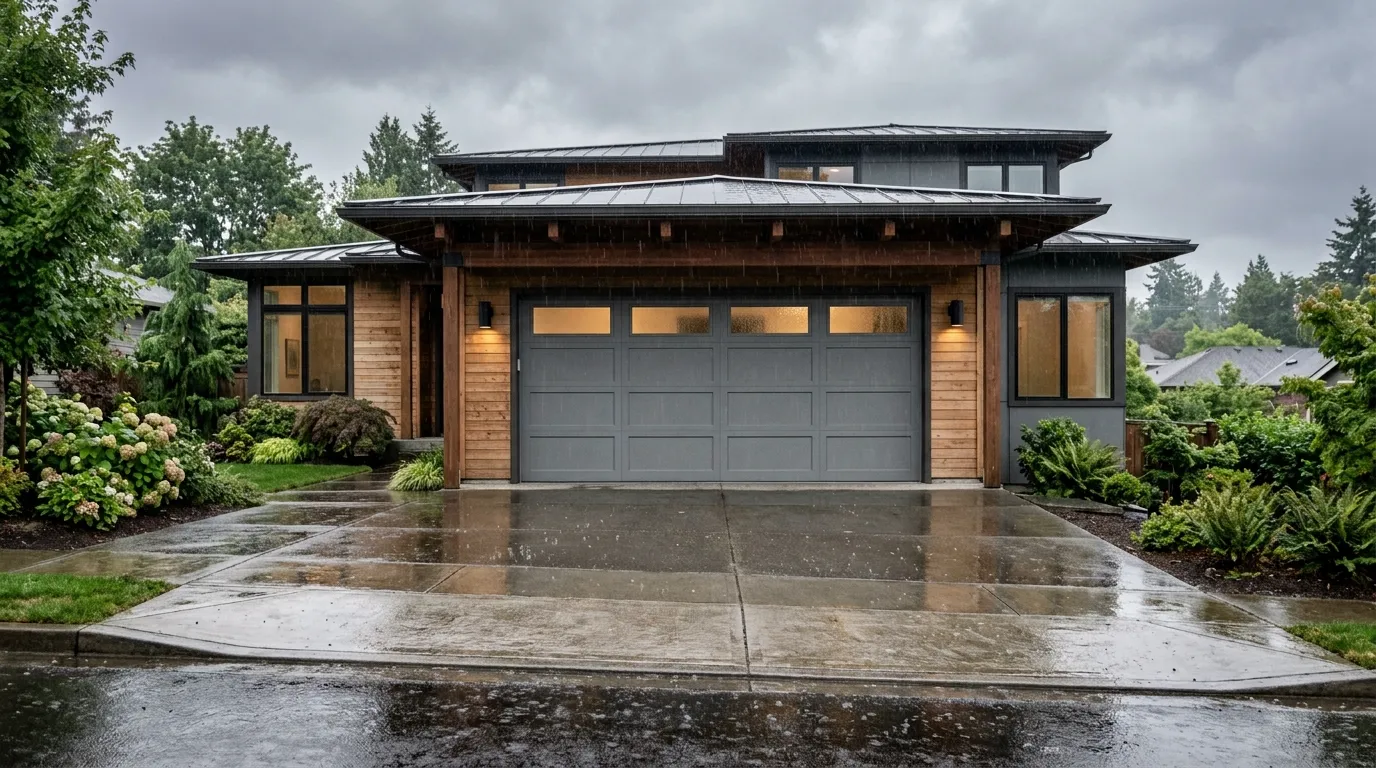
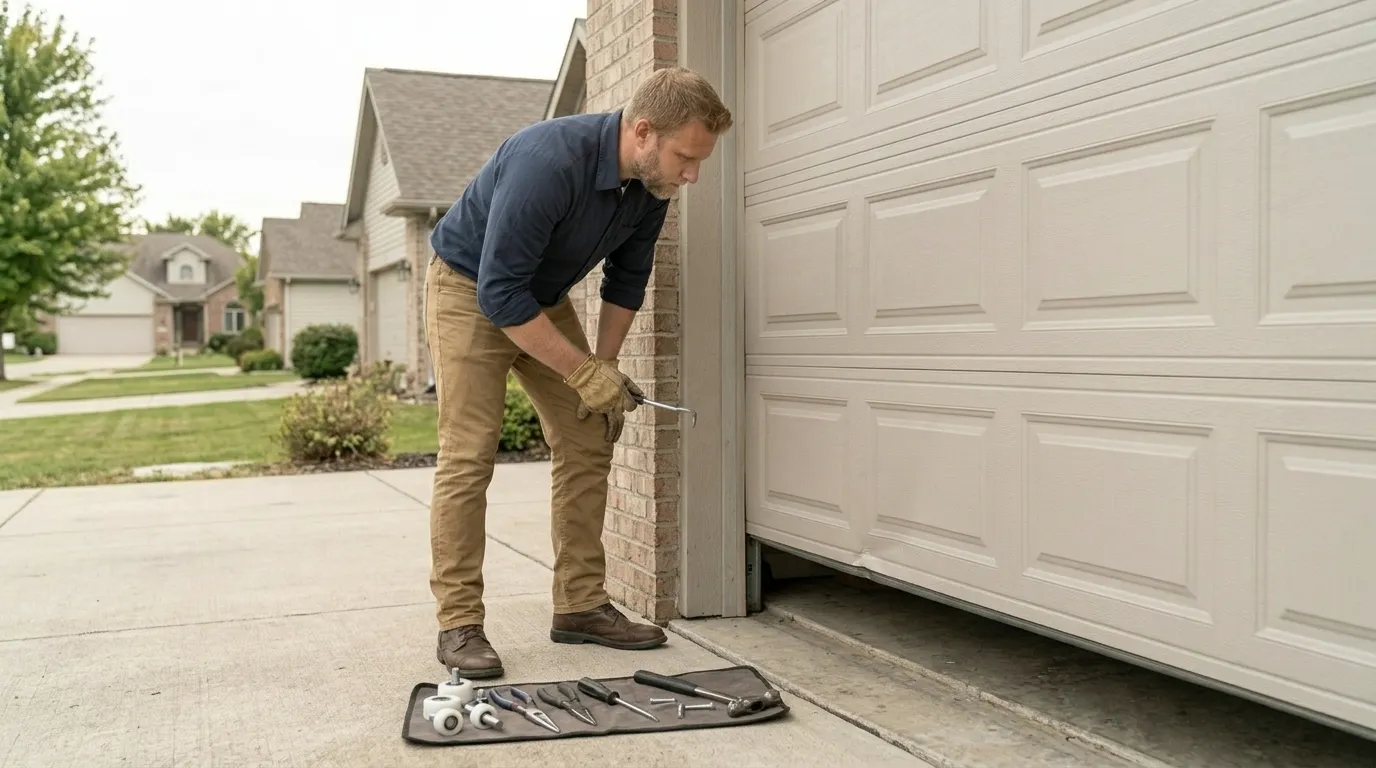
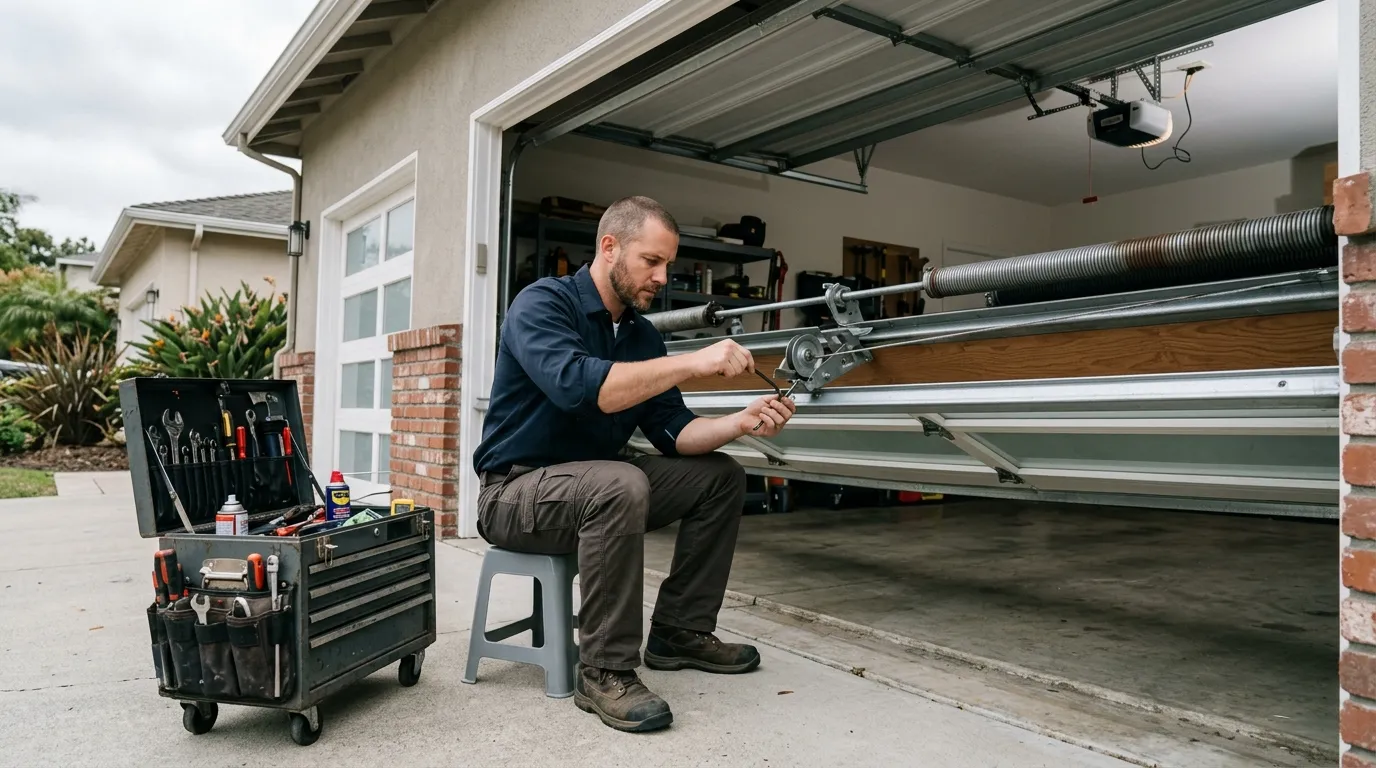
With a build window running from 1938 to 2014 and a median year of 1955, the garages in Hazelwood skew old. A lot of them still have the narrower single-car openings that came standard with houses from that era, paired with steel doors on side-mounted torsion hardware rather than the center-mounted setups you'd find on anything built in the last twenty years.
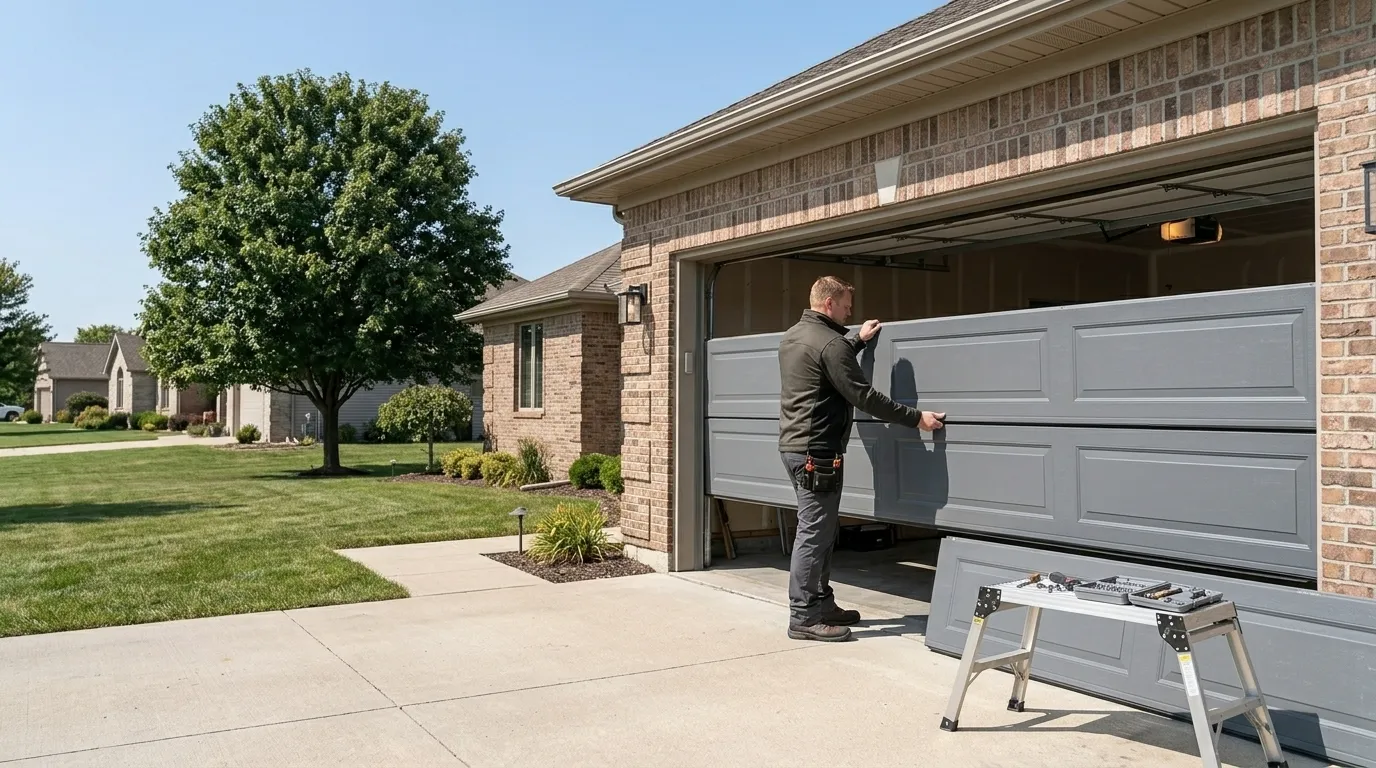
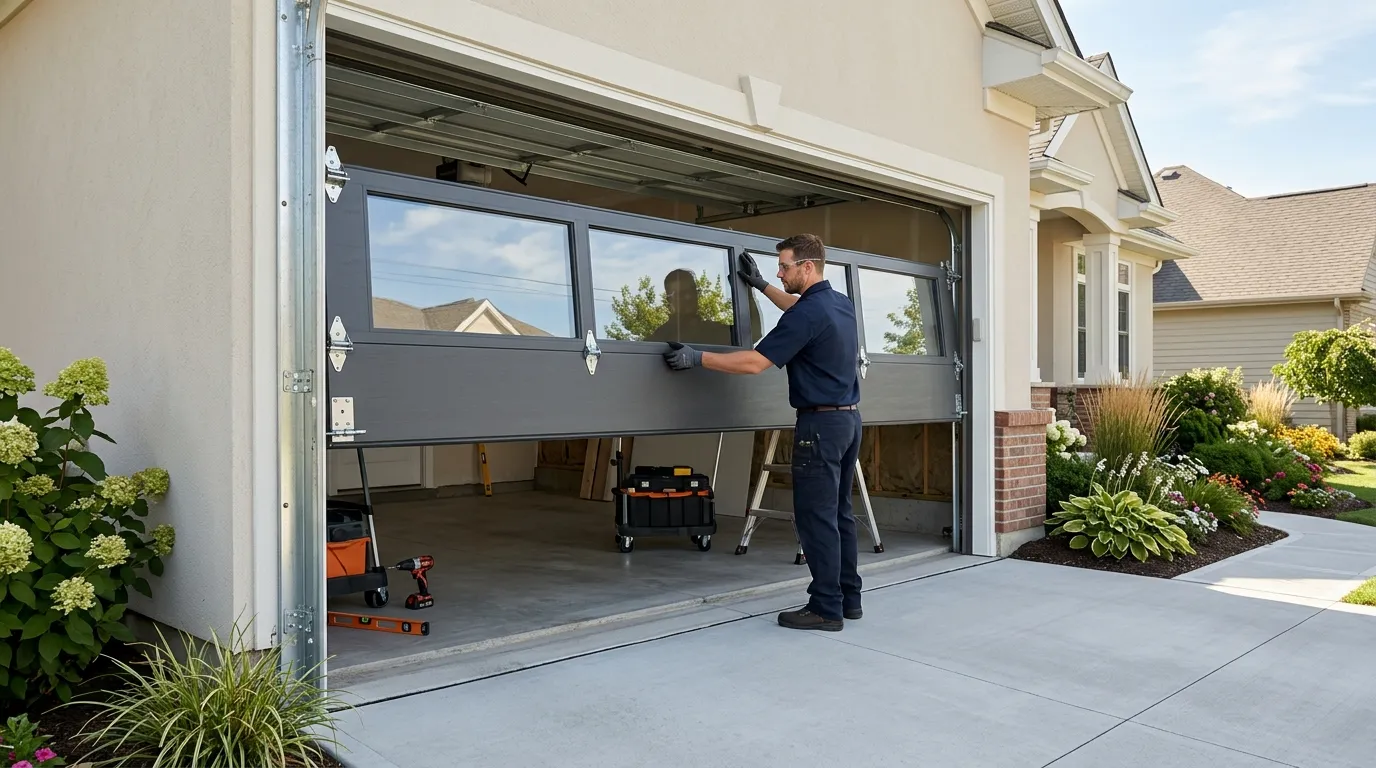
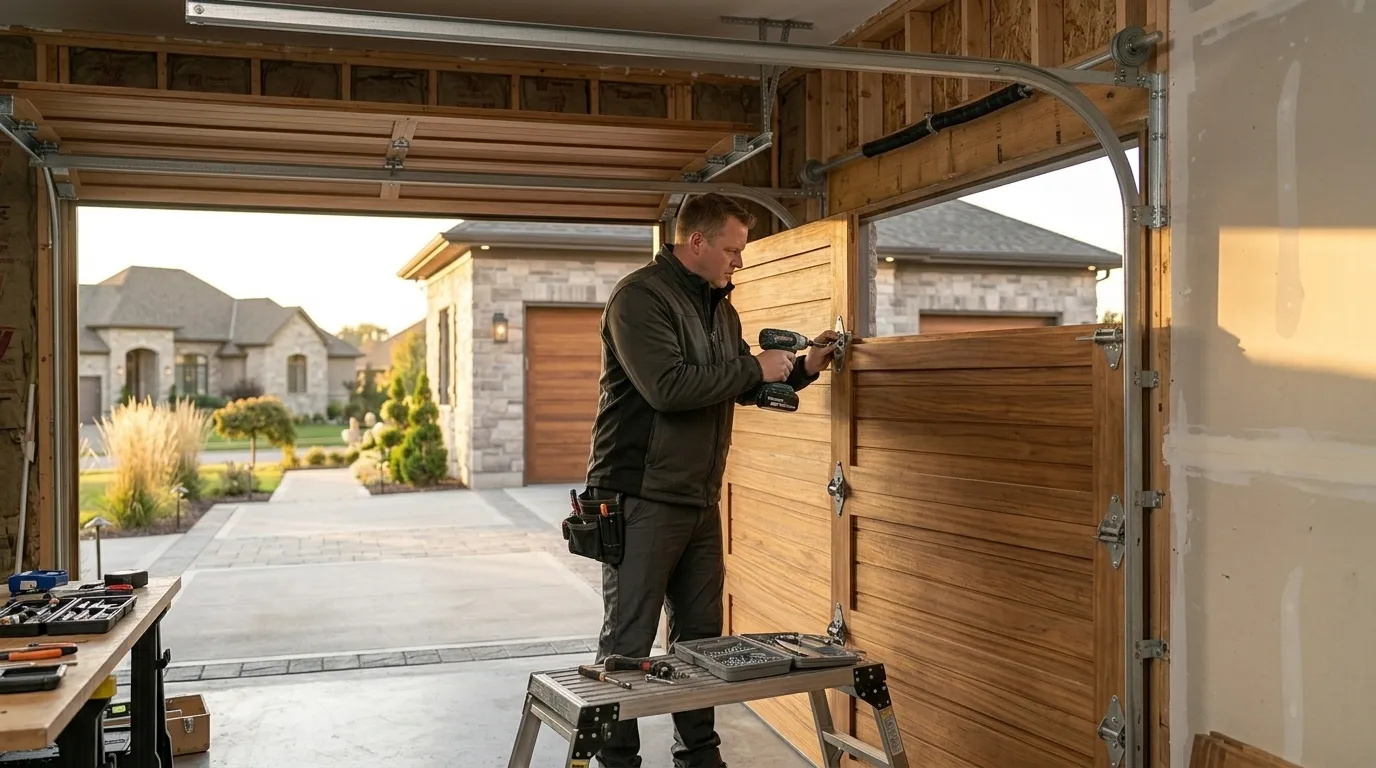
That older hardware isn't bad - it's just less common now, and fewer trucks carry parts sized for it. It also means the springs are usually rated lighter than what a modern insulated door needs, so if a homeowner replaces an old wood or thin-steel door with a heavier insulated panel and keeps the original spring, the door struggles to lift evenly or won't stay up on its own.
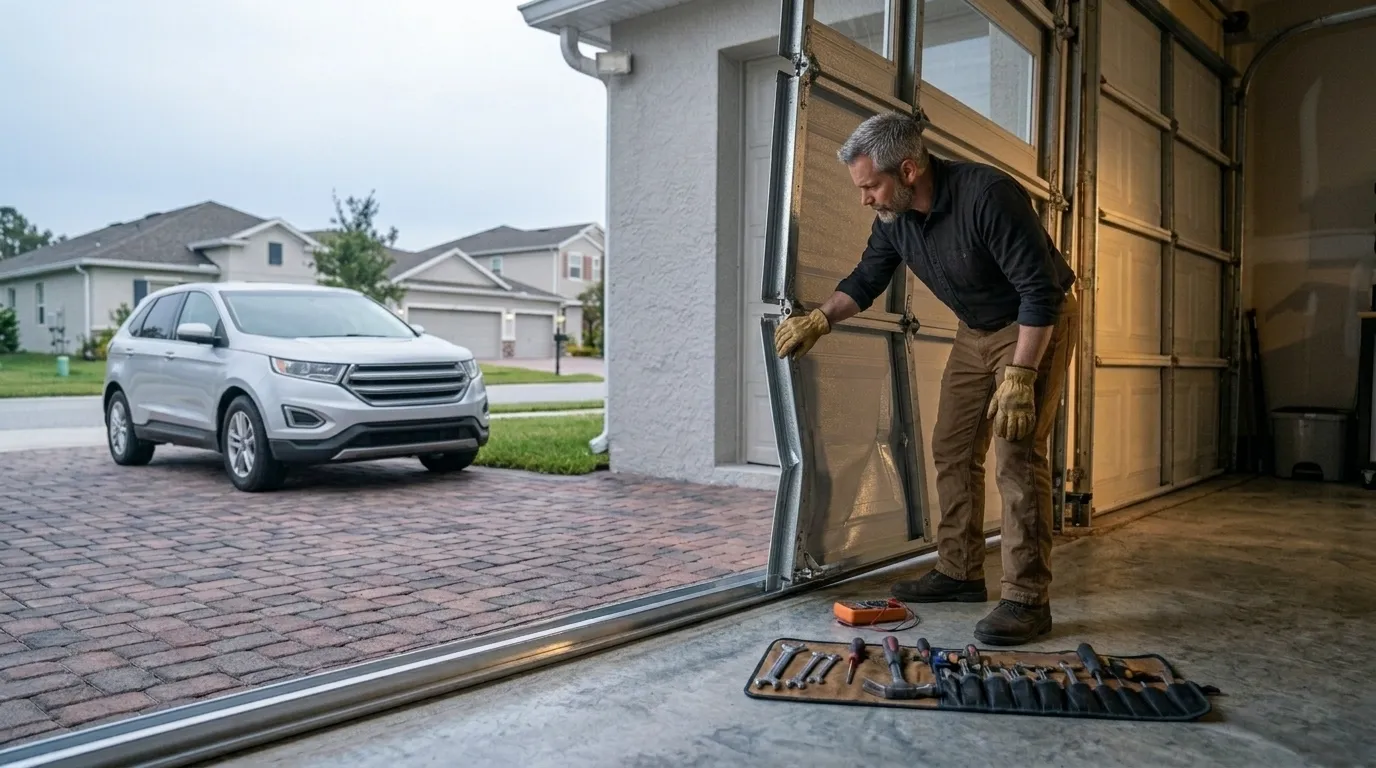
The cold-climate band this area sits in also plays into the wear pattern. Steel contracts in a hard winter, and on a door already decades old, that's often what turns a stiff track into a jammed one. We see it more on the original hardware than on anything replaced in the last ten or fifteen years.
Where You Are
Hazelwood sits about two miles southeast of downtown Pittsburgh, in the arc of river-facing neighborhoods on that side of the city. Hays is roughly three miles south-southeast of the center, and Squirrel Hill South sits about three miles east - both give a rough sense of where Hazelwood falls relative to the rest of the city without either one bordering it directly.
Downtown itself is about a mile west of the city center, and the Hill District marks the center point to the north. None of that tells you the exact edge of Hazelwood, but it places the neighborhood correctly: close in, south and east of the core, on the older side of the housing map rather than the newer suburban ring further out.