Garage door repair for Aliquippa's mostly pre-1960 housing stock, built with a median year of 1946 - torsion spring, opener, and track work from a Pittsburgh-based crew.
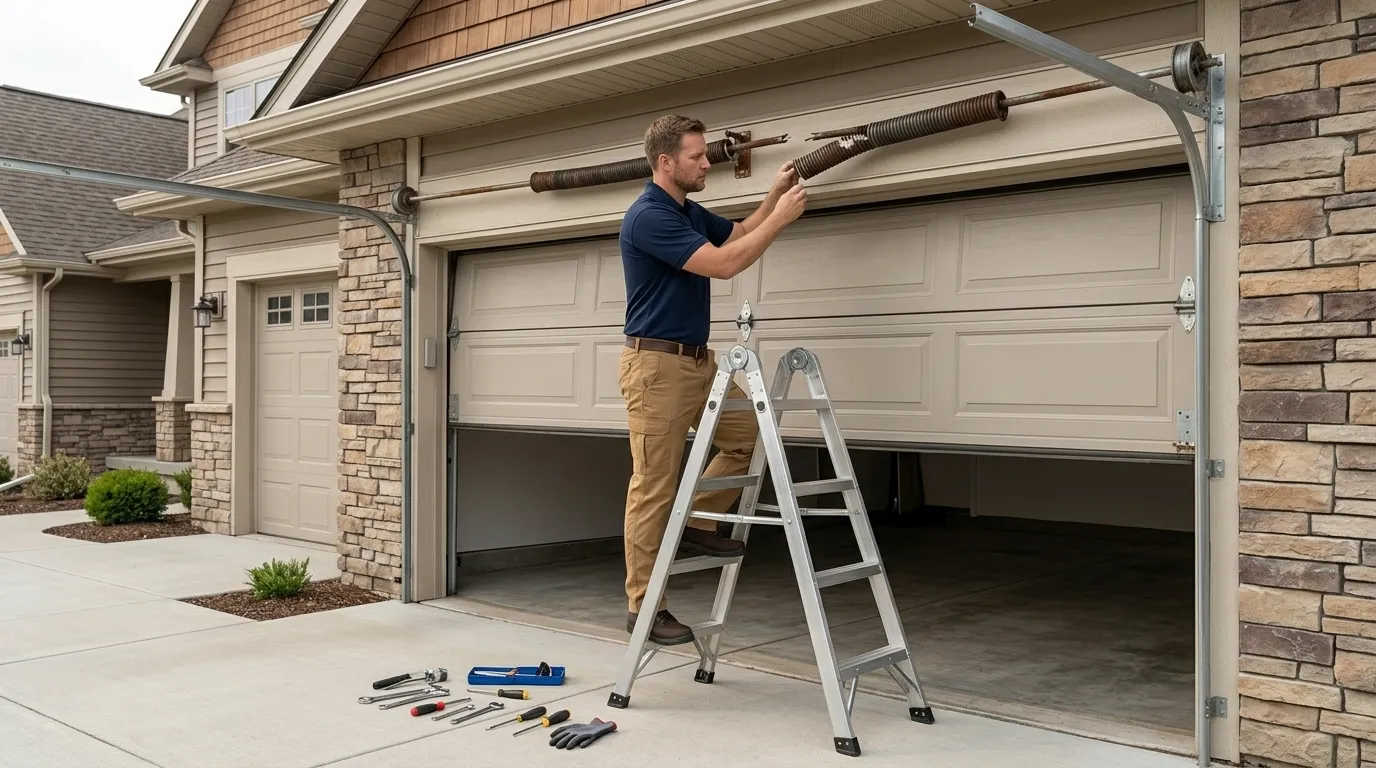
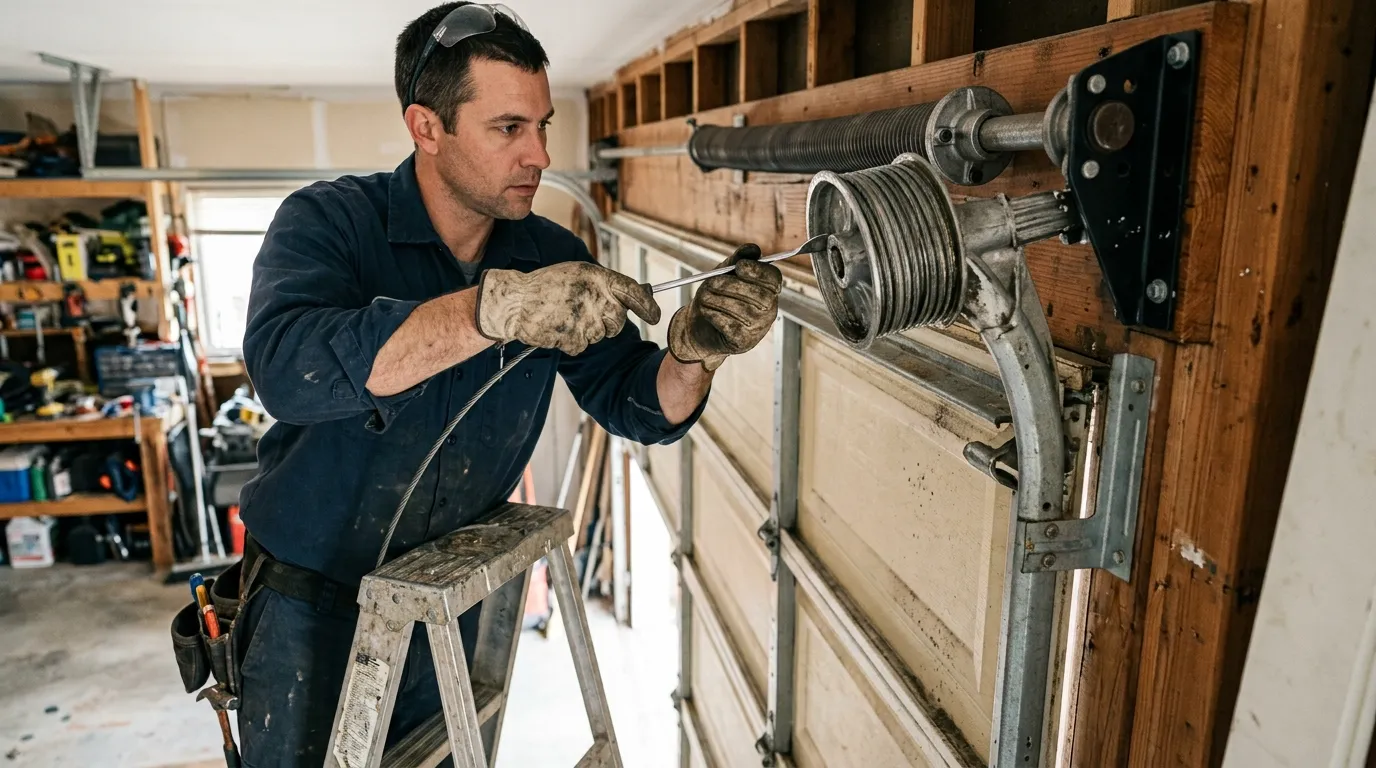
Aliquippa's houses have a median build year of 1946, which puts most of the neighborhood ahead of the wider region's 1955 median and well inside the pre-1960 stock that dominates the area. That ten-year gap matters on a garage door. A house framed in the mid-1940s was often built with a single-car opening and hardware sized for a lighter, thinner door than what gets sold today. When an owner swaps in a modern insulated door without checking the jamb and header, the old framing can flex under a heavier panel, and the track brackets that were fine for seventy years start pulling loose. On top of the age issue, this whole service area sits in a cold, severe climate band, which means steel torsion springs go through more freeze-thaw cycling every winter than springs in a milder region ever see. Combine 1940s framing with decades of hard winters and you get a specific failure pattern: springs that snap in January, not July, and cables that fray at the drum from ice buildup rather than simple wear. Any repair here has to account for both the age of the house and the weather it's sat through, not just the door itself.
The Calls We Get From Here
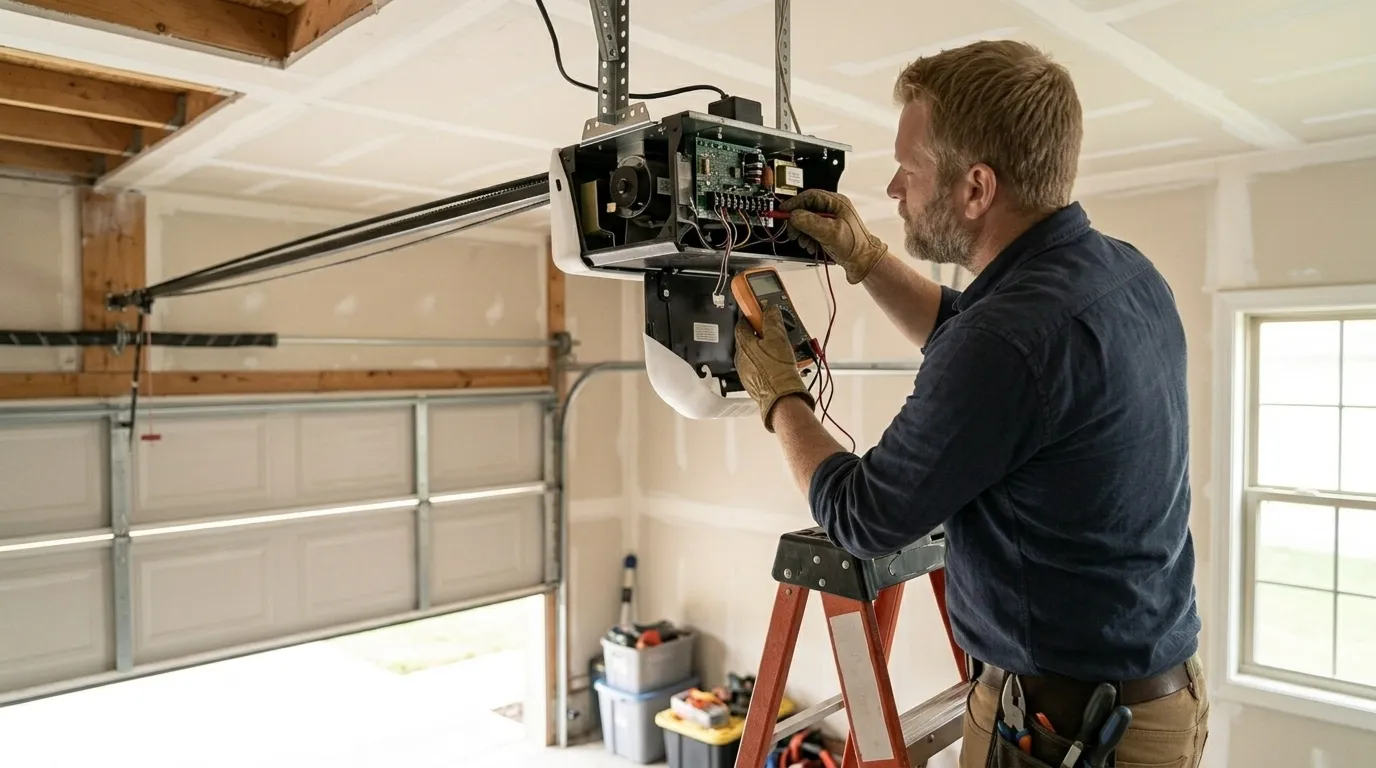
Most of the calls from Aliquippa are for torsion spring failure on doors that are original or close to it, plus openers that have outlived their gearing and started stripping under cold-weather load. We also see rot at the bottom door panel where old jamb wood has held moisture for decades - a repair, not a full replacement, in most cases, unless the frame itself has gone soft. Aliquippa has roughly 4,543 households, and the median household income here runs around $51,050, noticeably below the $72,020 median across the wider service area. That gap shows up in what people ask for: more requests to fix a spring or a cable rather than replace the whole door, and more questions about whether a repair will actually hold before spending on a new unit. We'll tell you straight when a patch job is throwing money at a door that's done, and just as often we'll tell you the door has years left in it and doesn't need replacing at all.
Getting Here
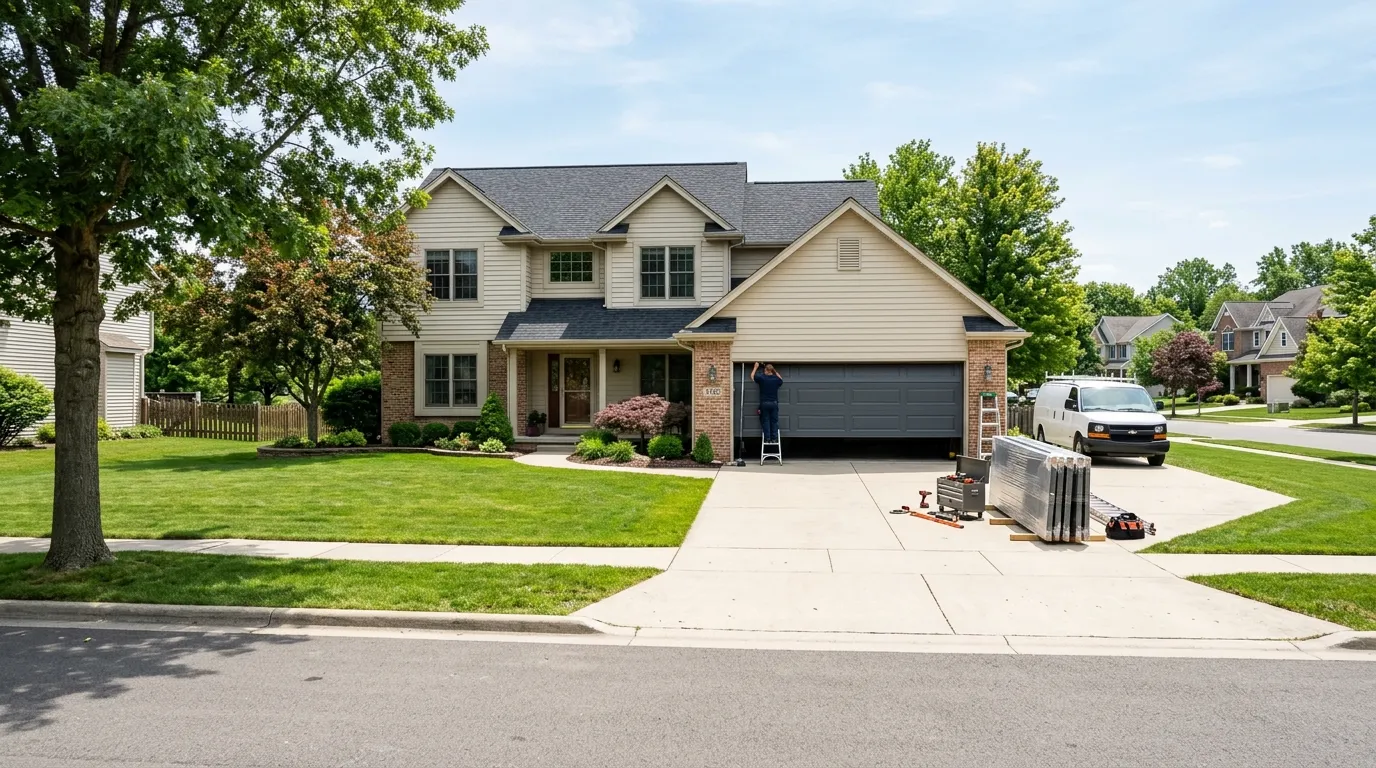
We run out of Pittsburgh, and Aliquippa sits about 19 miles from there - far enough that we don't keep a truck staged in town and won't pretend otherwise. Every job here is a scheduled trip, not a drop-in, so plan on booking ahead rather than expecting a same-hour arrival. The honest limitation: if you've got a spring that's already broken and the car is stuck in the garage, that 19-mile run is real time you'll be waiting, and we'd rather say that up front than promise something we can't back up. Once we're on site, the work is the same as anywhere else we go - full diagnosis, parts on the truck for common torsion spring and roller jobs, and a straight answer about what a repair costs versus what a new door costs. Aliquippa doesn't get a local depot, but it does get the same crew and the same shop pricing as anywhere else on our route.
This Area's Housing
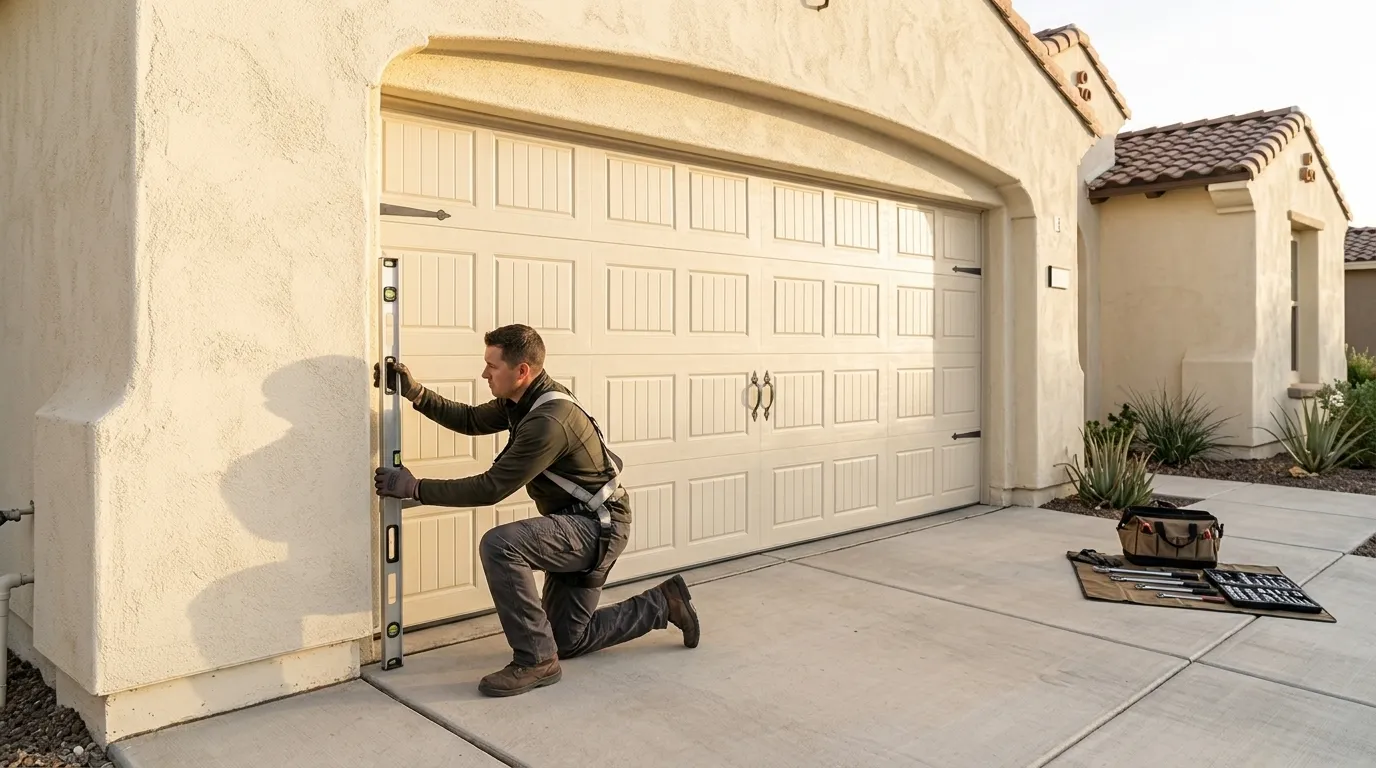
With a median build year of 1946, Aliquippa's housing sits toward the older end of a service area where most stock already predates 1960. Doors installed decades ago on these houses were often built to fit narrower single-car openings, with hardware and torsion setups that don't match what's stocked on a typical parts truck today. That's not a reason to avoid a repair - most of these openings can still take a well-fitted modern door - but it does mean a tech needs to measure the actual opening rather than assume a standard size. Across the roughly 4,543 households in Aliquippa, the pattern we see most is a first-generation door and opener that's been patched a few times rather than replaced, which lines up with an income profile that favors keeping equipment running over swapping it out early. None of that is unique to any one street here - it's a function of when the neighborhood was built and how those houses have aged, and it's the first thing we check before quoting any job.
How it works
From “it’s stuck” to “it’s fixed”
01
Tell us what’s wrong
Describe the symptom - won’t open, loud bang, opener runs but the door won’t move.
02
On-site diagnosis
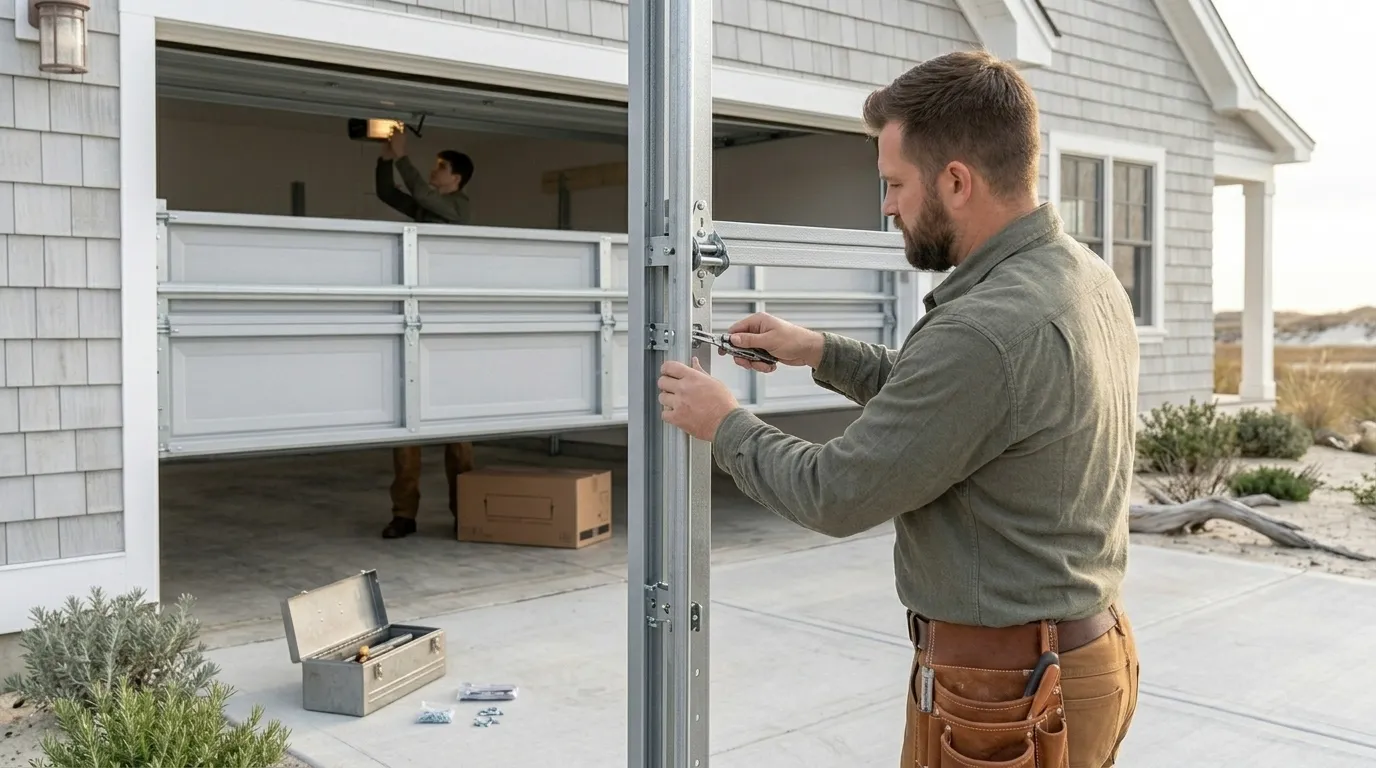
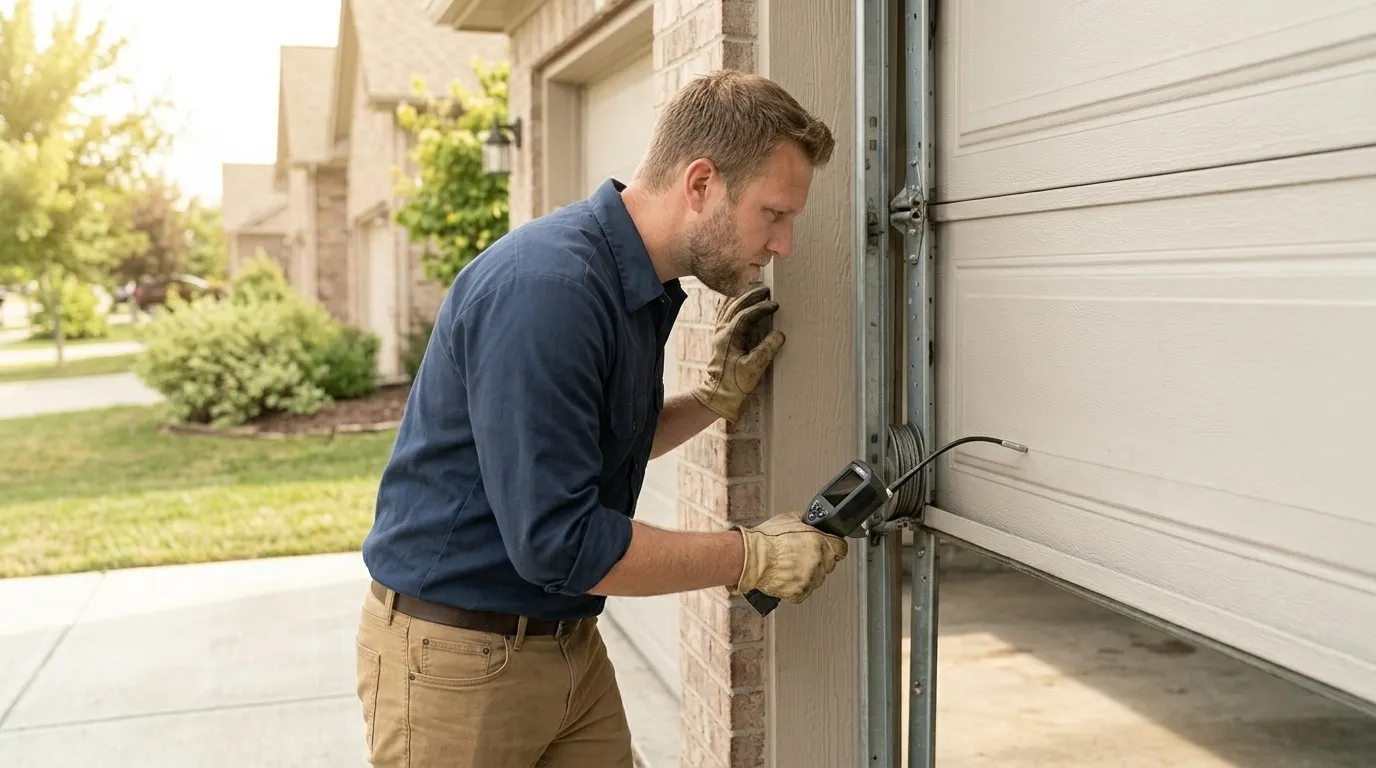
A technician tests the door under power and by hand and finds what actually failed.
03
Clear, up-front plan
You get the fix that’s needed and what drives the cost - before any work starts.
04
Repaired & tested
The repair is done, the door is set true and tested, and the work area left clean.
Serving Pittsburgh, PA - tell us what your door’s doing and we’ll take it from there.
This whole service area falls in a cold, severe climate band, and Aliquippa's houses, with a median build year of 1946, often still run original or early-replacement torsion springs. Repeated freeze-thaw cycling fatigues steel faster than it would in a milder climate, so springs and cables tend to give out in the coldest months rather than gradually over the year.
Do you have a truck based in Aliquippa?
No. We run out of Pittsburgh, about 19 miles away, and travel to Aliquippa on scheduled jobs. We don't keep equipment staged locally, so same-hour emergency arrival isn't something we can promise here - book ahead when you can.
Will my older door fit a new standard-size replacement?
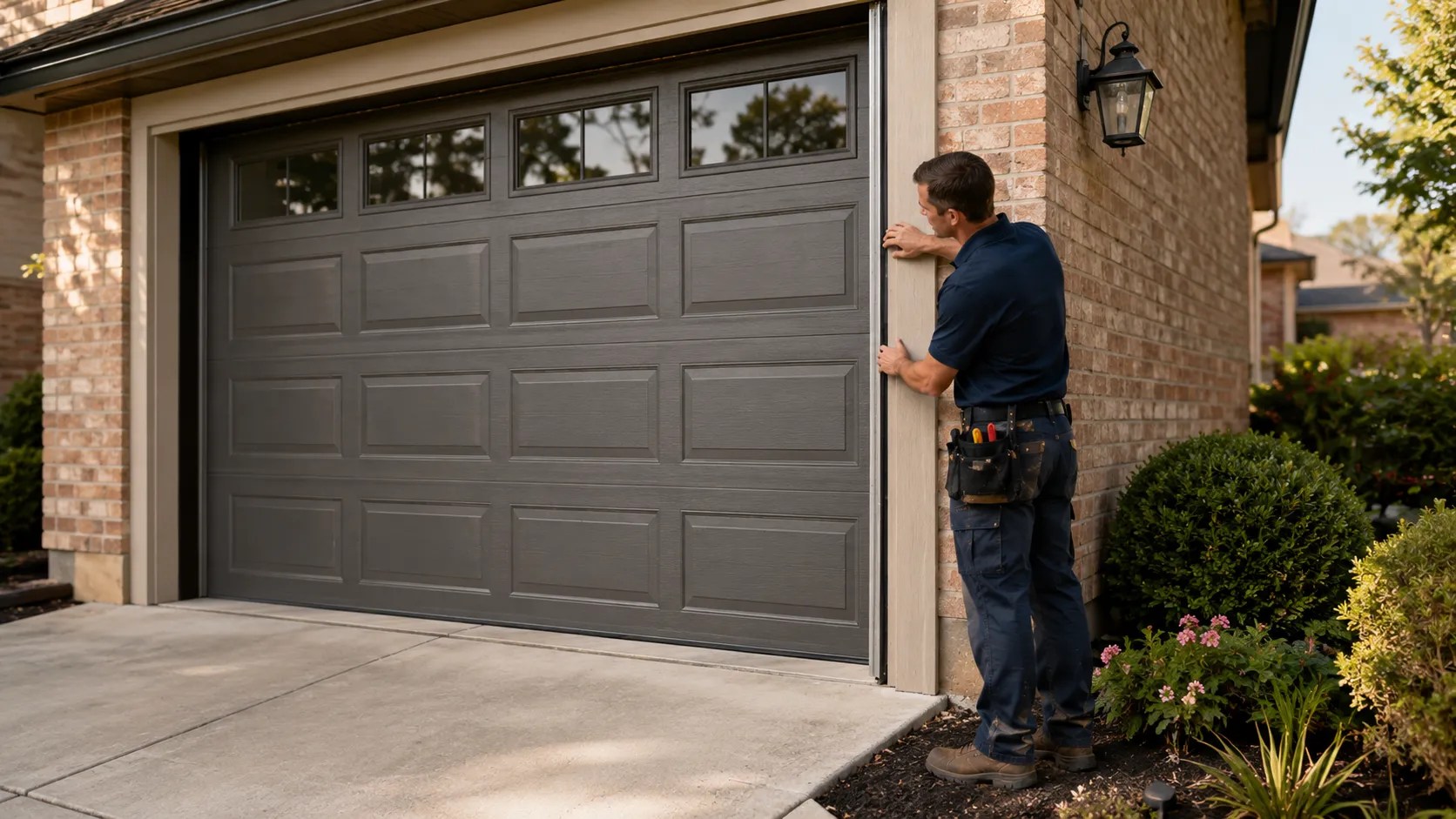
Not always without checking first. Houses built around 1946, which is typical for this area, sometimes have narrower openings than current standard doors. We measure the actual opening before quoting so you're not stuck with a door that doesn't fit the original framing.
Is it cheaper to repair than replace here?
Often, yes. With Aliquippa's median household income lower than the wider service area's median, most calls we get are for spring, cable, or opener repair rather than full replacement. We'll tell you plainly if a repair won't hold, but we don't push replacement when a fix is the honest answer.
Ready to get your garage door sorted?
Tell us what it’s doing and where you are in Pittsburgh - we’ll take it from there.