What Is on These Garages
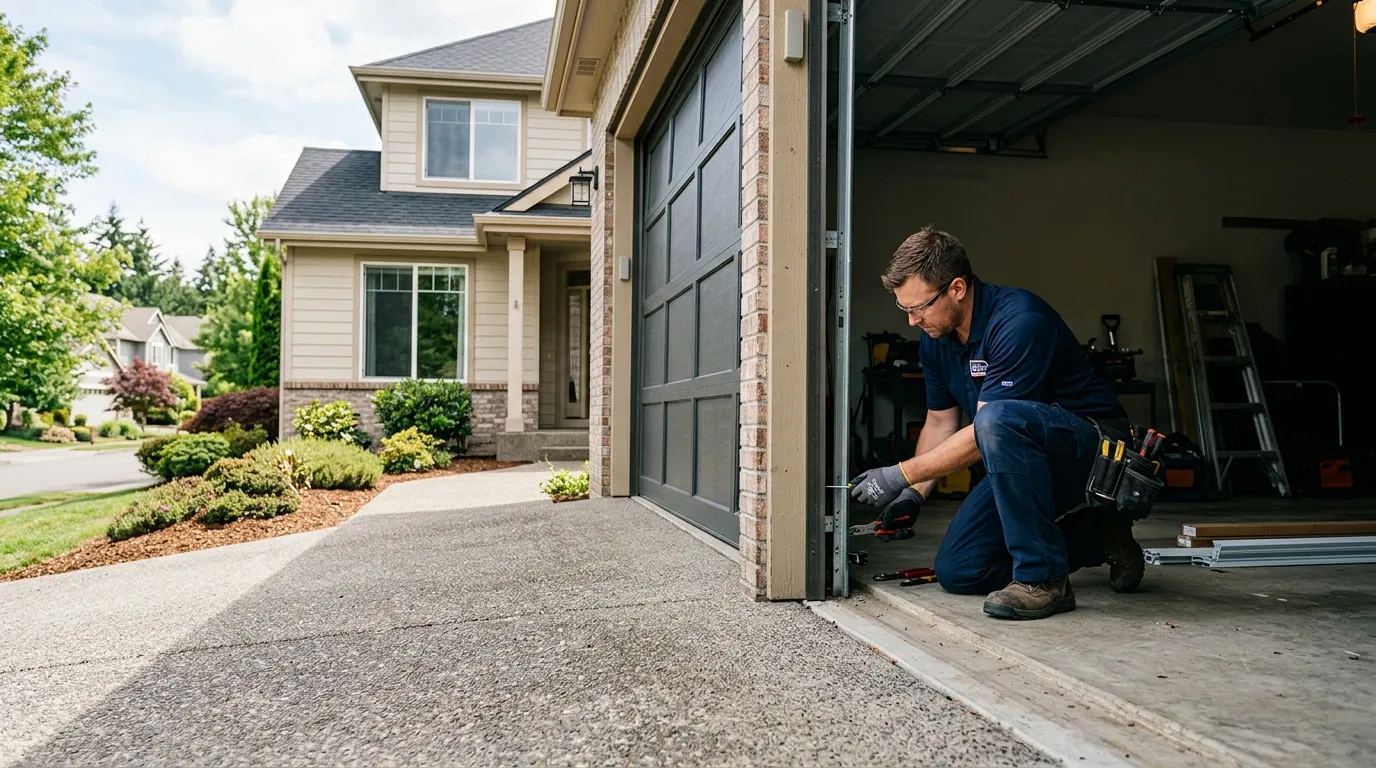
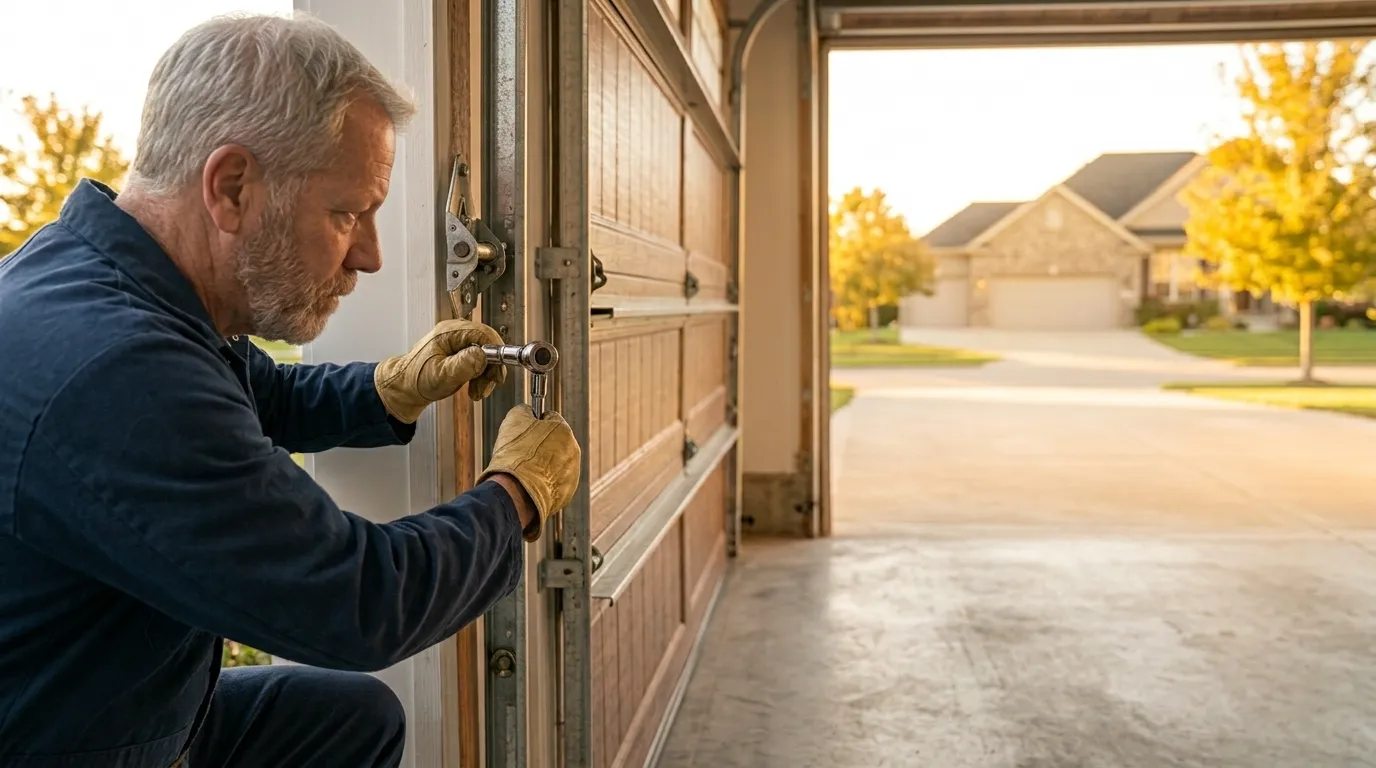
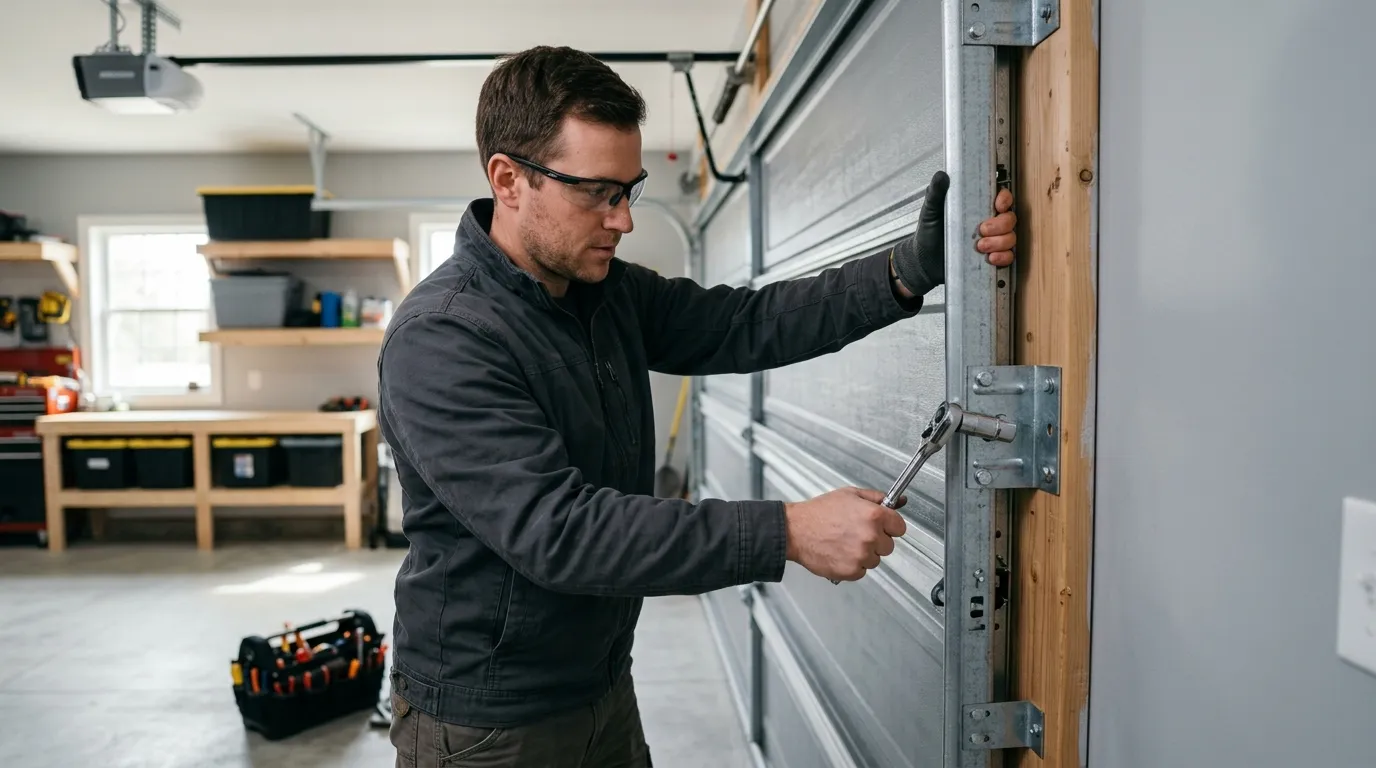
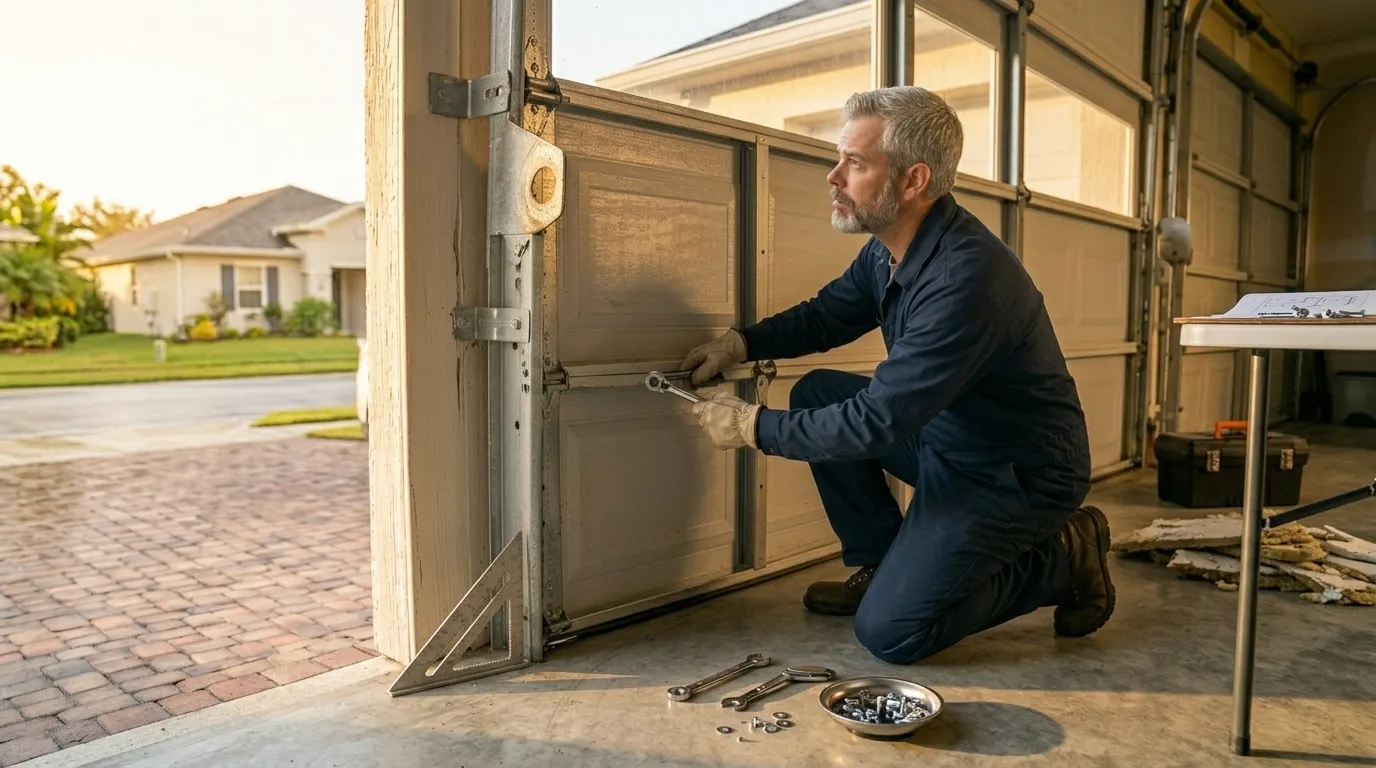
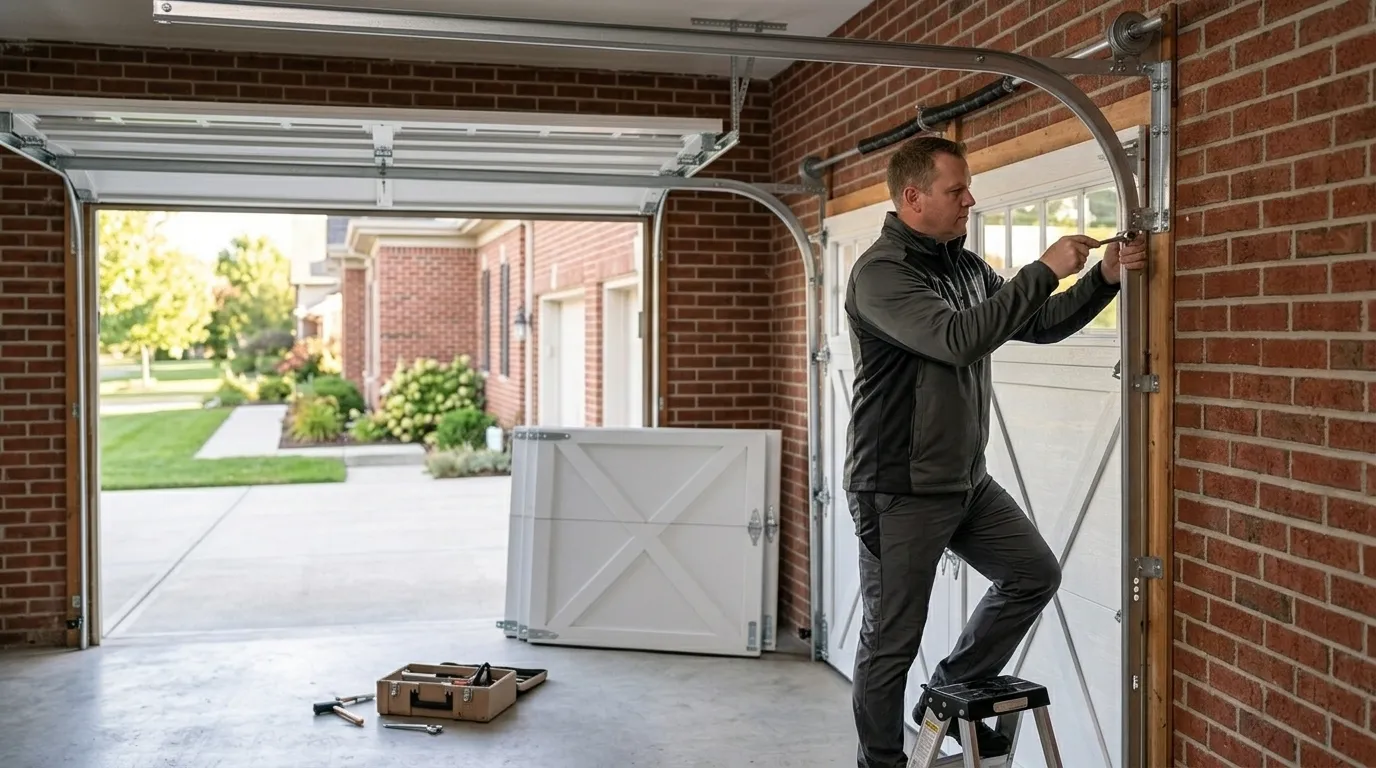
Given a median build year of 1955, a good share of garages in this neighborhood were built before 1960, which usually means one of two setups: a single steel or wood-composite door on a torsion spring mounted on a header board, or an older extension-spring pair running along the horizontal track. Both were built for the standard door widths of that period, which run narrower than what's common in new construction now.
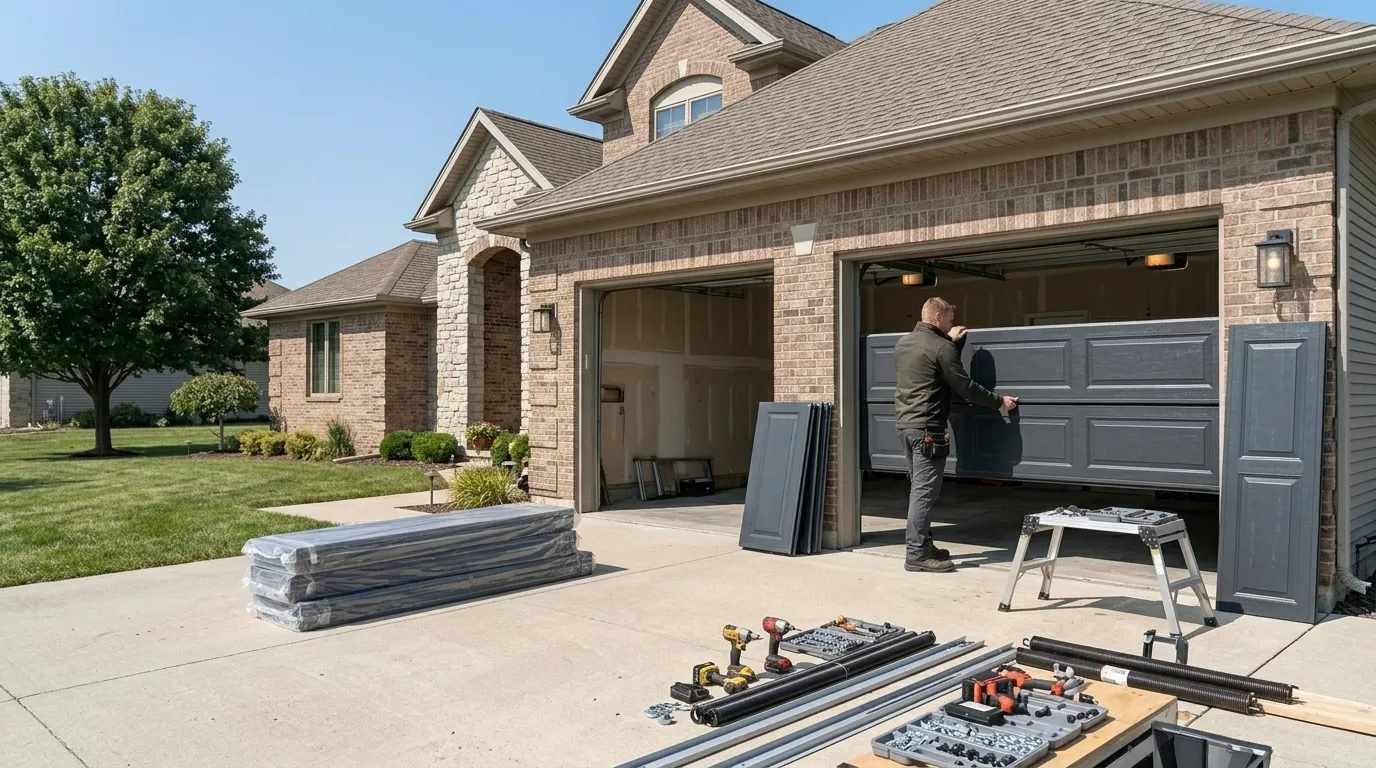
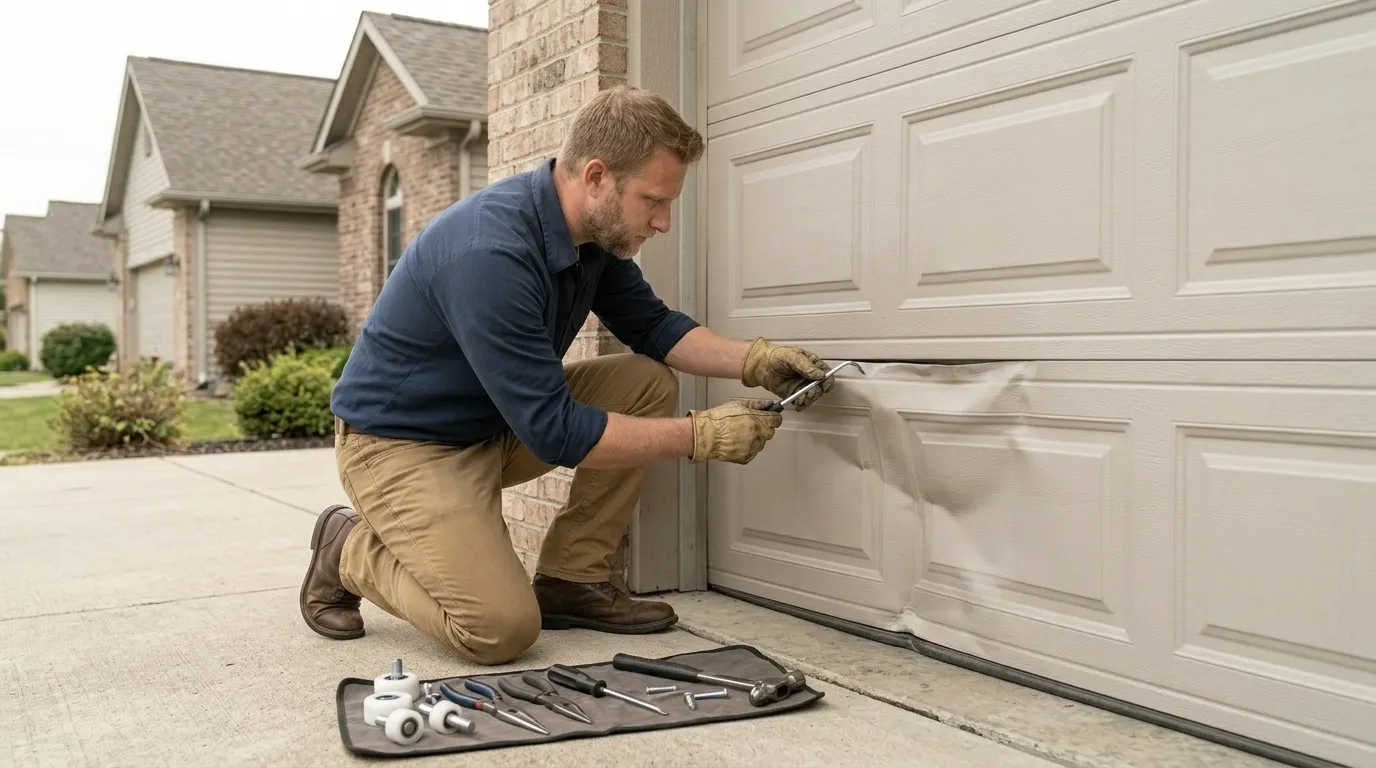
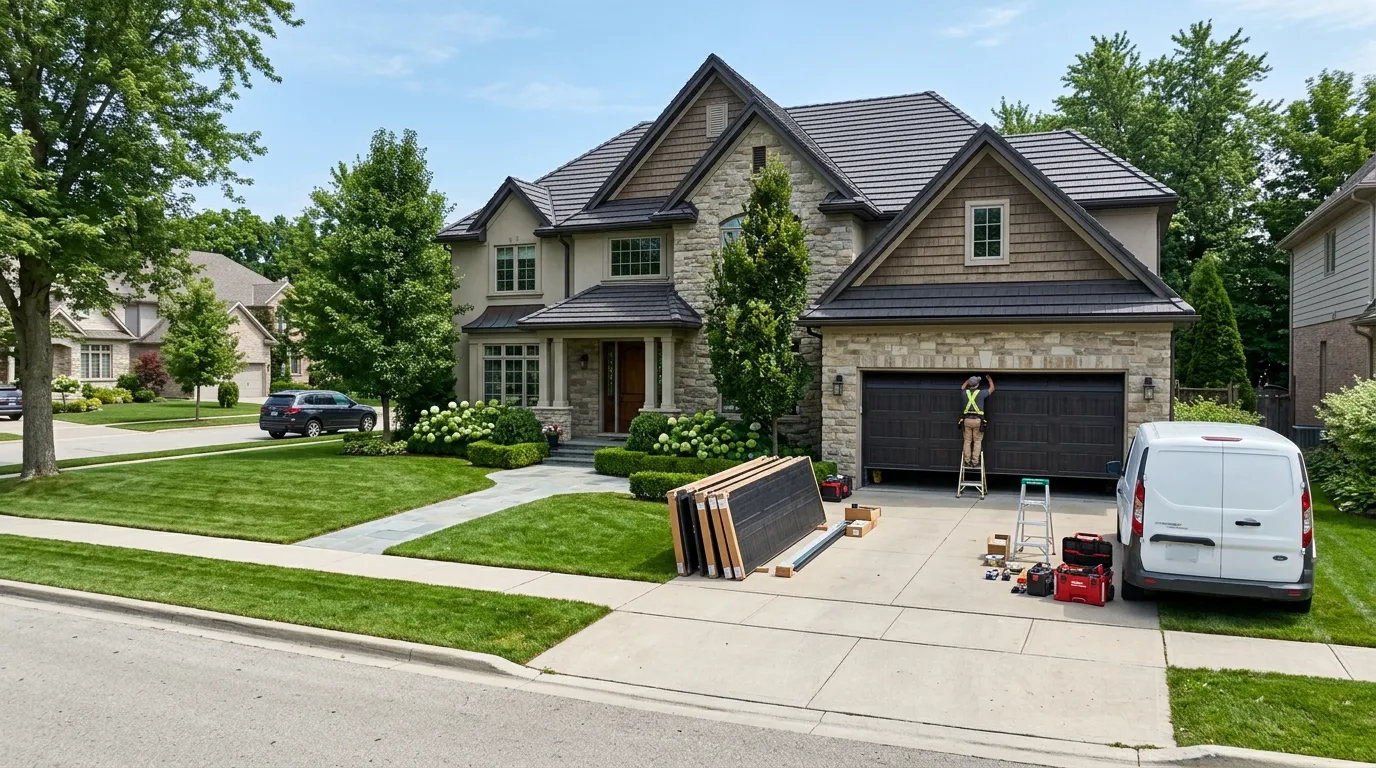
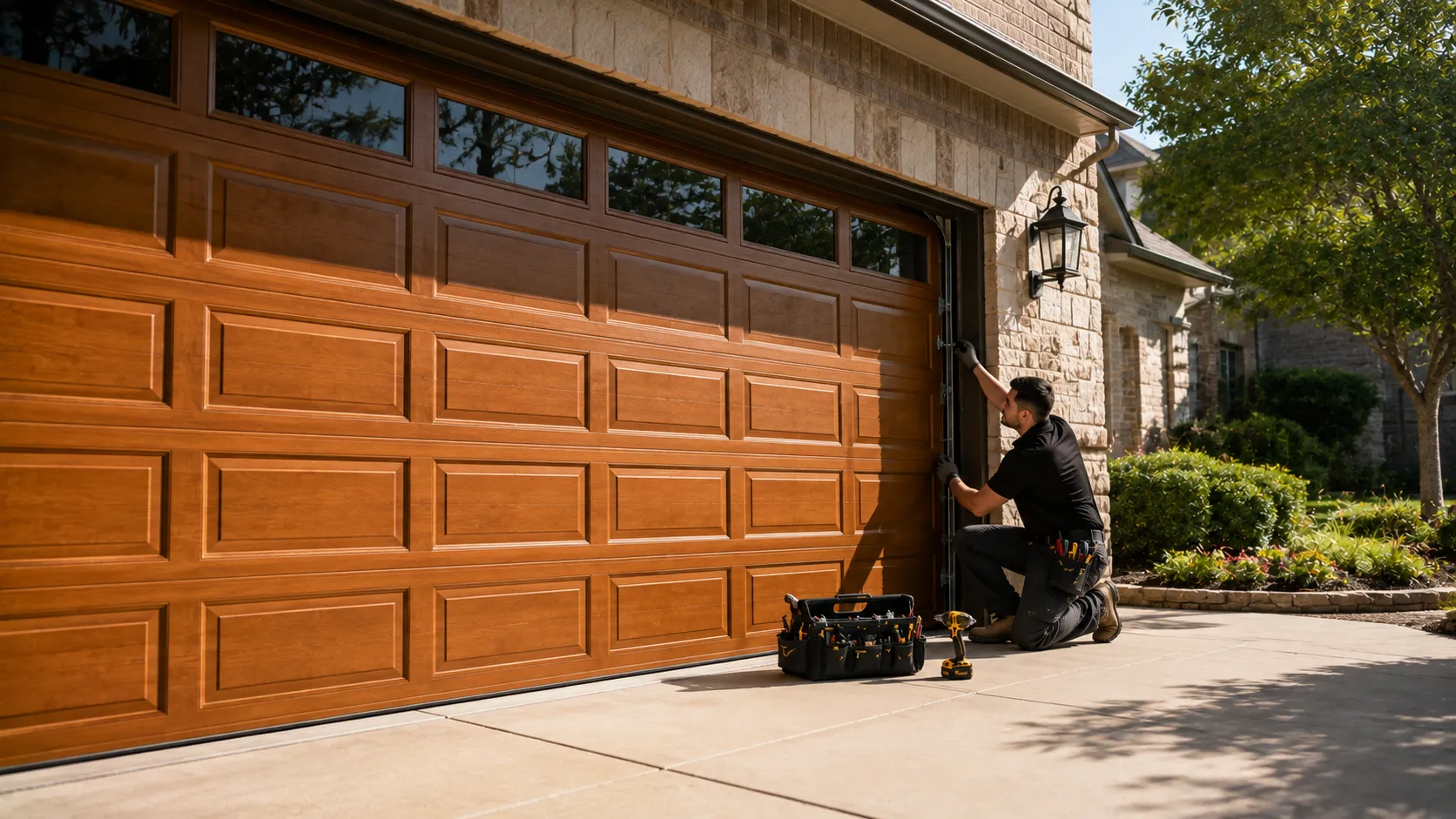
The honest limitation here: we don't carry every obsolete panel size on the truck. If a door needs a section replaced and that section was discontinued years ago, we're either sourcing a match or talking about a full door instead of a patch job. That's not a sales pitch, it's just how parts availability works on hardware this old.
Openers from that era, when they haven't already been swapped out, tend to be chain-drive units with none of the safety-reversal sensors required in newer code. If a customer wants an opener upgrade, it's usually about the sensors as much as the price, since a bare motor swap on old track can be more work than it looks.
Where You Are
The Hill District sits at the center of Pittsburgh, directly north of downtown by about a mile. That position, close in and built up early, is part of why the housing stock skews older than what you'll find in some outer neighborhoods on the list - the area-wide median build year is 1955, but a dense, early neighborhood like this one tends to sit on the earlier end of that range rather than the later end near 2014.
We work this address the same way we work the rest of the close-in city: cold-climate parts, torsion hardware sized for older single-door garages, and springs rated to hold through a Pittsburgh winter rather than a mild one. We don't cover every town on our list with the same truck stock, since a neighborhood built in 1955 needs different springs than a subdivision built in 1995, but this one we know well enough to keep the right sizes on hand.