Serving Carnot-Moon from Pittsburgh, 14 miles out. Doors here mostly date to the late 1960s and later, so the failures we see differ from the older city stock.
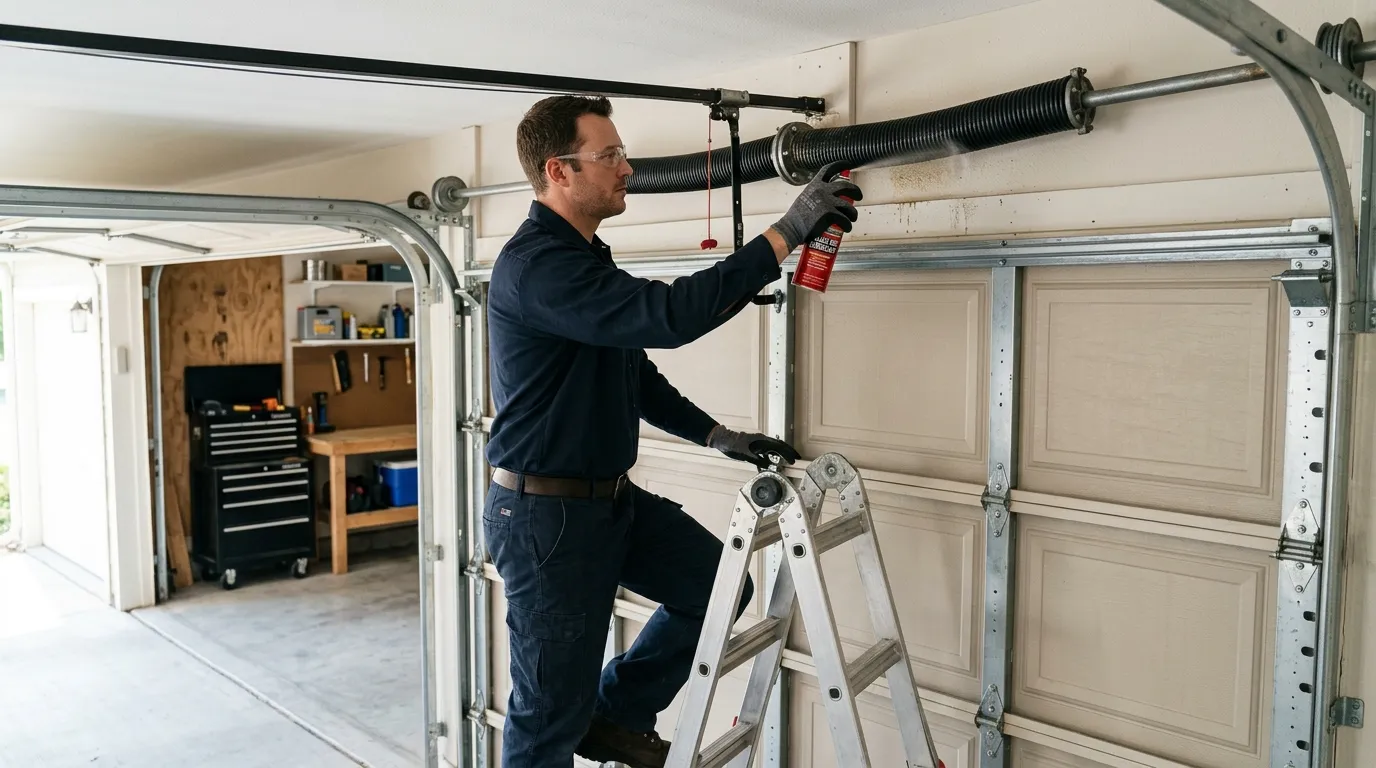
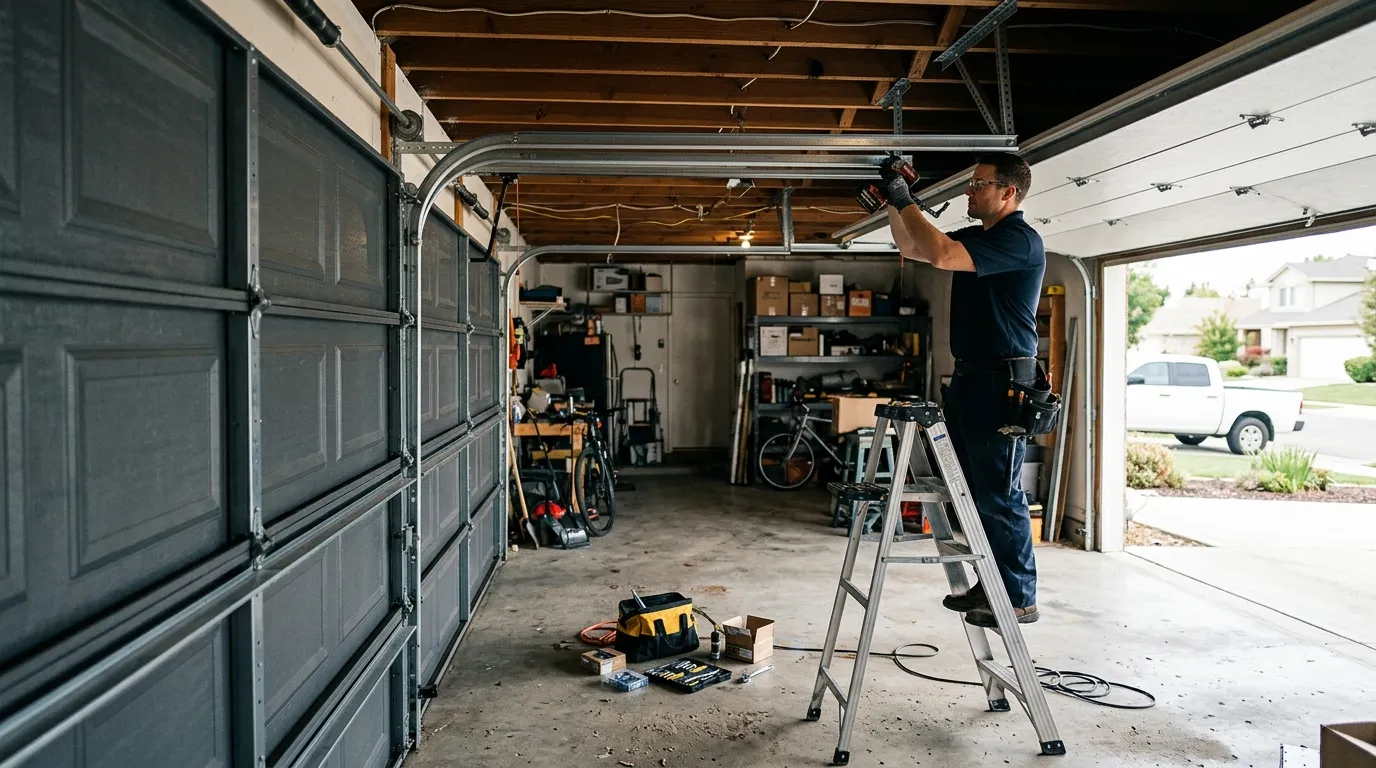
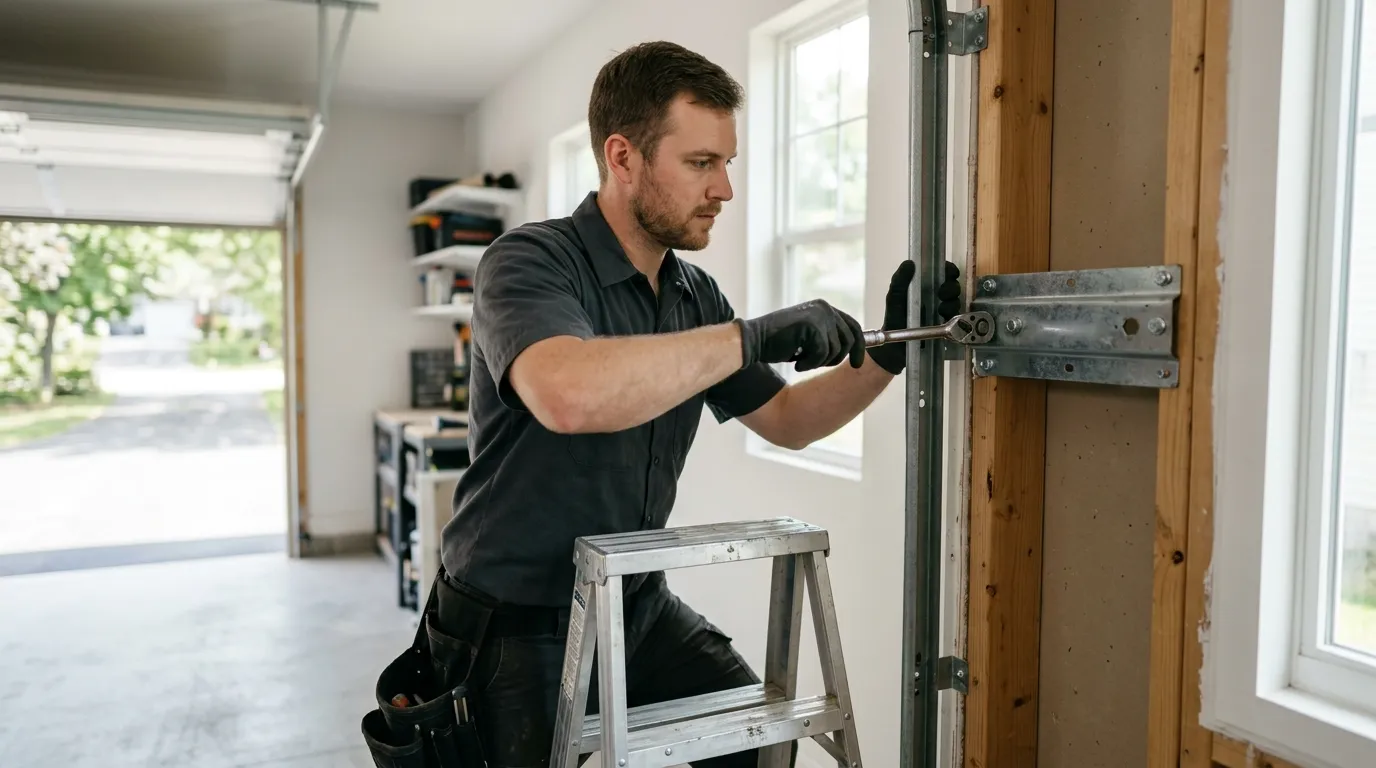
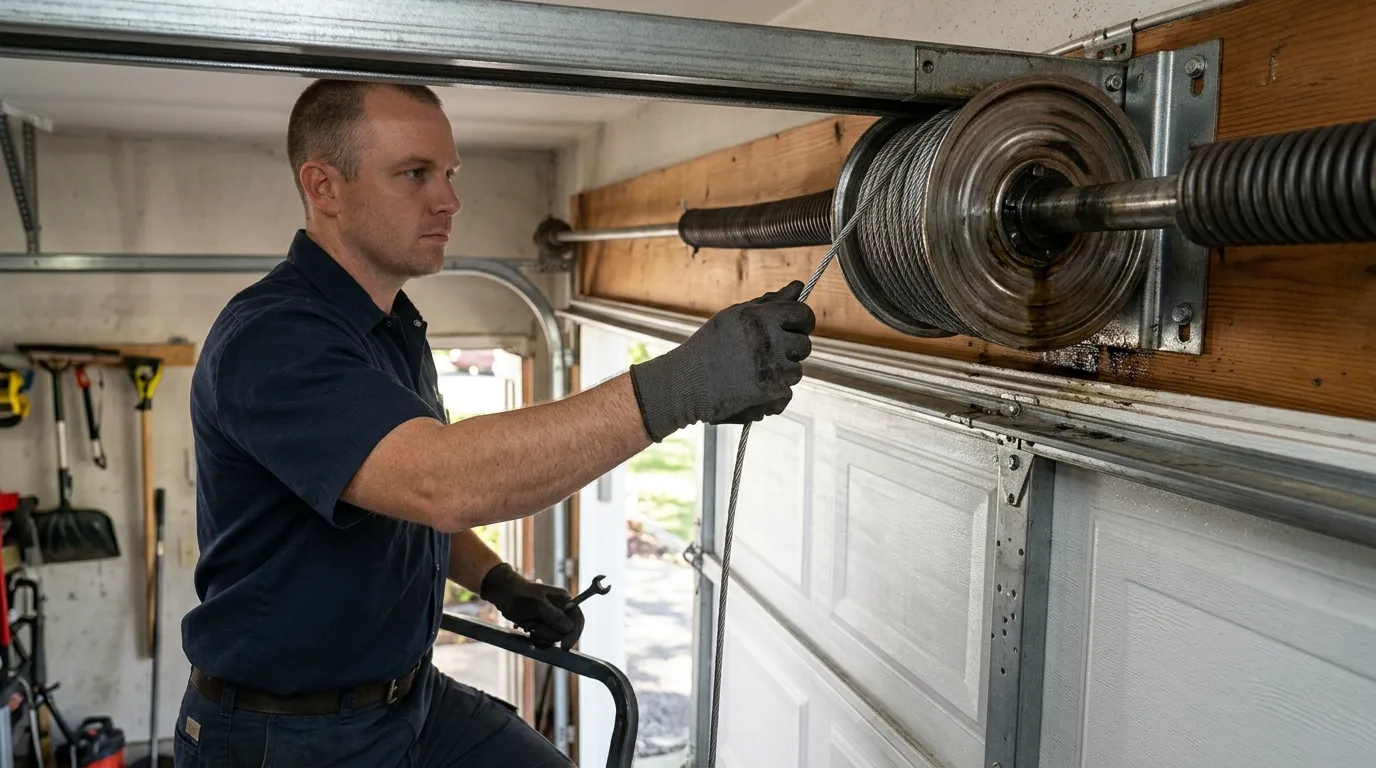
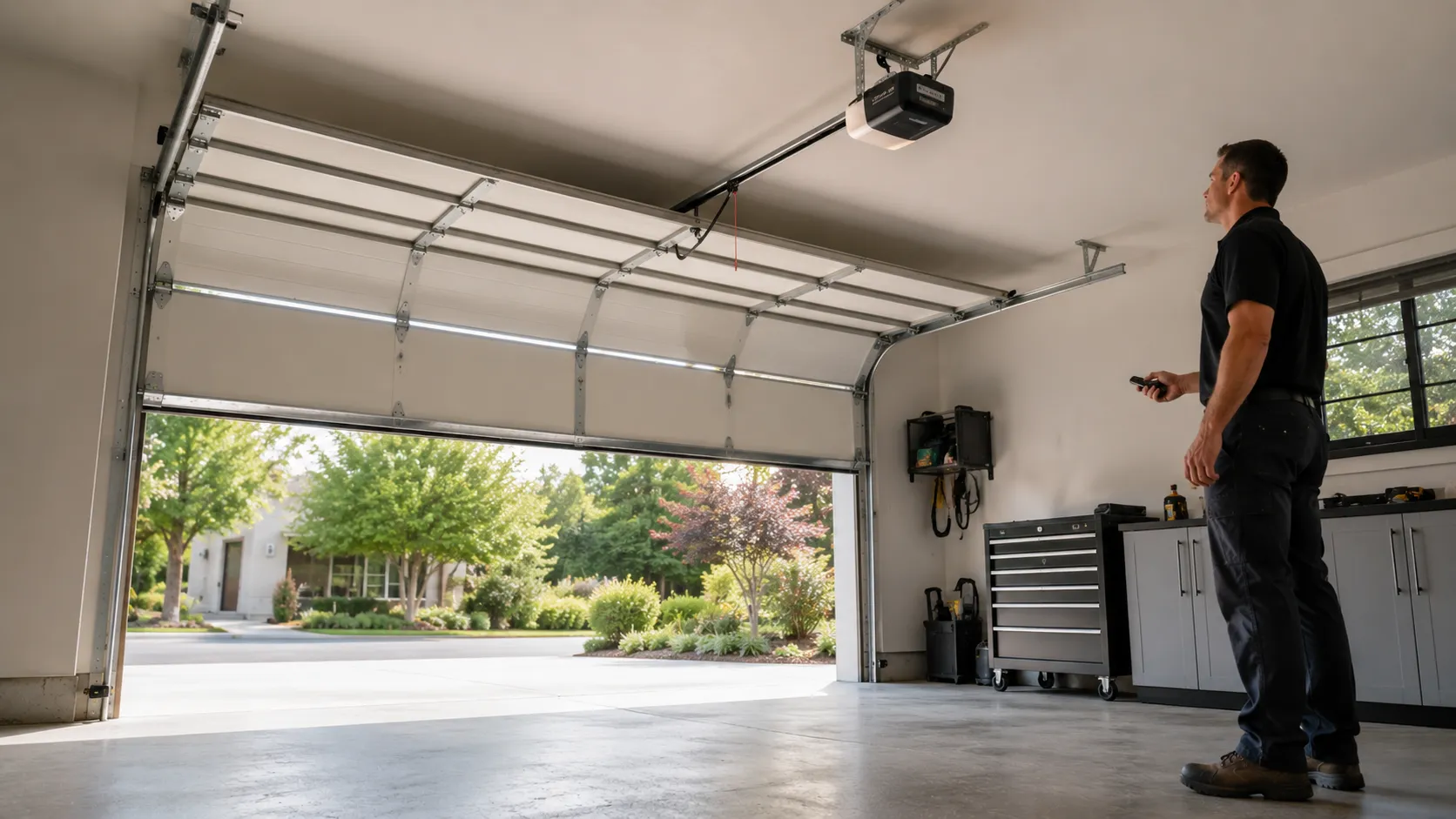
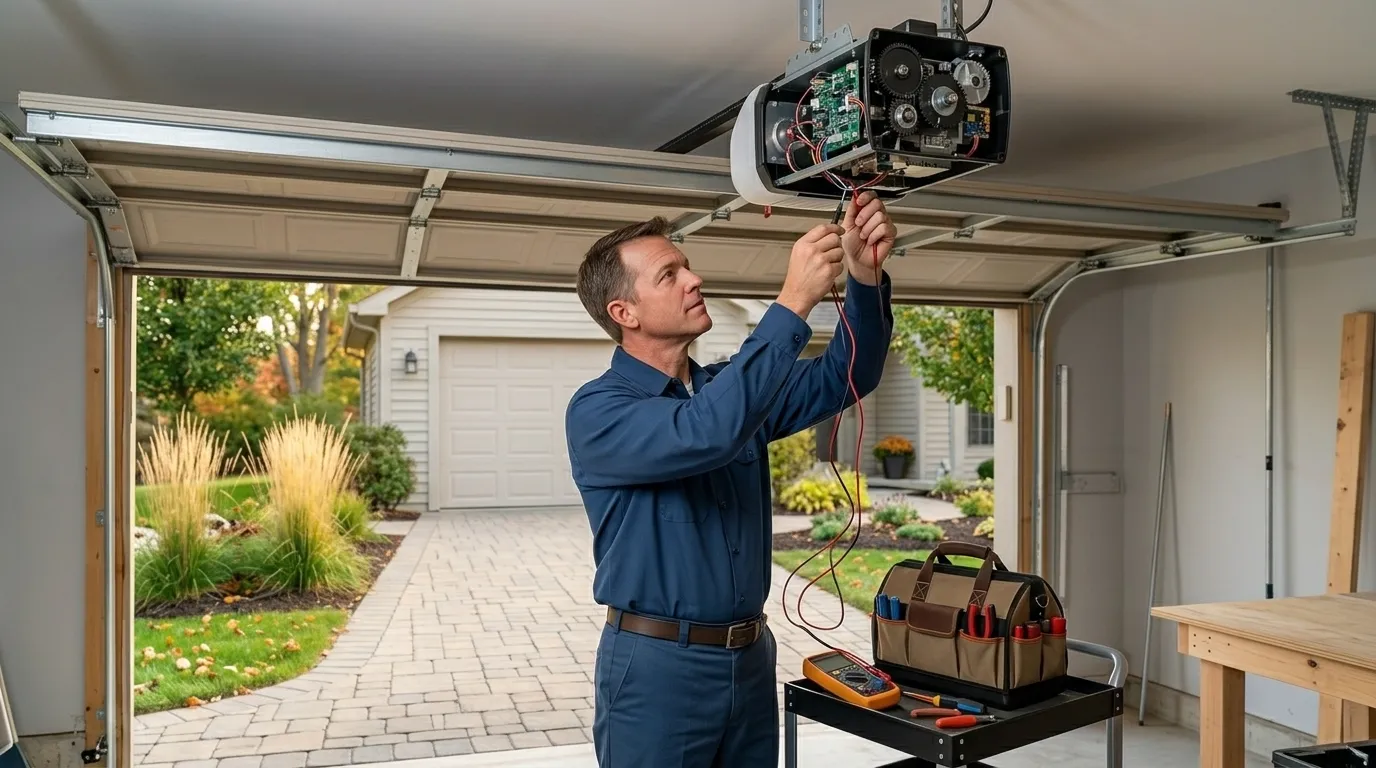
Carnot-Moon's housing stock centers around 1969, which puts it well past the older, mostly pre-1960 build era that covers most of this service area. That gap matters more than it sounds like it should. A door and opener installed in a house built in the late 1960s or the 1970s is usually a wider one-piece or sectional steel door on an extension spring system, not the older narrow single-panel doors on side-mount torsion hardware you find in the pre-1960 neighborhoods. Extension springs wear differently than torsion springs, and the safety cables that keep a broken extension spring from becoming a projectile are something we check every time, because a lot of these systems predate the cable being standard equipment. Openers from this era, if original, are chain-drive units well past any reasonable service life, and the logic boards in them don't have modern auto-reverse sensors unless someone already upgraded. So the failure mode we expect here isn't the seized, decades-old torsion spring on a narrow door - it's tired extension springs, worn pulleys, and openers that need replacing outright rather than repairing.
The Calls We Get From Here
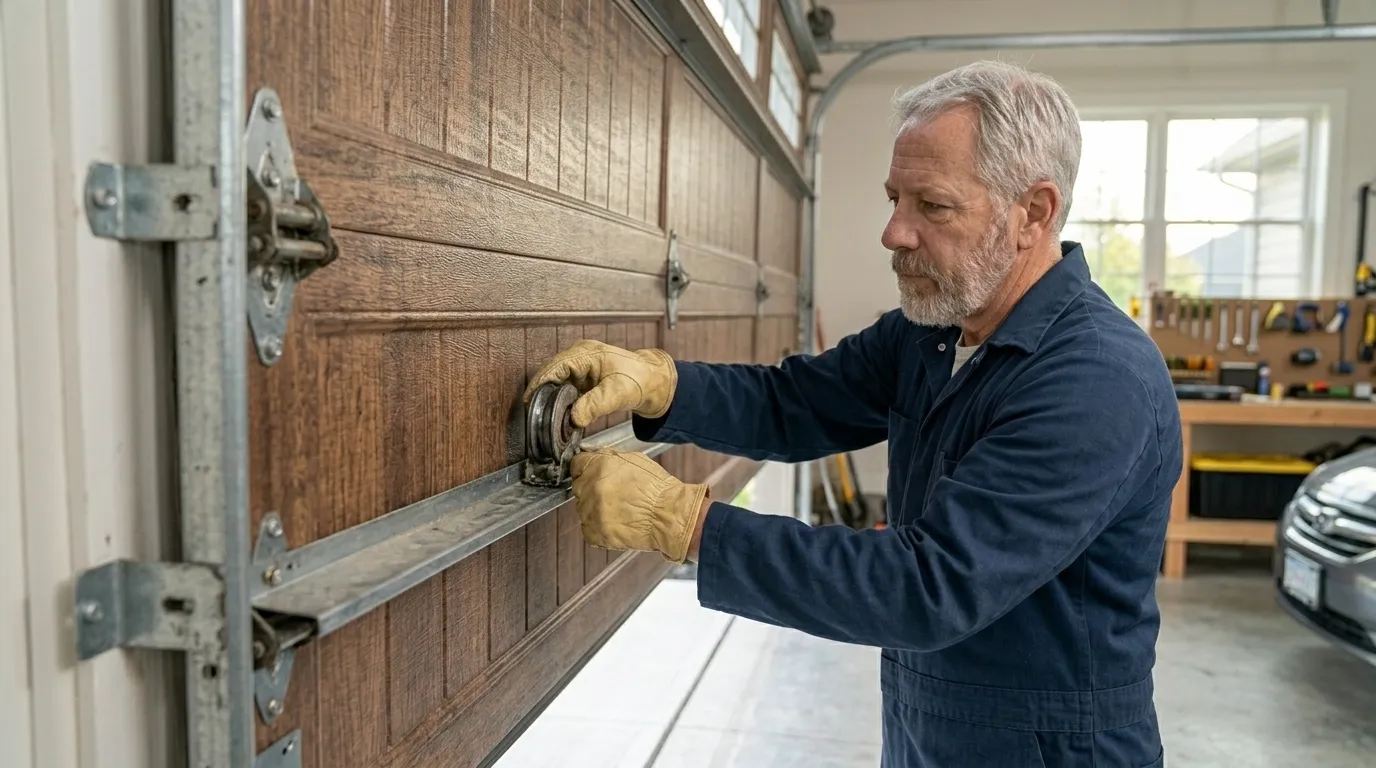
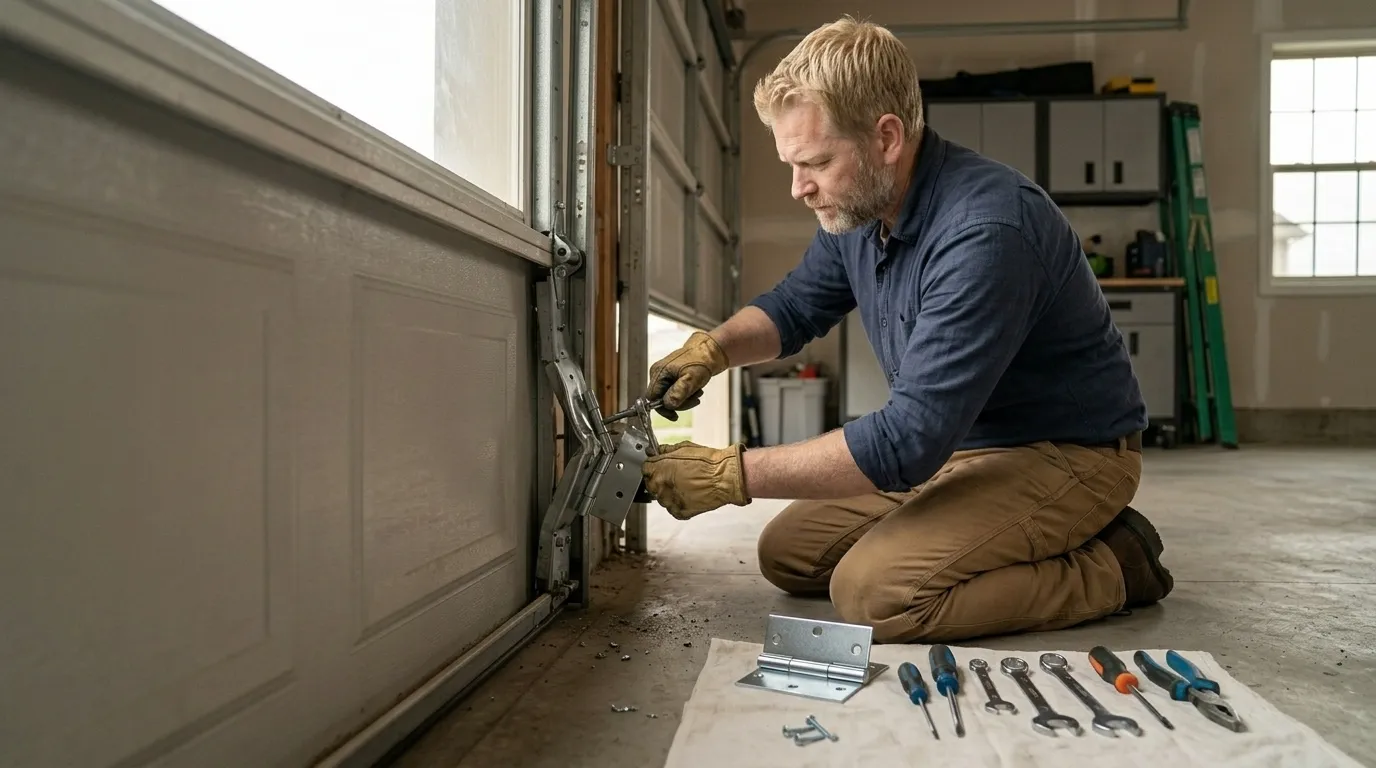
Cold-climate winters put real stress on garage door hardware everywhere in this region, and Carnot-Moon isn't exempt just because the housing is newer. Steel contracts in the cold, lubricant thickens, and an extension spring that's already fatigued from age is the one that lets go on the coldest morning of the year. We also get calls about rollers - nylon rollers on 1970s-era tracks that have gone brittle and started chipping, which shows up as a door that shudders or grinds partway through its travel. Weatherstripping on the bottom panel is another common one; on a door this age it's usually been replaced once already and is due again. What we don't see as much here as we do in the older core neighborhoods is rotted wood jambs pulling away from track brackets - newer construction generally means sounder framing around the opening, which is one less thing to diagnose.
Getting Here
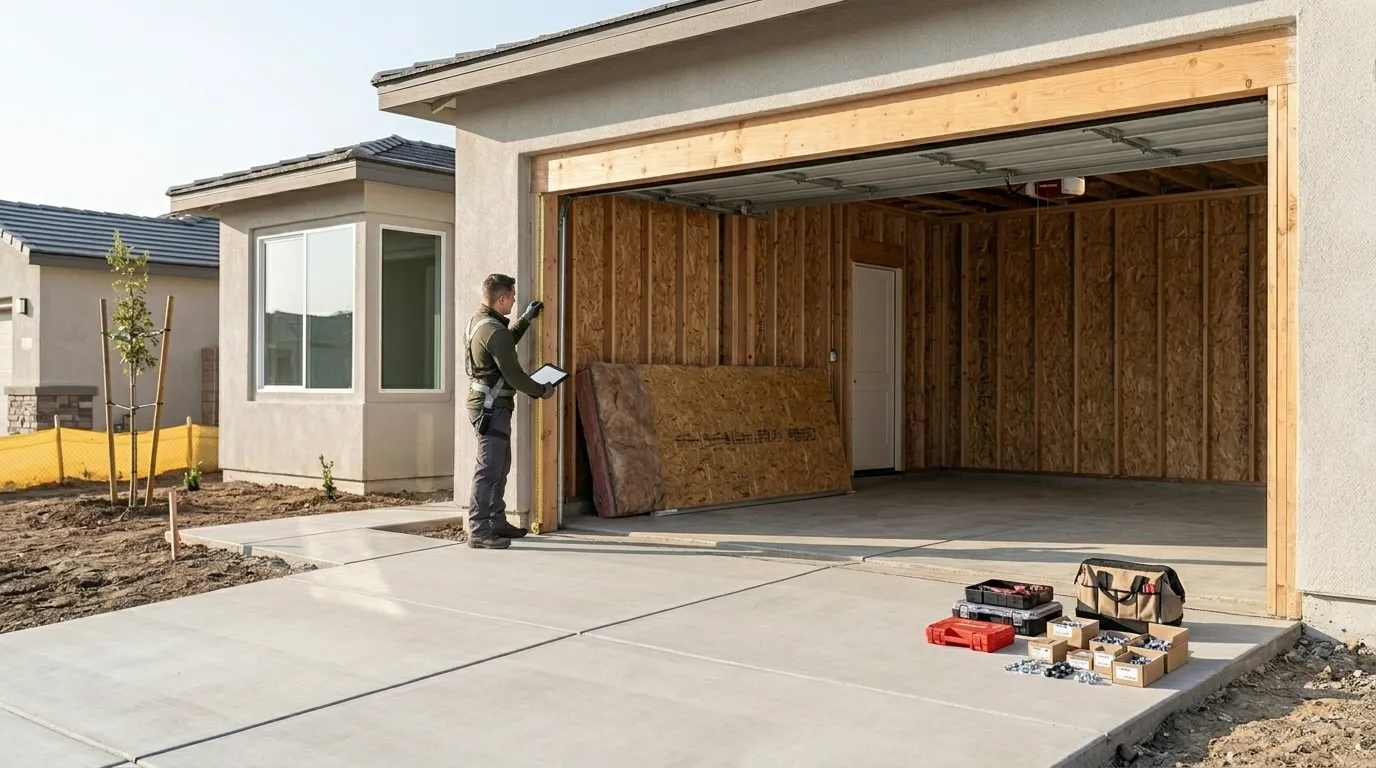
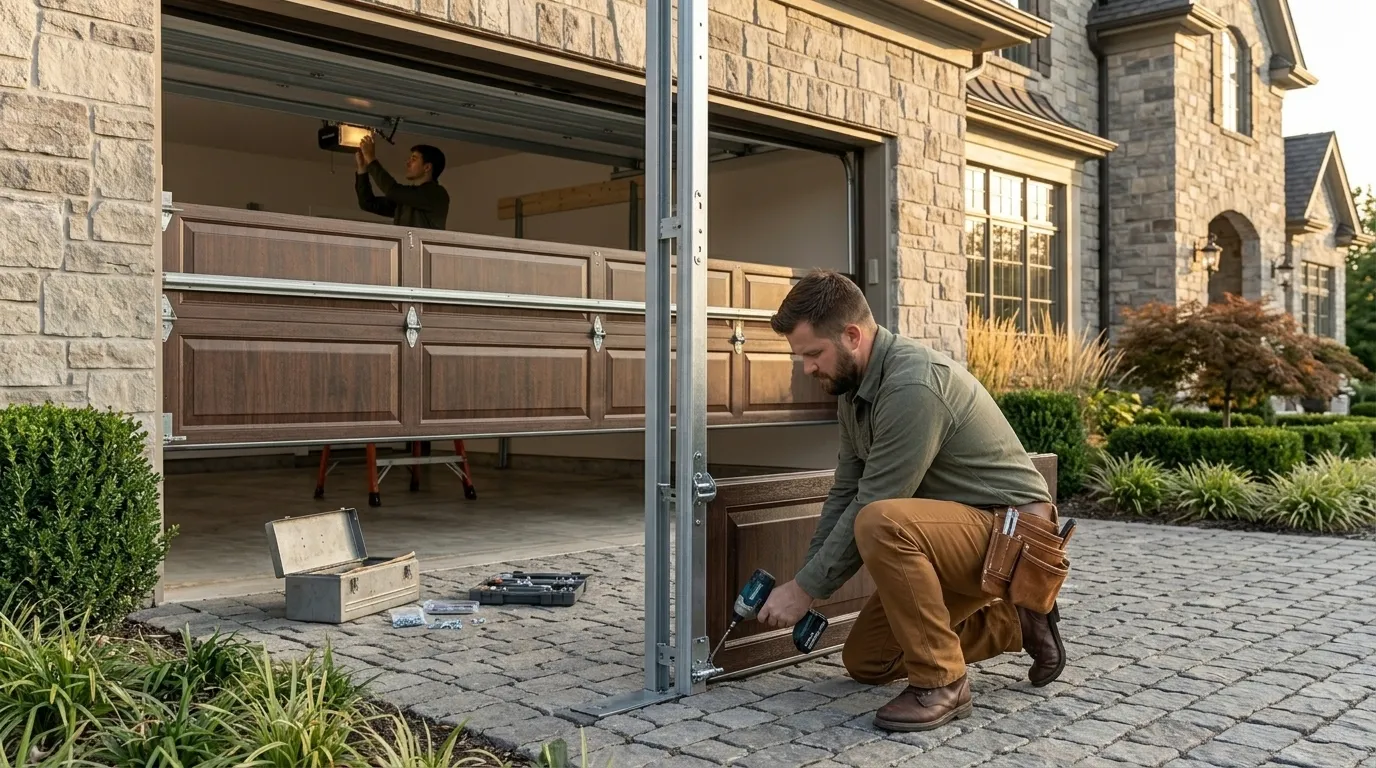
Carnot-Moon sits about 14 miles from Pittsburgh, and we run trucks out from there for jobs in this area. We don't keep a depot or drop-in location in Carnot-Moon itself - every job here is a dispatched visit from Pittsburgh, so scheduling is worth confirming when you call rather than assuming a same-hour arrival. That distance is also why we're upfront about it: a same-day call for a broken spring is a different conversation than a scheduled opener install, and we'll tell you honestly which one applies before you commit to anything.
This Area's Housing
With roughly 4,915 households in Carnot-Moon and a median household income around $95,777, this area sits noticeably above the broader service area's median income of $72,020. That tends to track with what we see on service calls: more owners opting for full opener replacements with modern safety sensors rather than patching a chain-drive unit, and more insulated steel doors going in rather than the cheapest uninsulated panel available. It doesn't mean every house here has updated hardware - plenty of original 1969-vintage doors and openers are still running, just slower and louder than they used to be. One honest limit: if your opener is original to a house from this era, parts for it are often discontinued, and replacement ends up being the practical answer rather than a repair we can order parts for.
How it works
From “it’s stuck” to “it’s fixed”
01
Tell us what’s wrong
Describe the symptom - won’t open, loud bang, opener runs but the door won’t move.
02
On-site diagnosis
A technician tests the door under power and by hand and finds what actually failed.
03
Clear, up-front plan
You get the fix that’s needed and what drives the cost - before any work starts.
04
Repaired & tested
The repair is done, the door is set true and tested, and the work area left clean.
Serving Pittsburgh, PA - tell us what your door’s doing and we’ll take it from there.
Is Carnot-Moon within your service area from Pittsburgh?
Yes. We dispatch trucks out to Carnot-Moon from Pittsburgh, about 14 miles away. We don't have a depot in Carnot-Moon itself, so call ahead to confirm scheduling rather than expecting a walk-in same-hour visit.
Why does my 1970s opener need full replacement instead of a repair?
Chain-drive openers from that era are past any reasonable service life, and the logic boards often lack modern auto-reverse safety sensors. Parts for these older units are frequently discontinued, so replacement is usually the more practical and safer option than trying to repair the original.
Do winters here cause garage door problems even with newer construction?
Yes. Cold-climate stress on steel and lubricant affects doors of any era. On Carnot-Moon's typical late-1960s-and-newer stock, the weak point tends to be fatigued extension springs and brittle rollers rather than the older torsion spring failures common in pre-1960 housing.
What's different about garage doors in Carnot-Moon versus older Pittsburgh neighborhoods?
Carnot-Moon's median build year of 1969 means most doors run on extension spring systems with wider sectional panels, not the narrow single-panel doors on side-mount torsion hardware typical of pre-1960 construction elsewhere in the service area. The common failures differ accordingly.
Ready to get your garage door sorted?
Tell us what it’s doing and where you are in Pittsburgh - we’ll take it from there.