Torsion springs, panels, and openers for Castle Shannon's 1950s housing stock. We travel from Pittsburgh to fix doors built for hardware nobody stocks anymore.
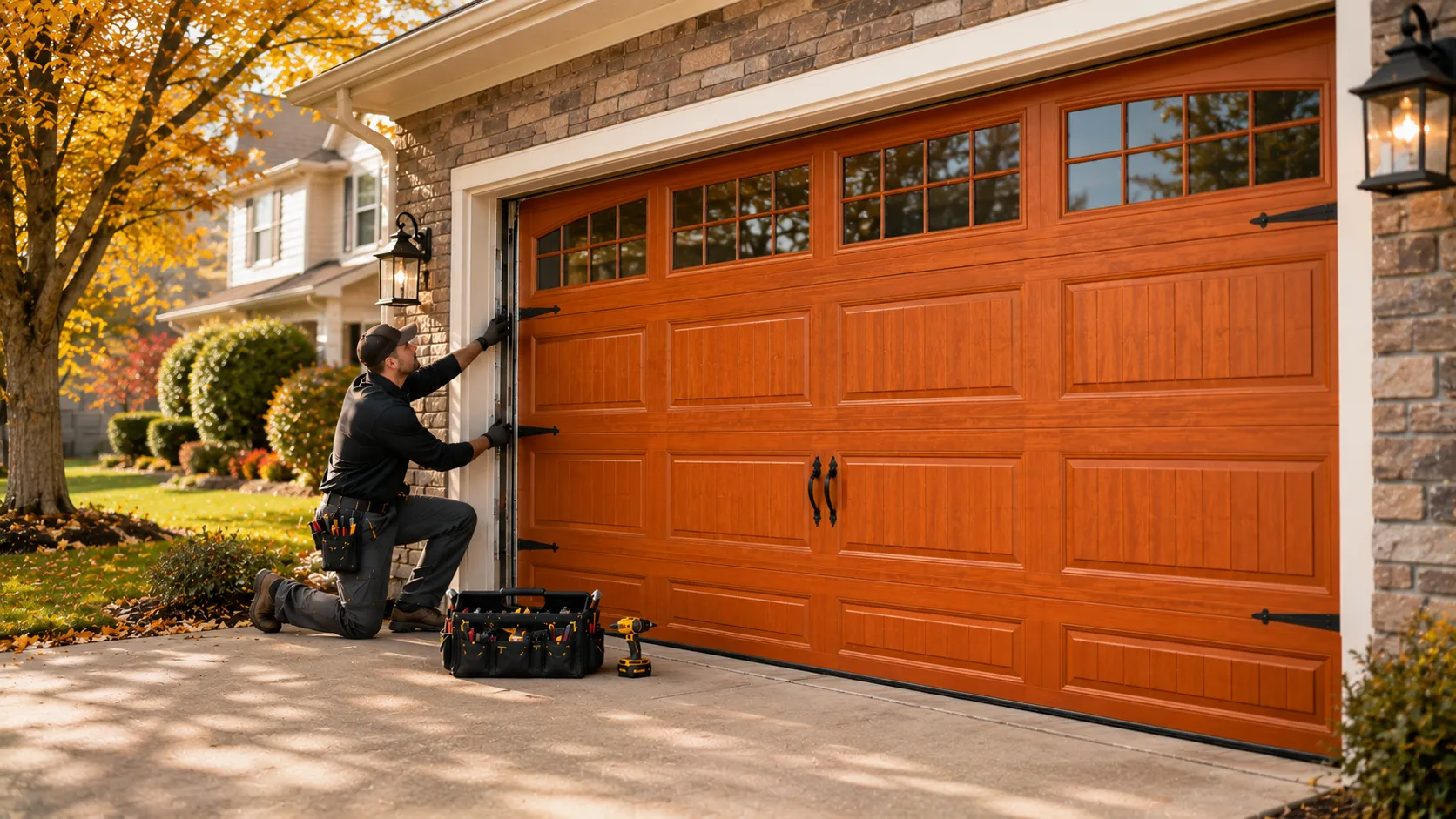
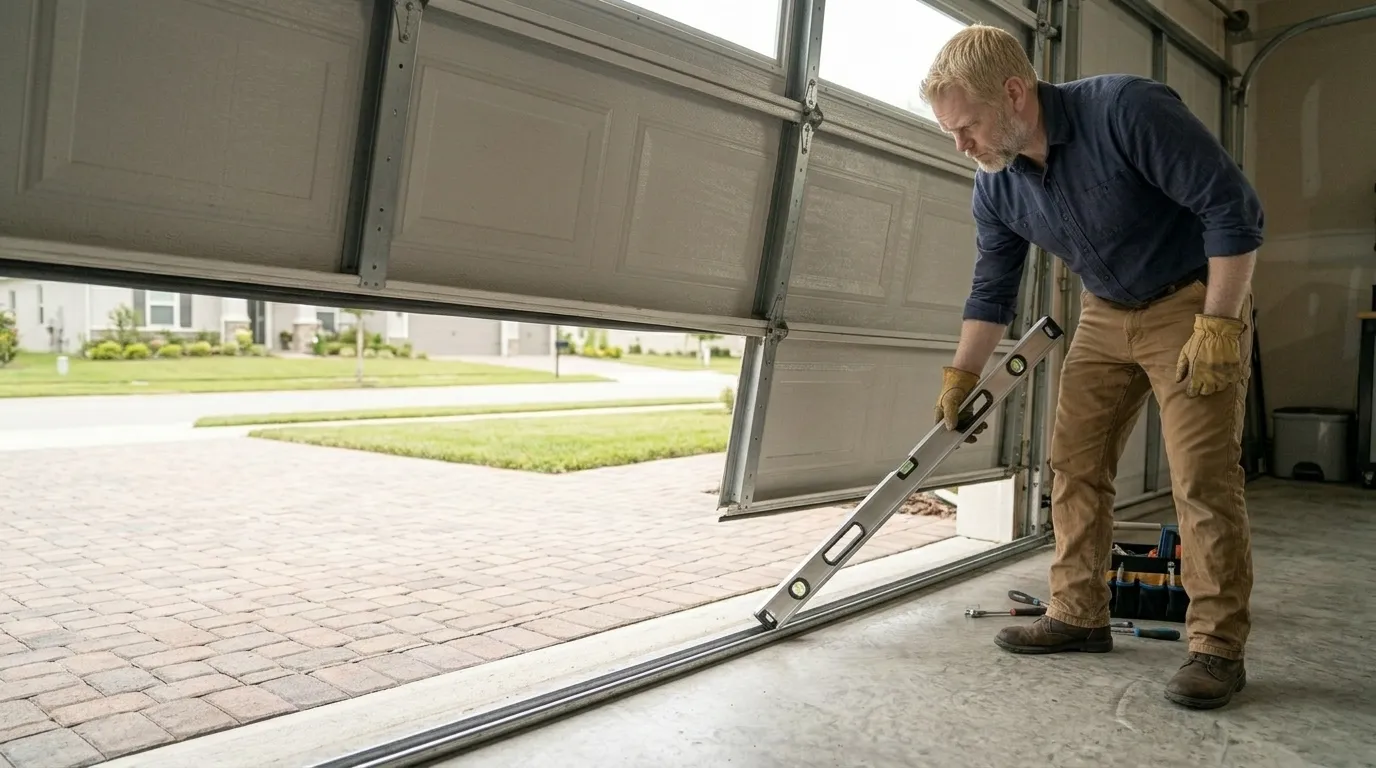
Castle Shannon's houses went up mostly around 1954, which puts it right in the middle of the pre-1960 wave that covers most of this region's 108 named areas. That build year matters more than people think. A door hung in the mid-1950s was almost never designed for today's insulated steel sections or a wall-mounted opener rail. What you find instead is original wood or early steel construction on side-mounted torsion hardware, or in some cases extension springs running along the horizontal track with no containment cable - a setup that was standard then and is a known hazard now if the spring lets go. When we get a call from a house of this age, the first thing we check is whether the track spacing and header room even match a modern replacement door, because a lot of these openings were framed before manufacturers standardized sizes. Retrofitting a new opener onto old jamb brackets is common work here, and it's not a five-minute swap - the bracket often has to be rebuilt to hold weight it was never engineered for.
The Calls We Get From Here
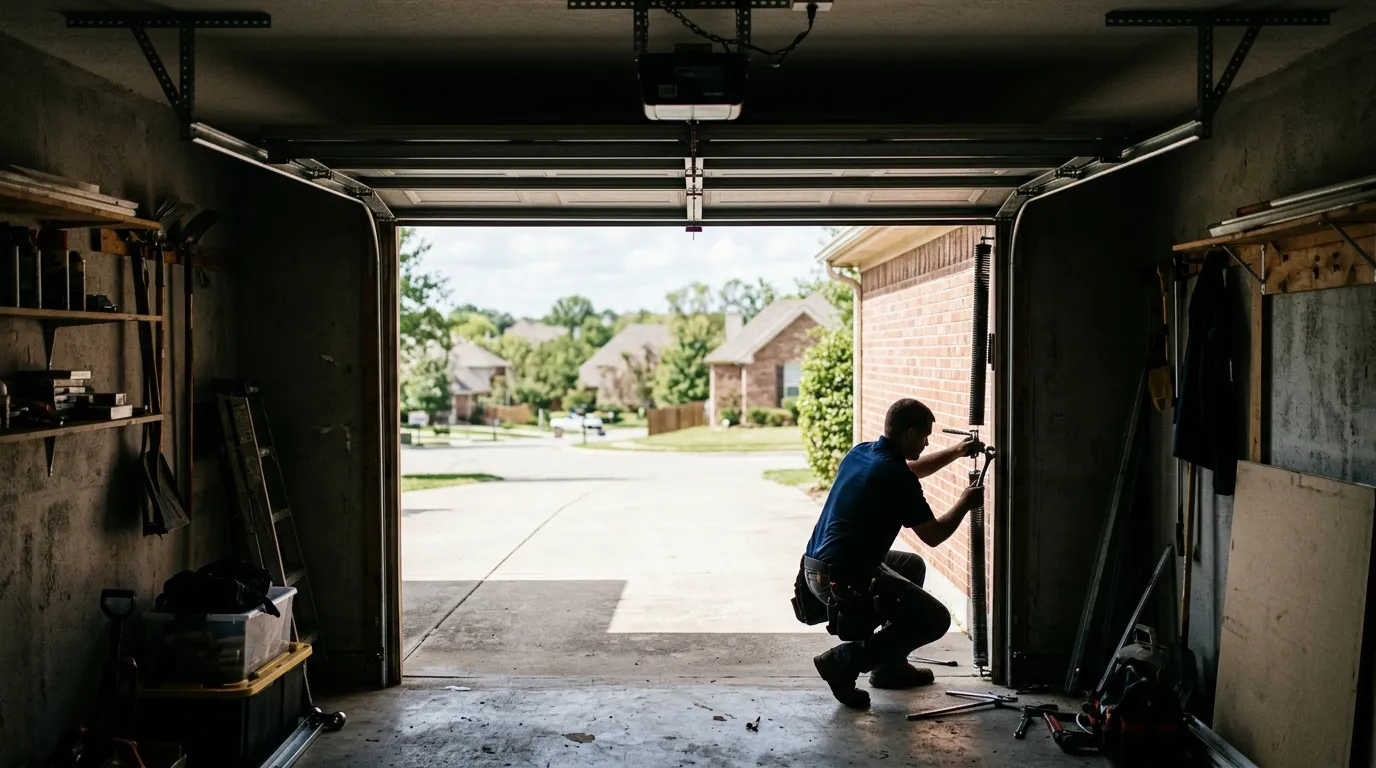
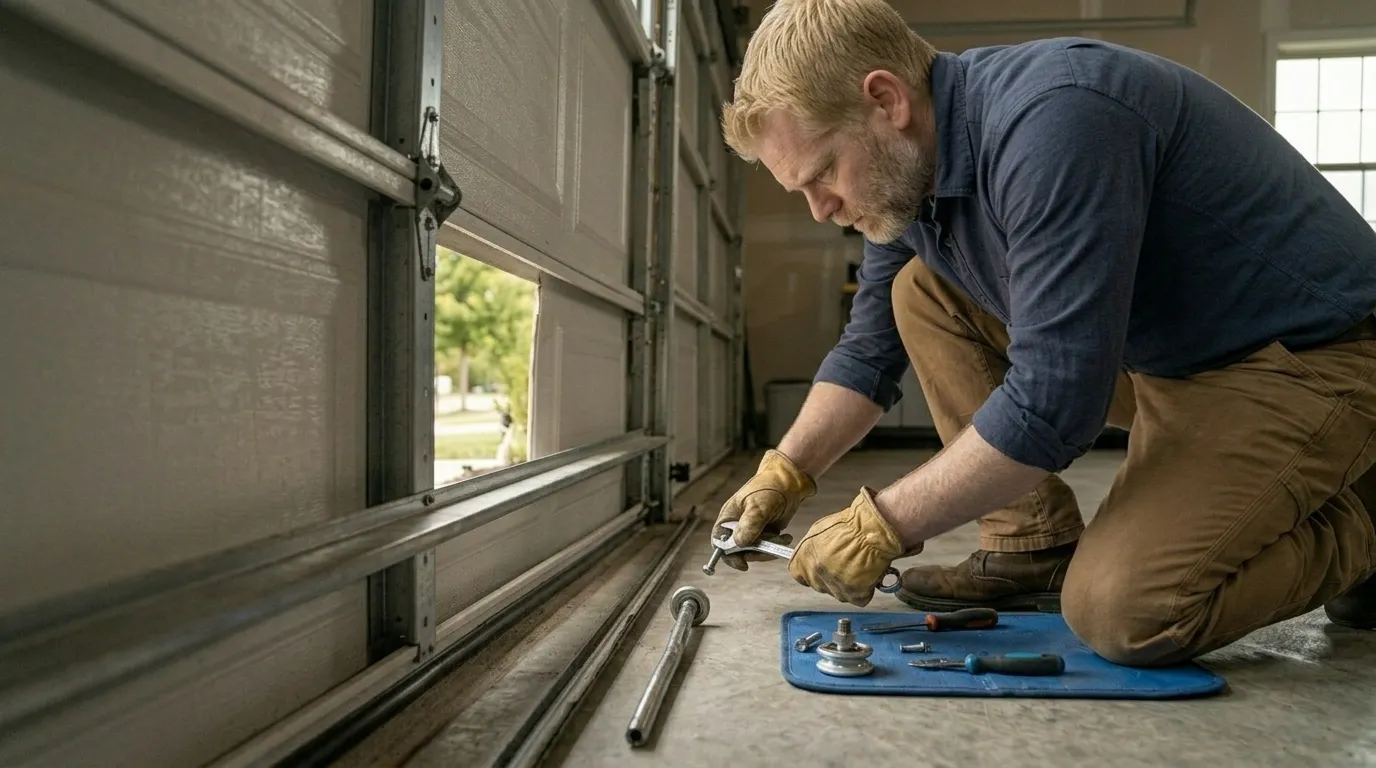
Most of what comes out of Castle Shannon is spring failure on doors that have had the same torsion spring since they were installed decades ago, plus rollers that have worn grooves into steel track from years of the same panel riding the same path. We also see a fair number of openers original to a garage that was converted at some point - the chain drive still there, but the safety reversal sensors bolted on later as a retrofit rather than built in. On a $62,426 median household income, most owners here are choosing repair over full replacement when the door itself is sound, and that's usually the right call on a spring or roller job. Where replacement makes more sense is when the door itself has delaminated or the track is bent beyond adjustment - patching those doesn't hold. We don't recommend replacing a door just because the opener is old; the two are separate decisions and treating them that way saves the owner money more often than not.
Getting Here
Castle Shannon sits about 6 miles from Pittsburgh, in the same corridor as Green Tree, Whitehall, and Bethel Park. We run trucks out from Pittsburgh into this stretch as part of our regular coverage, not as a special trip, so a Castle Shannon call gets scheduled the same way as anywhere else on that route. We don't keep a depot in Castle Shannon itself - the truck comes from Pittsburgh - so if you're calling about a spring that's already let go and the door won't move, say so up front. That changes how the job gets slotted.
This Area's Housing
With 3,755 households in Castle Shannon, the housing stock leans heavily toward the same era as the broader service area, where the median build year sits at 1955 and most of the region's housing dates to before 1960. That consistency is useful for us because it means the failure patterns repeat: original torsion or extension spring setups, narrower door openings than current standard sizes, and headers that sometimes need reinforcement before a new opener goes in. It also means parts availability is a real factor - a spring wound to a 1950s door's exact wire size and length isn't always something we're carrying on the truck, and matching an odd-width panel can mean a short wait on a special order. We tell people that up front rather than promise a same-day fix on something that isn't a stock part. In a service area with 155,574 owner-occupied houses skewing this old, that's not a rare exception, it's the norm.
How it works
From “it’s stuck” to “it’s fixed”
01
Tell us what’s wrong
Describe the symptom - won’t open, loud bang, opener runs but the door won’t move.
02
On-site diagnosis
A technician tests the door under power and by hand and finds what actually failed.
03
Clear, up-front plan
You get the fix that’s needed and what drives the cost - before any work starts.
04
Repaired & tested
The repair is done, the door is set true and tested, and the work area left clean.
Serving Pittsburgh, PA - tell us what your door’s doing and we’ll take it from there.
On a house from the 1950s, the spring is often original or close to it, and torsion springs have a rated cycle life - usually somewhere around 10,000 open-and-close cycles. Once a spring's past that, it fails regardless of how well it was installed. If yours has broken more than once recently, the spring itself may be undersized for the door's weight, which happens on older installs.
Can you match the track width on my old door?
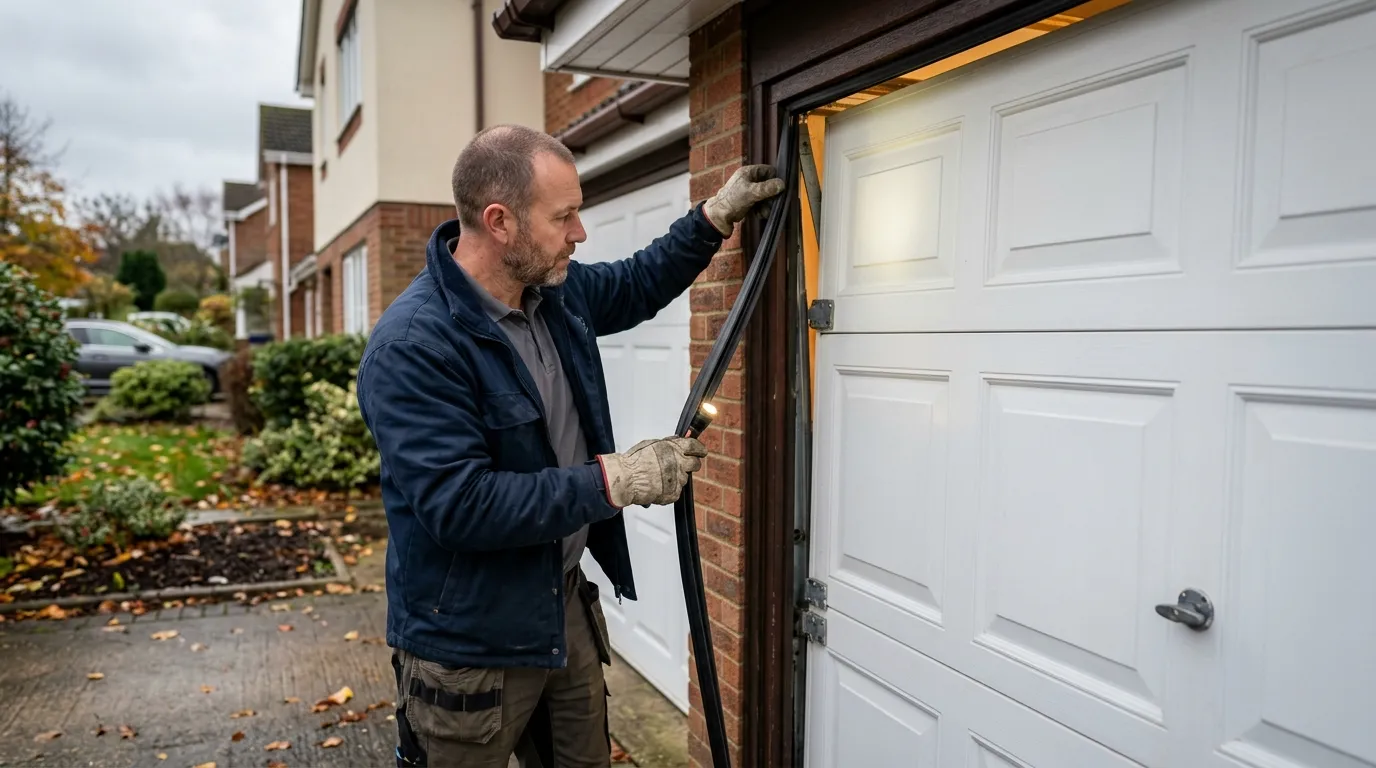
Sometimes, but not always same-day. Doors from the pre-1960 building era don't always match today's standard widths, so a track or panel replacement can mean a special order rather than a stock item off the truck. We'll tell you at the estimate if that's the case rather than guess.
Do you have a location in Castle Shannon?
No. We run out of Pittsburgh and cover Castle Shannon as part of our regular service route, about 6 miles out. There's no separate depot here, but that doesn't change how a job gets scheduled or handled once we're on site.
Is it worth replacing an opener from decades ago?
Depends on the opener, not the age alone. If it's a chain-drive unit with safety reversal sensors added later rather than built in, we'd rather test those sensors than assume they're compliant. If they work and the drive is sound, there's often no reason to replace it just because it's old.
Ready to get your garage door sorted?
Tell us what it’s doing and where you are in Pittsburgh - we’ll take it from there.