Garage Door Service for Cheswick's 1950s Housing Stock
Pittsburgh Garage Door Pros serves Cheswick, PA, fixing torsion springs, openers, and panels on doors original to 1950s houses in a severe cold climate.
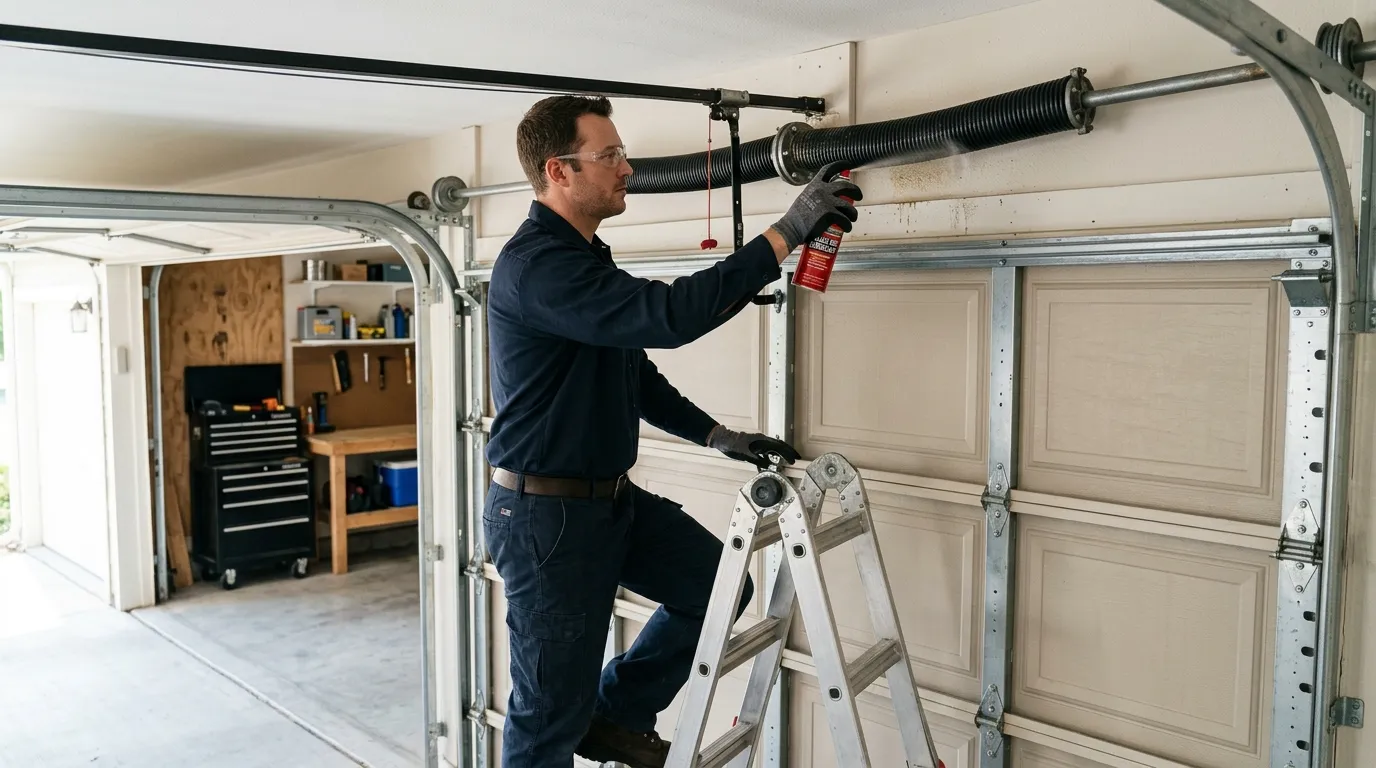
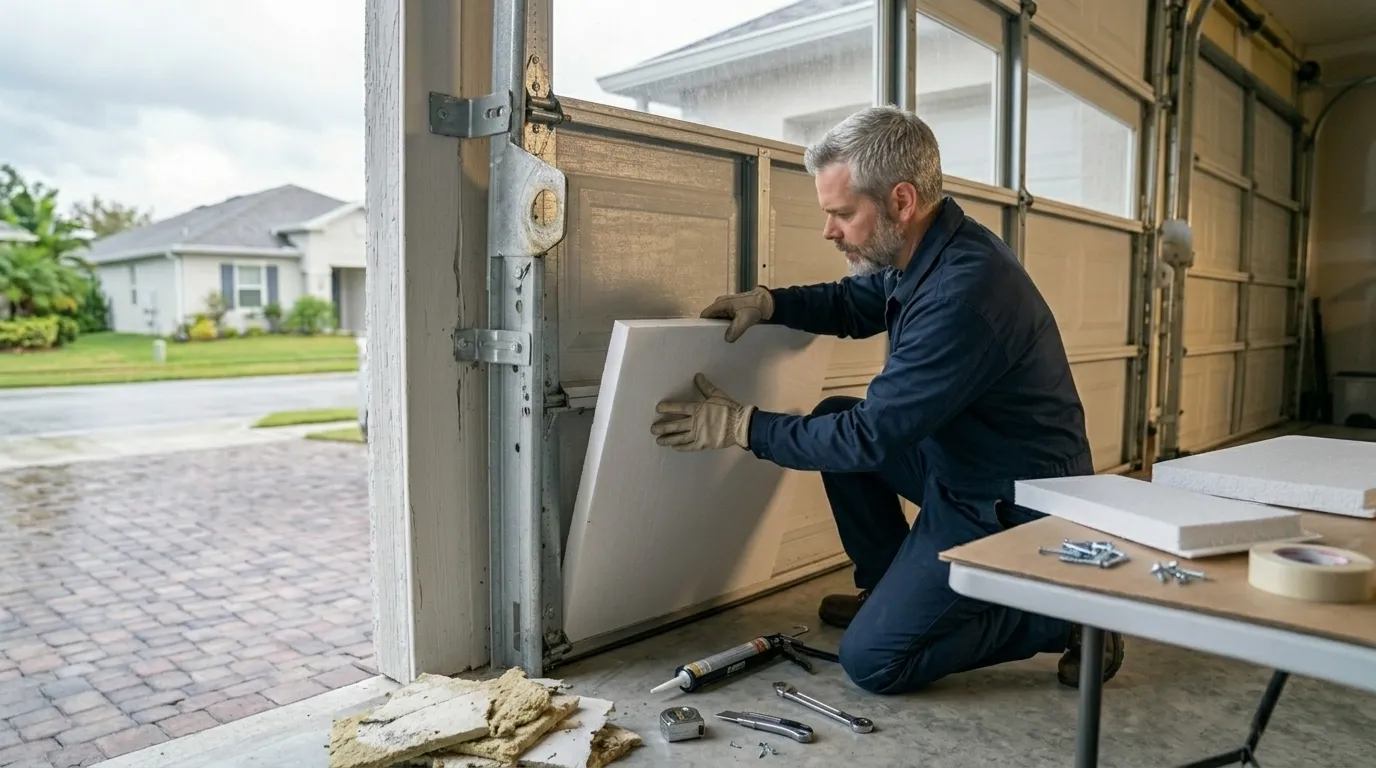
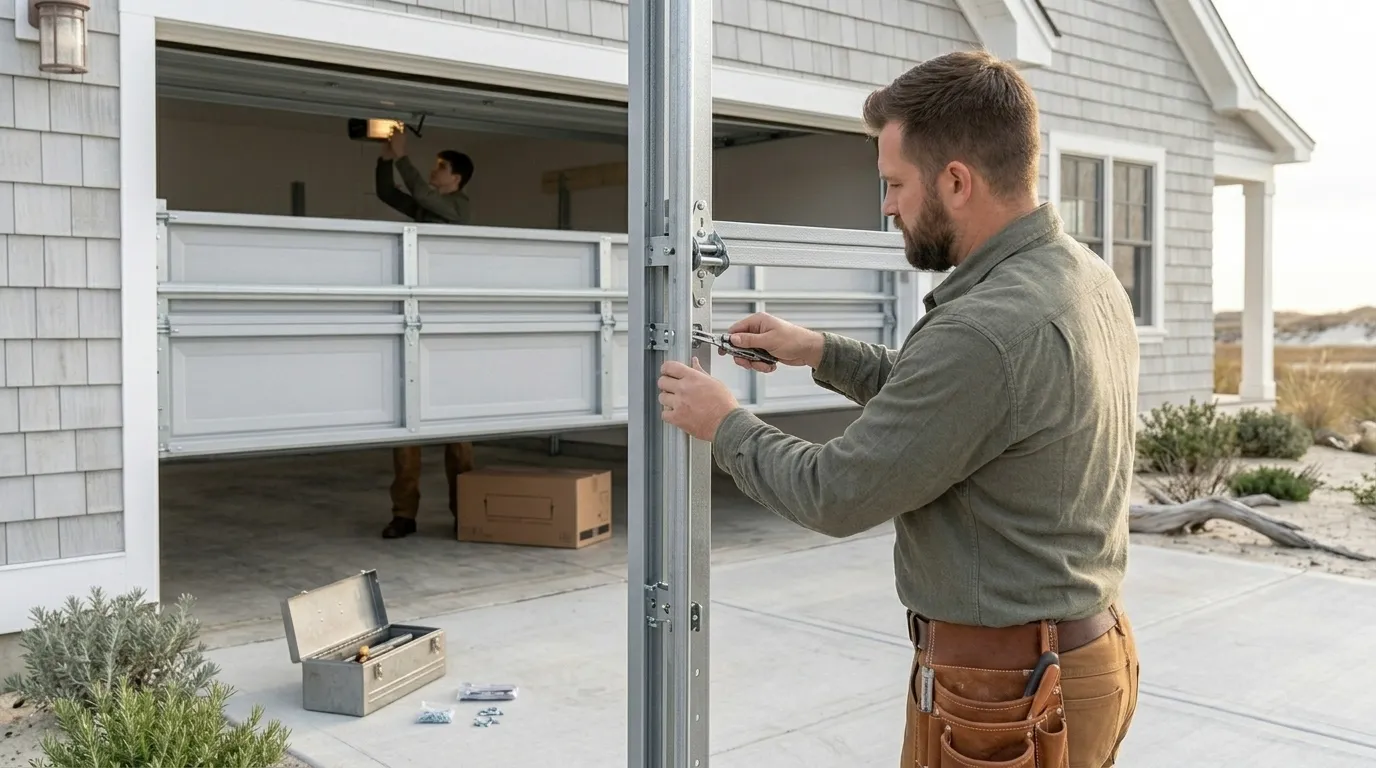
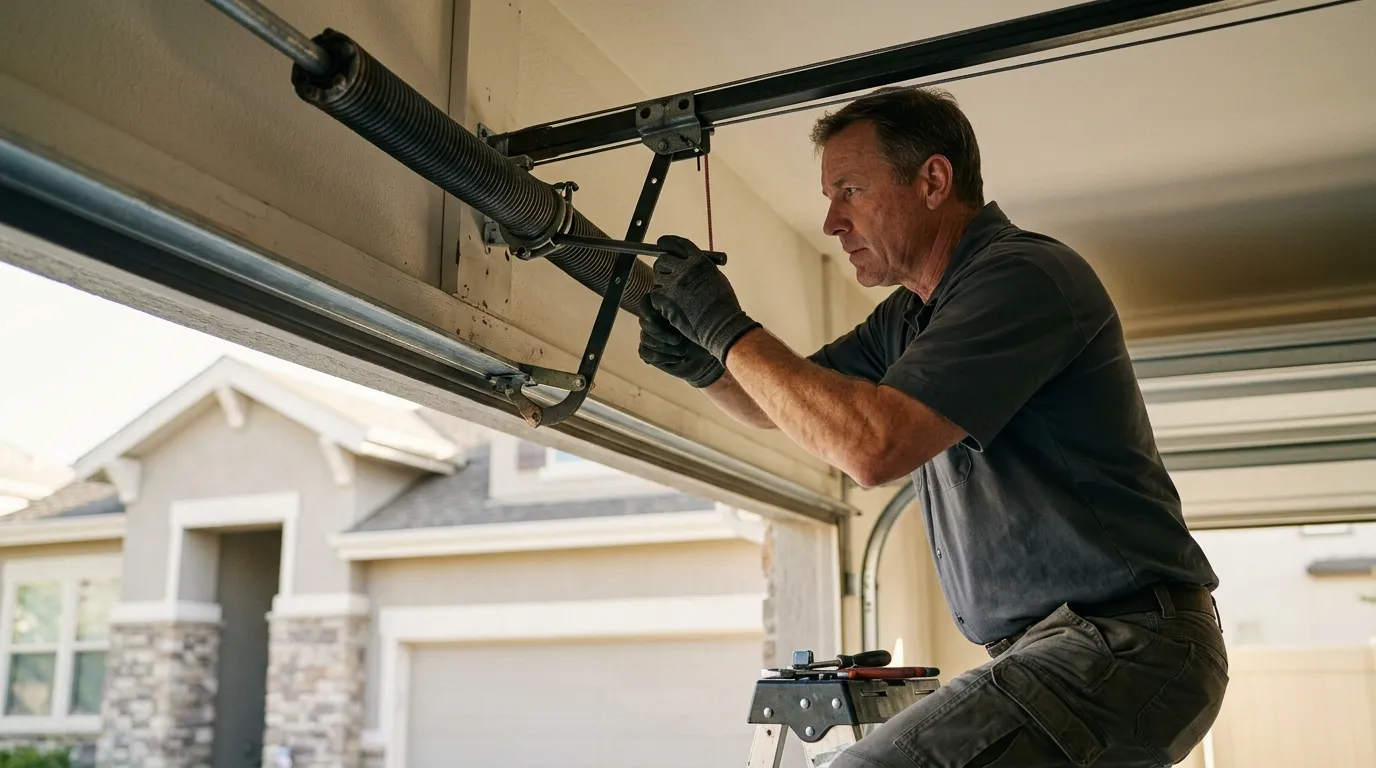
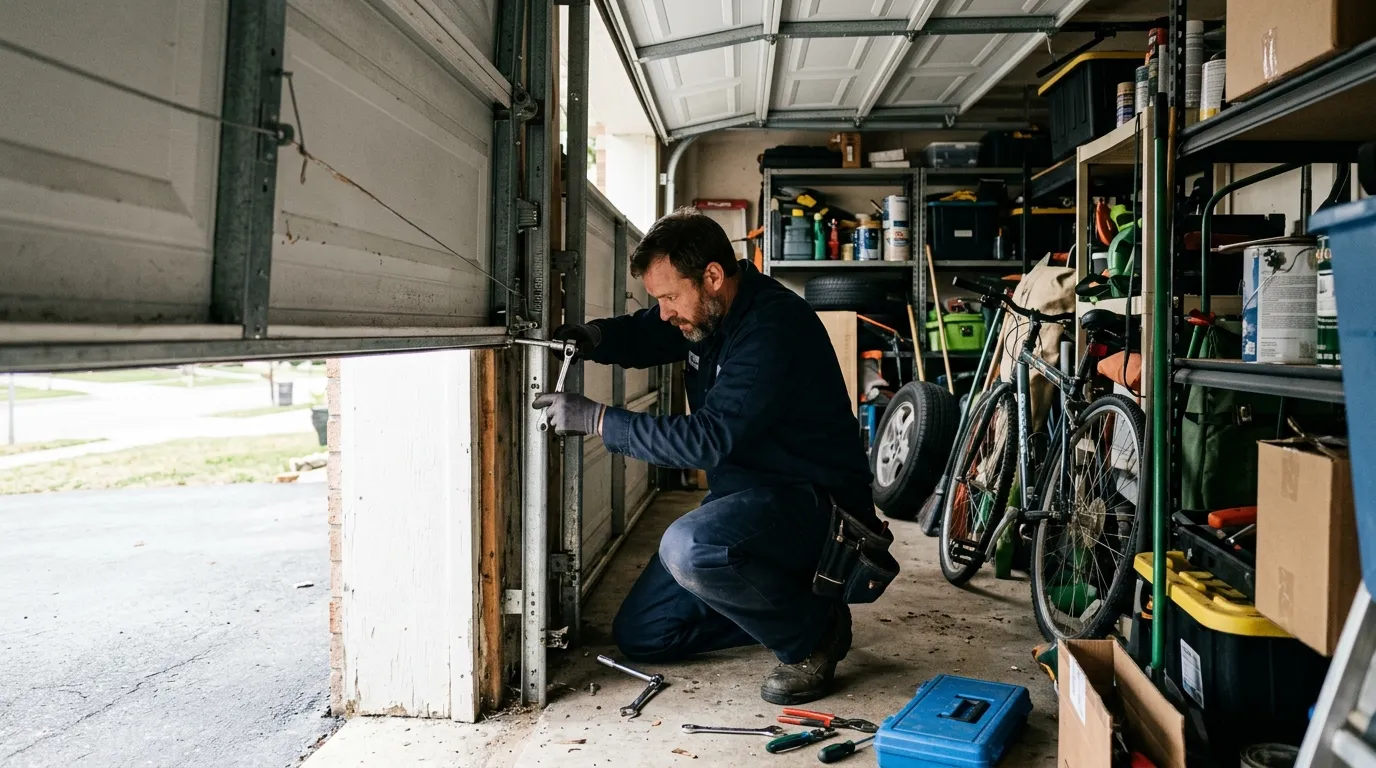
Most houses in Cheswick went up in the years around 1955, matching the median build year for the wider Pittsburgh service area, where the bulk of housing dates from before 1960. That era means a specific kind of garage door: single-layer steel or wood panel doors on side-mounted torsion springs sized for a door that weighed a lot less than what's sold today. When a homeowner swaps in a heavier insulated door without upgrading the spring, the opener strains on every cycle, and the spring itself wears out faster than it should. Add a winter that regularly drops well below freezing - this region sits in a severe cold climate band - and steel springs contract, lubricant thickens, and the torsion spring that was already undersized starts to fail on the coldest mornings of the year. Tracks original to a 1955 build are often narrower than current standard, so a straight swap of a new door onto old track isn't always as simple as it looks. None of this is unique to one street in town, but it is the pattern across a house built when Cheswick's housing stock came up, and it shapes almost every call we get out here.
The Calls We Get From Here
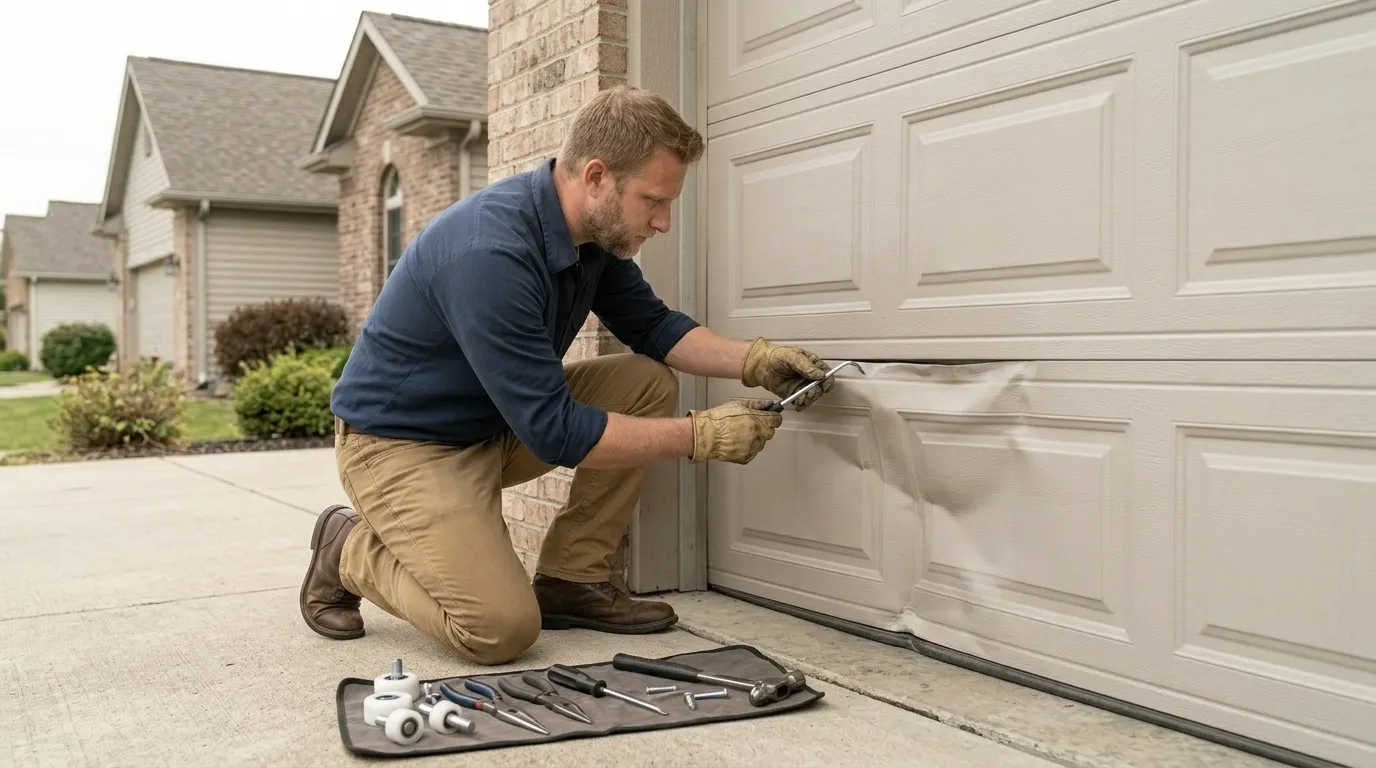
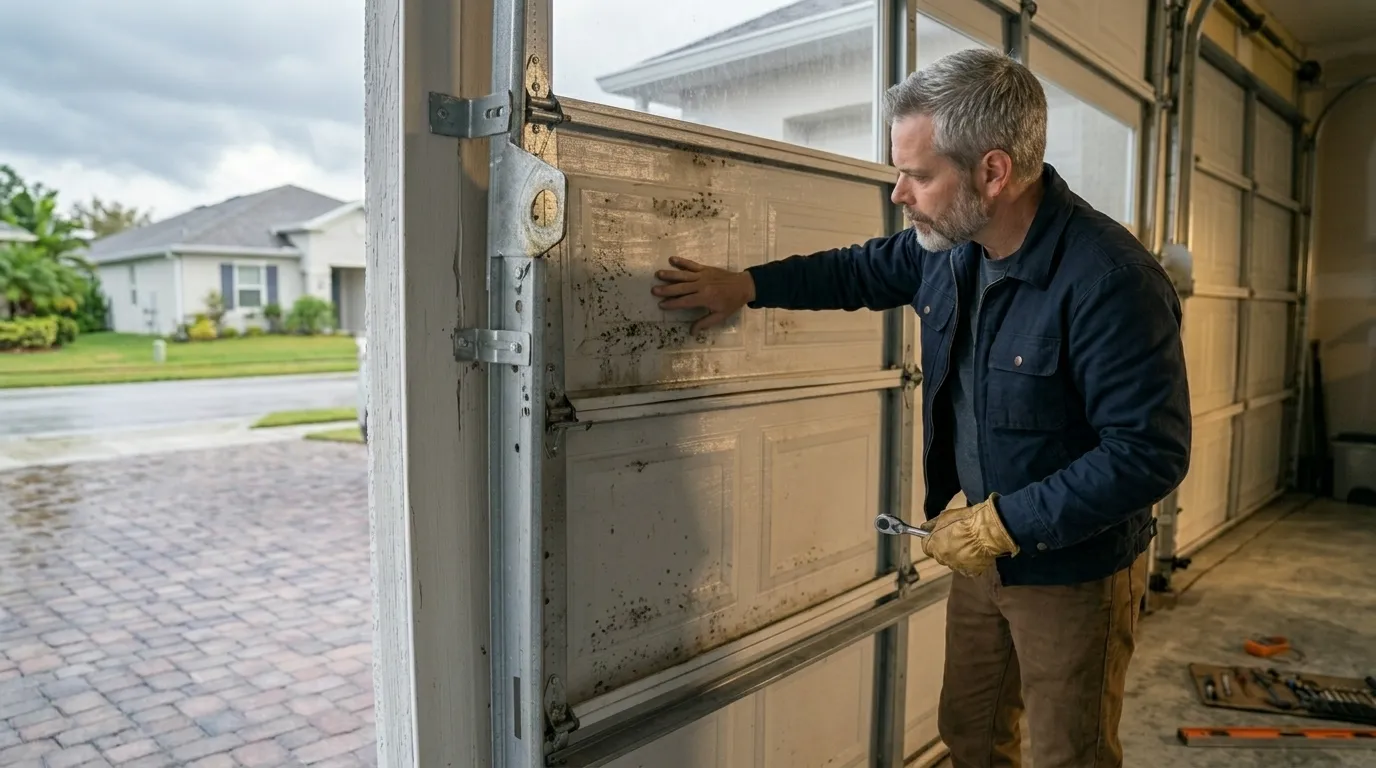
The calls from Cheswick tend to follow the same shape. A torsion spring snaps on a cold January morning, usually on a door that's never been rebalanced since the house was built. An opener that lifted fine in September stops catching in December because the cold has thickened the grease in gears never designed to run efficiently below freezing - part of what a severe cold climate does to hardware this old. We also hear from owners dealing with rust at the bottom panel, where decades of snowmelt and salt have worked into steel that wasn't galvanized as heavily as newer stock. Cable fraying shows up more here than on newer builds, because original cable and drum combinations don't get replaced until something actually breaks. What we don't get much of: complaints about smart-opener Wi-Fi glitches or sensor recalibration - most of the work here is mechanical, on doors and openers old enough that the fix is a spring, a cable, or a gear kit, not a software update.
Getting Here
We come out to Cheswick from Pittsburgh, about 12 miles away. That's farther than some of the inner suburbs we cover, so if you're booking a same-day call, know that the truck is driving the distance, not sitting around the corner - we don't keep a depot in town. For a straightforward job like a spring replacement or opener swap, that distance doesn't change much once we're on-site. Where it matters more is parts: if your door needs a part specific to its original 1955-era hardware, and we don't have it stocked on the truck, sourcing it can add a day or two rather than being available on the spot. We'd rather tell you that up front than promise a same-visit fix we can't back up. For anything urgent, a call ahead helps us load the right parts before making the drive out to you.
This Area's Housing
Cheswick is a small piece of the broader service area, with about 782 households against the roughly 279,154 households and 155,574 owner-occupied houses across the region we cover. It's a small town, but not a poor one - median household income here runs to $75,385, a bit above the wider service area's $72,020. That combination, a small number of houses concentrated around a mid-1950s build date and household income a step above the regional median, tends to mean owners investing more in doing the job right the first time rather than a cheap patch: full spring replacement instead of a single new cable, a matched opener rather than whatever's cheapest in stock. It's not a huge market, so most of what we see here is repeat patterns from the same building era, not much variation across different pockets of housing built in different decades.
How it works
From “it’s stuck” to “it’s fixed”
01
Tell us what’s wrong
Describe the symptom - won’t open, loud bang, opener runs but the door won’t move.
02
On-site diagnosis
A technician tests the door under power and by hand and finds what actually failed.
03
Clear, up-front plan
You get the fix that’s needed and what drives the cost - before any work starts.
04
Repaired & tested
The repair is done, the door is set true and tested, and the work area left clean.
Serving Pittsburgh, PA - tell us what your door’s doing and we’ll take it from there.
No. We run out of Pittsburgh, about 12 miles away, and drive out for calls. That doesn't slow down a straightforward repair once we're on-site, but it does mean we're not sitting around the corner, so a call ahead helps us bring the right parts on the first trip.
Why did my garage door spring break in the winter?
Most Cheswick doors and their original torsion springs date to around 1955. Cold contracts steel and thickens old lubricant, so a spring already carrying decades of wear is more likely to snap on a hard freeze than in warmer months. It's the most common call we get here in winter.
How old is a typical garage door in Cheswick?
The median house here was built around 1955, and a lot of original hardware, tracks, and even doors are still in place from that era. If yours hasn't been replaced, it's likely running torsion springs and tracks sized for a lighter door than what's sold today.
Can you get parts for an older door the same day?
Sometimes, but not always. Common springs and cables we carry on the truck. A part specific to older, original 1950s-era hardware may need to be sourced, which can add a day or two rather than being fixed on the first visit. We'll tell you up front if that's the case.
Ready to get your garage door sorted?
Tell us what it’s doing and where you are in Pittsburgh - we’ll take it from there.