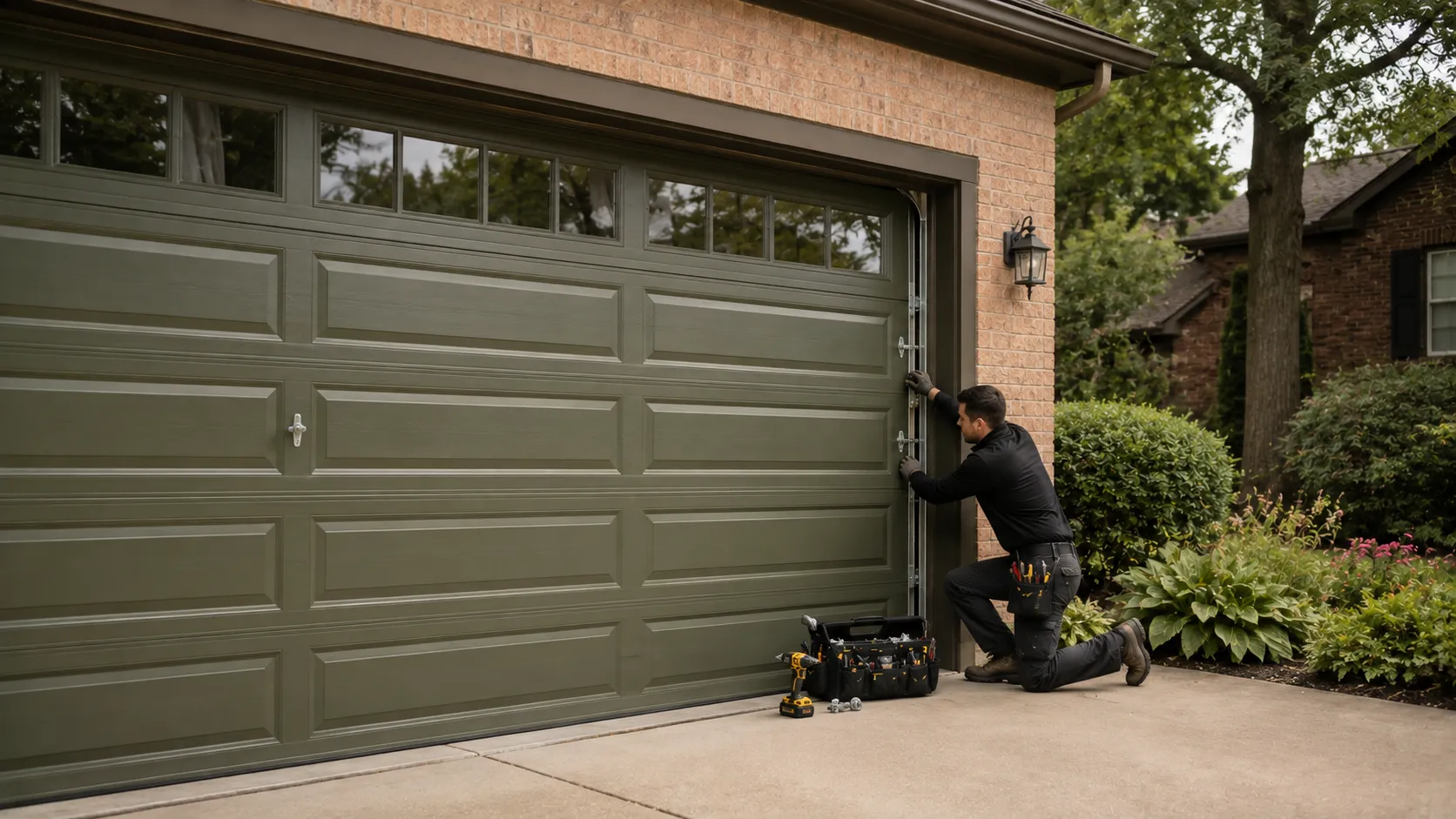
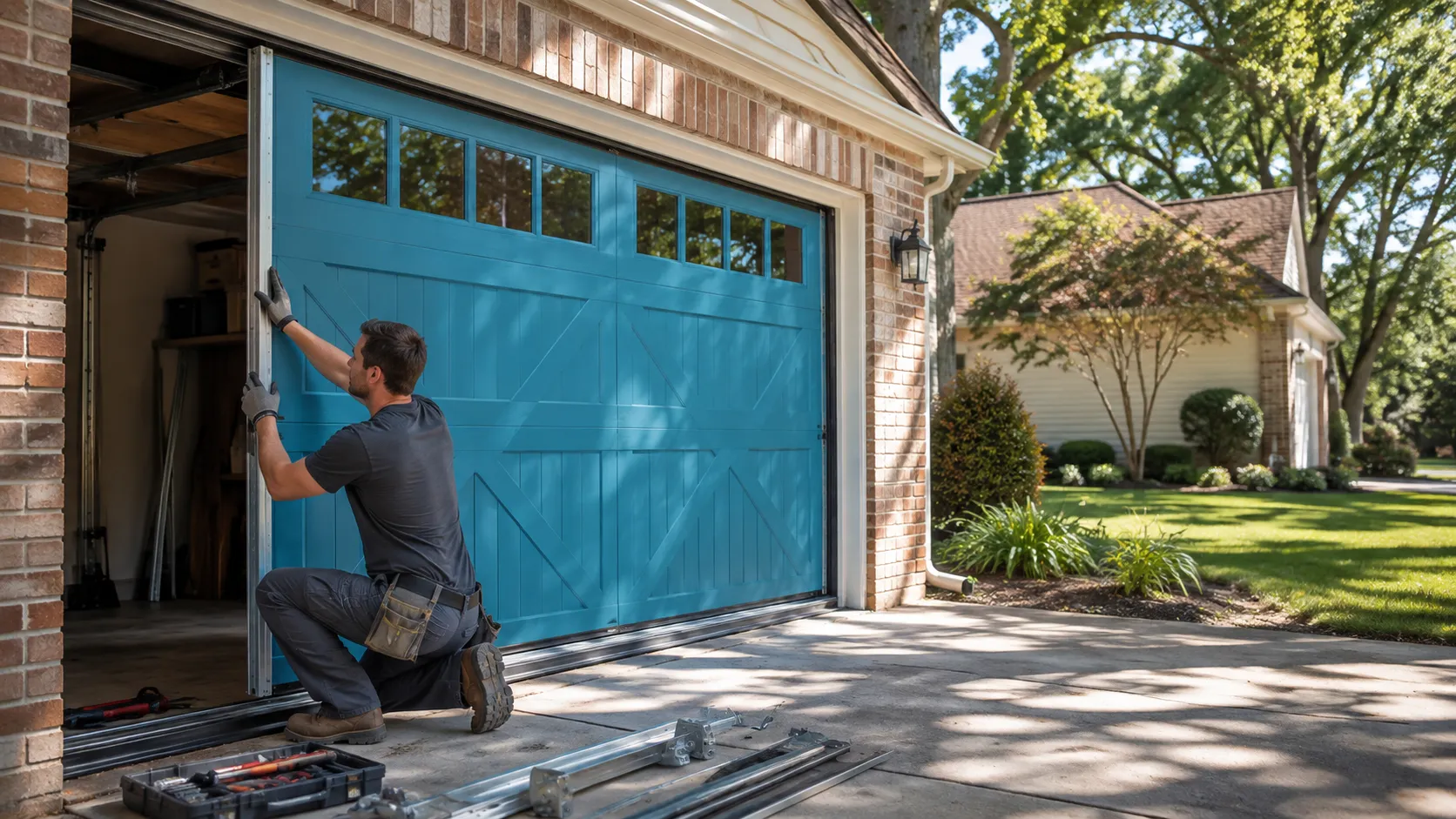
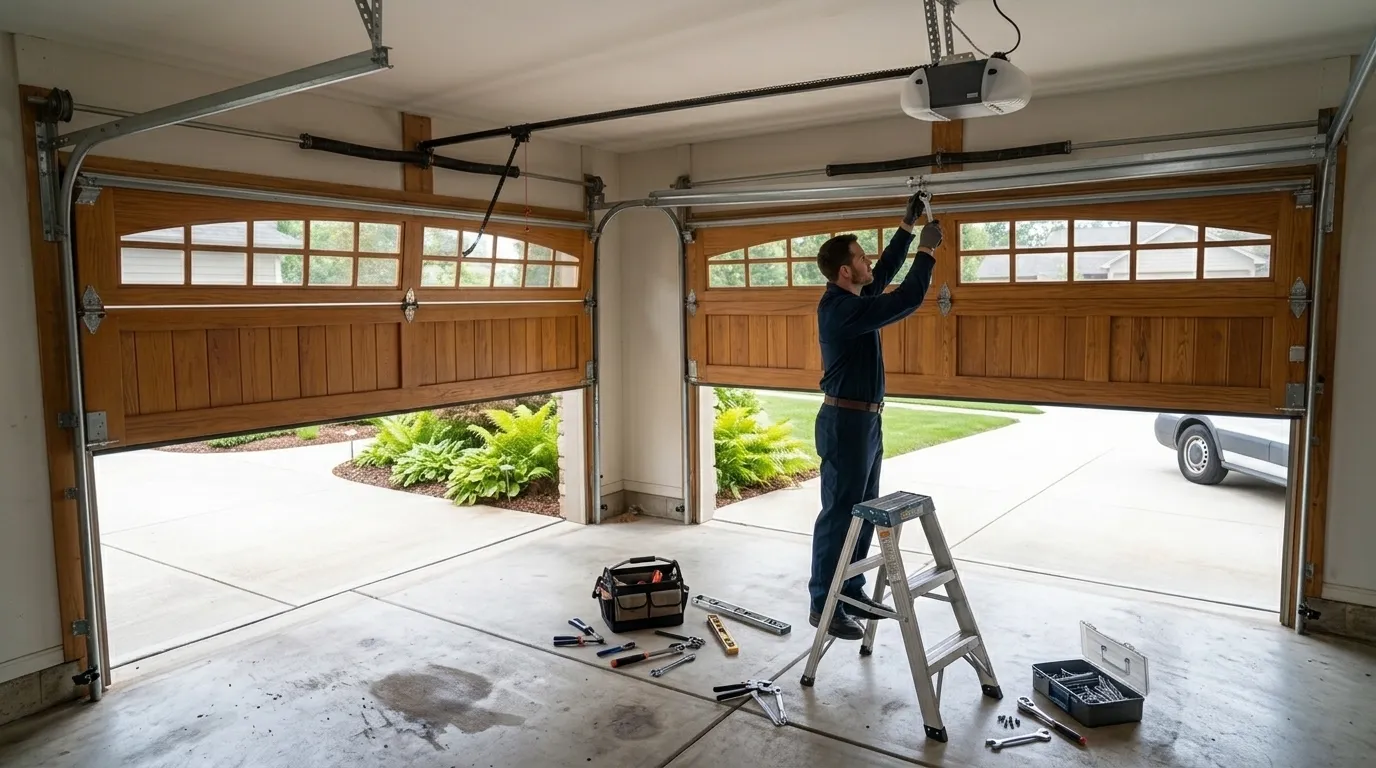
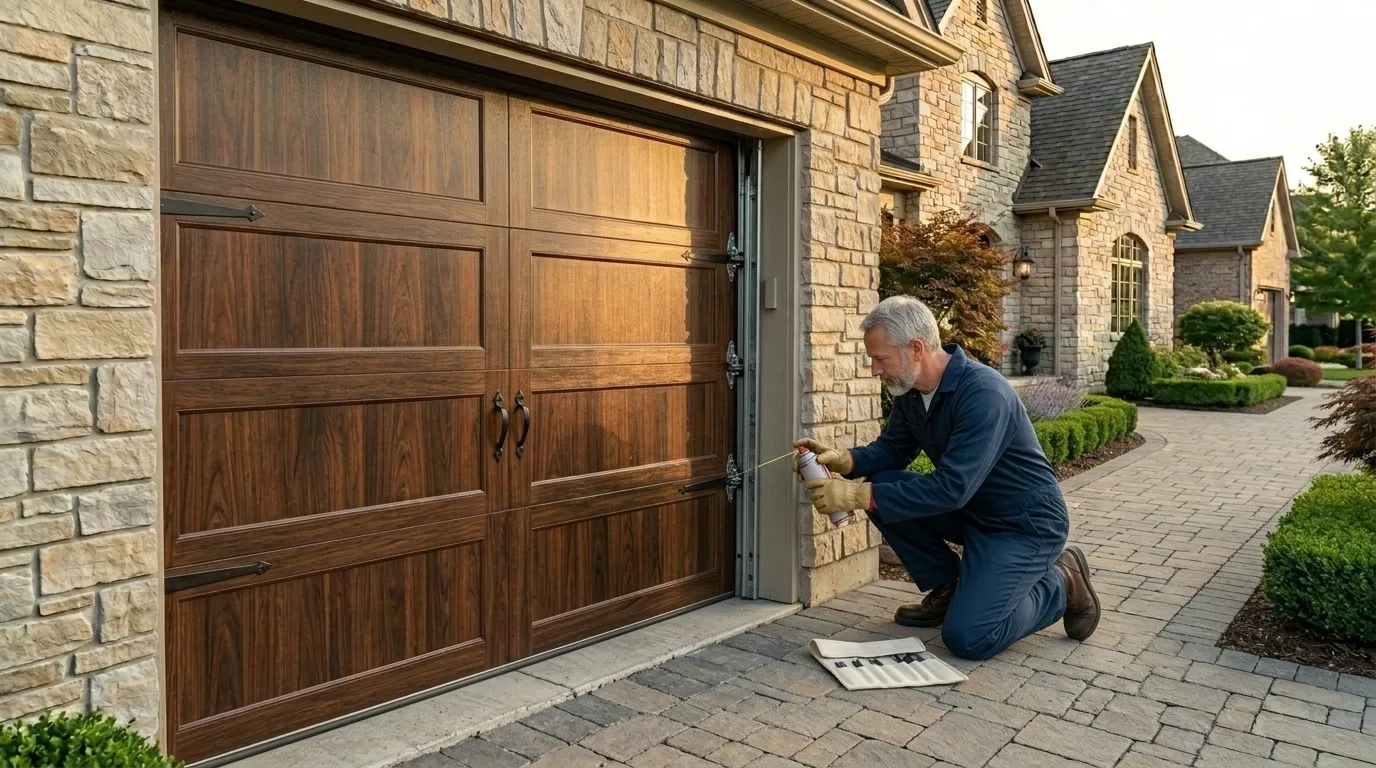
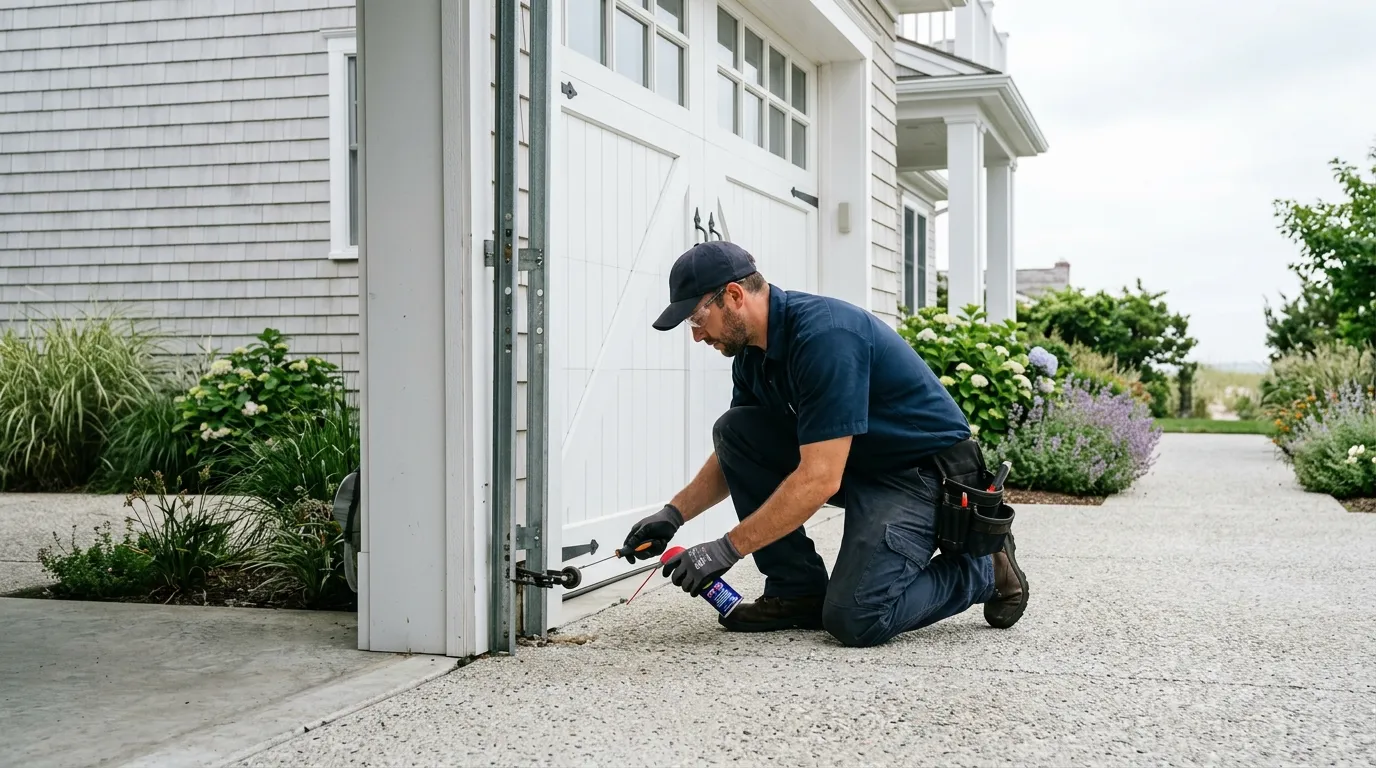
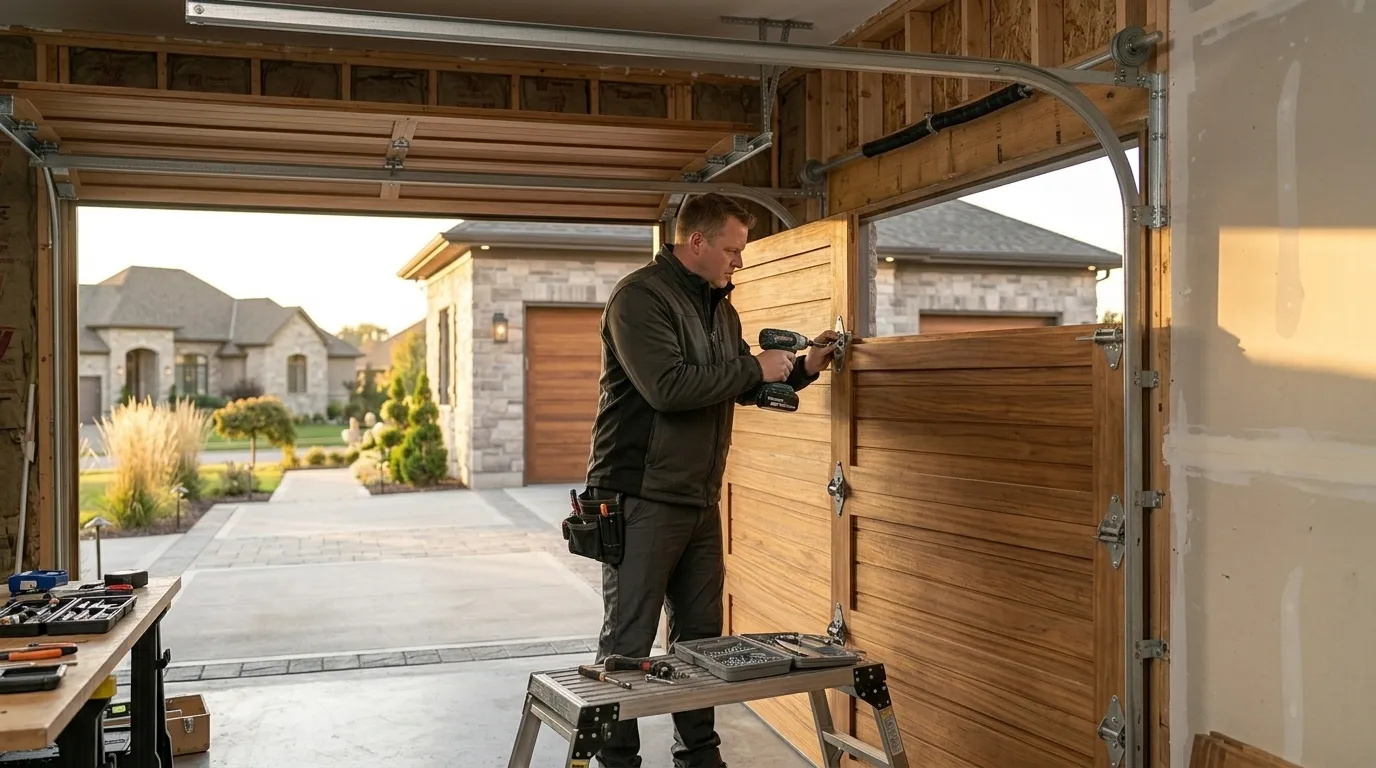
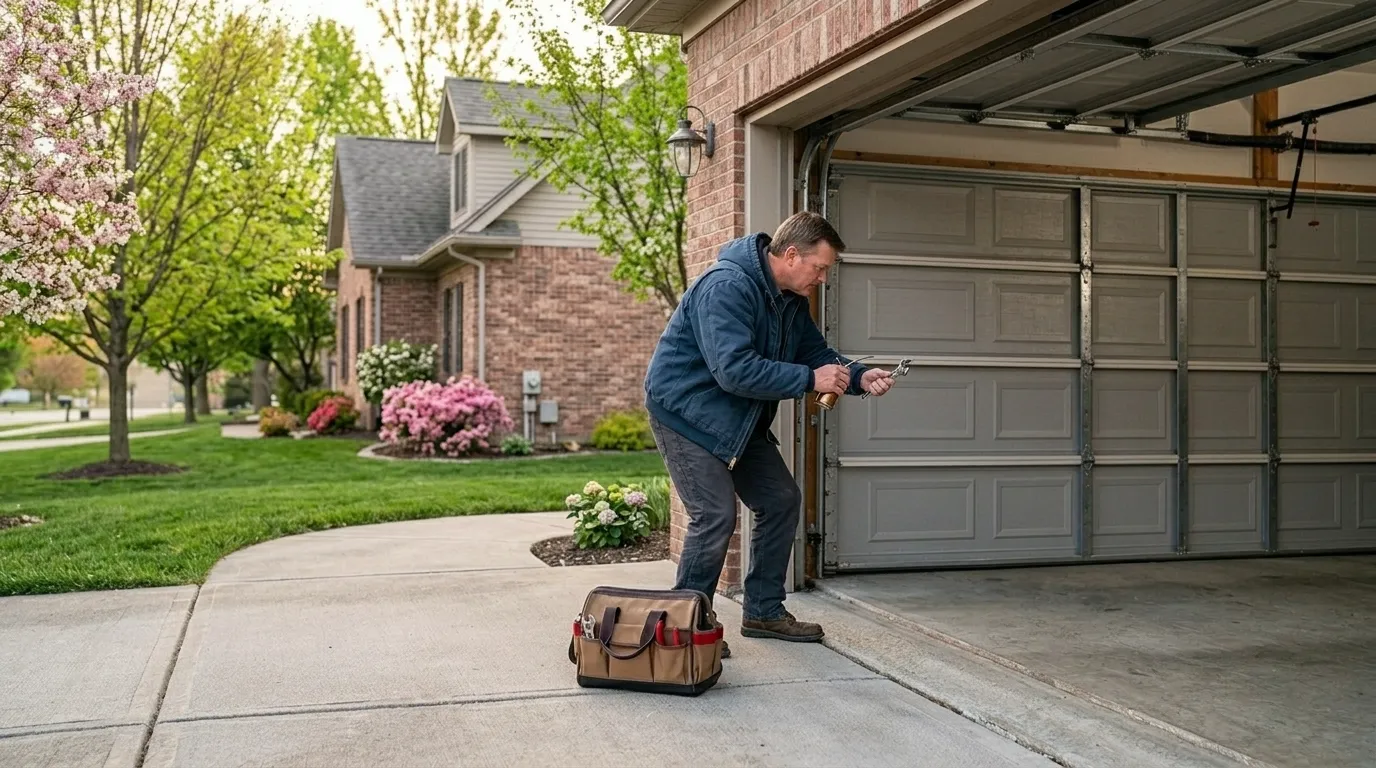
Clairton's housing dates to around 1942, older stock built for cold Pittsburgh winters. We repair torsion springs, tracks, and openers on original doors.
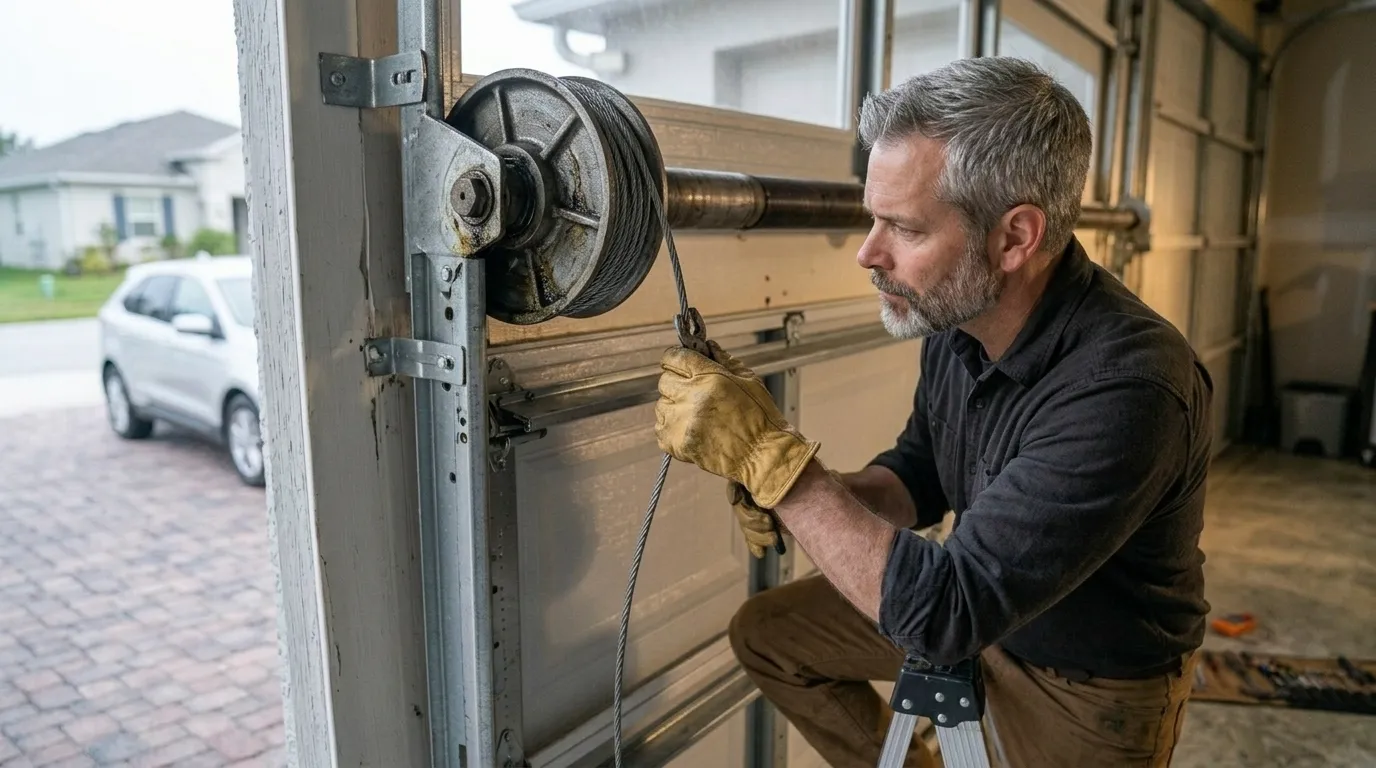
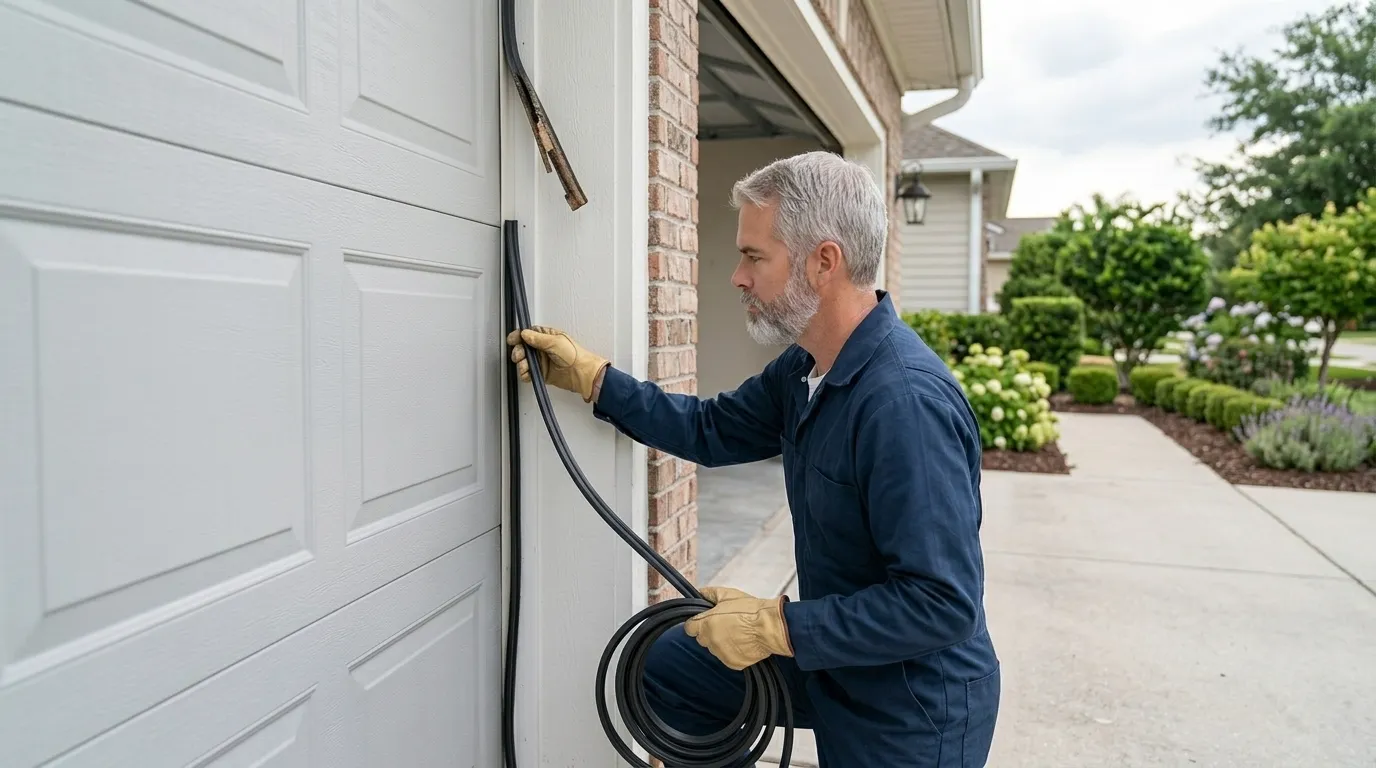
Most of the Pittsburgh service area we cover was built with a median year of 1955, but Clairton's housing runs a bit earlier - the median build year here is 1942. That gap matters more than it looks on paper. Doors and openers installed in the 1940s and into the '50s came before torsion-spring conversions were standard on a lot of local retrofits, so you still find original drum-and-cable setups, older track gauges, and side room framed for a heavier one-piece door rather than a sectional. Add in that this area sits in a cold-severe climate band, and you get steel hardware that's spent seven decades cycling through freeze and thaw. Springs get brittle, cables fray at the drum where ice forms, and the wood jambs a lot of these older openings were built into shrink and swell enough to throw a track out of plumb. None of that is unique to one house - it's the pattern across a block built in the same few years. When we get a call from Clairton, we're not guessing at what's behind the door. We're expecting older gauge track, a spring that's outlived its cycle count, and hardware that was never meant to pair with a modern opener without some adapting.
The Calls We Get From Here
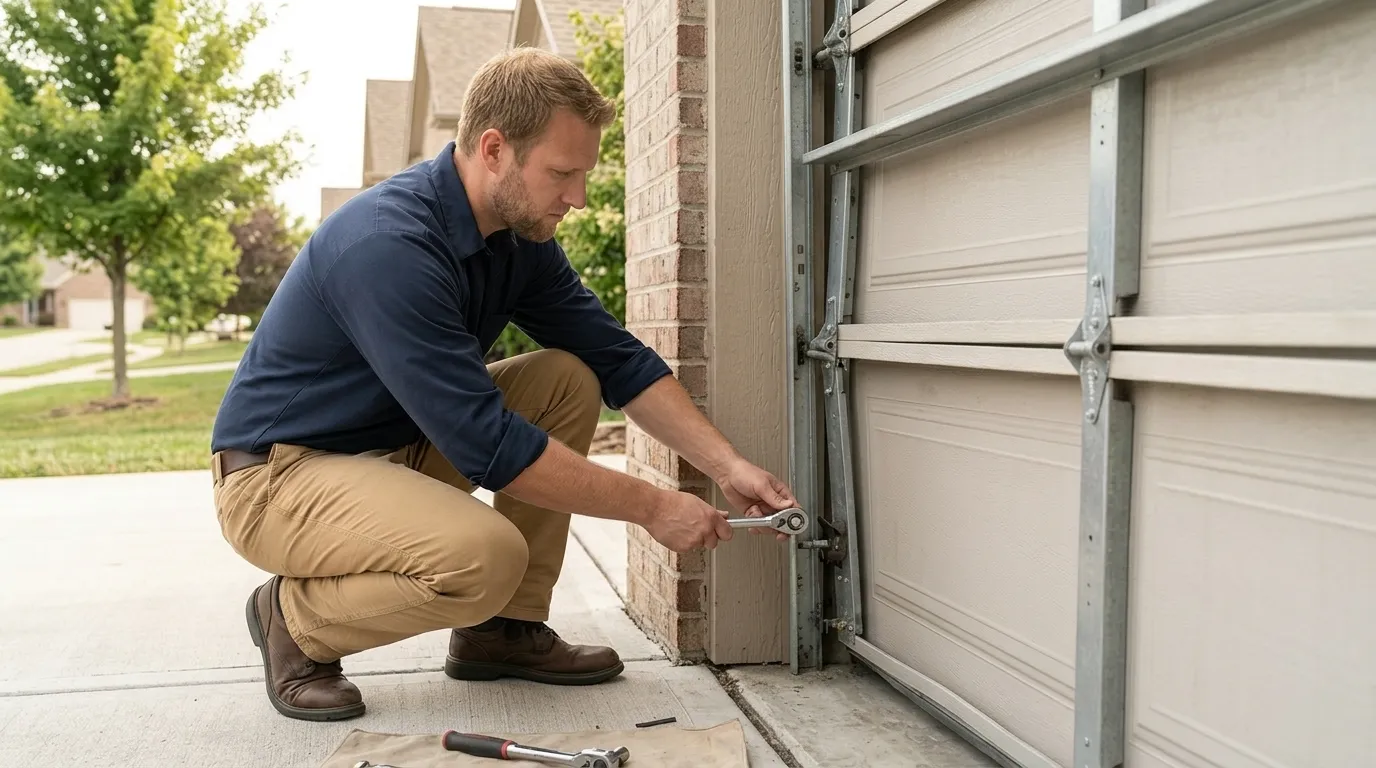
The calls that come out of Clairton tend to follow the housing. A broken torsion or extension spring on a door that's clearly older than the opener bolted to it - somebody upgraded the motor at some point and left the spring alone. Cables that have jumped the drum after years of cold-weather flex. Rollers worn oval instead of round, which makes the whole door judder on the way up. We also get openers that flat-out quit after a winter of condensation getting into the housing, common with equipment mounted in an unheated garage built decades before insulation codes tightened up. Here's the honest part: on some of these older one-piece or track setups, parts are no longer made, and matching them costs more in time than a straight replacement with a modern sectional door. We'll tell you when that's the case instead of chasing a part that doesn't exist anymore. Not every old door is worth saving, and we're not going to pretend otherwise just to bill a repair. When the frame and track are sound, though, most of what breaks on a 1940s-era door is fixable without touching the opening itself.
Getting Here
We run out of Pittsburgh, about 11 miles from Clairton. There's no depot or storefront in town - the truck comes from the city, loaded for whatever the call is. That distance doesn't change what gets fixed once we're there, but it's worth saying plainly: we're a service that travels in, not a shop on the corner. We plan the route and the parts before we leave, which matters more here than in a lot of spots, since older hardware isn't something you can grab off a shelf on the way.
This Area's Housing
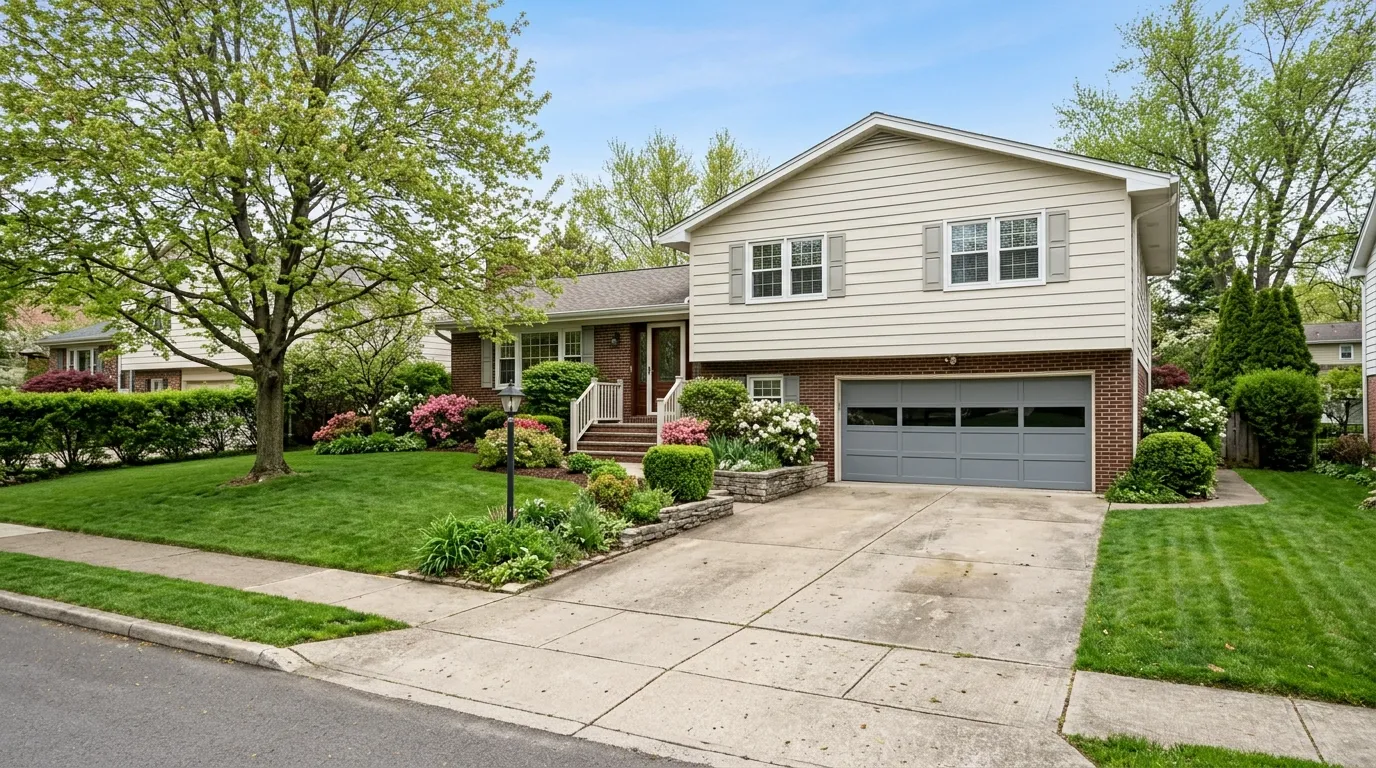
Clairton has 2,635 households, a small slice next to the 279,154 households spread across the whole service area we cover out of Pittsburgh. Median household income here is $39,884, well under the service area's $72,020 median. That gap shows up in the kind of work we do - more repair calls aimed at keeping an existing door running another decade, fewer full-replacement jobs where cost isn't the deciding factor. The housing itself lines up with the pattern across most of this region: built mostly before 1960, per the wider area's stock, and Clairton's own median year of 1942 puts it on the older end even within that range. If your door, track, or opener has never been touched since the house was built, that's not unusual here - it's closer to normal than the exception.
How it works
From “it’s stuck” to “it’s fixed”
01
Tell us what’s wrong
Describe the symptom - won’t open, loud bang, opener runs but the door won’t move.
02
On-site diagnosis
A technician tests the door under power and by hand and finds what actually failed.
03
Clear, up-front plan
You get the fix that’s needed and what drives the cost - before any work starts.
04
Repaired & tested
The repair is done, the door is set true and tested, and the work area left clean.
Serving Pittsburgh, PA - tell us what your door’s doing and we’ll take it from there.
Does Pittsburgh Garage Door Pros have a location in Clairton?
No. We run out of Pittsburgh, about 11 miles away, and bring the truck stocked for the job. There's no local depot, but the distance doesn't change how we handle the repair once we're on site.
Why does my garage door hardware look different from newer doors?
Clairton's housing runs older than a lot of the wider service area, with a median build year around 1942. Many garages here still have original drum-and-cable setups or older track gauges instead of the torsion-spring hardware standard on newer sectional doors.
Is it worth repairing an old one-piece door instead of replacing it?
Sometimes not. Parts for some older one-piece doors are no longer made, and chasing them can cost more than a straight replacement. We'll tell you honestly when that's the case rather than bill for a repair that won't hold.
Why do springs seem to fail more in winter here?
This area sits in a cold-severe climate band, and steel spring stock gets brittle after repeated freeze-thaw cycles. Combined with decades-old hardware, that's the most common failure we see on calls from Clairton.
Ready to get your garage door sorted?
Tell us what it’s doing and where you are in Pittsburgh - we’ll take it from there.