Homes in Indiana, PA average a 1969 build year, later than much of the Pittsburgh service area. We travel out to fix the springs, openers and tracks that come with that hardware.
Indiana sits apart from a lot of the Pittsburgh Garage Door Pros service area in one important way: the housing stock is newer. Median year built here is 1969, a good decade and a half past the 1955 median across the wider area we cover. That gap matters more than it sounds like it should.
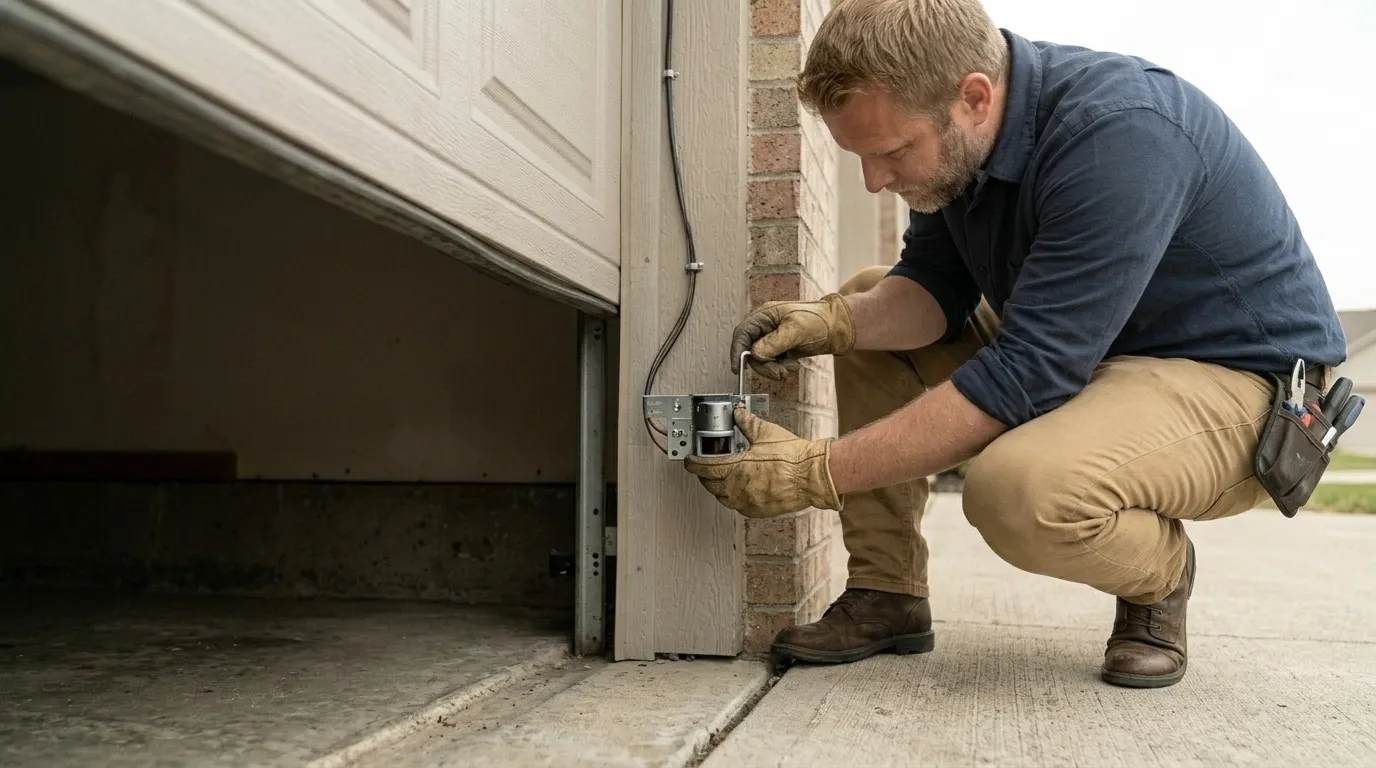
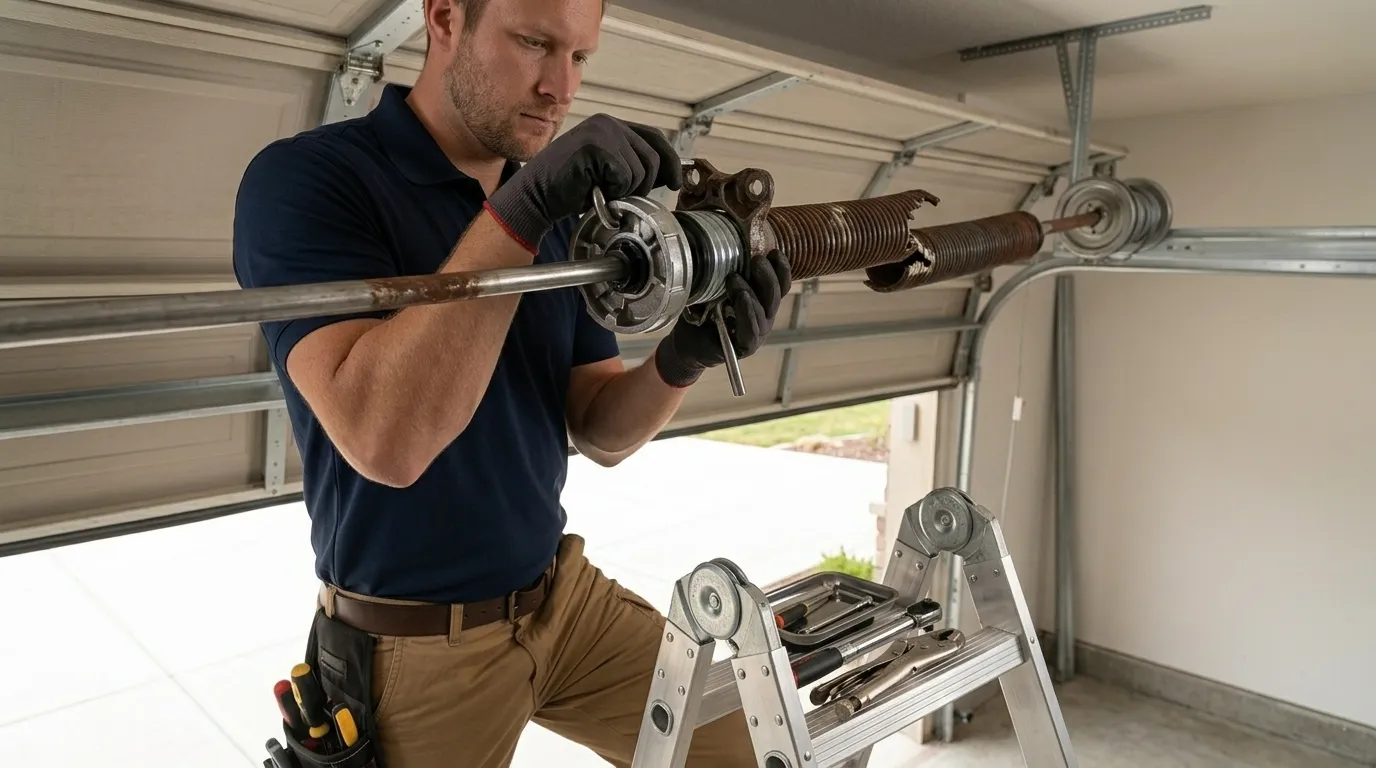
A house built in 1969 usually came with an extension-spring setup or an early torsion system rather than the side-mounted torsion hardware you find on the pre-1955 stock closer to Pittsburgh. The openers that got bolted on over the decades since are a mixed bag - chain drives from the 80s and 90s, some newer belt-drive units swapped in during a remodel. Panels tend to be steel rather than the older wood-and-panel doors, which changes how a dent or a bowed section behaves and what it costs to source a matching replacement panel.
Cold-climate stress still applies here the same as everywhere in this region - contraction and expansion on old rollers and worn cables doesn't care what decade the house was framed. But the specific failure you're likely to see - a stripped extension spring pulley versus a snapped torsion spring - depends on which era of hardware is actually hanging in your garage. We ask about the age of the door and opener before we ever quote a job, because a 1969-era track system takes different parts than what we carry for the 1950s stock.
The Calls We Get From Here
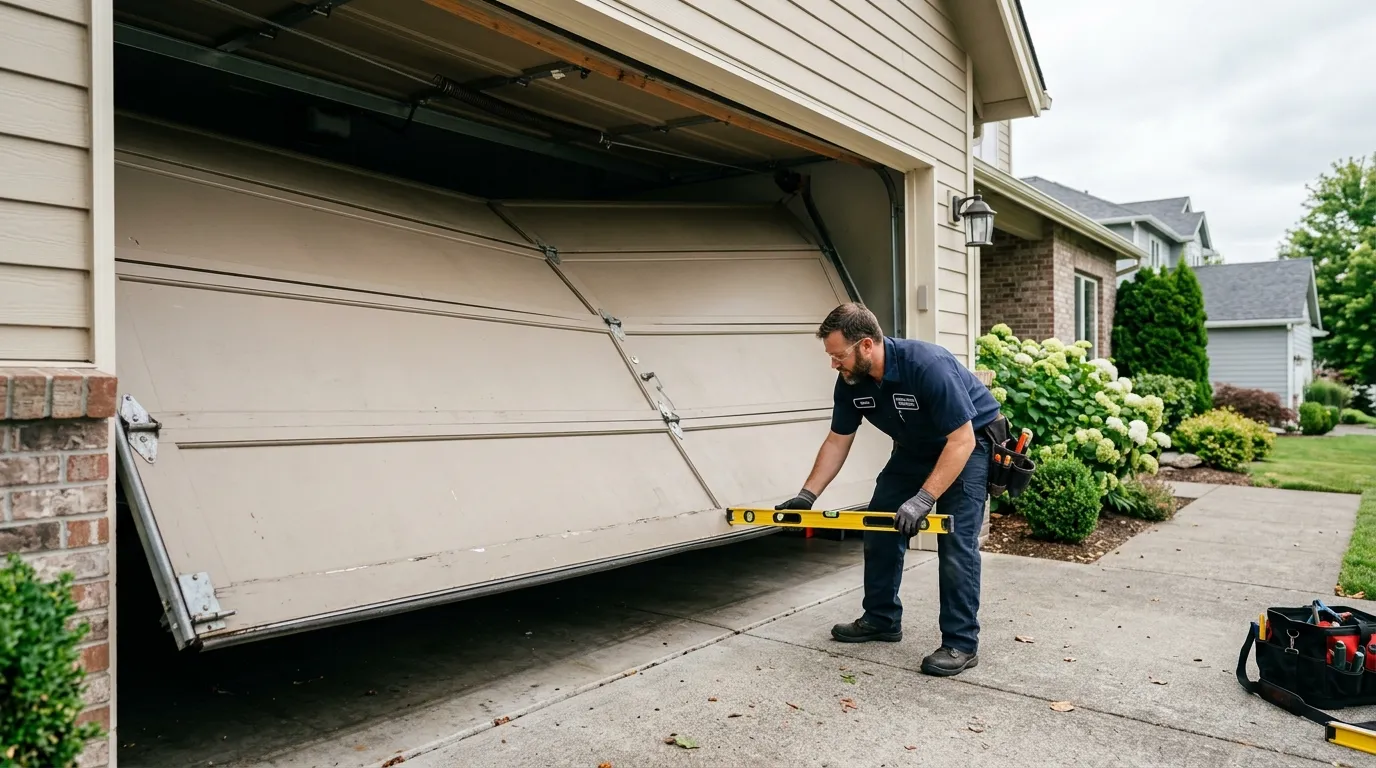
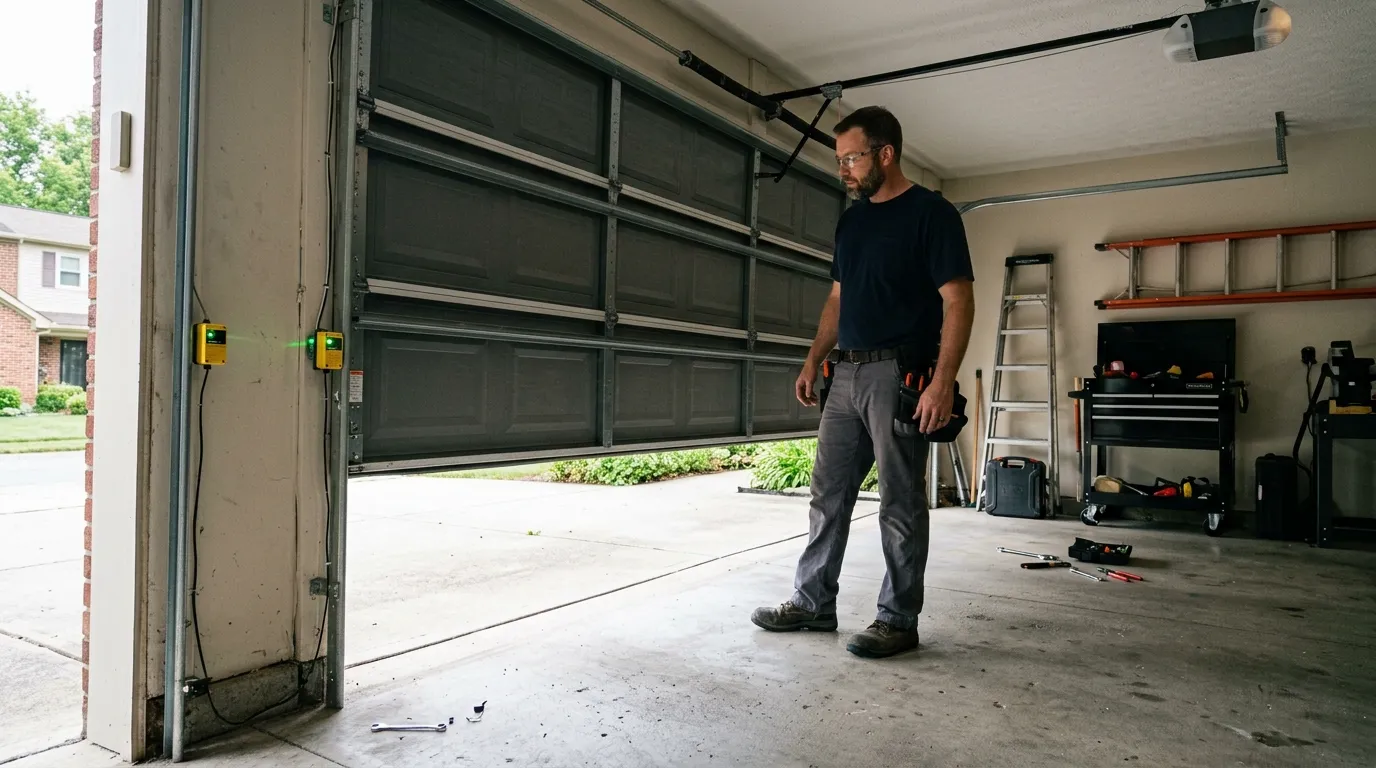
Because Indiana's housing runs newer than a lot of the neighborhoods we serve closer to the city, the calls tend to skew toward opener trouble and worn rollers rather than the ancient one-piece doors we deal with elsewhere. Extension springs stretched past their rated cycle count, a chain-drive opener that's finally given out after twenty-plus years, a track that's walked out of alignment on a door that's been opened and closed a few thousand times too many - that's the pattern on 1960s-and-later builds.
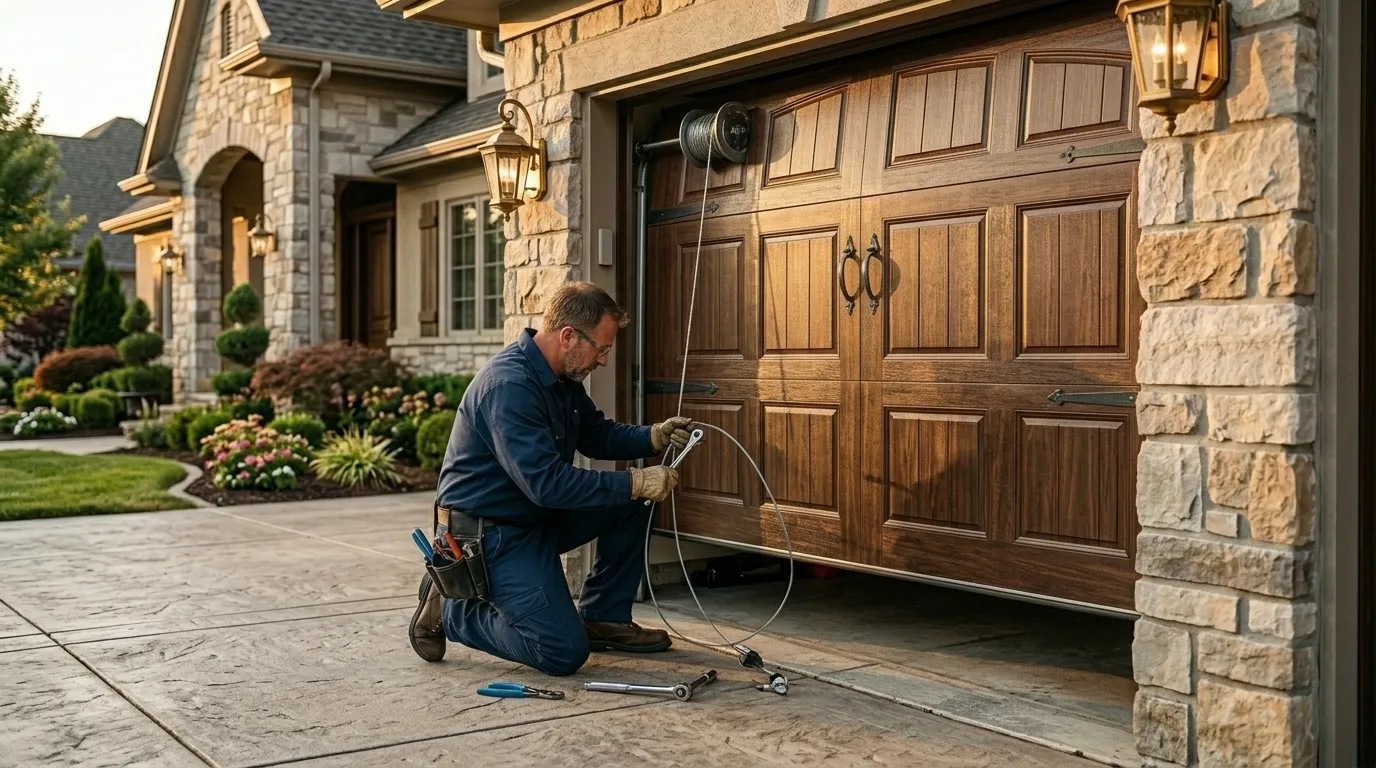
We still get the occasional call for a snapped cable or a section that's come off its hinges, same as anywhere with a cold winter. The severity of the winter climate here means metal hardware contracts hard on the coldest mornings, and that's often when a spring that was already fatigued decides to let go.
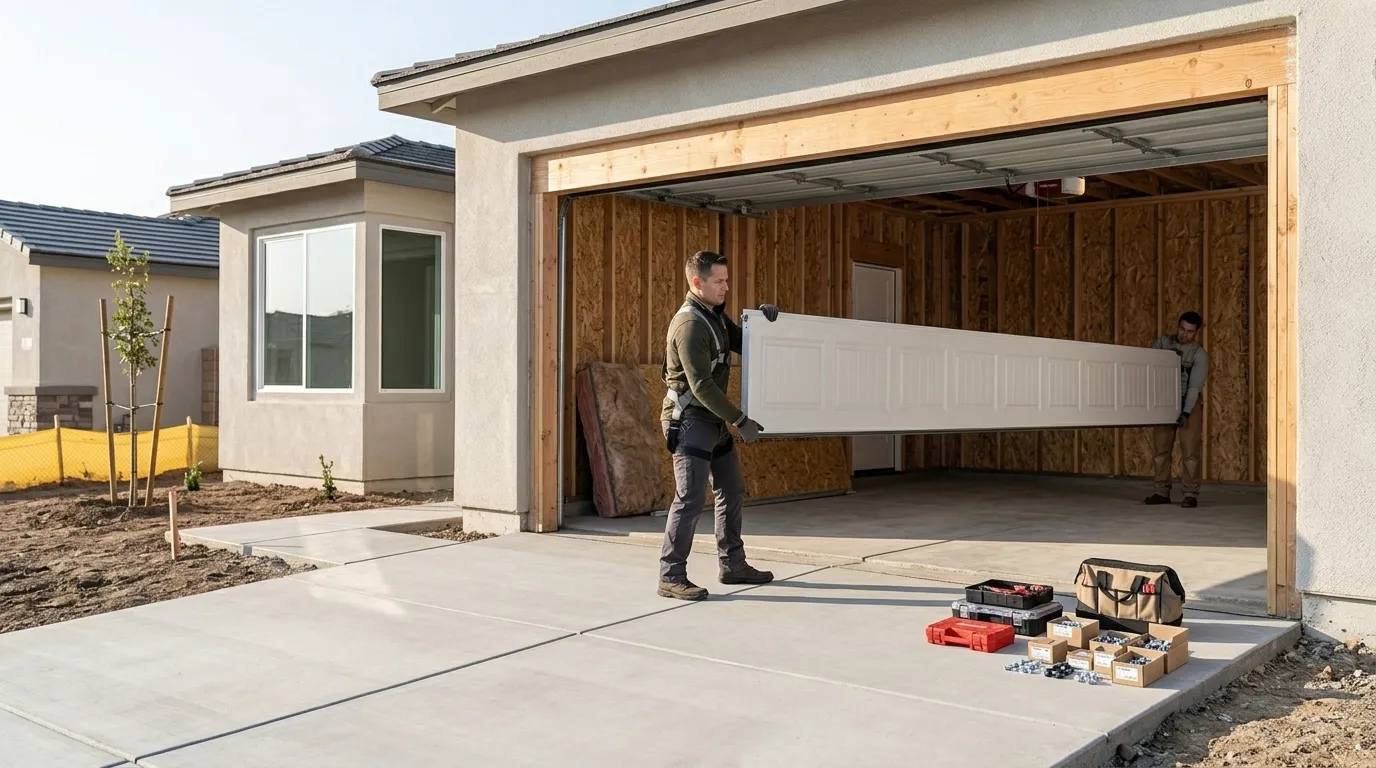
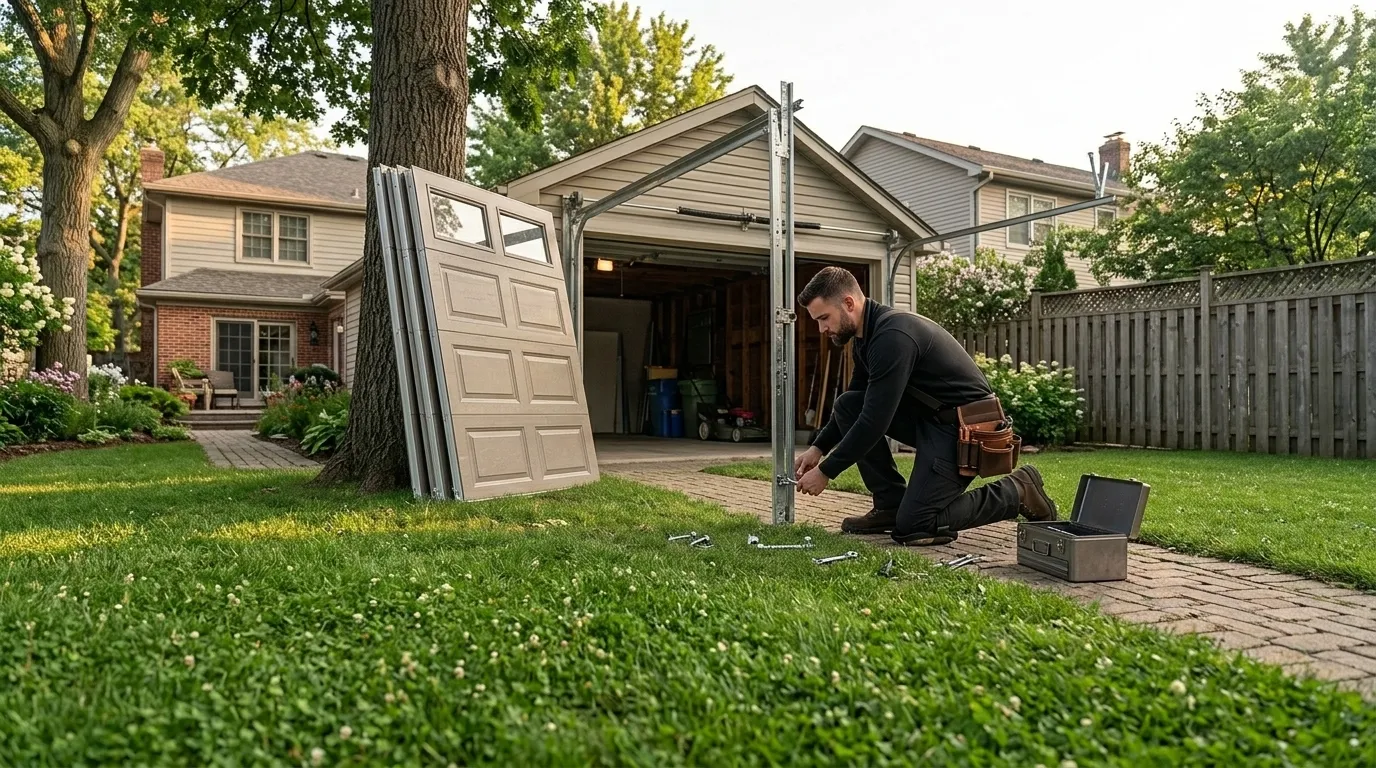
One honest limitation: we don't stock every panel style for every era of door. If your door needs a specific matching panel and the manufacturer discontinued that line years ago, we'll tell you straight that a full door replacement is the more sensible fix rather than hunting for a part that may not exist anymore.
Getting Here
We run trucks out from Pittsburgh, and Indiana sits about 11 miles out from the city. This isn't a location with its own depot - it's a stop on the route, same as the rest of the towns we cover from that base. That distance is short enough that it doesn't change what we can do once we're on-site, but it does mean scheduling works around the route rather than a next-door dispatch.
We don't advertise a guaranteed response window for calls out this far, and we're not going to invent one here. What we can tell you is that the trip is a normal part of how the business runs, not an exception or an add-on charge situation - ask when you call and we'll give you a straight answer for your specific job.
This Area's Housing
With roughly 2,665 households in Indiana, this is a smaller pocket than the dense inner-ring boroughs the company also covers, and the housing reflects that scale. A 1969 median build year puts most of the stock solidly into the era of attached garages built as part of the original house plan, rather than the detached, later-added garages common on pre-1940s lots elsewhere in the region.
Median household income here runs about $123,083, notably higher than the roughly $72,020 median across the broader service area. That income level tends to track with homeowners who've already upgraded to steel insulated doors and modern openers, which shifts our calls here toward maintenance and mid-life failures - a spring at the end of its cycle count, a sensor gone bad - rather than the full-replacement jobs common on much older housing stock closer to the city core.
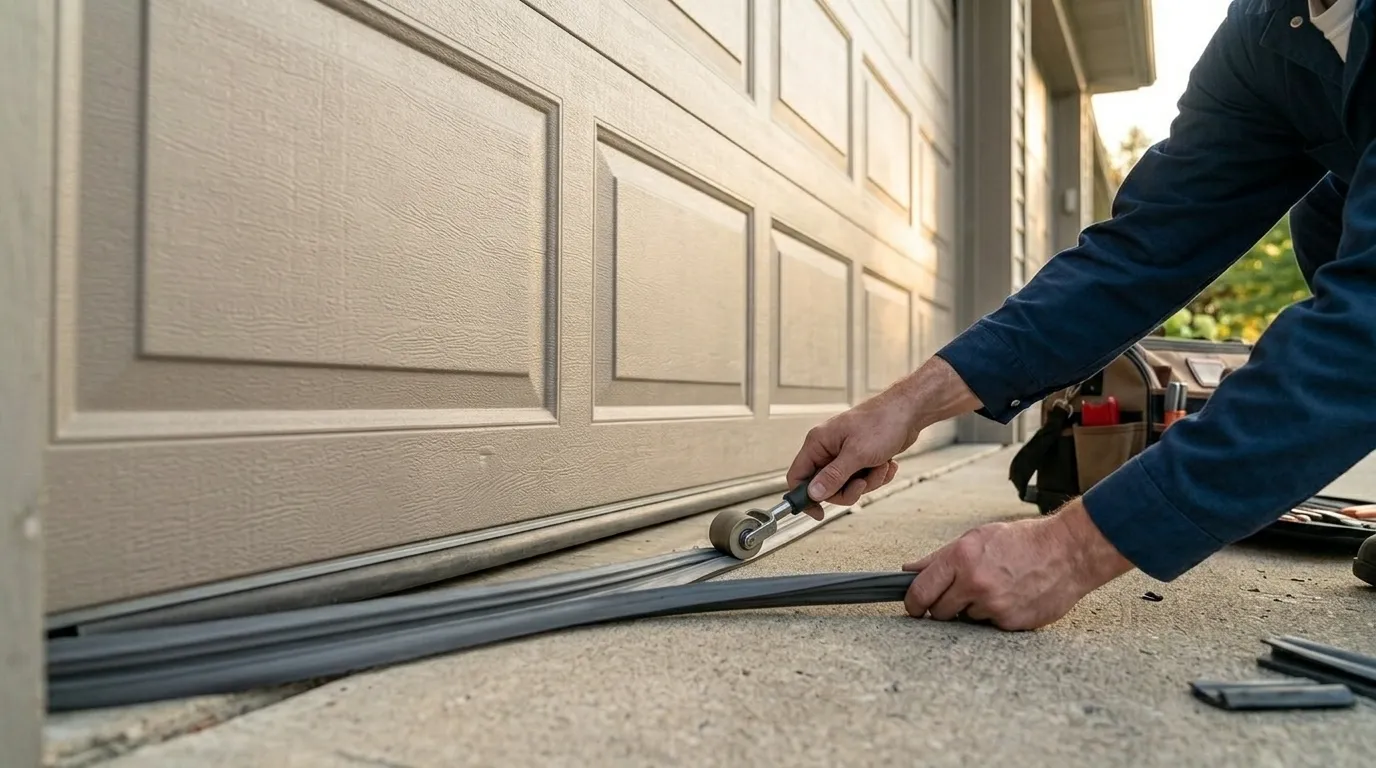
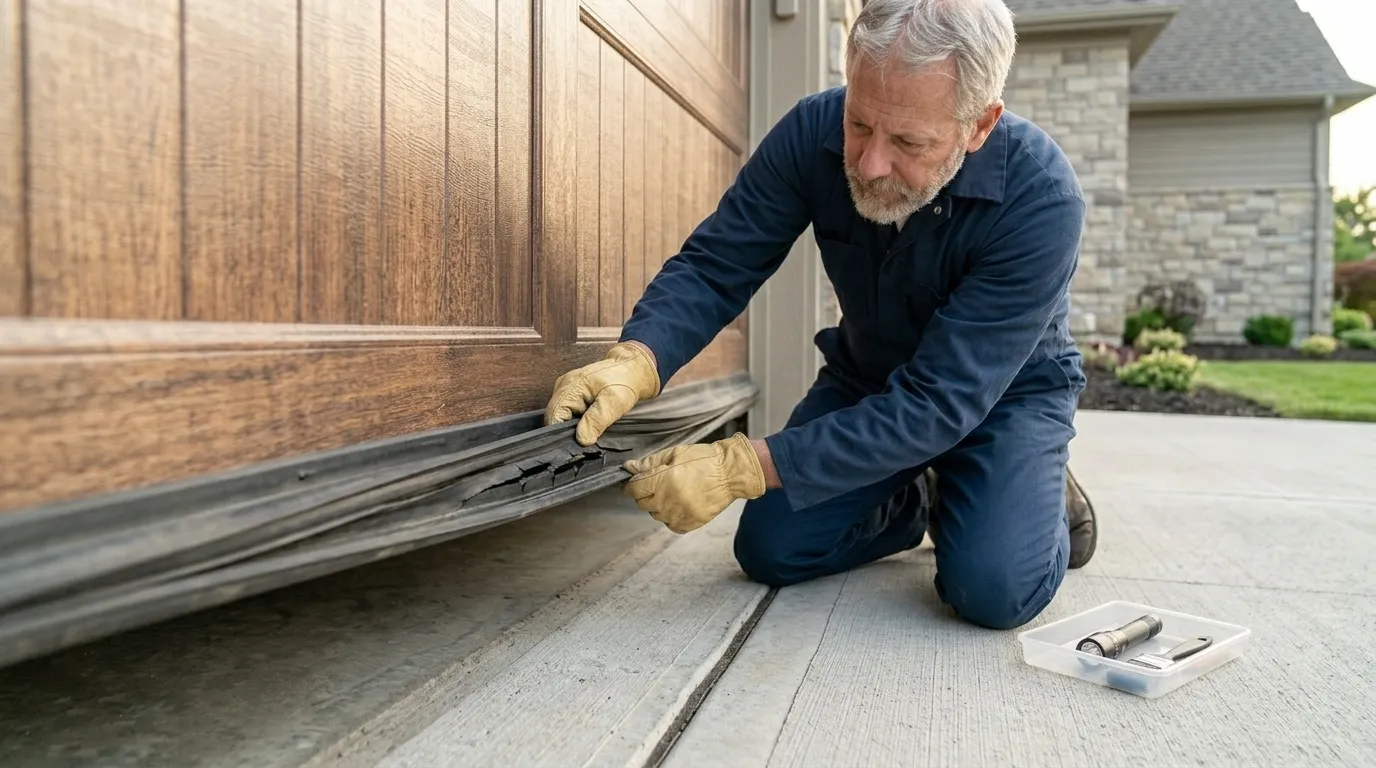
Cold-climate conditions still apply across the board, so insulation and weatherstripping condition matter regardless of income bracket or build year. A well-built 1969 door with dried-out seals lets in just as much winter draft as an older one.
How it works
From “it’s stuck” to “it’s fixed”
01
Tell us what’s wrong
Describe the symptom - won’t open, loud bang, opener runs but the door won’t move.
02
On-site diagnosis
A technician tests the door under power and by hand and finds what actually failed.
03
Clear, up-front plan
You get the fix that’s needed and what drives the cost - before any work starts.
04
Repaired & tested
The repair is done, the door is set true and tested, and the work area left clean.
Serving Pittsburgh, PA - tell us what your door’s doing and we’ll take it from there.
No. We're based in Pittsburgh and travel out to Indiana as part of our service area, about 11 miles from the city. There's no local depot here, so scheduling works around the route rather than a same-day walk-in setup.
Why does my opener from the 80s keep failing?
A lot of Indiana homes were built in the late 1960s and got their first opener installed years later, often a chain-drive unit that's now well past its expected service life. Motors, gears, and logic boards all wear out eventually - if yours is decades old, repair may just be delaying a replacement you'll need anyway.
Is my door's hardware different because the house is newer?
Often, yes. Houses built around 1969 tend to have different spring and track setups than the pre-1955 stock common closer to Pittsburgh. That affects which parts we bring and how a repair is priced, so telling us the approximate age of your door helps us quote accurately before we arrive.
Can you match my exact panel style if one is damaged?
Sometimes. It depends on the door's age and manufacturer. Some styles get discontinued and a matching panel just isn't available anymore. When that happens, we'll tell you directly rather than search indefinitely, and we'll talk through whether a full door replacement makes more sense.
Ready to get your garage door sorted?
Tell us what it’s doing and where you are in Pittsburgh - we’ll take it from there.