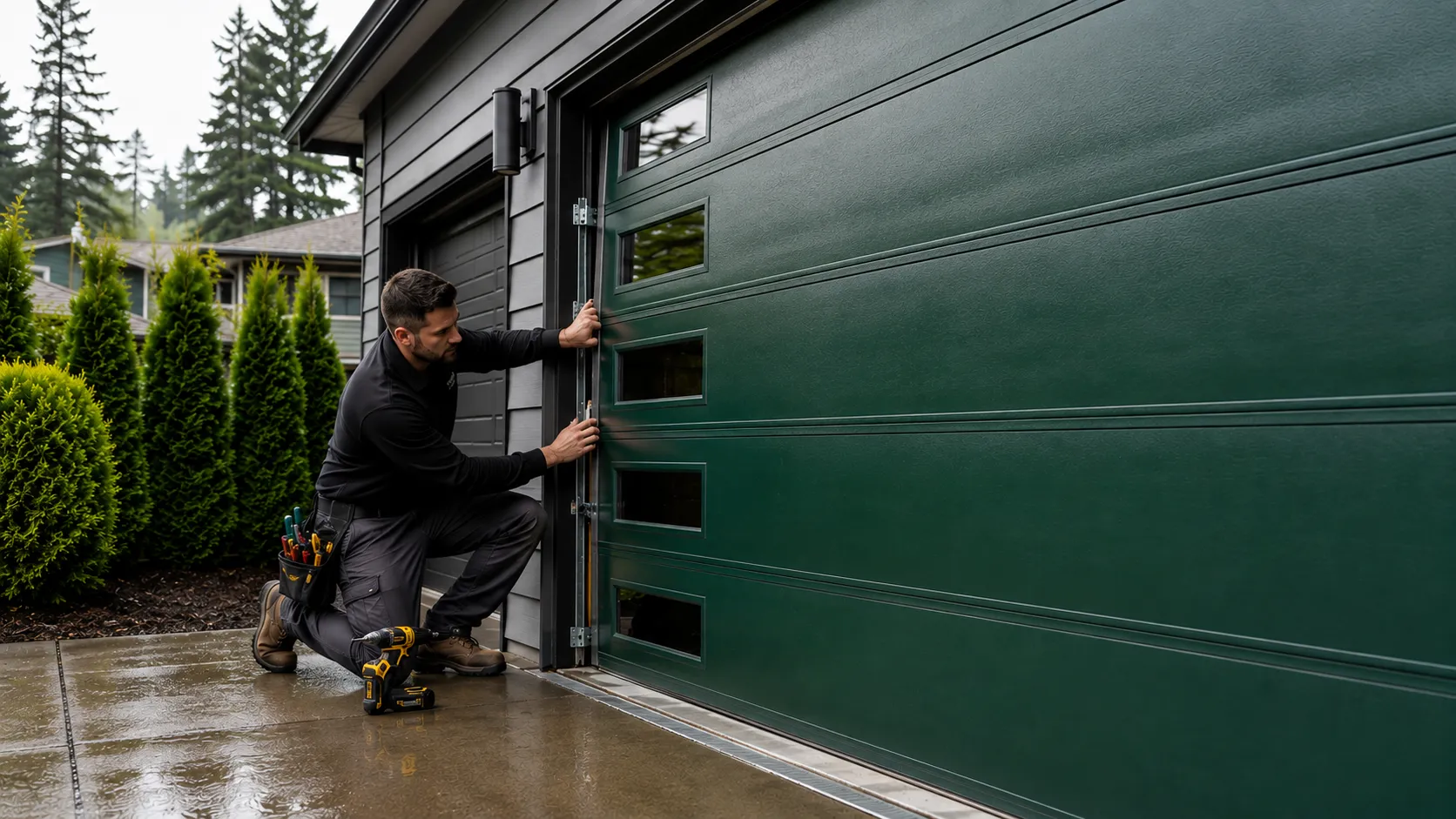
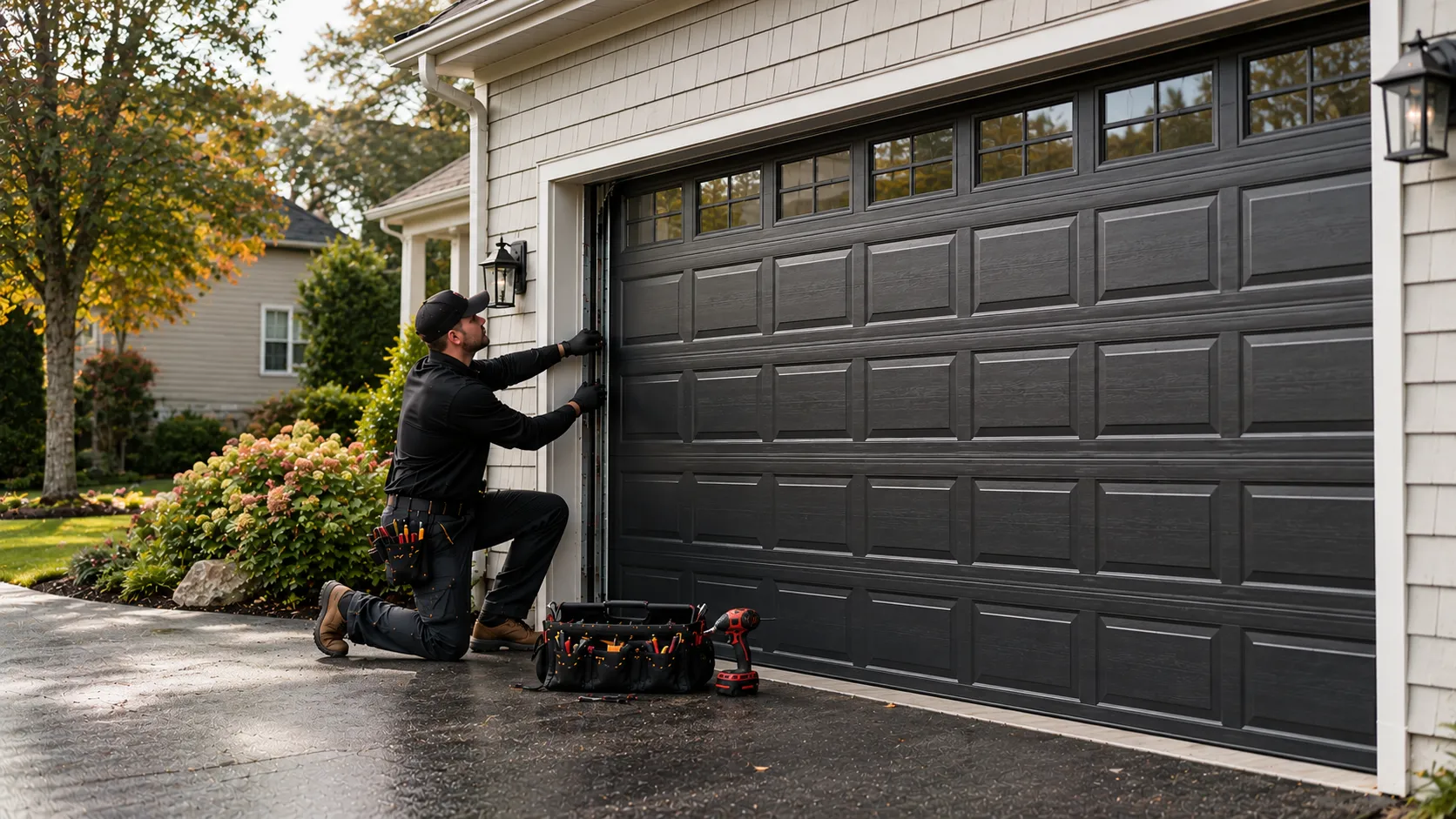
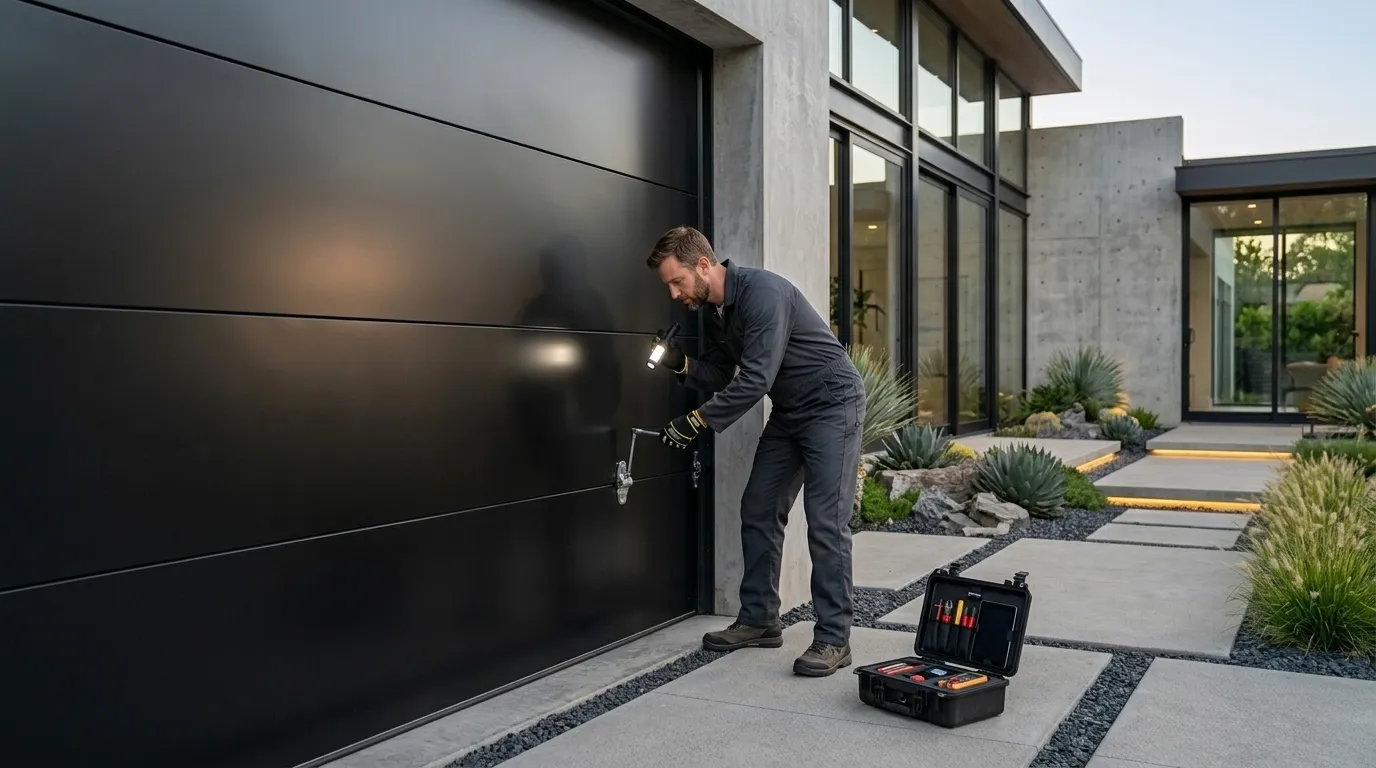
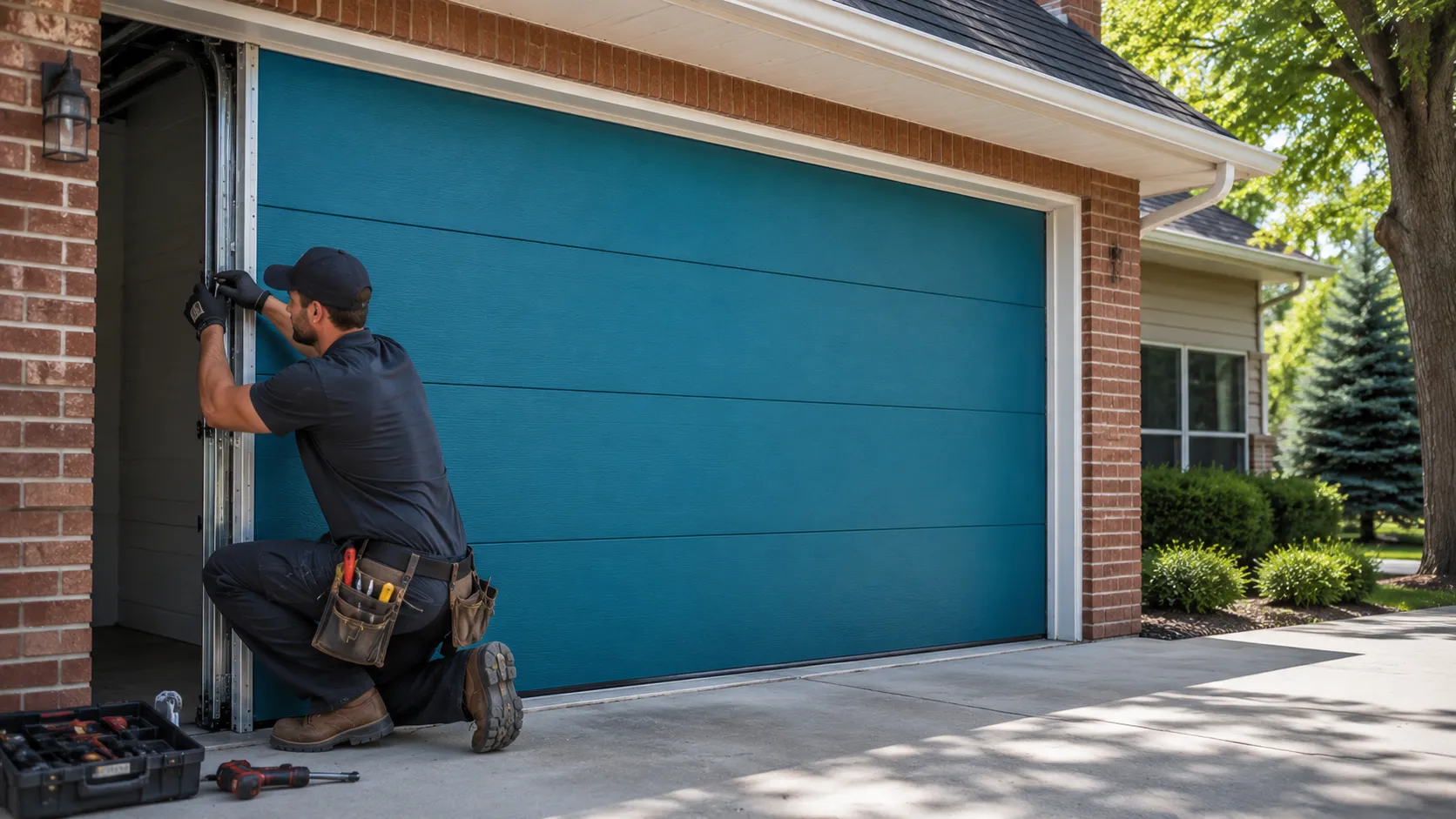
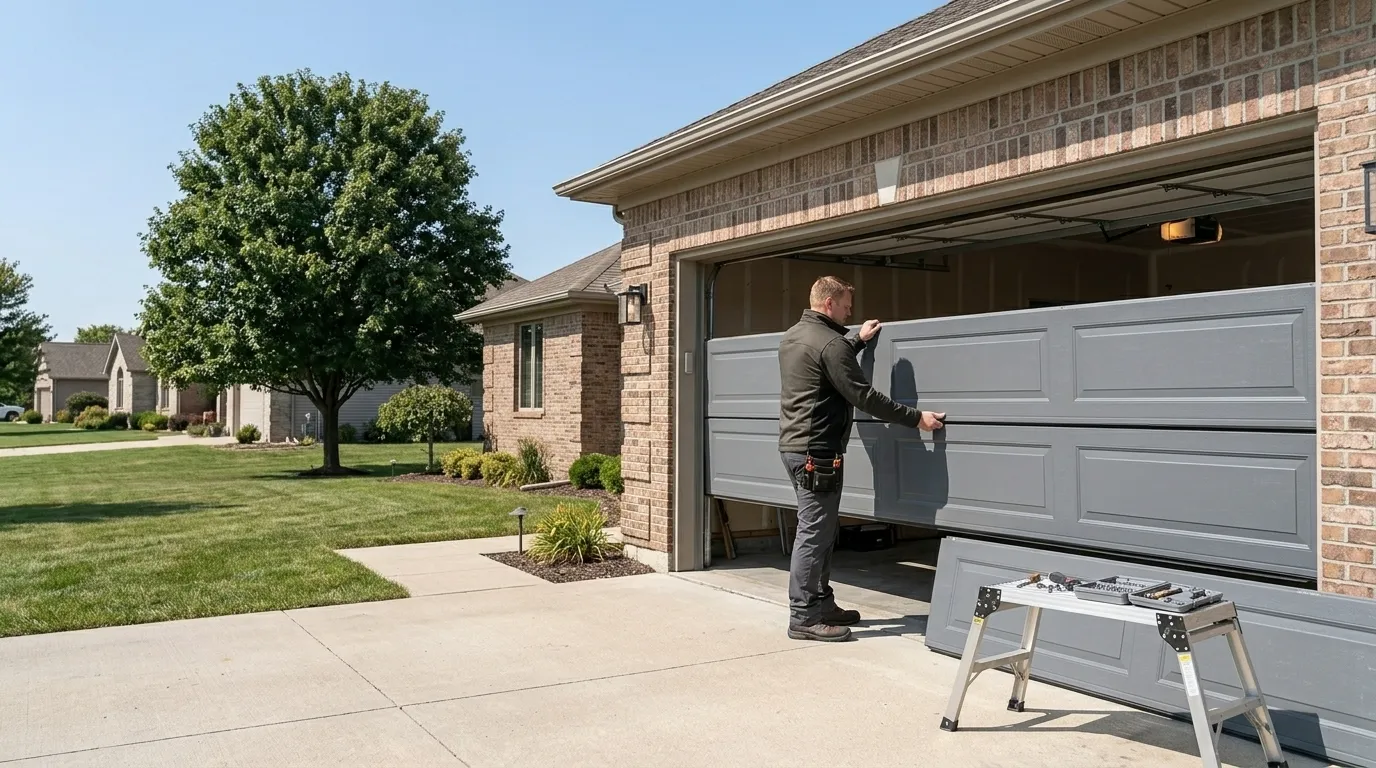
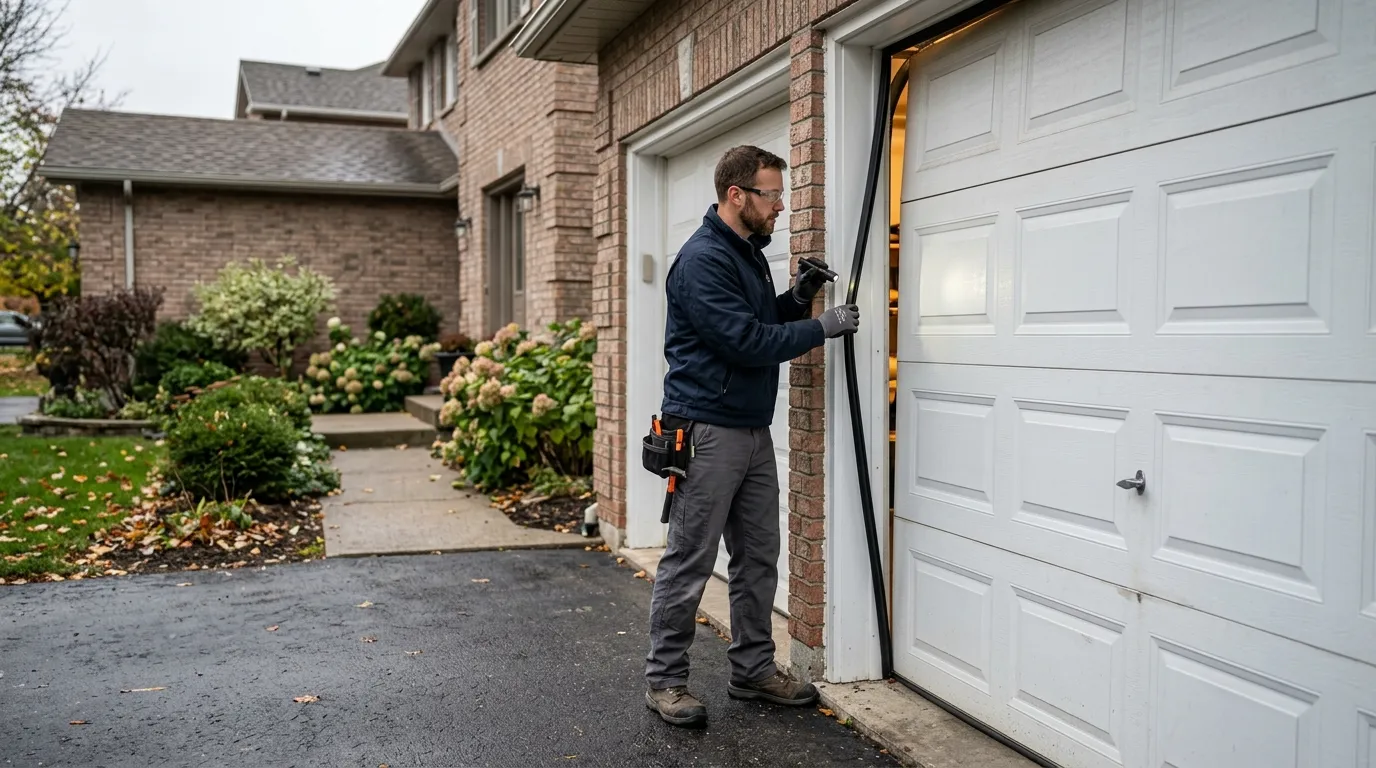
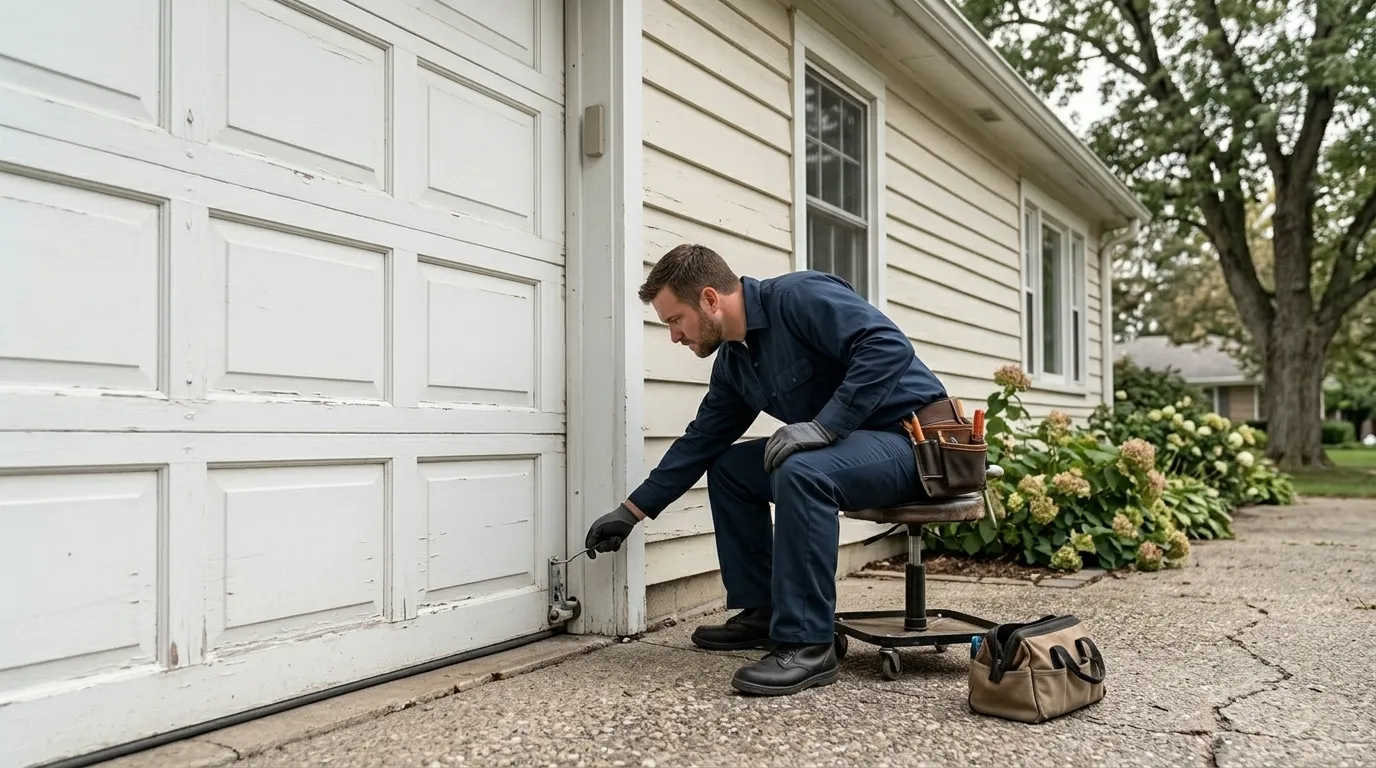
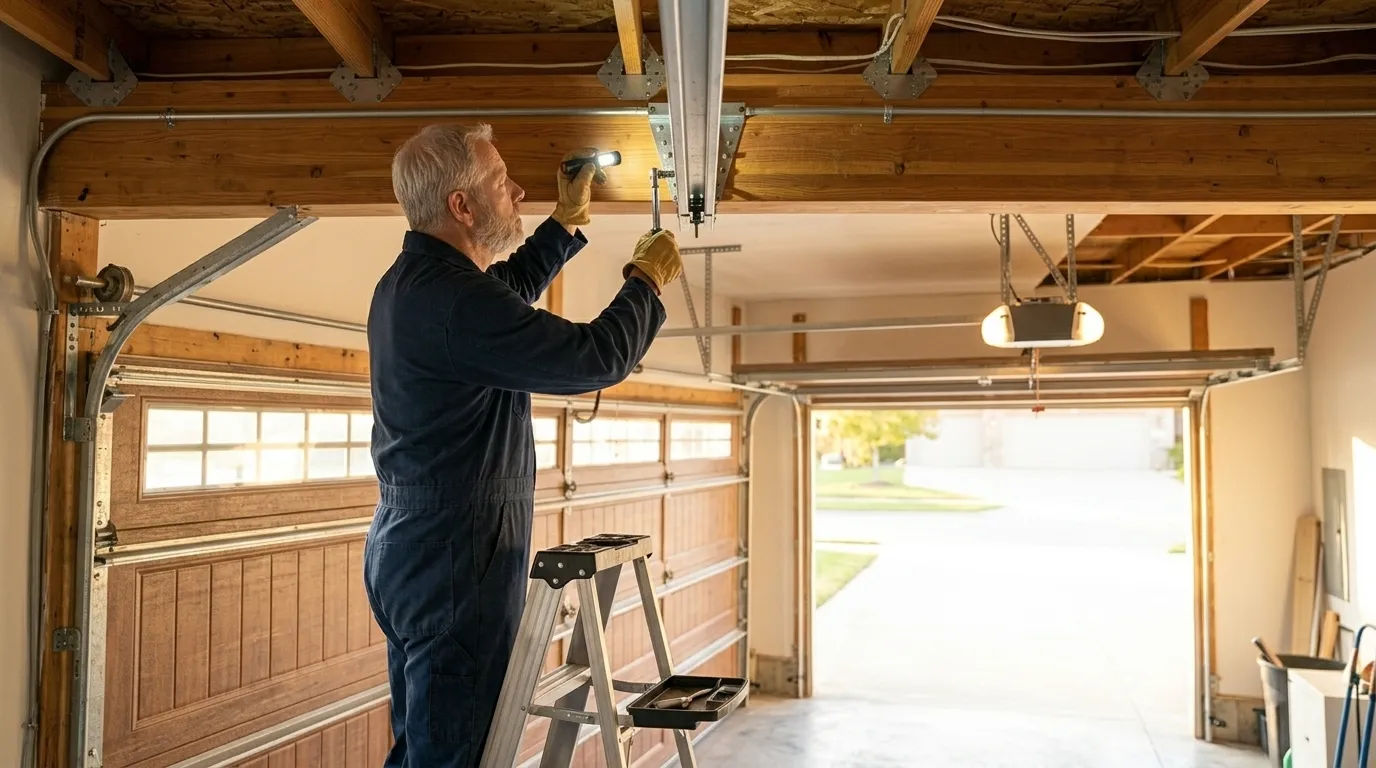
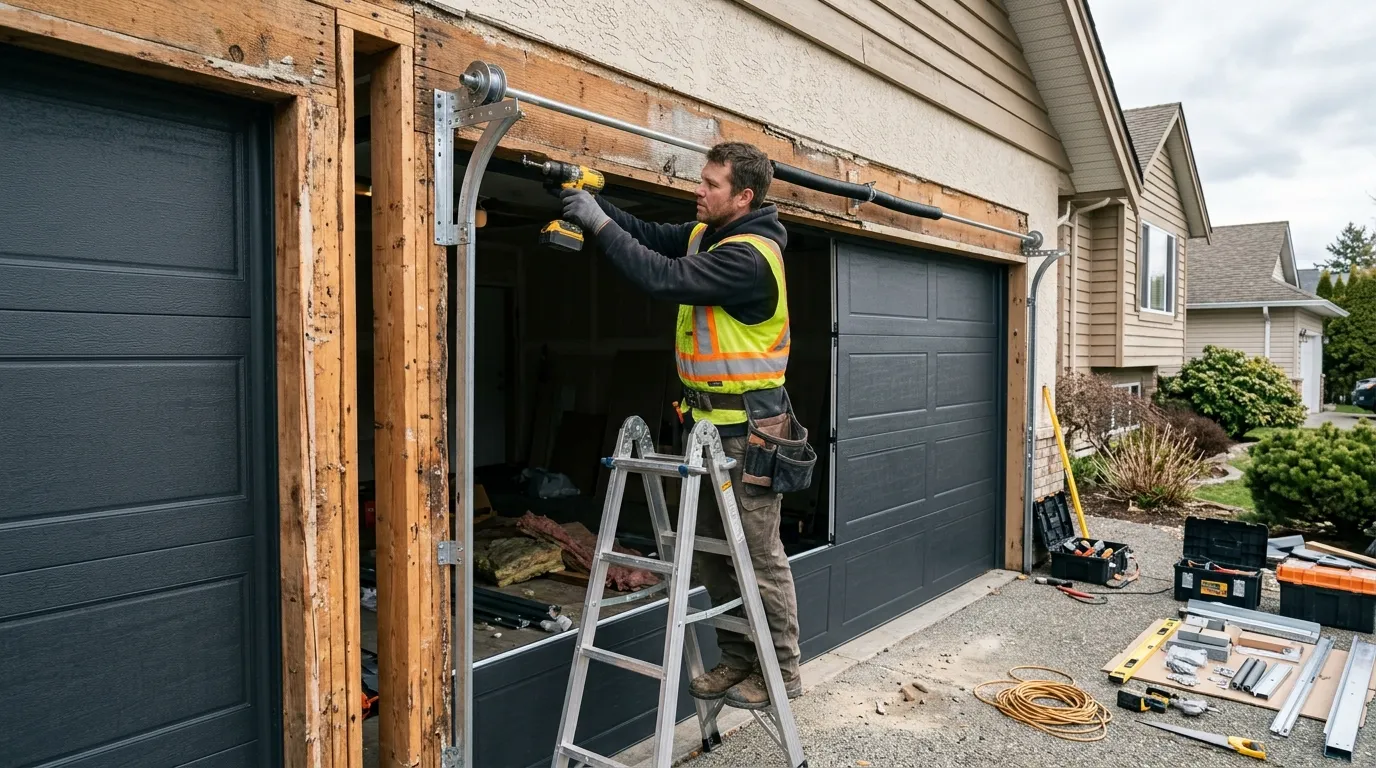
Pittsburgh Garage Door Pros travels 17 miles from Pittsburgh to Lower Burrell for repair and replacement built around the area's 1960s garage door systems.
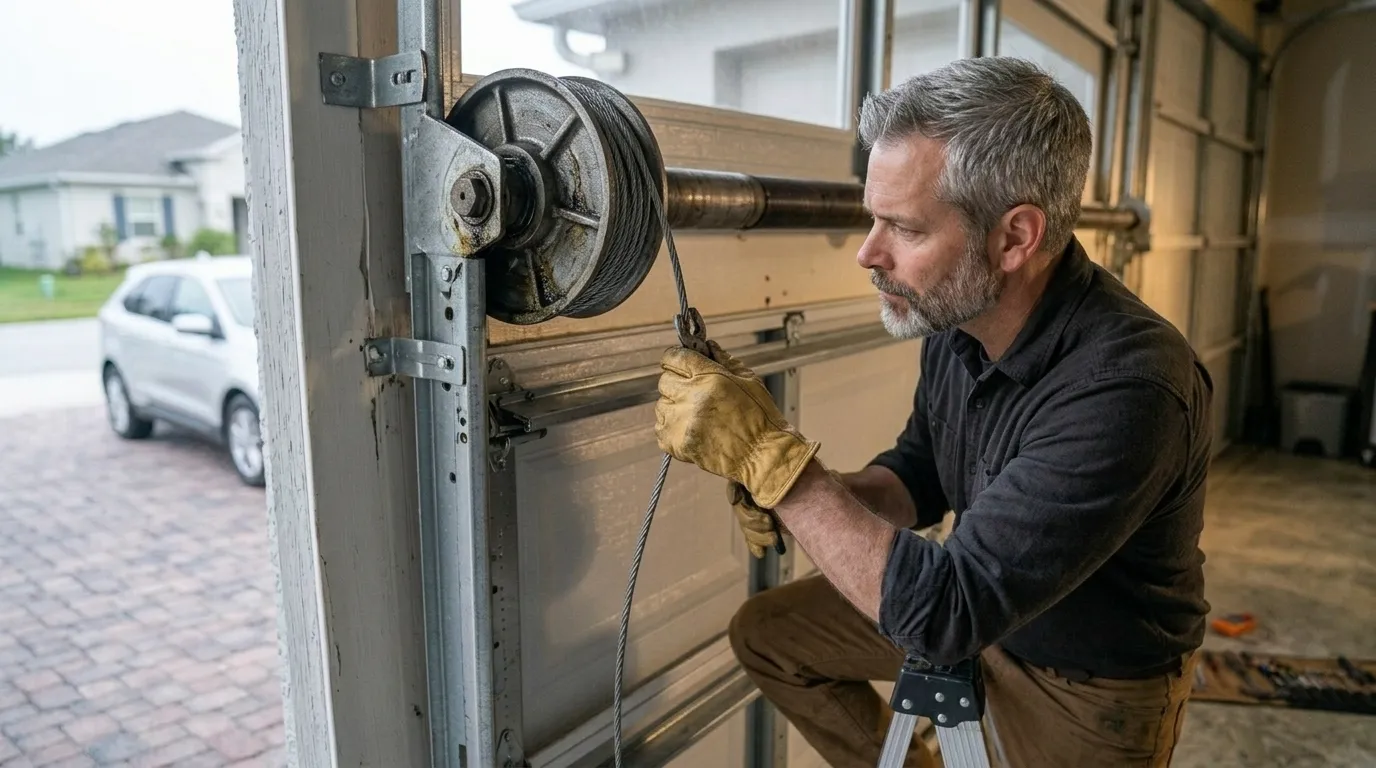
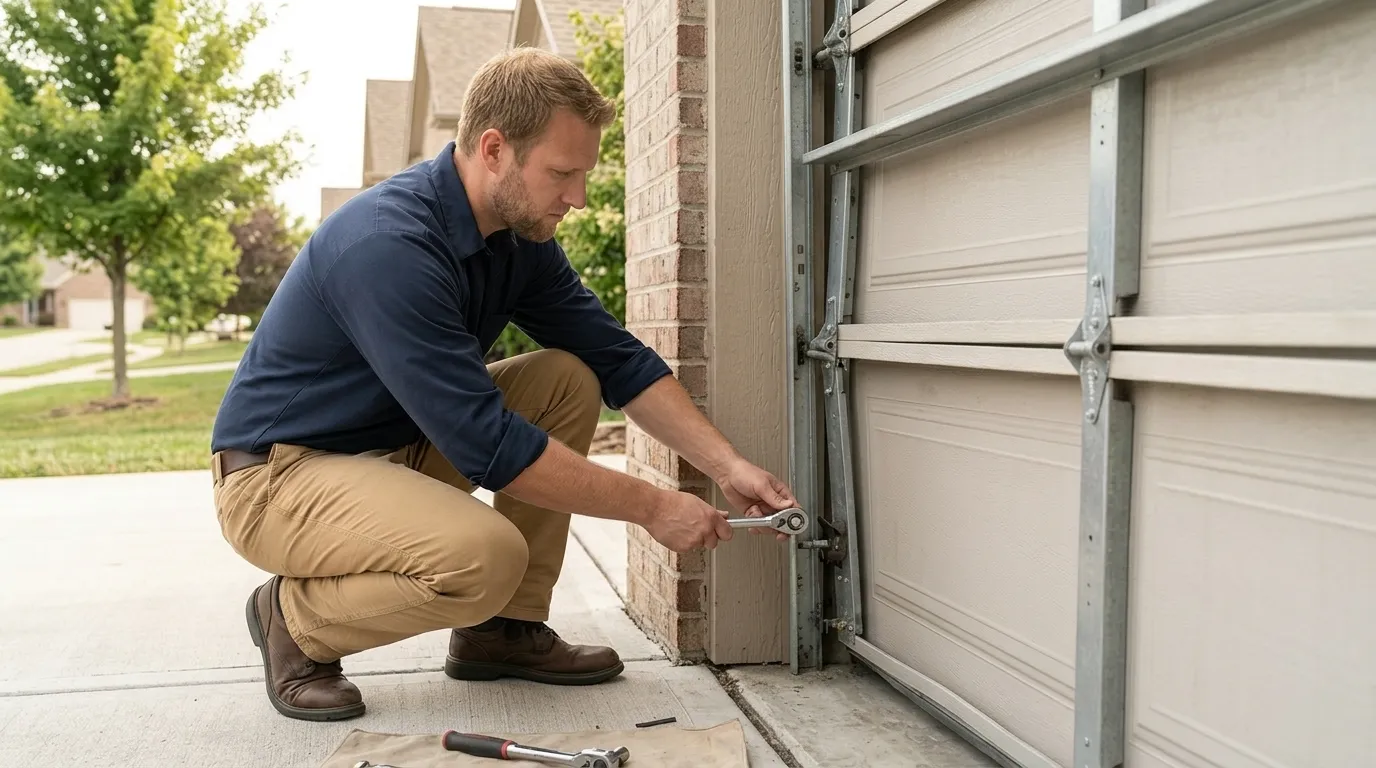
Most houses in Lower Burrell went up around 1963, a few years after the wider Pittsburgh service area's 1955 median build year. That gap matters more than it sounds. While much of the broader territory is dominated by pre-1960 stock, Lower Burrell's housing trends a bit newer, which puts a lot of its garage doors in the early steel-panel era rather than the older single-layer wood doors you still see closer to the city. Extension-spring setups were still common on doors from this period, mounted along the horizontal track rather than the torsion bar overhead. That hardware works fine when it's maintained, but the safety cables that keep a broken extension spring from whipping loose weren't always standard on original installs from that decade, and plenty of them never got added later. Add in a climate band the federal data marks as cold and severe, and you get steel panels that pit and rust at the bottom corners faster than the springs themselves wear out. If your door dates back close to when the house was built, the first thing worth checking isn't the opener - it's whether the spring system on it was ever upgraded.
The Calls We Get From Here
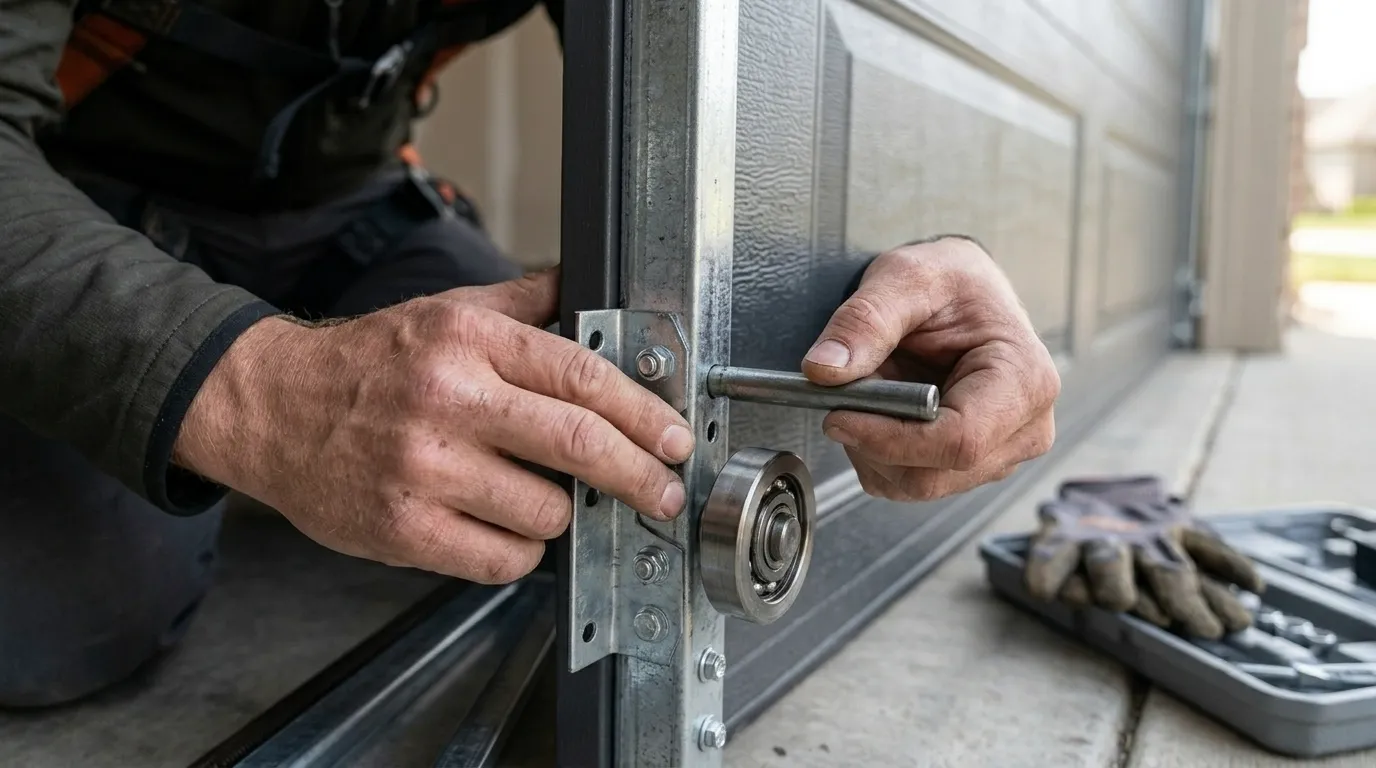
The most common call from this part of town is a snapped or stretched extension spring, usually on a door that hasn't been touched since it went in. Right behind that is opener replacement - chain-drive units from decades back are still running in some garages here, and parts for them stopped being made a long time ago, so swapping the whole unit ends up being the honest answer rather than patching one. We also see rusted bottom panels on steel doors from the 1960s and 70s, especially where the original drip cap wore through. What we don't do is tell someone to replace a whole door when the fix is a $40 roller and a bent track - that's the honest limitation here: sometimes the repair is small, and we'd rather say so than run up a bigger job. Median household income in Lower Burrell runs $81,860, noticeably higher than the $72,020 median across the wider service area, and it shows in how many owners here choose full replacement with insulated steel over patching an old single-layer door once it starts failing in more than one spot.
Getting Here
Lower Burrell sits about 17 miles out from our Pittsburgh shop, which puts it toward the far end of where our trucks go on a given day. There's no branch or depot out this way - every job here starts with a drive from Pittsburgh, same as it does for the rest of the territory. That distance is worth knowing upfront if you're calling about something urgent, because it's a longer trip than a job a few miles from downtown. We don't pretend otherwise. What it doesn't change is the work itself: the same spring, track, and opener repairs we do closer in, done the same way, just with more miles on the odometer to get there.
This Area's Housing
Lower Burrell has about 5,152 households, a small slice of the 279,154 spread across the whole Pittsburgh service territory, and that smaller base means the housing here reads more consistently than in the older, denser neighborhoods closer to the city. A 1963 median build year puts most of the original garage stock in the same narrow window - built during a run when steel doors on extension springs were becoming standard, replacing the older wood panel doors that still show up in pockets of pre-1960 construction elsewhere in the region. Owner-occupied houses make up a large share of the wider service area's 155,574 owned homes, and Lower Burrell fits that pattern: long-tenured owners who've usually had one or two garage door services done since the house was built, if any. Combined with a median household income of $81,860, well above the area-wide $72,020, replacement jobs here tend to favor insulated steel doors over economy single-layer options, and torsion conversions on the older extension-spring setups come up more often than in lower-income pockets of the broader territory.
How it works
From “it’s stuck” to “it’s fixed”
01
Tell us what’s wrong
Describe the symptom - won’t open, loud bang, opener runs but the door won’t move.
02
On-site diagnosis
A technician tests the door under power and by hand and finds what actually failed.
03
Clear, up-front plan
You get the fix that’s needed and what drives the cost - before any work starts.
04
Repaired & tested
The repair is done, the door is set true and tested, and the work area left clean.
Serving Pittsburgh, PA - tell us what your door’s doing and we’ll take it from there.
No. We work out of Pittsburgh and drive out to Lower Burrell for jobs, about 17 miles each way. There's no local branch here - it's the same crew and same truck stock as the rest of the service area, just a longer drive to get to you.
My garage door is original to the house - is that a problem?
Depends on the hardware. Lower Burrell's housing runs a median build year of about 1963, which usually means extension springs rather than torsion bars, and some of those setups never got safety cables added. Worth a look even if the door itself still opens fine.
Is it worth repairing an old steel door or should I replace it?
If the rust is limited to a corner or the bottom panel, a repair can hold. If it's spread across multiple panels or the track is bent from years of an unbalanced spring, replacement usually costs less over time than repeated patch jobs. We'll tell you honestly which one you're looking at.
How does the cold affect an older garage door here?
The region sits in a cold, severe climate band, and steel panels from the 1960s and 70s tend to pit and rust at the seams faster than newer coated doors. Springs also lose tension quicker in sustained cold, which is part of why extension-spring failures are a common call out this way.
Ready to get your garage door sorted?
Tell us what it’s doing and where you are in Pittsburgh - we’ll take it from there.