How That Shows Up in the Door
Pittsburgh's broader service area has a median build year of 1955, but McKeesport's housing stock centers closer to 1947 - a decade older on average. That gap matters more than it sounds like it should. Doors and openers installed on homes from that era were built for garages that are often narrower and shorter than what gets framed today, and a lot of the original torsion hardware on these houses has been replaced piecemeal over the decades rather than swapped as a full unit.
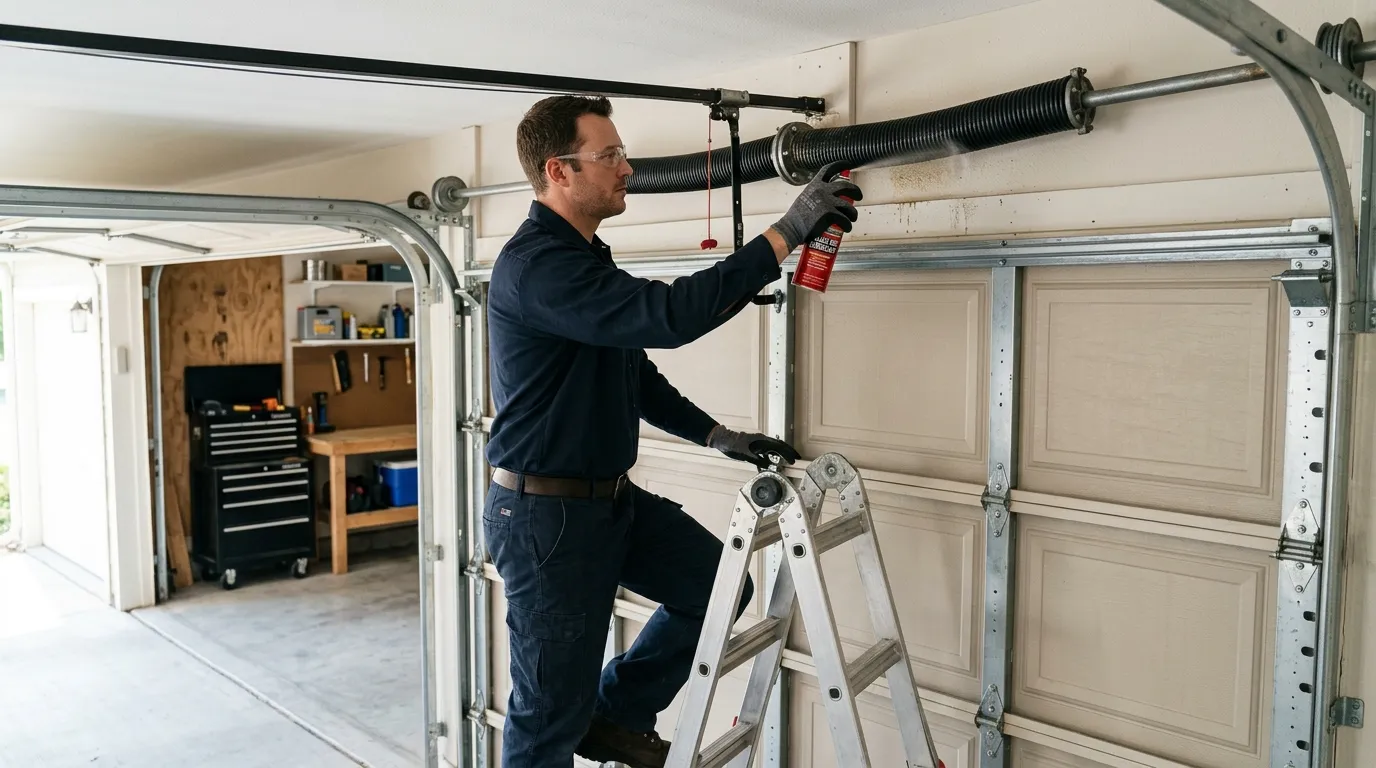
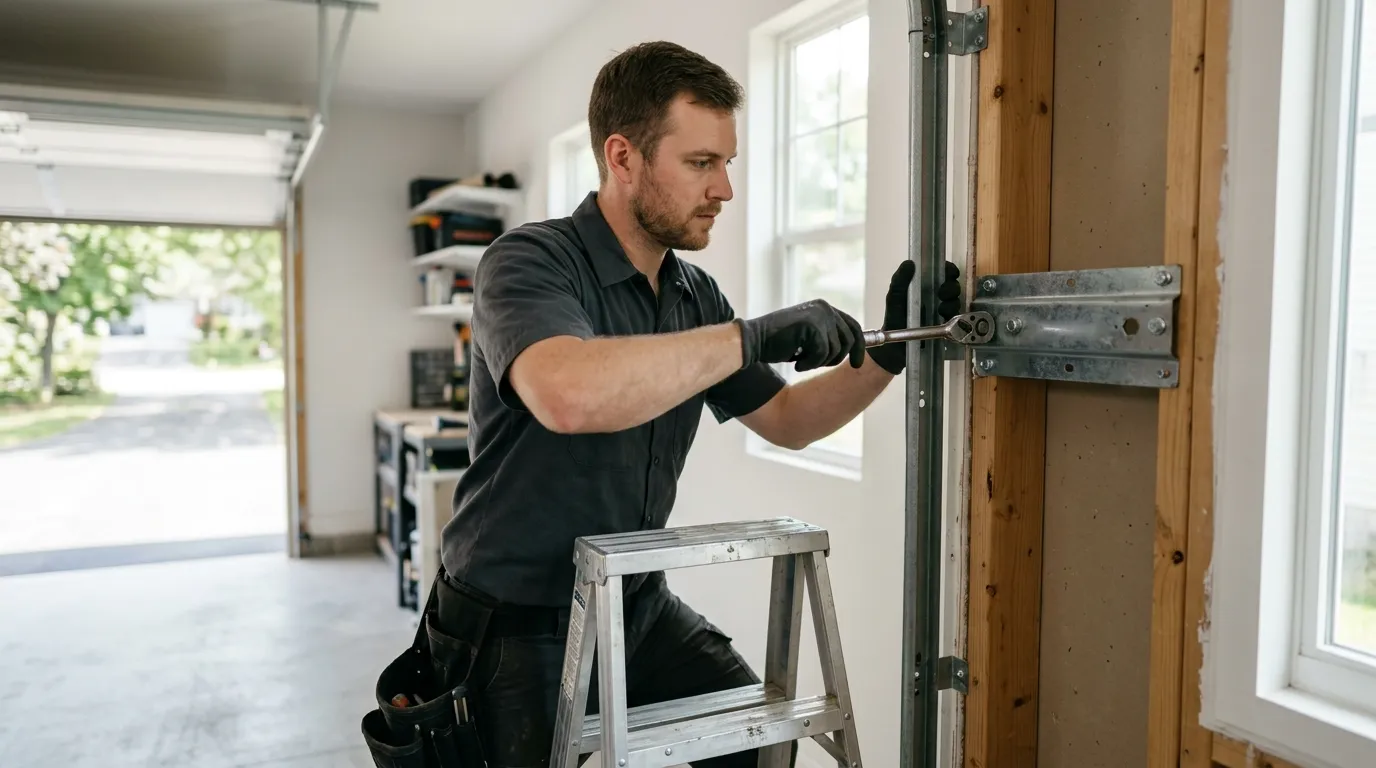
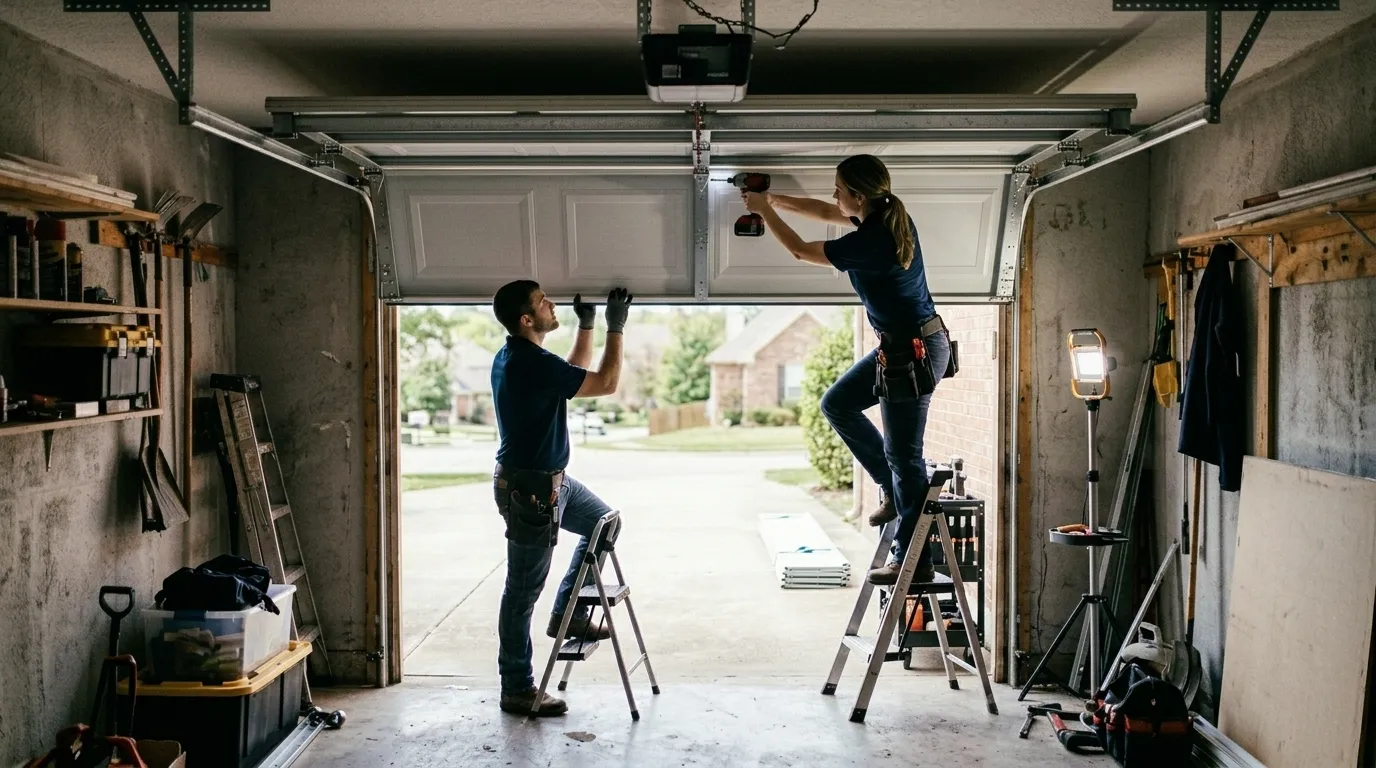
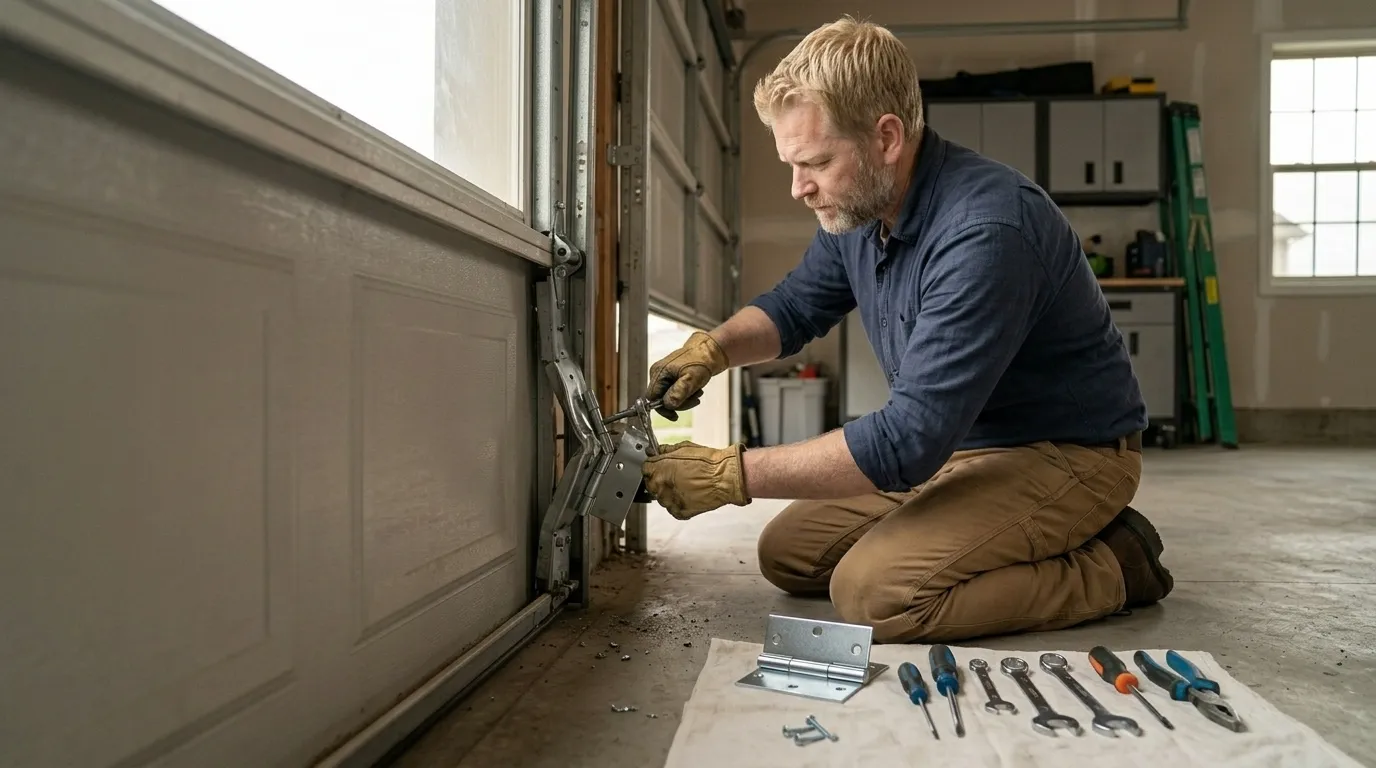
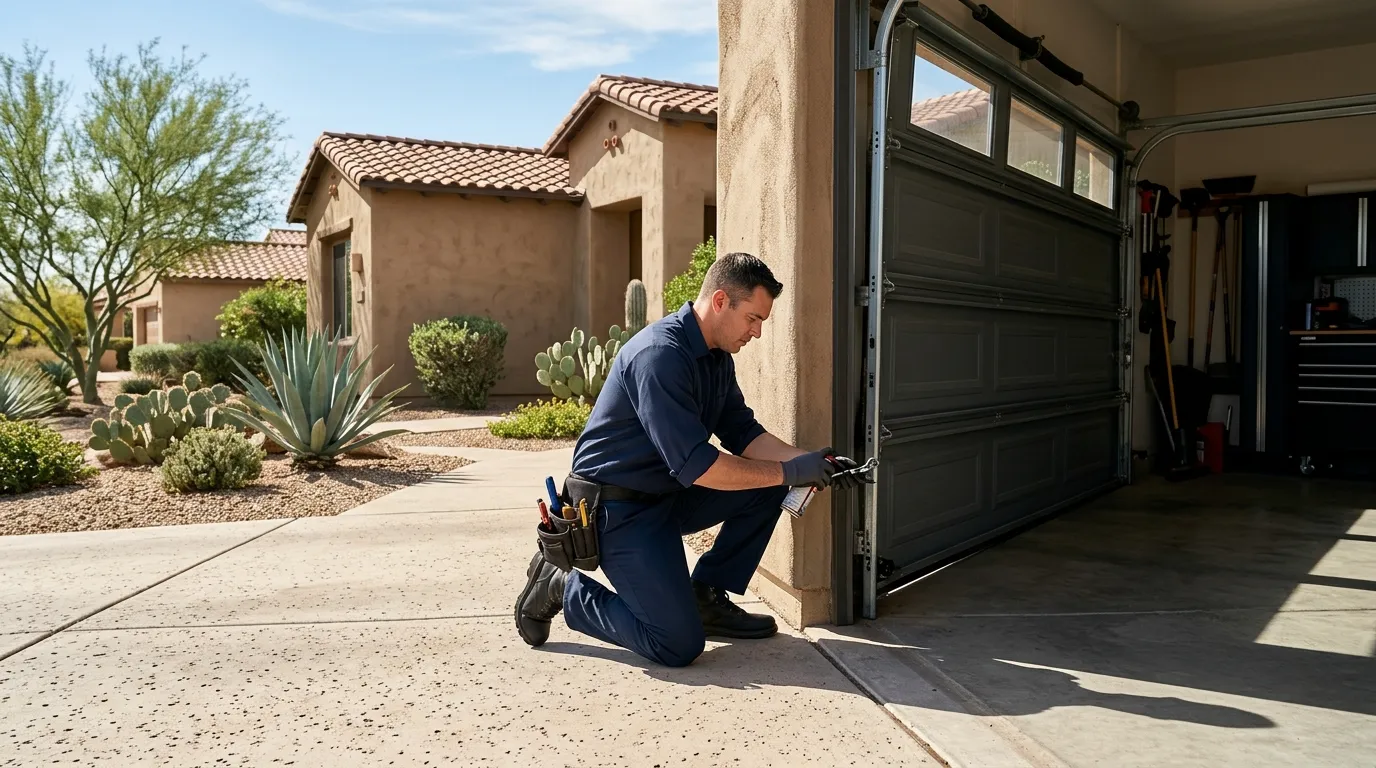
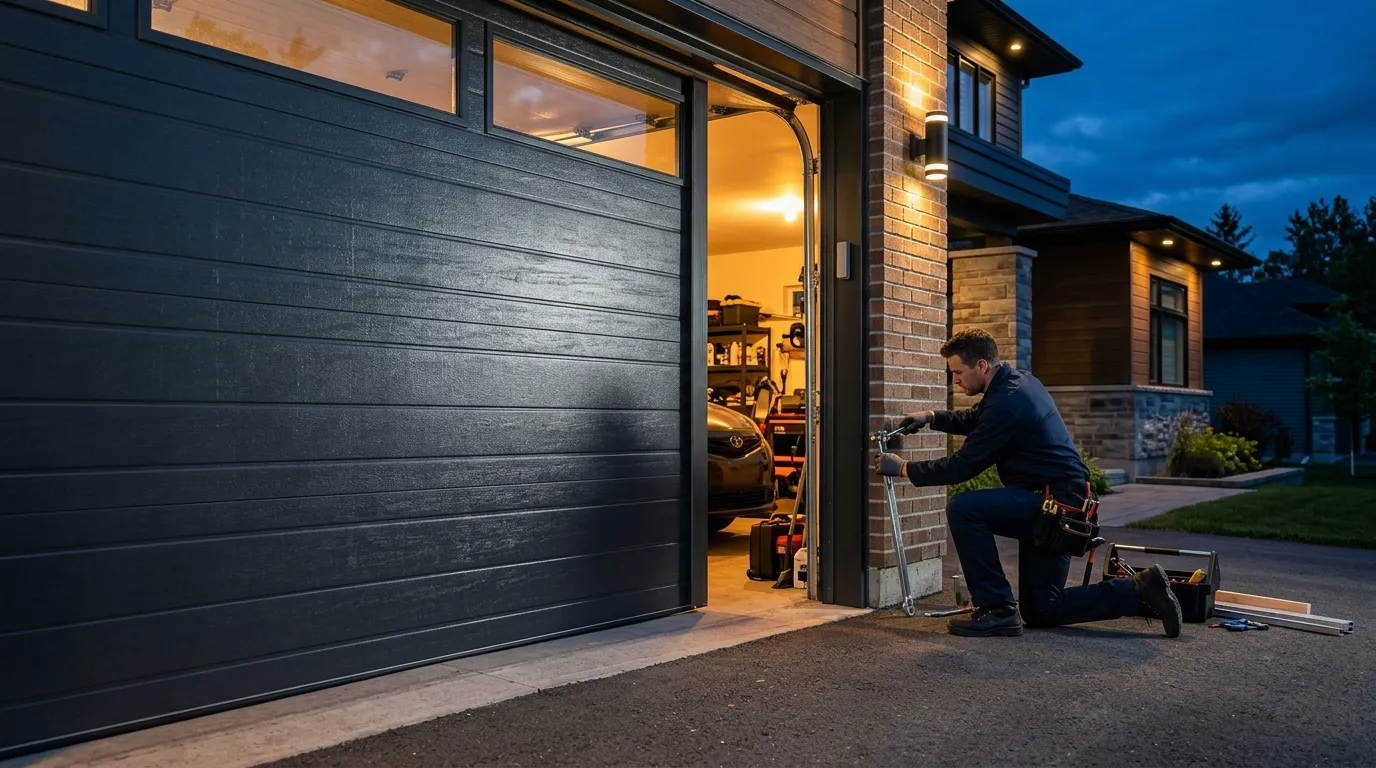
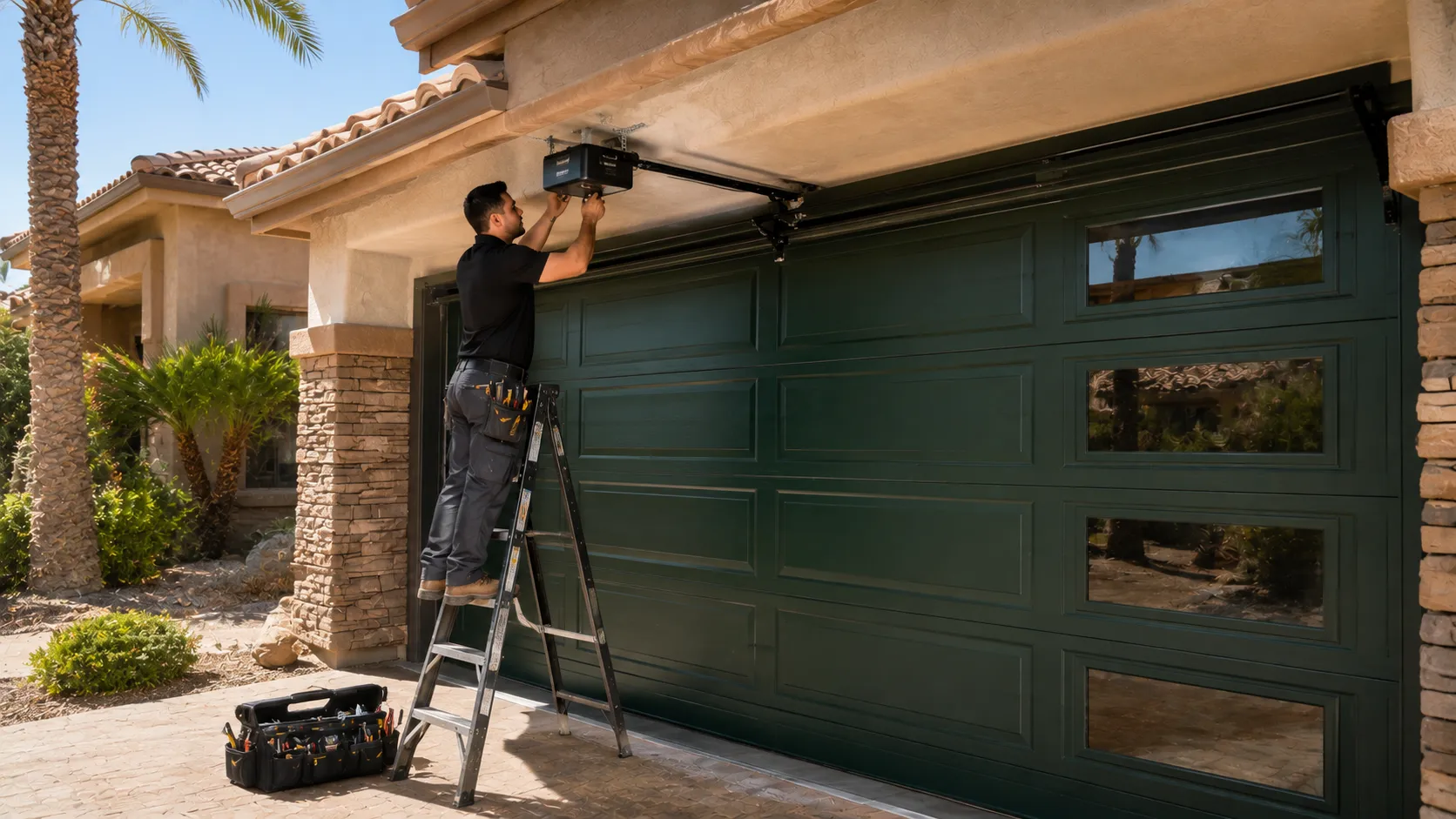
What we run into on these calls: short-track setups that don't leave room for a modern opener's travel, brackets mounted to jambs that have shifted with the house, and springs sized for doors that weighed less than the steel or insulated panels now hanging on them after a past upgrade. None of this is unique to one house - it's the pattern across a town where the housing predates most of what's stocked on a parts truck today.
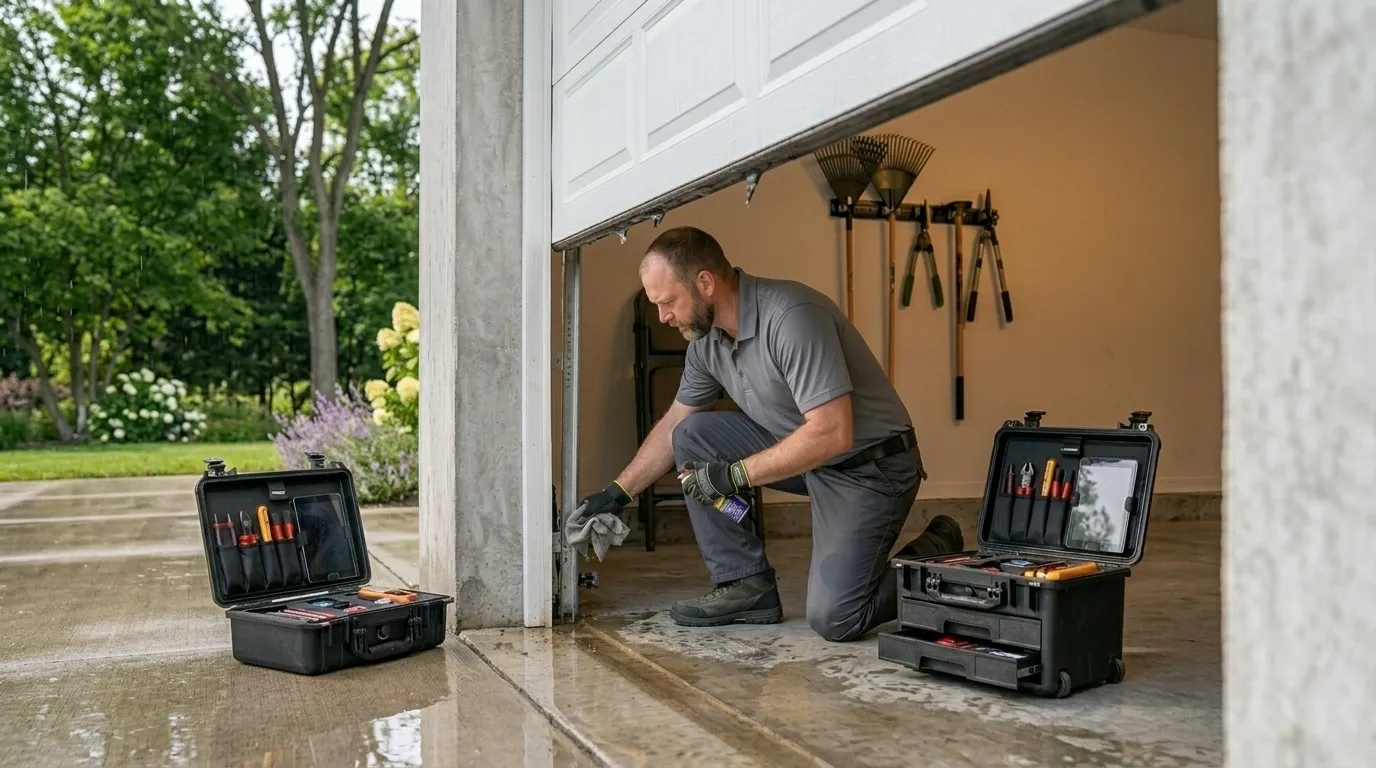
We're not going to tell you every door here needs full replacement. Plenty of these openers and tracks are fine and just need a spring, a cable, or a roller. But when a homeowner says the door