Serving Mount Pleasant, PA from Pittsburgh: garage door repair suited to this area's newer 1975-median housing stock and steel sectional doors on torsion springs.
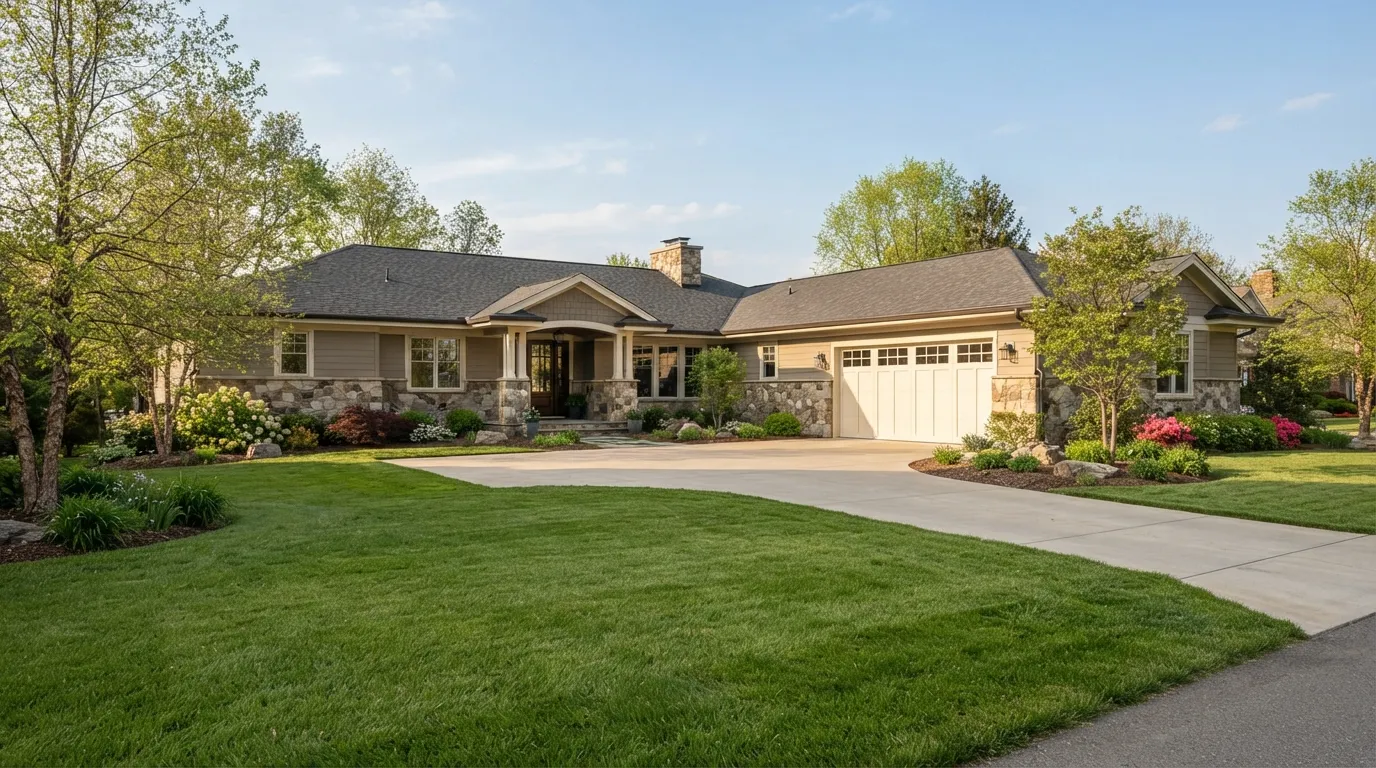
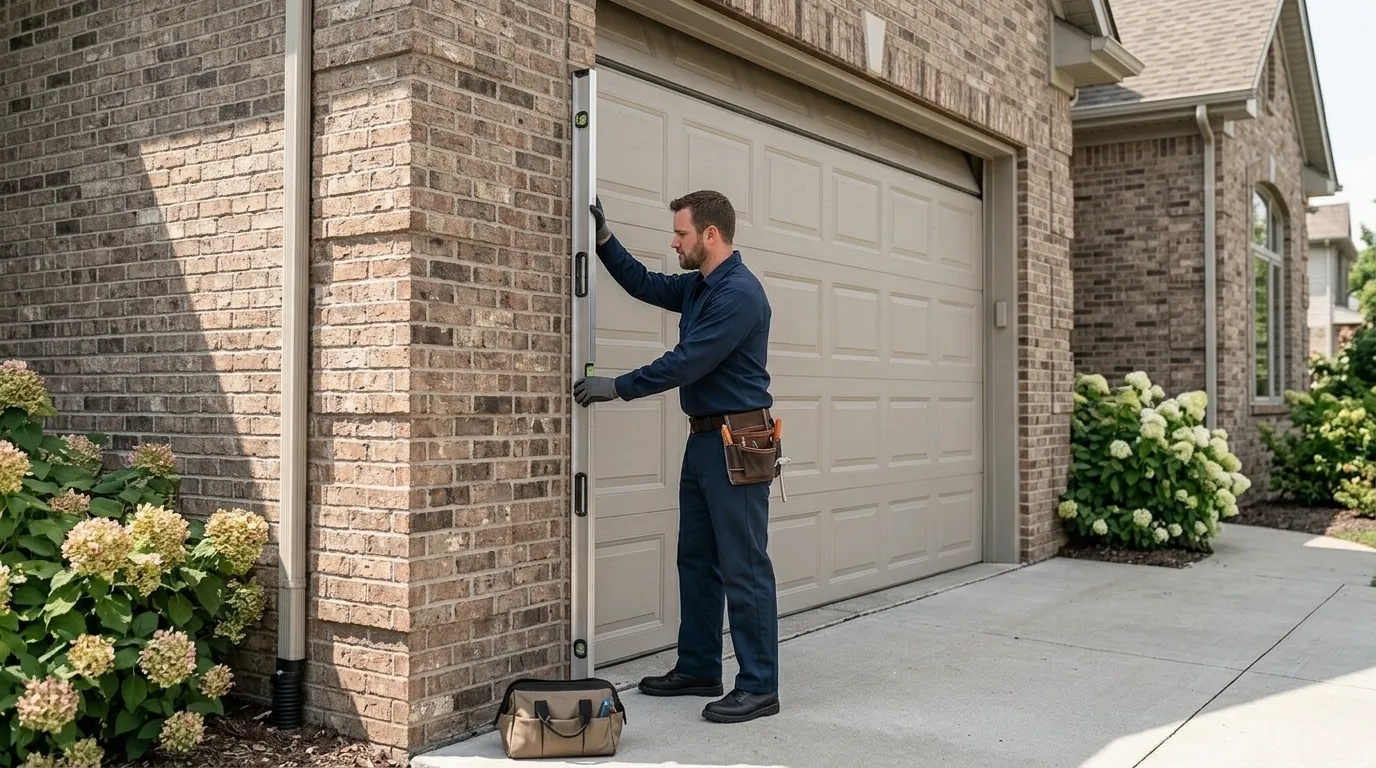
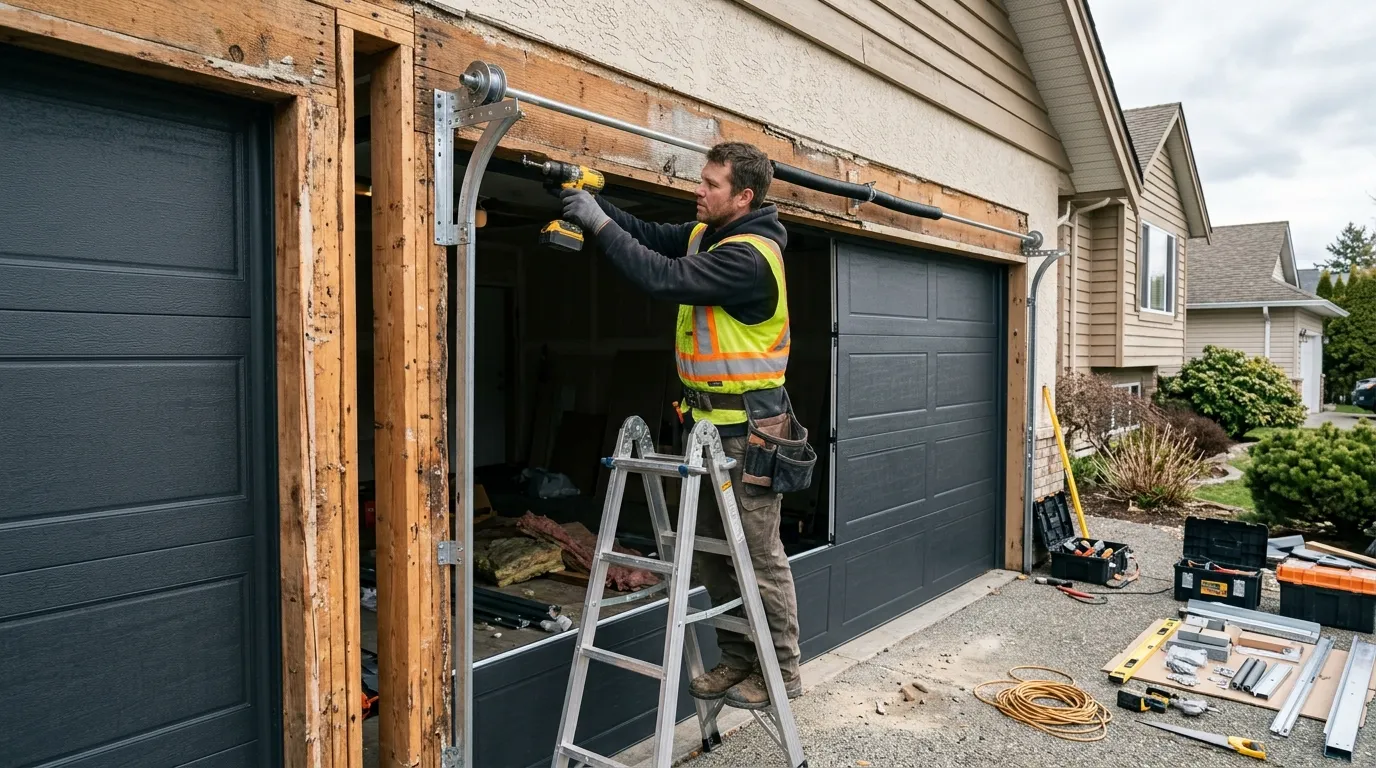
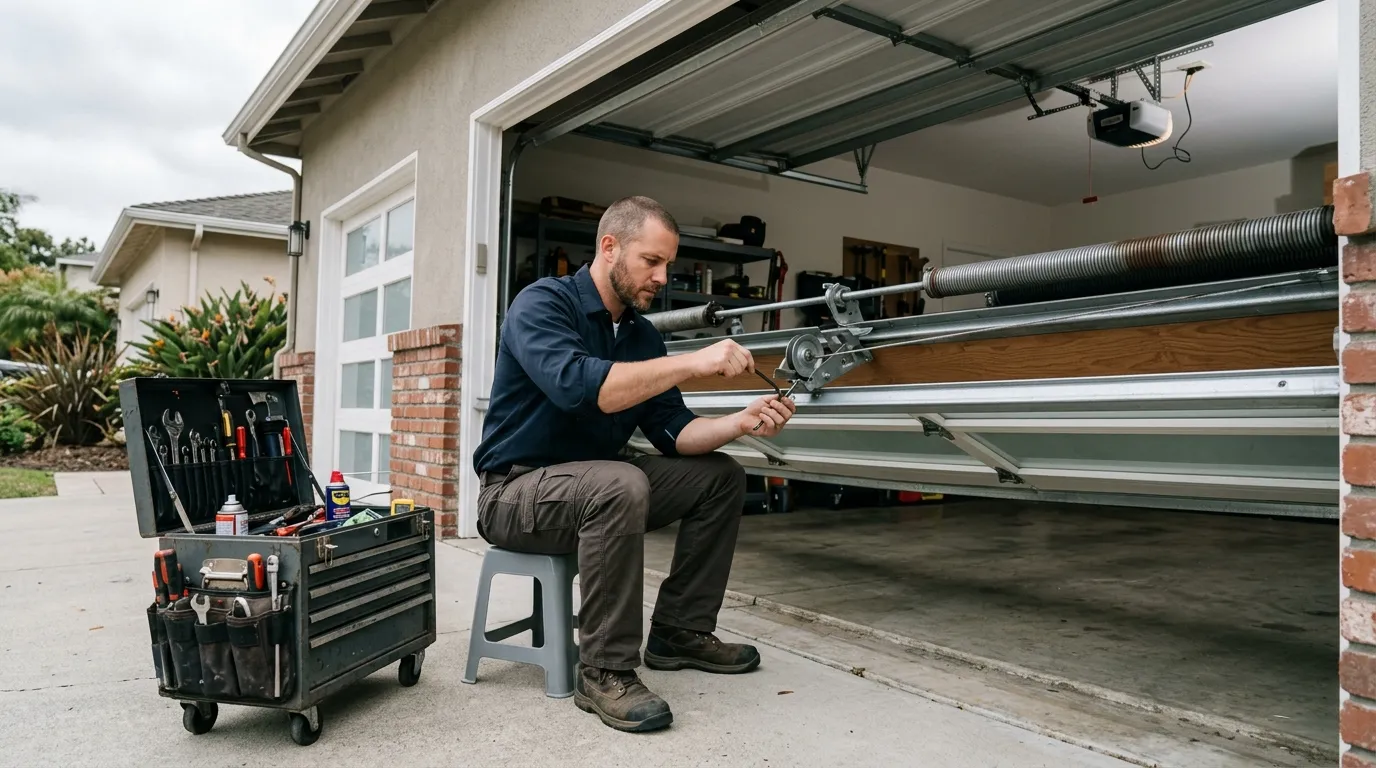
The median home in Mount Pleasant went up around 1975, which puts most of the neighborhood a full generation past the 1955 median we see across the wider Pittsburgh service area. That gap matters more than it sounds like it should. Houses built in the mid-1970s were almost always built with an attached garage from the start, sized for a full-size car and fitted with a steel sectional door on torsion spring hardware mounted overhead, not the older side-mounted extension setups you find on pre-1960 garages closer to the city. So when something breaks in Mount Pleasant, it's usually a torsion spring that's fatigued after decades of cycles, a worn roller on a steel panel track, or an opener from an earlier remodel that's finally giving out. It's a more standardized kind of door than the mismatched hardware you find in older housing stock, which is good news for parts availability - torsion springs and steel panel sections for a 1970s-era door are common sizes. What's not standard is knowing which repairs are worth doing versus when the door itself, not just the spring or opener, is the thing that needs replacing.
The Calls We Get From Here
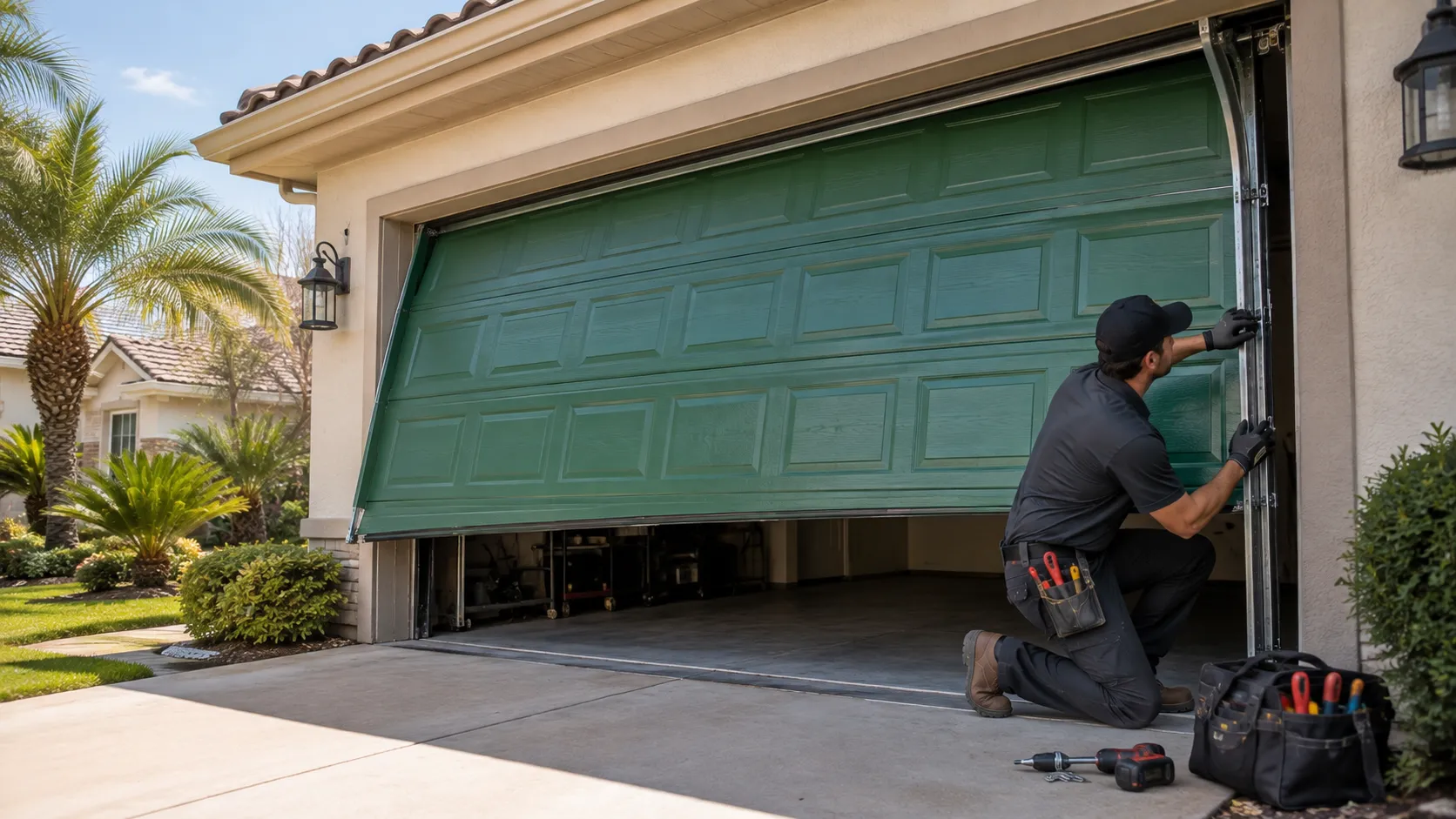
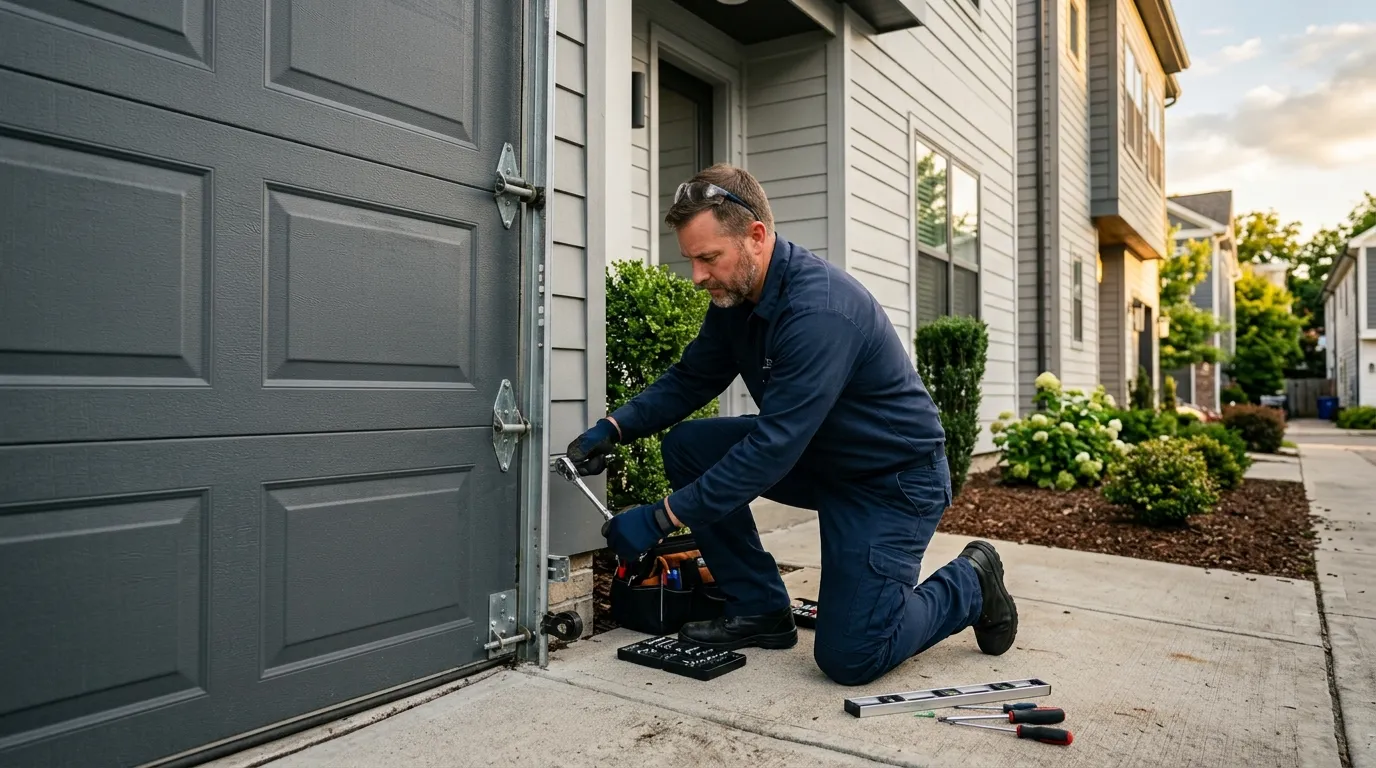
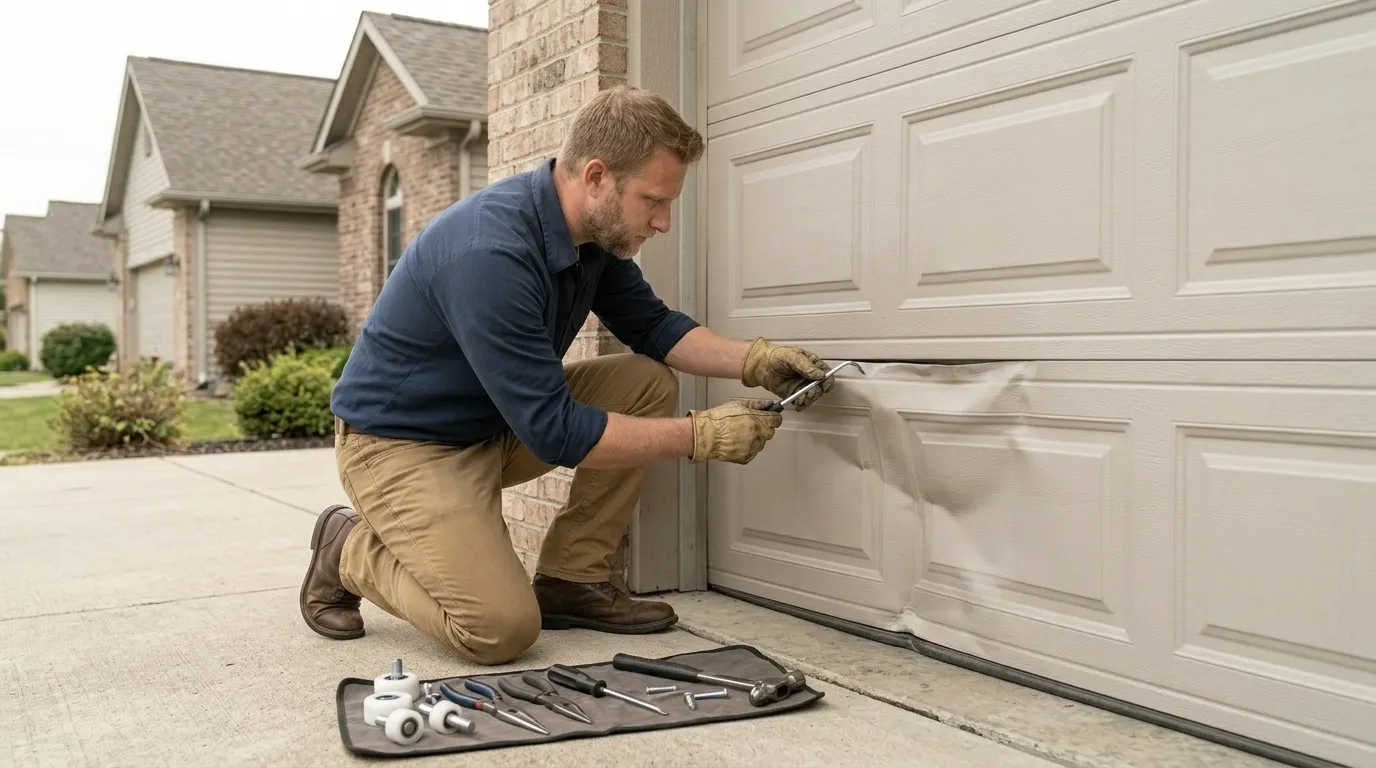
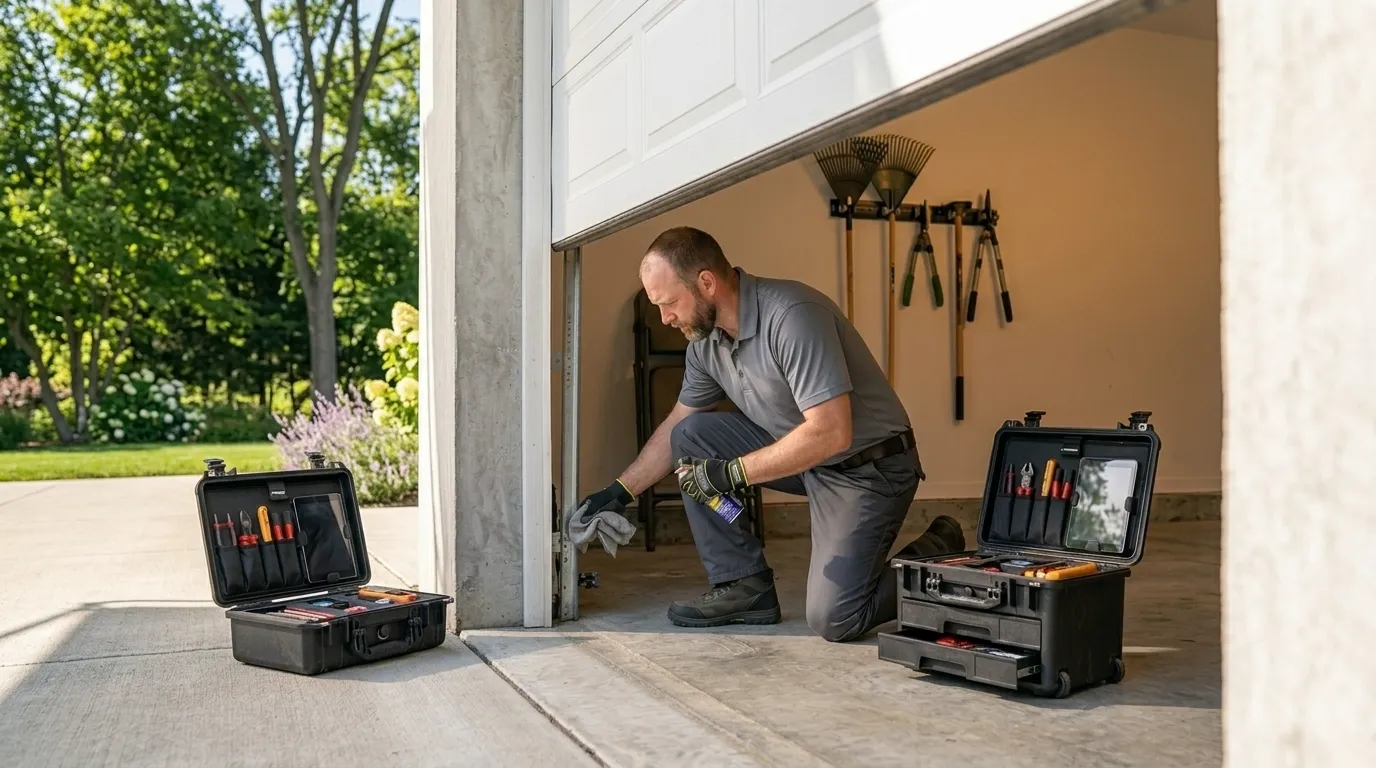
Most of what we hear from Mount Pleasant homeowners centers on torsion springs going out on doors that have had the same hardware since they were built, and openers reaching the end of their working life after years of steady use. With 1,482 households in the area, it's a smaller pocket of calls than the dense in-city neighborhoods, but the pattern is consistent: doors from the 1970s and later era running original or first-replacement hardware that's simply worn through. Mount Pleasant's median household income of $94,924 runs well above the $72,020 median across the broader Pittsburgh service area, and we notice it in the calls - more homeowners here choose full opener upgrades or new insulated steel doors rather than patching an old one repeatedly. That's not a rule, just a pattern. Winters here are the same cold-climate reality as the rest of the region: steel doors and torsion springs cycle hard in freezing temperatures, and a spring that's been fine for years can snap on the first real cold snap of the season.
Getting Here
Mount Pleasant sits about 20 miles from Pittsburgh, farther out than most of the close-in neighborhoods we cover. We don't keep a depot or crew stationed in Mount Pleasant - every job here means a truck coming out from Pittsburgh, and we won't pretend otherwise or promise a response time we can't back up. What we can say is that we take the calls from this distance and we bring what a typical torsion spring or opener job needs. If a job turns out to need an unusual part - an odd-width panel or a specialty opener - that can mean a return trip once it's ordered in, since we're not carrying every size on the truck for a stop 20 miles out. Worth knowing before you book: if the fix is straightforward, one trip usually covers it; if it's a custom door, plan on the order lead time on top of the drive.
This Area's Housing
Across the wider service area we work, most housing is pre-1960, with a broad footprint of 279,154 households and 155,574 owner-occupied houses spread over more than a hundred named areas. Mount Pleasant doesn't fit that older pattern - its median build year of 1975 puts it firmly in the newer half of what we see. That means fewer of the original one-piece doors and cobbled-together hardware repairs that show up on 1940s and 1950s housing stock, and more standardized steel sectional doors that were designed for garages from day one. The tradeoff is that a door built in 1975 is now pushing fifty years old itself, and steel panels, weatherstripping, and torsion springs from that era are reaching the point where replacement, not repair, is often the more sensible call. Cold-climate cycling doesn't help - steel expands and contracts, seals harden, and springs lose tension faster than in milder regions. If your door and opener are both original to a 1970s build, it's worth having both looked at together rather than fixing one and waiting on the other.
How it works
From “it’s stuck” to “it’s fixed”
01
Tell us what’s wrong
Describe the symptom - won’t open, loud bang, opener runs but the door won’t move.
02
On-site diagnosis
A technician tests the door under power and by hand and finds what actually failed.
03
Clear, up-front plan
You get the fix that’s needed and what drives the cost - before any work starts.
04
Repaired & tested
The repair is done, the door is set true and tested, and the work area left clean.
Serving Pittsburgh, PA - tell us what your door’s doing and we’ll take it from there.
No. We work out of Pittsburgh, about 20 miles away, and send a truck out for jobs in Mount Pleasant. We won't claim a local depot or a guaranteed response time we can't stand behind from that distance.
Why does my 1970s garage door need different parts than my neighbor's older house?
Mount Pleasant's median home was built around 1975, decades newer than the pre-1960 stock common closer to Pittsburgh. Newer garages typically have steel sectional doors on overhead torsion springs, not the older side-mounted extension hardware, so the failure points and replacement parts differ.
Is it worth replacing a 1970s-era door instead of repairing it?
Often, yes. A door that old has usually cycled through one or two spring replacements already, and the steel panels and seals degrade with age and cold-climate cycling. If the opener is also original, replacing both together is frequently more sensible than repeated one-off repairs.
What if my job needs an unusual part?
We don't carry every size and style on the truck for every trip out to Mount Pleasant. If a job needs an odd-width panel or specialty opener, that can mean ordering the part and a return visit rather than a same-day fix.
Ready to get your garage door sorted?
Tell us what it’s doing and where you are in Pittsburgh - we’ll take it from there.