Serving New Kensington homes built around 1953, 15 miles from our Pittsburgh base. We know the torsion hardware and cold-climate faults common to this housing stock.
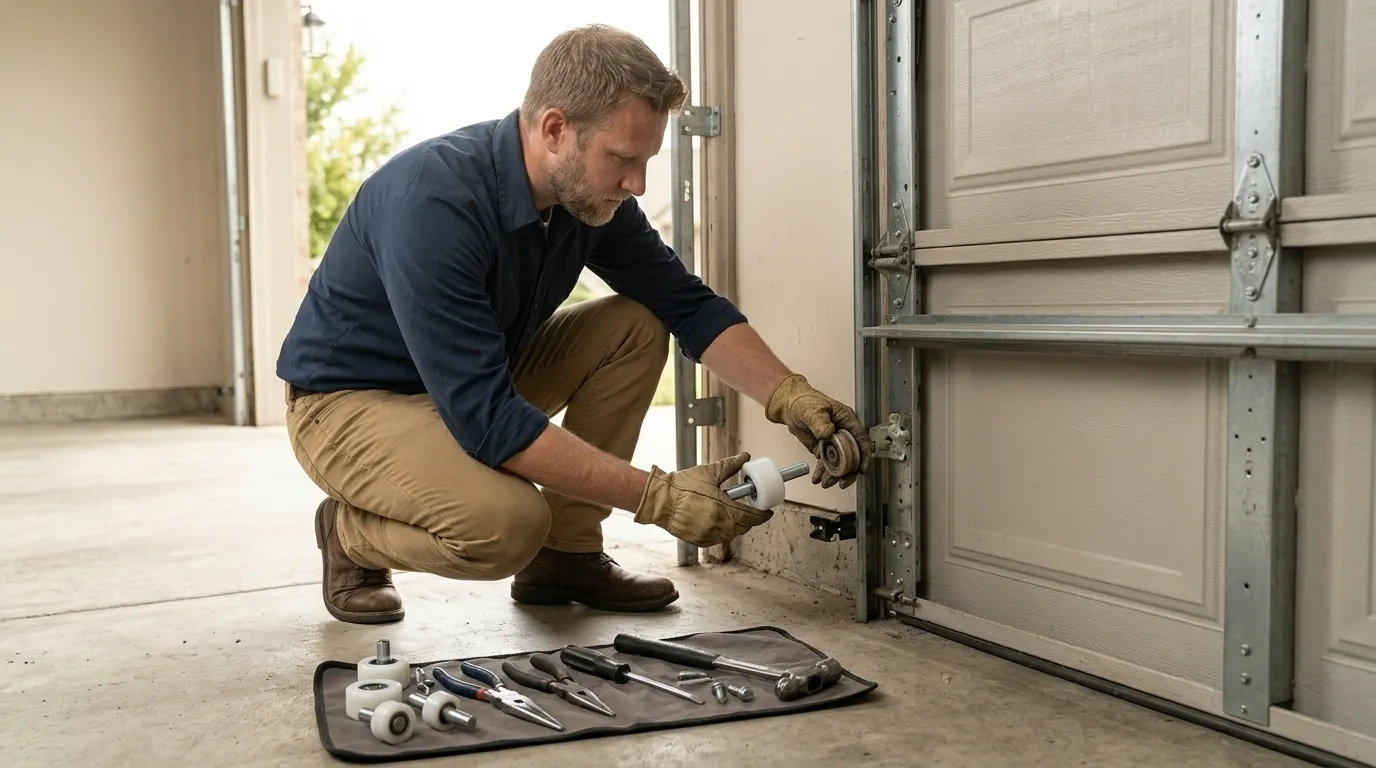
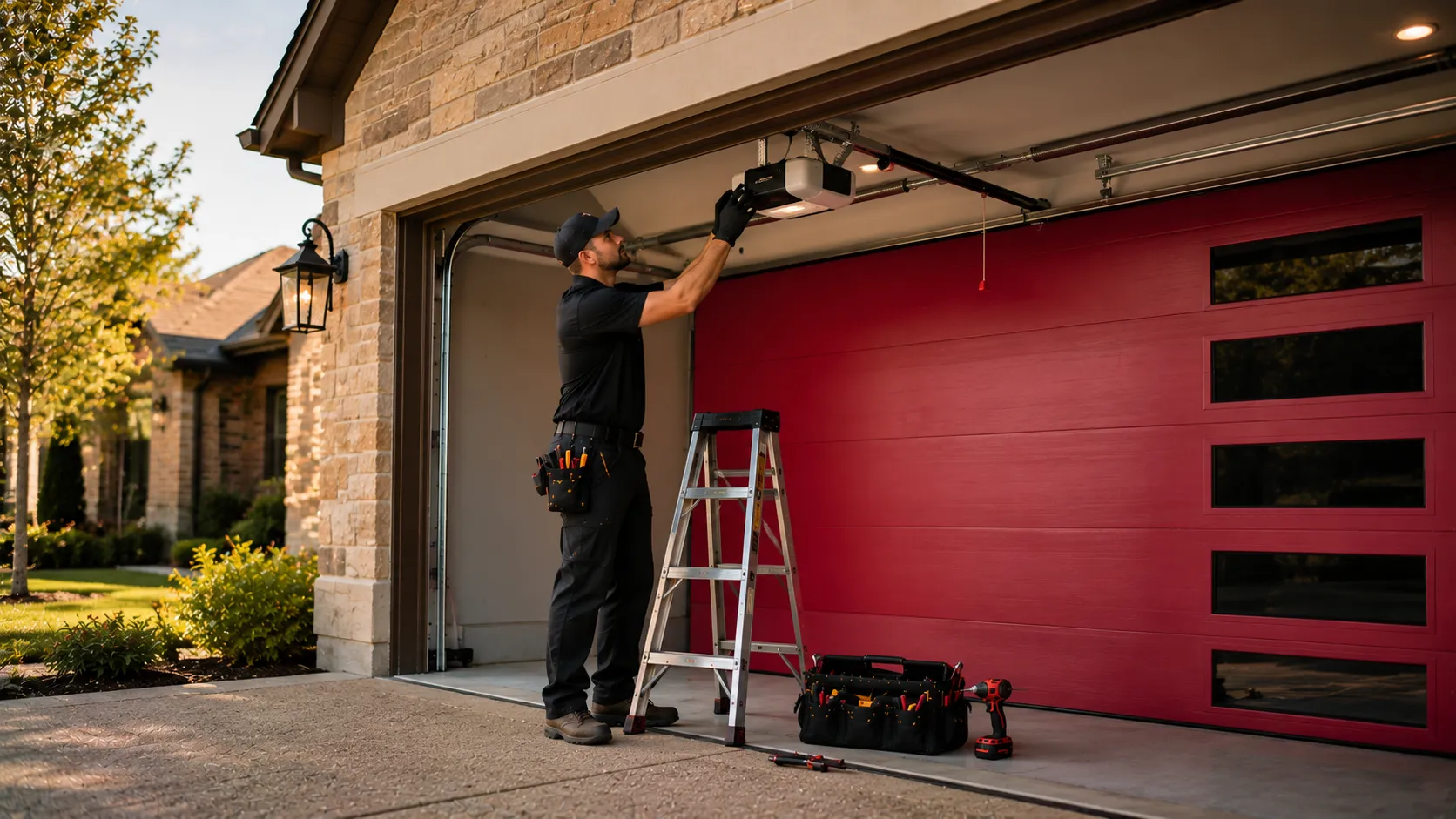
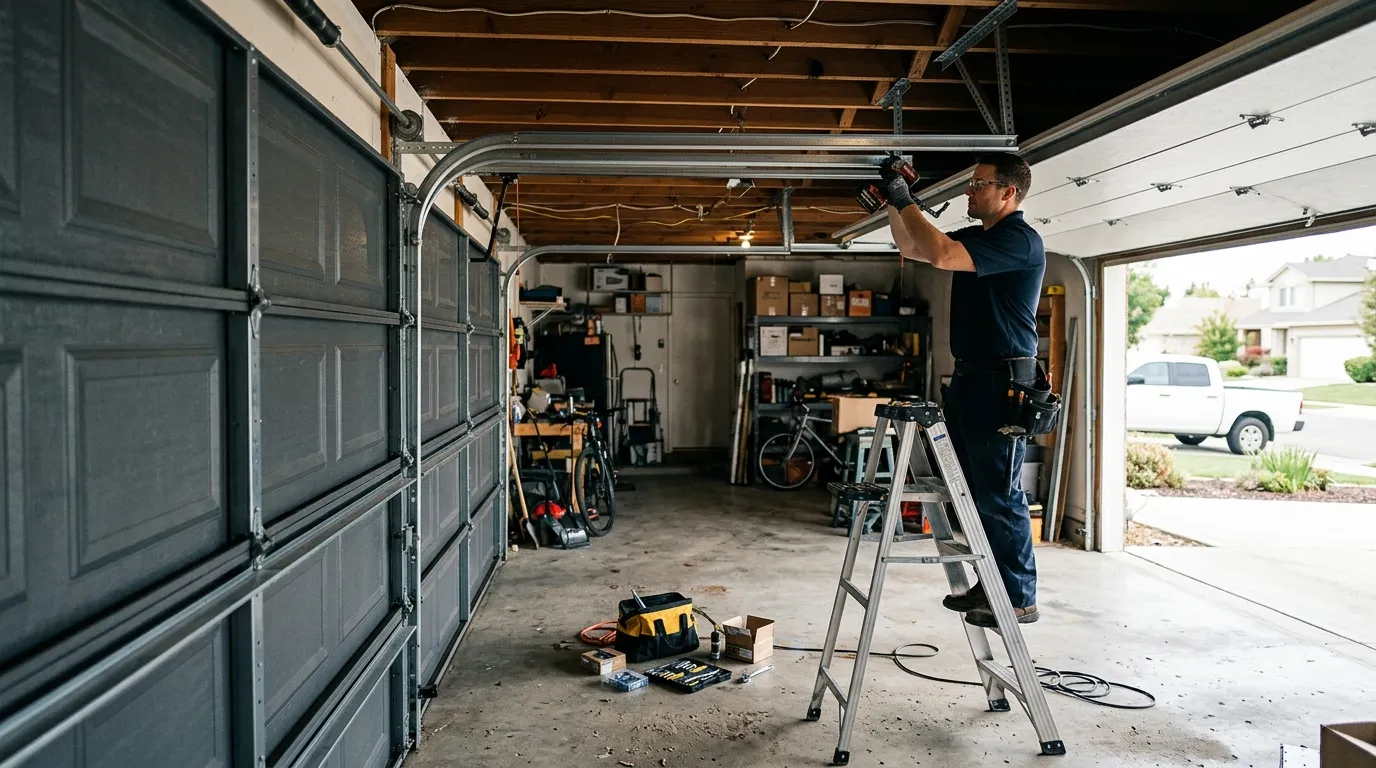
New Kensington's houses cluster around a median build year of 1953, which puts most garages here in the same generation as the older end of our service area's 1938-2014 range. That matters more than people think. A door installed in the early 1950s was almost always paired with a heavy one-piece slab or an early sectional, hung on side-mounted torsion springs rated for a different load than what's on the market today. When a homeowner calls about a spring that let go without warning, or an opener that strains and stalls halfway up, it's usually because the original hardware was never sized for the heavier insulated doors that got swapped in later without touching the spring assembly. We see openers bolted to framing that predates the 1/2 horsepower chain-drive units they're now trying to run. None of this is unique to any one house, but it's the pattern that shows up again and again on this side of town, and it's why a generic tune-up quote off the phone is worth less than someone actually looking at the track and spring together.
The Calls We Get From Here
With a median household income of $49,644 and 6,069 households in New Kensington, most of the calls we take from here are about getting a door working again, not about upgrading to a premium model. That's a fair way to think about it. A cracked bottom panel or a rusted roller doesn't always need a full replacement door - sometimes it's a section swap or a track realignment, and we'll say so if that's the honest answer. Where replacement does make sense is when the springs are original to a 1950s-era door and the torsion bar itself shows pitting or fatigue; patching around that is a short-term fix that costs more in a second visit. We won't push a full system replacement on a door that just needs a cable re-seated. The tradeoff cuts the other way too - on a tight budget, spending on a new opener before the spring underneath it is sound is money spent in the wrong order.
Getting Here
New Kensington sits about 15 miles from our Pittsburgh base, so we're a scheduled visit here rather than a walk-up shop around the corner. We don't keep a depot in town and we're not going to pretend otherwise - what we do is run a truck out with the parts a torsion-spring job on an early-1950s door is likely to need, based on what you describe on the phone. If the fix turns out to need a part we don't carry stock of for older hardware, that can mean a second trip, and we'd rather tell you that up front than have you find out on the day.
This Area's Housing
The severe cold winters this region gets aren't kind to garage door hardware that's already 60-plus years past its install date, and New Kensington's 1953 median build year means a meaningful share of doors here are running on original or first-generation-replacement springs. Cold makes steel more brittle and lubricant thicker, which is exactly when an aging torsion spring under strain is most likely to snap rather than just wear. Weatherstripping on doors this old is often long gone or hardened past the point of sealing anything, which shows up as a cold garage and, eventually, as ice forming around the bottom panel. None of this means every older door is a ticking clock - plenty of well-maintained original hardware still runs fine - but it's the reason we ask about the age of the door, not just the symptom, before we quote a job.
How it works
From “it’s stuck” to “it’s fixed”
01
Tell us what’s wrong
Describe the symptom - won’t open, loud bang, opener runs but the door won’t move.
02
On-site diagnosis
A technician tests the door under power and by hand and finds what actually failed.
03
Clear, up-front plan
You get the fix that’s needed and what drives the cost - before any work starts.
04
Repaired & tested
The repair is done, the door is set true and tested, and the work area left clean.
Serving Pittsburgh, PA - tell us what your door’s doing and we’ll take it from there.
Not necessarily. A lot of doors from New Kensington's 1953-era housing stock still run fine with the original torsion spring, especially if it's been serviced. What matters more than age alone is whether the spring shows visible wear, rust, or a torsion bar that's pitted - those are the signs a repair won't hold.
Do you have a location in New Kensington?
No. We run trucks out from Pittsburgh, about 15 miles away, so New Kensington jobs are scheduled visits rather than same-corner service. We bring parts based on what you tell us about the door, but an unusual older part can sometimes mean a second trip.
Why did my spring break in winter with no warning?
Cold makes steel more brittle and lubricant thicker, so a spring that's already fatigued from age is more likely to fail in winter than in summer. On a door from the early 1950s that's still running original hardware, that combination is common, not rare.
Should I replace the whole door or just fix the panel?
Depends on the damage and the age of the spring system underneath. A cracked panel on an otherwise sound door is often a section swap, not a full replacement. We'll tell you honestly which one applies rather than defaulting to the bigger job.
Ready to get your garage door sorted?
Tell us what it’s doing and where you are in Pittsburgh - we’ll take it from there.