Garage Door Repair for Stowe's Older Housing Stock
Stowe homes mostly date to 1951, older than the wider Pittsburgh service area's 1955 median, meaning more original torsion hardware. We travel from Pittsburgh, 6 miles out, to fix it.
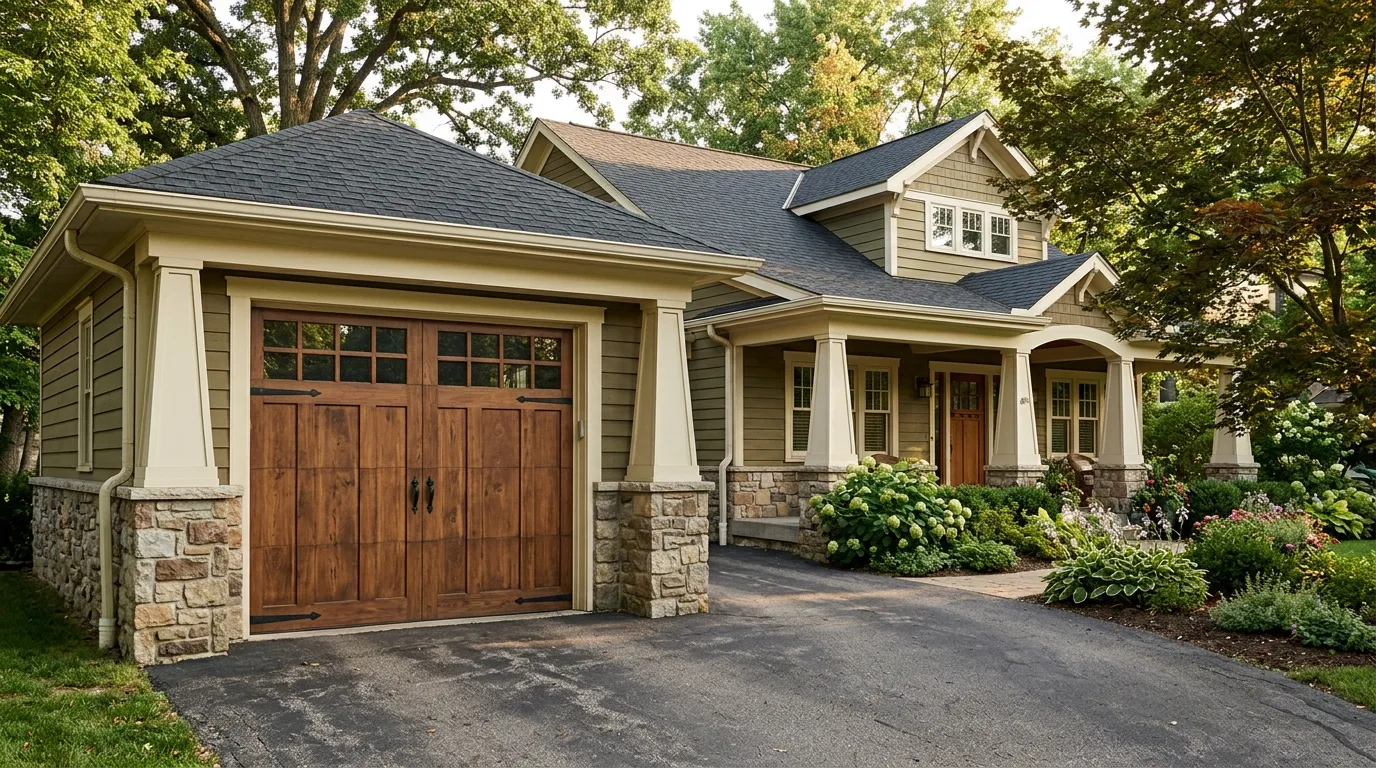
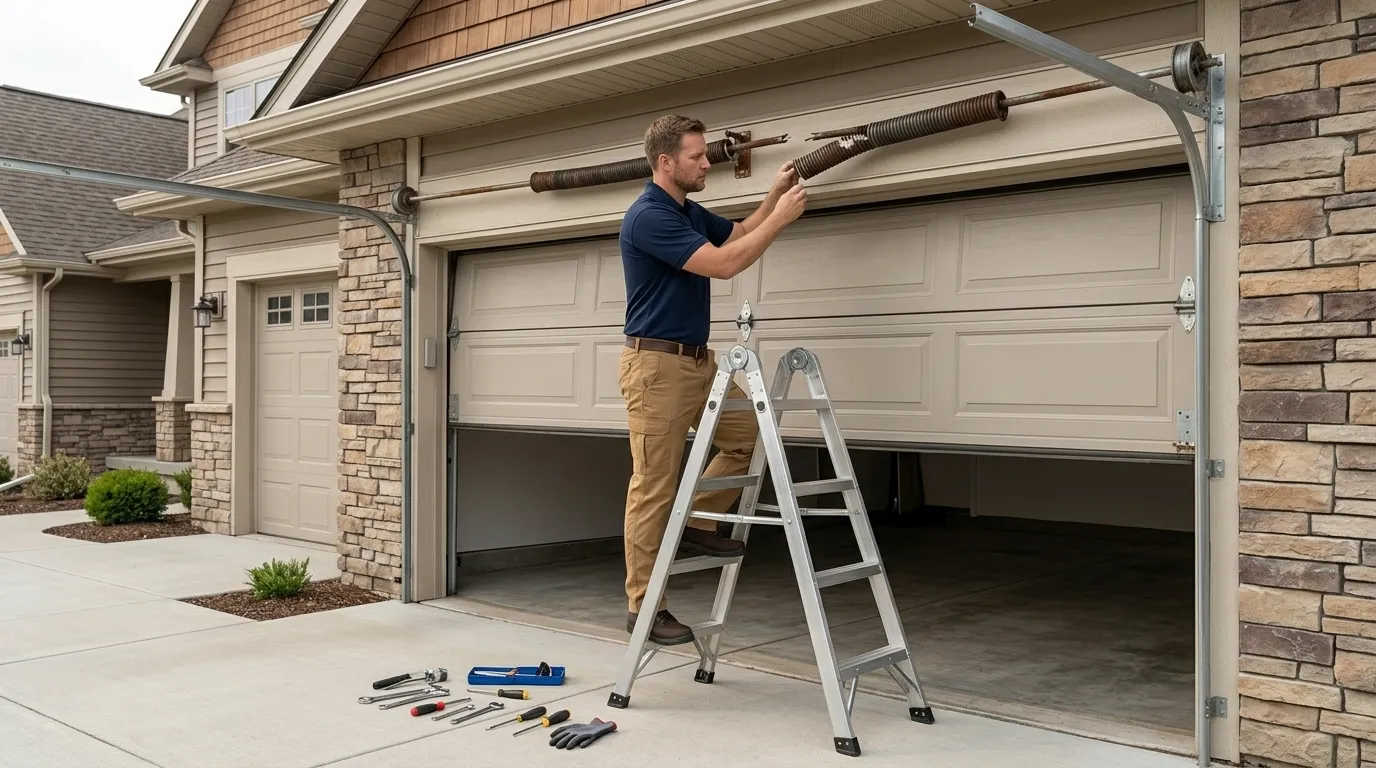
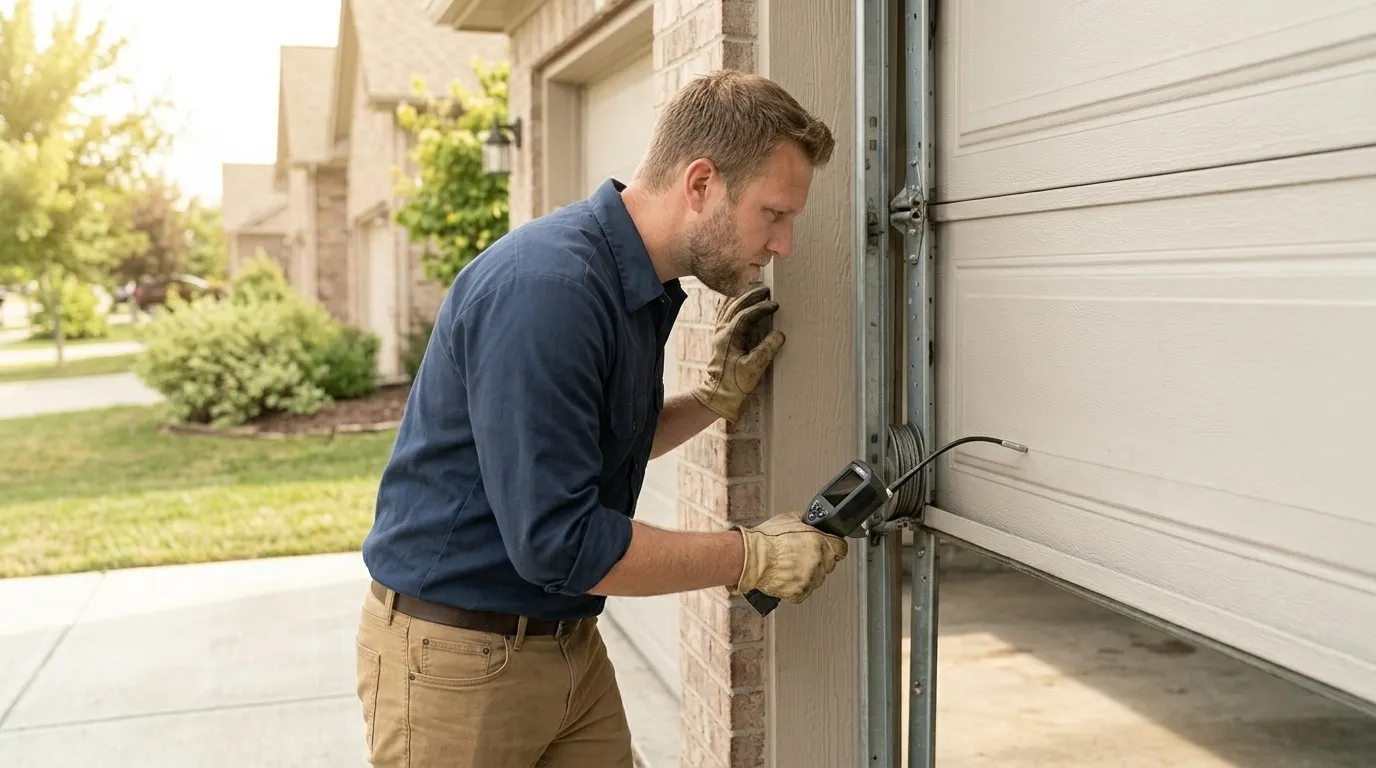
Stowe's median home was built in 1951, a few years ahead of the 1955 median across the wider service area covered by our 108 named areas. That gap matters more than it sounds like it should. A house built in 1951 was framed for a garage door built to 1951 standards, meaning narrower single-car openings, wood jambs that have shifted over seven decades, and, in a lot of cases, the original torsion spring setup that nobody upgraded when they swapped the door face somewhere along the way. We see this pattern across pre-1960 stock generally, but Stowe sits on the early end of it. Original hardware doesn't fail gracefully. Springs wound for a lighter, older-style door can be undersized once an owner replaces a single-panel wood door with a heavier insulated steel one, and the drum and cable setup underneath rarely gets touched during that swap. The result is a door that looks new but runs on 70-year-old math. If your opener strains, or the door drifts to one side going up, that mismatch between old hardware and newer panel weight is the first thing worth checking, not the opener itself.
The Calls We Get From Here
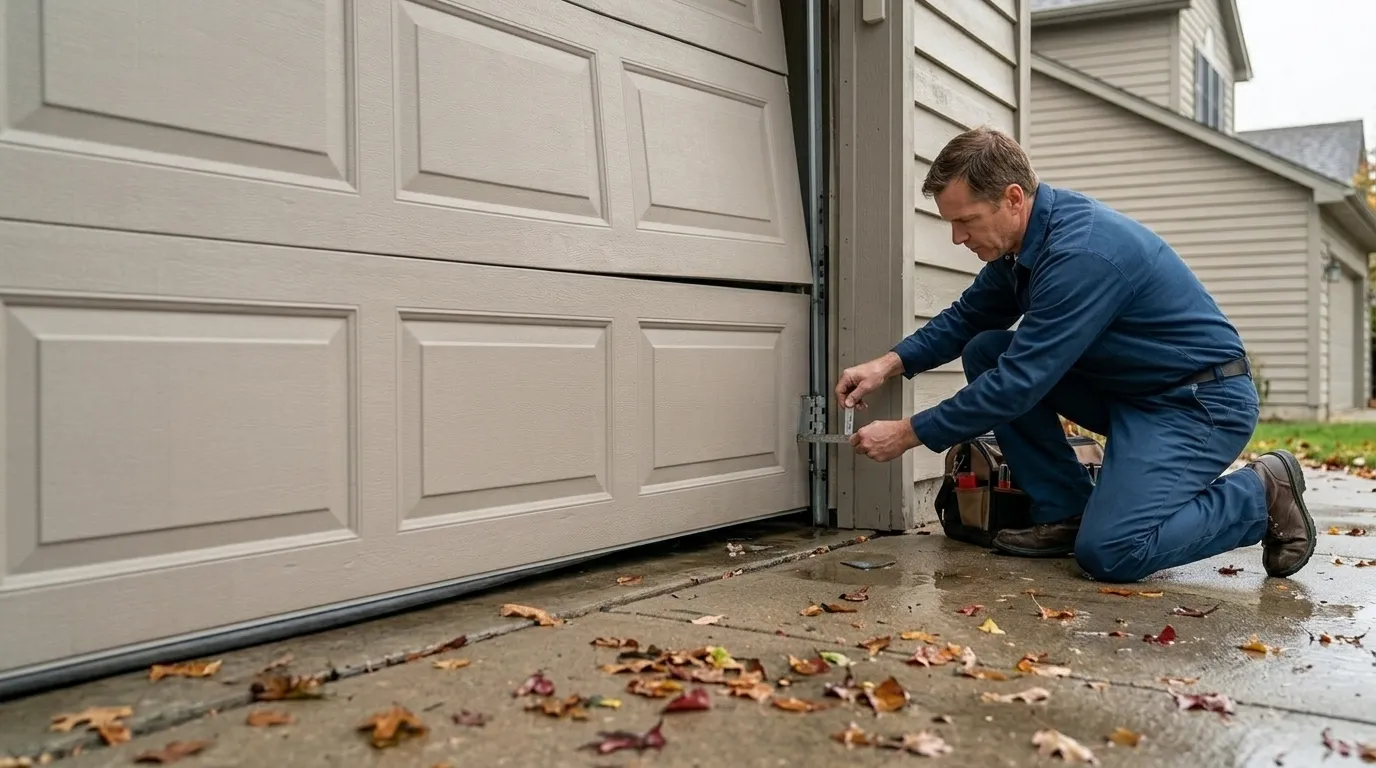
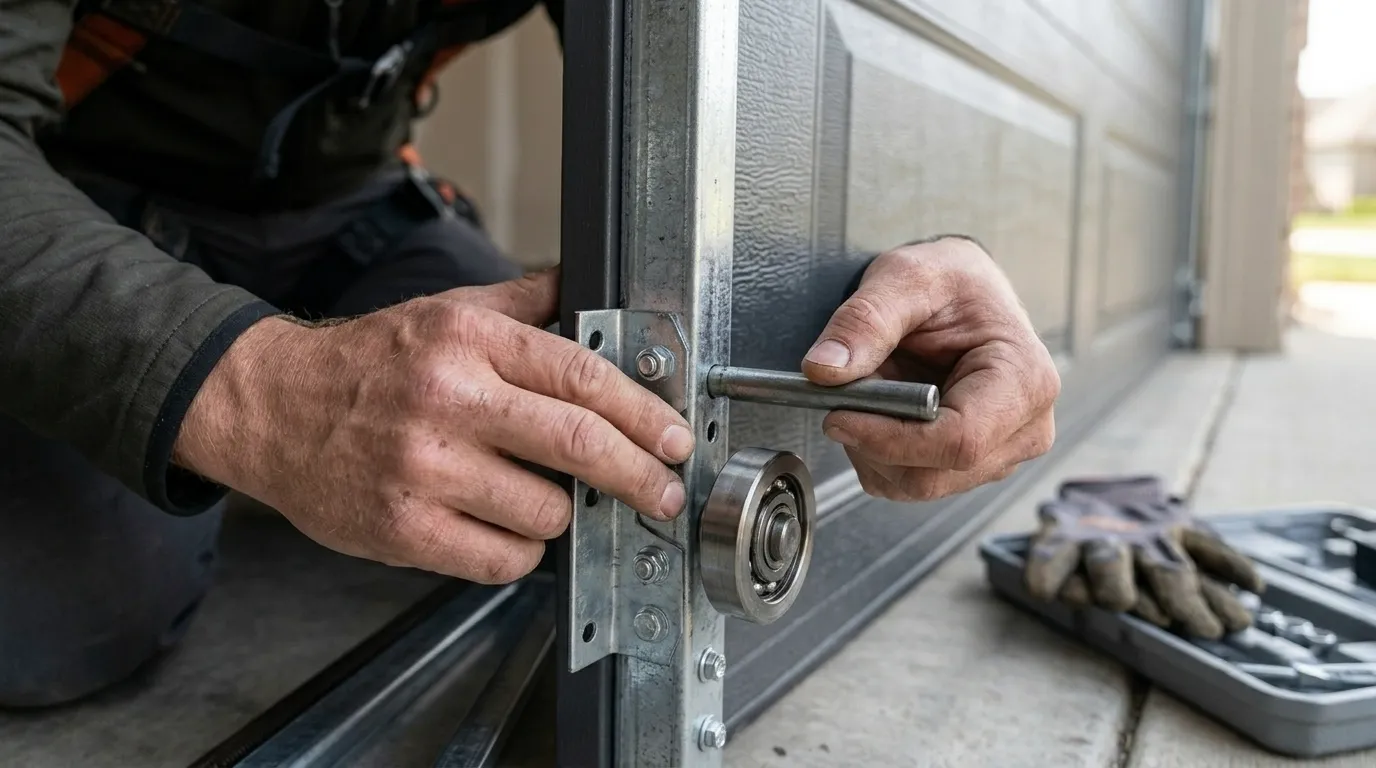
The calls we field from Stowe skew toward spring failure and track misalignment more than opener electronics. Given the age of the housing stock, that tracks. Steel jambs settle less than wood, but Stowe's older wood-framed openings move with the seasons, and this region's climate band is classified cold and severe, which means real freeze-thaw cycling on that lumber every winter. A jamb that racks even a quarter inch throws the track out of plumb, and a door that's out of plumb chews through rollers and eventually cables. We also get calls on doors that were never resized when a bigger vehicle came into the household - the original single-car opening just doesn't fit a modern SUV, and owners live with scraped mirrors for years before calling. We don't stock every roller size from that era on the truck, since original hardware from the early 1950s isn't something manufacturers still cut. Sometimes the honest answer is that a full replacement costs less over time than chasing parts for hardware nobody makes anymore.
Getting Here
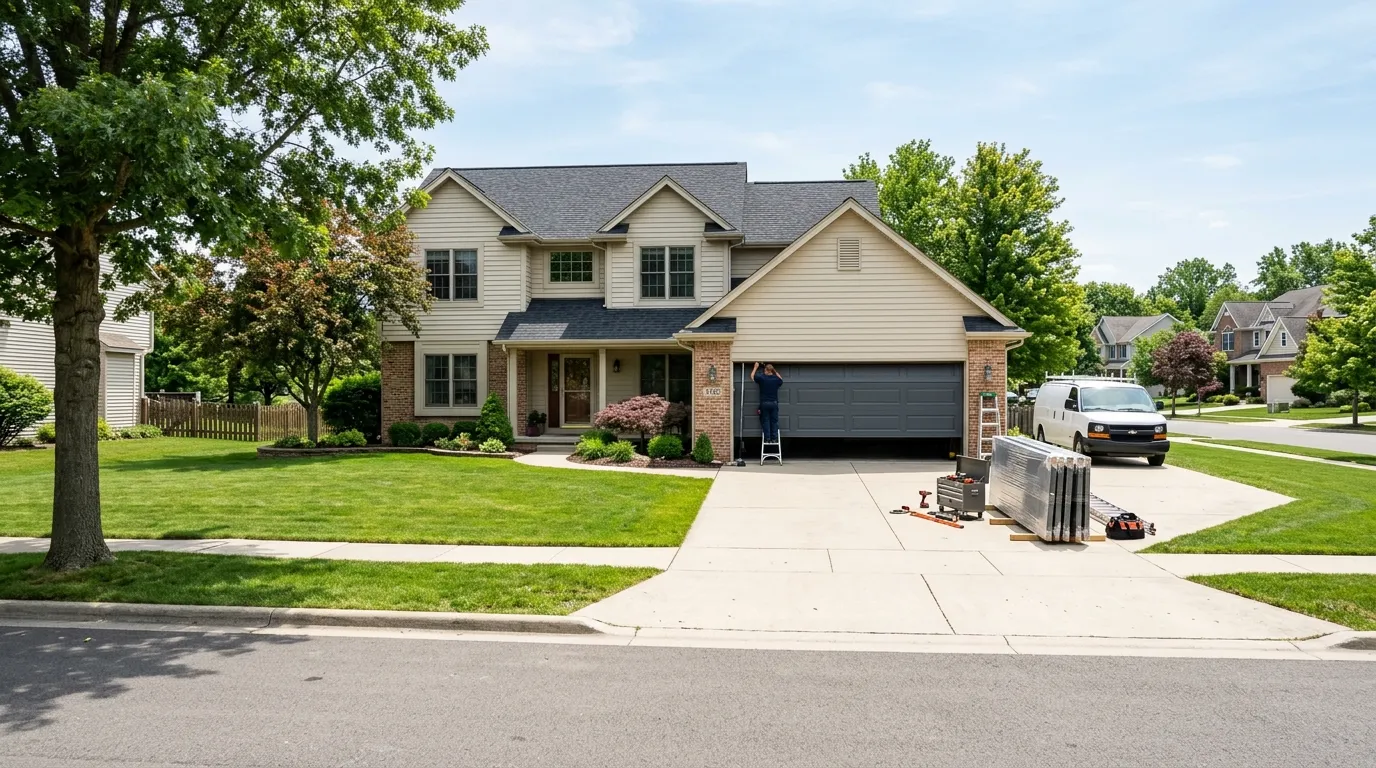
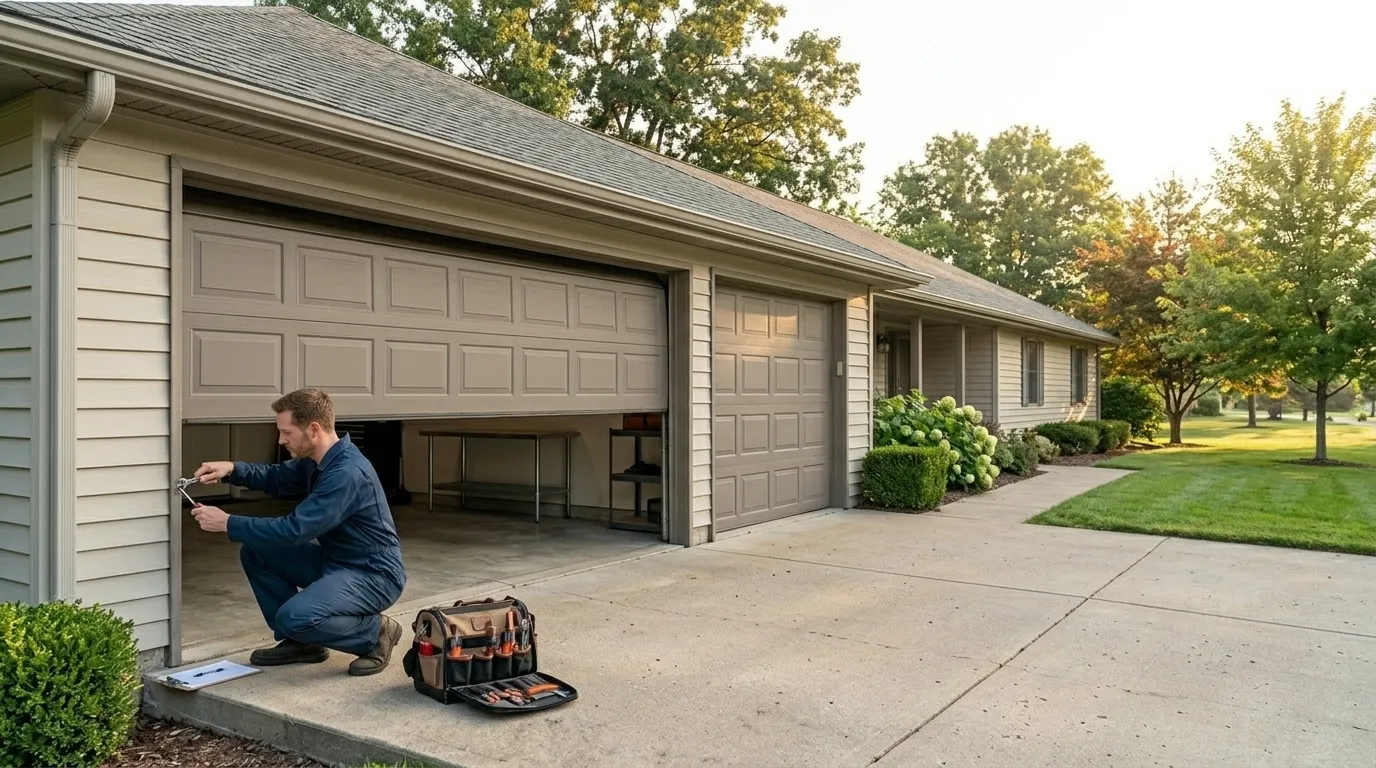
Stowe sits about 6 miles from Pittsburgh, and we run trucks out from there for calls in this area. We don't keep a depot in Stowe itself - we're a Pittsburgh-based crew that covers this stretch along with nearby areas like McKees Rocks and Carnegie, both roughly 5 to 6 miles out along the same corridor. Being a satellite call rather than a home-base call means we plan the day's route around it, so if you're calling for something urgent, say so up front and we'll tell you honestly where you land in the queue rather than promise a window we can't back up.
This Area's Housing
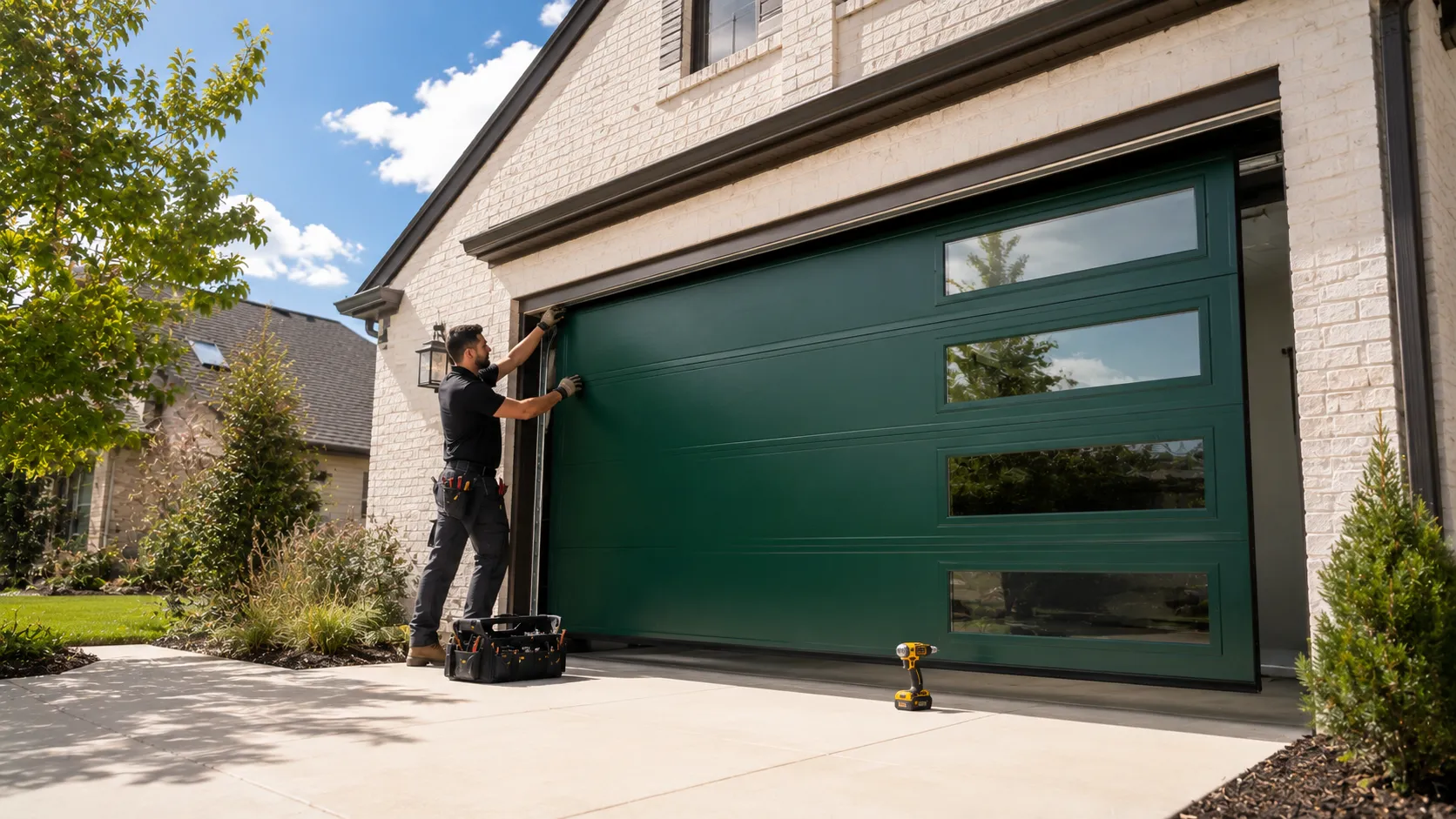
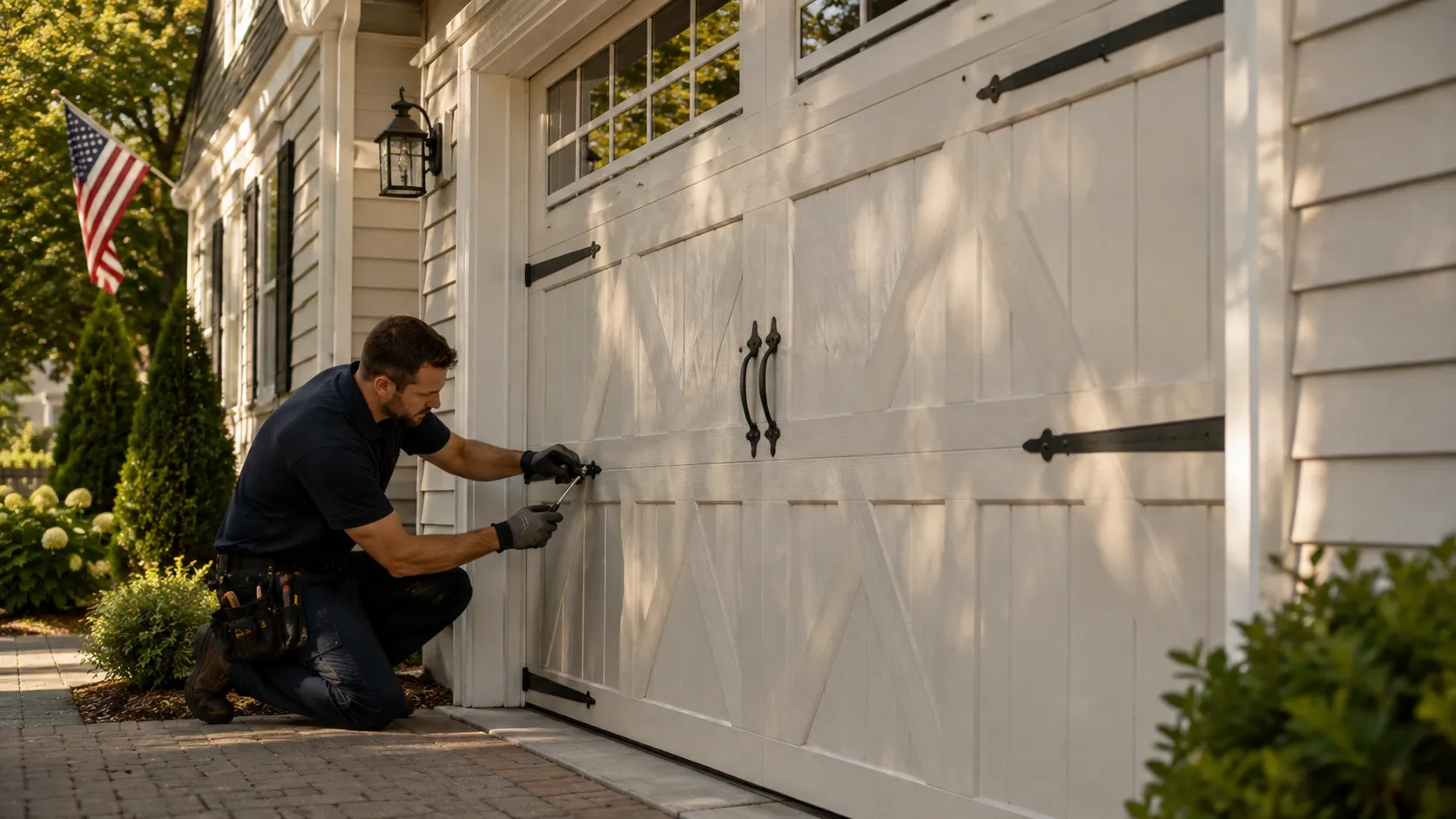
With about 2,885 households in Stowe and a median income of $49,772, this is a different economic picture than the wider service area's median of $72,020 across its roughly 279,154 households. That gap shows up in the kind of calls we get: more repair requests, fewer full-replacement jobs booked outright, and more owners asking us to get one more season out of a spring or a panel before committing to a new door. That's a reasonable way to run it, within limits - a cracked panel on a 1951-era single door can often be patched or replaced piece by piece rather than swapping the whole unit, which keeps the job closer to a repair budget than a replacement one. Where we draw the line is structural: if the track mounting has pulled loose from a rotted jamb, patch jobs stop making sense and it becomes a bigger conversation about the frame itself, not just the door hardware.
How it works
From “it’s stuck” to “it’s fixed”
01
Tell us what’s wrong
Describe the symptom - won’t open, loud bang, opener runs but the door won’t move.
02
On-site diagnosis
A technician tests the door under power and by hand and finds what actually failed.
03
Clear, up-front plan
You get the fix that’s needed and what drives the cost - before any work starts.
04
Repaired & tested
The repair is done, the door is set true and tested, and the work area left clean.
Serving Pittsburgh, PA - tell us what your door’s doing and we’ll take it from there.
Why does my Stowe garage door feel heavier to lift than it used to?
If the house dates to around 1951 like much of the area, the door was likely upgraded at some point to a heavier insulated steel panel without the torsion spring being rewound for the new weight. That mismatch makes lifting - manual or motorized - noticeably harder over time.
Do you have a shop in Stowe?
No. We're based in Pittsburgh and travel out to Stowe, about 6 miles away, for service calls. There's no local depot here, so scheduling runs on the day's route rather than a fixed local response window.
Is it worth repairing an original 1950s-era door instead of replacing it?
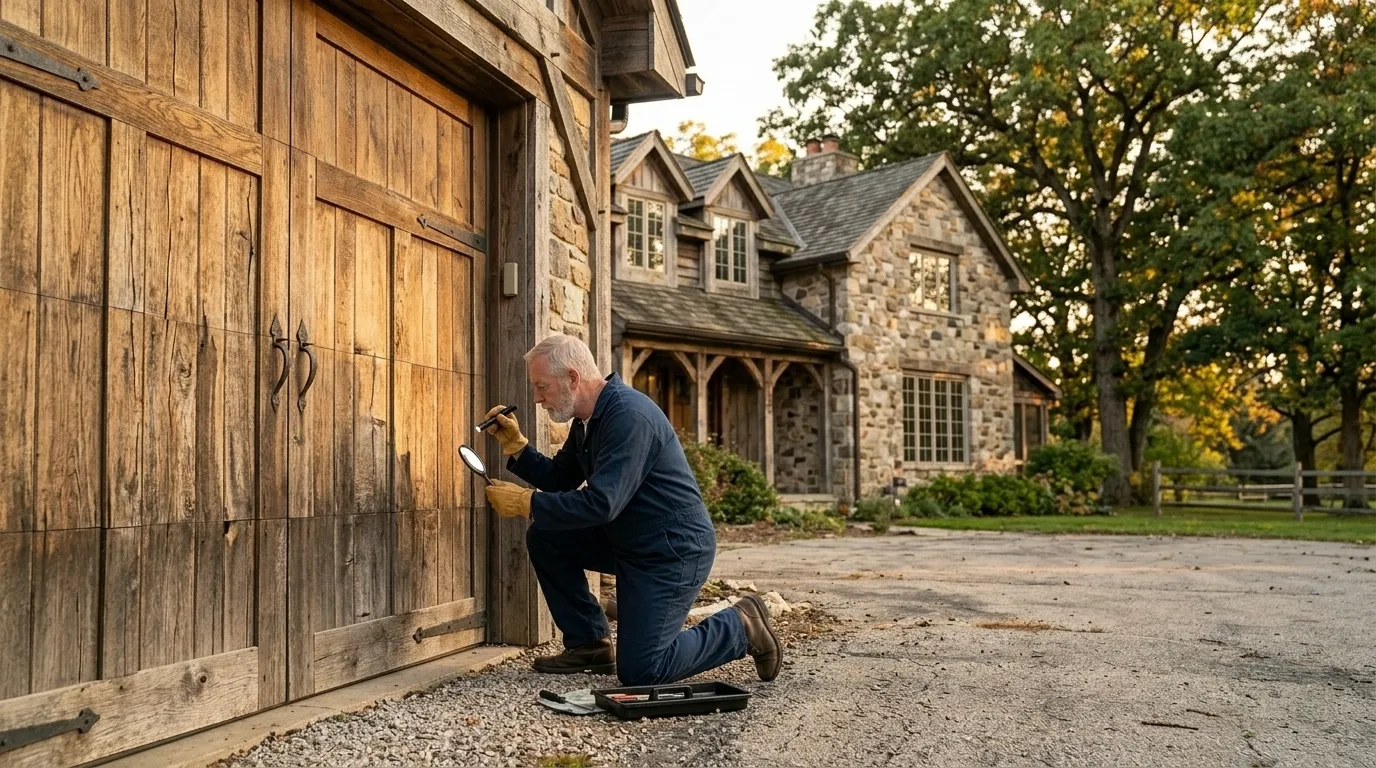
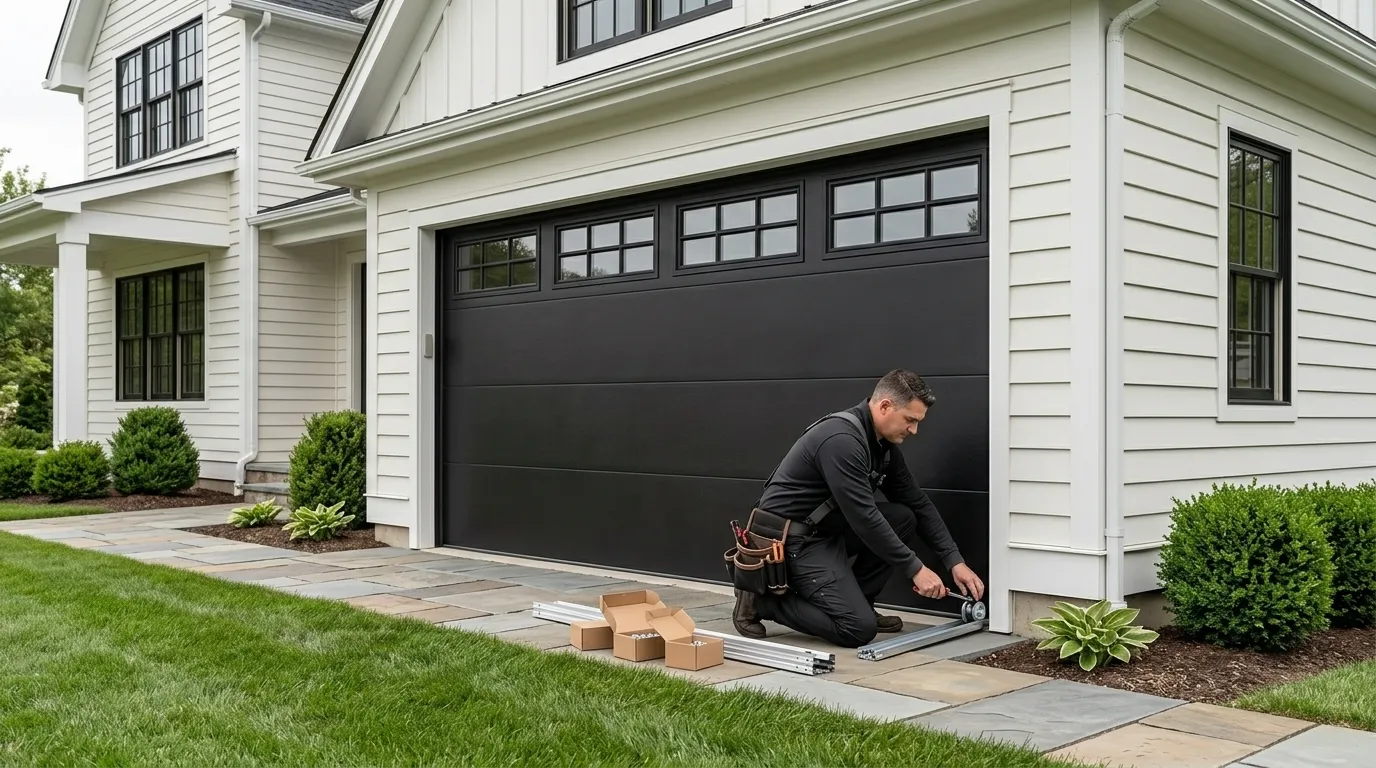
Sometimes. Panel damage and worn rollers are often fixable piece by piece. But original hardware from that era isn't manufactured anymore, so if a track or drum needs replacing, sourcing parts can push the repair cost close to what a new door would run.
Why do doors in this area fail more in winter?
This region sits in a cold, severe climate band, and Stowe's older wood-framed openings move with freeze-thaw cycles more than newer steel-framed construction does. A jamb that shifts even slightly throws the track out of plumb and accelerates wear on rollers and cables.
Ready to get your garage door sorted?
Tell us what it’s doing and where you are in Pittsburgh - we’ll take it from there.