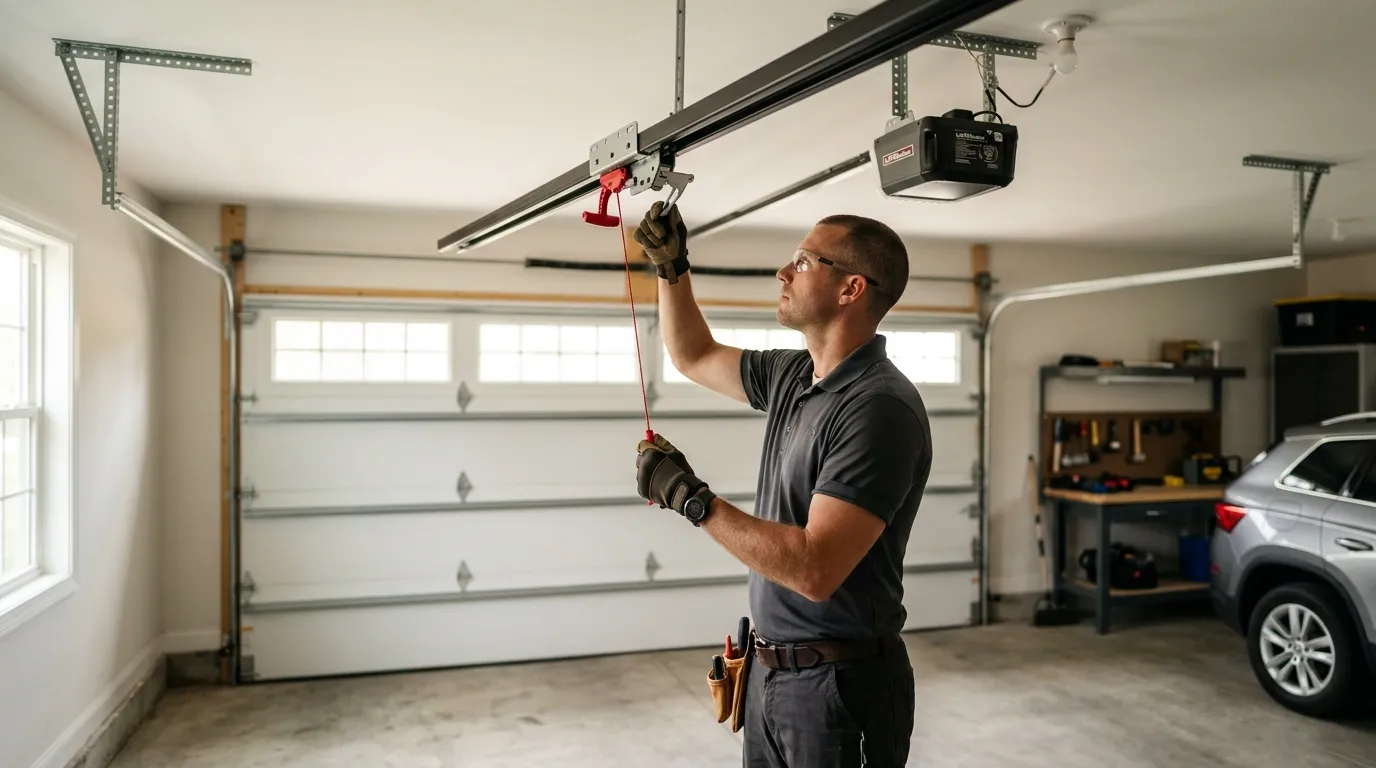
Serving Turtle Creek's 1940s housing stock, 8 miles from Pittsburgh. Torsion springs, worn rollers, and openers built for older track systems on older houses.
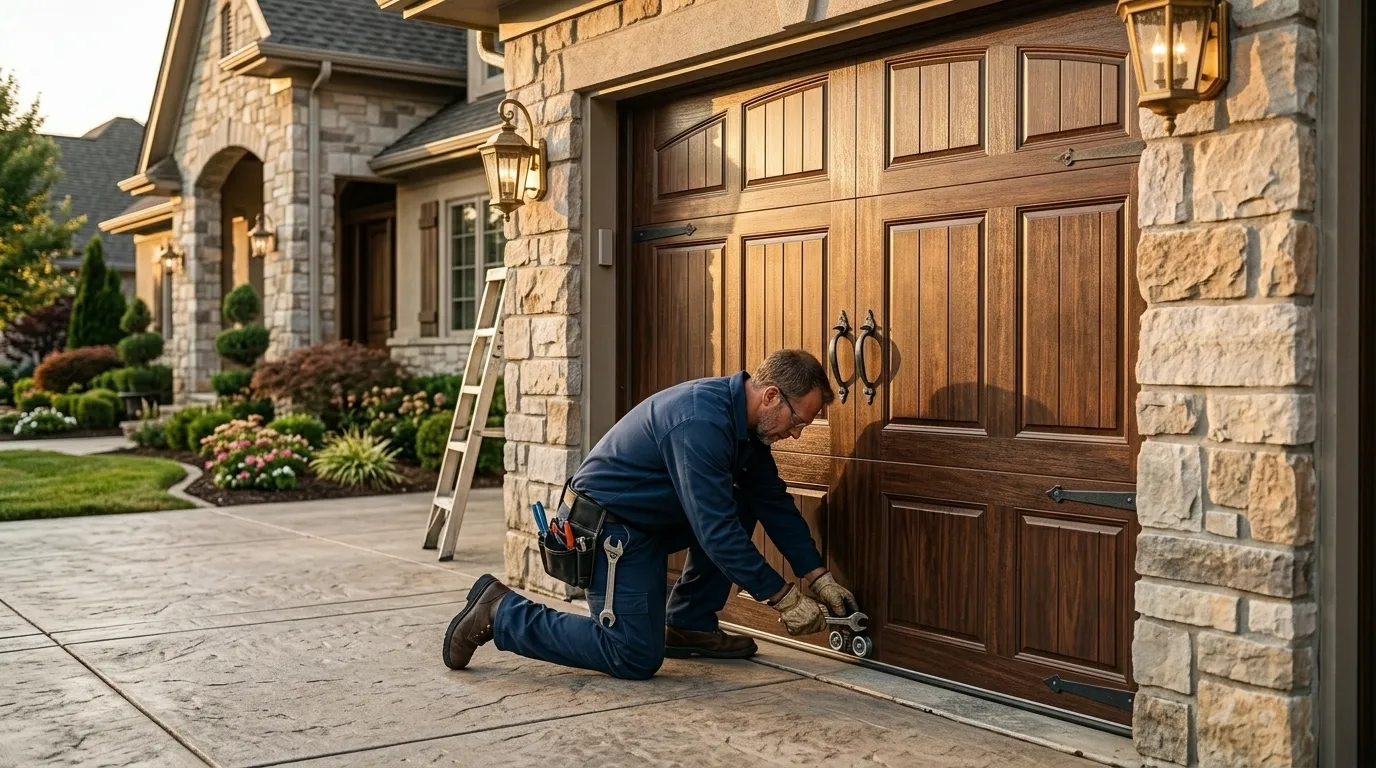
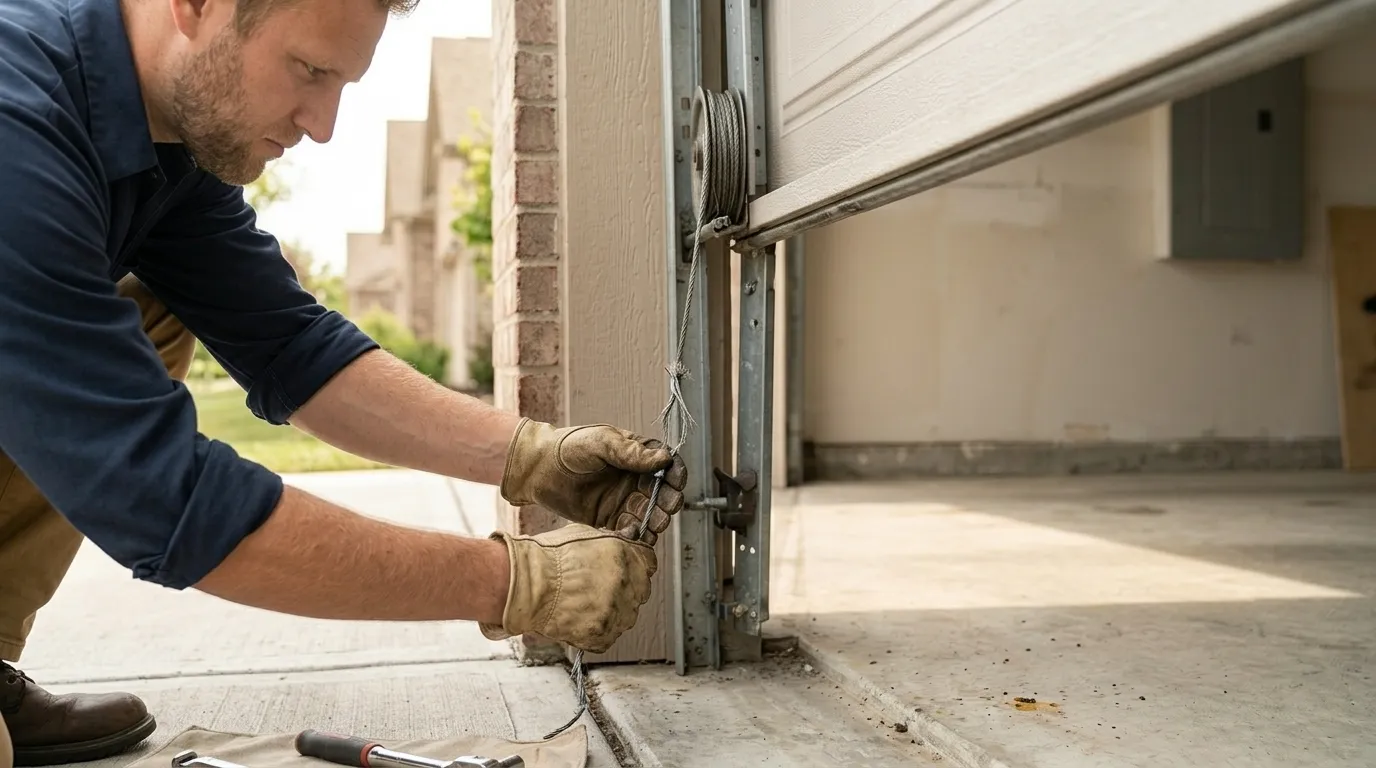
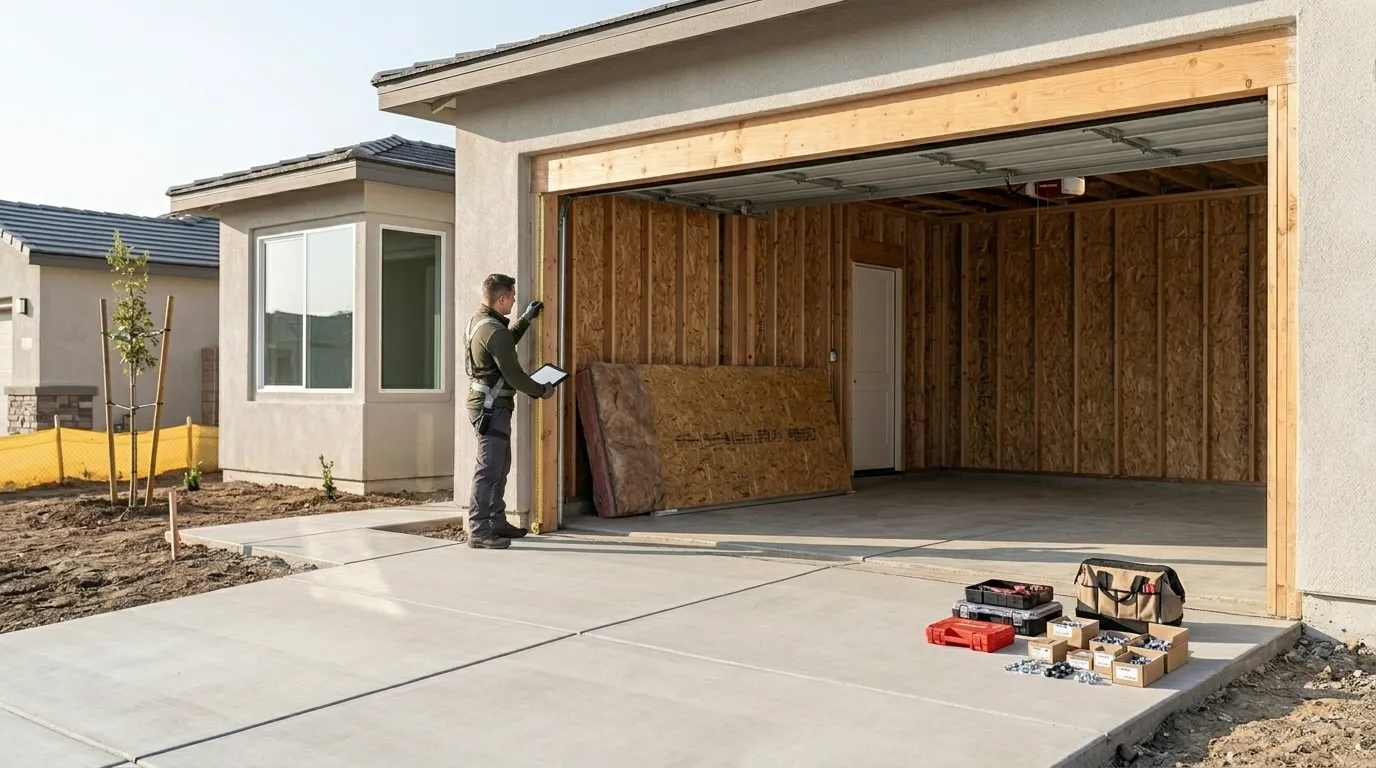
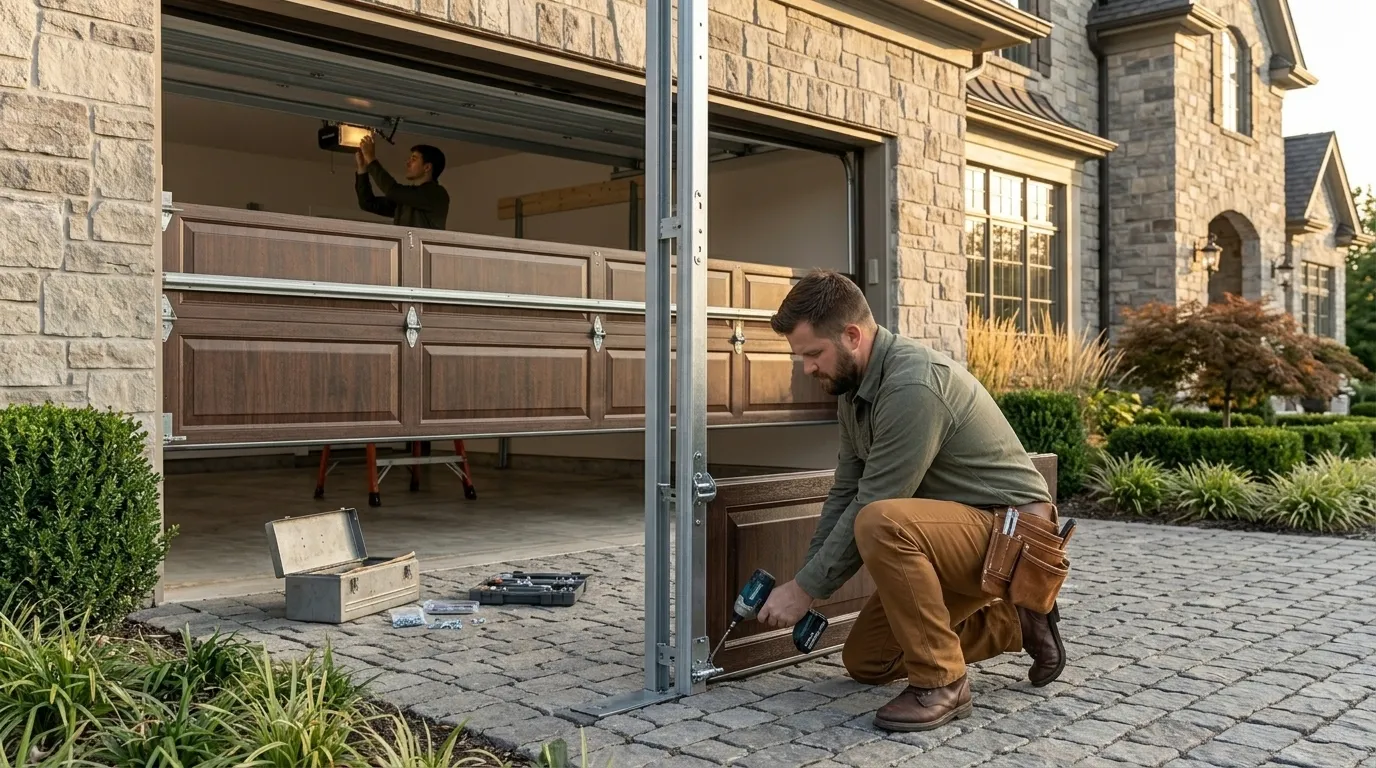
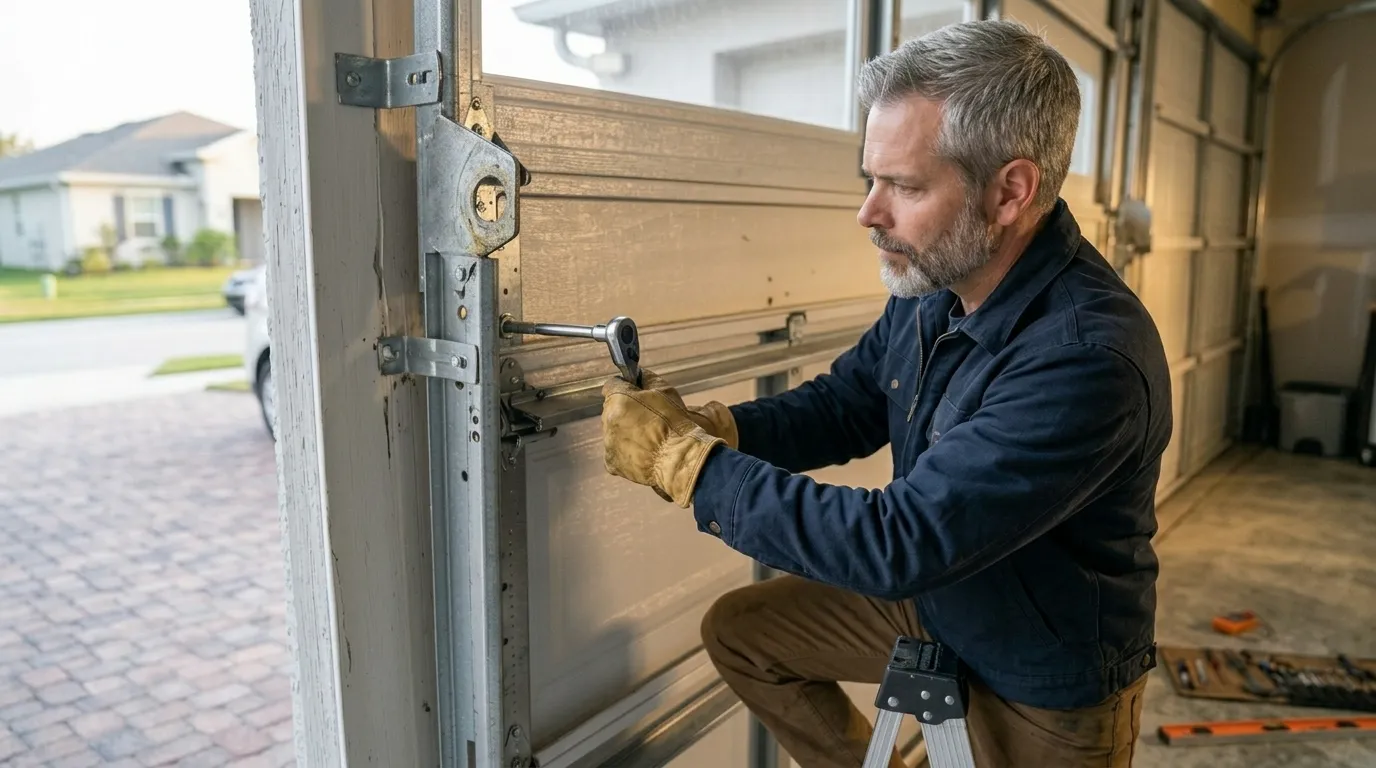
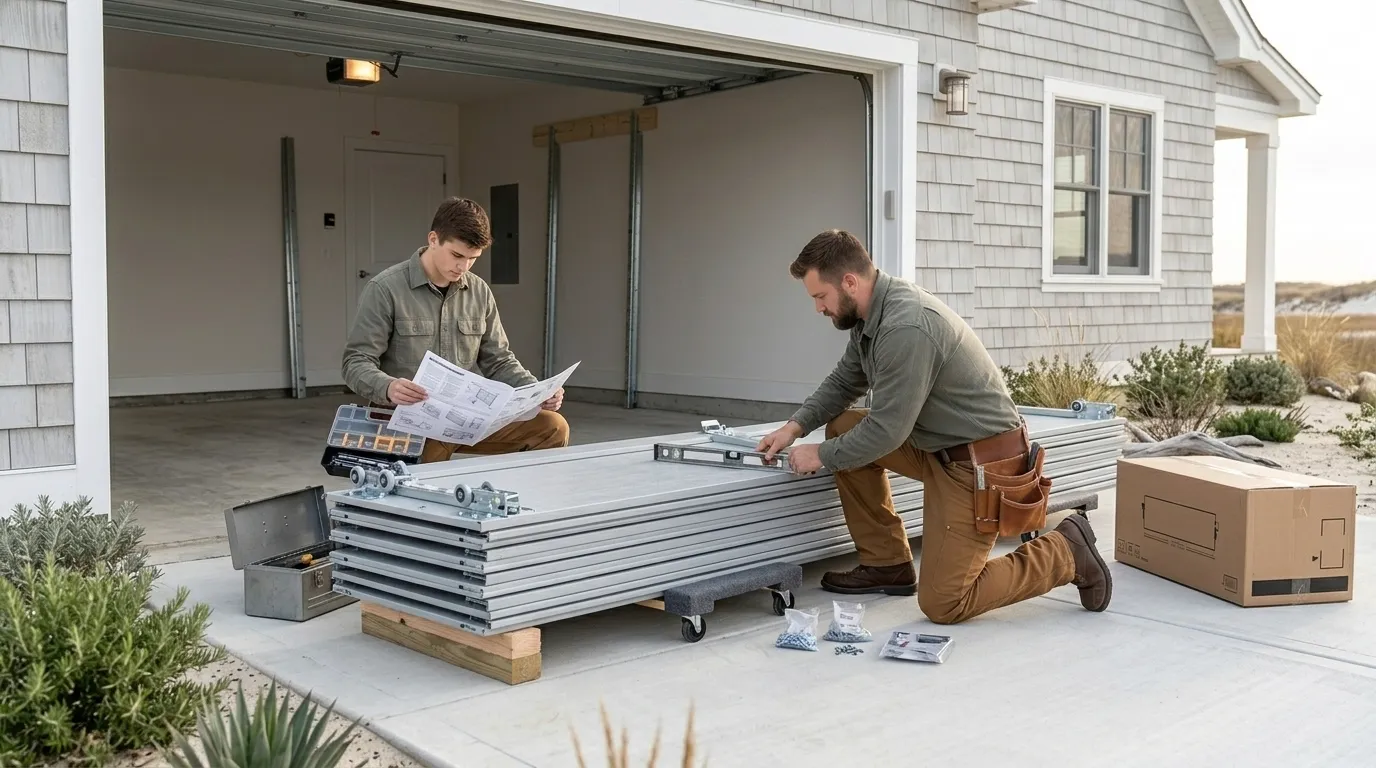
Turtle Creek's houses mostly went up around 1943, which puts this neighborhood ahead of the broader Pittsburgh area's 1955 median. That gap of a dozen years matters more than it sounds like it should. A door and track system installed in the 1940s was built for a lighter door, often single-layer steel or even wood, hung on hardware that predates the torsion spring setups you'd find in anything built after the war really got the housing boom going. When we get a call from this area, we're usually looking at a bracket pattern or a track width that doesn't match what's on the truck for newer jobs. The header framing in houses this age can also be shallower than what current doors expect, so a straight swap-in replacement sometimes needs a bit of carpentry alongside the door work. None of that is a reason to avoid replacing an old door - it just means the job starts with figuring out what's actually holding the current one up before ordering parts. We'd rather spend ten extra minutes measuring than show up with a spring that doesn't fit a bracket from the Truman administration.
The Calls We Get From Here
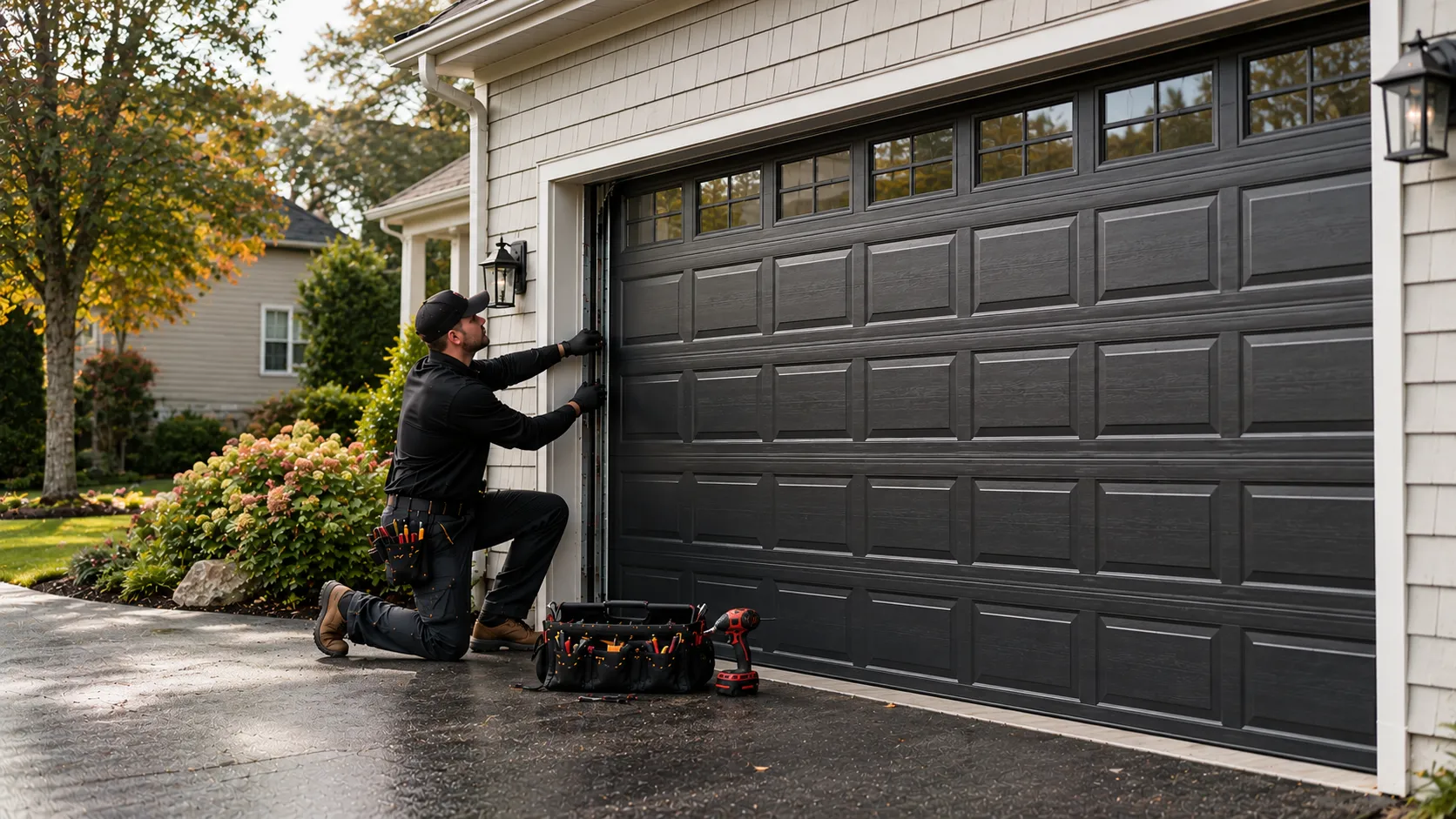
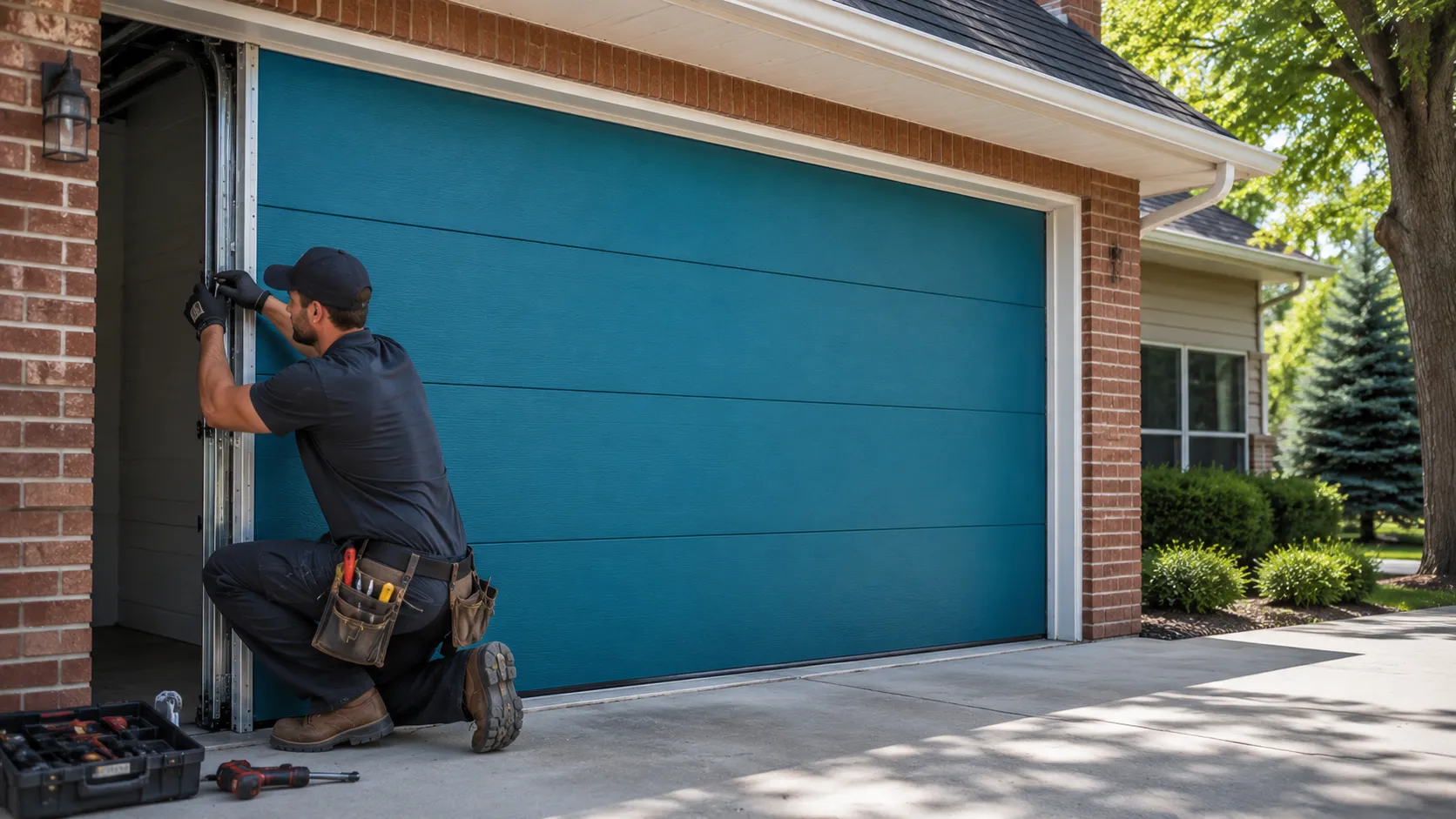
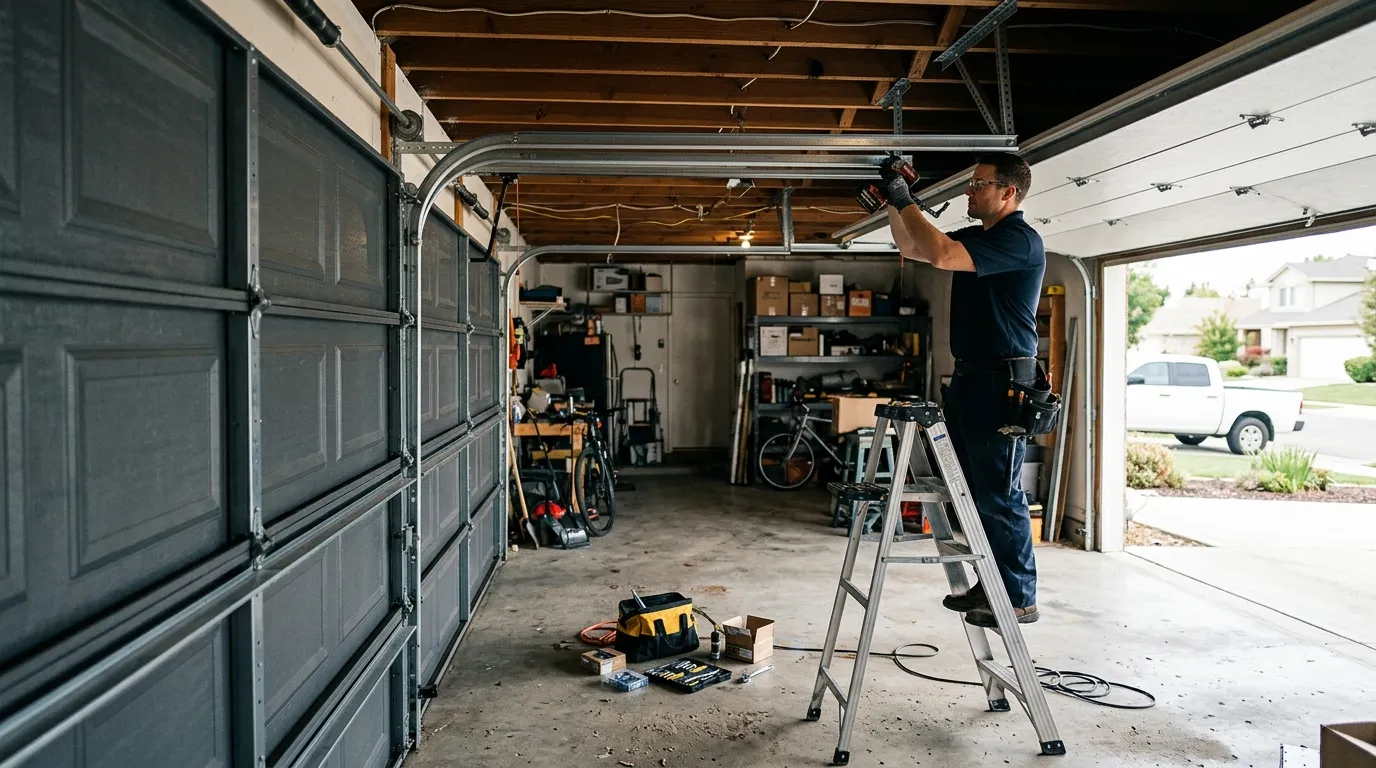
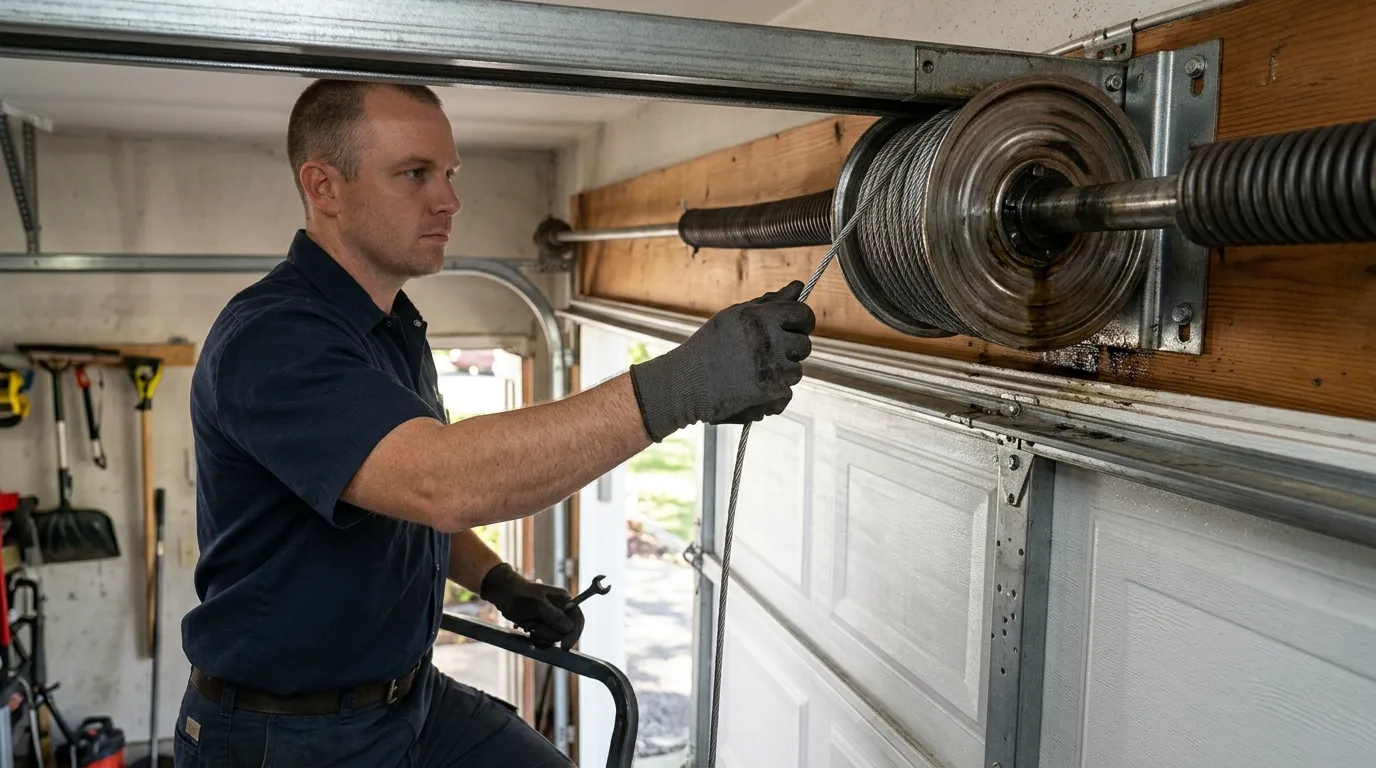
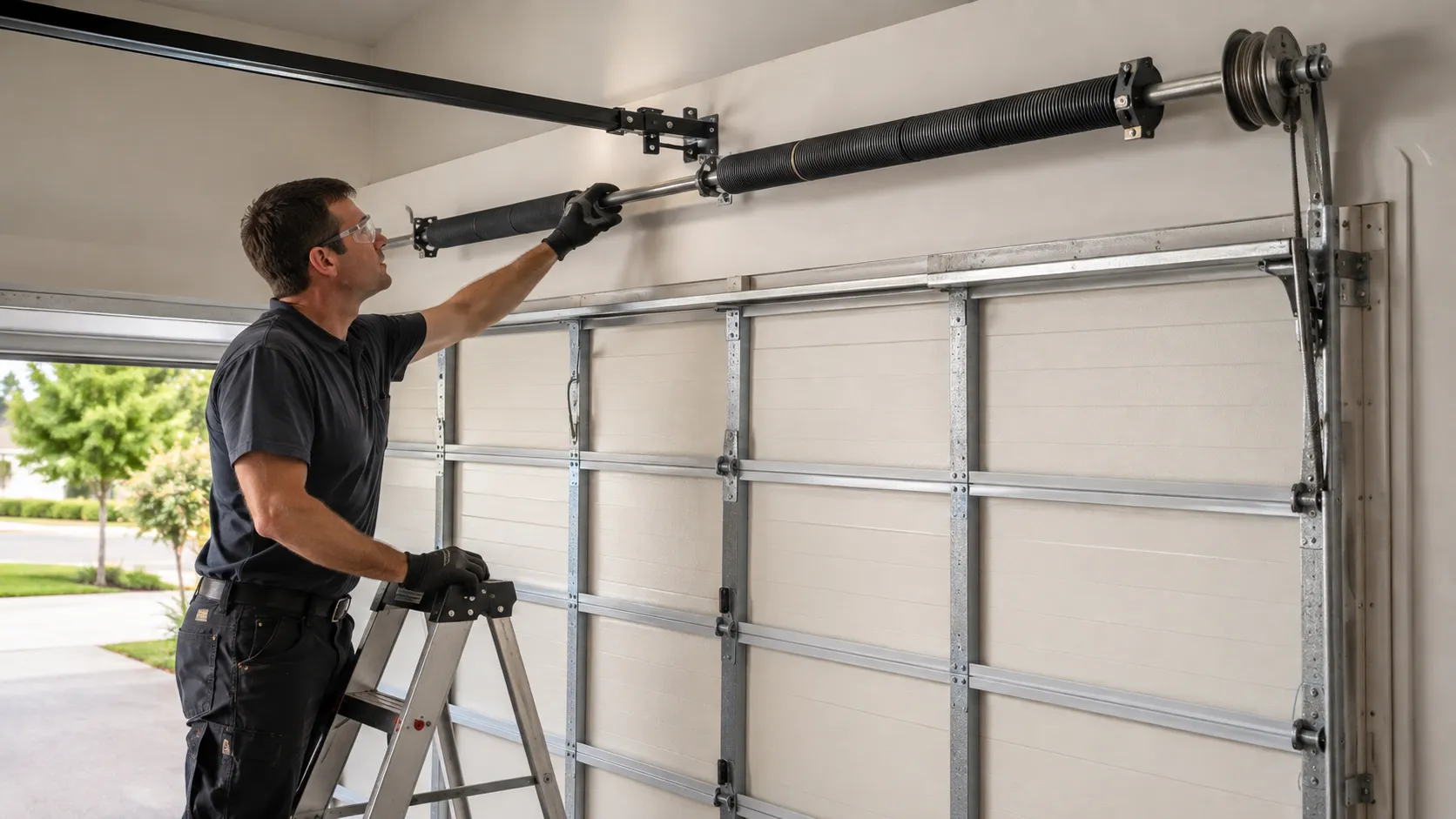
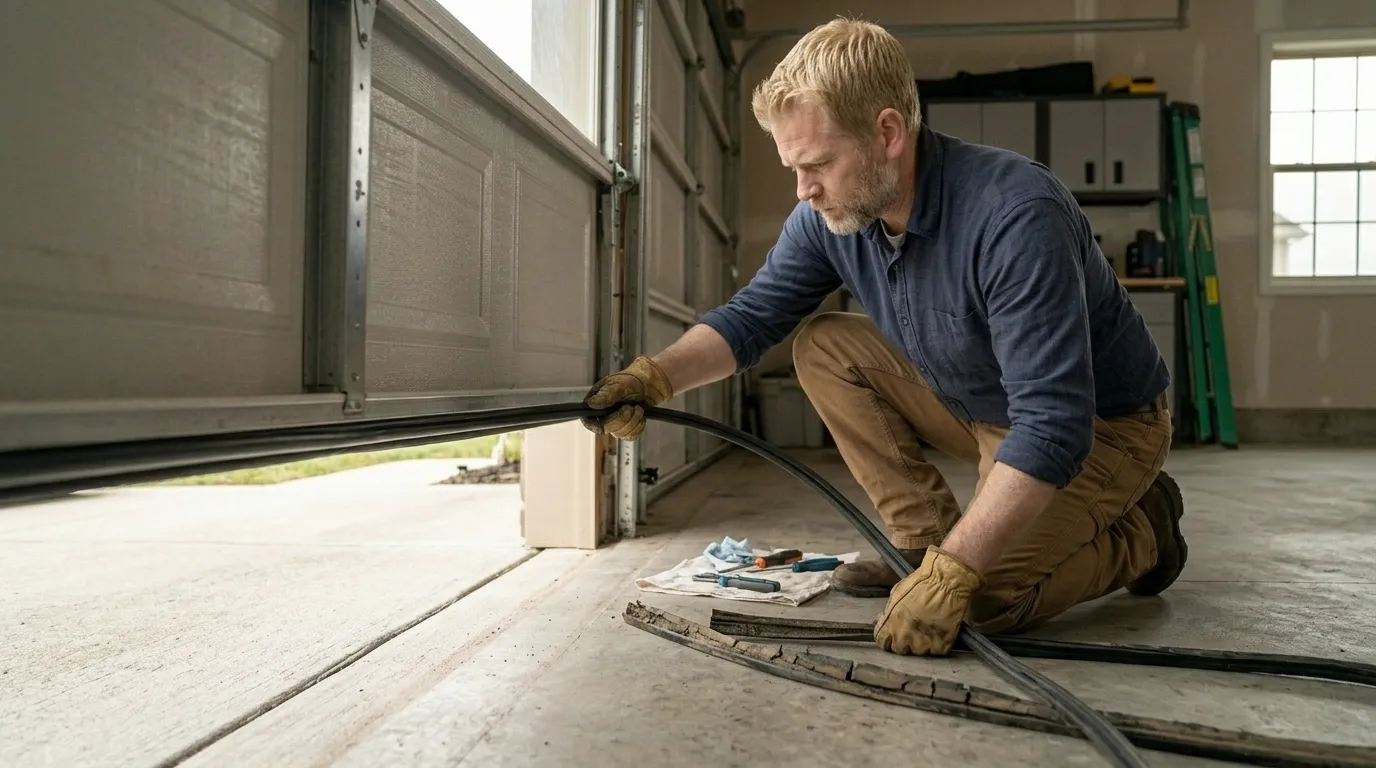
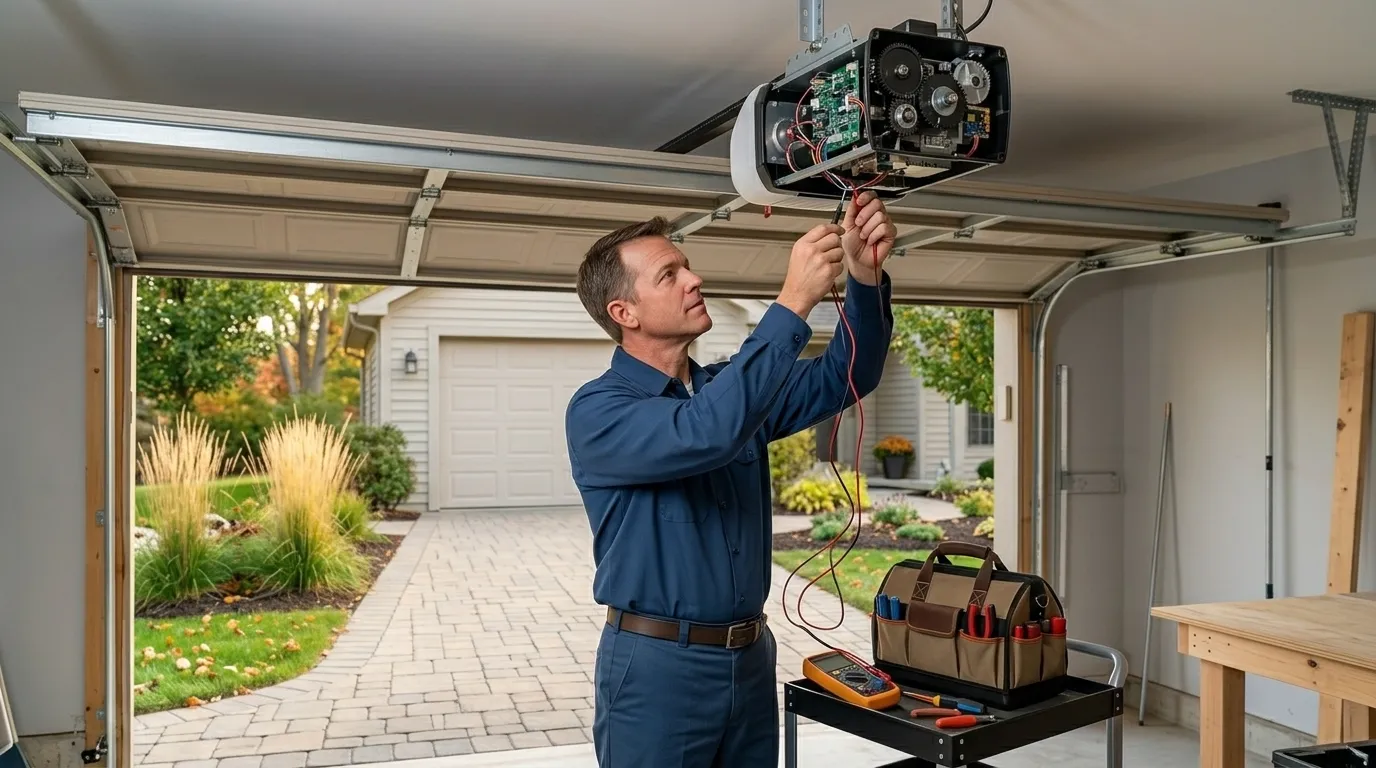
With 2,211 households in Turtle Creek, the pattern of calls tends to run toward the same few problems, not because the town is unusual but because so much of the housing shares an age. Torsion springs on original or near-original hardware fail more often here than in newer construction, and when they go, the whole door usually needs a second set of hands rather than a solo bolt-tightening job. Openers on these older doors sometimes got retrofitted decades after the door itself was installed, which means the opener's safety sensors and the door's actual weight don't always agree with each other - that mismatch is worth checking even if the opener seems to be working fine. Cold weather makes older steel more brittle at the panel seams, and that combined with the area's severe winter conditions means panel cracking shows up more in January calls than June ones. We don't do cosmetic touch-ups on doors that are structurally past their useful life - if a door's frame is bent or the track is warped beyond adjustment, we'll say so rather than patch something that'll fail again in a season.
Getting Here
Turtle Creek sits about 8 miles from our base in Pittsburgh. We don't keep a truck stationed in the neighborhood - every job here is a drive out from the shop, same as most of the areas we cover. That distance doesn't change the work once we're on-site, but it's worth knowing upfront if you're expecting a crew parked around the corner. We travel this route for other nearby communities too, including Braddock, East Pittsburgh, and Wilkinsburg, all within a similar few miles of the city, so Turtle Creek isn't an outlier stop for us - it's part of the regular loop east of downtown.
This Area's Housing
A median household income of $44,449 in Turtle Creek runs below the wider service area's figure, and that's relevant to how we talk about repair versus replacement here. On a door built for a house from the early 1940s, a full replacement isn't always the right first move financially, especially when the existing frame and track are sound and the failure is isolated to a spring or a section of rollers. We try to fix what's fixable before recommending a new door, particularly on this kind of older stock where the labor to retrofit a modern door into a vintage opening can add real cost on top of the door itself. That said, once panels are rusted through or a track is bent past straightening, patching it is money spent on a problem that comes back. The housing stock across this part of the region skews pre-1960 overall, and Turtle Creek's numbers sit right in that pattern - old enough that original hardware is common, young enough that most of it has been touched by at least one prior repair.
How it works
From “it’s stuck” to “it’s fixed”
01
Tell us what’s wrong
Describe the symptom - won’t open, loud bang, opener runs but the door won’t move.
02
On-site diagnosis
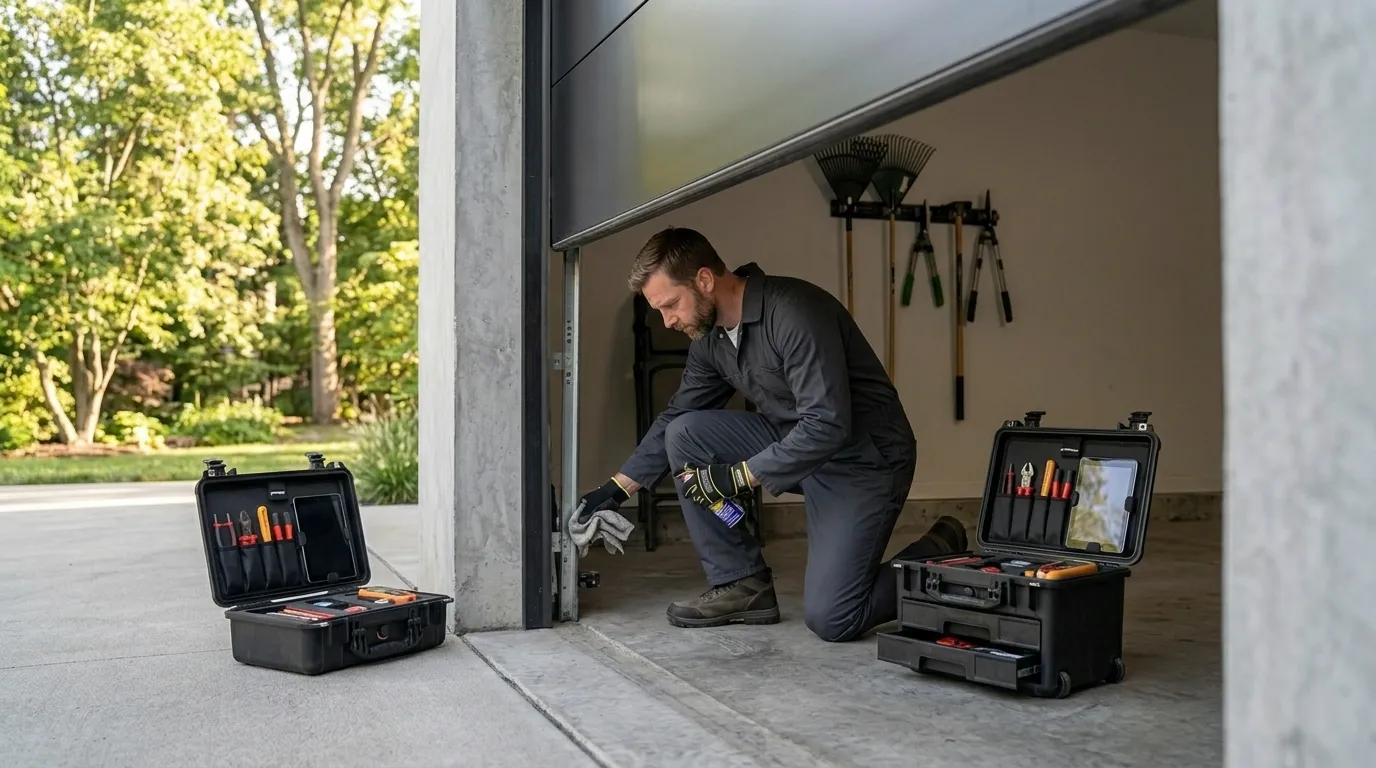
A technician tests the door under power and by hand and finds what actually failed.
03
Clear, up-front plan
You get the fix that’s needed and what drives the cost - before any work starts.
04
Repaired & tested
The repair is done, the door is set true and tested, and the work area left clean.
Serving Pittsburgh, PA - tell us what your door’s doing and we’ll take it from there.
No. We run out of Pittsburgh, about 8 miles away, and Turtle Creek is one of the areas we regularly drive out to. There's no local depot here - every job means a trip from the shop.
Why does my garage door spring keep breaking?
On a house built around the 1940s like a lot of Turtle Creek's stock, original torsion hardware can be undersized for a heavier replacement door installed later, or just worn out from decades of cold-weather cycling. We check the bracket and shaft size before replacing anything.
Is it worth replacing an old door instead of repairing it?
Depends on the door. If the track and frame are straight and it's one broken part, repair usually makes more sense, especially given typical costs in this area. If panels are rusted or the frame's bent, repair is a short-term fix at best.
Ready to get your garage door sorted?
Tell us what it’s doing and where you are in Pittsburgh - we’ll take it from there.